
Search
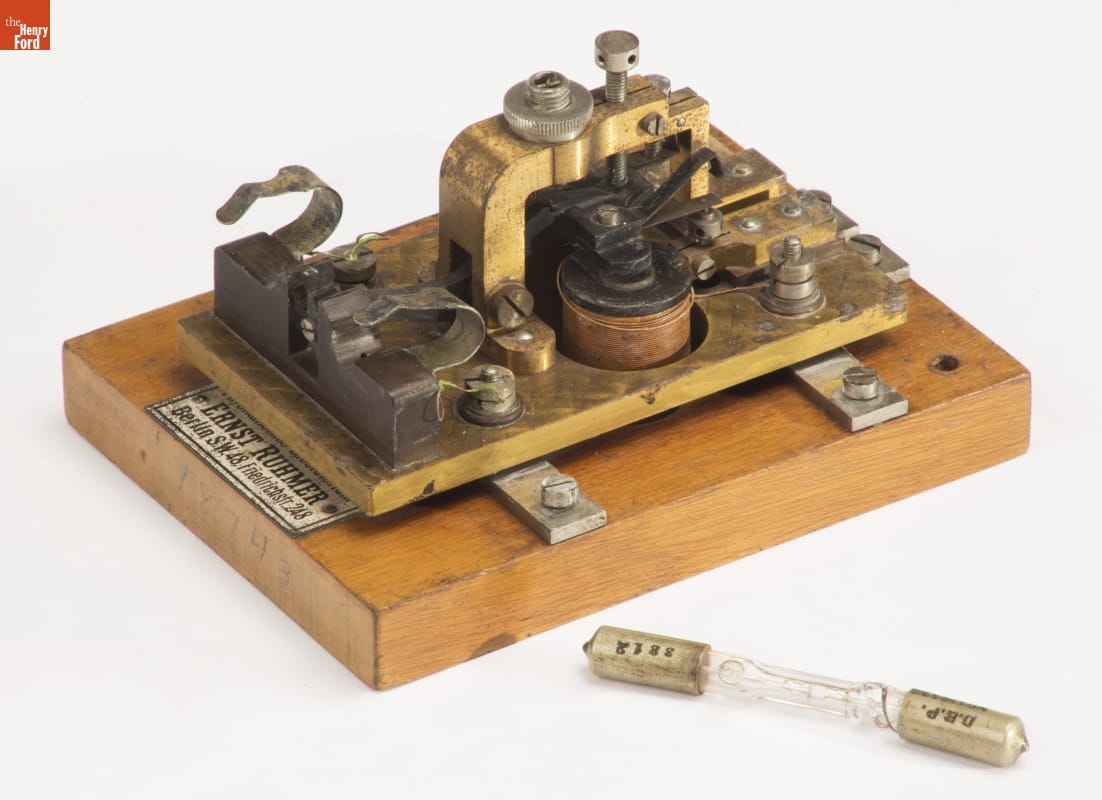
- Ruhmer Coherer, Used at Hammond Radio Research Laboratory, circa 1905 - John Hays Hammond, Jr., was largely responsible for launching the field of radio control. In 1926, he built a medieval-inspired castle in Gloucester, Massachusetts. This site served as his home and research laboratory. With over 400 patents to his name, Hammond developed ideas for radio control, autopilot function, and targeted missile detonation. This device was used in Hammond's laboratory.
- circa 1905
- Collections - Artifact
Ruhmer Coherer, Used at Hammond Radio Research Laboratory, circa 1905
John Hays Hammond, Jr., was largely responsible for launching the field of radio control. In 1926, he built a medieval-inspired castle in Gloucester, Massachusetts. This site served as his home and research laboratory. With over 400 patents to his name, Hammond developed ideas for radio control, autopilot function, and targeted missile detonation. This device was used in Hammond's laboratory.
- Fessenden Wireless Telegraph System, 1908-1910 -
- 1908-1910
- Collections - Artifact
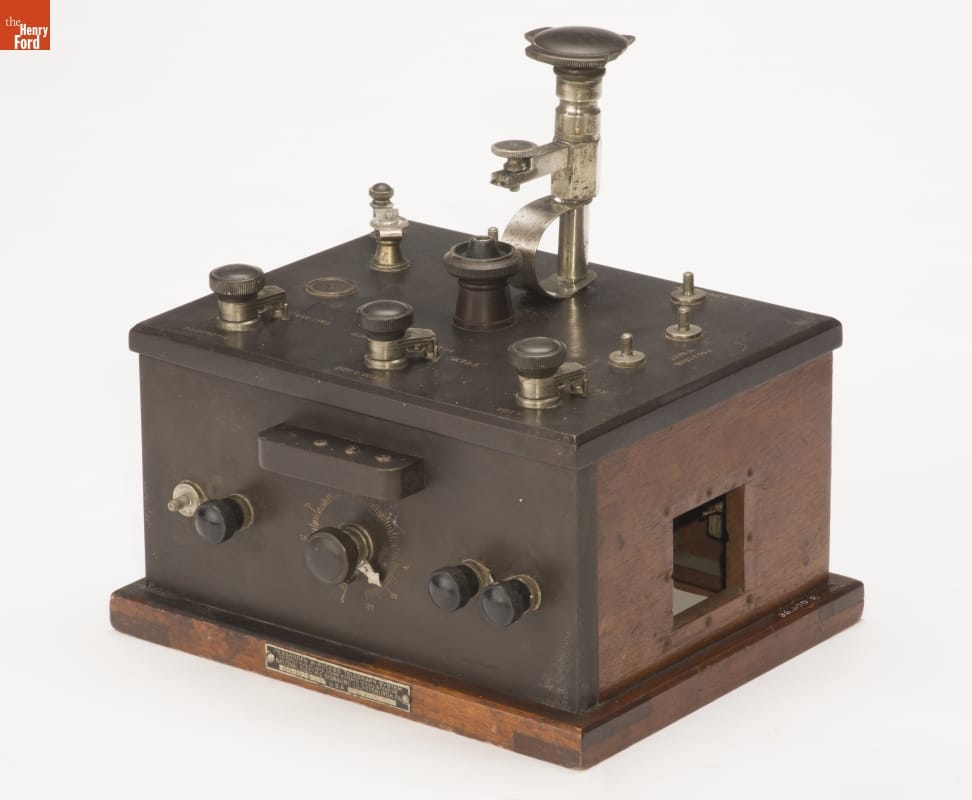
Fessenden Wireless Telegraph System, 1908-1910
- WSA Perikon Radio Detector, circa 1908 -
- circa 1908
- Collections - Artifact
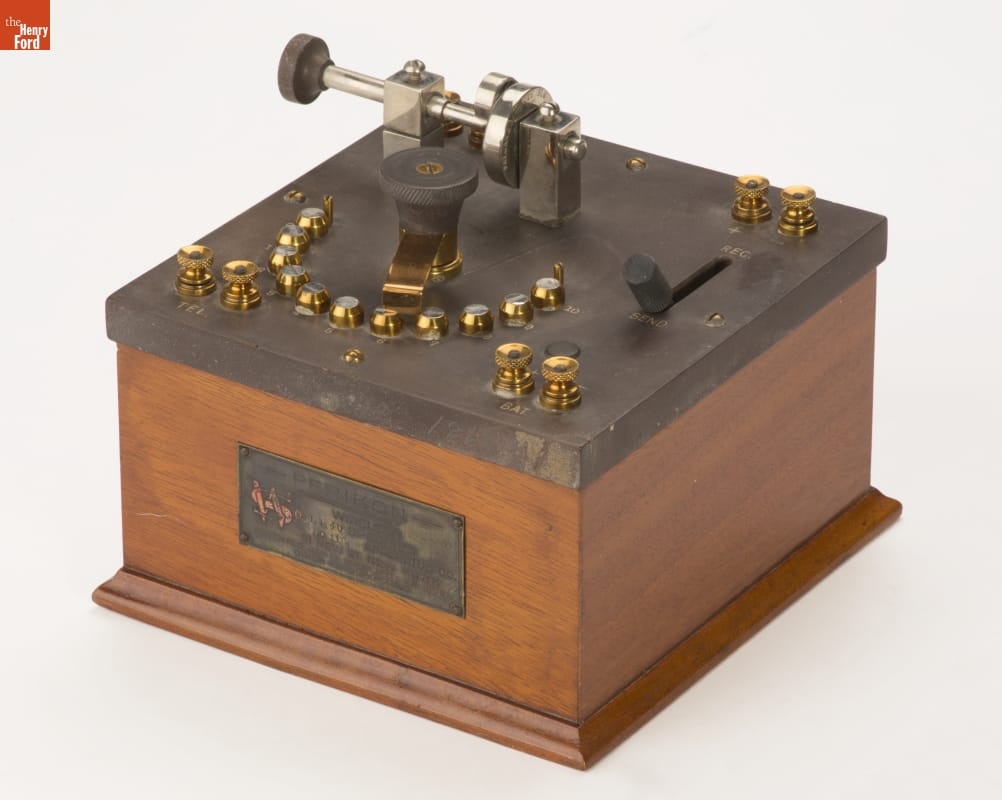
WSA Perikon Radio Detector, circa 1908
- Paragon Vacuum Tube Control Unit, No. 70, 1921 -
- 1921
- Collections - Artifact
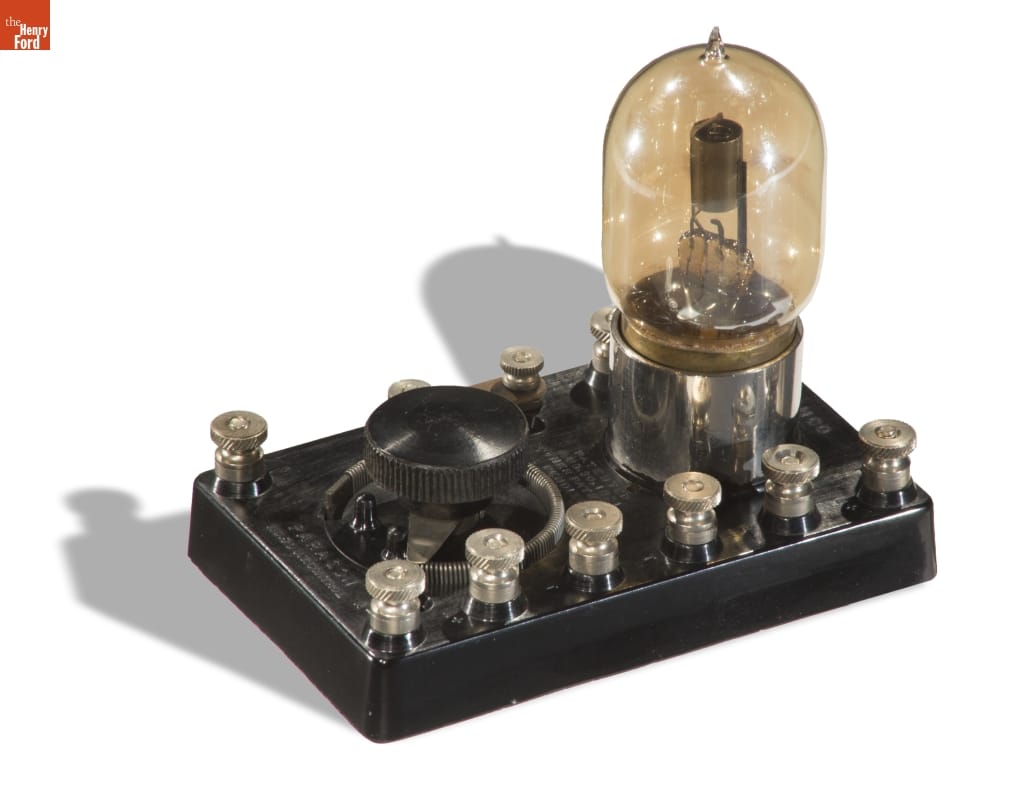
Paragon Vacuum Tube Control Unit, No. 70, 1921
- Westinghouse RA-DA Radio Tuner and Detector, 1921-1922 -
- 1921-1922
- Collections - Artifact
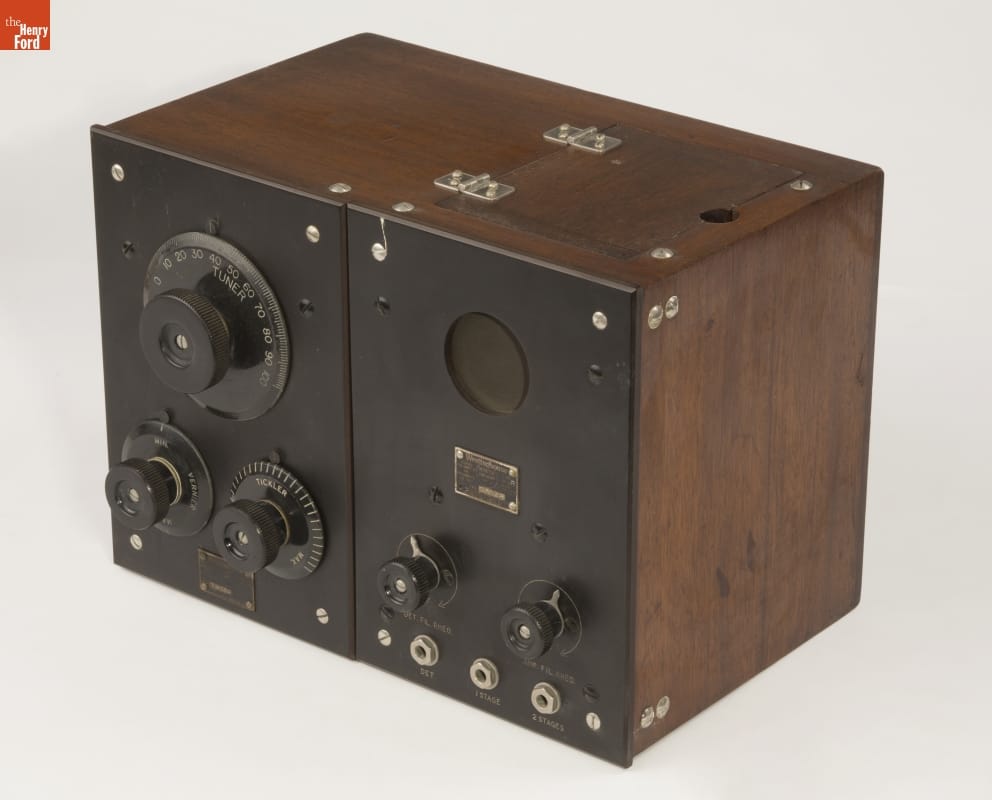
Westinghouse RA-DA Radio Tuner and Detector, 1921-1922
- Murdock Silicon Radio Detector, circa 1915 -
- circa 1915
- Collections - Artifact
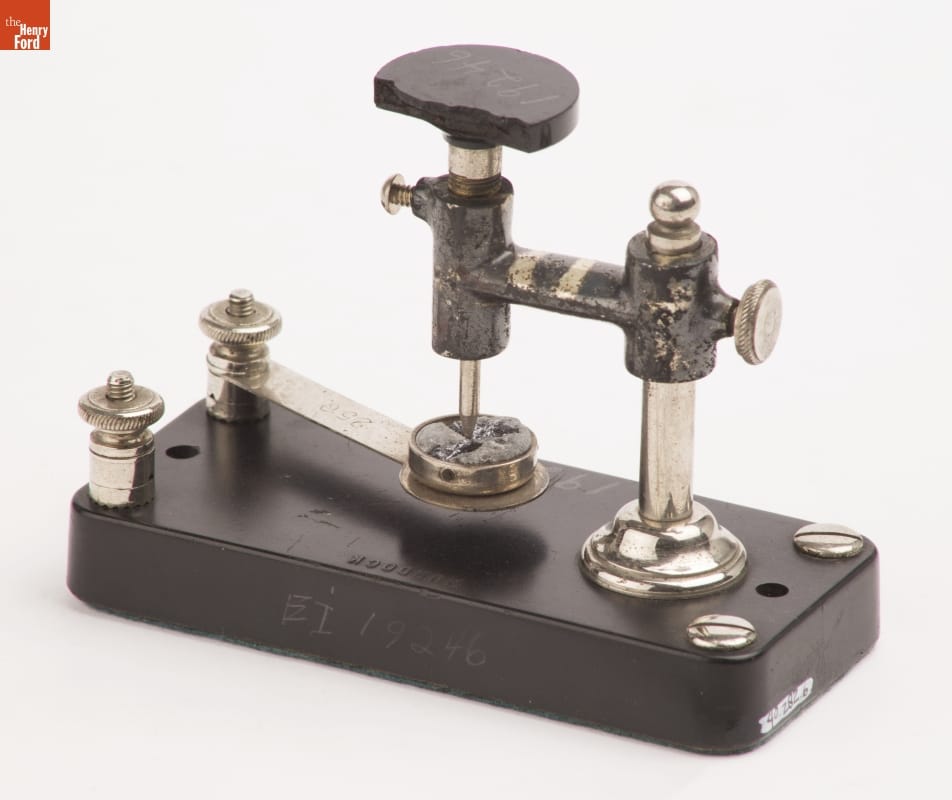
Murdock Silicon Radio Detector, circa 1915
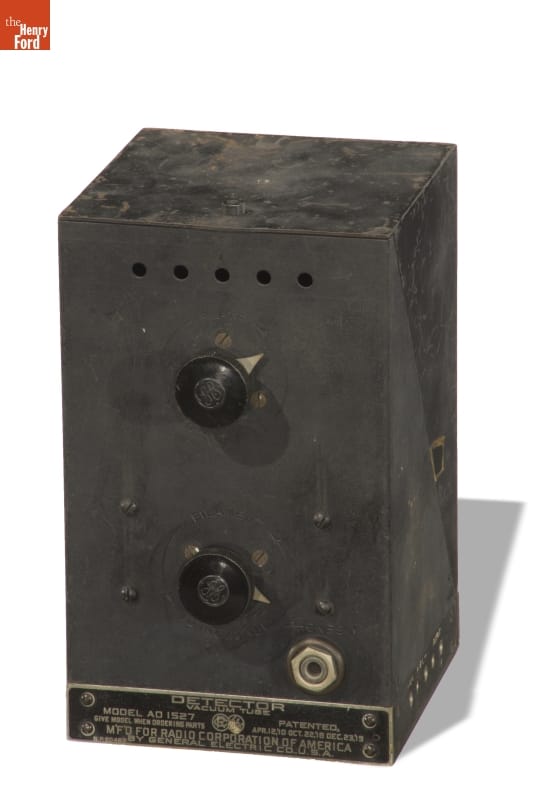
- RCA Vacuum Tube Detector, Model AD 1527, 1921 - Unlike modern radio stations, which transmit recognizable sounds, the first radio transmitters broadcast information by wireless telegraphy. Pulses of radio waves spelled out text messages in Morse code, reproduced as clicks in the operator's earphones, which would be transcribed. The radio detector indicated the presence of incoming radio signals. This version was built to withstand harsh marine conditions onboard ships.
- 1921
- Collections - Artifact
RCA Vacuum Tube Detector, Model AD 1527, 1921
Unlike modern radio stations, which transmit recognizable sounds, the first radio transmitters broadcast information by wireless telegraphy. Pulses of radio waves spelled out text messages in Morse code, reproduced as clicks in the operator's earphones, which would be transcribed. The radio detector indicated the presence of incoming radio signals. This version was built to withstand harsh marine conditions onboard ships.
- WSA Perikon Radio Detector, circa 1908 -
- circa 1908
- Collections - Artifact
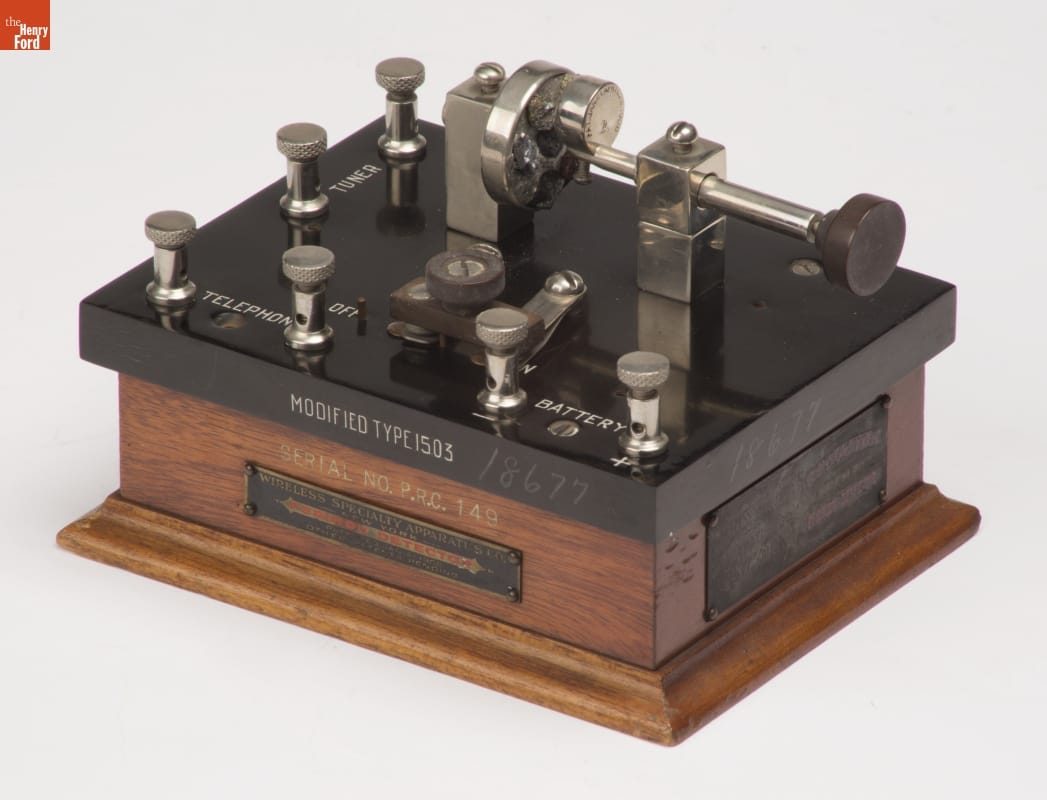
WSA Perikon Radio Detector, circa 1908
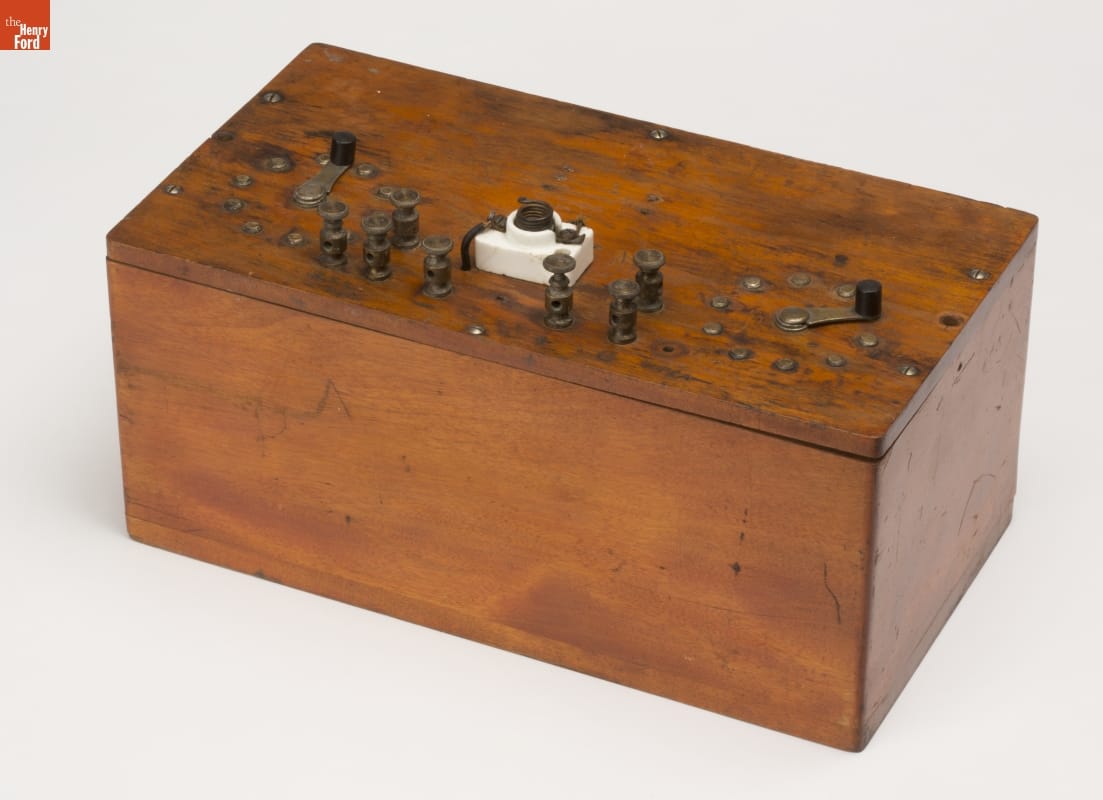
- Audion Control Box, Used in Hammond Radio Research Laboratory, circa 1910 - John Hays Hammond, Jr., was largely responsible for launching the field of radio control. In 1926, he built a medieval-inspired castle in Gloucester, Massachusetts. This site served as his home and research laboratory. With over 400 patents to his name, Hammond developed ideas for radio control, autopilot function, and targeted missile detonation. This device was used in Hammond's laboratory.
- circa 1916
- Collections - Artifact
Audion Control Box, Used in Hammond Radio Research Laboratory, circa 1910
John Hays Hammond, Jr., was largely responsible for launching the field of radio control. In 1926, he built a medieval-inspired castle in Gloucester, Massachusetts. This site served as his home and research laboratory. With over 400 patents to his name, Hammond developed ideas for radio control, autopilot function, and targeted missile detonation. This device was used in Hammond's laboratory.
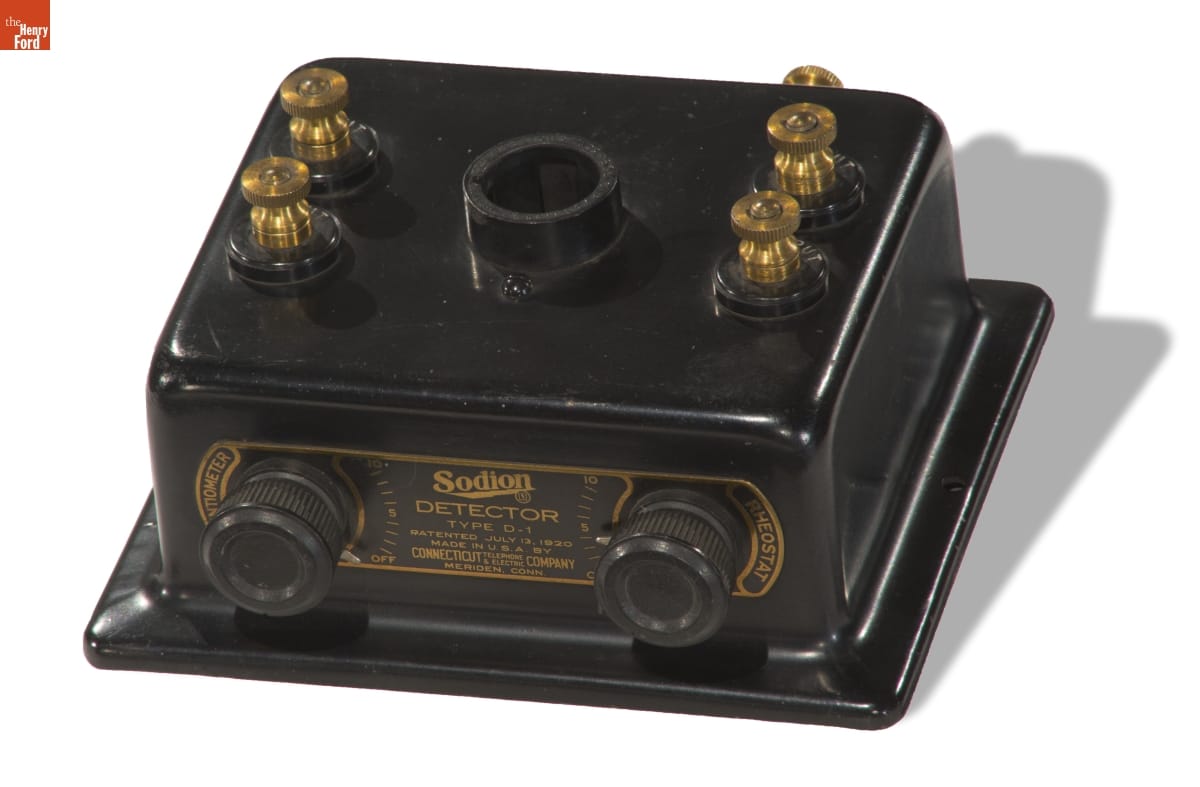
- Sodion Radio Detector, Type D-1, 1923-1924 -
- 1923-1924
- Collections - Artifact
Sodion Radio Detector, Type D-1, 1923-1924