
Search
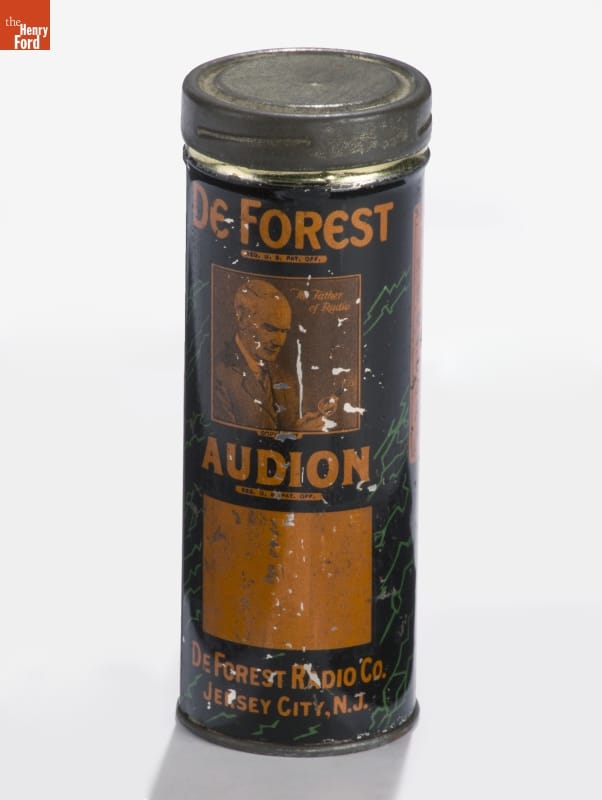
- DeForest Audion Tube, Type D-01A, circa 1924 - Dr. Lee De Forest was an inventor, engineer, and the self-styled "Father of Radio." In 1906, De Forest invented the Audion tube, allowing the detection and amplification of weak radio signals. As the first triode vacuum tube, the Audion revolutionized radio broadcasting--and made it more practical. By the late 1920s, vacuum tube radios were the widespread in people's homes.
- circa 1924
- Collections - Artifact
DeForest Audion Tube, Type D-01A, circa 1924
Dr. Lee De Forest was an inventor, engineer, and the self-styled "Father of Radio." In 1906, De Forest invented the Audion tube, allowing the detection and amplification of weak radio signals. As the first triode vacuum tube, the Audion revolutionized radio broadcasting--and made it more practical. By the late 1920s, vacuum tube radios were the widespread in people's homes.
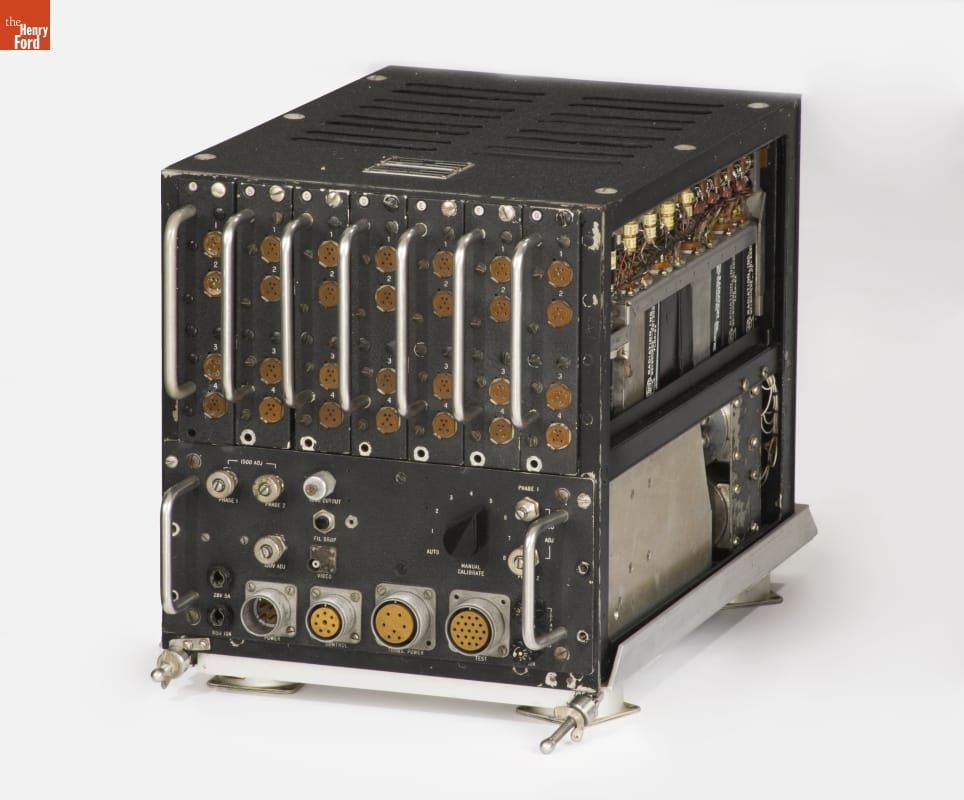
- Radiation Inc. Coder-Multiplexer, Airborne Type AKT-6, circa 1951 - Telemetry systems collect and display instrument information from remote and often hazardous locations. Rocketry, underwater exploration, and tracking of wild animals are just some of the fields that depend upon radio telemetry. These particular units were used to collect data during Operation Teapot, a series of nuclear detonation tests undertaken by the United States in 1955 in Nevada.
- 1951
- Collections - Artifact
Radiation Inc. Coder-Multiplexer, Airborne Type AKT-6, circa 1951
Telemetry systems collect and display instrument information from remote and often hazardous locations. Rocketry, underwater exploration, and tracking of wild animals are just some of the fields that depend upon radio telemetry. These particular units were used to collect data during Operation Teapot, a series of nuclear detonation tests undertaken by the United States in 1955 in Nevada.
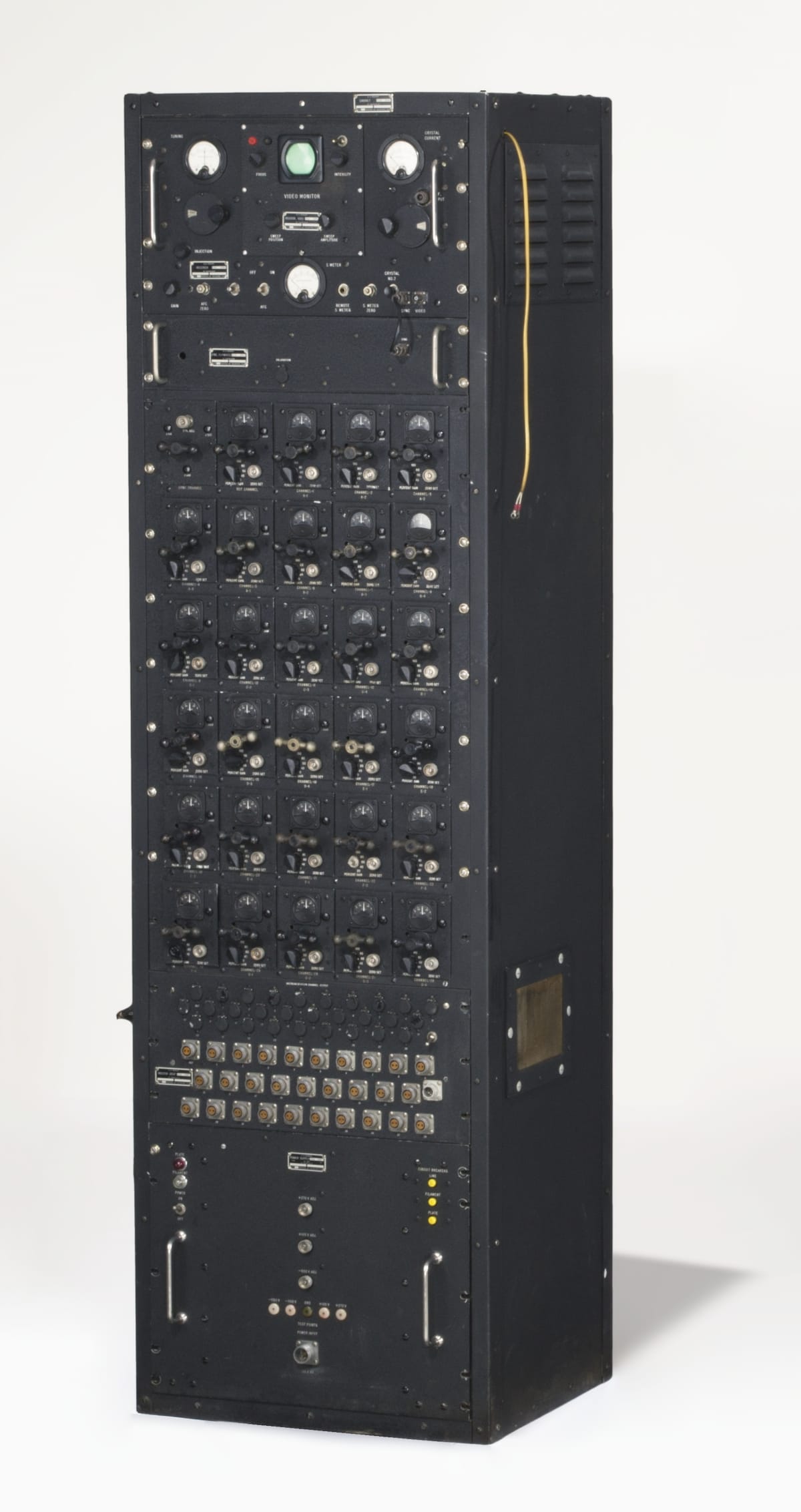
- Radiation, Inc. RF Receiver, Type UKR-1, circa 1951 - Telemetry systems collect and display instrument information from remote and often hazardous locations. Rocketry, underwater exploration, and tracking of wild animals are just some of the fields that depend upon radio telemetry. These particular units were used to collect data during Operation Teapot, a series of nuclear detonation tests undertaken by the United States in 1955 in Nevada.
- circa 1951
- Collections - Artifact
Radiation, Inc. RF Receiver, Type UKR-1, circa 1951
Telemetry systems collect and display instrument information from remote and often hazardous locations. Rocketry, underwater exploration, and tracking of wild animals are just some of the fields that depend upon radio telemetry. These particular units were used to collect data during Operation Teapot, a series of nuclear detonation tests undertaken by the United States in 1955 in Nevada.
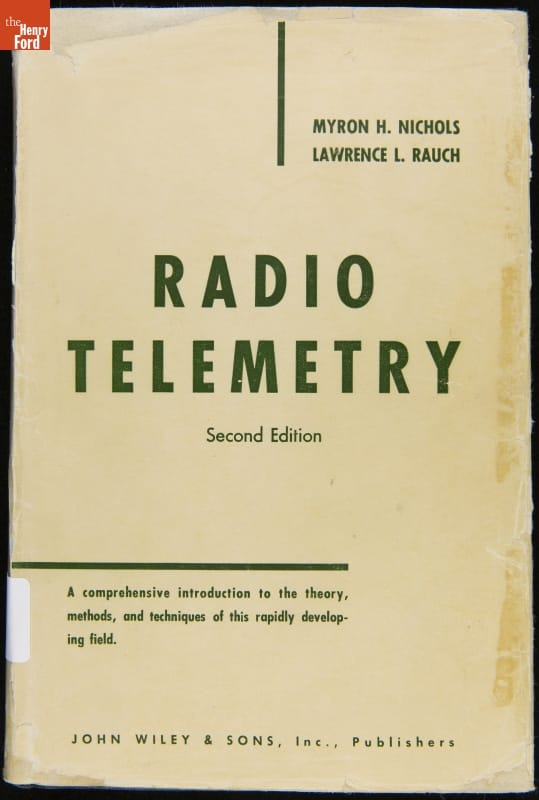
- "Radio Telemetry," 1956 -
- 1956
- Collections - Artifact
"Radio Telemetry," 1956
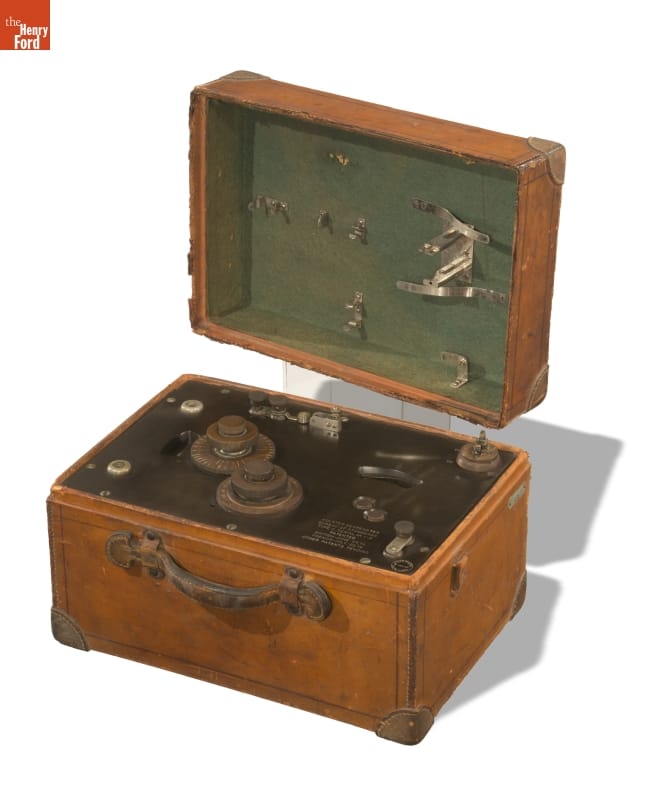
- Kolster Decremeter, Model C, 1912-1920 -
- 1912-1920
- Collections - Artifact
Kolster Decremeter, Model C, 1912-1920
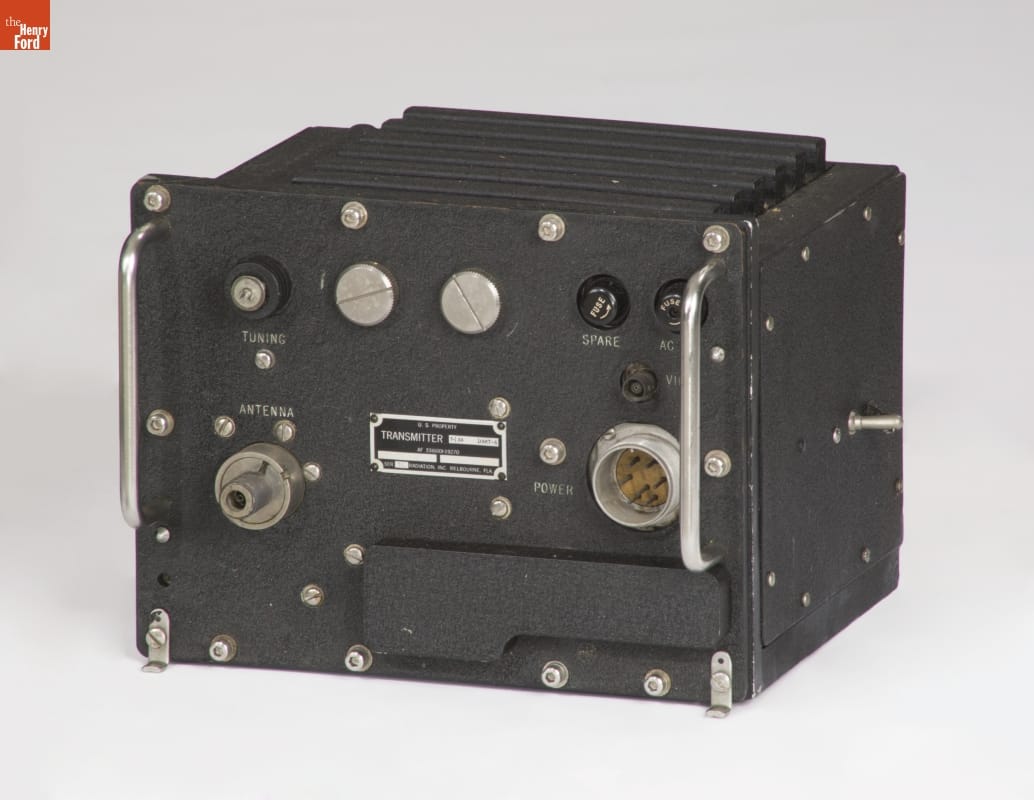
- Radiation, Inc. RF Transmitter, Airborne Type AKT-6, circa 1951 - Telemetry systems collect and display instrument information from remote and often hazardous locations. Rocketry, underwater exploration, and tracking of wild animals are just some of the fields that depend upon radio telemetry. These particular units were used to collect data during Operation Teapot, a series of nuclear detonation tests undertaken by the United States in 1955 in Nevada.
- circa 1951
- Collections - Artifact
Radiation, Inc. RF Transmitter, Airborne Type AKT-6, circa 1951
Telemetry systems collect and display instrument information from remote and often hazardous locations. Rocketry, underwater exploration, and tracking of wild animals are just some of the fields that depend upon radio telemetry. These particular units were used to collect data during Operation Teapot, a series of nuclear detonation tests undertaken by the United States in 1955 in Nevada.
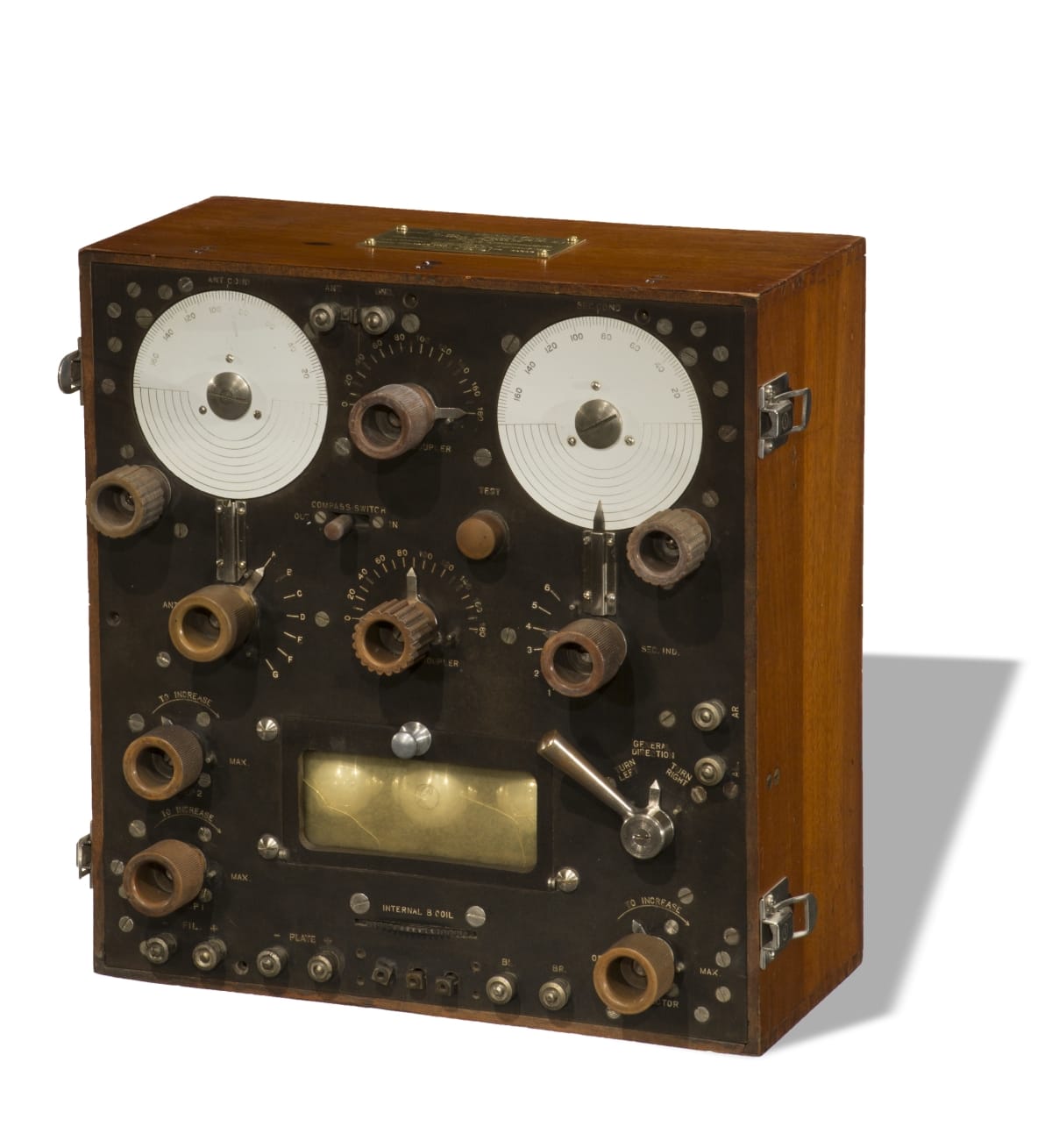
- Radio Receiver, Type SE-950, Used by Charles Francis Jenkins in Experiment Detecting Radio Signals from Mars - The SE950 was produced commercially during WWI as a rugged field radio; its versatile nature allowed it to remain useful in Charles Francis Jenkins' laboratory. The radio was used in a curious 1924 experiment as Mars drew near Earth's orbit. The SE950 was connected to a device capable of photographically recording any "alien communication" broadcast during military-imposed radio silence.
- August 01, 1924
- Collections - Artifact
Radio Receiver, Type SE-950, Used by Charles Francis Jenkins in Experiment Detecting Radio Signals from Mars
The SE950 was produced commercially during WWI as a rugged field radio; its versatile nature allowed it to remain useful in Charles Francis Jenkins' laboratory. The radio was used in a curious 1924 experiment as Mars drew near Earth's orbit. The SE950 was connected to a device capable of photographically recording any "alien communication" broadcast during military-imposed radio silence.
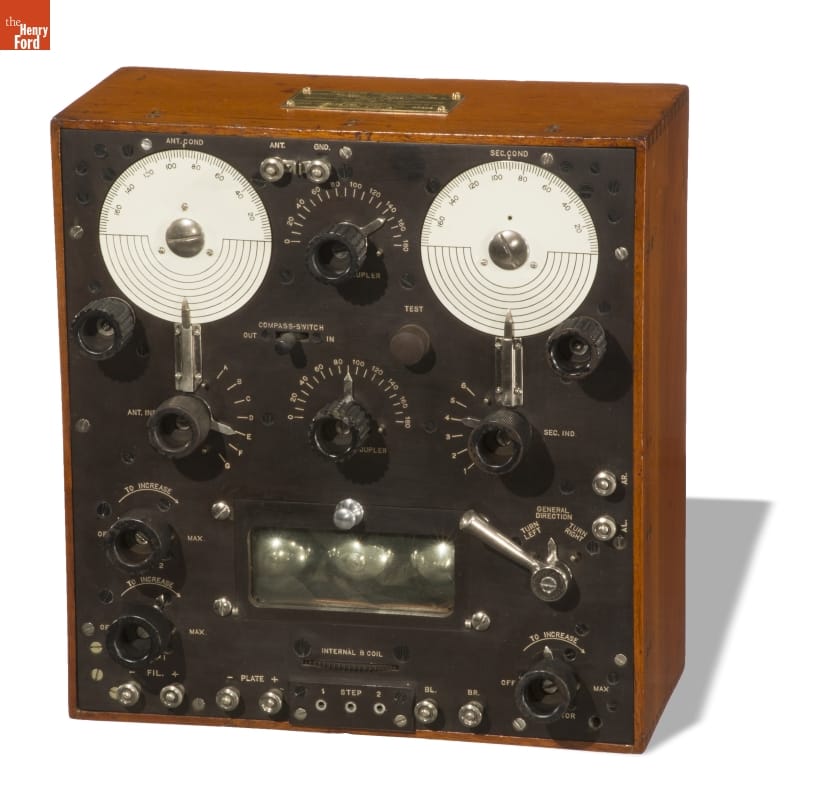
- Radio Receiver, Type SE-950, 1918 -
- March 26, 1918
- Collections - Artifact
Radio Receiver, Type SE-950, 1918
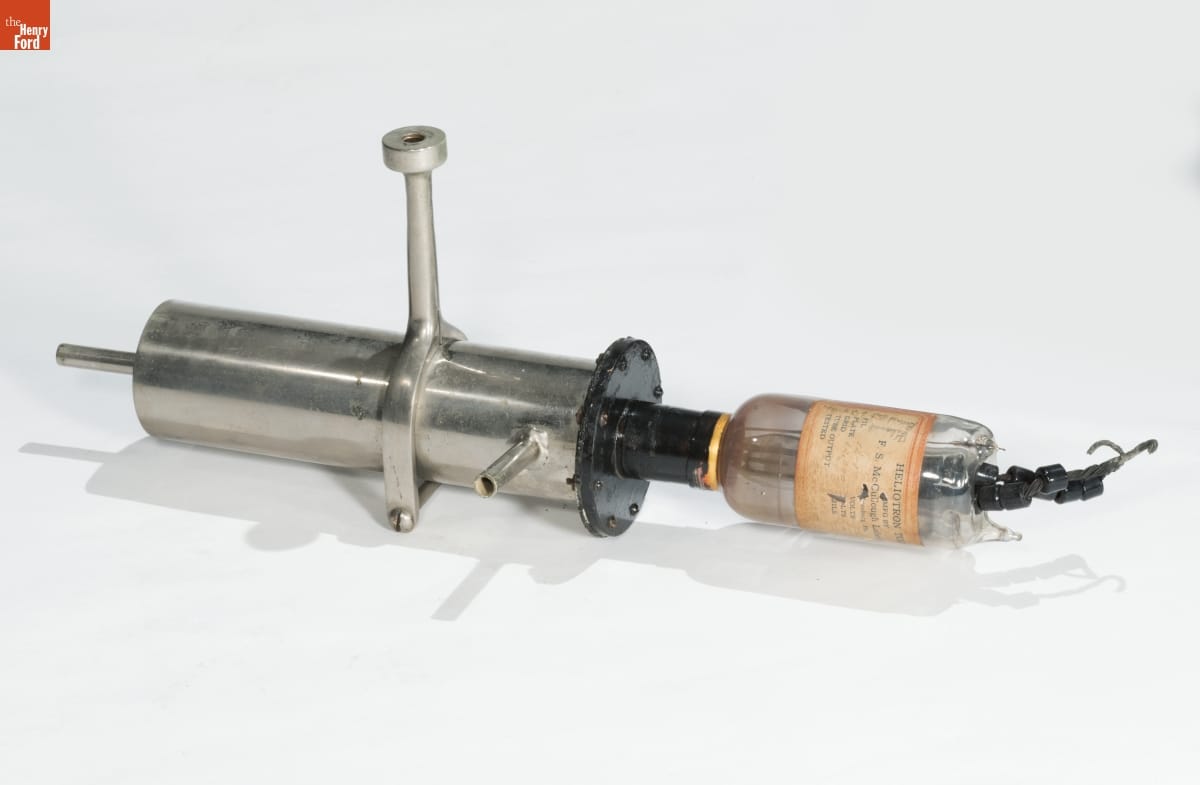
- F.S. McCullough Co. Heliotron Rectifier, Used by Ford Motor Company at Radio Station W8XE in Dearborn, Michigan, 1925 -
- 1925-1926
- Collections - Artifact
F.S. McCullough Co. Heliotron Rectifier, Used by Ford Motor Company at Radio Station W8XE in Dearborn, Michigan, 1925