
Search
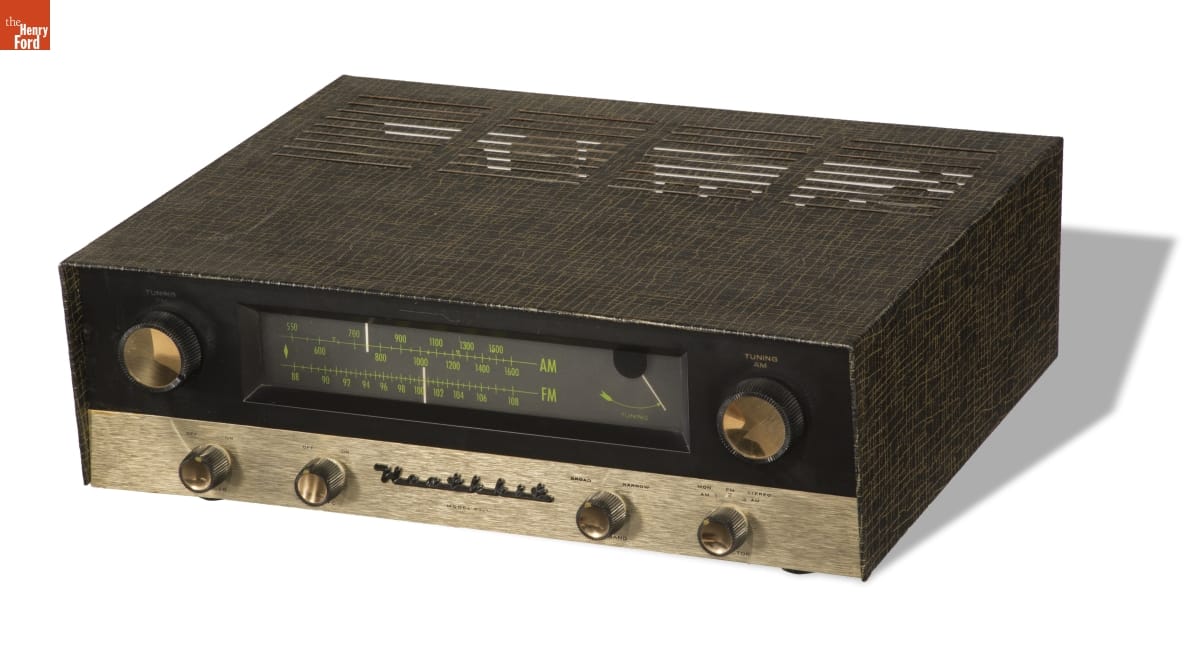
- Heathkit PT-1 AM/FM Stereo Tuner, circa 1959 - The Heath Company was founded in the 1920s as a "do-it-yourself" electronics kit provider. "Heathkits" provided simple, accessible instructions understandable to amateurs and experts alike. As hobbyists built radios, televisions, and computers from scratch, they gained electronics skills. These kits were not novelties, but emphasized access to affordable, advanced, high-performance technology. Parallels easily be seen within present-day "Maker" culture.
- circa 1959
- Collections - Artifact
Heathkit PT-1 AM/FM Stereo Tuner, circa 1959
The Heath Company was founded in the 1920s as a "do-it-yourself" electronics kit provider. "Heathkits" provided simple, accessible instructions understandable to amateurs and experts alike. As hobbyists built radios, televisions, and computers from scratch, they gained electronics skills. These kits were not novelties, but emphasized access to affordable, advanced, high-performance technology. Parallels easily be seen within present-day "Maker" culture.
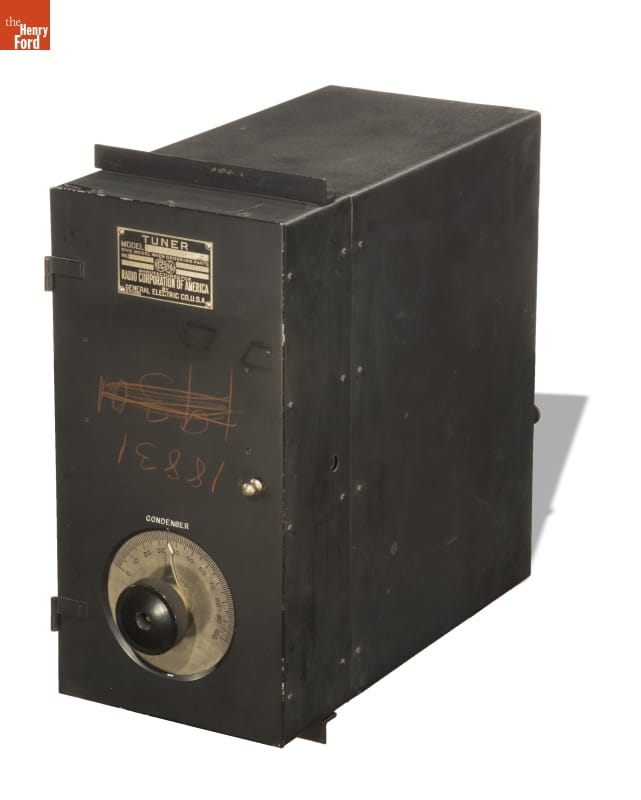
- RCA Radio Tuner, 1925-1930 - By the late 1920s, radio tuners, detectors, amplifiers, and loudspeakers began to condense into one unit, housed within an attractive wooden or metal cabinet. The standalone nature of this radio tuner puts it in an earlier era of radio -- as a field for amateur operators, commercial technicians, and military communications experts -- rather than the domain of "passive" home listeners.
- 1925-1930
- Collections - Artifact
RCA Radio Tuner, 1925-1930
By the late 1920s, radio tuners, detectors, amplifiers, and loudspeakers began to condense into one unit, housed within an attractive wooden or metal cabinet. The standalone nature of this radio tuner puts it in an earlier era of radio -- as a field for amateur operators, commercial technicians, and military communications experts -- rather than the domain of "passive" home listeners.
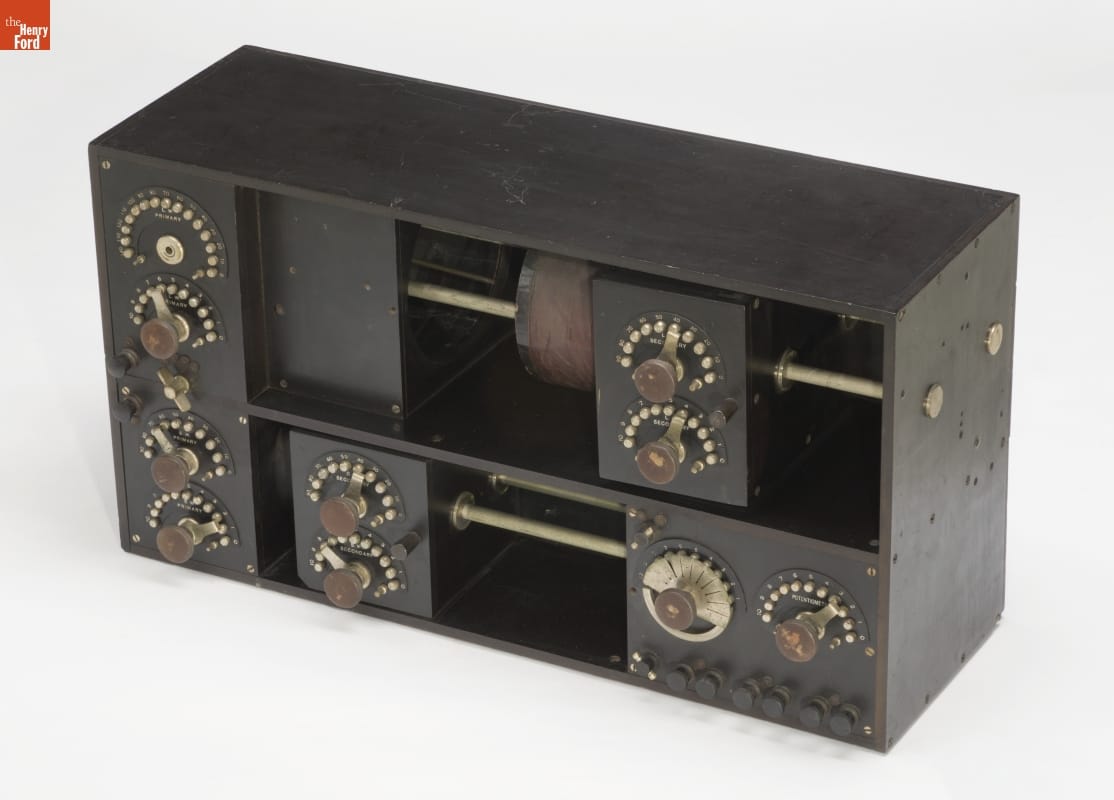
- WSA Ship to Shore Wireless Telegraph Receiver, Used by the United States Navy, circa 1915 -
- circa 1915
- Collections - Artifact
WSA Ship to Shore Wireless Telegraph Receiver, Used by the United States Navy, circa 1915
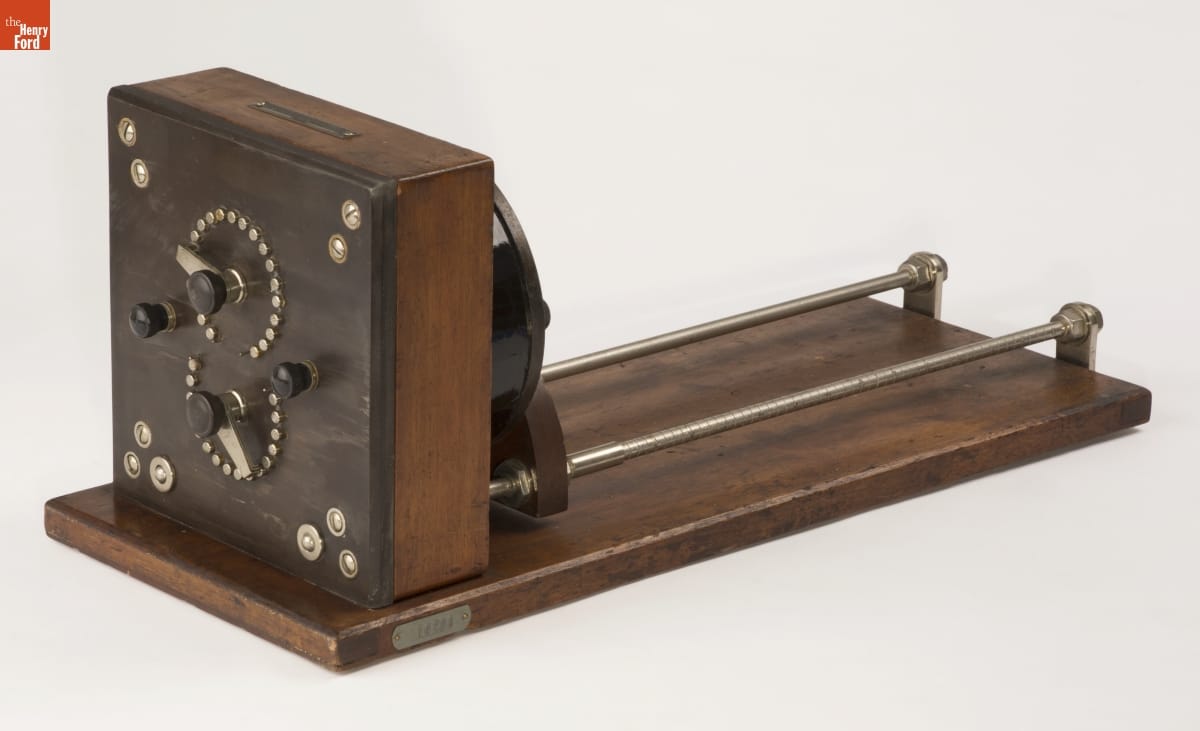
- Fessenden Variable Coupler, Used at Arlington Wireless Station NAA, 1913-1917 -
- 1913-1917
- Collections - Artifact
Fessenden Variable Coupler, Used at Arlington Wireless Station NAA, 1913-1917
- RCA Longwave Antenna Tuner, Type Y115, 1920-1921 -
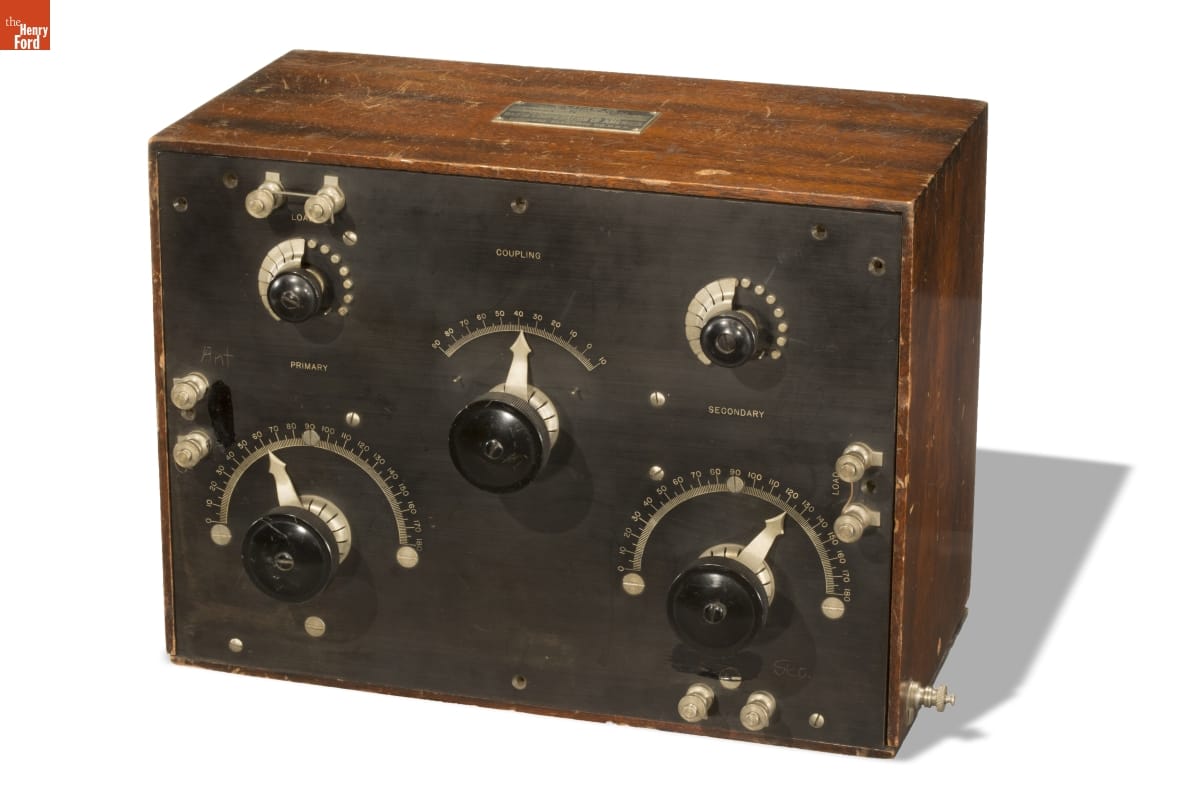
- 1920-1921
- Collections - Artifact
RCA Longwave Antenna Tuner, Type Y115, 1920-1921
- Radio Tuning Unit, Model 2596, 1921-1925 -
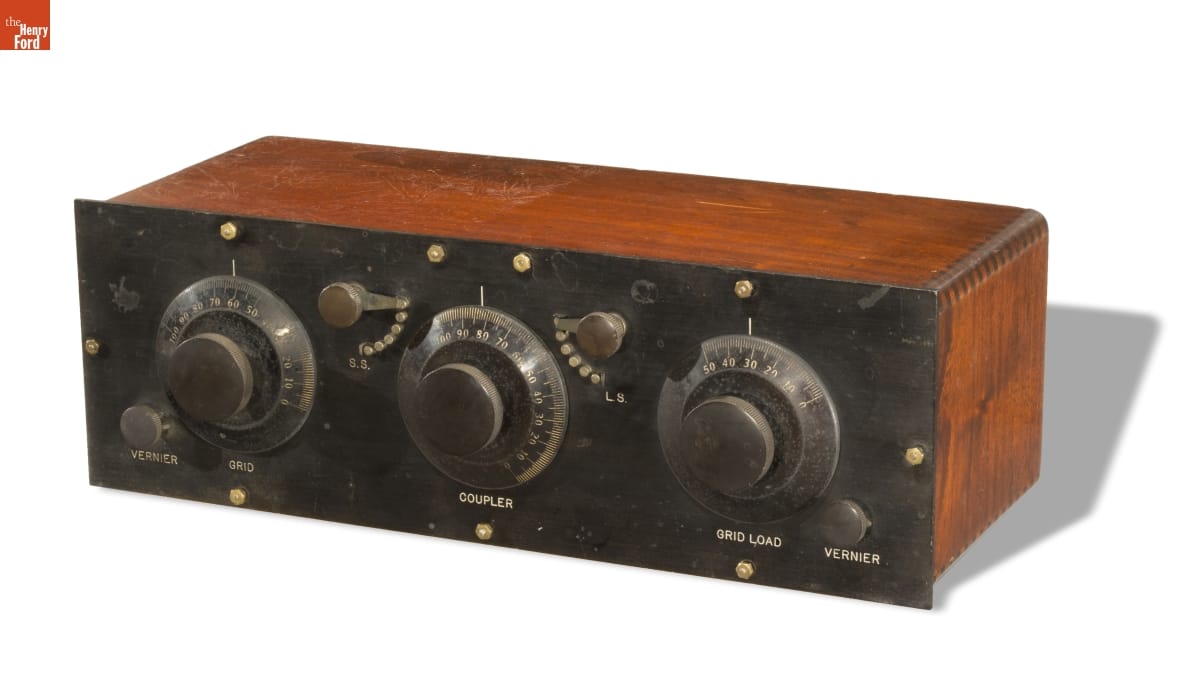
- 1921-1925
- Collections - Artifact
Radio Tuning Unit, Model 2596, 1921-1925
- Nichols Loose Coupler Radio Tuner, 1913-1914 -
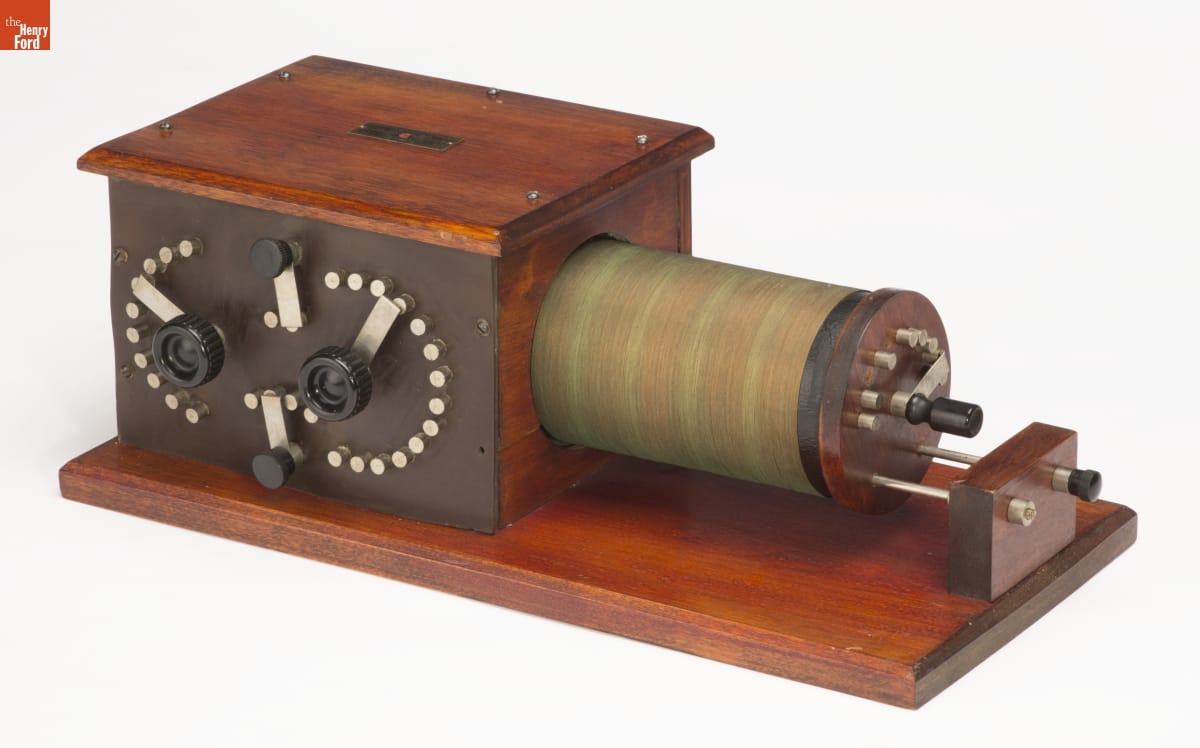
- 1913-1914
- Collections - Artifact
Nichols Loose Coupler Radio Tuner, 1913-1914
- Telefunken Variometer, Used at Tuckerton Wireless Station, 1912-1916 - This radio equipment was used at the German-built Tuckerton Wireless Station in New Jersey. A powerful 820-foot antenna communicated with an identical station in Germany. National security concerns during WWI led to the seizure of Tuckerton by the U.S. government in 1917. It is cited to be the origin of information leaks leading to the RMS <em>Lusitania</em> disaster through U-boat attack.
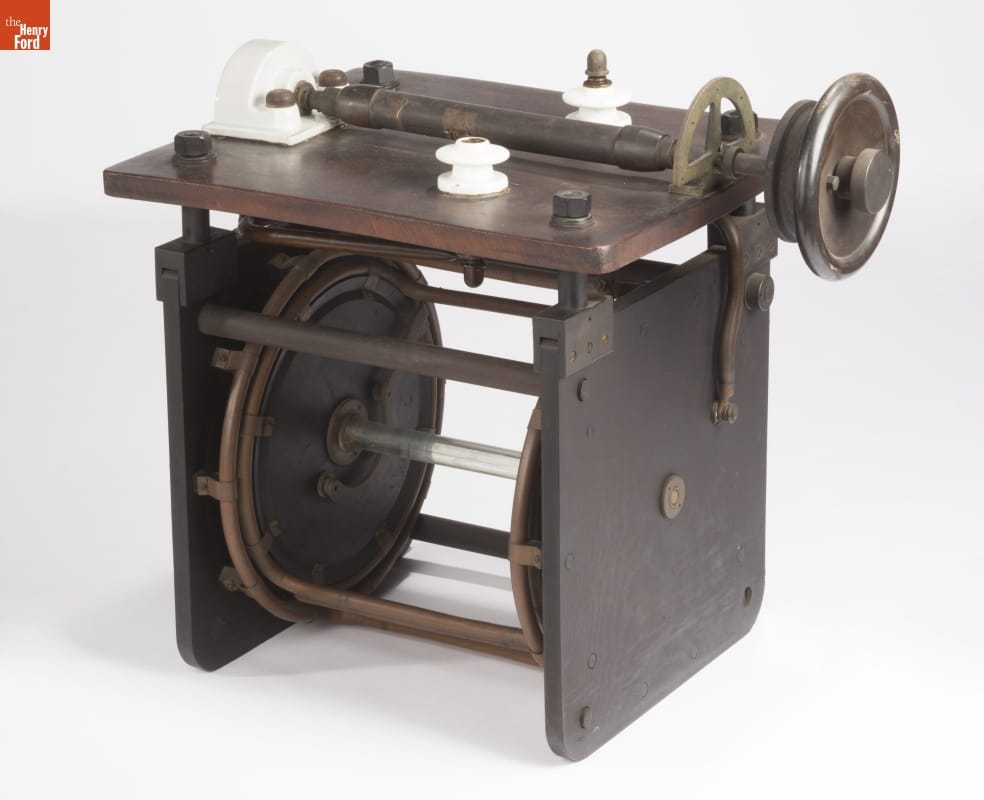
- 1912-1916
- Collections - Artifact
Telefunken Variometer, Used at Tuckerton Wireless Station, 1912-1916
This radio equipment was used at the German-built Tuckerton Wireless Station in New Jersey. A powerful 820-foot antenna communicated with an identical station in Germany. National security concerns during WWI led to the seizure of Tuckerton by the U.S. government in 1917. It is cited to be the origin of information leaks leading to the RMS Lusitania disaster through U-boat attack.
- Westinghouse RA-DA Radio Tuner and Detector, 1921-1922 -
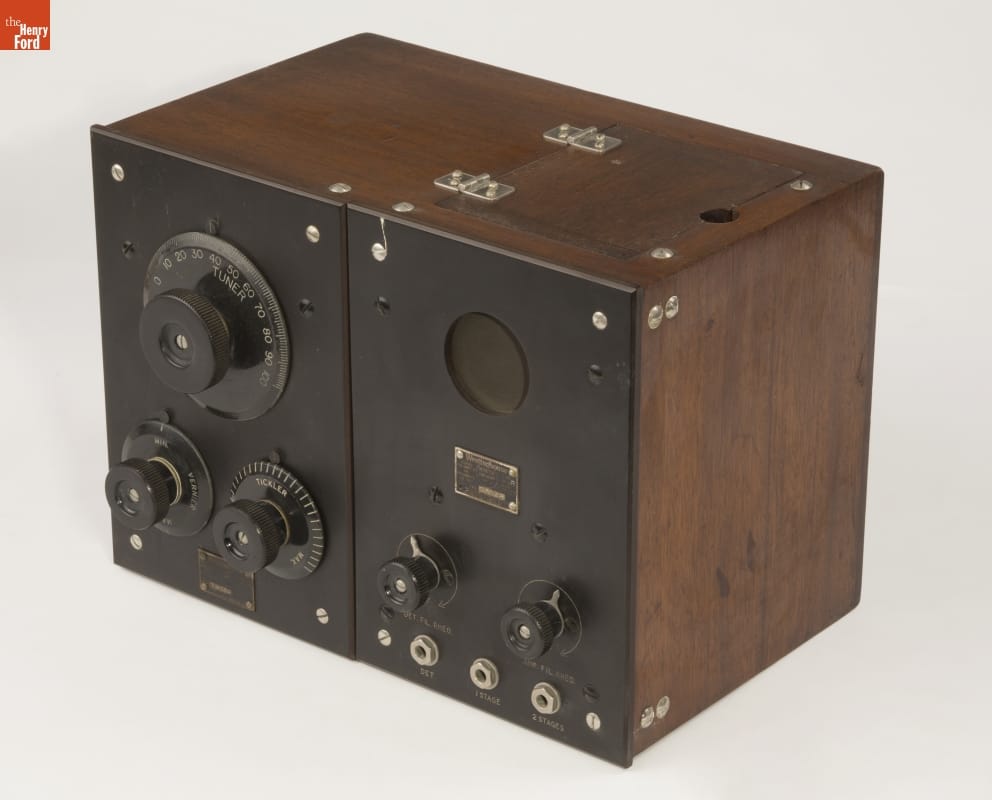
- 1921-1922
- Collections - Artifact
Westinghouse RA-DA Radio Tuner and Detector, 1921-1922
- Post-Modulator Tuner, Type Y116, 1924-1925 - By the late 1920s, radio tuners, detectors, amplifiers, and loudspeakers began to condense into one unit, housed within an attractive wooden or metal cabinet. The standalone nature of this radio tuner puts it in an earlier era of radio -- as a field for amateur operators, commercial technicians, and military communications experts -- rather than the domain of "passive" home listeners.
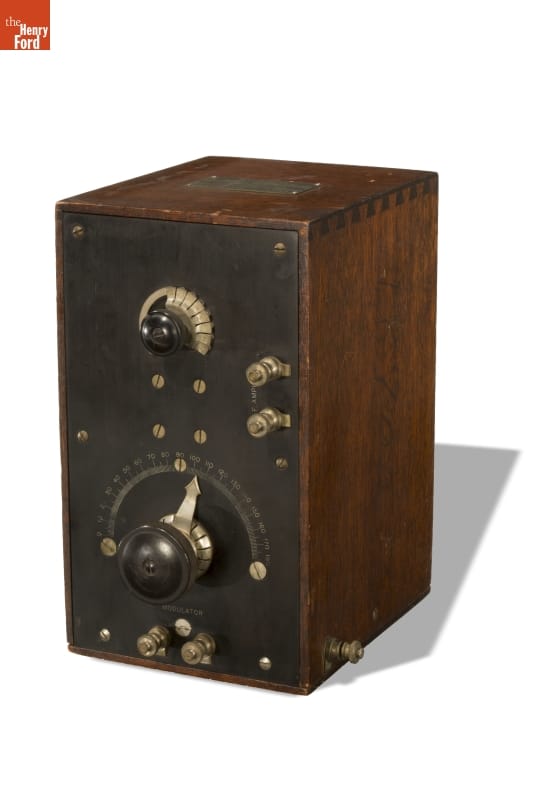
- 1924-1925
- Collections - Artifact
Post-Modulator Tuner, Type Y116, 1924-1925
By the late 1920s, radio tuners, detectors, amplifiers, and loudspeakers began to condense into one unit, housed within an attractive wooden or metal cabinet. The standalone nature of this radio tuner puts it in an earlier era of radio -- as a field for amateur operators, commercial technicians, and military communications experts -- rather than the domain of "passive" home listeners.