
Search
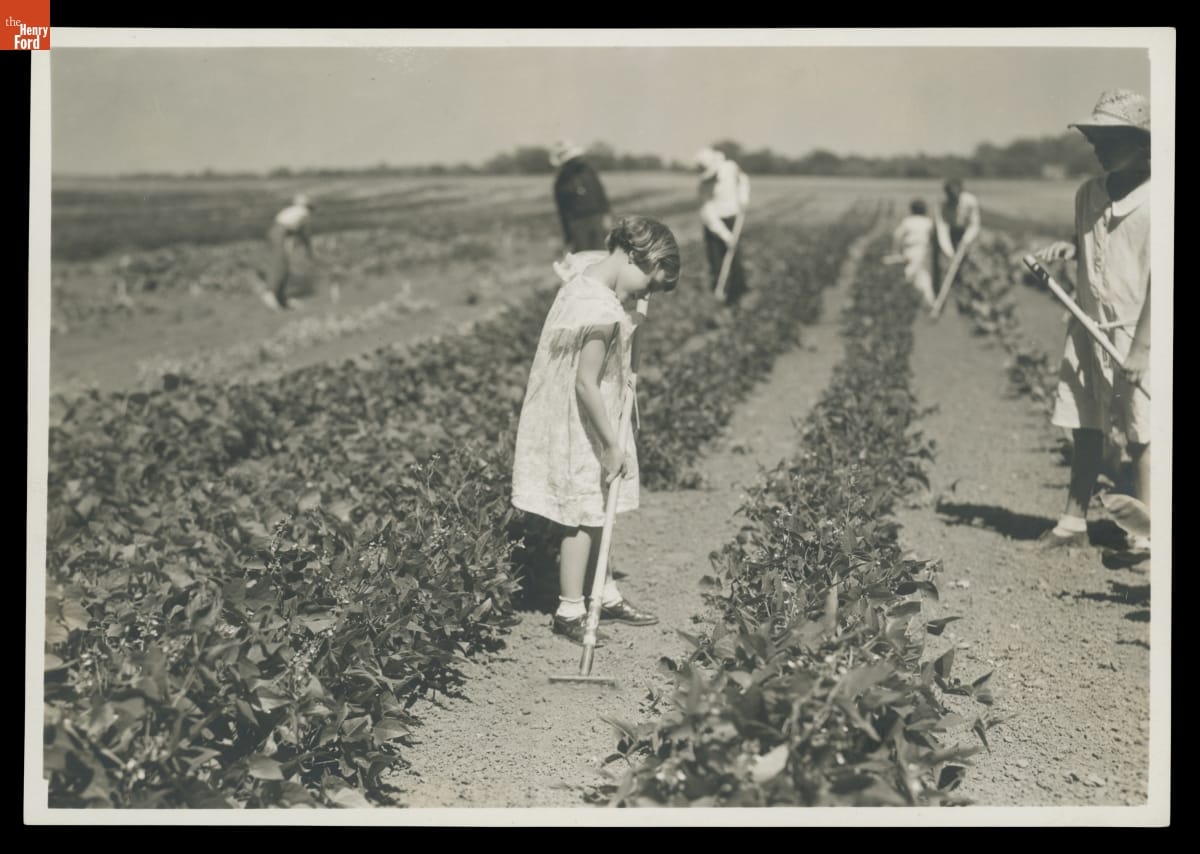
- School Children Working in a Garden, Macon, Michigan -
- 1930-1947
- Collections - Artifact
School Children Working in a Garden, Macon, Michigan
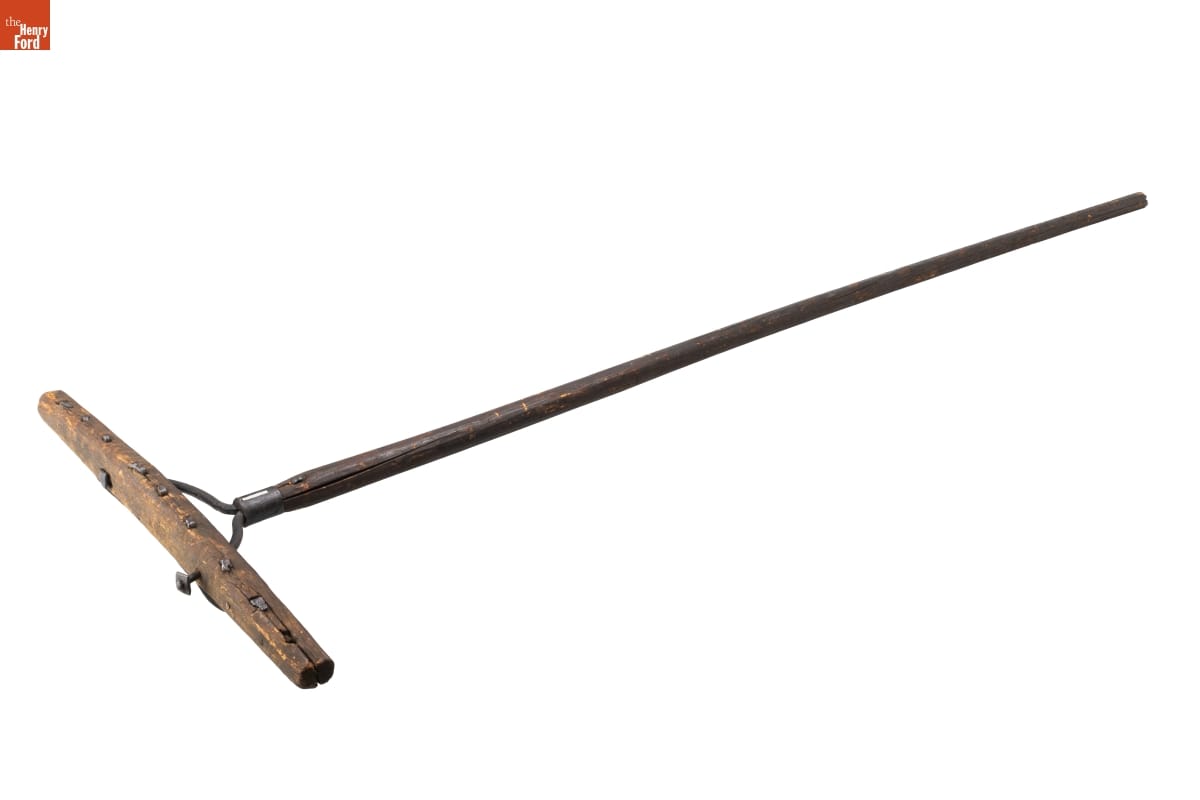
- Garden Rake -
- Collections - Artifact
Garden Rake
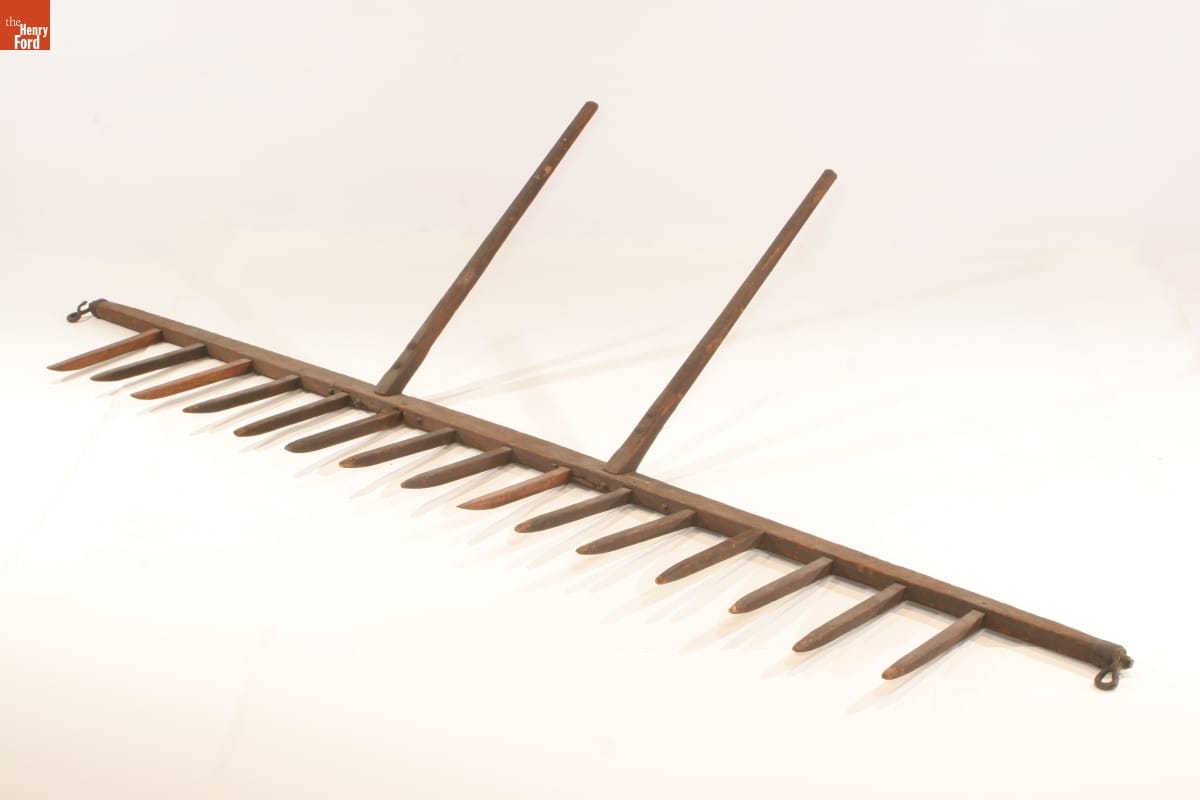
- Hay Rake, 1825-1835 - This rake was common from the 1700s to the 1840s. Two horses dragged the rake over the field, reducing physical labor and time needed to harvest the scythe-cut hay. A farmer or a field hand walked behind holding the two wooden handles to keep the rake's teeth parallel to the ground. The operator stopped periodically and tipped the rake to deposit the hay into windrows.
- 1825-1835
- Collections - Artifact
Hay Rake, 1825-1835
This rake was common from the 1700s to the 1840s. Two horses dragged the rake over the field, reducing physical labor and time needed to harvest the scythe-cut hay. A farmer or a field hand walked behind holding the two wooden handles to keep the rake's teeth parallel to the ground. The operator stopped periodically and tipped the rake to deposit the hay into windrows.
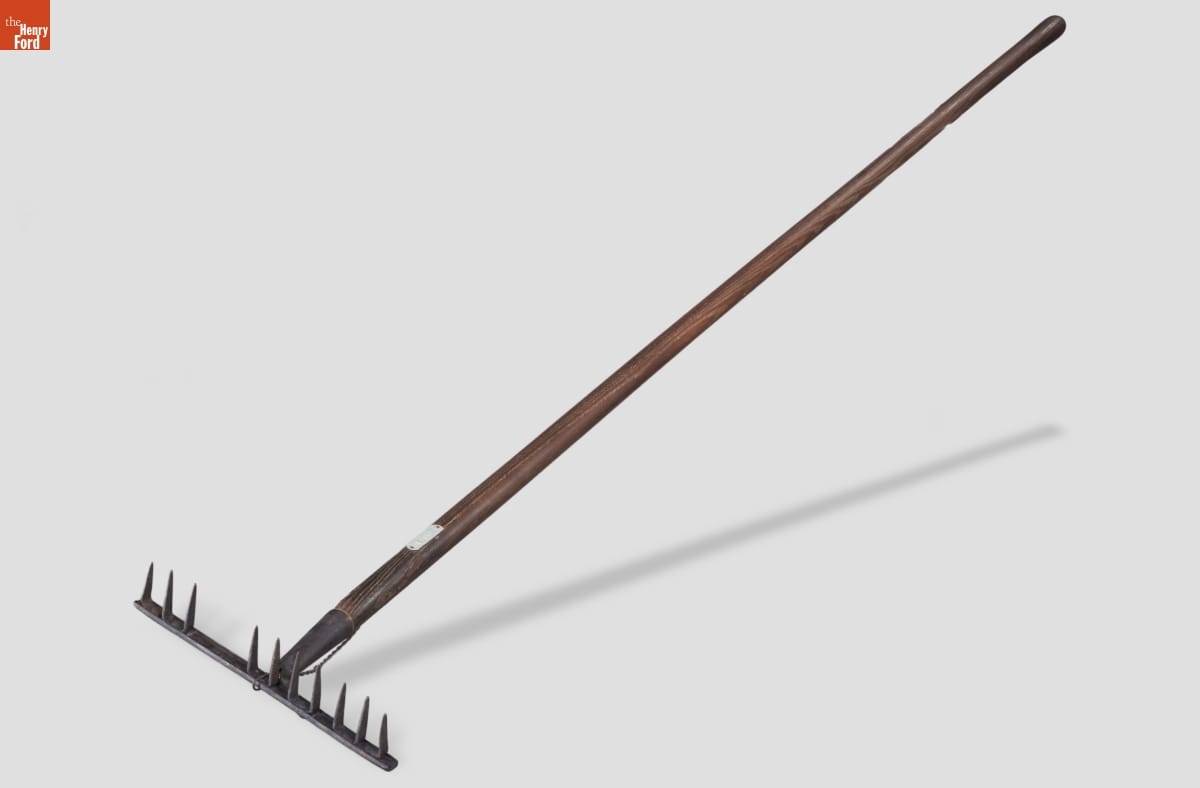
- Garden Rake, Used by Luther Burbank, circa 1910 -
- circa 1910
- Collections - Artifact
Garden Rake, Used by Luther Burbank, circa 1910
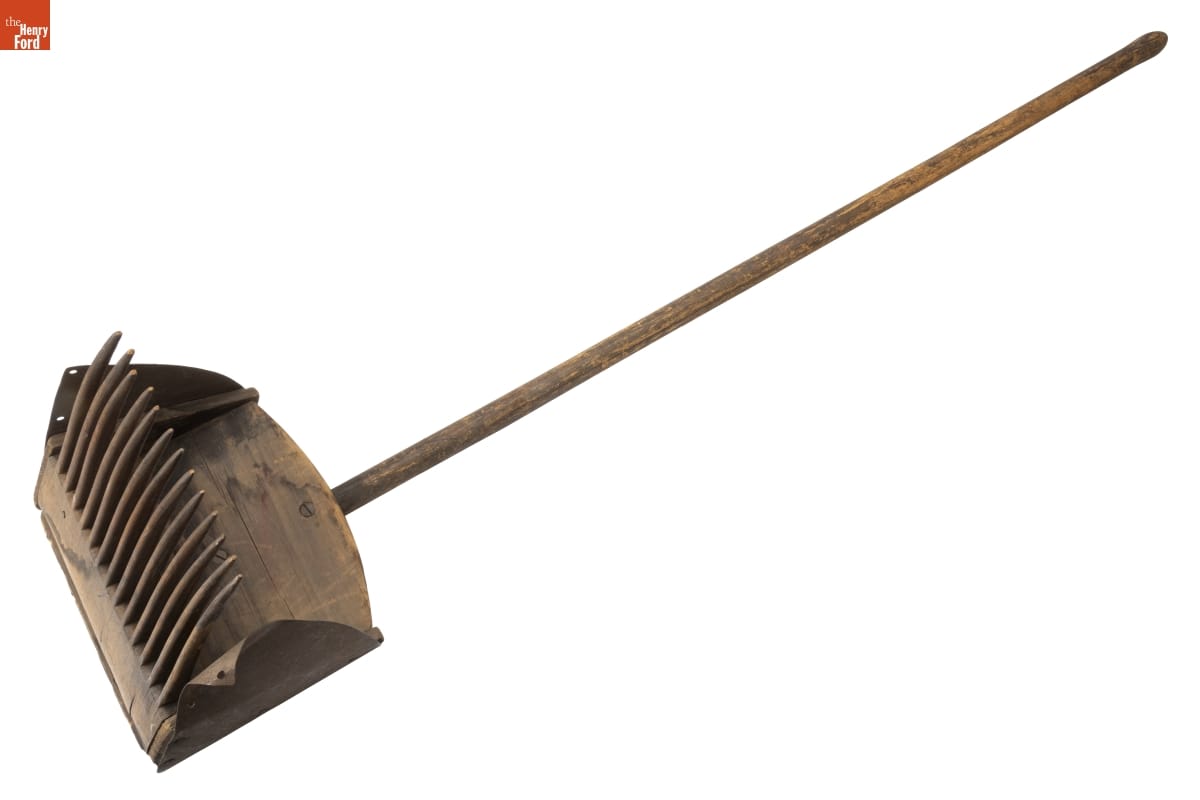
- Cranberry Rake, circa 1890 - Cranberries grow on vines in sandy bogs. Historically, pickers harvested the fruit by hand during dry conditions. Commercial production required managed wetlands with ditches and flumes to flood the cranberry bogs. Pickers then knocked the fruit from the vines with a toothed rake or scoop. The fruit fell into the tool's receptacle or floated on the surface, where harvesters scooped them up.
- circa 1890
- Collections - Artifact
Cranberry Rake, circa 1890
Cranberries grow on vines in sandy bogs. Historically, pickers harvested the fruit by hand during dry conditions. Commercial production required managed wetlands with ditches and flumes to flood the cranberry bogs. Pickers then knocked the fruit from the vines with a toothed rake or scoop. The fruit fell into the tool's receptacle or floated on the surface, where harvesters scooped them up.
- Children's Rake, 1939-1945 -
- 1939-1945
- Collections - Artifact
Children's Rake, 1939-1945
- Rake, circa 1900 -
- circa 1900
- Collections - Artifact
Rake, circa 1900
- Garden Rake, circa 1890 -
- circa 1890
- Collections - Artifact
Garden Rake, circa 1890
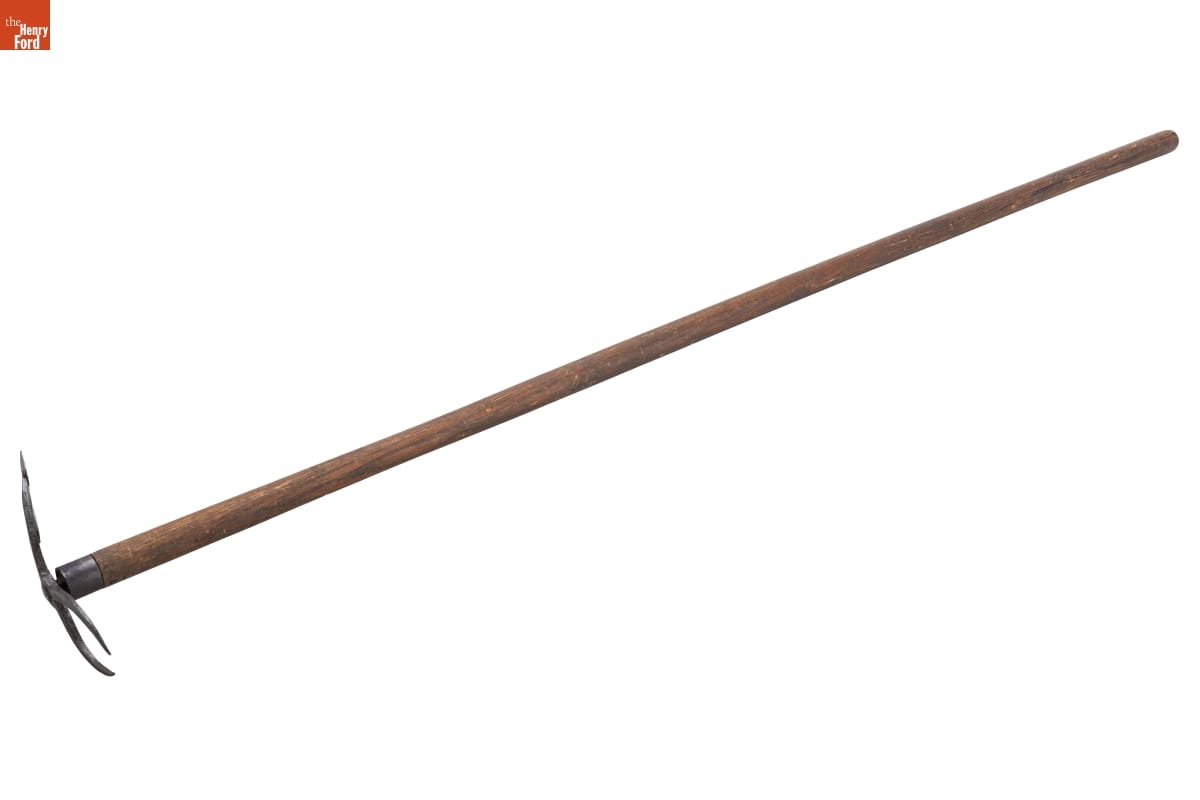
- Hoe, circa 1890 - Farmers use hoes for a variety of jobs. The hoe can break up hard soil, dig holes, and cut unwanted roots and weeds found around crops. This useful tool has been an agricultural basic for thousands of years.
- circa 1890
- Collections - Artifact
Hoe, circa 1890
Farmers use hoes for a variety of jobs. The hoe can break up hard soil, dig holes, and cut unwanted roots and weeds found around crops. This useful tool has been an agricultural basic for thousands of years.
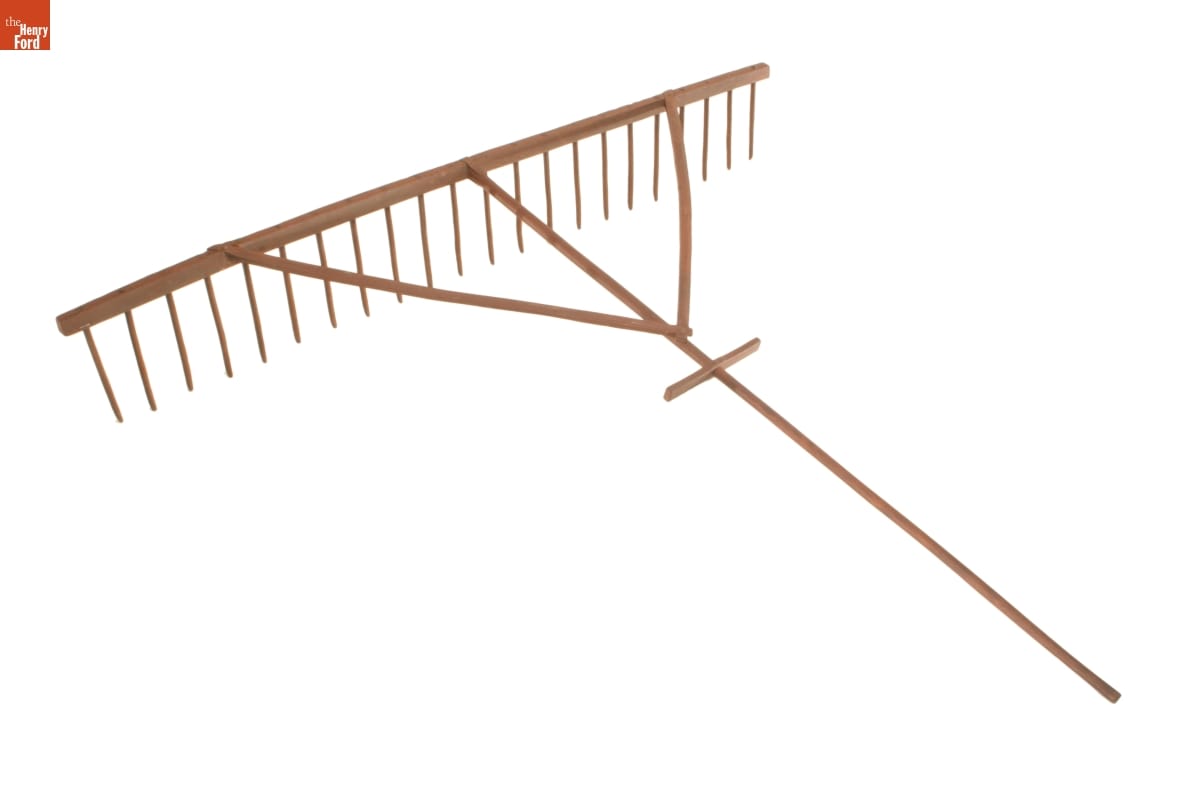
- Hay Rake, circa 1840 - After cutting hay, it must be cured to help preserve it for future use. Left in the field to dry, the hay is gathered, turned and stacked using a variety of rakes. Farmers used large wooden rakes to gather hay into windrows. Smaller rakes would help turn the hay to ensure uniform drying.
- circa 1840
- Collections - Artifact
Hay Rake, circa 1840
After cutting hay, it must be cured to help preserve it for future use. Left in the field to dry, the hay is gathered, turned and stacked using a variety of rakes. Farmers used large wooden rakes to gather hay into windrows. Smaller rakes would help turn the hay to ensure uniform drying.