
Search
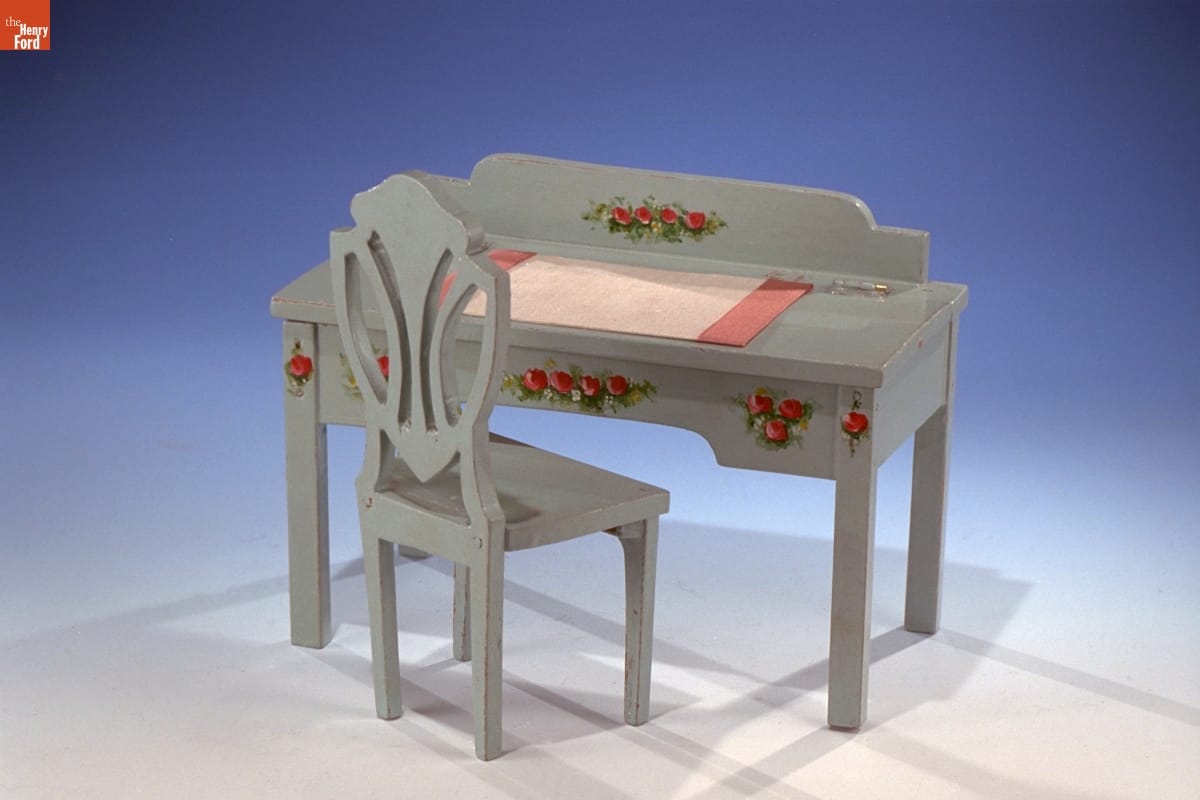
- Doll Desk and Chair, 1915-1921 -
- 1915-1921
- Collections - Artifact
Doll Desk and Chair, 1915-1921
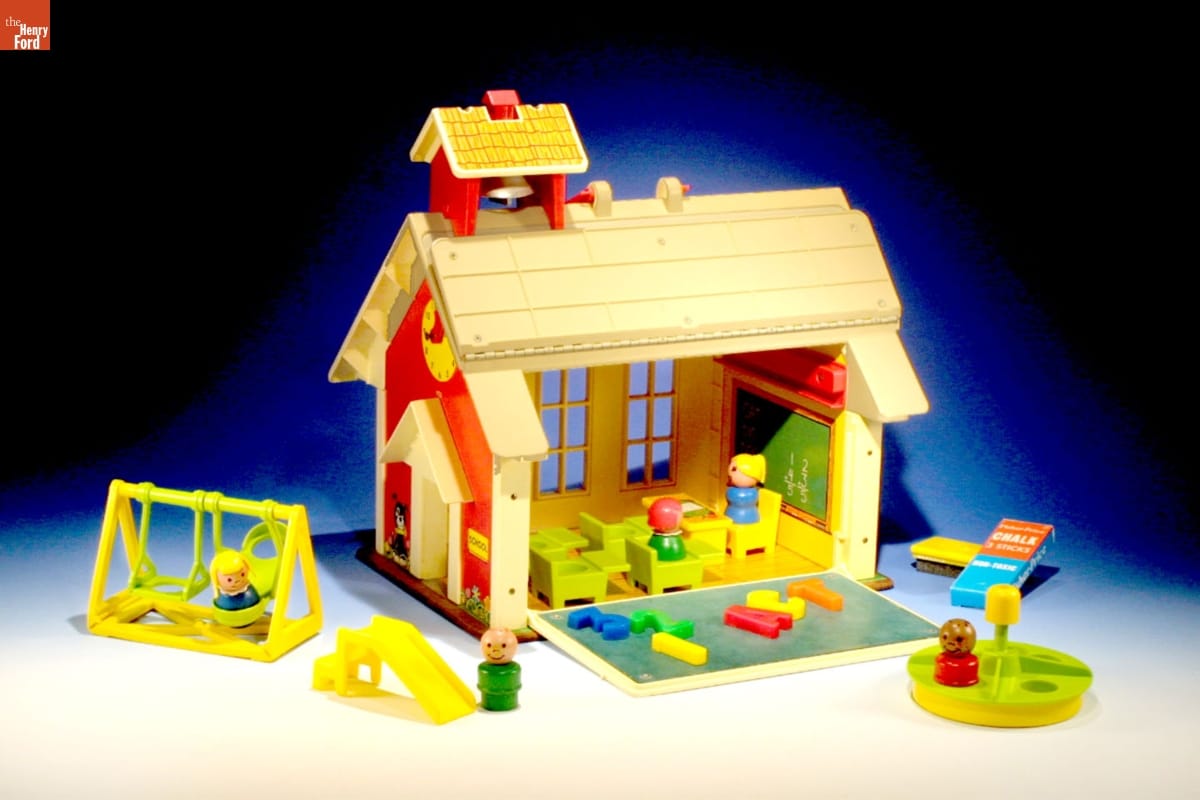
- Fisher-Price Play Family School, 1971-1975 - The Civil Rights movement, as well as the emerging woman's movement, created a whole new world for kids growing up in the 1970s. As social barriers and traditional gender stereotypes began to break down, kids were encouraged to appreciate diversity. This popular toy was one of the first playthings to include an African-American toy figure.
- 1971-1975
- Collections - Artifact
Fisher-Price Play Family School, 1971-1975
The Civil Rights movement, as well as the emerging woman's movement, created a whole new world for kids growing up in the 1970s. As social barriers and traditional gender stereotypes began to break down, kids were encouraged to appreciate diversity. This popular toy was one of the first playthings to include an African-American toy figure.
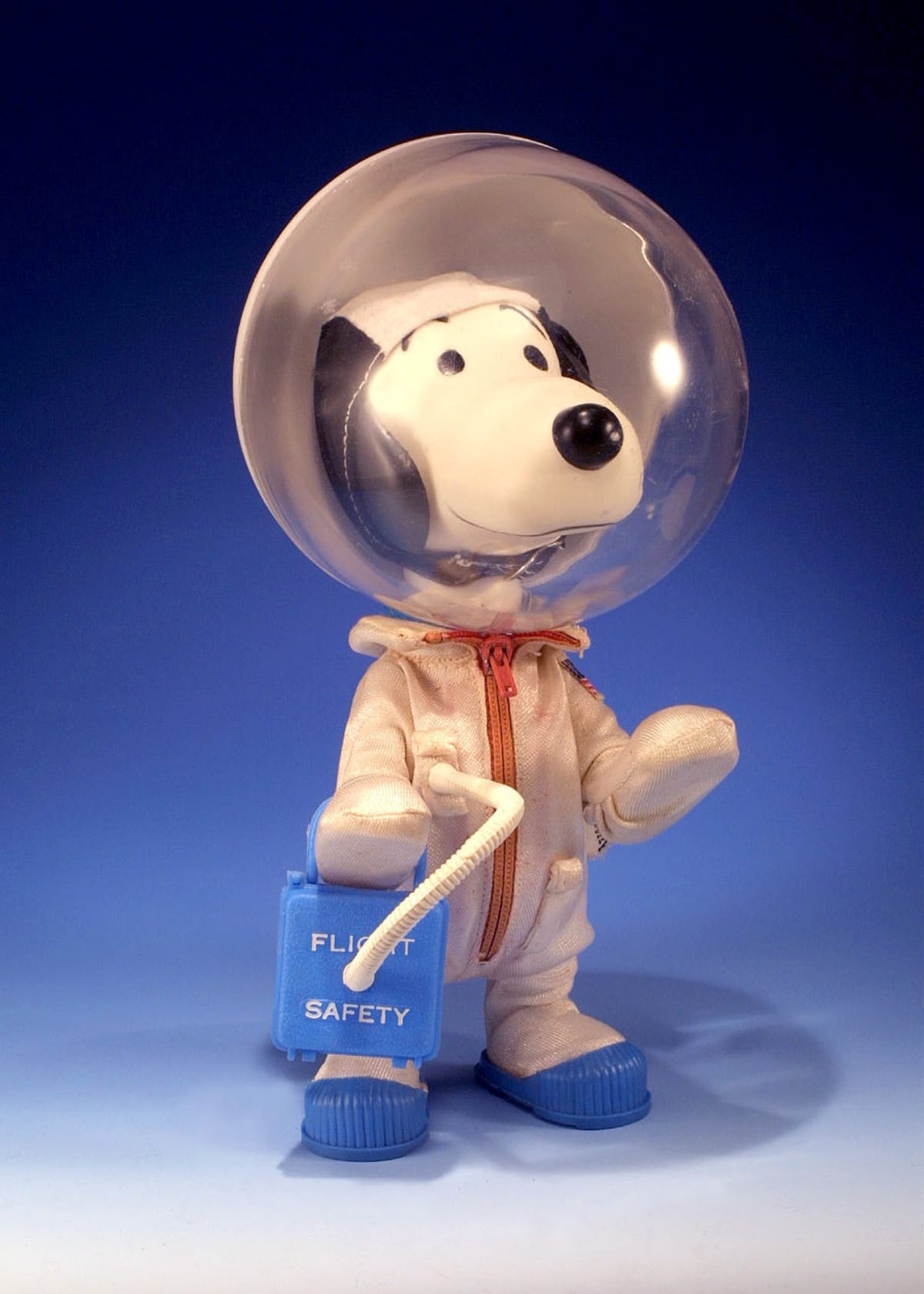
- Snoopy Toy Commemorating Apollo 11 Landing on Moon, 1969 - Charlie Brown's dog Snoopy was no ordinary dog. He walked on two legs, showed a rebellious streak, and daydreamed of being "World Famous." Four months before a real man landed on the moon, Snoopy appeared in a "Peanuts" comic strip as "the World Famous Astronaut" walking on the moon. This Peanuts Pocket Doll commemorates the 1969 moon landing.
- 1969
- Collections - Artifact
Snoopy Toy Commemorating Apollo 11 Landing on Moon, 1969
Charlie Brown's dog Snoopy was no ordinary dog. He walked on two legs, showed a rebellious streak, and daydreamed of being "World Famous." Four months before a real man landed on the moon, Snoopy appeared in a "Peanuts" comic strip as "the World Famous Astronaut" walking on the moon. This Peanuts Pocket Doll commemorates the 1969 moon landing.
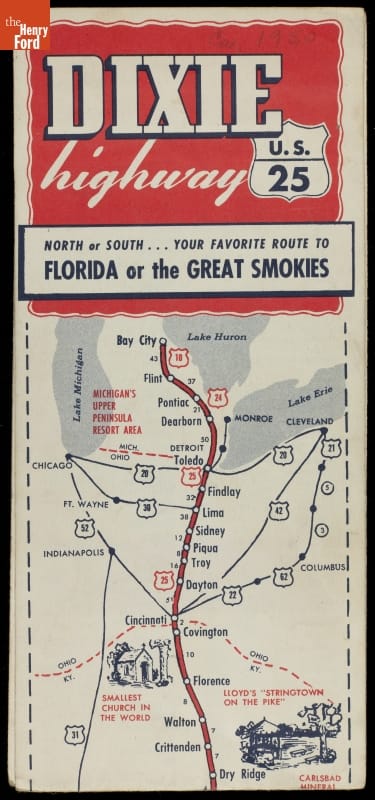
- "Dixie Highway, U.S. 25," circa 1950 - This brochure from about 1950 uses the more familiar trail name for Route 25 from Michigan to Florida -- the Dixie Highway.
- circa 1950
- Collections - Artifact
"Dixie Highway, U.S. 25," circa 1950
This brochure from about 1950 uses the more familiar trail name for Route 25 from Michigan to Florida -- the Dixie Highway.
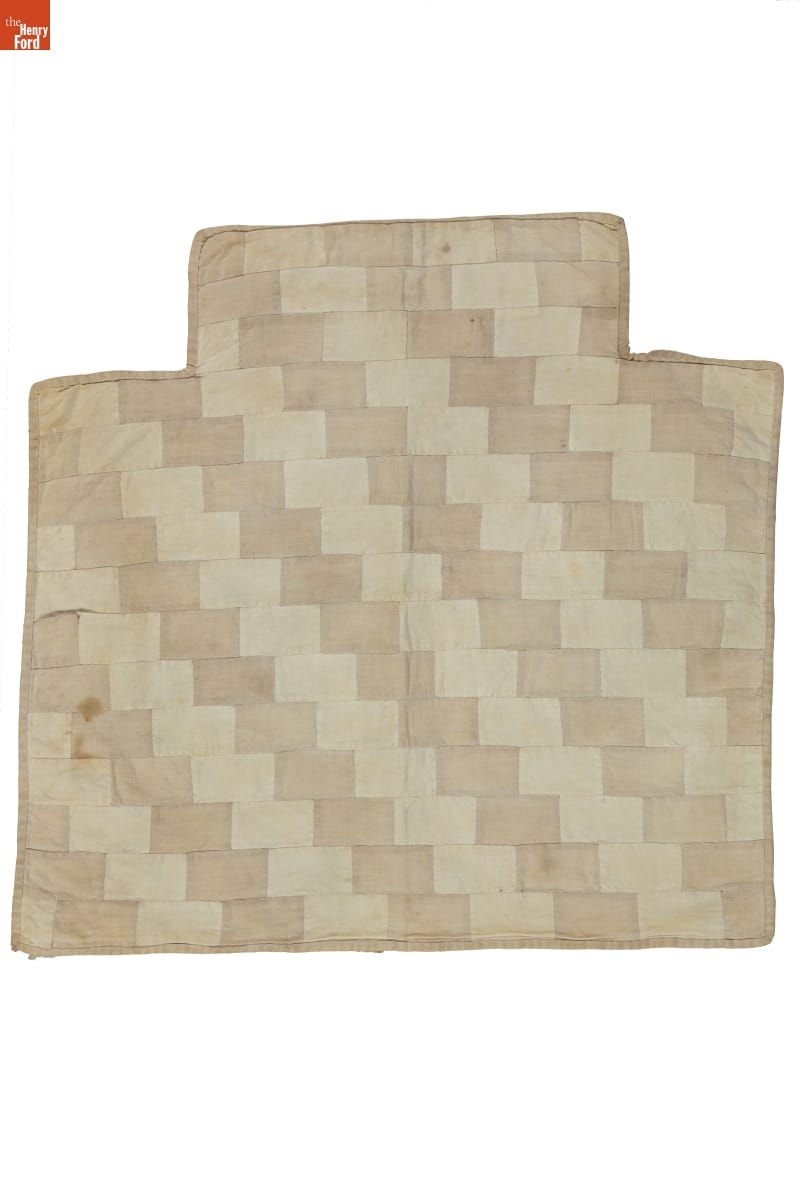
- Bricks Doll Quilt, circa 1880 -
- circa 1880
- Collections - Artifact
Bricks Doll Quilt, circa 1880
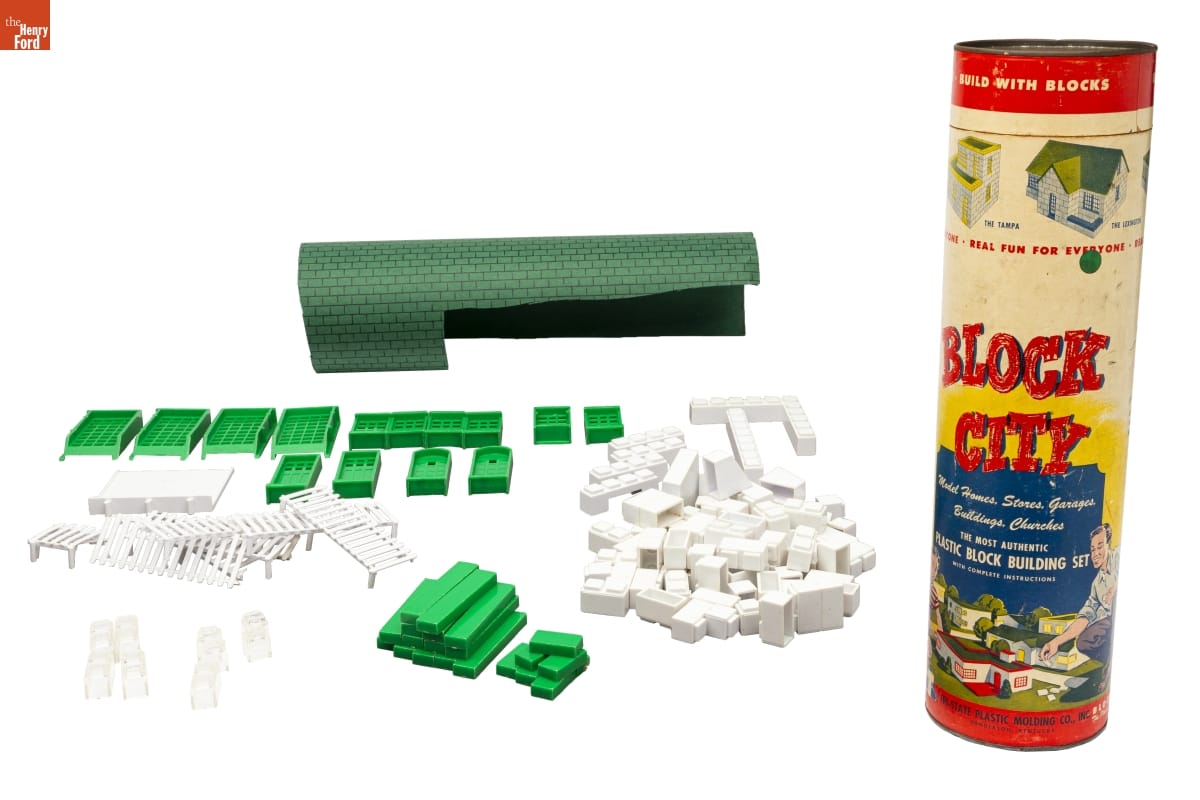
- Block City Building Blocks, 1955-1960 - Children love to build things--whether they create imaginative worlds or smaller versions of the real one. Construction toys are quite literally and figuratively "the building blocks of childhood." Playing with them builds physical and intellectual skills--and encourages creativity. Post-World War II Baby Boomers could recreate their neighborhood homes, stores, and offices with this set of plastic building blocks.
- 1955-1960
- Collections - Artifact
Block City Building Blocks, 1955-1960
Children love to build things--whether they create imaginative worlds or smaller versions of the real one. Construction toys are quite literally and figuratively "the building blocks of childhood." Playing with them builds physical and intellectual skills--and encourages creativity. Post-World War II Baby Boomers could recreate their neighborhood homes, stores, and offices with this set of plastic building blocks.
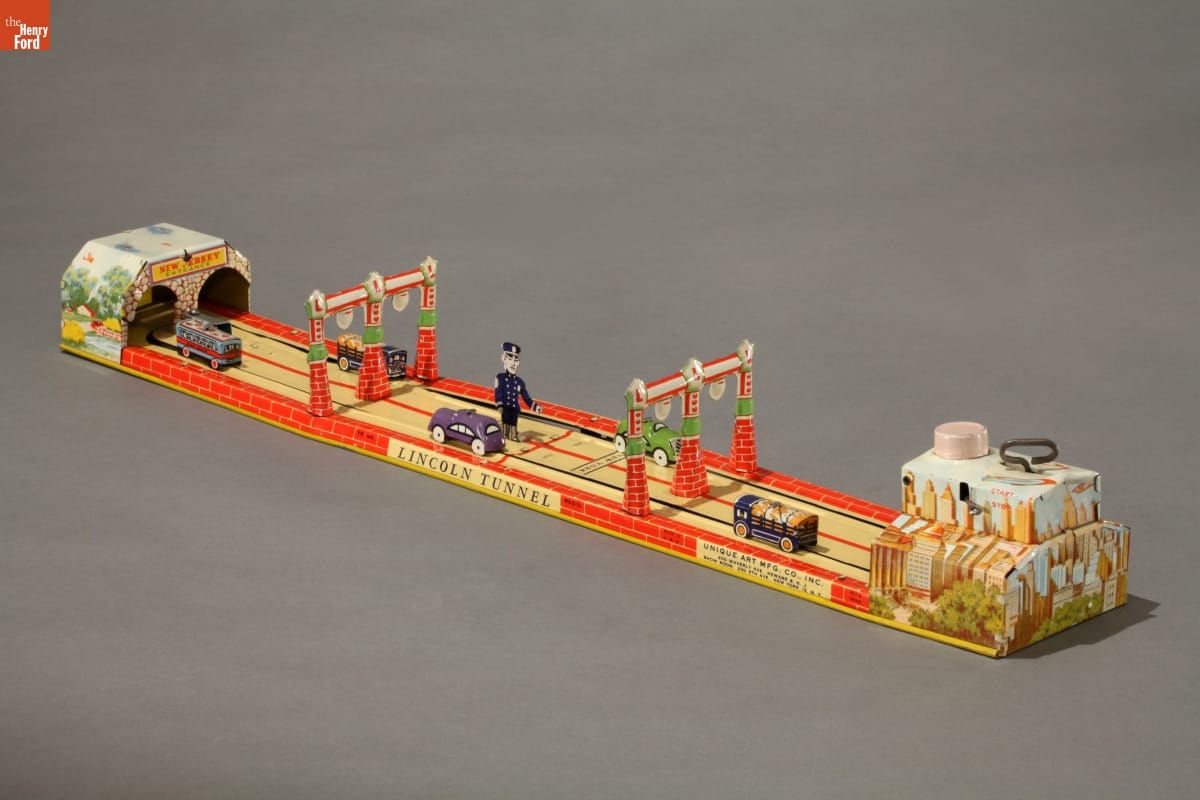
- Lincoln Tunnel Mechanical Toy, 1925-1940 - This lithographed, pressed metal toy by Unique Art Manufacturing Company, Inc., has vehicles traveling in and out of the Lincoln Tunnel. Cars enter either through rural New Jersey or urban New York. The Lincoln Tunnel opened in 1937 and runs under the Hudson River between New Jersey and Manhattan.
- 1925-1940
- Collections - Artifact
Lincoln Tunnel Mechanical Toy, 1925-1940
This lithographed, pressed metal toy by Unique Art Manufacturing Company, Inc., has vehicles traveling in and out of the Lincoln Tunnel. Cars enter either through rural New Jersey or urban New York. The Lincoln Tunnel opened in 1937 and runs under the Hudson River between New Jersey and Manhattan.
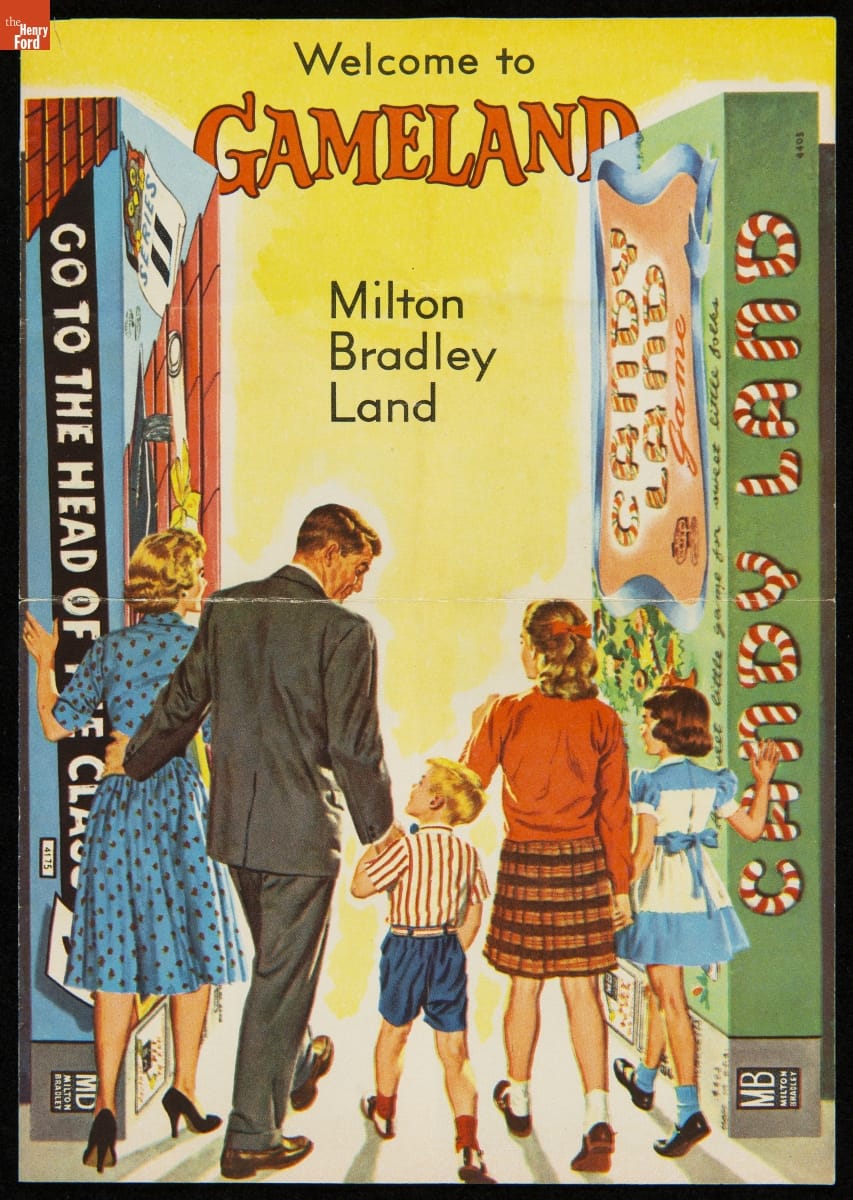
- Milton Bradley Company Catalog, "Welcome to Gameland," 1964 - Milton Bradley, a Springfield, Massachusetts, lithographer, published his first board game in 1860. It was a hit, and Bradley soon became a leader in the growing American game business. By his death in 1911, Bradley's company was one of the nation's best known and most prolific game and toy manufacturers. Milton Bradley products remained popular even after the company's 1984 acquisition by Hasbro, Inc.
- 1964
- Collections - Artifact
Milton Bradley Company Catalog, "Welcome to Gameland," 1964
Milton Bradley, a Springfield, Massachusetts, lithographer, published his first board game in 1860. It was a hit, and Bradley soon became a leader in the growing American game business. By his death in 1911, Bradley's company was one of the nation's best known and most prolific game and toy manufacturers. Milton Bradley products remained popular even after the company's 1984 acquisition by Hasbro, Inc.
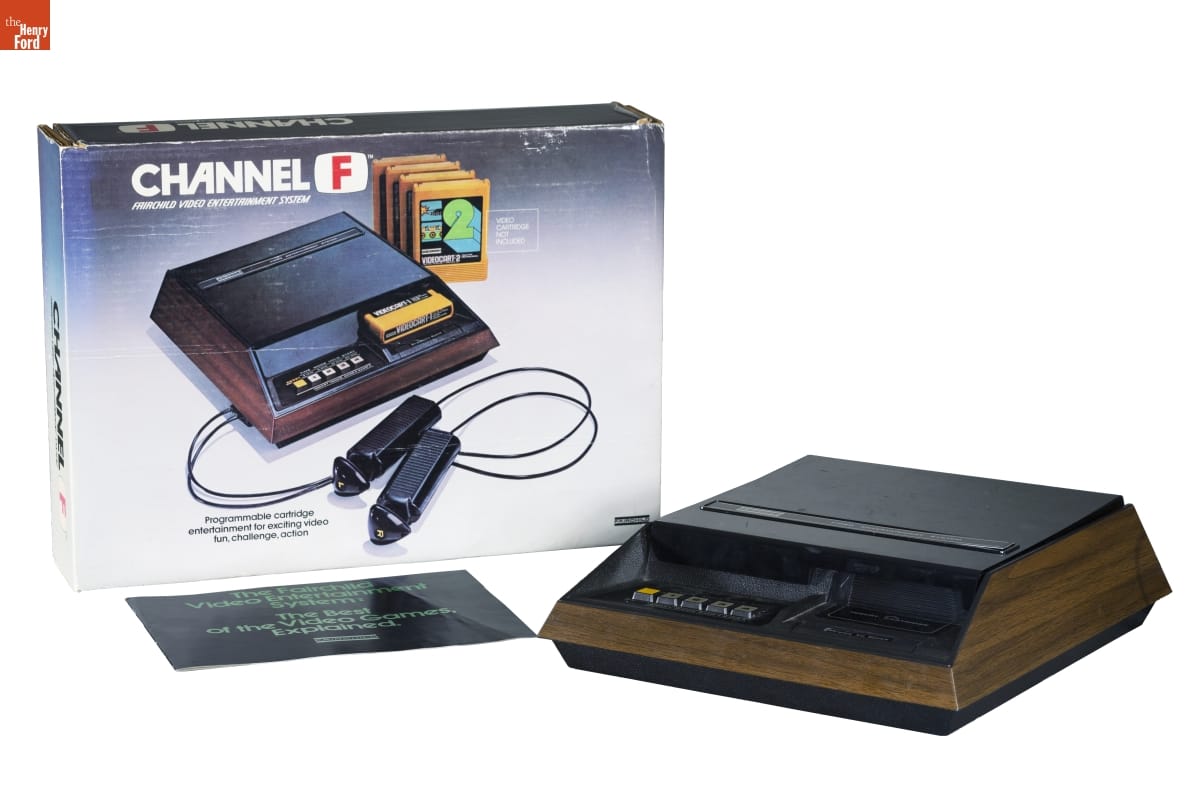
- Fairchild Channel F Video Game System, 1976 - The Fairchild Channel F Video Entertainment System is the first home video game console to include interchangeable cartridges. Jerry Lawson, Fairchild's head of engineering and hardware, co-invented the cartridge, which continues to be adapted into systems today. Lawson was one of the first Black engineers to work in Silicon Valley and was an early member of the Homebrew Computer Club.
- 1976
- Collections - Artifact
Fairchild Channel F Video Game System, 1976
The Fairchild Channel F Video Entertainment System is the first home video game console to include interchangeable cartridges. Jerry Lawson, Fairchild's head of engineering and hardware, co-invented the cartridge, which continues to be adapted into systems today. Lawson was one of the first Black engineers to work in Silicon Valley and was an early member of the Homebrew Computer Club.
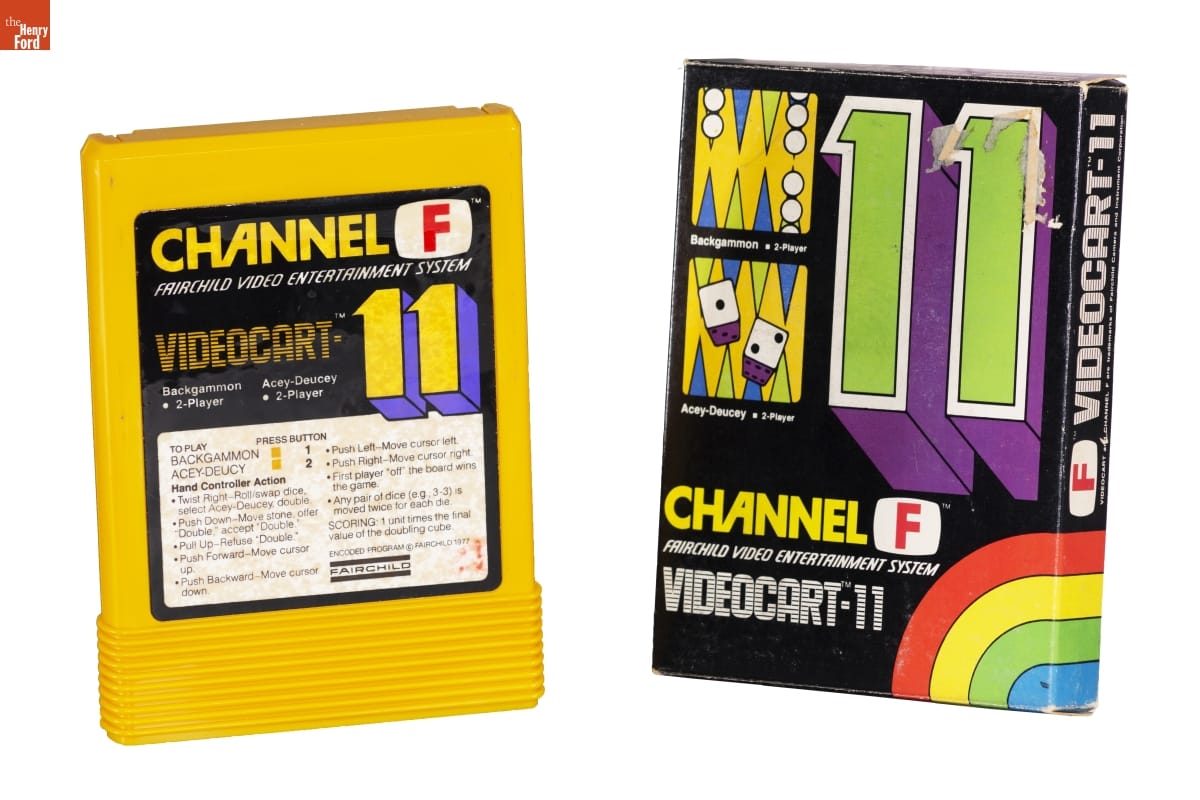
- Fairchild Videocart-11 Game, "Backgammon, Acey-Deucey," 1977 - The Fairchild Channel F Video Entertainment System is the first home video game console to include interchangeable cartridges. Jerry Lawson, Fairchild's head of engineering and hardware, co-invented the cartridge, which continues to be adapted into systems today. Lawson was one of the first Black engineers to work in Silicon Valley and was an early member of the Homebrew Computer Club.
- 1977
- Collections - Artifact
Fairchild Videocart-11 Game, "Backgammon, Acey-Deucey," 1977
The Fairchild Channel F Video Entertainment System is the first home video game console to include interchangeable cartridges. Jerry Lawson, Fairchild's head of engineering and hardware, co-invented the cartridge, which continues to be adapted into systems today. Lawson was one of the first Black engineers to work in Silicon Valley and was an early member of the Homebrew Computer Club.