
Search
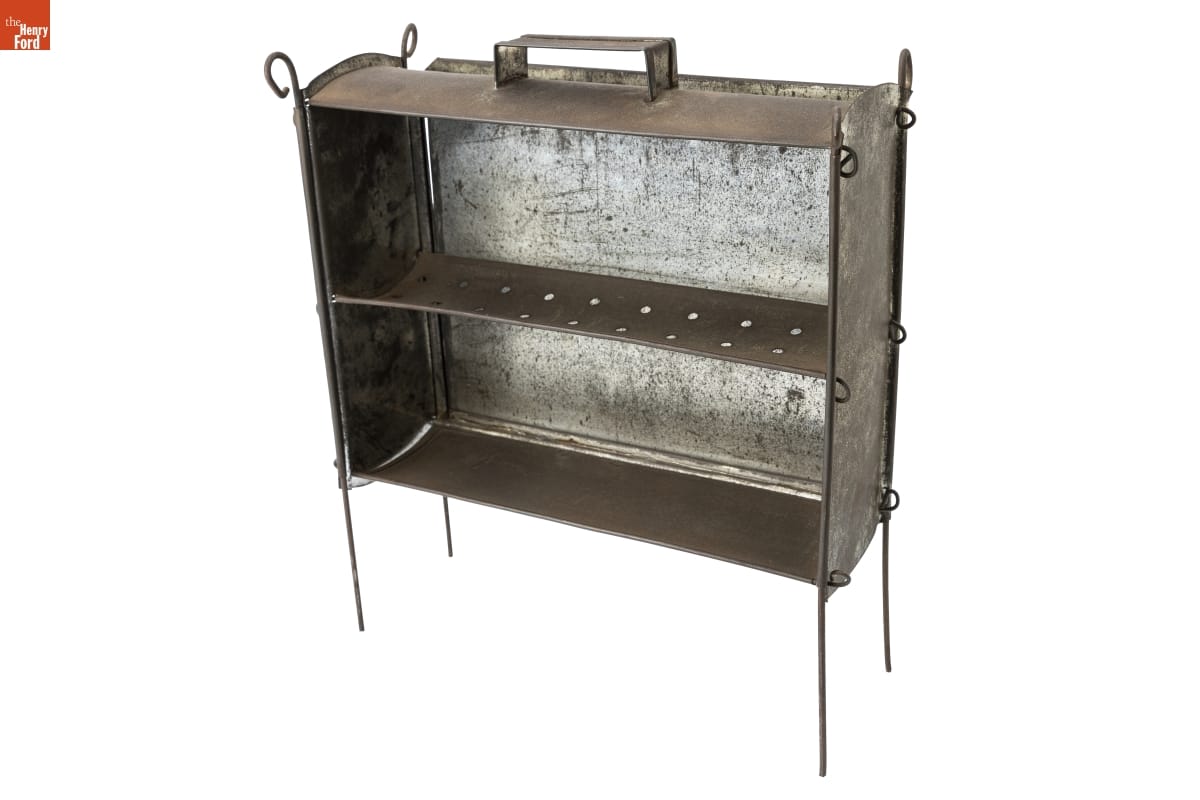
- Reflector Oven - Tin-plated iron, commonly called "tin," was the dominant material for utilitarian items in 19th-century America. Local tinsmiths produced an almost endless range of goods. But as more durable and lower maintenance materials emerged, handmade tinware came to be considered a folk art or heritage craft. This 20th-century example was produced in the Greenfield Village tin shop using historical tinsmithing tools and techniques.
- Collections - Artifact
Reflector Oven
Tin-plated iron, commonly called "tin," was the dominant material for utilitarian items in 19th-century America. Local tinsmiths produced an almost endless range of goods. But as more durable and lower maintenance materials emerged, handmade tinware came to be considered a folk art or heritage craft. This 20th-century example was produced in the Greenfield Village tin shop using historical tinsmithing tools and techniques.
- Reflector Oven -
- Collections - Artifact
Reflector Oven
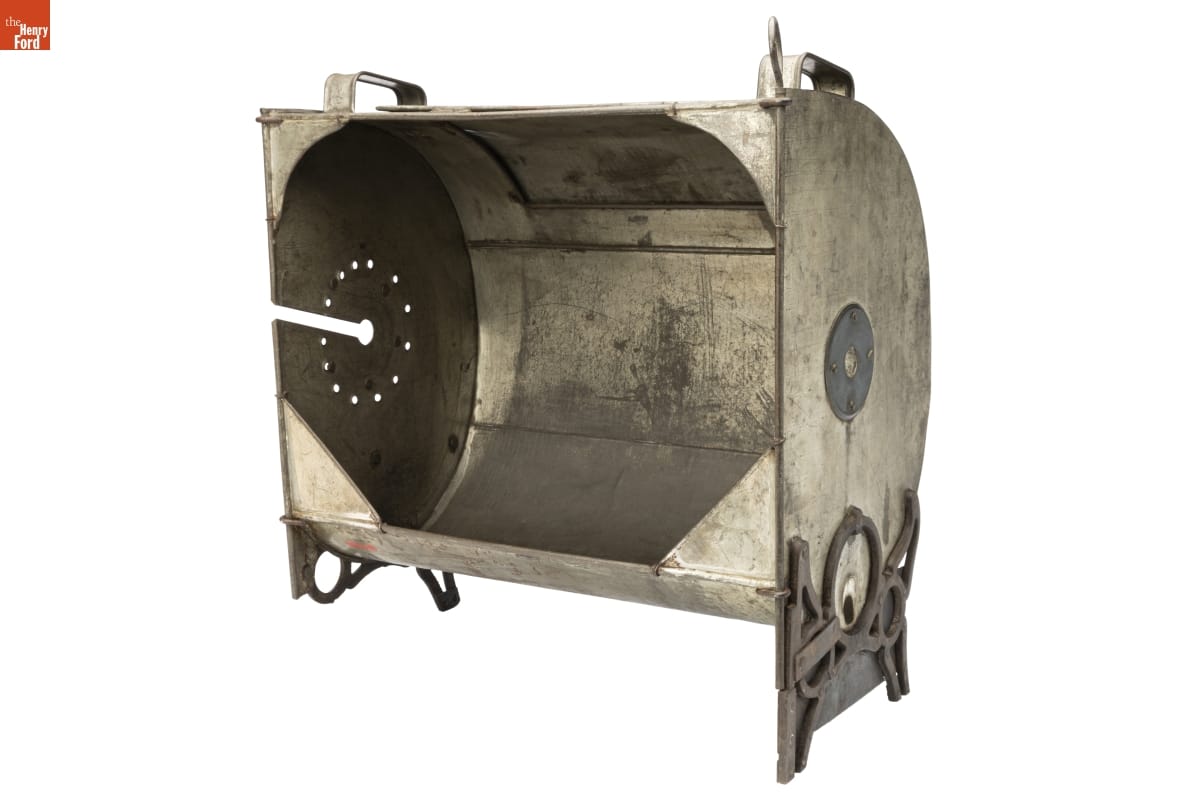
- Reflector Roasting Oven, 1825-1850 - By the early 19th century, tin -- lightweight, durable, and more efficient -- began to replace heavy cast iron cooking implements. The tin sides of this innovative oven reflected heat from the fireplace to roast meats more evenly. The housewife turned the spit inside to direct heat where it was most needed -- and to avoid singeing tender areas.
- 1825-1850
- Collections - Artifact
Reflector Roasting Oven, 1825-1850
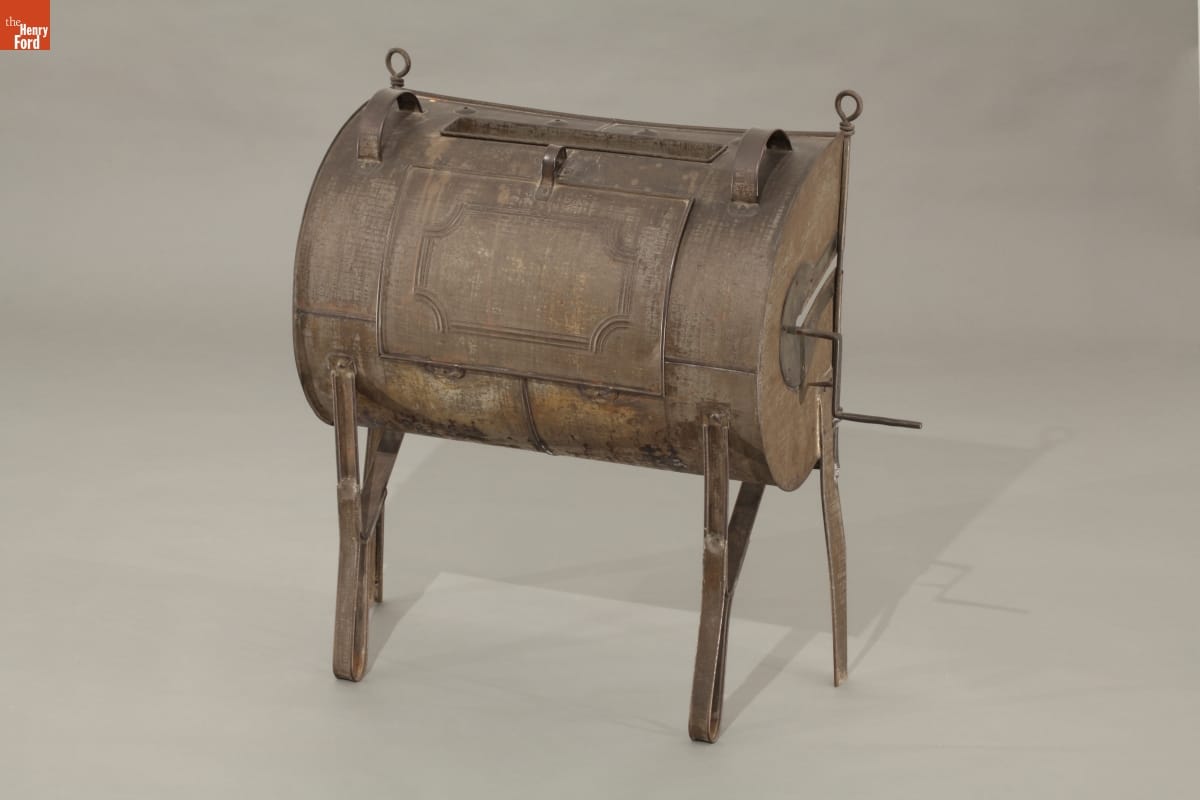
By the early 19th century, tin -- lightweight, durable, and more efficient -- began to replace heavy cast iron cooking implements. The tin sides of this innovative oven reflected heat from the fireplace to roast meats more evenly. The housewife turned the spit inside to direct heat where it was most needed -- and to avoid singeing tender areas.
- Reflector Oven, circa 1825 -
- circa 1825
- Collections - Artifact
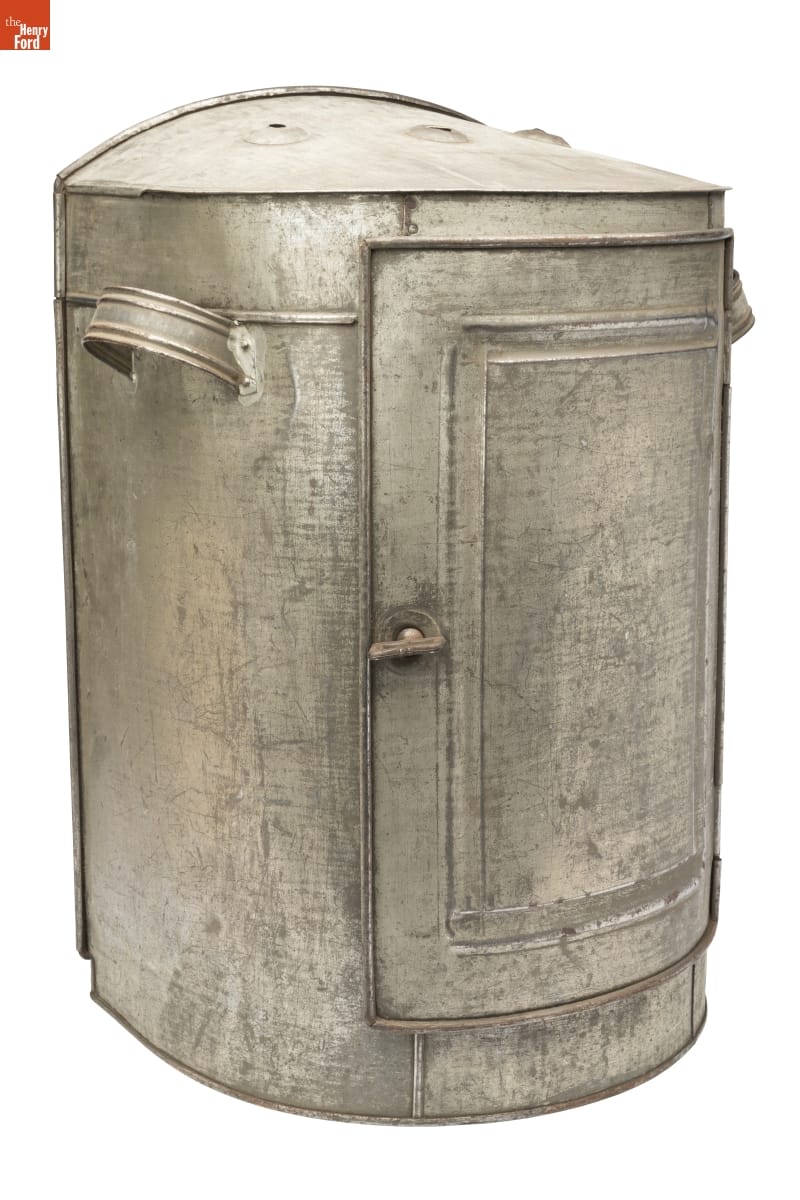
Reflector Oven, circa 1825
- Reflector Oven - Tin-plated iron, commonly called "tin," was the dominant material for utilitarian items in 19th-century America. Local tinsmiths produced an almost endless range of goods. But as more durable and lower maintenance materials emerged, handmade tinware came to be considered a folk art or heritage craft. This 20th-century example was produced in the Greenfield Village tin shop using historical tinsmithing tools and techniques.
- Collections - Artifact
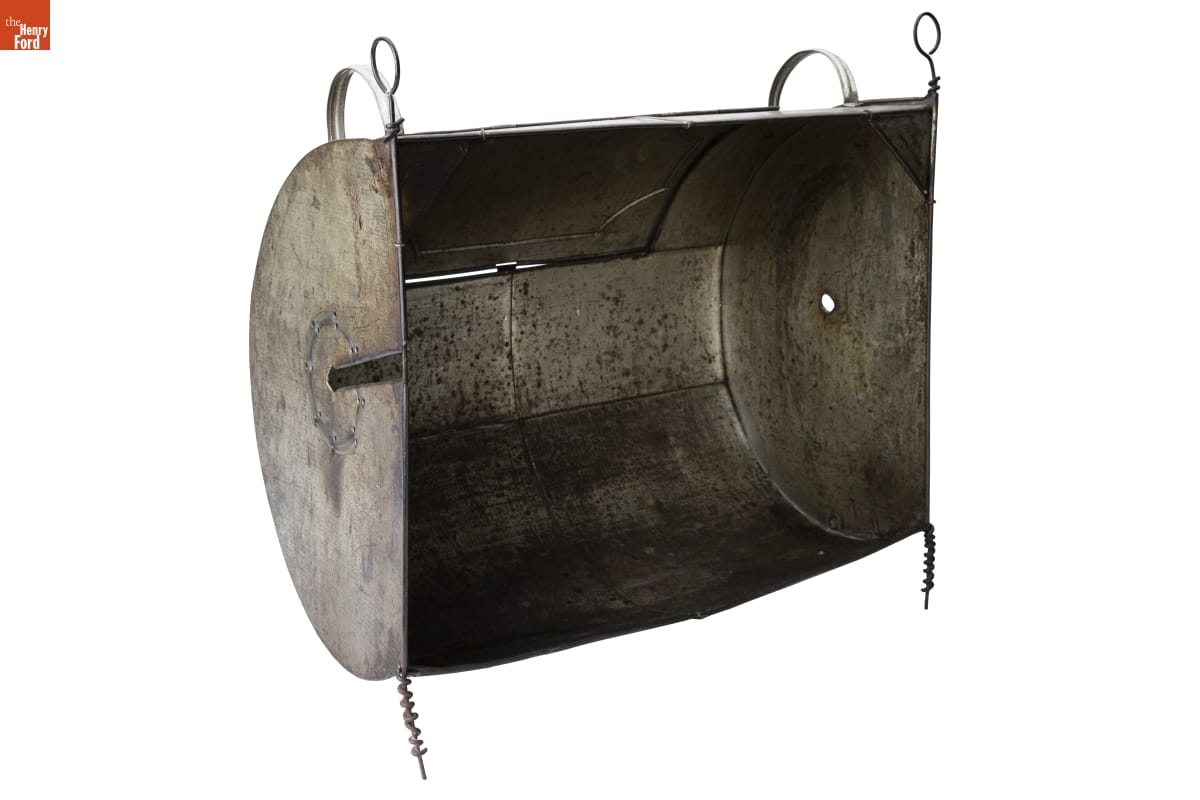
Reflector Oven
Tin-plated iron, commonly called "tin," was the dominant material for utilitarian items in 19th-century America. Local tinsmiths produced an almost endless range of goods. But as more durable and lower maintenance materials emerged, handmade tinware came to be considered a folk art or heritage craft. This 20th-century example was produced in the Greenfield Village tin shop using historical tinsmithing tools and techniques.