
Search
- Chester Telegraph Relay, 1850-1860 -
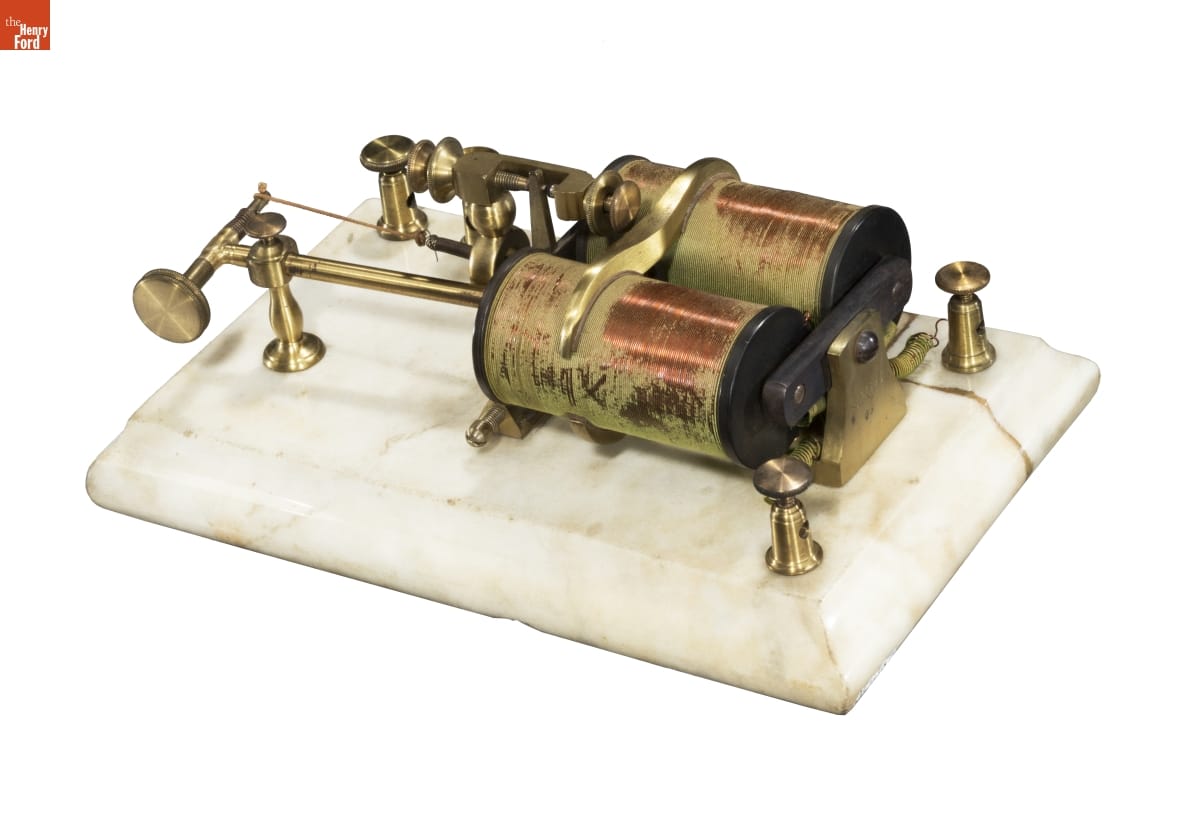
- 1850-1860
- Collections - Artifact
Chester Telegraph Relay, 1850-1860
- J. H. Bunnell Wheatstone Relay, Model 1A, 1890-1900 -
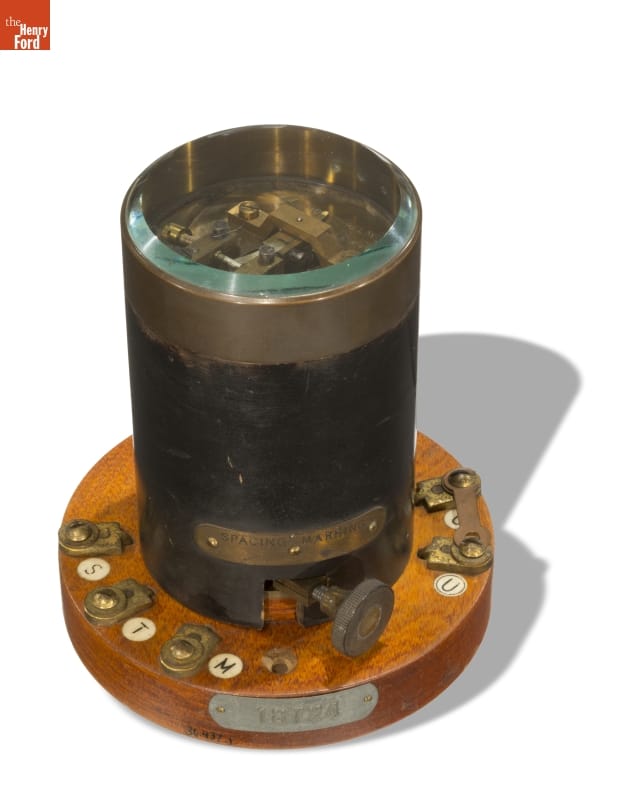
- 1890-1900
- Collections - Artifact
J. H. Bunnell Wheatstone Relay, Model 1A, 1890-1900
- Westinghouse Type BT Transfer Relay, 1918-1930 - As the electrical industry expanded, companies created equipment to protect valuable infrastructure used to generate and transmit electricity. Engineers developed relays to protect against service interruptions and keep equipment safe from abnormal current loads. These unassuming devices control the path of electricity, directing it to different circuit paths when needed.
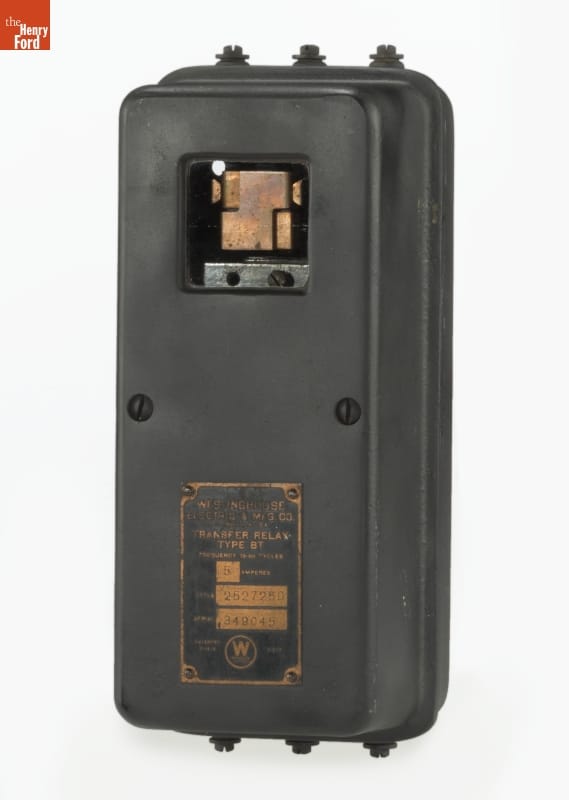
- 1918-1930
- Collections - Artifact
Westinghouse Type BT Transfer Relay, 1918-1930
As the electrical industry expanded, companies created equipment to protect valuable infrastructure used to generate and transmit electricity. Engineers developed relays to protect against service interruptions and keep equipment safe from abnormal current loads. These unassuming devices control the path of electricity, directing it to different circuit paths when needed.
- General Electric Type P Overload Relay, 1910-1920 - As the electrical industry expanded, companies created equipment to protect valuable infrastructure used to generate and transmit electricity. Engineers developed relays to protect against service interruptions and keep equipment safe from abnormal current loads. These unassuming devices control the path of electricity, directing it to different circuit paths when needed.
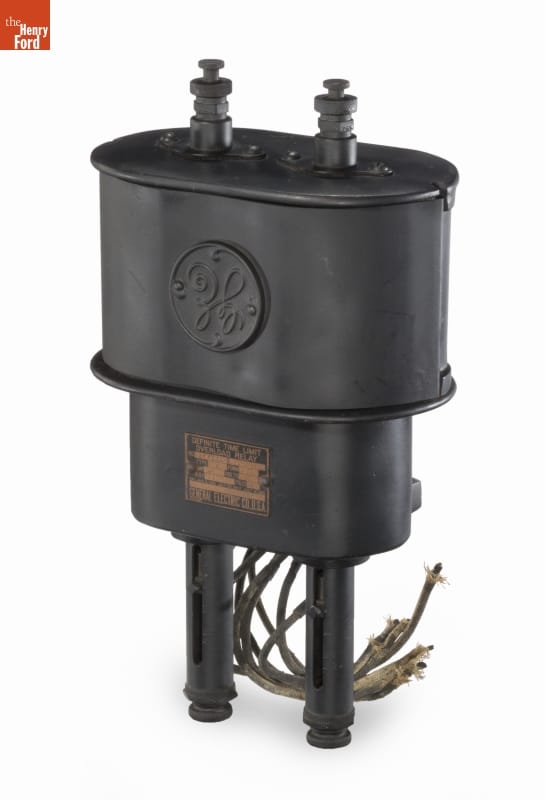
- 1910-1920
- Collections - Artifact
General Electric Type P Overload Relay, 1910-1920
As the electrical industry expanded, companies created equipment to protect valuable infrastructure used to generate and transmit electricity. Engineers developed relays to protect against service interruptions and keep equipment safe from abnormal current loads. These unassuming devices control the path of electricity, directing it to different circuit paths when needed.
- General Electric Type P Relay, circa 1920 - As the electrical industry expanded, companies created equipment to protect valuable infrastructure used to generate and transmit electricity. Engineers developed relays to protect against service interruptions and keep equipment safe from abnormal current loads. These unassuming devices control the path of electricity, directing it to different circuit paths when needed.
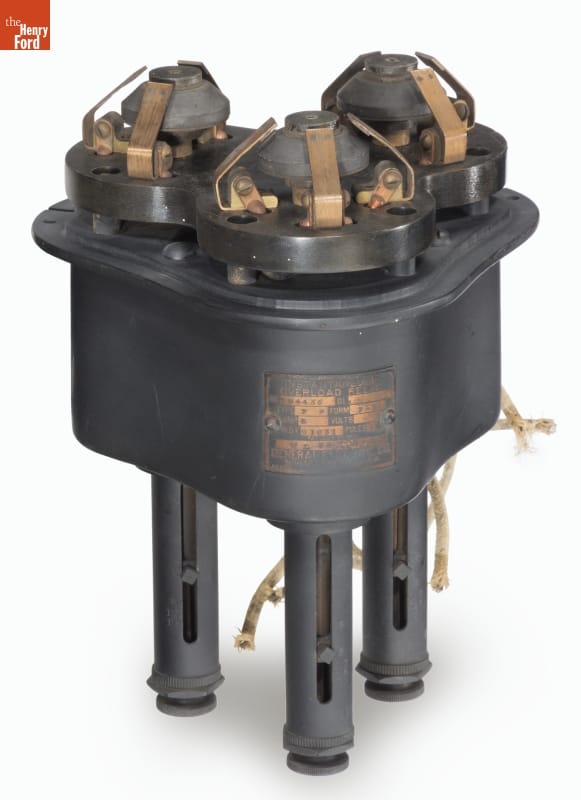
- circa 1920
- Collections - Artifact
General Electric Type P Relay, circa 1920
As the electrical industry expanded, companies created equipment to protect valuable infrastructure used to generate and transmit electricity. Engineers developed relays to protect against service interruptions and keep equipment safe from abnormal current loads. These unassuming devices control the path of electricity, directing it to different circuit paths when needed.
- Hartenheim Experimental Thermal Relay, circa 1915 -
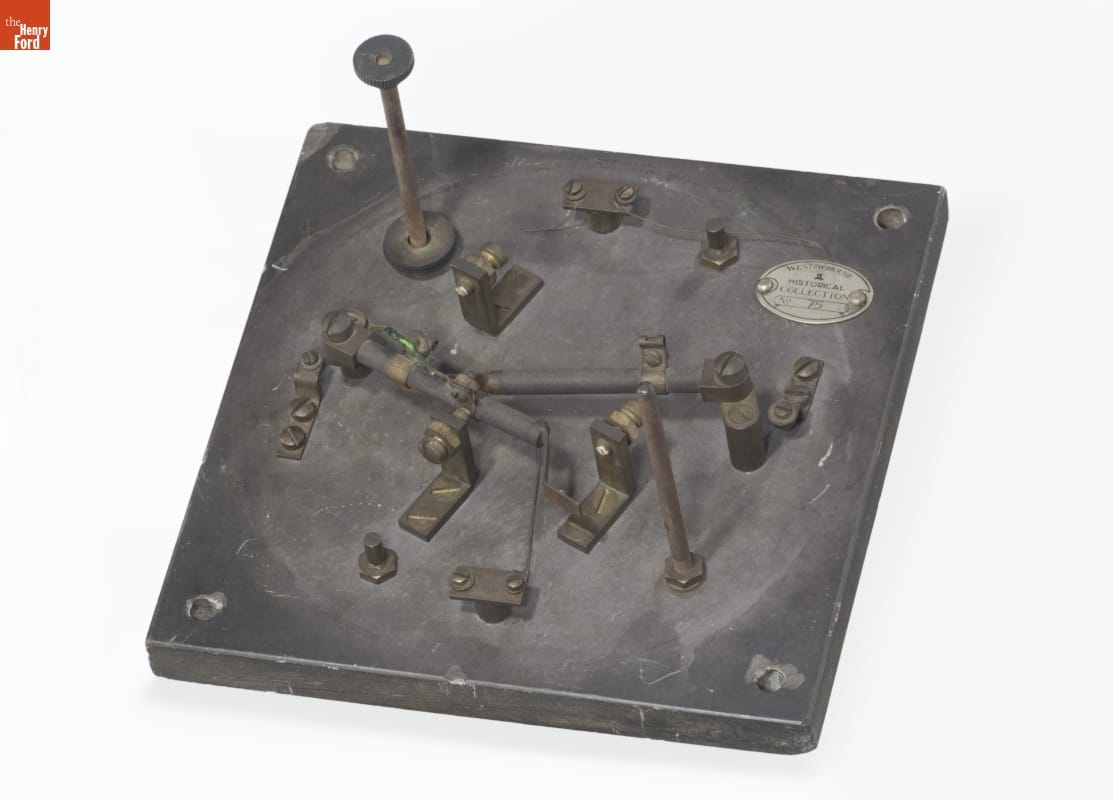
- circa 1915
- Collections - Artifact
Hartenheim Experimental Thermal Relay, circa 1915
- Westinghouse Polyphase Inverse Time Limit Relay, 1904-1914 -
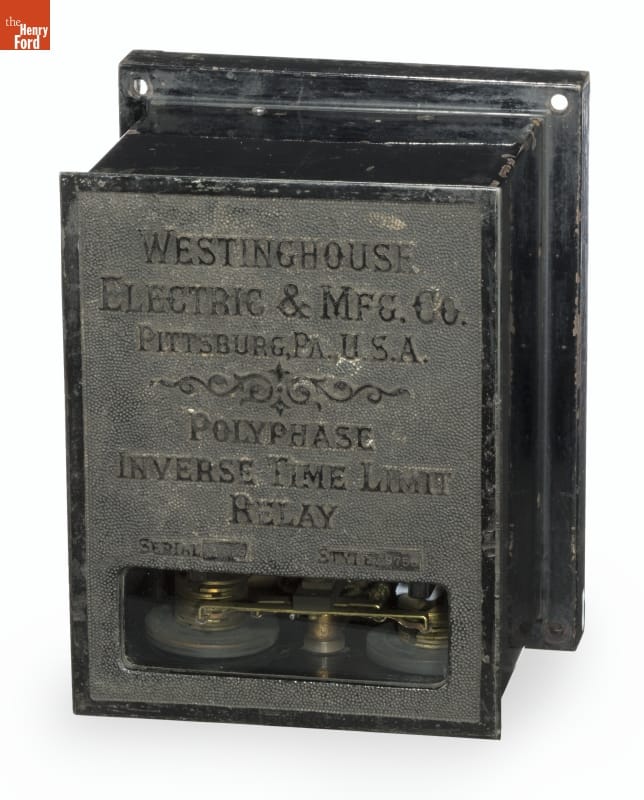
- 1904-1914
- Collections - Artifact
Westinghouse Polyphase Inverse Time Limit Relay, 1904-1914
- Telegraph Relay, 1840-1900 -
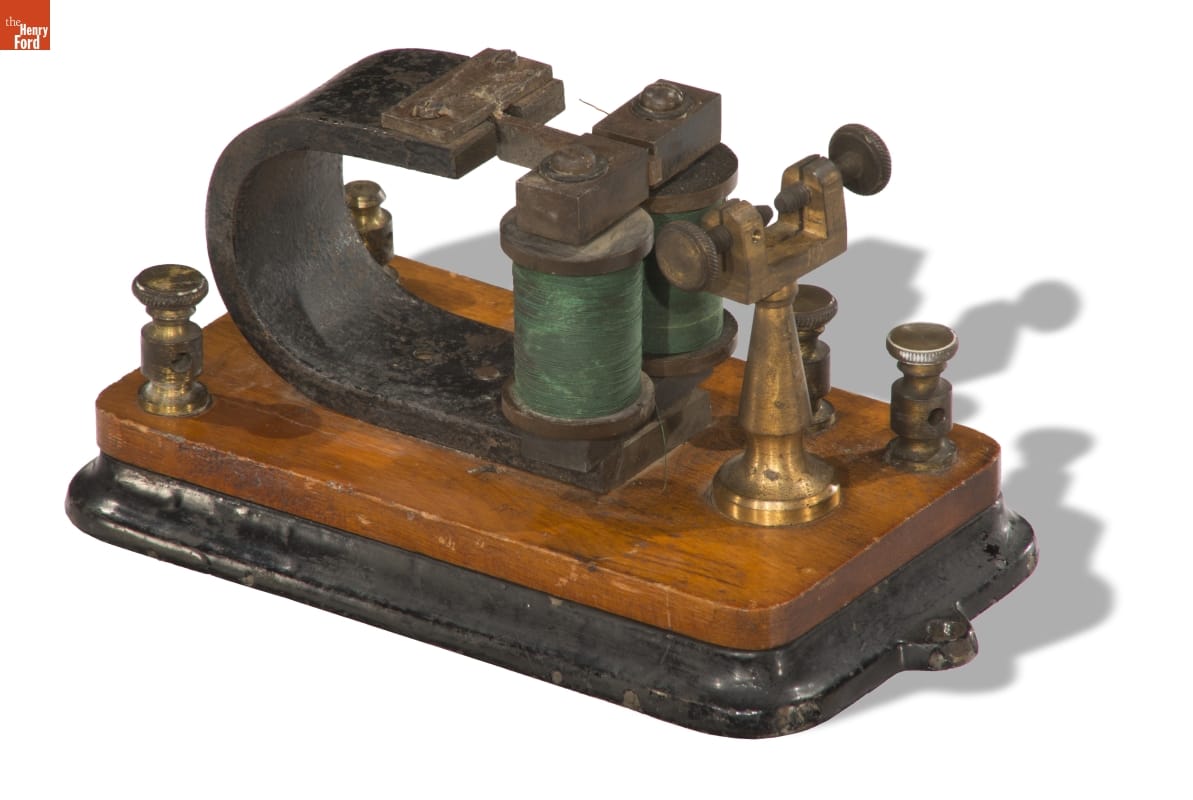
- 1840-1900
- Collections - Artifact
Telegraph Relay, 1840-1900
- Bunnell Polarized Telegraph Relay, 1890-1900 -
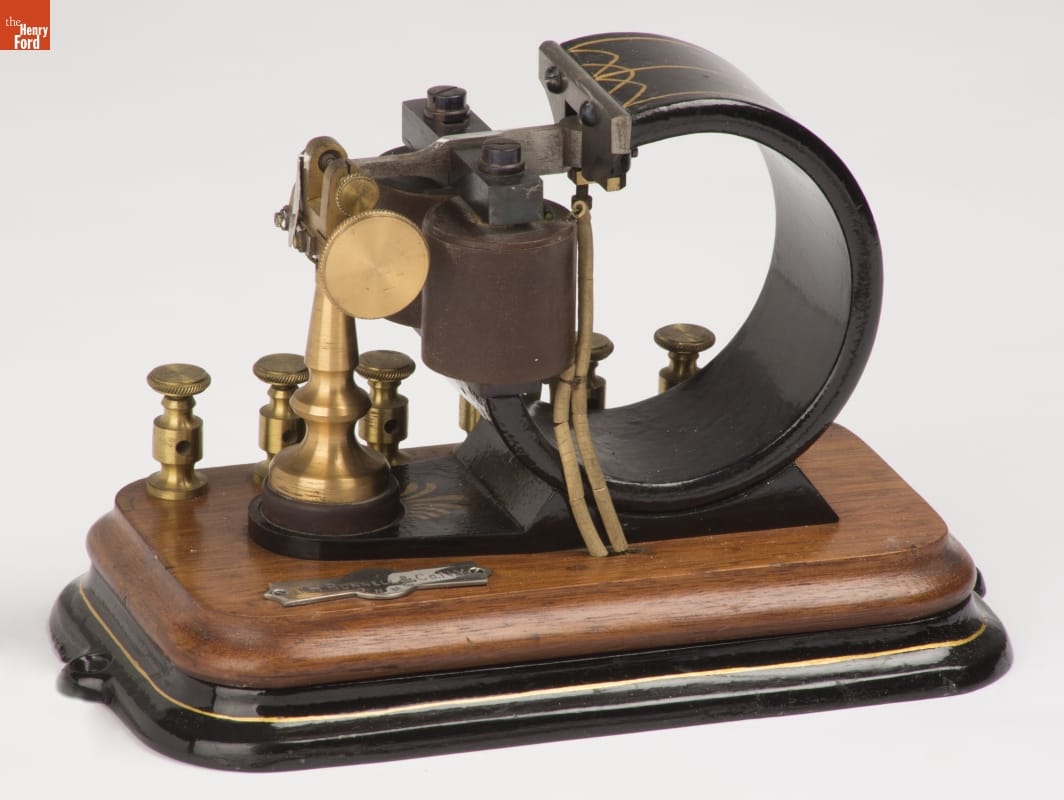
- 1890-1900
- Collections - Artifact
Bunnell Polarized Telegraph Relay, 1890-1900
- Telegraph Relay, 1840-1900 -
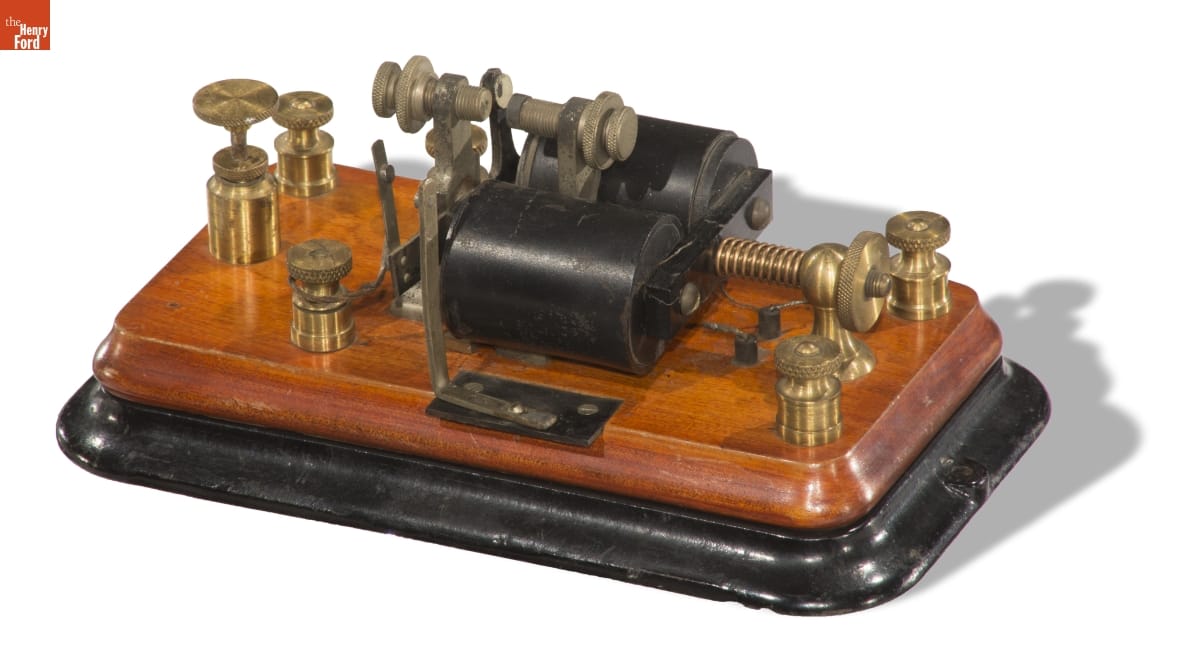
- 1840-1900
- Collections - Artifact
Telegraph Relay, 1840-1900