
Search
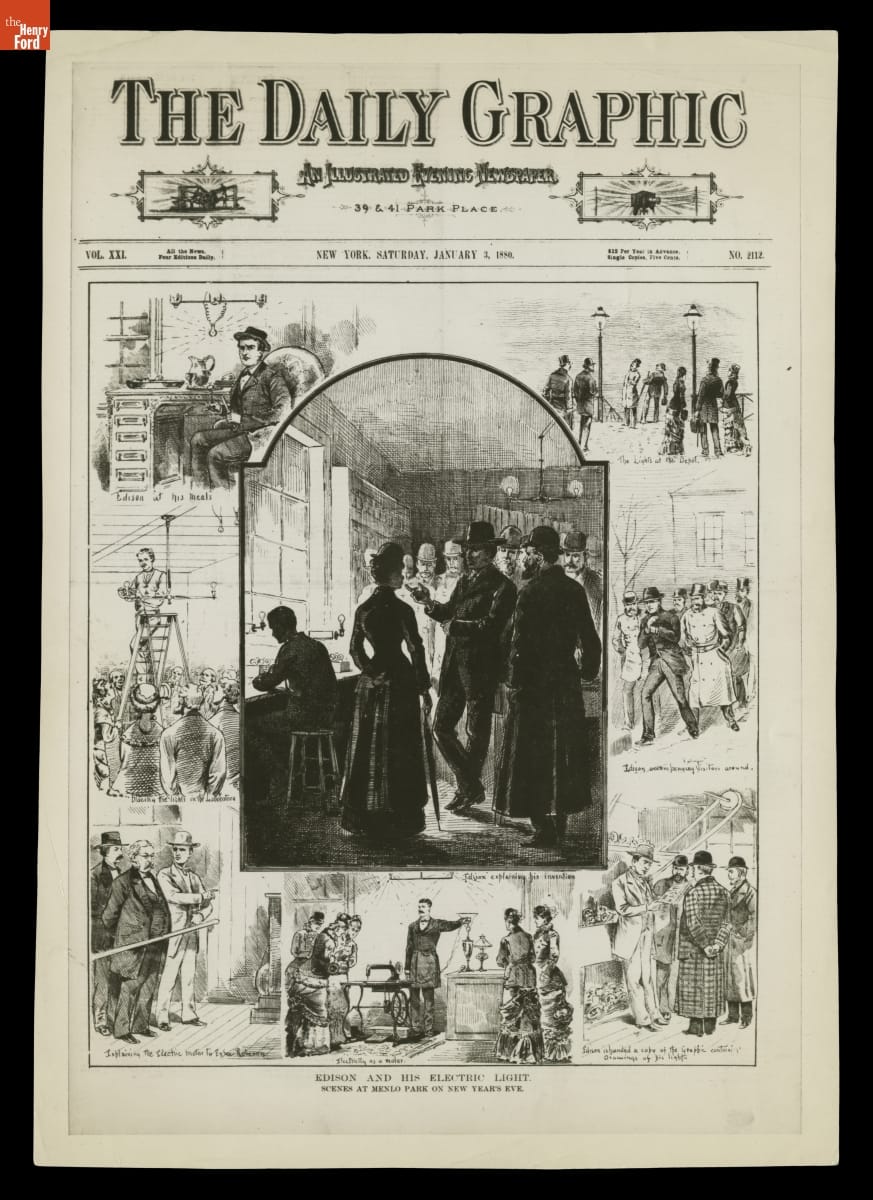
- Cover of The Daily Graphic Newspaper for January 3, 1880, "Edison and His Electric Light" -
- December 31, 1879
- Collections - Artifact
Cover of The Daily Graphic Newspaper for January 3, 1880, "Edison and His Electric Light"
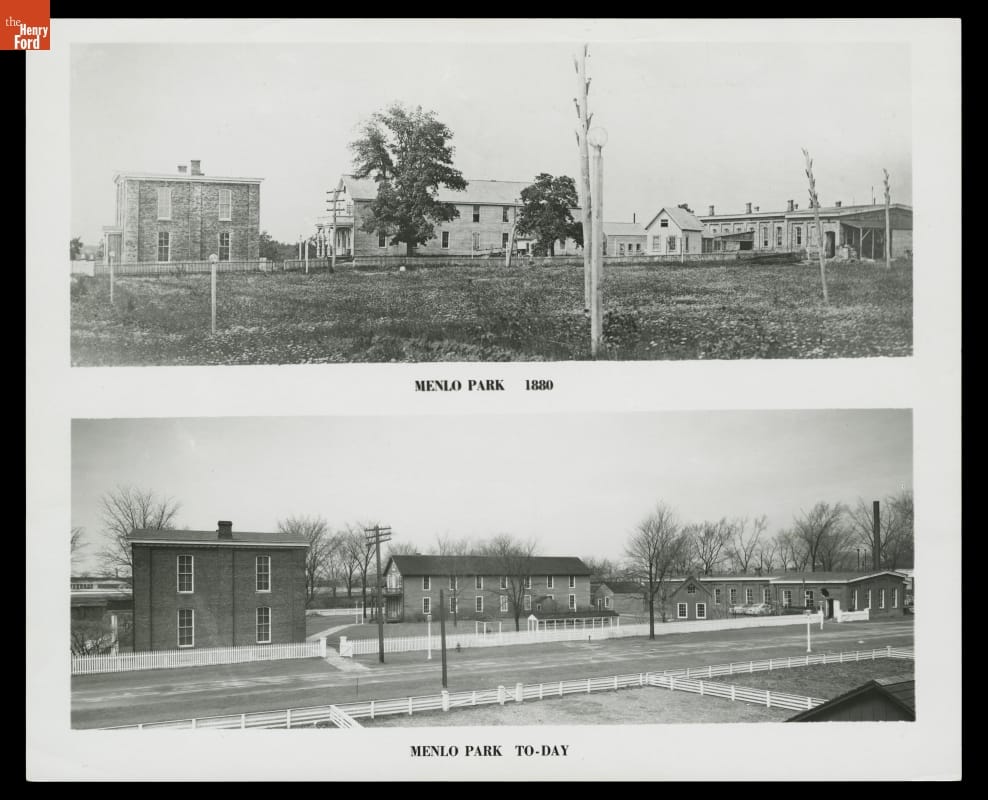
- Thomas Edison's Laboratory in 1880 in Menlo Park, New Jersey, and in 1984, Reconstructed in Greenfield Village -
- 1880 and 1954
- Collections - Artifact
Thomas Edison's Laboratory in 1880 in Menlo Park, New Jersey, and in 1984, Reconstructed in Greenfield Village
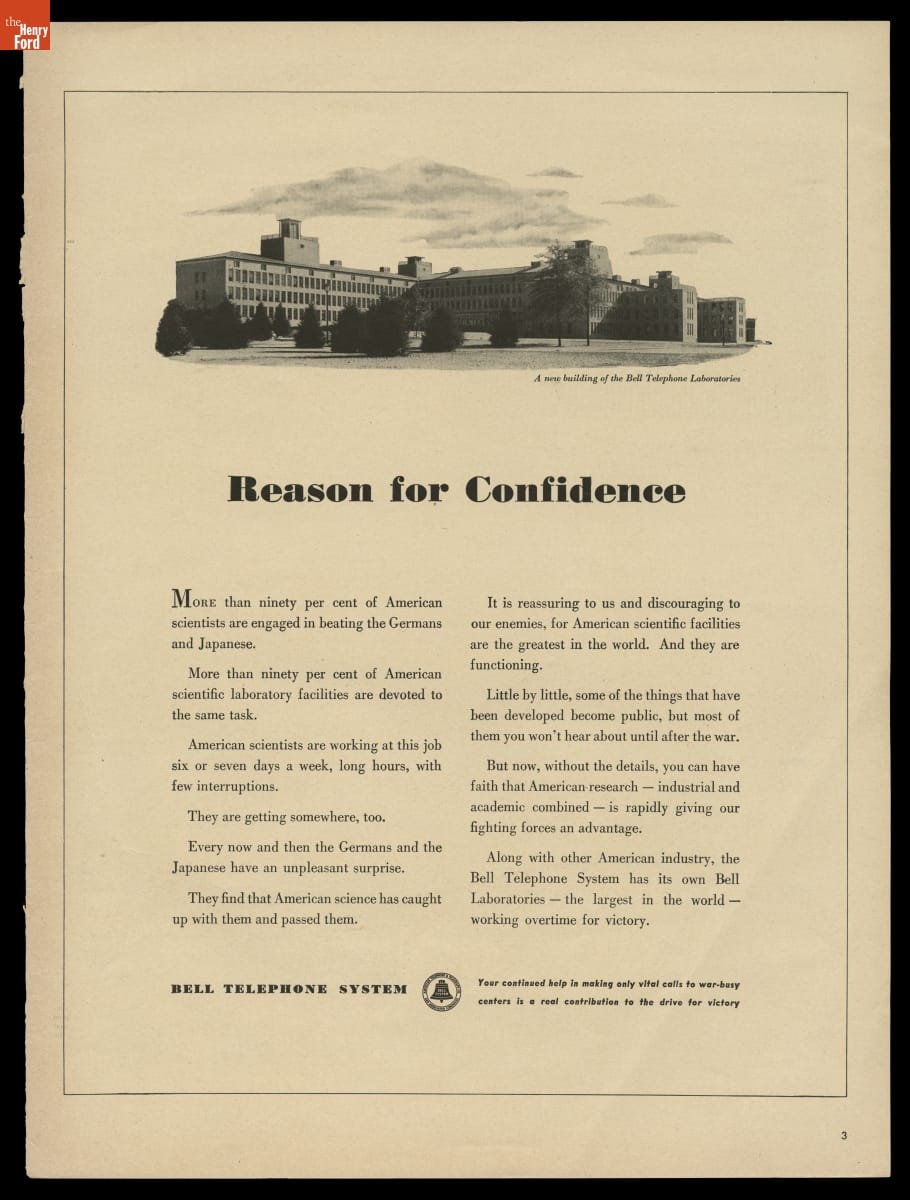
- "Reason for Confidence," Bell Telephone System Advertisement, 1943 -
- 1943
- Collections - Artifact
"Reason for Confidence," Bell Telephone System Advertisement, 1943
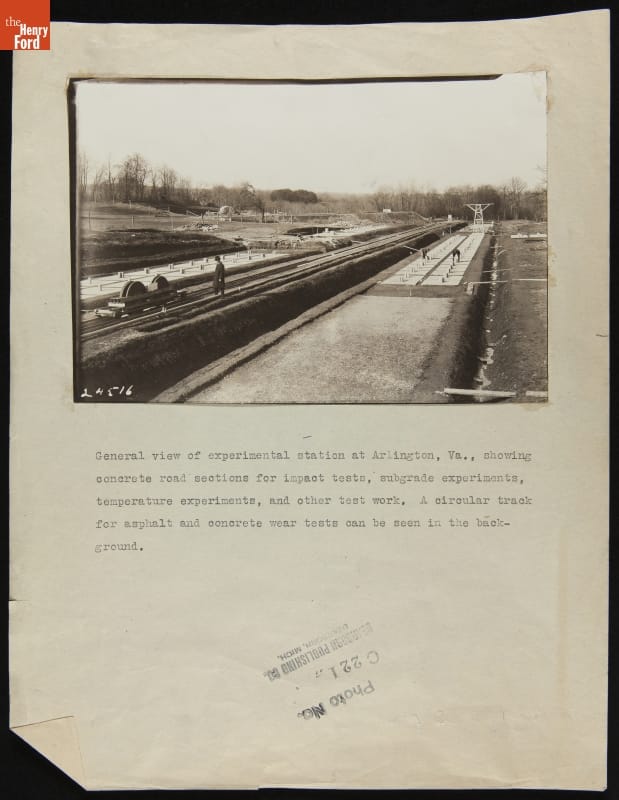
- Concrete Road Sections for Use in Experimental Impact Tests, Arlington, Virginia, 1921-1922 -
- 1921-1922
- Collections - Artifact
Concrete Road Sections for Use in Experimental Impact Tests, Arlington, Virginia, 1921-1922
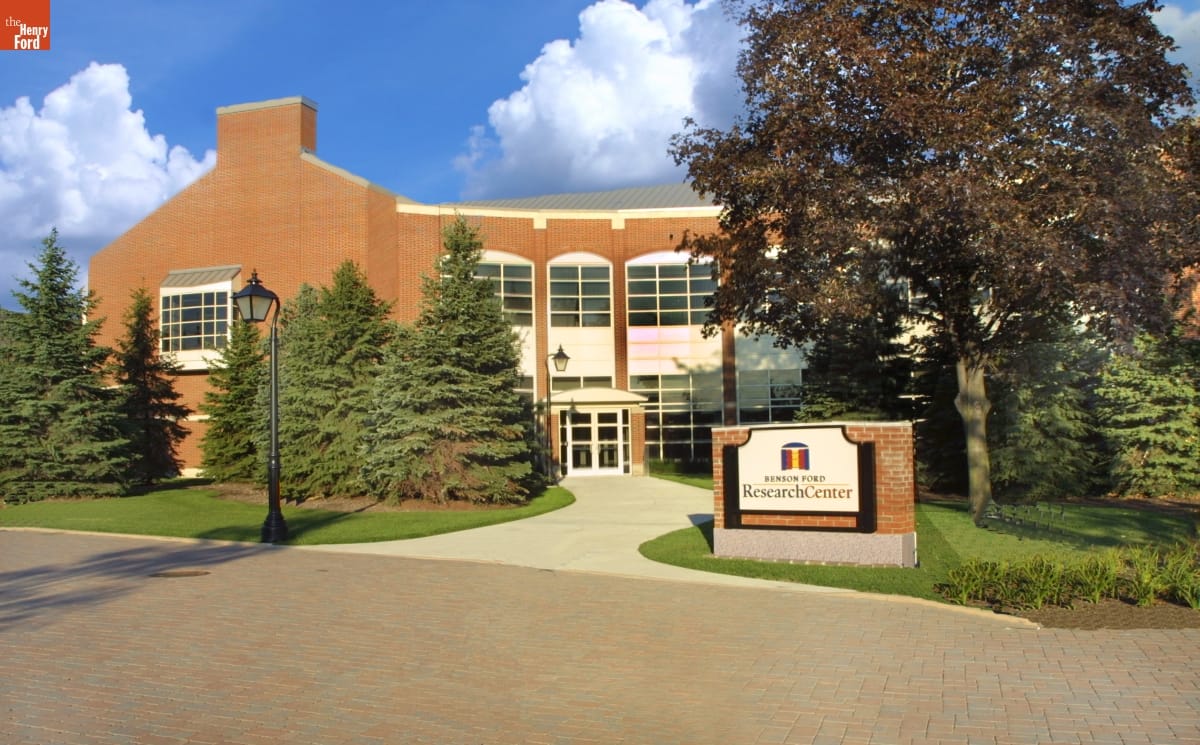
- Benson Ford Research Center, August 2003 - The holdings of The Henry Ford Archive of American Innovation are wide-ranging. Along with early corporate records of the Ford Motor Company and the Edison Institute, other collections consist of material related to the institution's mission and defined collecting topics. The Benson Ford Research Center, named for the second son of Edsel and Eleanor Ford, houses much of the collection.
- August 01, 2003
- Collections - Artifact
Benson Ford Research Center, August 2003
The holdings of The Henry Ford Archive of American Innovation are wide-ranging. Along with early corporate records of the Ford Motor Company and the Edison Institute, other collections consist of material related to the institution's mission and defined collecting topics. The Benson Ford Research Center, named for the second son of Edsel and Eleanor Ford, houses much of the collection.
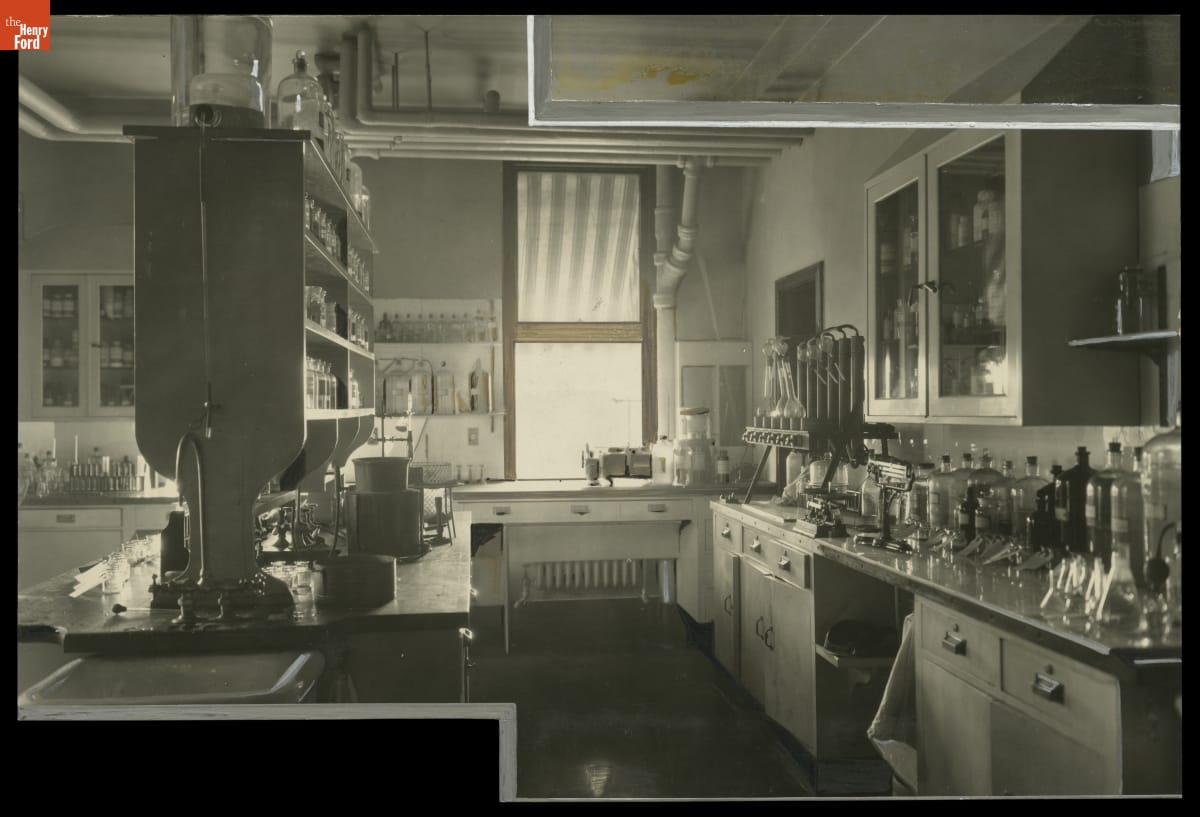
- Laboratory at Henry Ford Hospital, Detroit, Michigan, circa 1922 - In 1915, Henry Ford funded a new hospital for Detroit. Designed and built in consultation with leading medical experts, Henry Ford Hospital employed salaried doctors and charged low, fixed fees to patients. The hospital soon added the training of physicians, surgeons and nurses to its mission. Clinical and laboratory research was conducted at the facility as well.
- circa 1922
- Collections - Artifact
Laboratory at Henry Ford Hospital, Detroit, Michigan, circa 1922
In 1915, Henry Ford funded a new hospital for Detroit. Designed and built in consultation with leading medical experts, Henry Ford Hospital employed salaried doctors and charged low, fixed fees to patients. The hospital soon added the training of physicians, surgeons and nurses to its mission. Clinical and laboratory research was conducted at the facility as well.
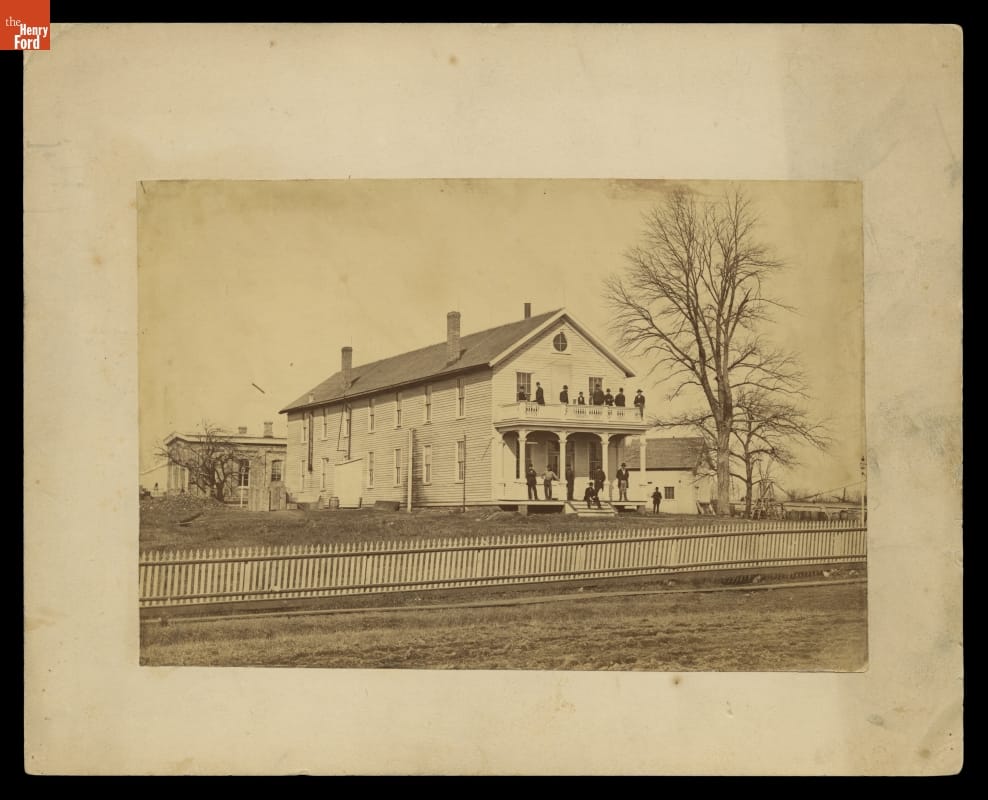
- Menlo Park Laboratory, Original Site, Edison, New Jersey, 1876-1883 -
- 1876-1883
- Collections - Artifact
Menlo Park Laboratory, Original Site, Edison, New Jersey, 1876-1883
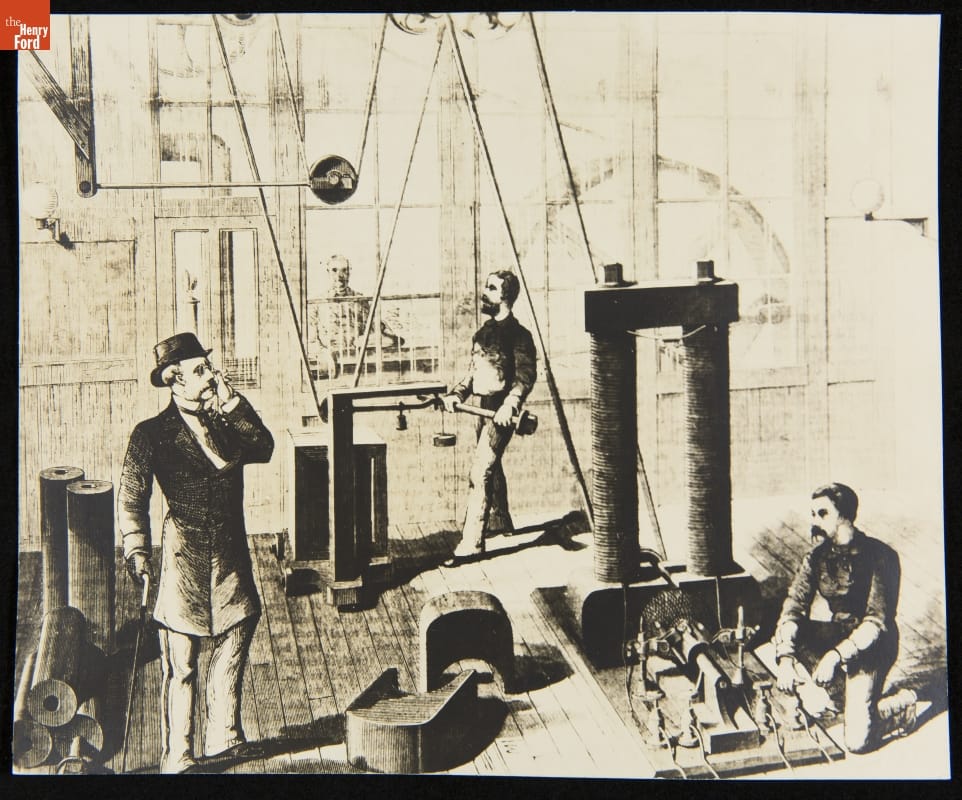
- Interior of Edison's Machine Shop at Menlo Park, New Jersey, 1876-1881 -
- 1876-1881
- Collections - Artifact
Interior of Edison's Machine Shop at Menlo Park, New Jersey, 1876-1881
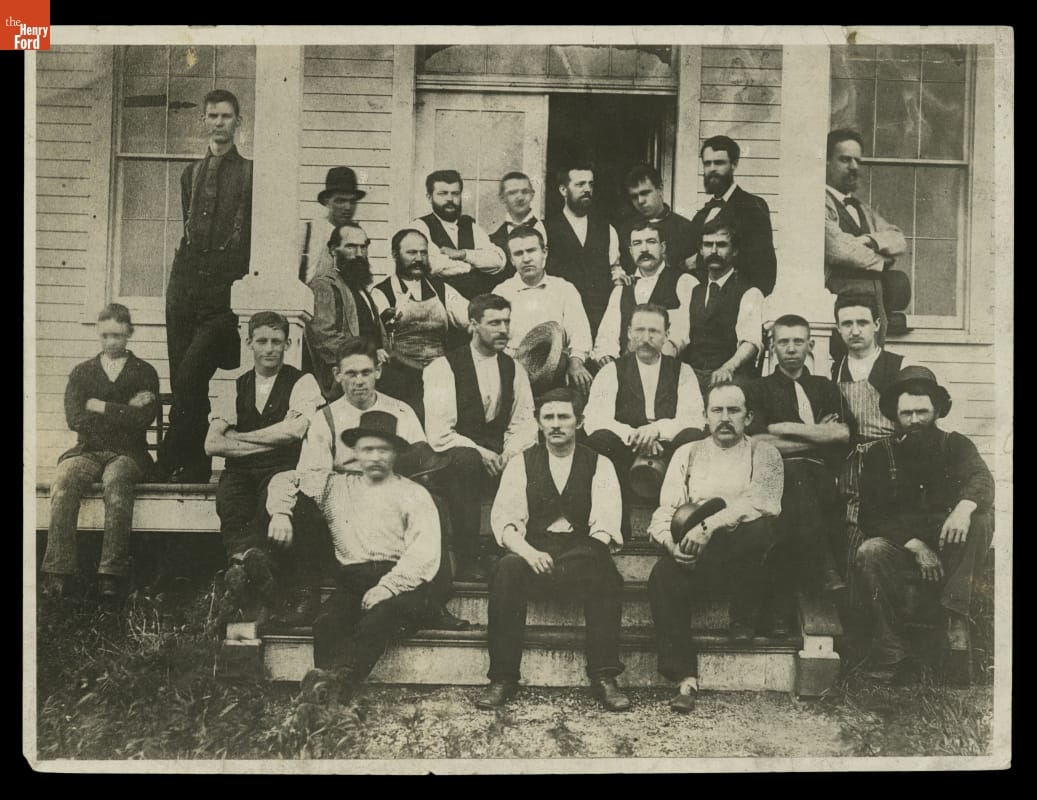
- Thomas Edison with His Laboratory Assistants, Menlo Park, New Jersey, circa 1880 -
- circa 1880
- Collections - Artifact
Thomas Edison with His Laboratory Assistants, Menlo Park, New Jersey, circa 1880
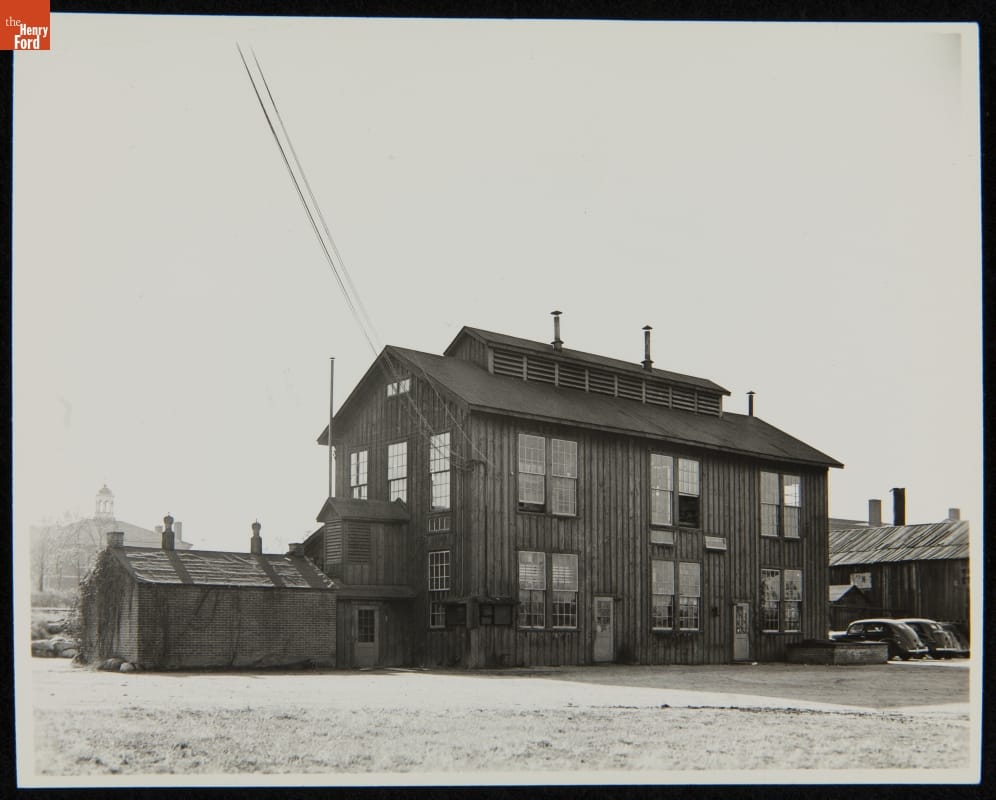
- Soybean Laboratory in Greenfield Village, 1930 - Henry Ford believed that industry and agriculture should complement one another. In the 1930s, he pursued soybeans as a crop that might unite the two. Ford built a soybean laboratory in Greenfield Village. Experiments there led to the use of some soy-based oils and plastics in Ford Motor Company vehicles.
- 1930
- Collections - Artifact
Soybean Laboratory in Greenfield Village, 1930
Henry Ford believed that industry and agriculture should complement one another. In the 1930s, he pursued soybeans as a crop that might unite the two. Ford built a soybean laboratory in Greenfield Village. Experiments there led to the use of some soy-based oils and plastics in Ford Motor Company vehicles.