
Search
- Fixed Condenser, Used in the Hammond Radio Research Laboratory, circa 1911 - John Hays Hammond, Jr., was largely responsible for launching the field of radio control. In 1926, he built a medieval-inspired castle in Gloucester, Massachusetts. This site served as his home and research laboratory. With over 400 patents to his name, Hammond developed ideas for radio control, autopilot function, and targeted missile detonation. This device was used in Hammond's laboratory.
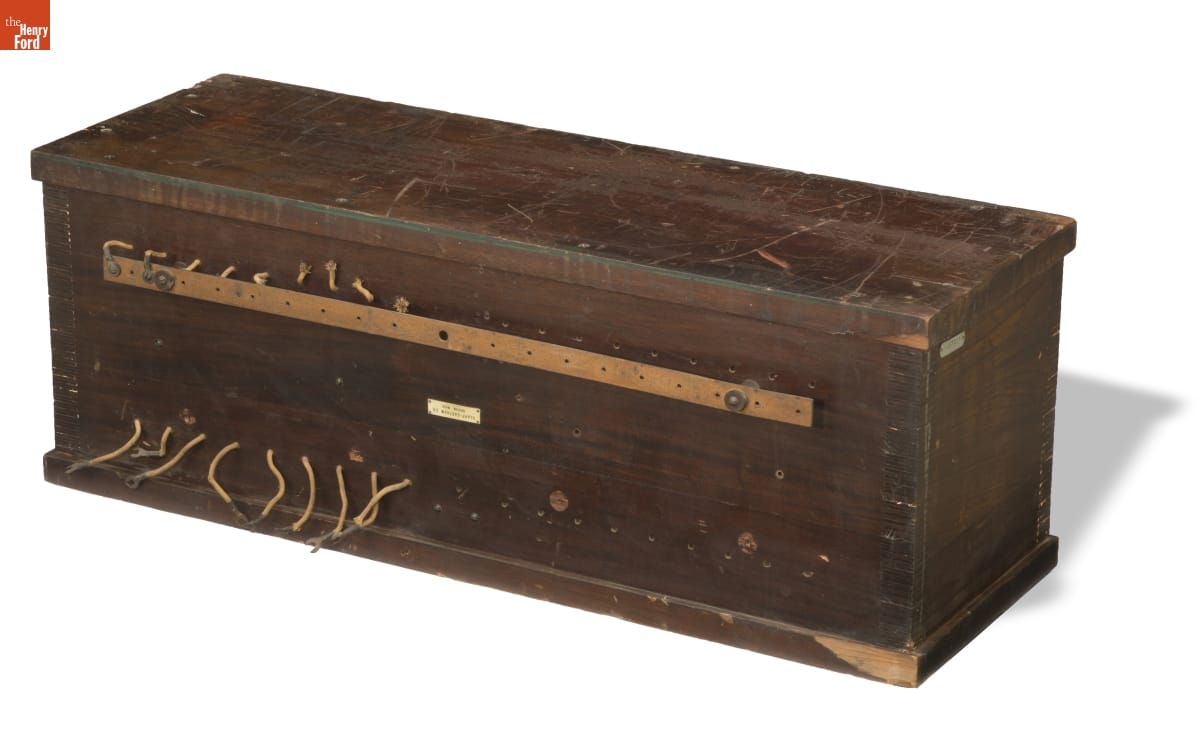
- circa 1911
- Collections - Artifact
Fixed Condenser, Used in the Hammond Radio Research Laboratory, circa 1911
John Hays Hammond, Jr., was largely responsible for launching the field of radio control. In 1926, he built a medieval-inspired castle in Gloucester, Massachusetts. This site served as his home and research laboratory. With over 400 patents to his name, Hammond developed ideas for radio control, autopilot function, and targeted missile detonation. This device was used in Hammond's laboratory.
- Fixed Condenser, Used in the Hammond Radio Research Laboratory, circa 1911 - John Hays Hammond, Jr., was largely responsible for launching the field of radio control. In 1926, he built a medieval-inspired castle in Gloucester, Massachusetts. This site served as his home and research laboratory. With over 400 patents to his name, Hammond developed ideas for radio control, autopilot function, and targeted missile detonation. This device was used in Hammond's laboratory.
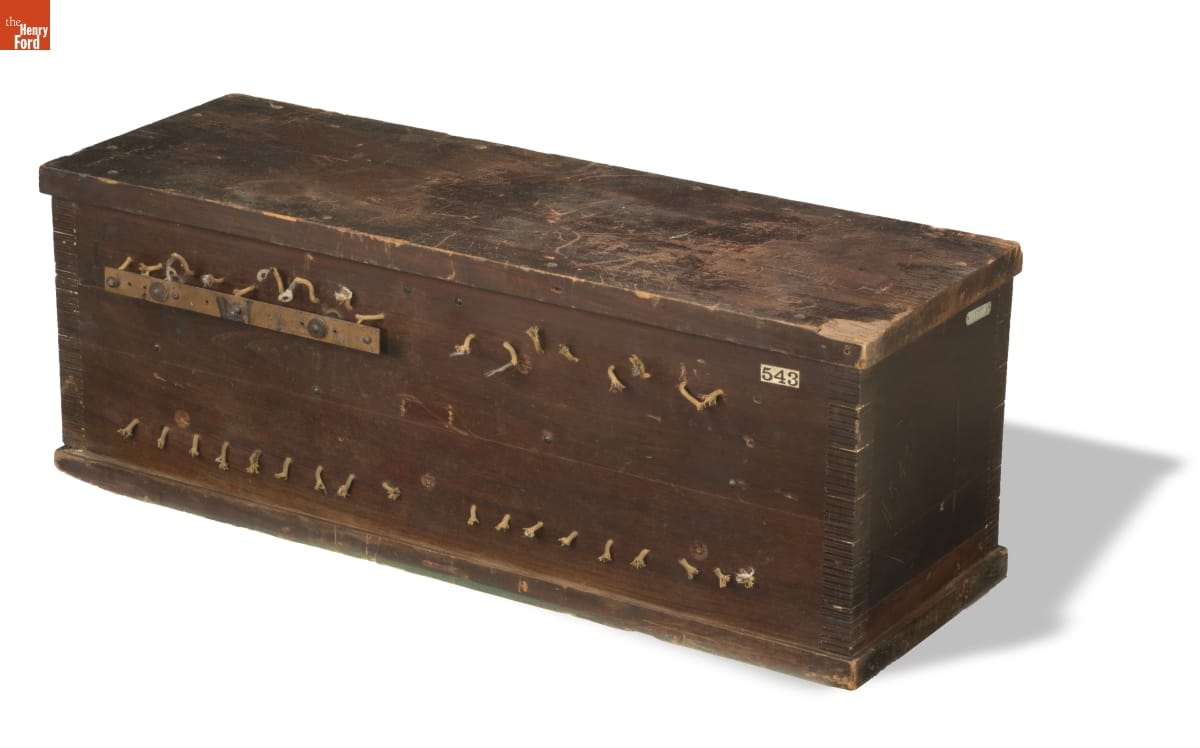
- circa 1911
- Collections - Artifact
Fixed Condenser, Used in the Hammond Radio Research Laboratory, circa 1911
John Hays Hammond, Jr., was largely responsible for launching the field of radio control. In 1926, he built a medieval-inspired castle in Gloucester, Massachusetts. This site served as his home and research laboratory. With over 400 patents to his name, Hammond developed ideas for radio control, autopilot function, and targeted missile detonation. This device was used in Hammond's laboratory.
- Reactance Coil, Used at Hammond Radio Research Laboratory, 1915-1920 - John Hays Hammond, Jr., is considered "the father of radio control." In 1926, he built a medieval-inspired castle in Gloucester, Massachusetts, as his home and research laboratory. With 400 patents to his name, Hammond developed radio control, autopilot function, and targeted missile detonation. A reactance coil is an inductor, blocking high-frequency AC power, allowing low-frequency DC power to pass.
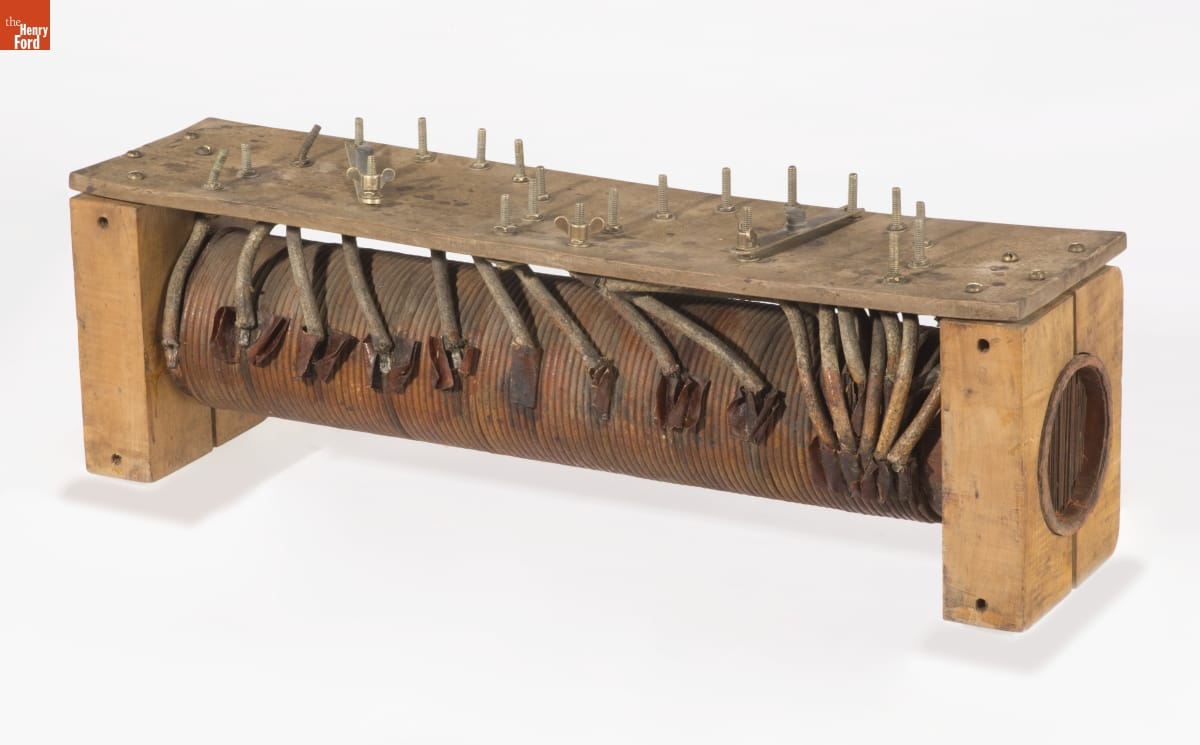
- 1915-1920
- Collections - Artifact
Reactance Coil, Used at Hammond Radio Research Laboratory, 1915-1920
John Hays Hammond, Jr., is considered "the father of radio control." In 1926, he built a medieval-inspired castle in Gloucester, Massachusetts, as his home and research laboratory. With 400 patents to his name, Hammond developed radio control, autopilot function, and targeted missile detonation. A reactance coil is an inductor, blocking high-frequency AC power, allowing low-frequency DC power to pass.
- Radio Microphone, Used at Hammond Radio Research Laboratory, circa 1915 - John Hays Hammond, Jr., was largely responsible for launching the field of radio control. In 1926, he built a medieval-inspired castle in Gloucester, Massachusetts. This site served as his home and research laboratory. With over 400 patents to his name, Hammond developed ideas for radio control, autopilot function, and targeted missile detonation. This device was used in Hammond's laboratory.
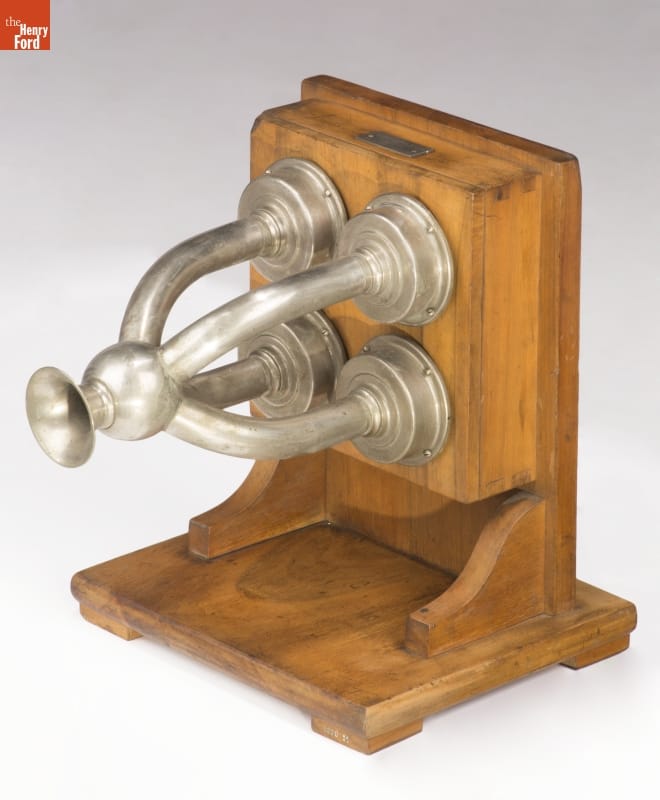
- circa 1915
- Collections - Artifact
Radio Microphone, Used at Hammond Radio Research Laboratory, circa 1915
John Hays Hammond, Jr., was largely responsible for launching the field of radio control. In 1926, he built a medieval-inspired castle in Gloucester, Massachusetts. This site served as his home and research laboratory. With over 400 patents to his name, Hammond developed ideas for radio control, autopilot function, and targeted missile detonation. This device was used in Hammond's laboratory.
- Woman Working with a Drying Box in the Office of Home Economics, U.S. Department of Agriculture, January 1920 -
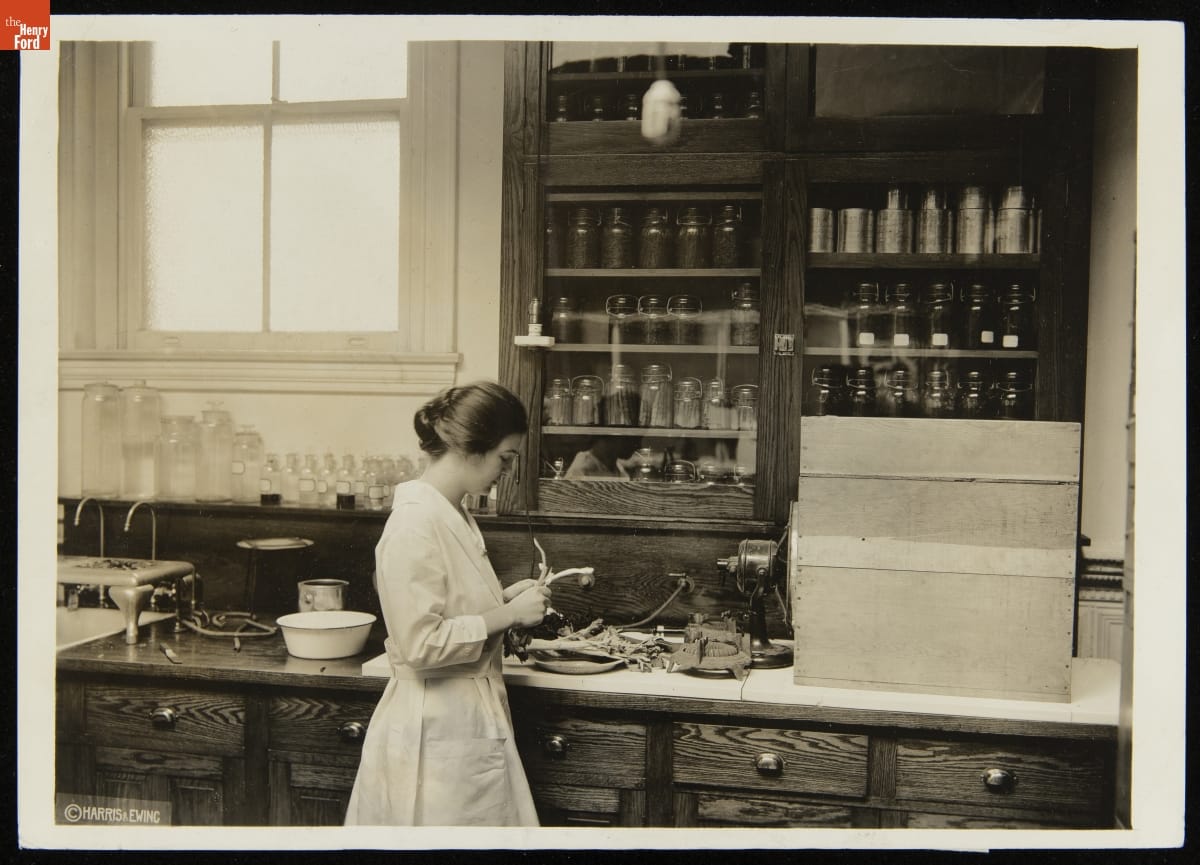
- January 12, 1920
- Collections - Artifact
Woman Working with a Drying Box in the Office of Home Economics, U.S. Department of Agriculture, January 1920
- Photo Radio Gun, Used at Hammond Radio Research Laboratory, 1920-1929 - John Hays Hammond, Jr., was largely responsible for launching the field of radio control. In 1926, he built a medieval-inspired castle in Gloucester, Massachusetts. This site served as his home and research laboratory. With over 400 patents to his name, Hammond developed ideas for radio control, autopilot function, and targeted missile detonation. This device was used in Hammond's laboratory.
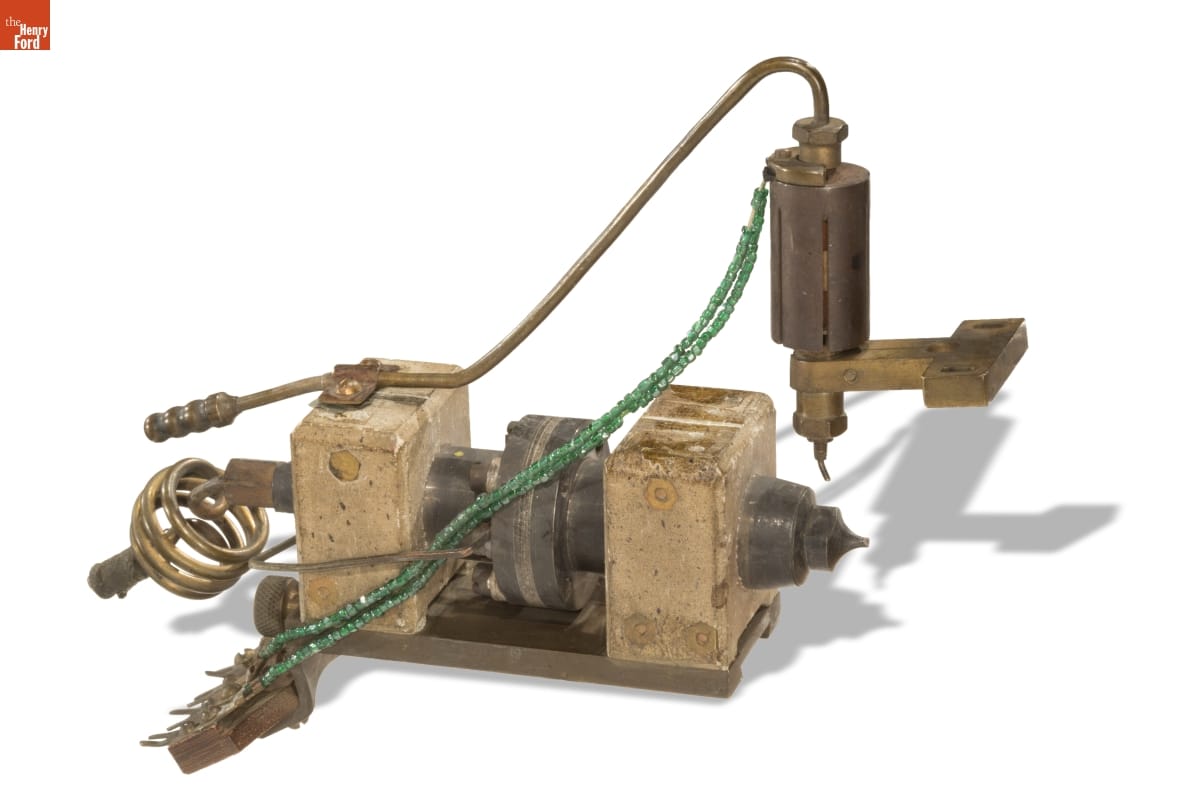
- 1920-1929
- Collections - Artifact
Photo Radio Gun, Used at Hammond Radio Research Laboratory, 1920-1929
John Hays Hammond, Jr., was largely responsible for launching the field of radio control. In 1926, he built a medieval-inspired castle in Gloucester, Massachusetts. This site served as his home and research laboratory. With over 400 patents to his name, Hammond developed ideas for radio control, autopilot function, and targeted missile detonation. This device was used in Hammond's laboratory.
- General Electric Tungsten Lamp, circa 1906 -
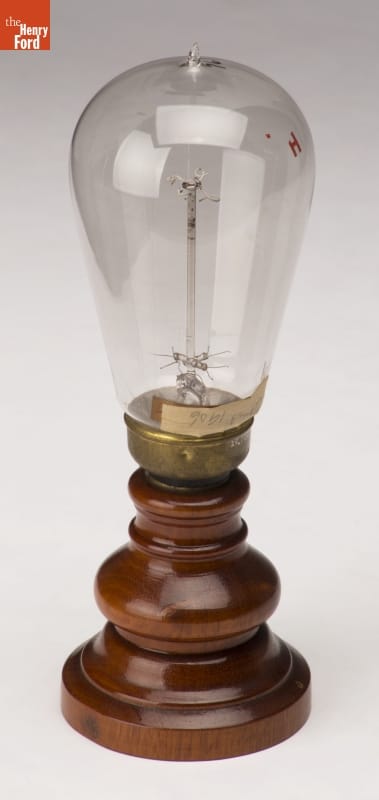
- circa 1906
- Collections - Artifact
General Electric Tungsten Lamp, circa 1906
- Bradleyometer (Potentiometer), Used By John Hays Hammond, Jr., 1922-1925 - John Hays Hammond, Jr., was largely responsible for launching the field of radio control. In 1926, he built a medieval-inspired castle in Gloucester, Massachusetts. This site served as his home and research laboratory. With over 400 patents to his name, Hammond developed ideas for radio control, autopilot function, and targeted missile detonation. This device was used in Hammond's laboratory.
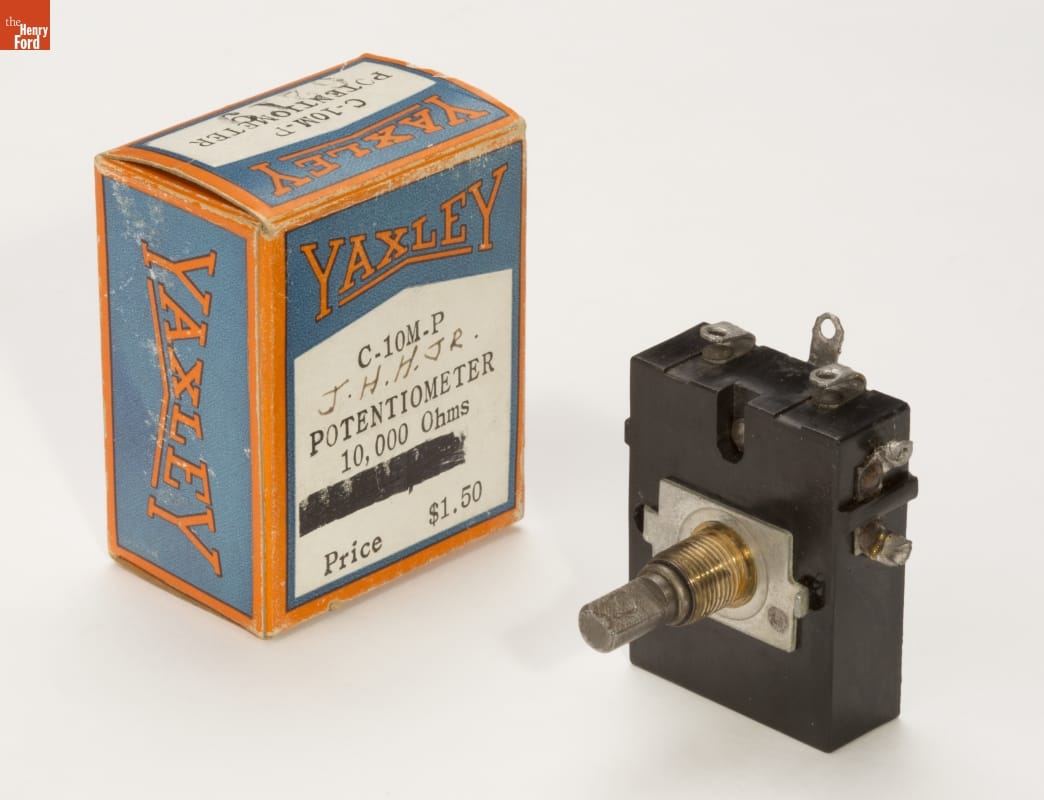
- 1922-1925
- Collections - Artifact
Bradleyometer (Potentiometer), Used By John Hays Hammond, Jr., 1922-1925
John Hays Hammond, Jr., was largely responsible for launching the field of radio control. In 1926, he built a medieval-inspired castle in Gloucester, Massachusetts. This site served as his home and research laboratory. With over 400 patents to his name, Hammond developed ideas for radio control, autopilot function, and targeted missile detonation. This device was used in Hammond's laboratory.
- Lowenstein Radio Company Condenser, 1906-1907 -
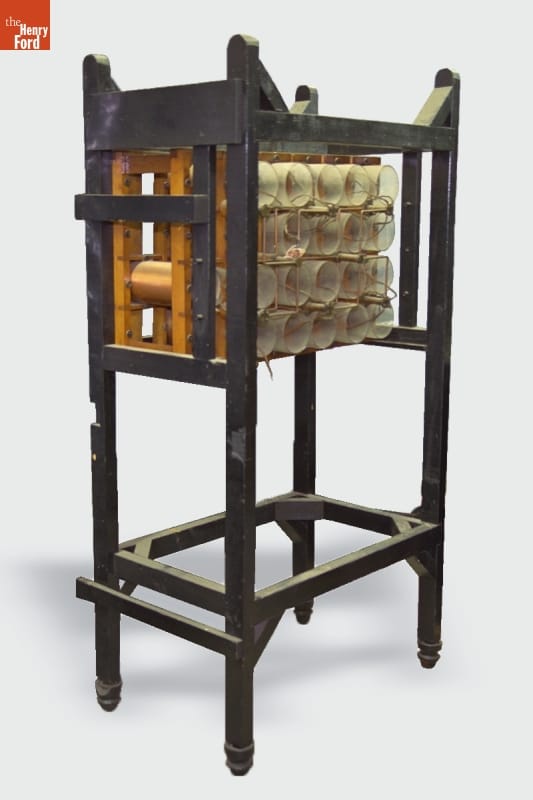
- 1906-1907
- Collections - Artifact
Lowenstein Radio Company Condenser, 1906-1907
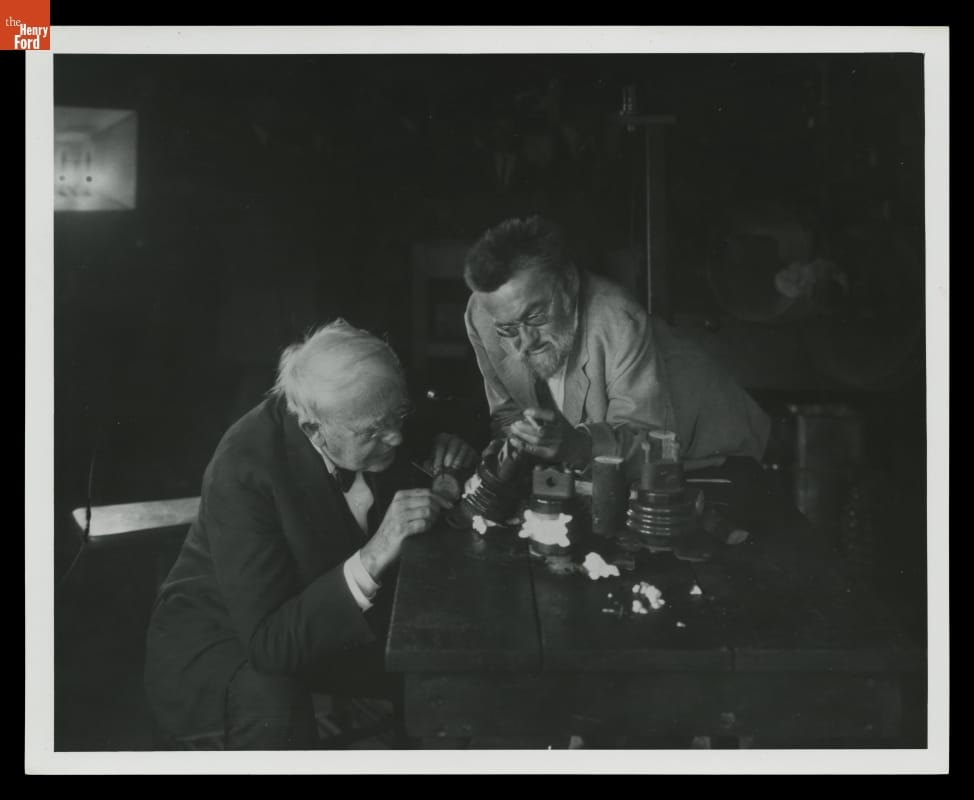
- Thomas Edison and Charles Steinmetz Examining Porcelain Insulators Destroyed by Artificial Lightning, General Electric Research Laboratory, 1922 - Charles Steinmetz's electrochemical and high-voltage research at General Electric attracted public attention. The press portrayed Steinmetz as a scientific "wizard" and sensationalized his technical work for popular audiences. During a highly publicized visit in 1922, Thomas Edison observed a lightning generator Steinmetz developed to test new electrical equipment. Newspapers hailed Steinmetz as a "modern Jove," creator of artificial lightning.
- October 23, 1922
- Collections - Artifact
Thomas Edison and Charles Steinmetz Examining Porcelain Insulators Destroyed by Artificial Lightning, General Electric Research Laboratory, 1922
Charles Steinmetz's electrochemical and high-voltage research at General Electric attracted public attention. The press portrayed Steinmetz as a scientific "wizard" and sensationalized his technical work for popular audiences. During a highly publicized visit in 1922, Thomas Edison observed a lightning generator Steinmetz developed to test new electrical equipment. Newspapers hailed Steinmetz as a "modern Jove," creator of artificial lightning.