
Search
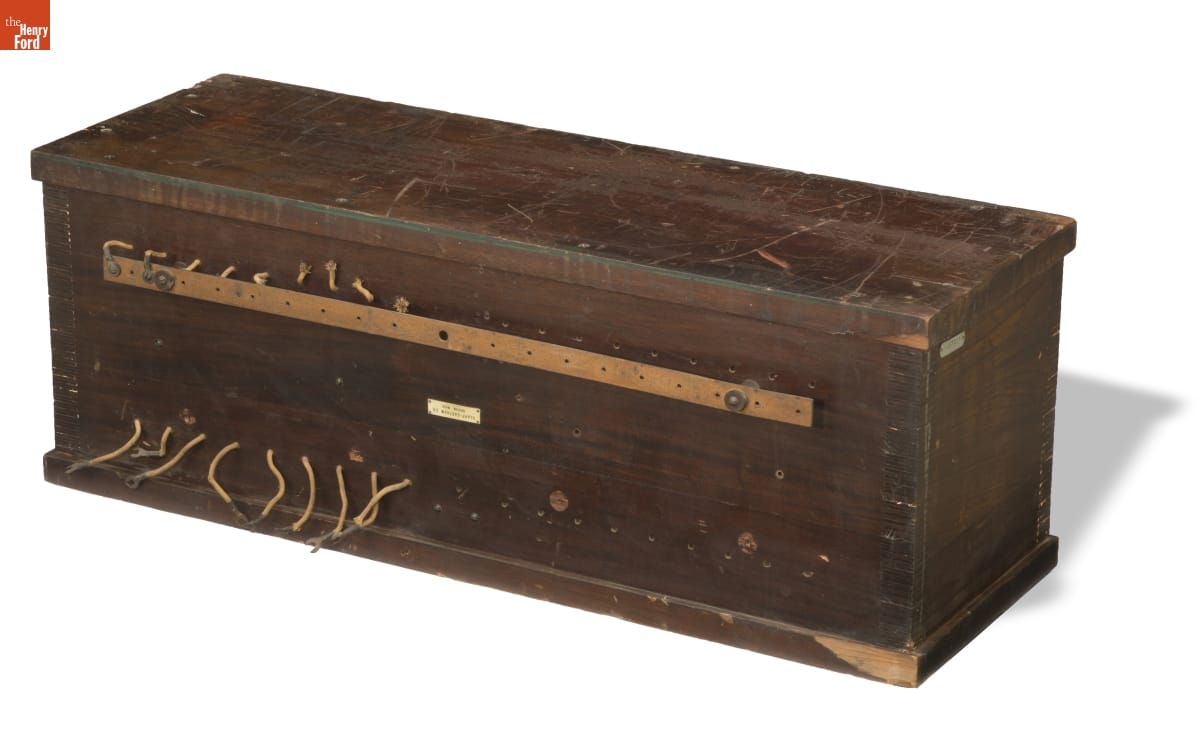
- Fixed Condenser, Used in the Hammond Radio Research Laboratory, circa 1911 - John Hays Hammond, Jr., was largely responsible for launching the field of radio control. In 1926, he built a medieval-inspired castle in Gloucester, Massachusetts. This site served as his home and research laboratory. With over 400 patents to his name, Hammond developed ideas for radio control, autopilot function, and targeted missile detonation. This device was used in Hammond's laboratory.
- circa 1911
- Collections - Artifact
Fixed Condenser, Used in the Hammond Radio Research Laboratory, circa 1911
John Hays Hammond, Jr., was largely responsible for launching the field of radio control. In 1926, he built a medieval-inspired castle in Gloucester, Massachusetts. This site served as his home and research laboratory. With over 400 patents to his name, Hammond developed ideas for radio control, autopilot function, and targeted missile detonation. This device was used in Hammond's laboratory.
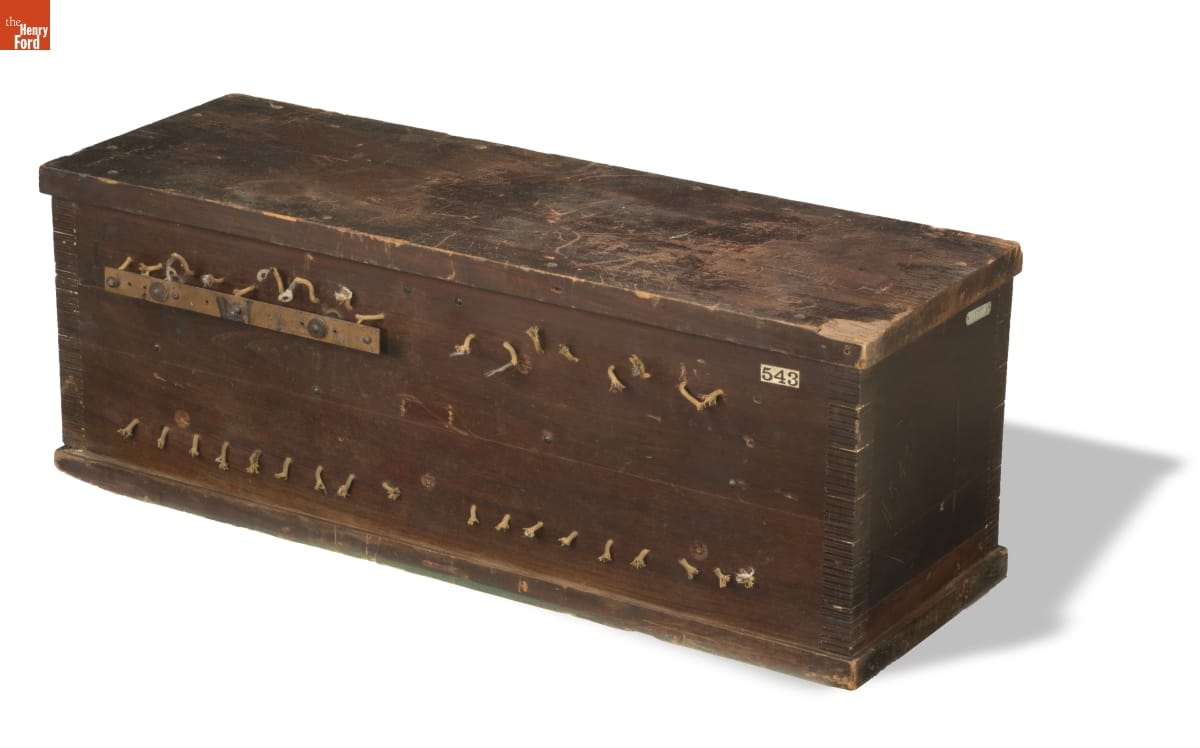
- Fixed Condenser, Used in the Hammond Radio Research Laboratory, circa 1911 - John Hays Hammond, Jr., was largely responsible for launching the field of radio control. In 1926, he built a medieval-inspired castle in Gloucester, Massachusetts. This site served as his home and research laboratory. With over 400 patents to his name, Hammond developed ideas for radio control, autopilot function, and targeted missile detonation. This device was used in Hammond's laboratory.
- circa 1911
- Collections - Artifact
Fixed Condenser, Used in the Hammond Radio Research Laboratory, circa 1911
John Hays Hammond, Jr., was largely responsible for launching the field of radio control. In 1926, he built a medieval-inspired castle in Gloucester, Massachusetts. This site served as his home and research laboratory. With over 400 patents to his name, Hammond developed ideas for radio control, autopilot function, and targeted missile detonation. This device was used in Hammond's laboratory.
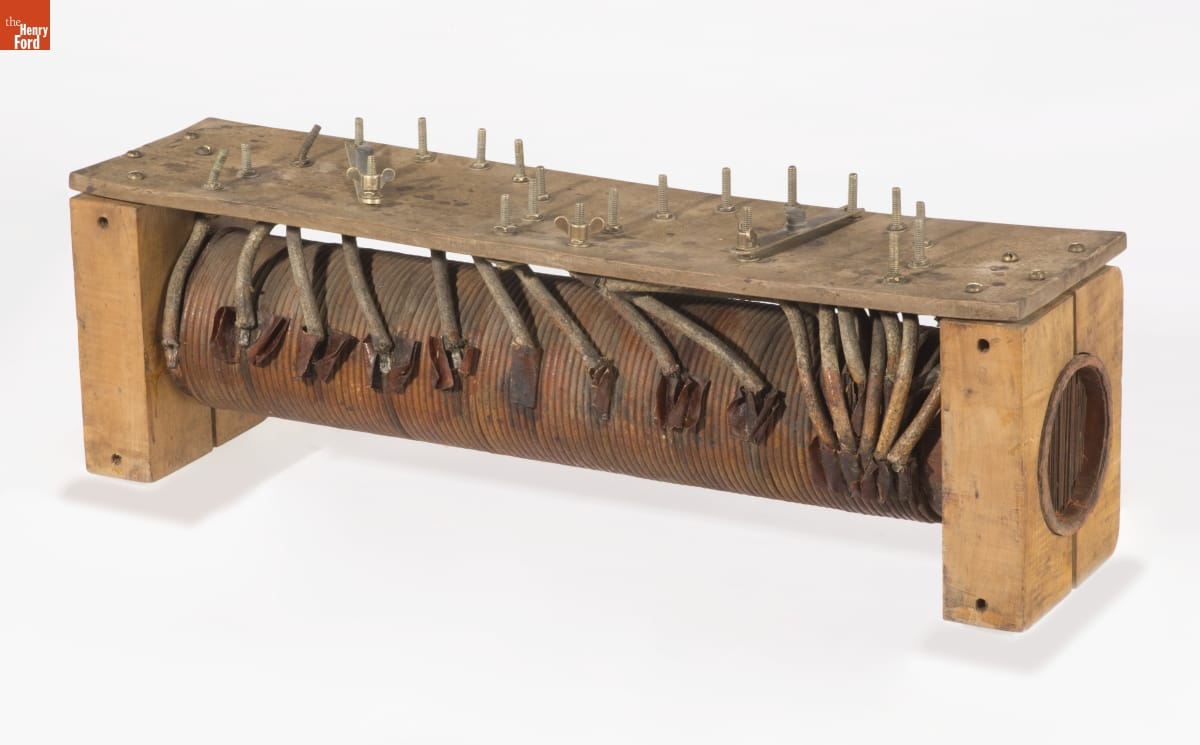
- Reactance Coil, Used at Hammond Radio Research Laboratory, 1915-1920 - John Hays Hammond, Jr., is considered "the father of radio control." In 1926, he built a medieval-inspired castle in Gloucester, Massachusetts, as his home and research laboratory. With 400 patents to his name, Hammond developed radio control, autopilot function, and targeted missile detonation. A reactance coil is an inductor, blocking high-frequency AC power, allowing low-frequency DC power to pass.
- 1915-1920
- Collections - Artifact
Reactance Coil, Used at Hammond Radio Research Laboratory, 1915-1920
John Hays Hammond, Jr., is considered "the father of radio control." In 1926, he built a medieval-inspired castle in Gloucester, Massachusetts, as his home and research laboratory. With 400 patents to his name, Hammond developed radio control, autopilot function, and targeted missile detonation. A reactance coil is an inductor, blocking high-frequency AC power, allowing low-frequency DC power to pass.
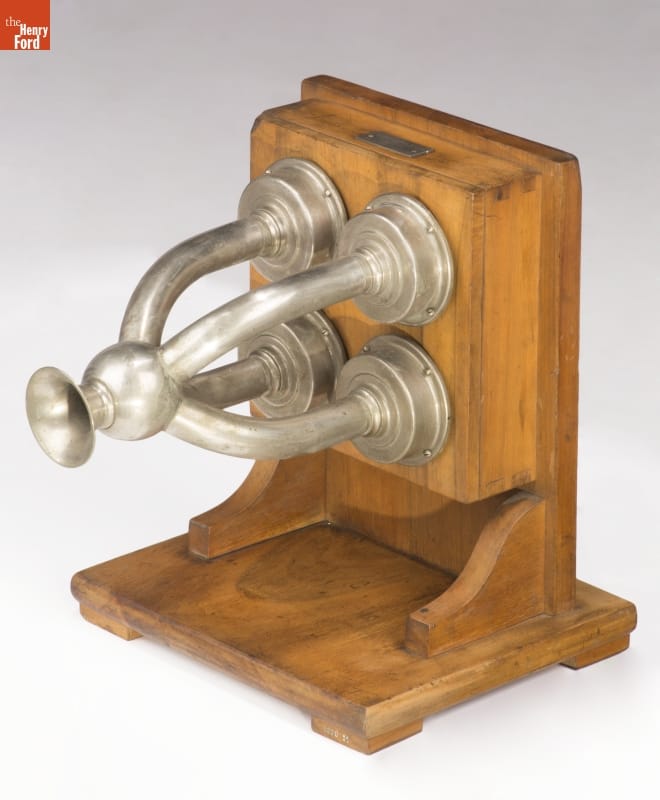
- Radio Microphone, Used at Hammond Radio Research Laboratory, circa 1915 - John Hays Hammond, Jr., was largely responsible for launching the field of radio control. In 1926, he built a medieval-inspired castle in Gloucester, Massachusetts. This site served as his home and research laboratory. With over 400 patents to his name, Hammond developed ideas for radio control, autopilot function, and targeted missile detonation. This device was used in Hammond's laboratory.
- circa 1915
- Collections - Artifact
Radio Microphone, Used at Hammond Radio Research Laboratory, circa 1915
John Hays Hammond, Jr., was largely responsible for launching the field of radio control. In 1926, he built a medieval-inspired castle in Gloucester, Massachusetts. This site served as his home and research laboratory. With over 400 patents to his name, Hammond developed ideas for radio control, autopilot function, and targeted missile detonation. This device was used in Hammond's laboratory.
- Transient Biolistic Transformation of Petioles of the Cotyledons of Germinated Soybean Seeds at 12X Magnification, 1988-1989 -
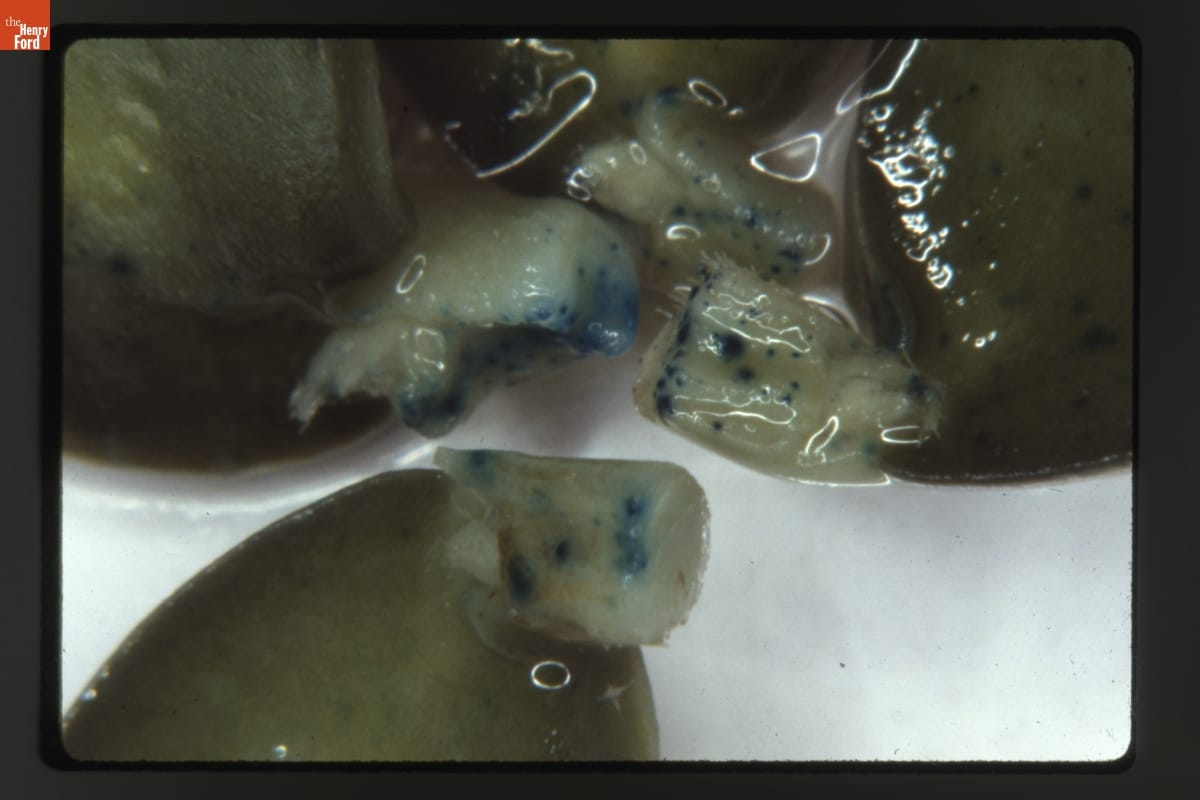
- 1988-1989
- Collections - Artifact
Transient Biolistic Transformation of Petioles of the Cotyledons of Germinated Soybean Seeds at 12X Magnification, 1988-1989
- Woman Working with a Drying Box in the Office of Home Economics, U.S. Department of Agriculture, January 1920 -
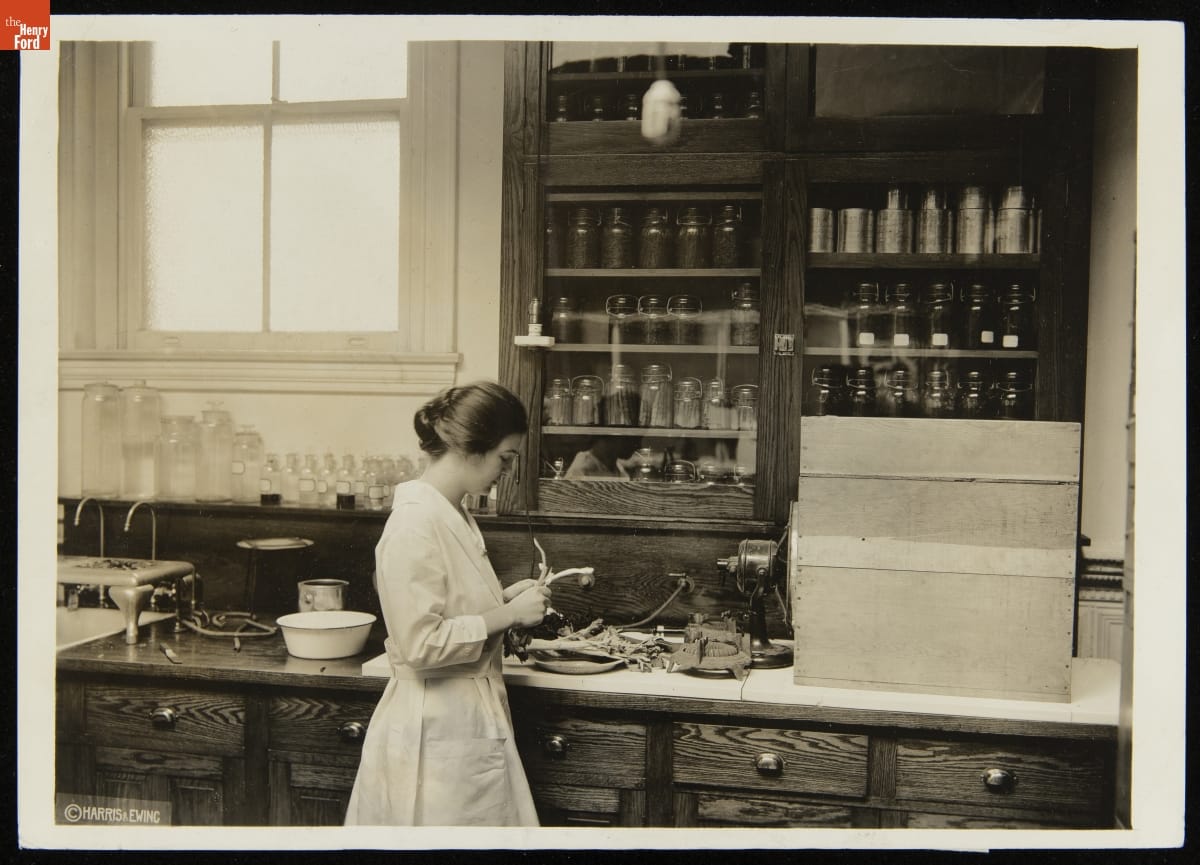
- January 12, 1920
- Collections - Artifact
Woman Working with a Drying Box in the Office of Home Economics, U.S. Department of Agriculture, January 1920
- Cover of The Daily Graphic Newspaper for January 3, 1880, "Edison and His Electric Light" -
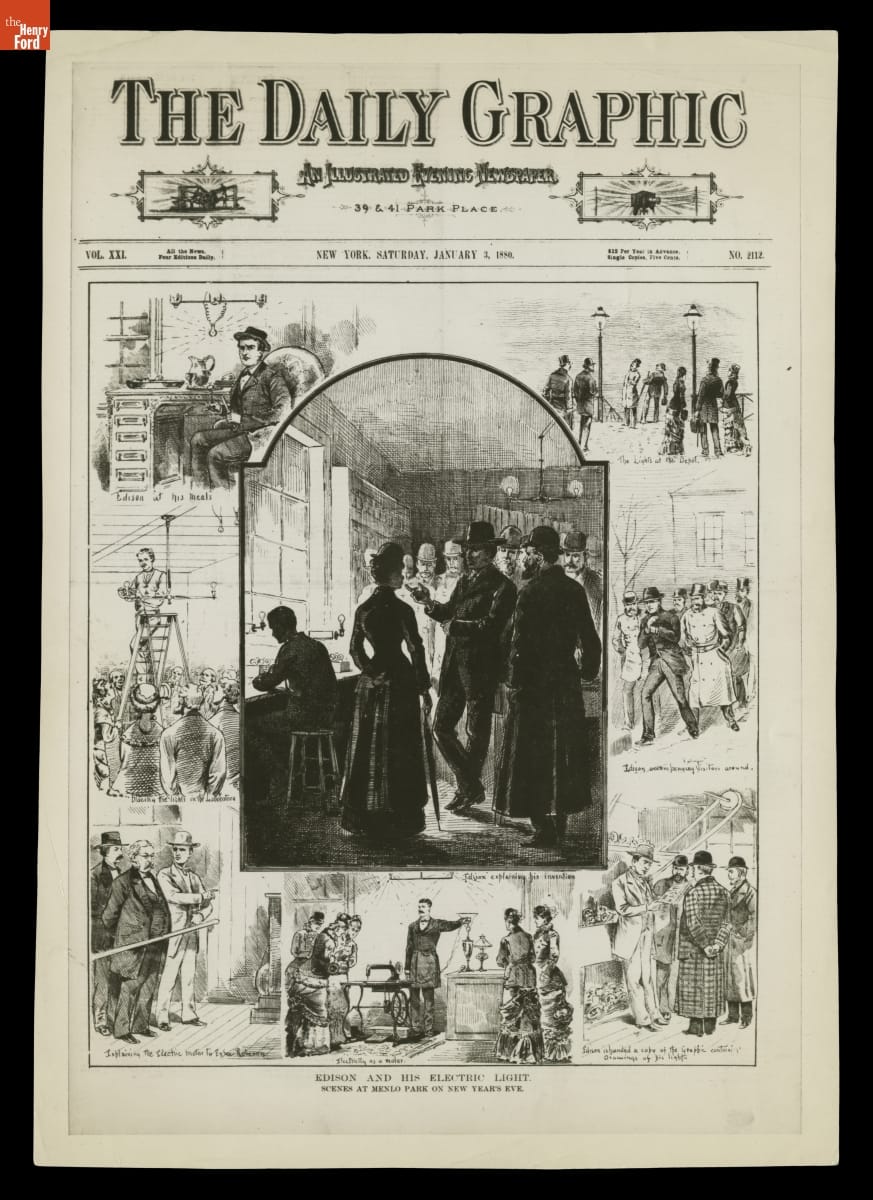
- December 31, 1879
- Collections - Artifact
Cover of The Daily Graphic Newspaper for January 3, 1880, "Edison and His Electric Light"
- Thomas Edison's Laboratory in 1880 in Menlo Park, New Jersey, and in 1984, Reconstructed in Greenfield Village -
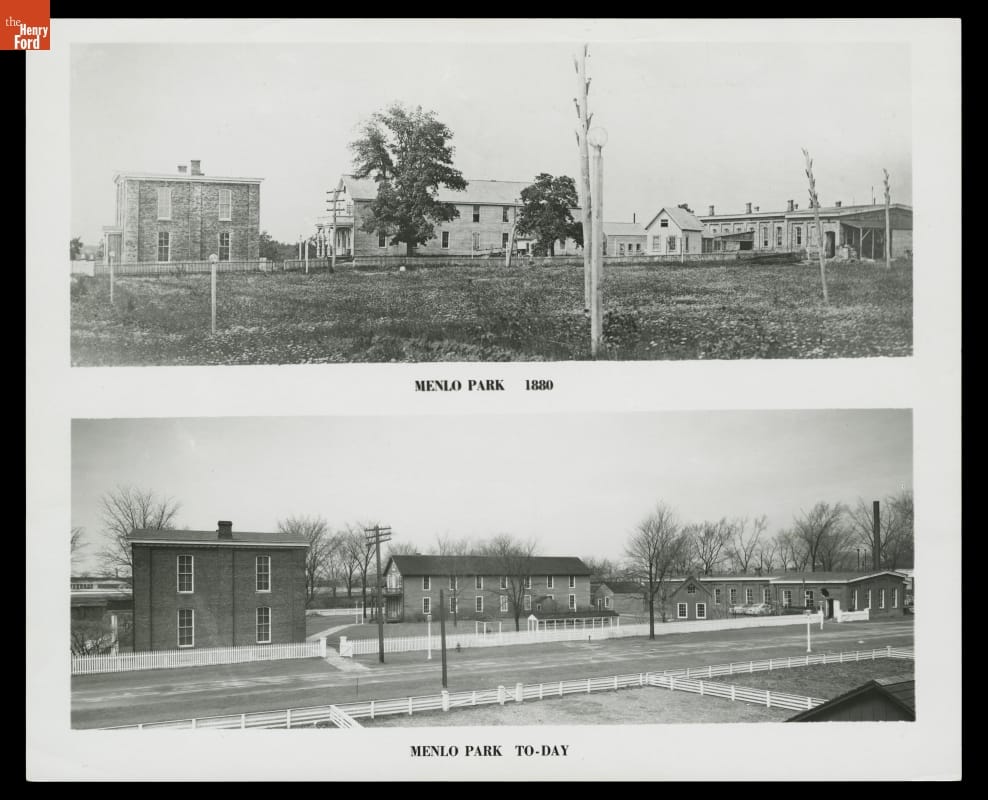
- 1880 and 1954
- Collections - Artifact
Thomas Edison's Laboratory in 1880 in Menlo Park, New Jersey, and in 1984, Reconstructed in Greenfield Village
- "The Other America: Poverty in the United States," 1962 -

- 1962
- Collections - Artifact
"The Other America: Poverty in the United States," 1962
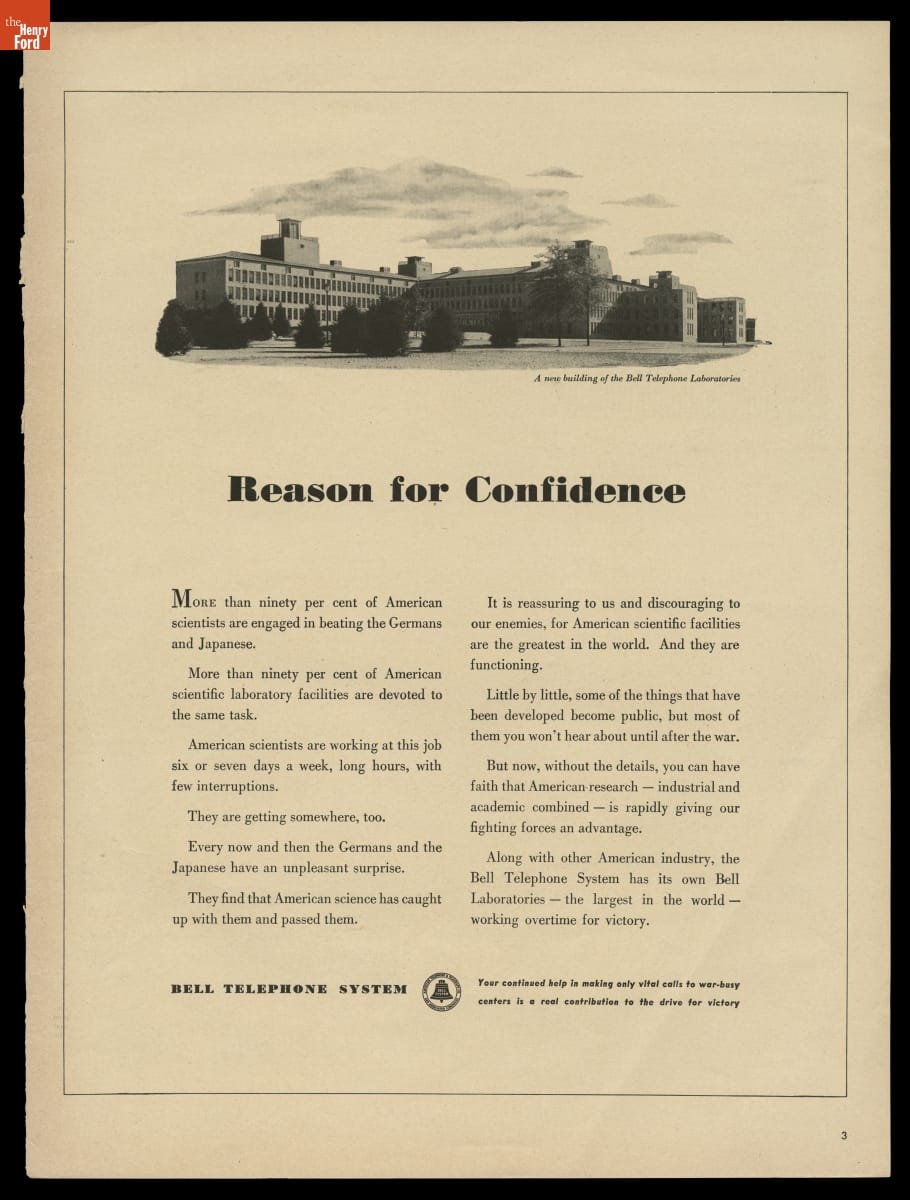
- "Reason for Confidence," Bell Telephone System Advertisement, 1943 -
- 1943
- Collections - Artifact
"Reason for Confidence," Bell Telephone System Advertisement, 1943