
Search
- Rosa Parks Bus before Restoration, outside Henry Ford Museum, September 12, 2002 - This bus, the site of Rosa Parks's stand against segregation laws, sat as a rusted storage shed before The Henry Ford acquired it and began a full restoration. Parks's act of defiance on December 1, 1955, sparked the Montgomery Bus Boycott, which helped to ignite the Civil Rights Movement. Today, the restored bus survives as a reminder of her courageous activism.
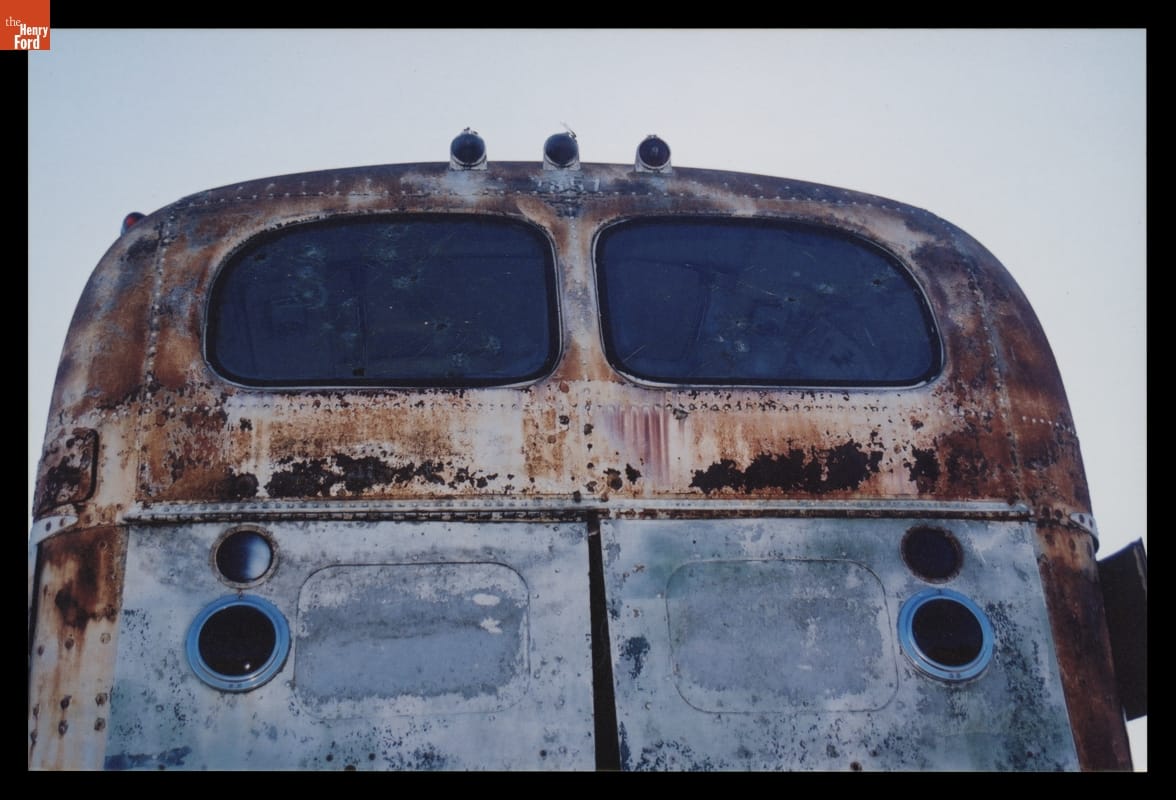
- September 12, 2002
- Collections - Artifact
Rosa Parks Bus before Restoration, outside Henry Ford Museum, September 12, 2002
This bus, the site of Rosa Parks's stand against segregation laws, sat as a rusted storage shed before The Henry Ford acquired it and began a full restoration. Parks's act of defiance on December 1, 1955, sparked the Montgomery Bus Boycott, which helped to ignite the Civil Rights Movement. Today, the restored bus survives as a reminder of her courageous activism.
- Rosa Parks Bus before Restoration, Interior, Driver's Area, March 2002 - This bus, the site of Rosa Parks's stand against segregation laws, sat as a rusted storage shed before The Henry Ford acquired it and began a full restoration. Parks's act of defiance on December 1, 1955, sparked the Montgomery Bus Boycott, which helped to ignite the Civil Rights Movement. Today, the restored bus survives as a reminder of her courageous activism.
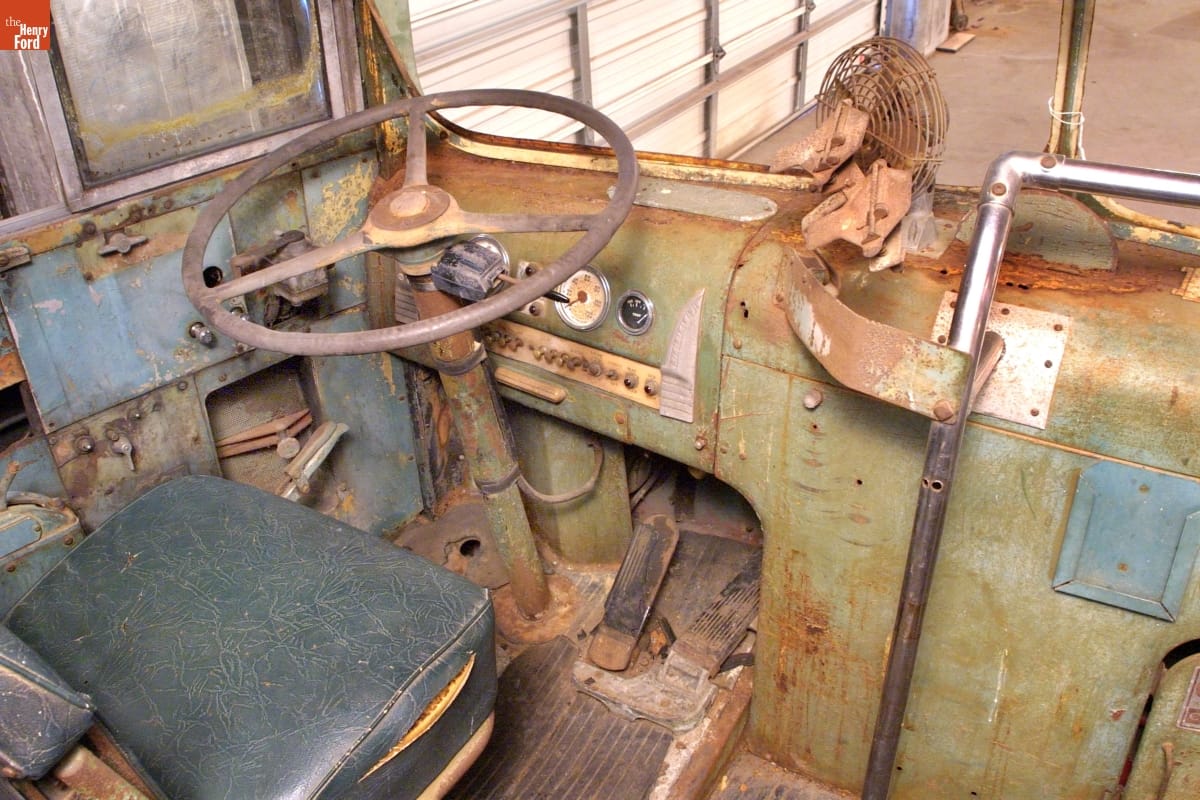
- March 01, 2002
- Collections - Artifact
Rosa Parks Bus before Restoration, Interior, Driver's Area, March 2002
This bus, the site of Rosa Parks's stand against segregation laws, sat as a rusted storage shed before The Henry Ford acquired it and began a full restoration. Parks's act of defiance on December 1, 1955, sparked the Montgomery Bus Boycott, which helped to ignite the Civil Rights Movement. Today, the restored bus survives as a reminder of her courageous activism.
- Rosa Parks Bus before Restoration, Rear Engine Compartment, March 2002 - This bus, the site of Rosa Parks's stand against segregation laws, sat as a rusted storage shed before The Henry Ford acquired it and began a full restoration. Parks's act of defiance on December 1, 1955, sparked the Montgomery Bus Boycott, which helped to ignite the Civil Rights Movement. Today, the restored bus survives as a reminder of her courageous activism.
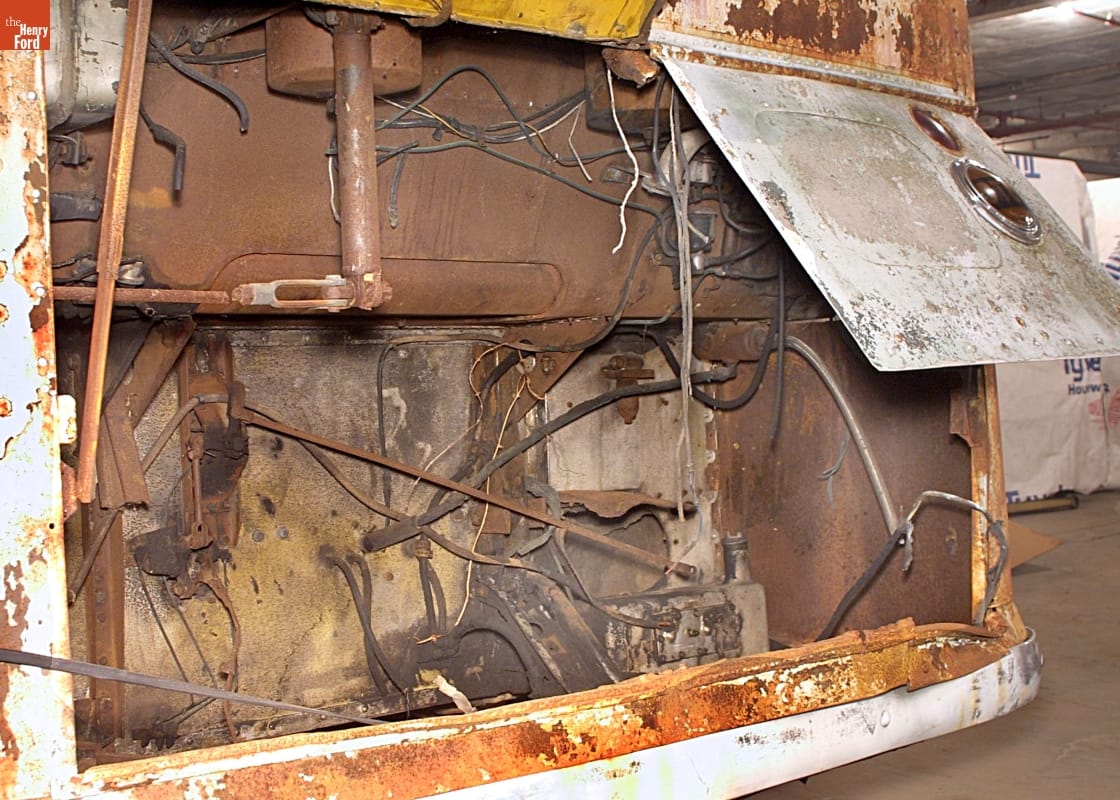
- March 01, 2002
- Collections - Artifact
Rosa Parks Bus before Restoration, Rear Engine Compartment, March 2002
This bus, the site of Rosa Parks's stand against segregation laws, sat as a rusted storage shed before The Henry Ford acquired it and began a full restoration. Parks's act of defiance on December 1, 1955, sparked the Montgomery Bus Boycott, which helped to ignite the Civil Rights Movement. Today, the restored bus survives as a reminder of her courageous activism.
- Rosa Parks Bus before Restoration, Exterior Detail, March 2002 - This bus, the site of Rosa Parks's stand against segregation laws, sat as a rusted storage shed before The Henry Ford acquired it and began a full restoration. Parks's act of defiance on December 1, 1955, sparked the Montgomery Bus Boycott, which helped to ignite the Civil Rights Movement. Today, the restored bus survives as a reminder of her courageous activism.
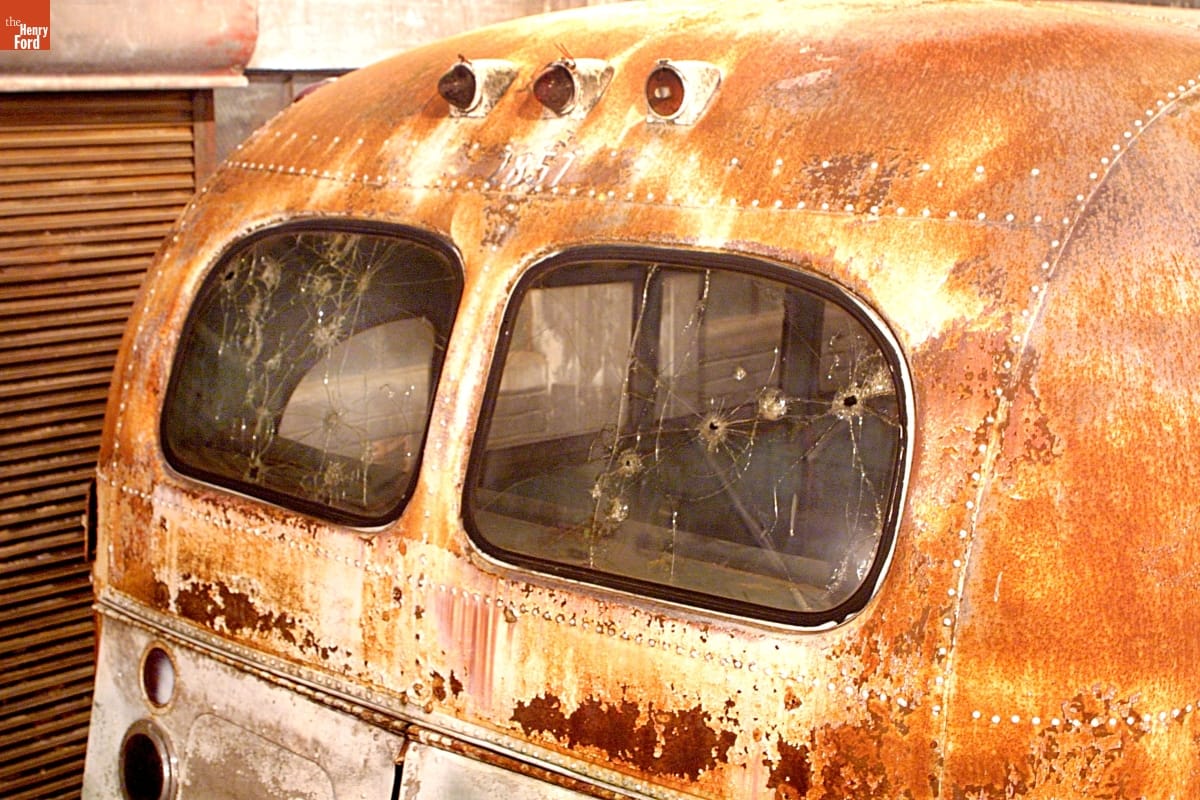
- March 01, 2002
- Collections - Artifact
Rosa Parks Bus before Restoration, Exterior Detail, March 2002
This bus, the site of Rosa Parks's stand against segregation laws, sat as a rusted storage shed before The Henry Ford acquired it and began a full restoration. Parks's act of defiance on December 1, 1955, sparked the Montgomery Bus Boycott, which helped to ignite the Civil Rights Movement. Today, the restored bus survives as a reminder of her courageous activism.
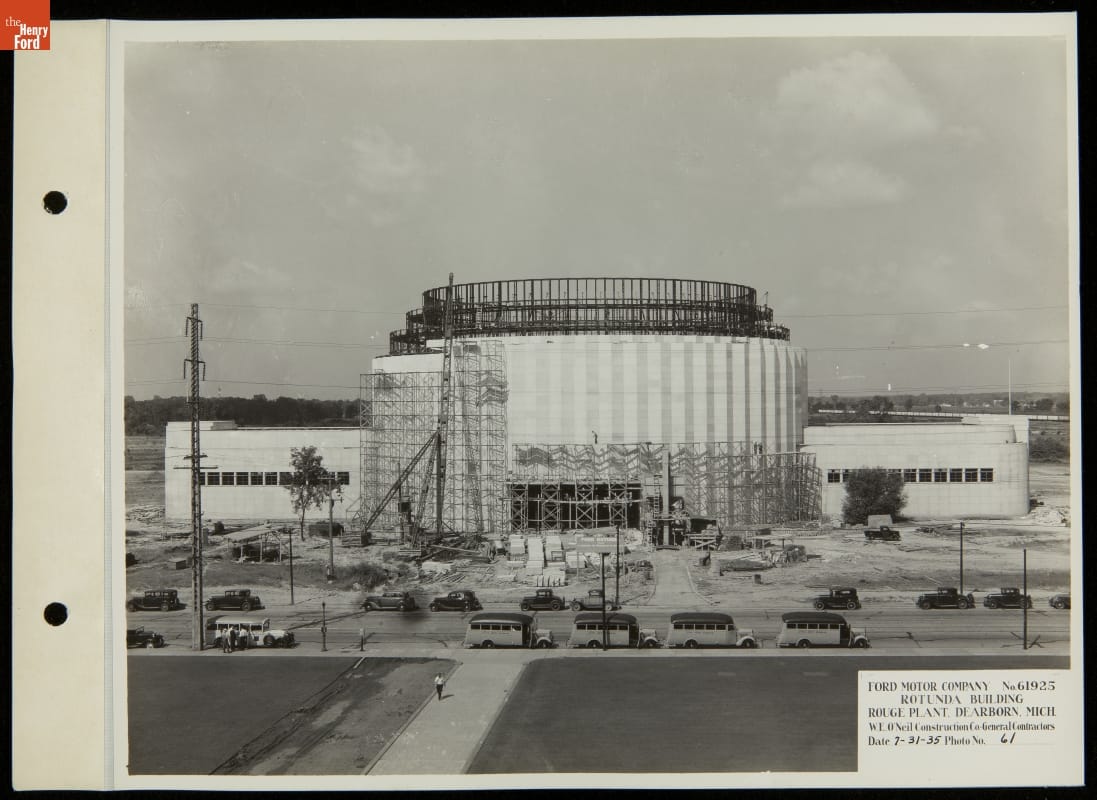
- Ford Rotunda Construction Site, Dearborn, Michigan, July 31, 1935 - After the Century of Progress Exposition ended in 1934, Ford Motor Company brought its central Rotunda building from that fair back to Dearborn. From 1936 to 1962, Ford recreated the excitement of a World's Fair exposition on its home turf. This photo, from July 31, 1935, shows the Ford Rotunda being constructed in Dearborn.
- July 31, 1935
- Collections - Artifact
Ford Rotunda Construction Site, Dearborn, Michigan, July 31, 1935
After the Century of Progress Exposition ended in 1934, Ford Motor Company brought its central Rotunda building from that fair back to Dearborn. From 1936 to 1962, Ford recreated the excitement of a World's Fair exposition on its home turf. This photo, from July 31, 1935, shows the Ford Rotunda being constructed in Dearborn.
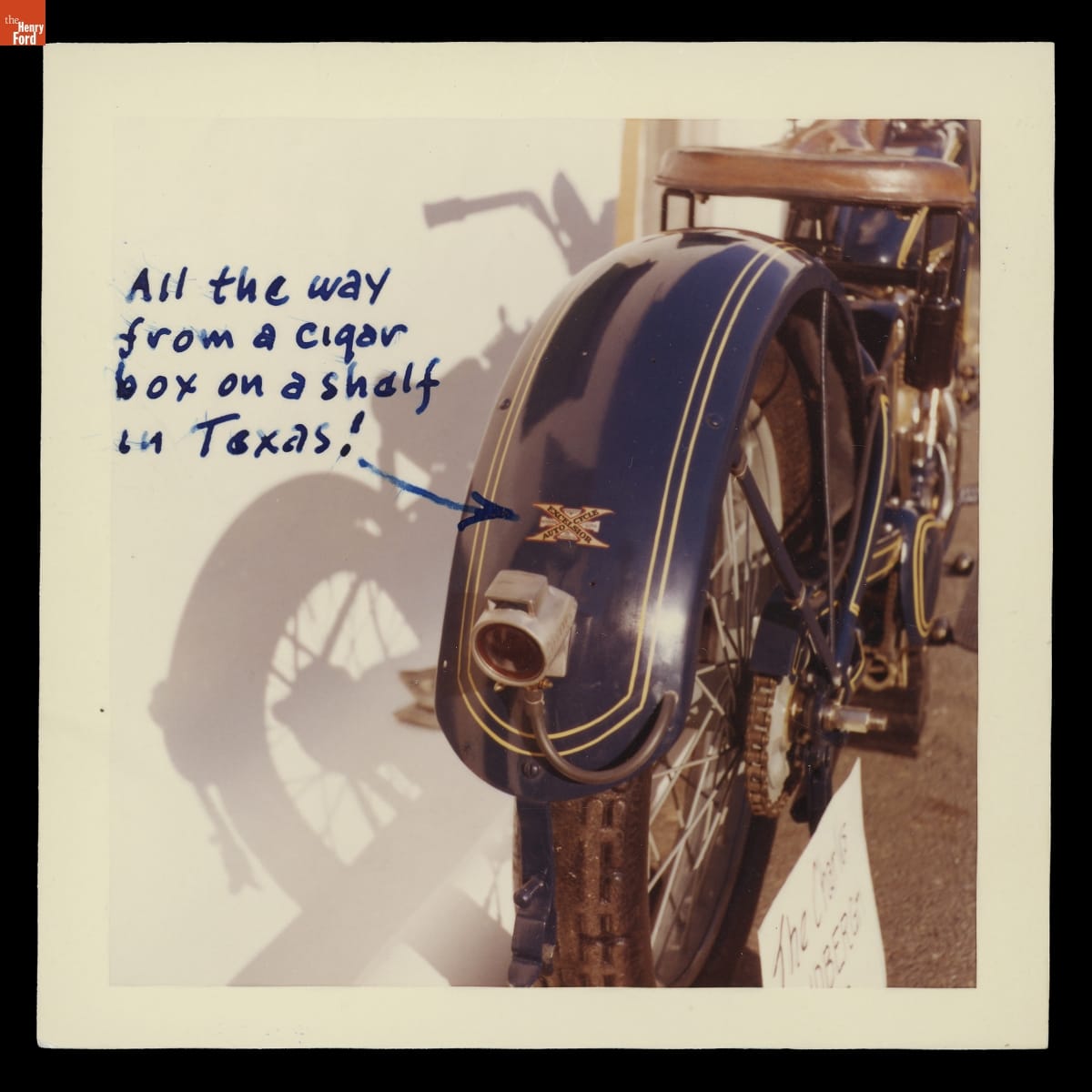
- 1920 Excelsior Motorcycle Formerly Owned by Charles Lindbergh, after Restoration, December 1961 - Charles Lindbergh purchased this Excelsior motorcycle in his hometown of Little Falls, Minnesota, in 1920. He used it while attending the University of Wisconsin, and he rode it on trips to Kentucky, Florida, and Nebraska as well. Lindbergh gifted his Excelsior to The Henry Ford in 1943. The motorcycle was restored in 1961 with missing parts replaced and correct paint reapplied.
- December 01, 1961
- Collections - Artifact
1920 Excelsior Motorcycle Formerly Owned by Charles Lindbergh, after Restoration, December 1961
Charles Lindbergh purchased this Excelsior motorcycle in his hometown of Little Falls, Minnesota, in 1920. He used it while attending the University of Wisconsin, and he rode it on trips to Kentucky, Florida, and Nebraska as well. Lindbergh gifted his Excelsior to The Henry Ford in 1943. The motorcycle was restored in 1961 with missing parts replaced and correct paint reapplied.
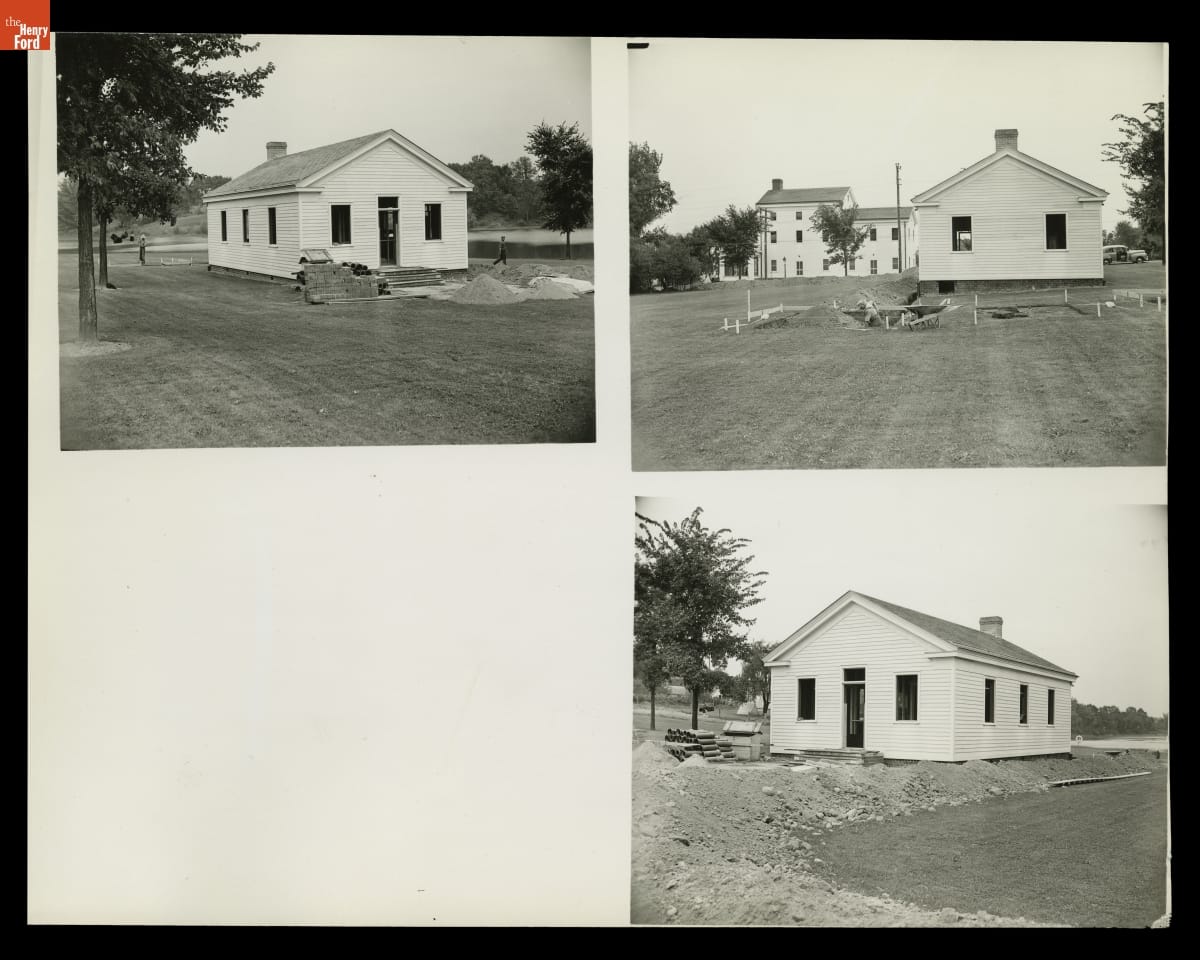
- Restoration of One-Room Schoolhouse, Saline, Michigan, August 1943 -
- August 10, 1943
- Collections - Artifact
Restoration of One-Room Schoolhouse, Saline, Michigan, August 1943
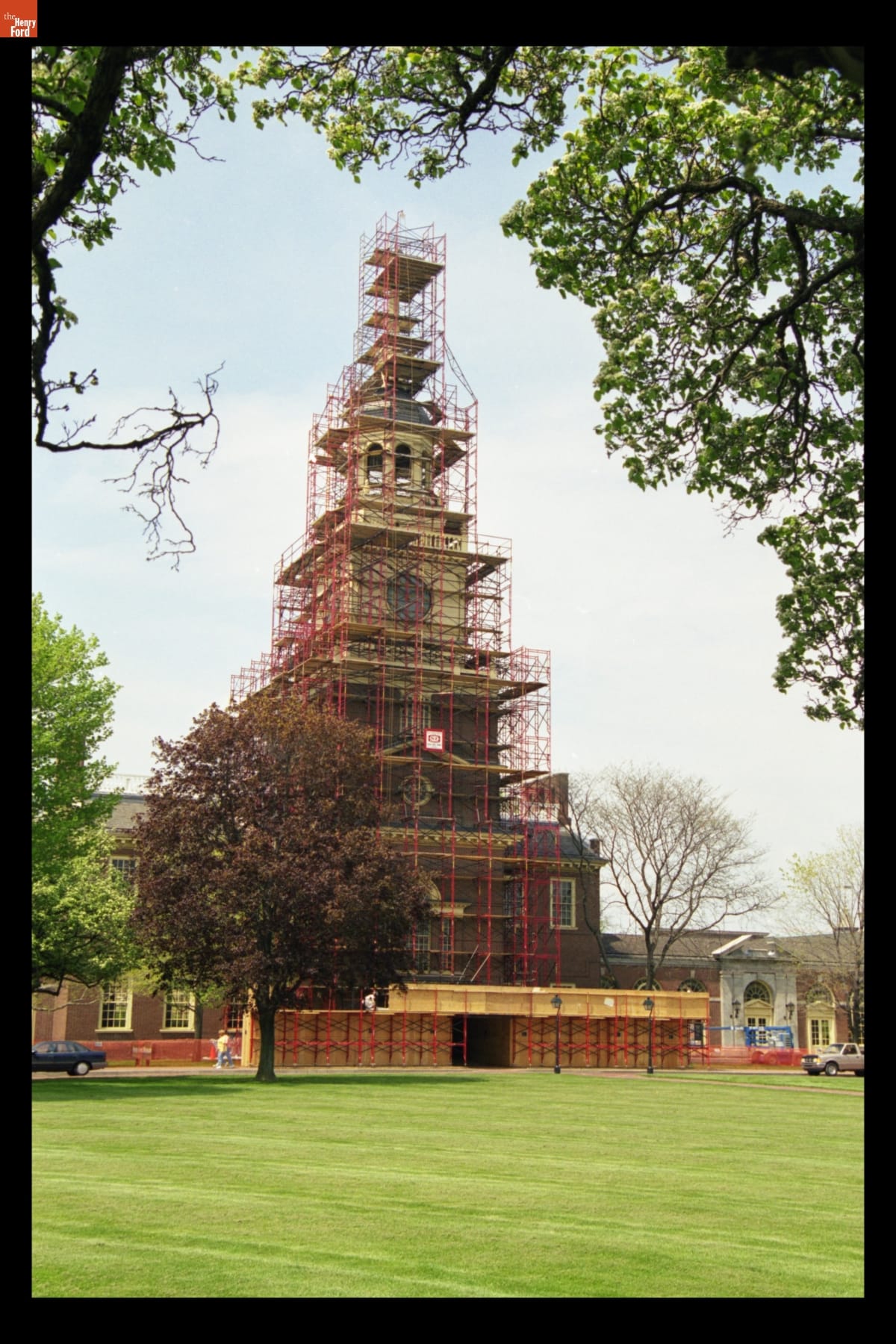
- during the Restoration of Henry Ford Museum Clocktower, 2000 -
- May 04, 2000
- Collections - Artifact
during the Restoration of Henry Ford Museum Clocktower, 2000
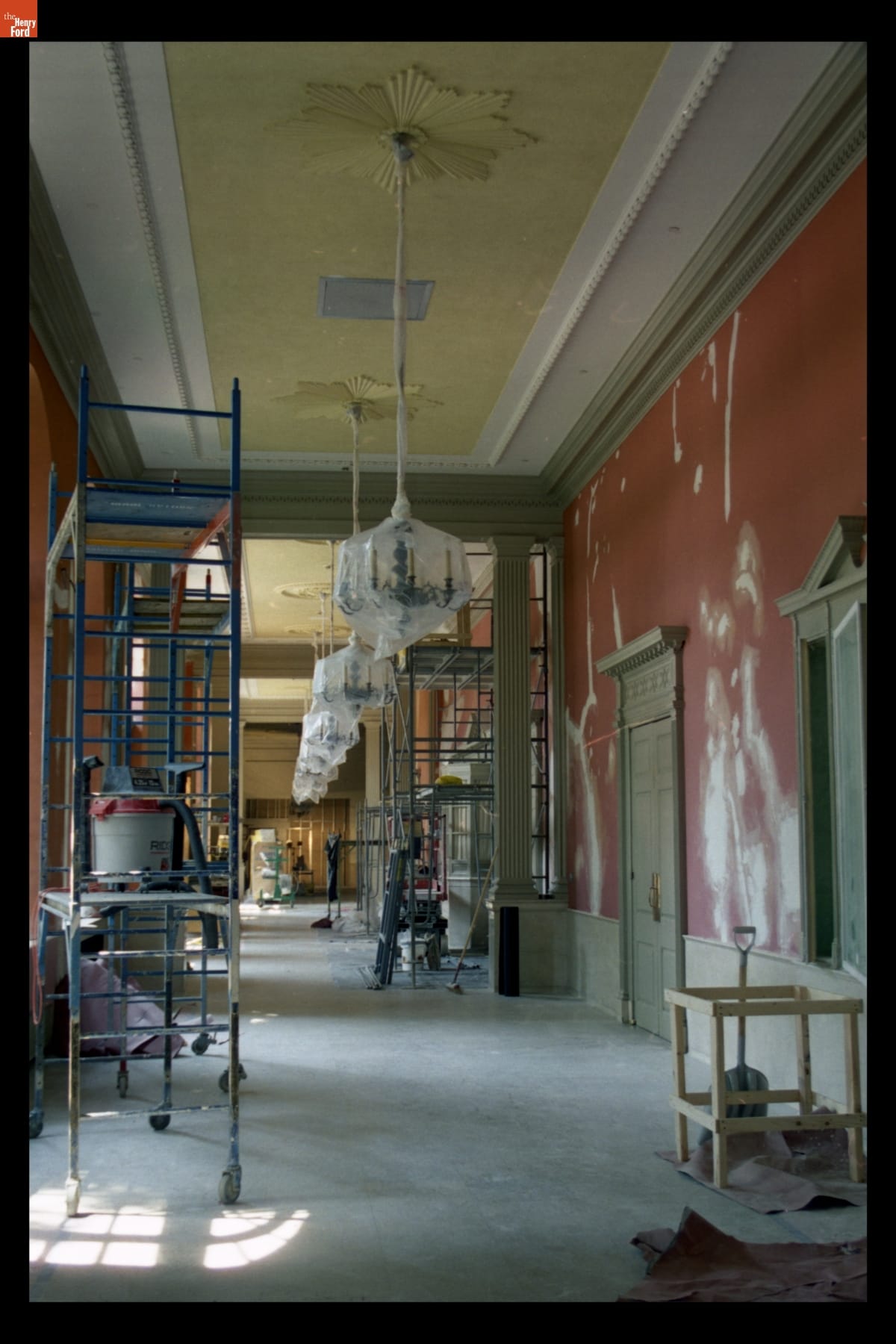
- during the Restoration of Prechter Promenade in Henry Ford Museum, 2001 -
- July 19, 2001
- Collections - Artifact
during the Restoration of Prechter Promenade in Henry Ford Museum, 2001
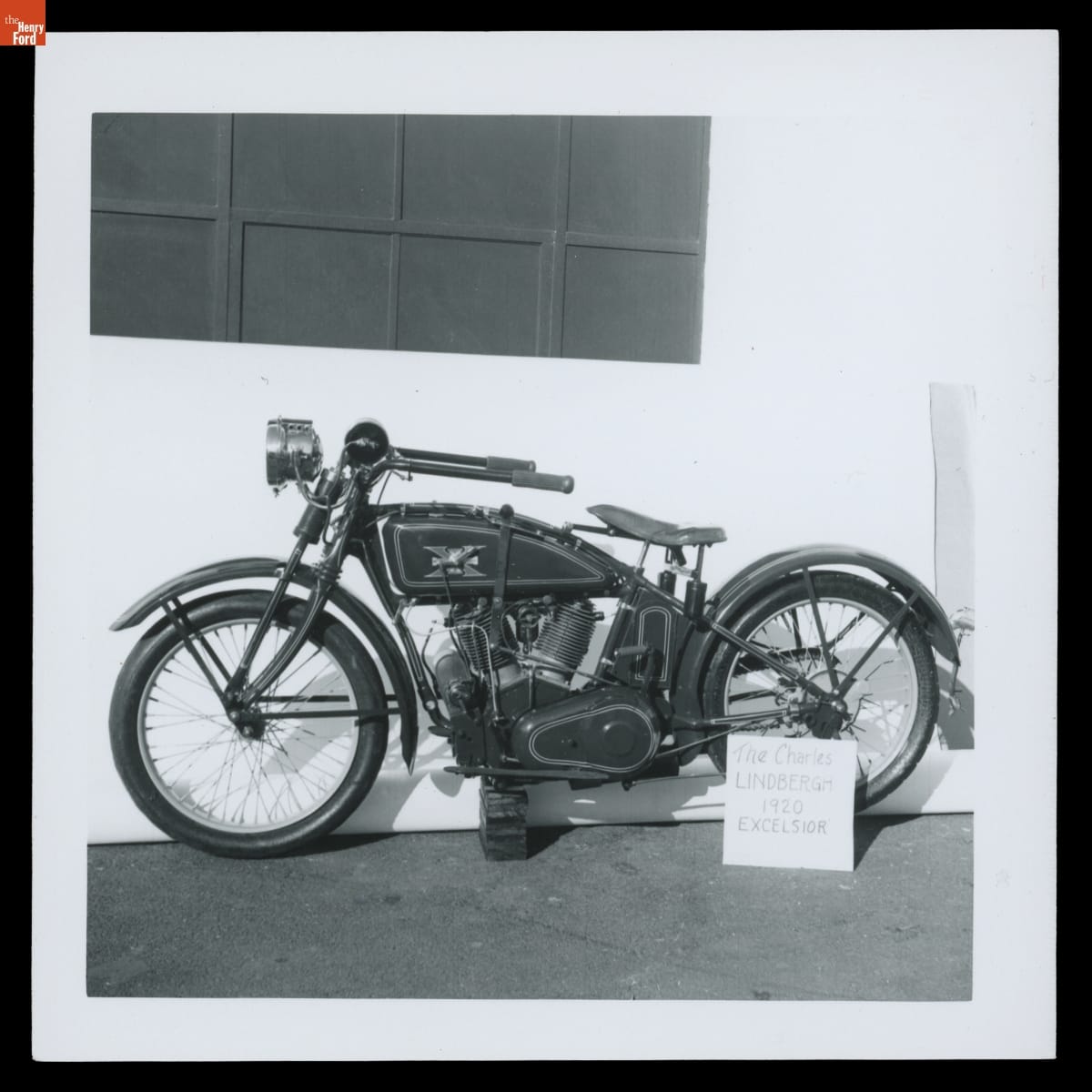
- 1920 Excelsior Motorcycle Formerly Owned by Charles Lindbergh, after Restoration, 1961-1962 - Charles Lindbergh purchased this Excelsior motorcycle in his hometown of Little Falls, Minnesota, in 1920. He used it while attending the University of Wisconsin, and he rode it on trips to Kentucky, Florida, and Nebraska as well. Lindbergh gifted his Excelsior to The Henry Ford in 1943. The motorcycle was restored in 1961 with missing parts replaced and correct paint reapplied.
- 1961-1962
- Collections - Artifact
1920 Excelsior Motorcycle Formerly Owned by Charles Lindbergh, after Restoration, 1961-1962
Charles Lindbergh purchased this Excelsior motorcycle in his hometown of Little Falls, Minnesota, in 1920. He used it while attending the University of Wisconsin, and he rode it on trips to Kentucky, Florida, and Nebraska as well. Lindbergh gifted his Excelsior to The Henry Ford in 1943. The motorcycle was restored in 1961 with missing parts replaced and correct paint reapplied.