
Search
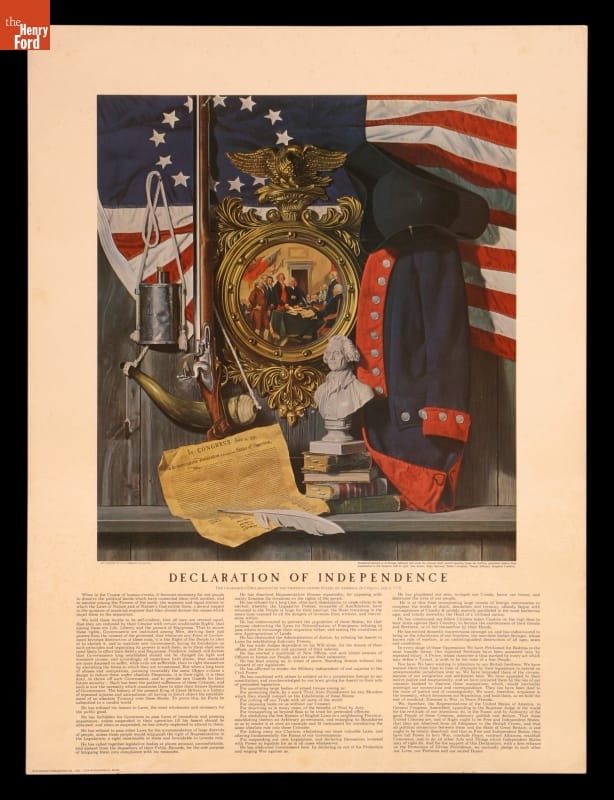
- Poster, "Declaration of Independence," 1976 - The 1976 Bicentennial of American Independence was a major cultural phenomenon. To celebrate, people across the nation purchased commemorative souvenirs, like this poster, and organized innumerable events -- from parades and fireworks displays to television programs and sporting events.
- 1976
- Collections - Artifact
Poster, "Declaration of Independence," 1976
The 1976 Bicentennial of American Independence was a major cultural phenomenon. To celebrate, people across the nation purchased commemorative souvenirs, like this poster, and organized innumerable events -- from parades and fireworks displays to television programs and sporting events.
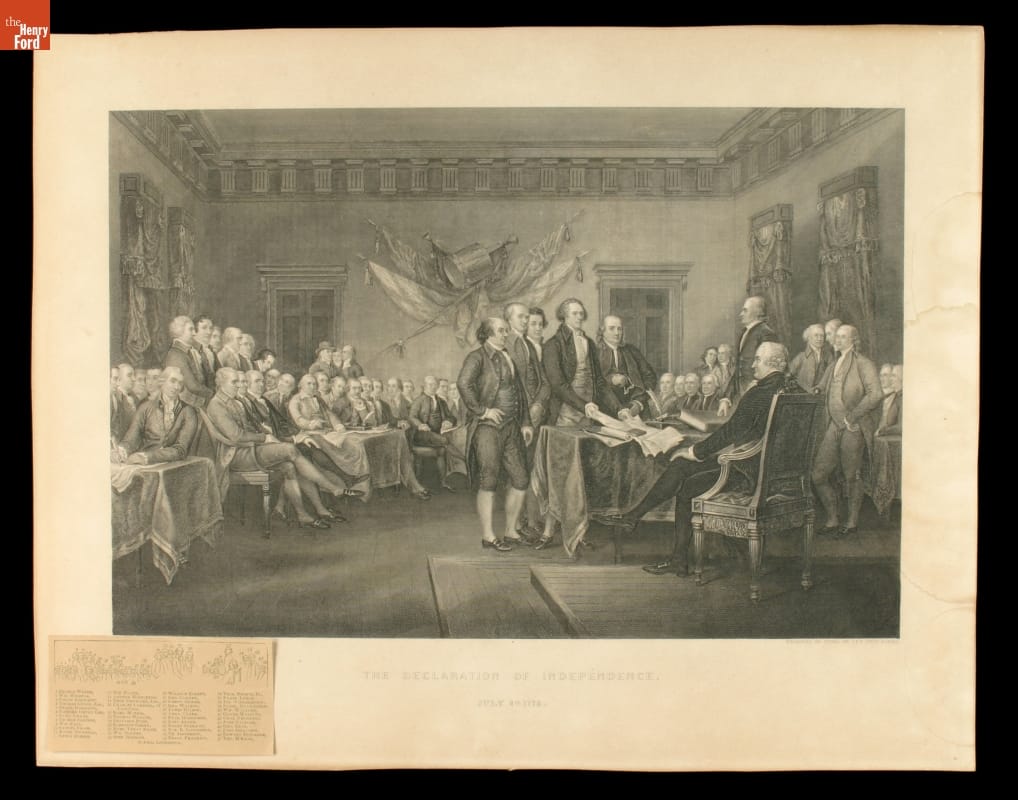
- Engraving, "The Declaration of Independence, July 4, 1776," circa 1850 -
- July 04, 1776
- Collections - Artifact
Engraving, "The Declaration of Independence, July 4, 1776," circa 1850
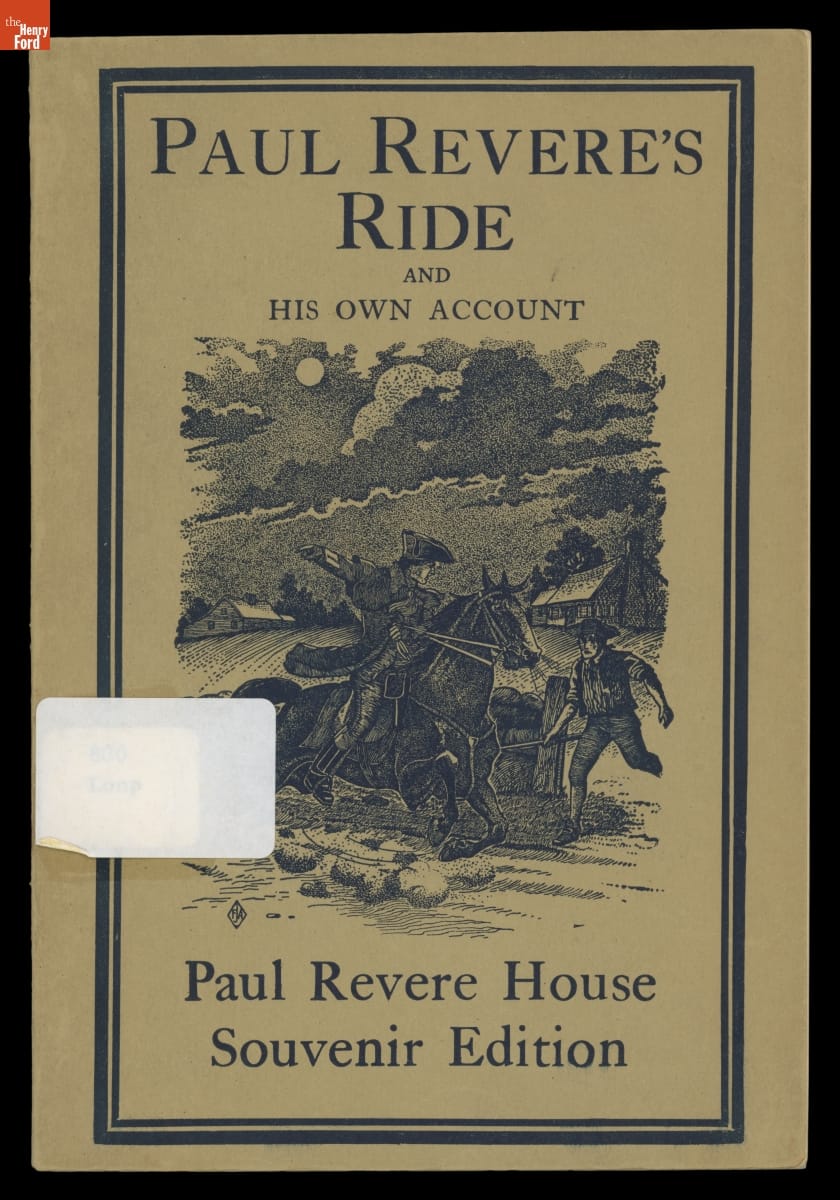
- Paul Revere's Ride, 1907 -
- 1907
- Collections - Artifact
Paul Revere's Ride, 1907
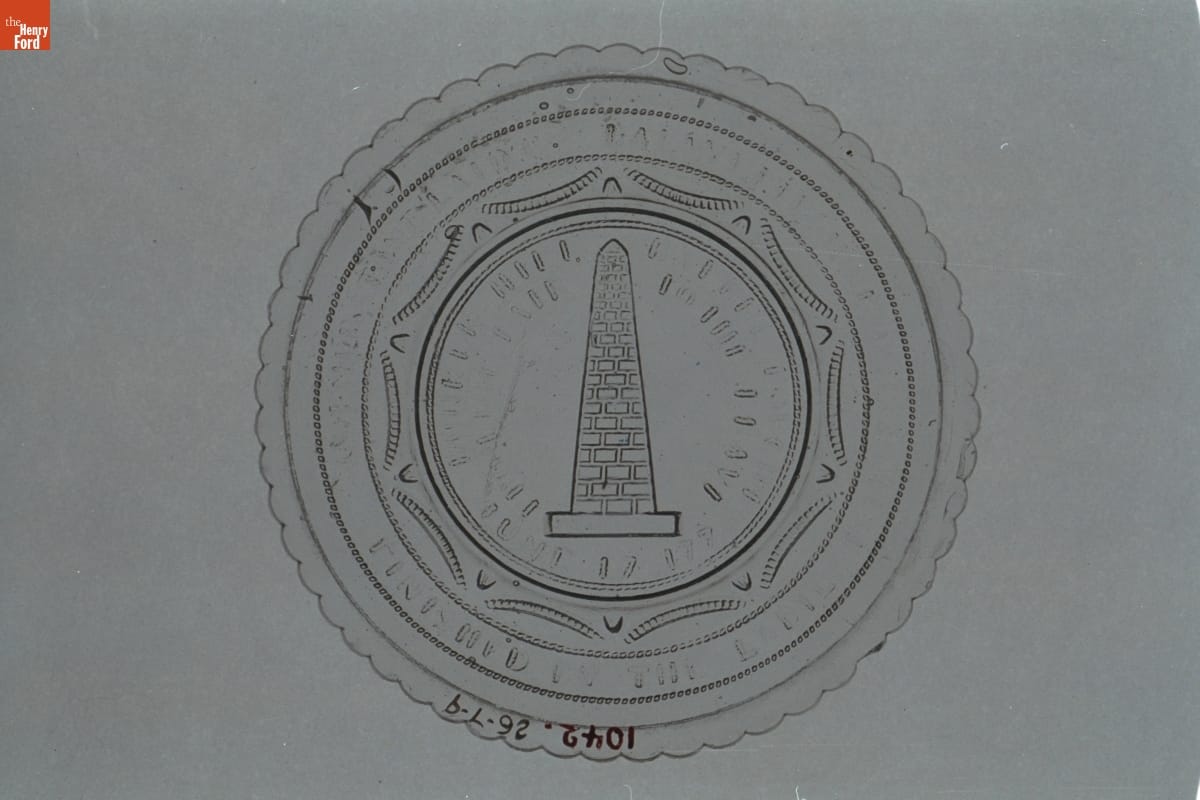
- Cup Plate, 1843 - Americans in the early 19th century poured hot tea into their saucers to cool -- leaving the staining liquid around the teacup's base. Hostesses would provide guests with cup plates to prevent damage to tablecloths and wood. Pressed glass cup plates were popular from the 1820s to the 1860s. Pressed designs varied from purely decorative to images of famous men, places and events.
- 1843
- Collections - Artifact
Cup Plate, 1843
Americans in the early 19th century poured hot tea into their saucers to cool -- leaving the staining liquid around the teacup's base. Hostesses would provide guests with cup plates to prevent damage to tablecloths and wood. Pressed glass cup plates were popular from the 1820s to the 1860s. Pressed designs varied from purely decorative to images of famous men, places and events.
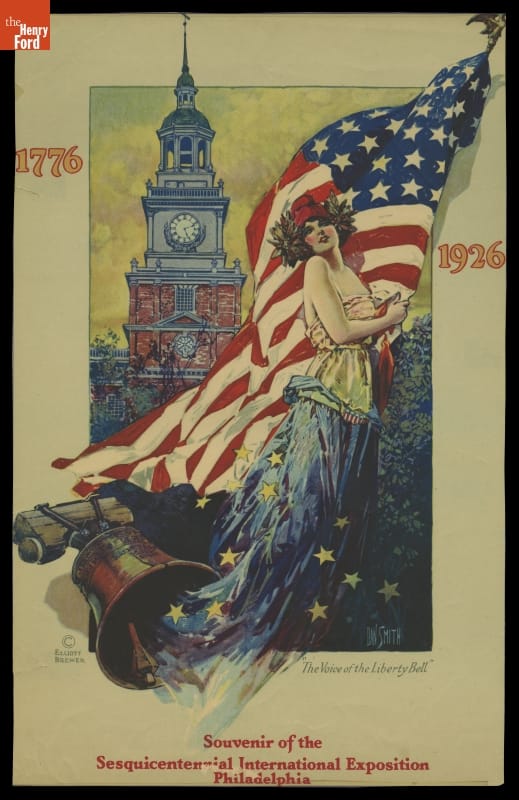
- Photolithograph, "The Voice of the Liberty Bell," 1926 -
- 1926
- Collections - Artifact
Photolithograph, "The Voice of the Liberty Bell," 1926
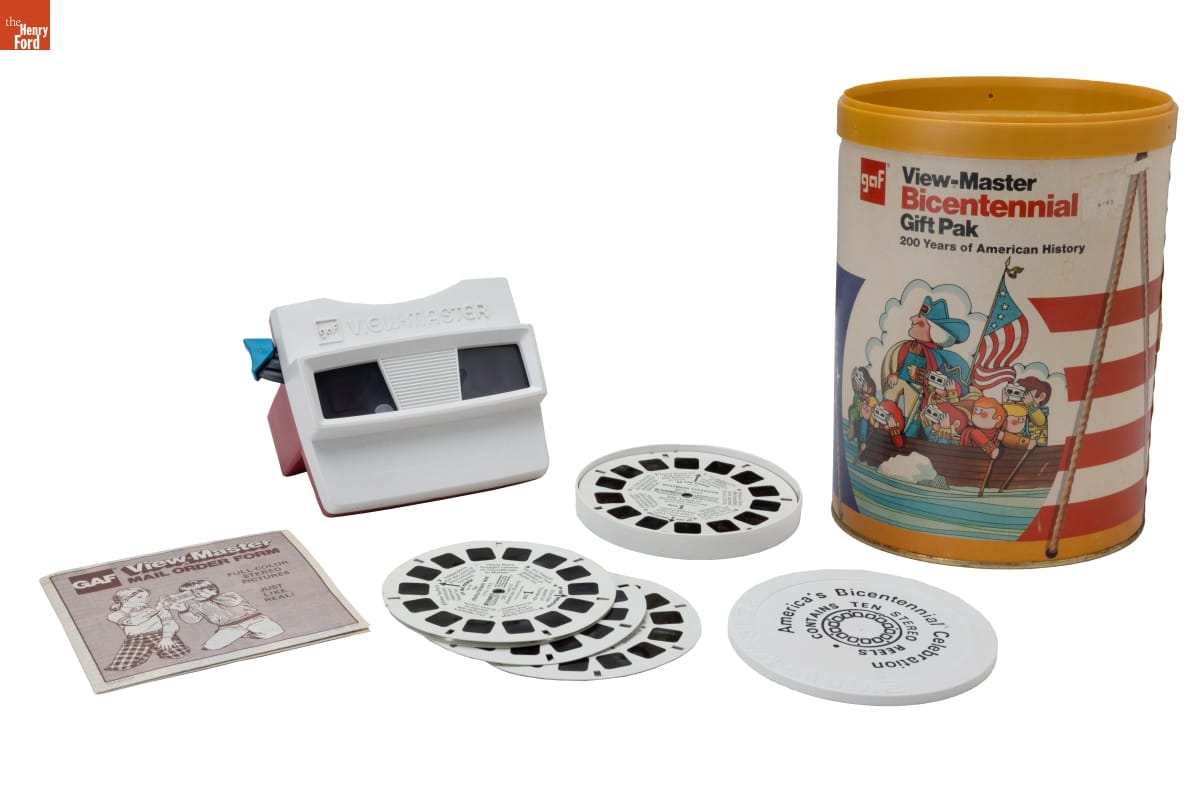
- "View Master Bicentennial Gift Pak," 1976 -
- 1976
- Collections - Artifact
"View Master Bicentennial Gift Pak," 1976
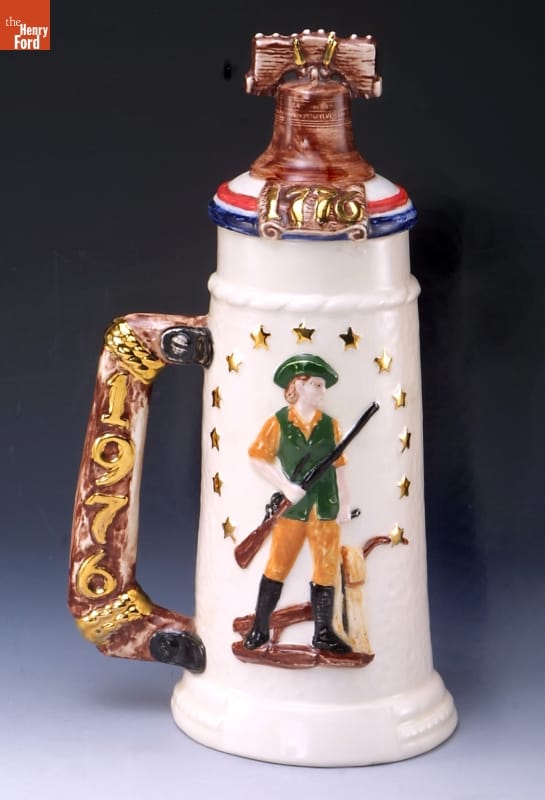
- American Revolution Bicentennial Stein, 1976 - Across the nation in 1976, innumerable events - from parades and fireworks displays to television programs and sporting events - marked the 200th anniversary of the Declaration of Independence. Many Americans celebrated enthusiastically, donning red, white, and blue and purchasing commemorative souvenirs like this stein with hand-painted patriotic imagery.
- 1976
- Collections - Artifact
American Revolution Bicentennial Stein, 1976
Across the nation in 1976, innumerable events - from parades and fireworks displays to television programs and sporting events - marked the 200th anniversary of the Declaration of Independence. Many Americans celebrated enthusiastically, donning red, white, and blue and purchasing commemorative souvenirs like this stein with hand-painted patriotic imagery.
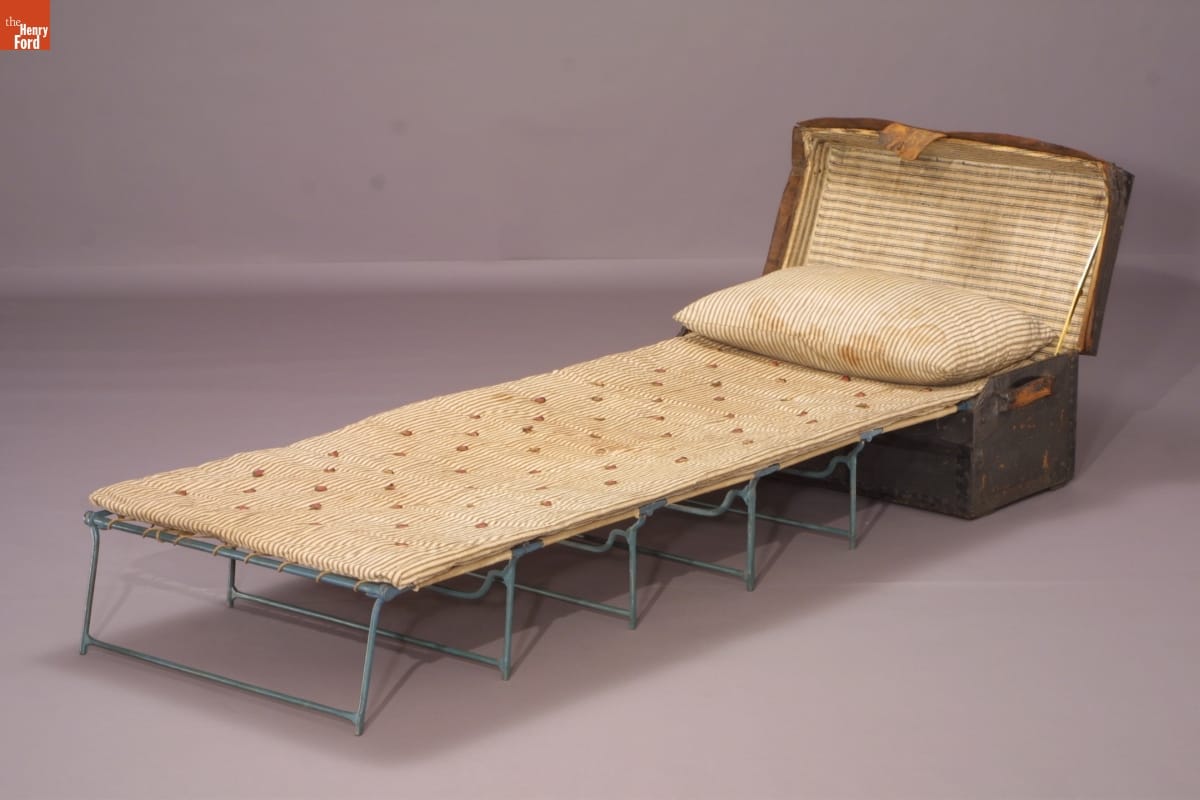
- George Washington's Camp Bed, 1775-1780 - George Washington carried folding beds, tents, eating utensils, and other equipment to use while encamped on the field with his troops during the Revolutionary War. Washington likely used this bed when he traveled from his Newburgh, New York, headquarters in July 1783 -- as the war was winding down -- to tour upstate New York and the military installations located there.
- 1775-1780
- Collections - Artifact
George Washington's Camp Bed, 1775-1780
George Washington carried folding beds, tents, eating utensils, and other equipment to use while encamped on the field with his troops during the Revolutionary War. Washington likely used this bed when he traveled from his Newburgh, New York, headquarters in July 1783 -- as the war was winding down -- to tour upstate New York and the military installations located there.
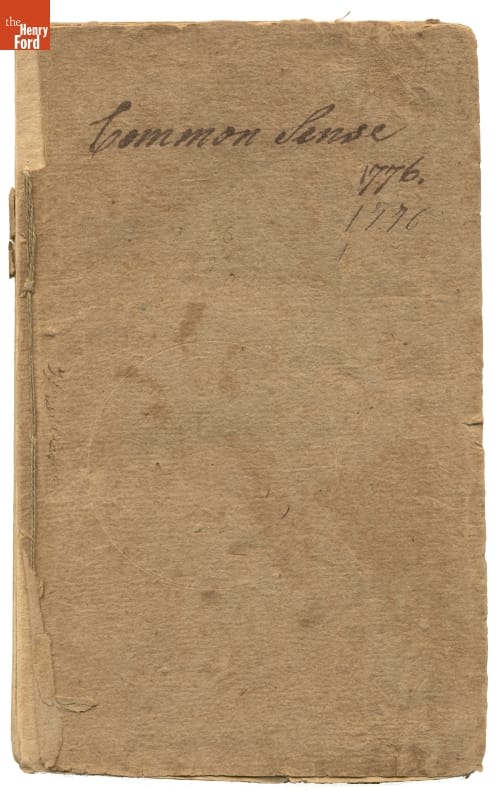
- "Common Sense; Addressed to the Inhabitants of America," February 1776 - Thomas Paine had tried many different jobs in England, but jumped at the chance to work in the printing business over in the American colonies. And there he found his voice. Not being a politician, he had nothing to lose with his little pamphlet. Although he made them sound like just "common sense," his arguments for independence were extremely radical at the time.
- February 14, 1776
- Collections - Artifact
"Common Sense; Addressed to the Inhabitants of America," February 1776
Thomas Paine had tried many different jobs in England, but jumped at the chance to work in the printing business over in the American colonies. And there he found his voice. Not being a politician, he had nothing to lose with his little pamphlet. Although he made them sound like just "common sense," his arguments for independence were extremely radical at the time.
- Let Freedom Ring Event in Greenfield Village, 1968 -
- June 01, 1968
- Collections - Artifact
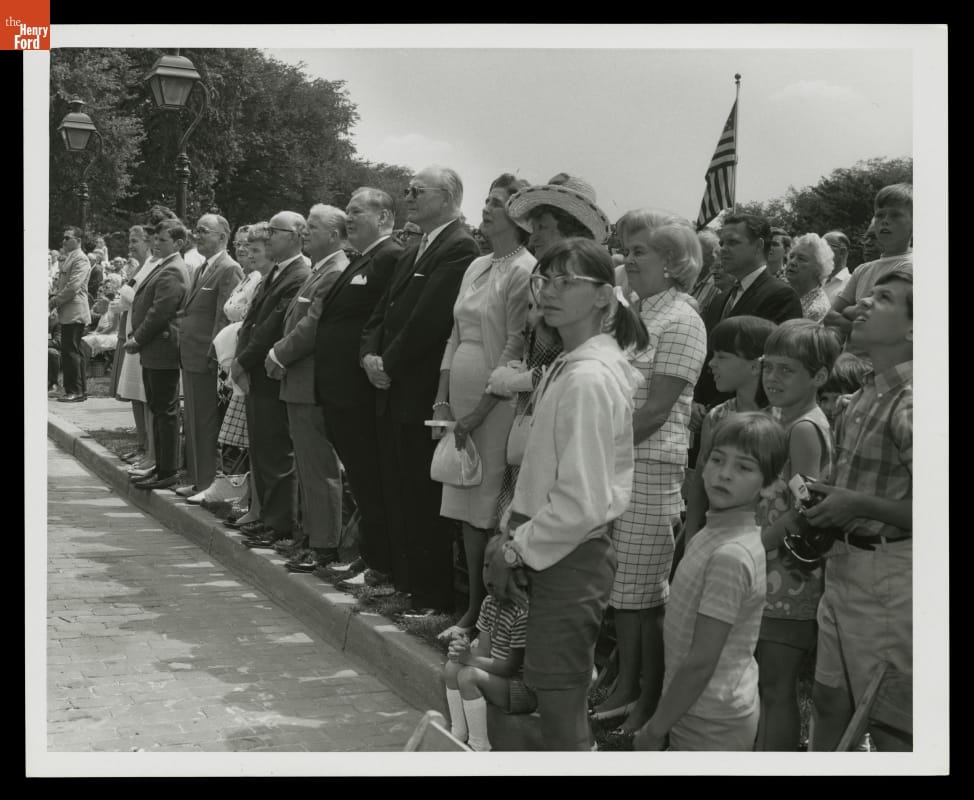
Let Freedom Ring Event in Greenfield Village, 1968