
Search
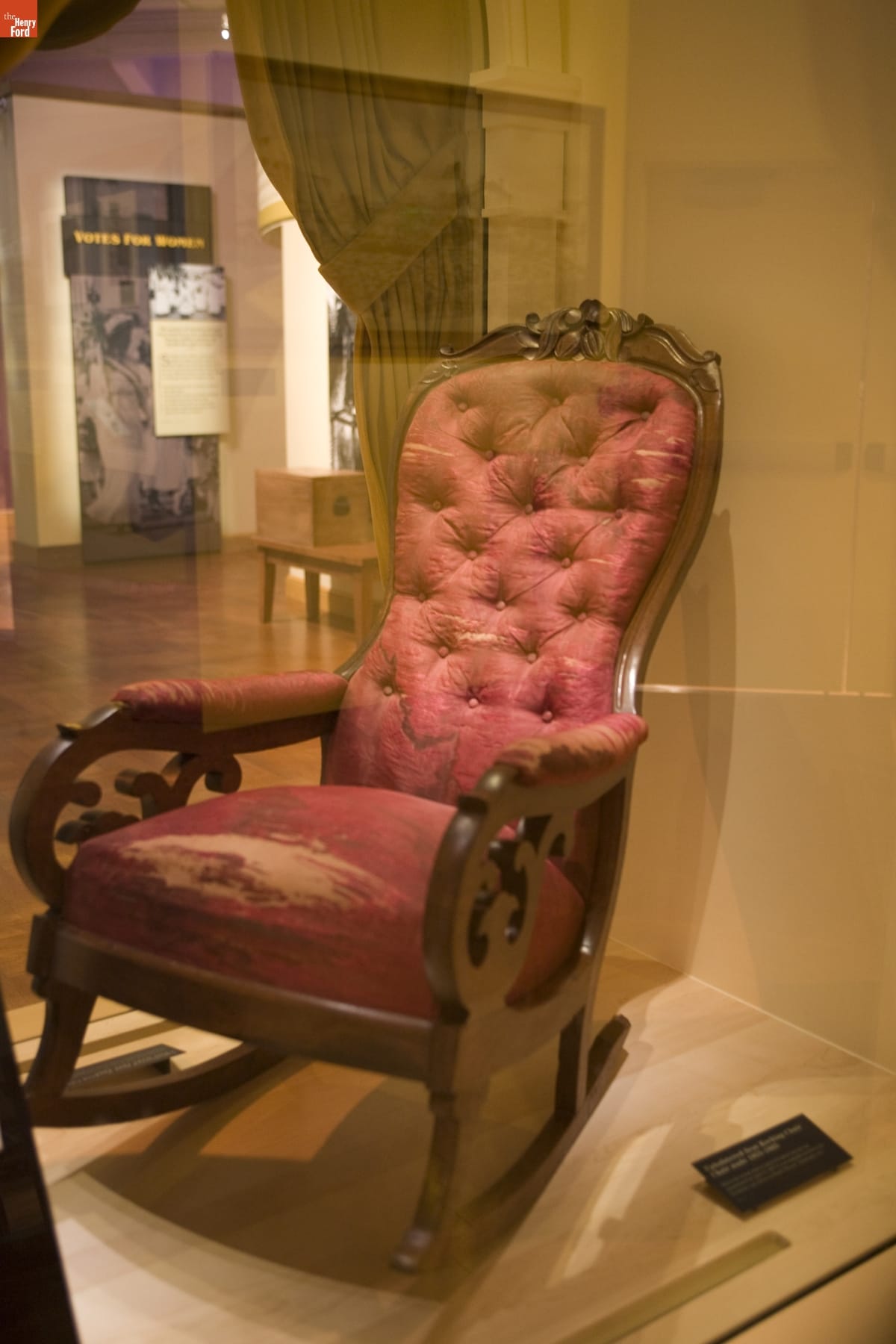
- The Chair in Which Abraham Lincoln Was Shot at Ford's Theatre, on Exhibit at Henry Ford Museum, June 2007 - President Abraham Lincoln was sitting in this rocking chair during a production of <EM>Our American Cousin</EM> at Ford's Theatre in Washington, D.C., when he was assassinated on April 14, 1865. Henry Ford purchased the chair in 1929 for the Museum, where it remains one of the most revered objects associated with the "man who saved the Union."
- June 01, 2007
- Collections - Artifact
The Chair in Which Abraham Lincoln Was Shot at Ford's Theatre, on Exhibit at Henry Ford Museum, June 2007
President Abraham Lincoln was sitting in this rocking chair during a production of Our American Cousin at Ford's Theatre in Washington, D.C., when he was assassinated on April 14, 1865. Henry Ford purchased the chair in 1929 for the Museum, where it remains one of the most revered objects associated with the "man who saved the Union."
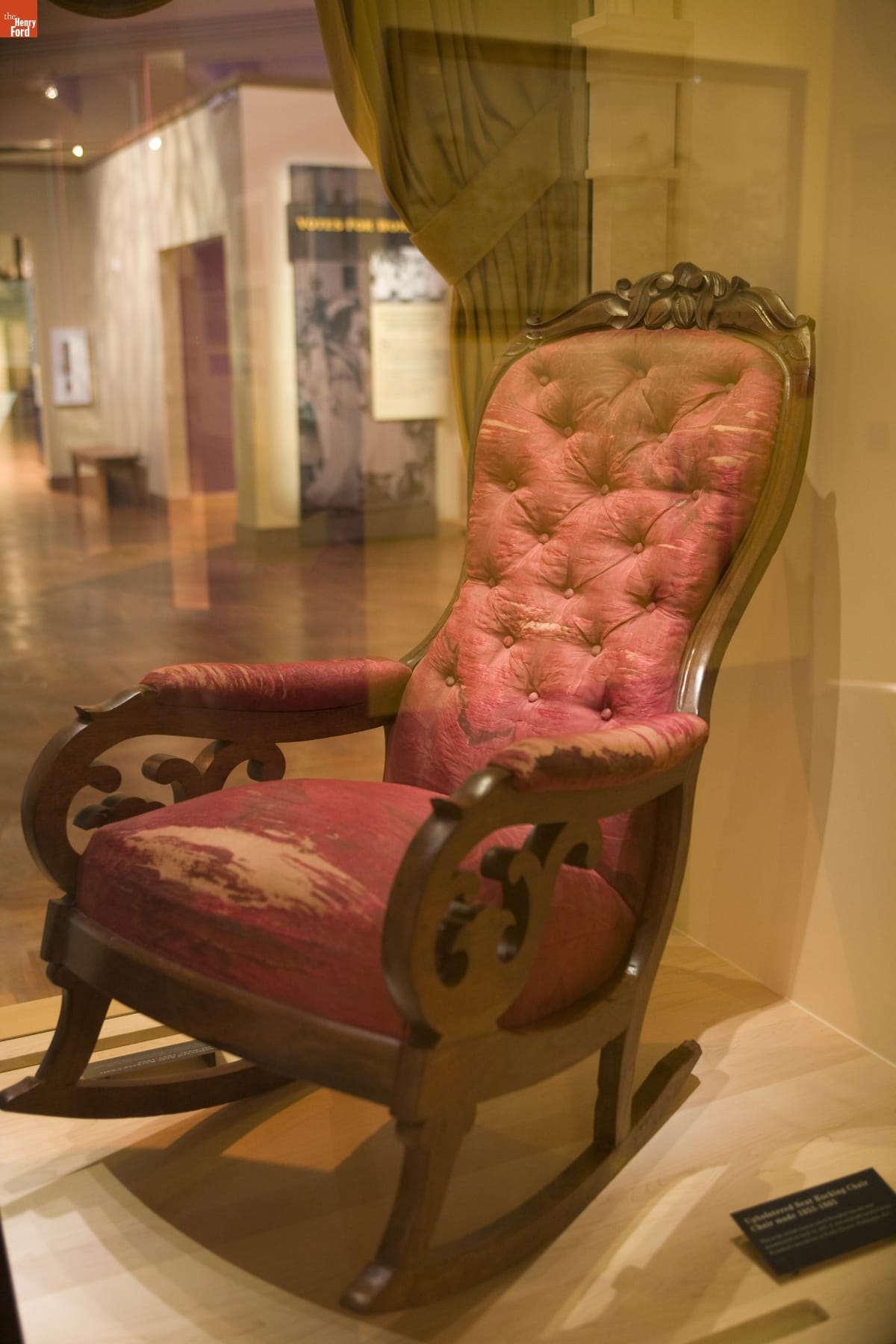
- The Chair in Which Abraham Lincoln Was Shot at Ford's Theatre, on Exhibit at Henry Ford Museum, June 2007 - President Abraham Lincoln was sitting in this rocking chair during a production of <EM>Our American Cousin</EM> at Ford's Theatre in Washington, D.C., when he was assassinated on April 14, 1865. Henry Ford purchased the chair in 1929 for the Museum, where it remains one of the most revered objects associated with the "man who saved the Union."
- June 01, 2007
- Collections - Artifact
The Chair in Which Abraham Lincoln Was Shot at Ford's Theatre, on Exhibit at Henry Ford Museum, June 2007
President Abraham Lincoln was sitting in this rocking chair during a production of Our American Cousin at Ford's Theatre in Washington, D.C., when he was assassinated on April 14, 1865. Henry Ford purchased the chair in 1929 for the Museum, where it remains one of the most revered objects associated with the "man who saved the Union."
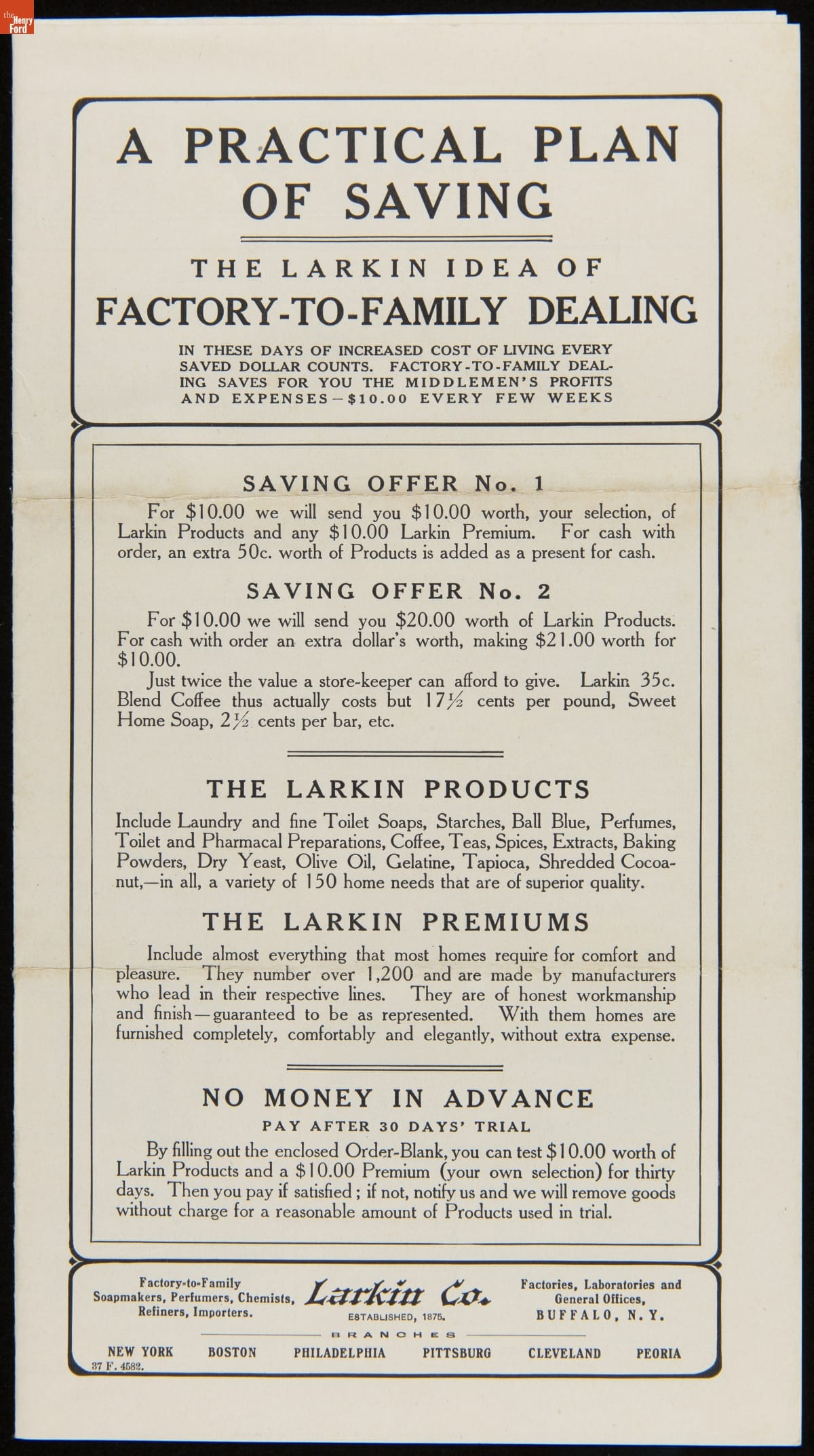
- Larkin Company Trade Catalog, "A Practical Plan of Saving: The Larkin Idea of Factory-To-Family Dealing," circa 1906 - John D. Larkin established a soap manufacturing company in 1875. He hired his brother-in-law, Elbert Hubbard, as a salesman. Hubbard developed "The Larkin Idea," a plan that sold goods directly to consumers through mail-order catalogs and offered incentivizing giveaways. It was a success. By the early 1900s, Larkin's catalogs contained pages of products and even more pages of premiums from which customers could choose.
- circa 1906
- Collections - Artifact
Larkin Company Trade Catalog, "A Practical Plan of Saving: The Larkin Idea of Factory-To-Family Dealing," circa 1906
John D. Larkin established a soap manufacturing company in 1875. He hired his brother-in-law, Elbert Hubbard, as a salesman. Hubbard developed "The Larkin Idea," a plan that sold goods directly to consumers through mail-order catalogs and offered incentivizing giveaways. It was a success. By the early 1900s, Larkin's catalogs contained pages of products and even more pages of premiums from which customers could choose.
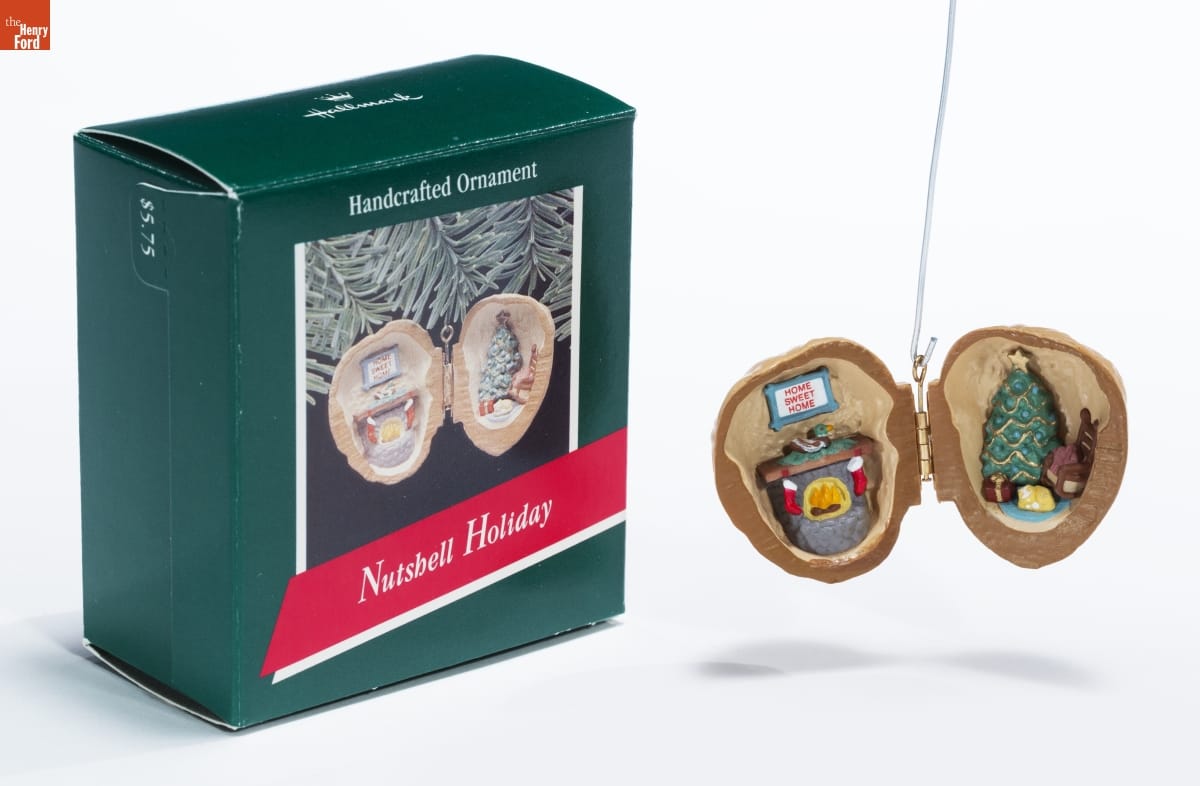
- Hallmark "Nutshell Holiday" Christmas Ornament, 1989 - Already known for greeting cards, Hallmark introduced a line of Christmas ornaments in 1973. The company's annual release of an increasing array of ornaments revolutionized Christmas decorating, appealing to customers' interest in marking memories and milestones as well as expressing one's personality and unique tastes.
- 1989
- Collections - Artifact
Hallmark "Nutshell Holiday" Christmas Ornament, 1989
Already known for greeting cards, Hallmark introduced a line of Christmas ornaments in 1973. The company's annual release of an increasing array of ornaments revolutionized Christmas decorating, appealing to customers' interest in marking memories and milestones as well as expressing one's personality and unique tastes.
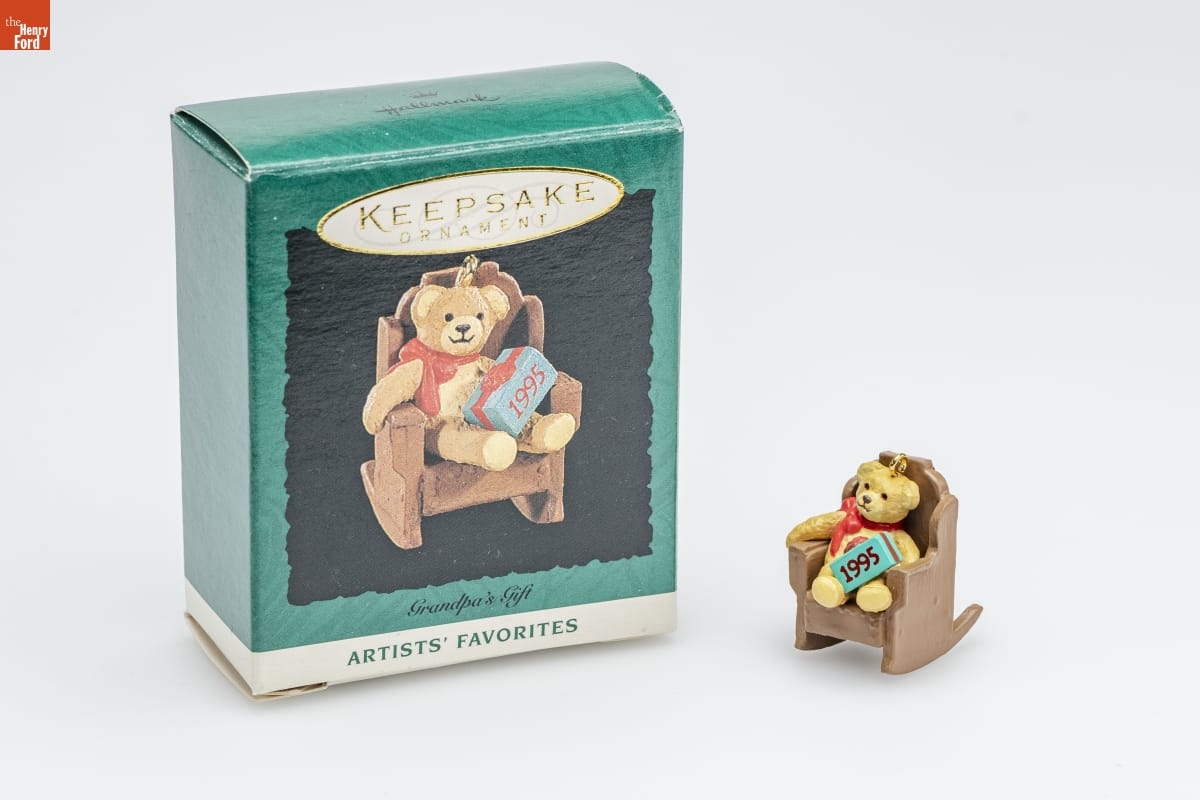
- Hallmark "Artists' Favorites: Grandpa's Gift" Miniature Christmas Ornament, 1995 - Already known for greeting cards, Hallmark introduced a line of Christmas ornaments in 1973. The company's annual release of an increasing array of ornaments revolutionized Christmas decorating, appealing to customers' interest in marking memories and milestones as well as expressing one's personality and unique tastes.
- 1995
- Collections - Artifact
Hallmark "Artists' Favorites: Grandpa's Gift" Miniature Christmas Ornament, 1995
Already known for greeting cards, Hallmark introduced a line of Christmas ornaments in 1973. The company's annual release of an increasing array of ornaments revolutionized Christmas decorating, appealing to customers' interest in marking memories and milestones as well as expressing one's personality and unique tastes.
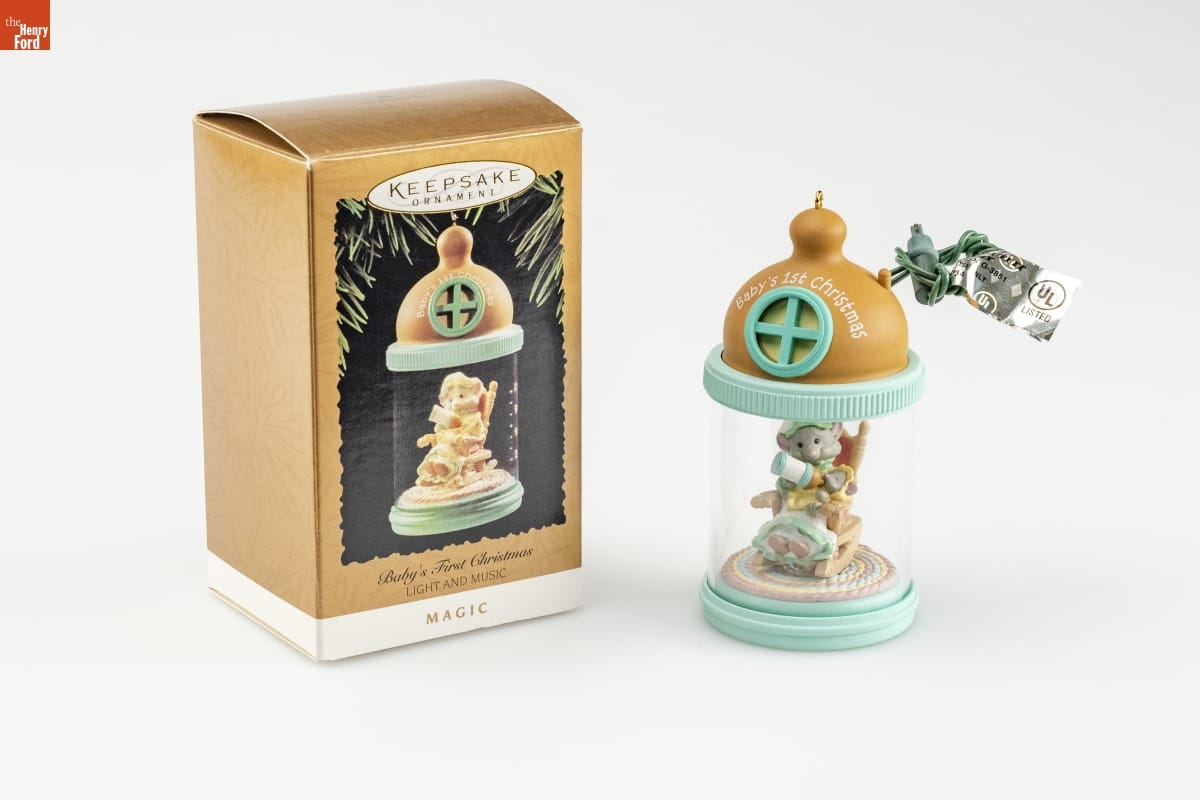
- Hallmark "Baby's First Christmas" Christmas Ornament, 1995 - Already known for greeting cards, Hallmark introduced a line of Christmas ornaments in 1973. The company's annual release of an increasing array of ornaments revolutionized Christmas decorating, appealing to customers' interest in marking memories and milestones as well as expressing one's personality and unique tastes.
- 1995
- Collections - Artifact
Hallmark "Baby's First Christmas" Christmas Ornament, 1995
Already known for greeting cards, Hallmark introduced a line of Christmas ornaments in 1973. The company's annual release of an increasing array of ornaments revolutionized Christmas decorating, appealing to customers' interest in marking memories and milestones as well as expressing one's personality and unique tastes.
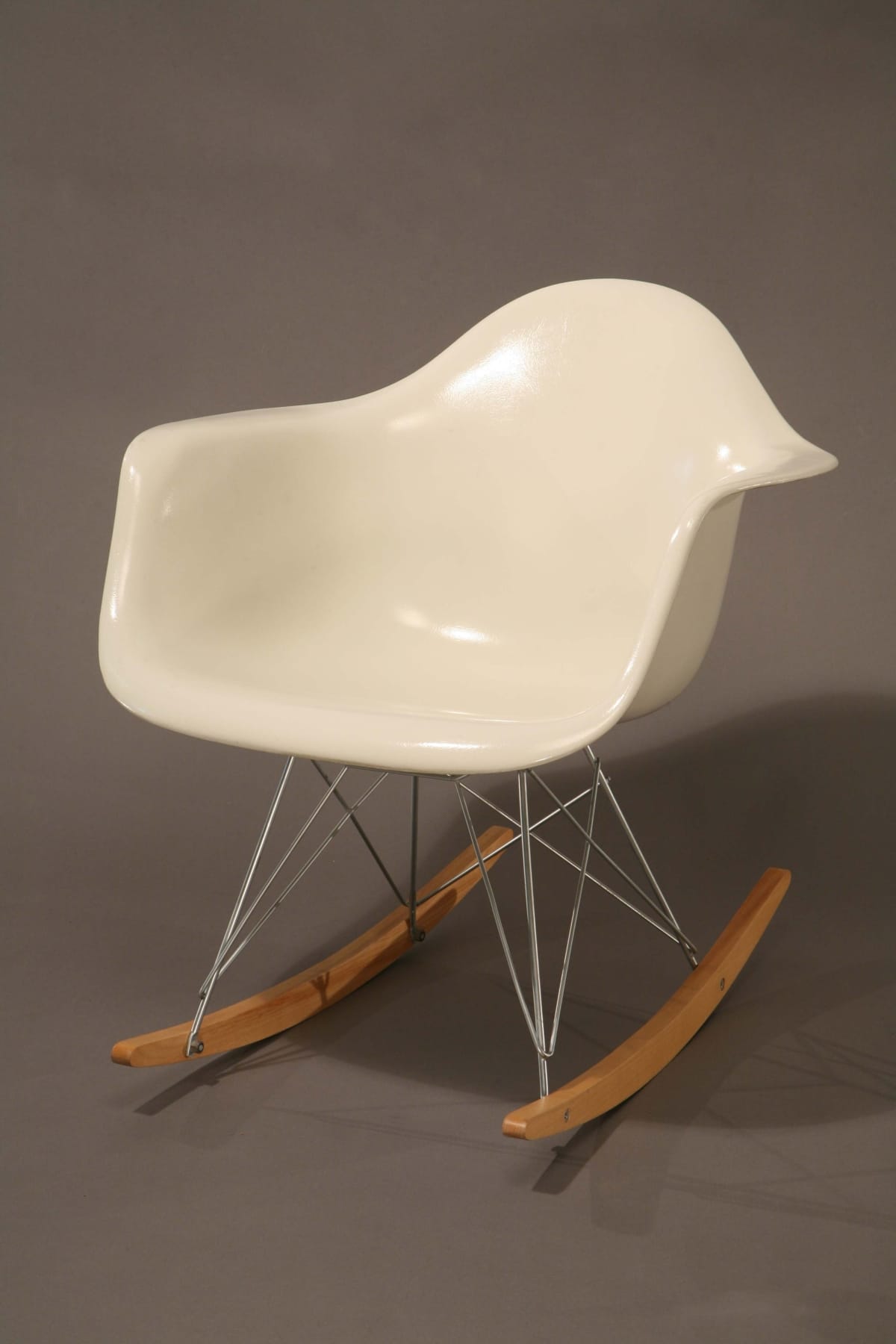
- Eames Zenaloy Rocker, circa 1950-1967 - Husband-and-wife designers Charles and Ray Eames' now ubiquitous fiberglass chairs are the product of a years-long effort to design a low-cost, mass-produced, modern chair with single piece for the seat and back. This versatile chair was equally useful in cafeterias, auditoriums, lounge areas or meeting spaces and could be stacked vertically or connected side-by-side to create rows.
- circa 1950-1967
- Collections - Artifact
Eames Zenaloy Rocker, circa 1950-1967
Husband-and-wife designers Charles and Ray Eames' now ubiquitous fiberglass chairs are the product of a years-long effort to design a low-cost, mass-produced, modern chair with single piece for the seat and back. This versatile chair was equally useful in cafeterias, auditoriums, lounge areas or meeting spaces and could be stacked vertically or connected side-by-side to create rows.
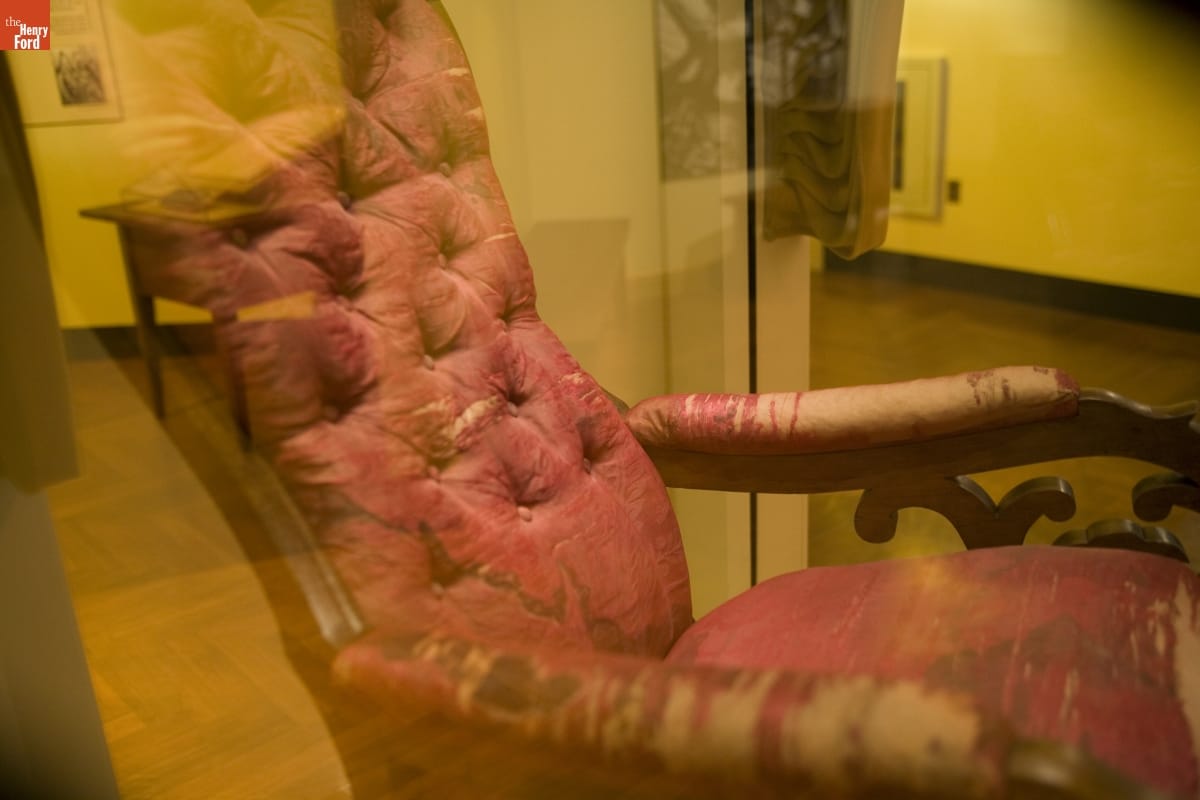
- The Chair in Which Abraham Lincoln Was Shot at Ford's Theatre, on Exhibit at Henry Ford Museum, June 2007 - President Abraham Lincoln was sitting in this rocking chair during a production of <EM>Our American Cousin</EM> at Ford's Theatre in Washington, D.C., when he was assassinated on April 14, 1865. Henry Ford purchased the chair in 1929 for the Museum, where it remains one of the most revered objects associated with the "man who saved the Union."
- June 01, 2007
- Collections - Artifact
The Chair in Which Abraham Lincoln Was Shot at Ford's Theatre, on Exhibit at Henry Ford Museum, June 2007
President Abraham Lincoln was sitting in this rocking chair during a production of Our American Cousin at Ford's Theatre in Washington, D.C., when he was assassinated on April 14, 1865. Henry Ford purchased the chair in 1929 for the Museum, where it remains one of the most revered objects associated with the "man who saved the Union."
- The Chair in Which Abraham Lincoln Was Shot at Ford's Theatre, on Exhibit at Henry Ford Museum, June 2007 - President Abraham Lincoln was sitting in this rocking chair during a production of <EM>Our American Cousin</EM> at Ford's Theatre in Washington, D.C., when he was assassinated on April 14, 1865. Henry Ford purchased the chair in 1929 for the Museum, where it remains one of the most revered objects associated with the "man who saved the Union."
- June 01, 2007
- Collections - Artifact
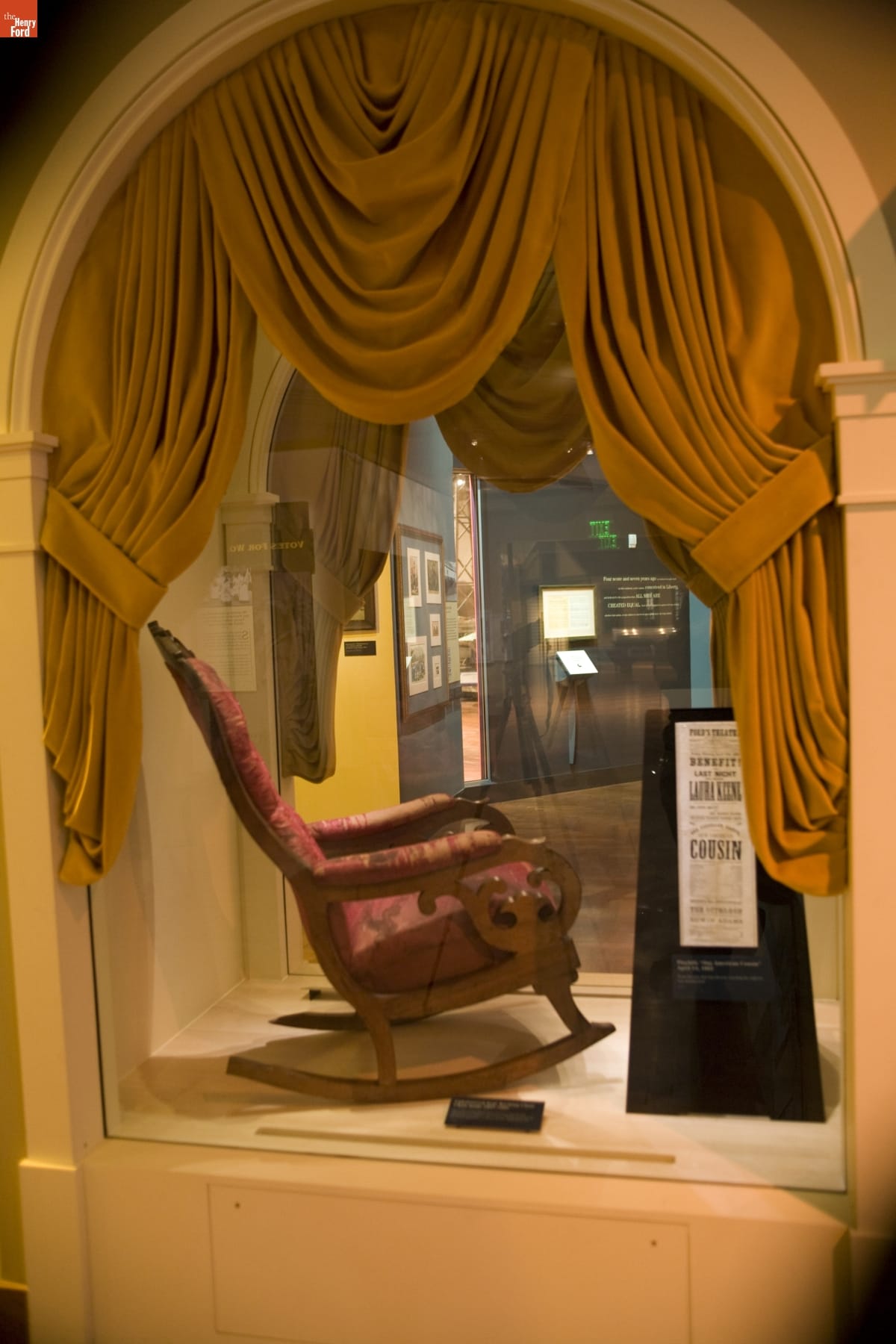
The Chair in Which Abraham Lincoln Was Shot at Ford's Theatre, on Exhibit at Henry Ford Museum, June 2007
President Abraham Lincoln was sitting in this rocking chair during a production of Our American Cousin at Ford's Theatre in Washington, D.C., when he was assassinated on April 14, 1865. Henry Ford purchased the chair in 1929 for the Museum, where it remains one of the most revered objects associated with the "man who saved the Union."
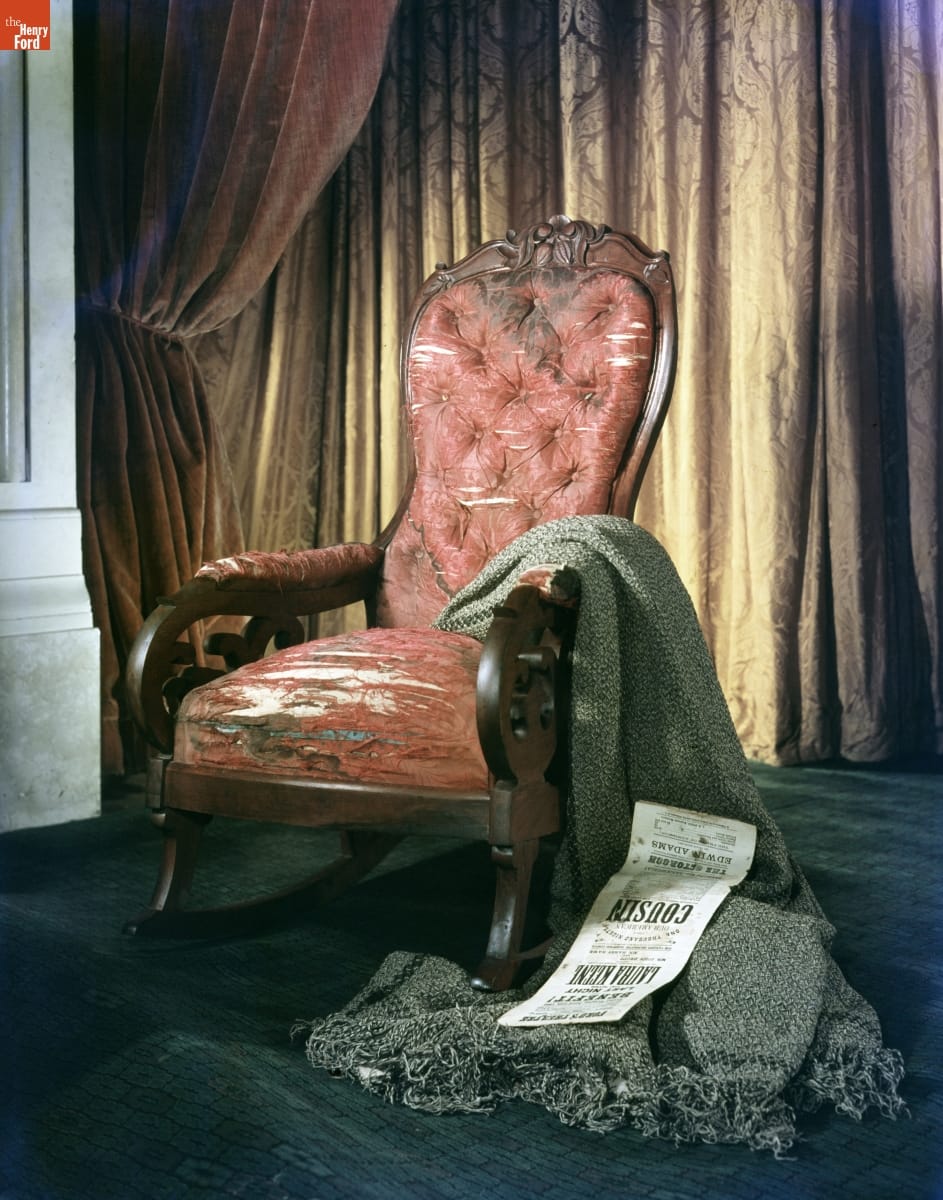
- The Chair in Which Abraham Lincoln was Shot, Photographed in Henry Ford Museum Theater, April 1958 -
- April 01, 1958
- Collections - Artifact
The Chair in Which Abraham Lincoln was Shot, Photographed in Henry Ford Museum Theater, April 1958