
Search
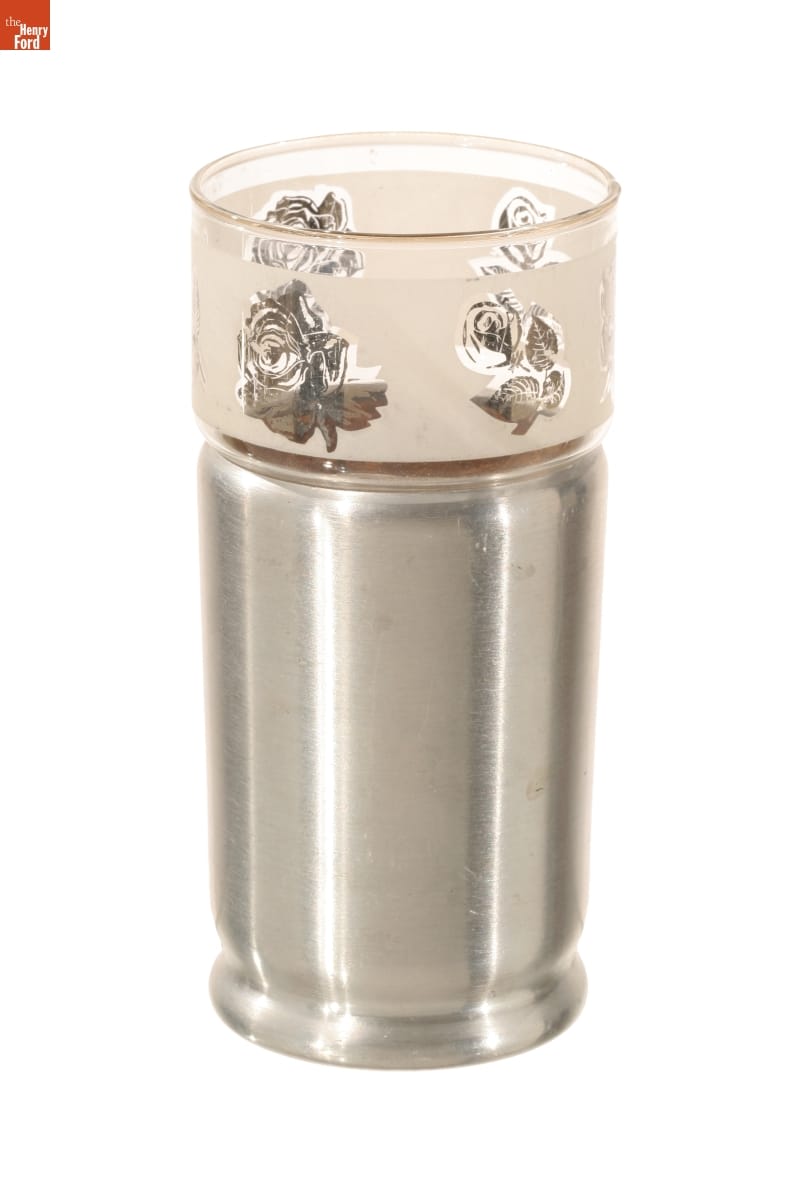
- Everlast "Forged" Tumbler, 1955-1960 - In 1932, Louis Schnitzer and Nathan Gelfman formed Everlast Metal Products Corporation, producing high-quality, hand-forged aluminum giftware. In an era of growing uniformity via factory production, the "made by hand" aspect of these products held an aesthetic appeal for consumers. This piece is an example of the aluminum giftware sold by Everlast.
- 1955-1960
- Collections - Artifact
Everlast "Forged" Tumbler, 1955-1960
In 1932, Louis Schnitzer and Nathan Gelfman formed Everlast Metal Products Corporation, producing high-quality, hand-forged aluminum giftware. In an era of growing uniformity via factory production, the "made by hand" aspect of these products held an aesthetic appeal for consumers. This piece is an example of the aluminum giftware sold by Everlast.
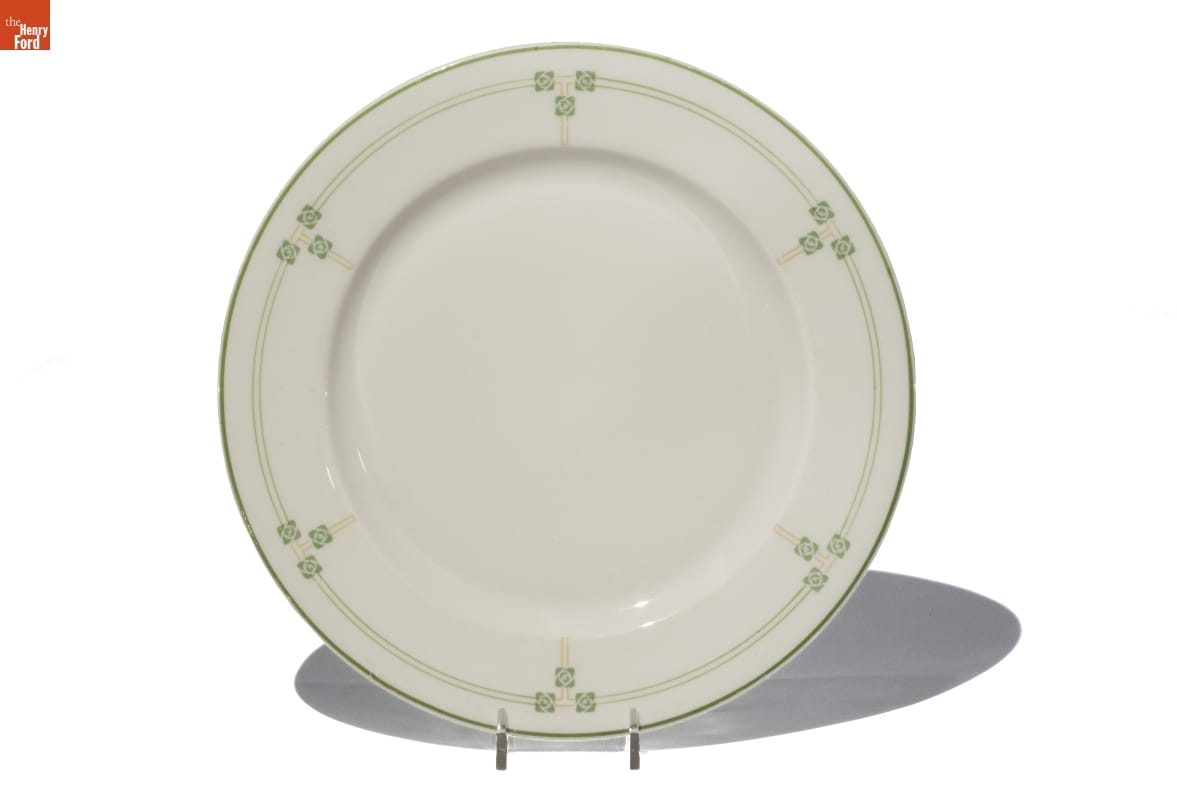
- Dinner Plate in Tudor Rose Pattern, 1912-1919 - Henry Ford, Thomas Edison, Harvey Firestone and naturalist John Burroughs embarked on a series of camping trips between 1916 and 1924. These self-proclaimed Vagabonds loved to explore nature and the pre-industrial landscape, but they also camped in style. This group of well-to-do adventurers brought along service staff and all needed amenities including a set of durable, Art and Crafts-patterned china.
- 1912-1919
- Collections - Artifact
Dinner Plate in Tudor Rose Pattern, 1912-1919
Henry Ford, Thomas Edison, Harvey Firestone and naturalist John Burroughs embarked on a series of camping trips between 1916 and 1924. These self-proclaimed Vagabonds loved to explore nature and the pre-industrial landscape, but they also camped in style. This group of well-to-do adventurers brought along service staff and all needed amenities including a set of durable, Art and Crafts-patterned china.
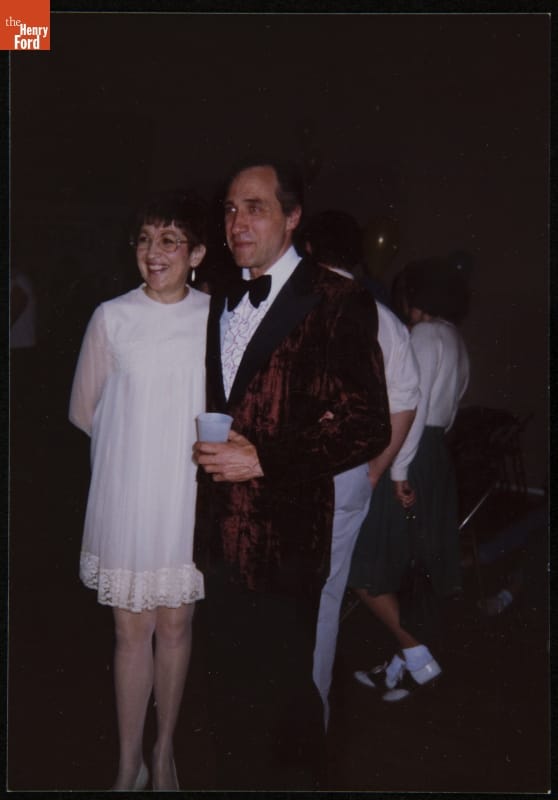
- Rose Wiggle Wearing Her 1968 Wedding Dress at Her Birthday Party, 1990 -
- January 20, 1990
- Collections - Artifact
Rose Wiggle Wearing Her 1968 Wedding Dress at Her Birthday Party, 1990
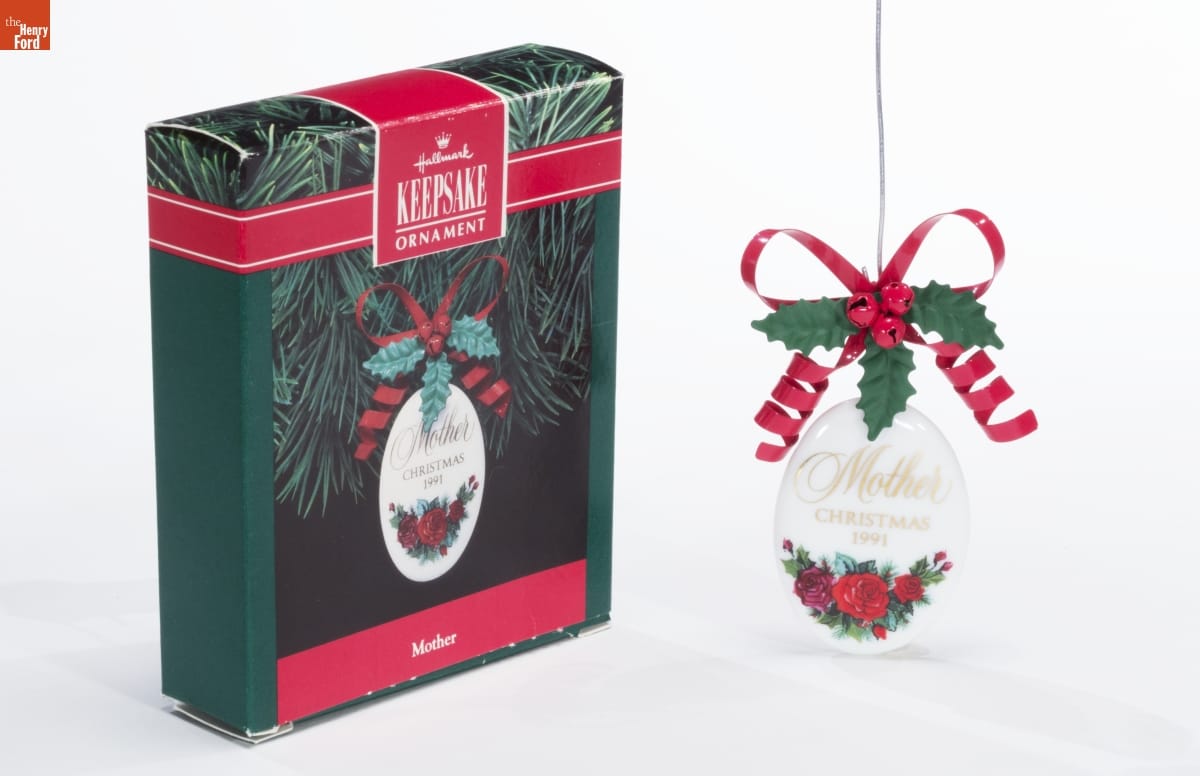
- Hallmark "Mother" Christmas Ornament, 1991 - Already known for greeting cards, Hallmark introduced a line of Christmas ornaments in 1973. The company's annual release of an increasing array of ornaments revolutionized Christmas decorating, appealing to customers' interest in marking memories and milestones as well as expressing one's personality and unique tastes.
- 1991
- Collections - Artifact
Hallmark "Mother" Christmas Ornament, 1991
Already known for greeting cards, Hallmark introduced a line of Christmas ornaments in 1973. The company's annual release of an increasing array of ornaments revolutionized Christmas decorating, appealing to customers' interest in marking memories and milestones as well as expressing one's personality and unique tastes.
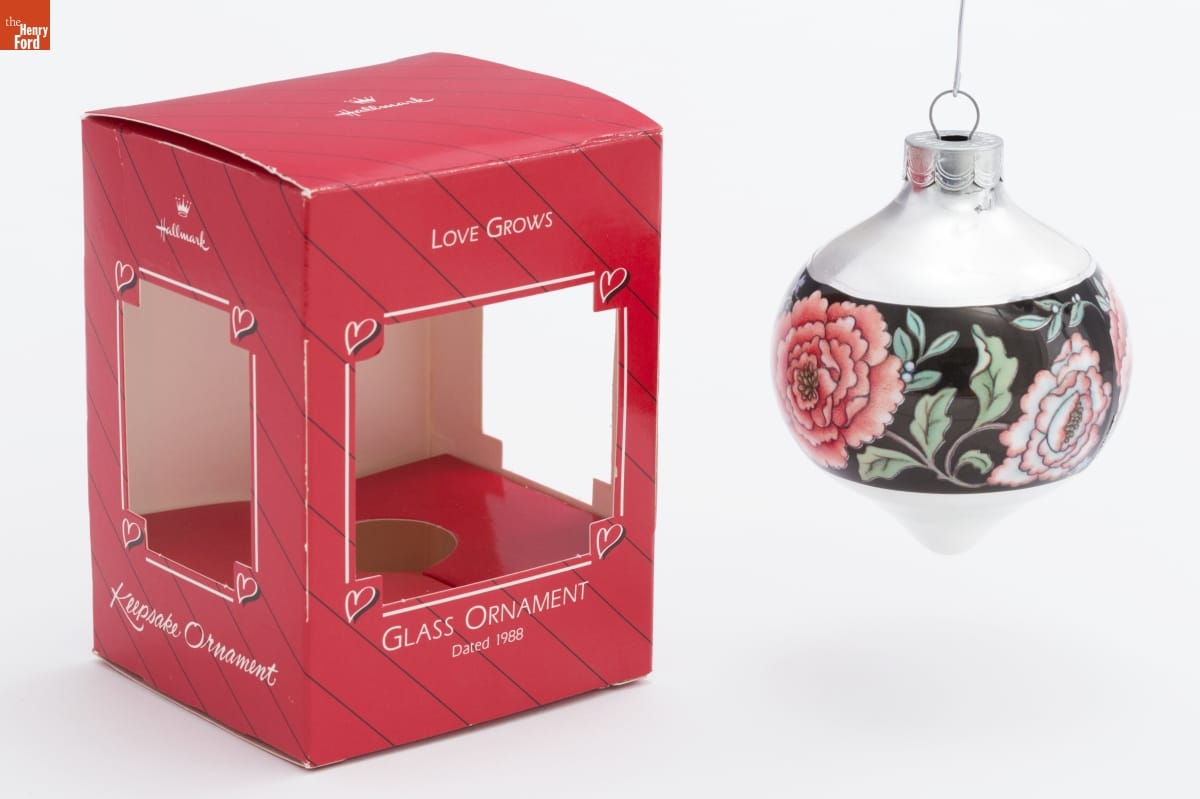
- Hallmark "Love Grows" Christmas Ornament, 1988 - Already known for greeting cards, Hallmark introduced a line of Christmas ornaments in 1973. The company's annual release of an increasing array of ornaments revolutionized Christmas decorating, appealing to customers' interest in marking memories and milestones as well as expressing one's personality and unique tastes.
- 1988
- Collections - Artifact
Hallmark "Love Grows" Christmas Ornament, 1988
Already known for greeting cards, Hallmark introduced a line of Christmas ornaments in 1973. The company's annual release of an increasing array of ornaments revolutionized Christmas decorating, appealing to customers' interest in marking memories and milestones as well as expressing one's personality and unique tastes.
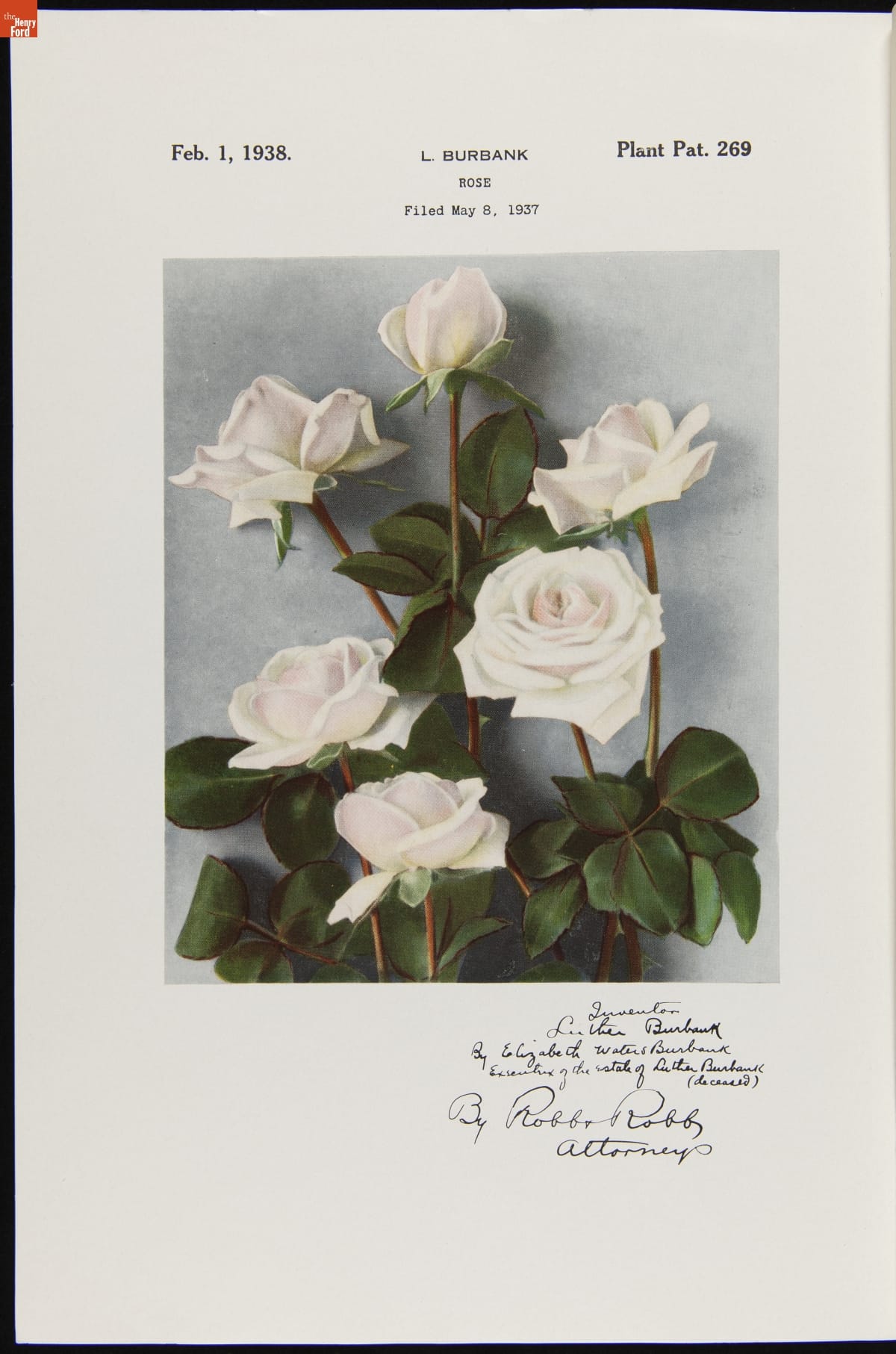
- U.S. Plant Patent 269, for Luther Burbank Rose, Granted to Elizabeth Waters Burbank, February 1, 1938 - Natural plant reproduction once seemed beyond human intervention, but in 1930, the U.S. Patent and Trademark Office began recognizing the work of horticulturalists by awarding patents for new or improved plant varieties. Luther Burbank, the prolific American plant breeder, died in 1926, but his life's work helped justify plant patents. Burbank ultimately received 16 patents, awarded posthumously to his widow.
- February 01, 1938
- Collections - Artifact
U.S. Plant Patent 269, for Luther Burbank Rose, Granted to Elizabeth Waters Burbank, February 1, 1938
Natural plant reproduction once seemed beyond human intervention, but in 1930, the U.S. Patent and Trademark Office began recognizing the work of horticulturalists by awarding patents for new or improved plant varieties. Luther Burbank, the prolific American plant breeder, died in 1926, but his life's work helped justify plant patents. Burbank ultimately received 16 patents, awarded posthumously to his widow.
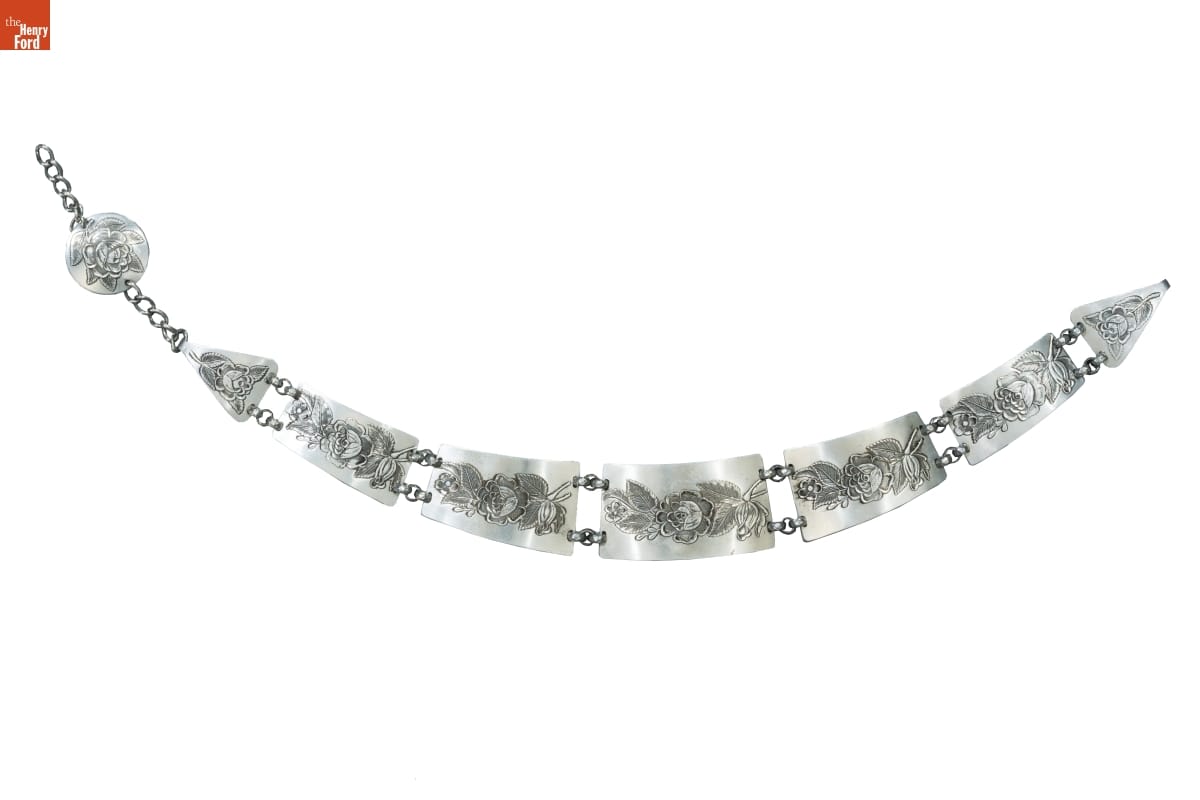
- Everlast "Dogwood Rose" Belt, 1938-1949 - In 1932, Louis Schnitzer and Nathan Gelfman formed Everlast Metal Products Corporation, producing high-quality, hand-forged aluminum giftware. In an era of growing uniformity via factory production, the "made by hand" aspect of these products held an aesthetic appeal for consumers. Products such as serving trays, relish bowls, ice buckets and personal accessories like purses and jewelry were marketed to women as hostess or bridal gifts.
- 1938-1949
- Collections - Artifact
Everlast "Dogwood Rose" Belt, 1938-1949
In 1932, Louis Schnitzer and Nathan Gelfman formed Everlast Metal Products Corporation, producing high-quality, hand-forged aluminum giftware. In an era of growing uniformity via factory production, the "made by hand" aspect of these products held an aesthetic appeal for consumers. Products such as serving trays, relish bowls, ice buckets and personal accessories like purses and jewelry were marketed to women as hostess or bridal gifts.
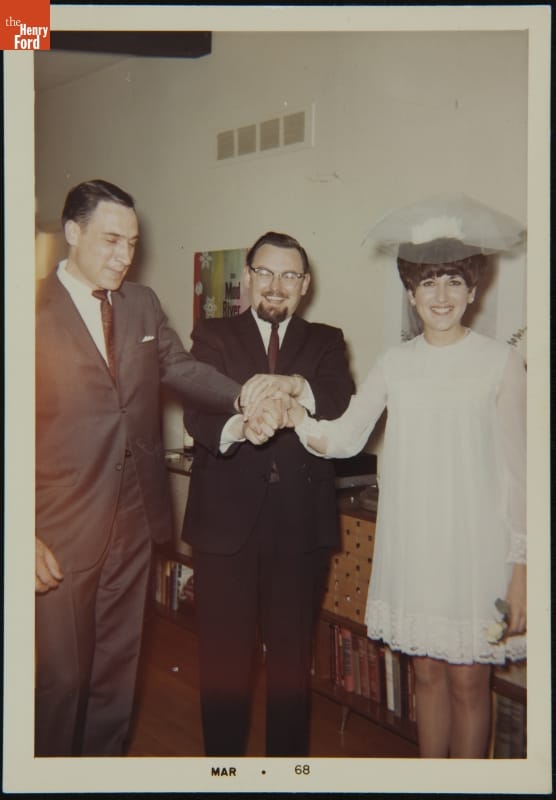
- Rose Pecchia at Her Wedding in 1968 -
- March 01, 1968
- Collections - Artifact
Rose Pecchia at Her Wedding in 1968
- Rose Wiggle Wearing Her 1968 Wedding Dress at Her Birthday Party, 1990 -
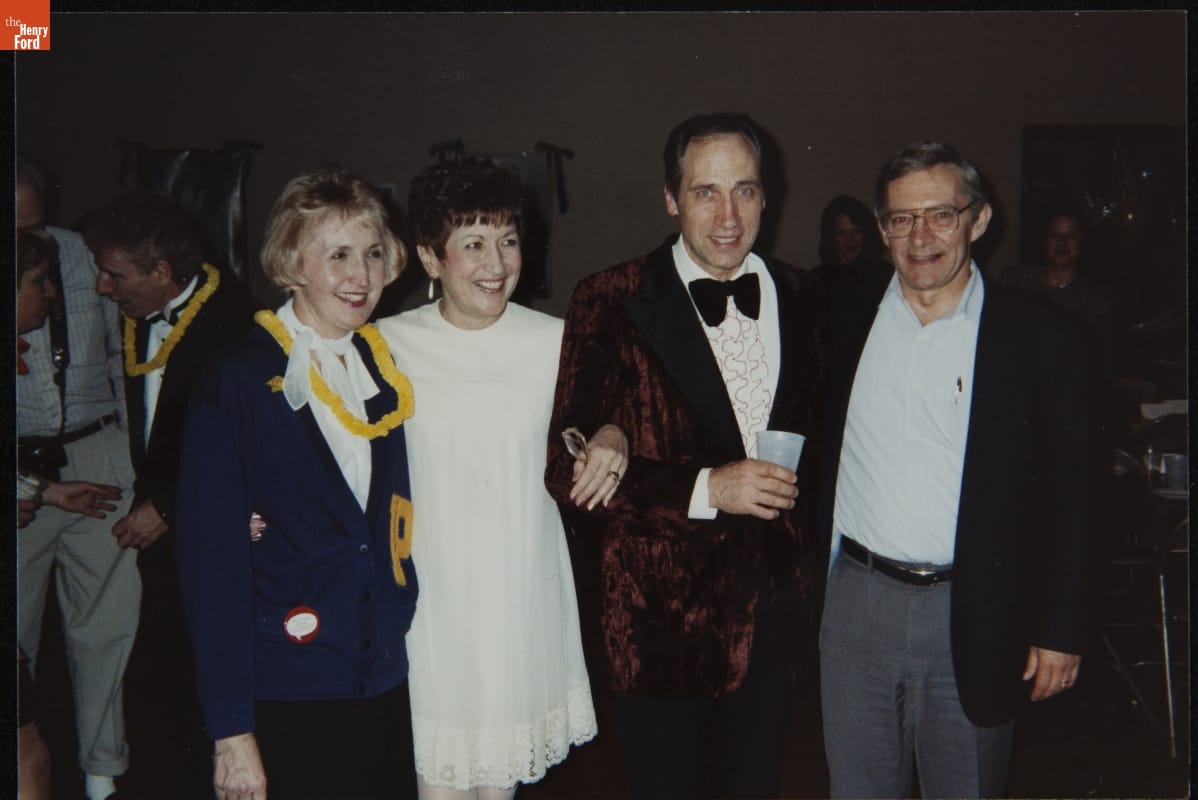
- January 20, 1990
- Collections - Artifact
Rose Wiggle Wearing Her 1968 Wedding Dress at Her Birthday Party, 1990
- Bandbox, circa 1830 - In the early 1800s, Americans used bandboxes to store clothing, accessories, and other small items. Bandboxes were handy containers in the home or when traveling by stage, boat, or rail. Manufacturers covered these inexpensive pasteboard or wooden boxes with colorful papers. This bandbox's paper consists of roses, drapery and vase-shaped pillars.
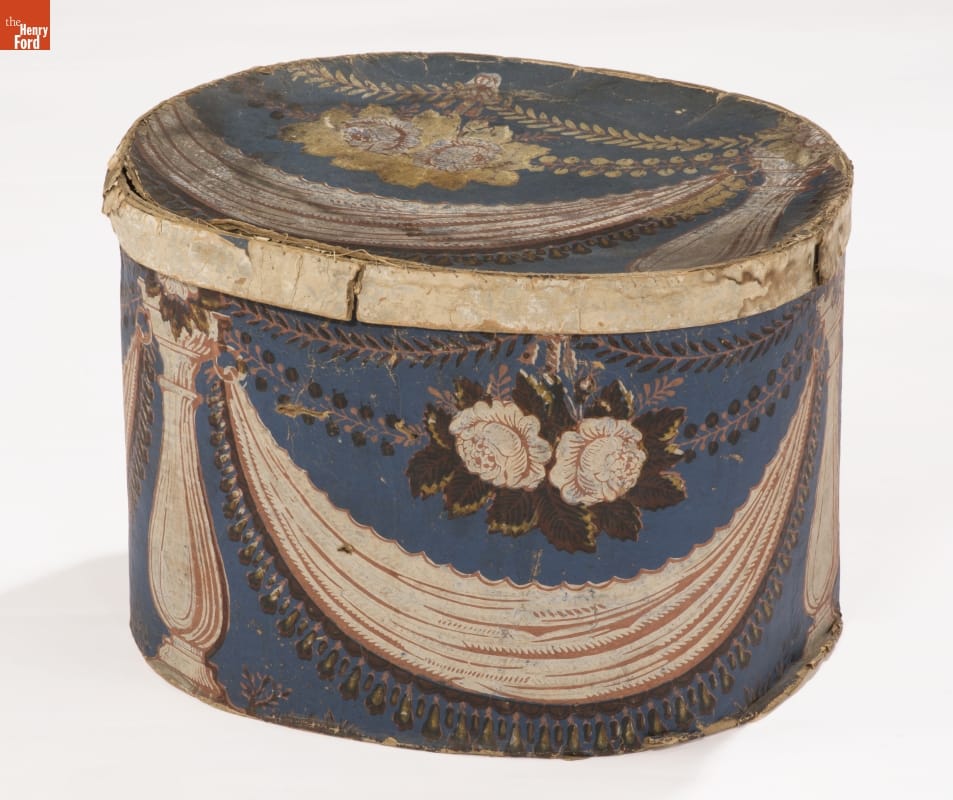
- circa 1830
- Collections - Artifact
Bandbox, circa 1830
In the early 1800s, Americans used bandboxes to store clothing, accessories, and other small items. Bandboxes were handy containers in the home or when traveling by stage, boat, or rail. Manufacturers covered these inexpensive pasteboard or wooden boxes with colorful papers. This bandbox's paper consists of roses, drapery and vase-shaped pillars.