
Search
- Rotor for Westinghouse Induction Motor, 1889-1895 -
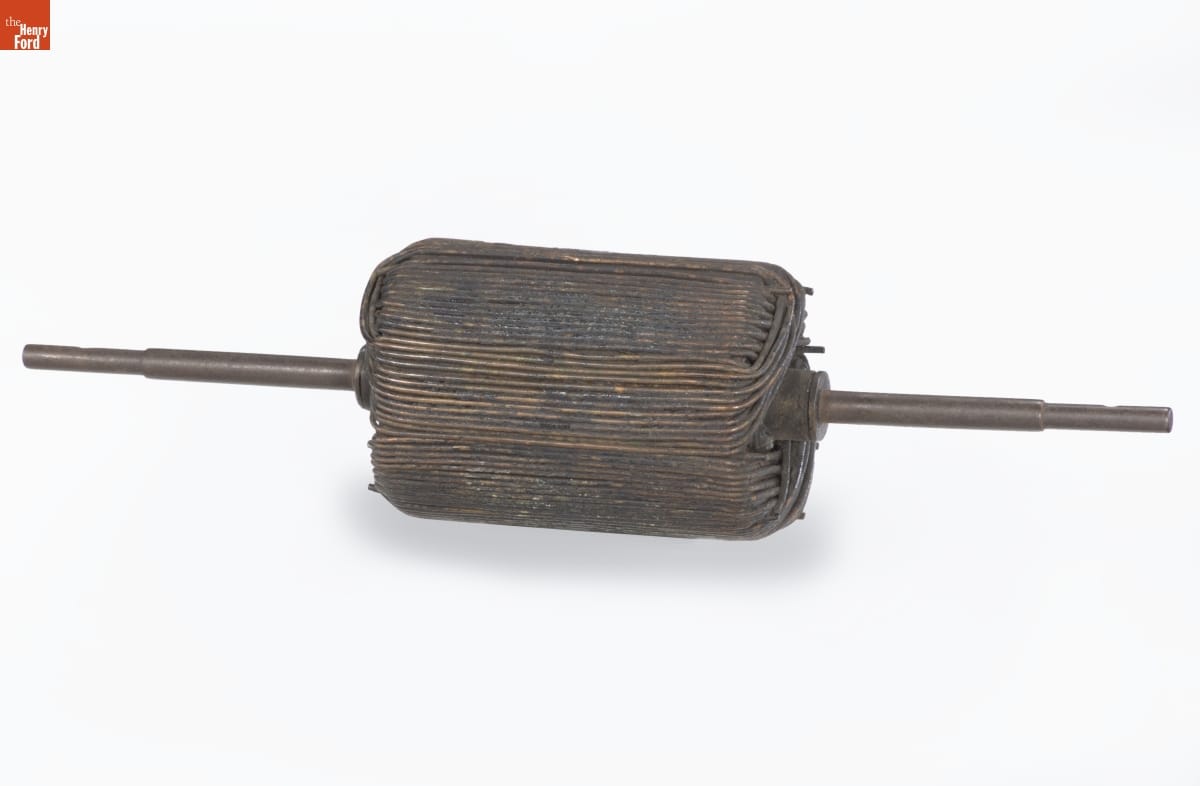
- 1889-1895
- Collections - Artifact
Rotor for Westinghouse Induction Motor, 1889-1895
- Rotor for Westinghouse Induction Motor, 1889-1895 -
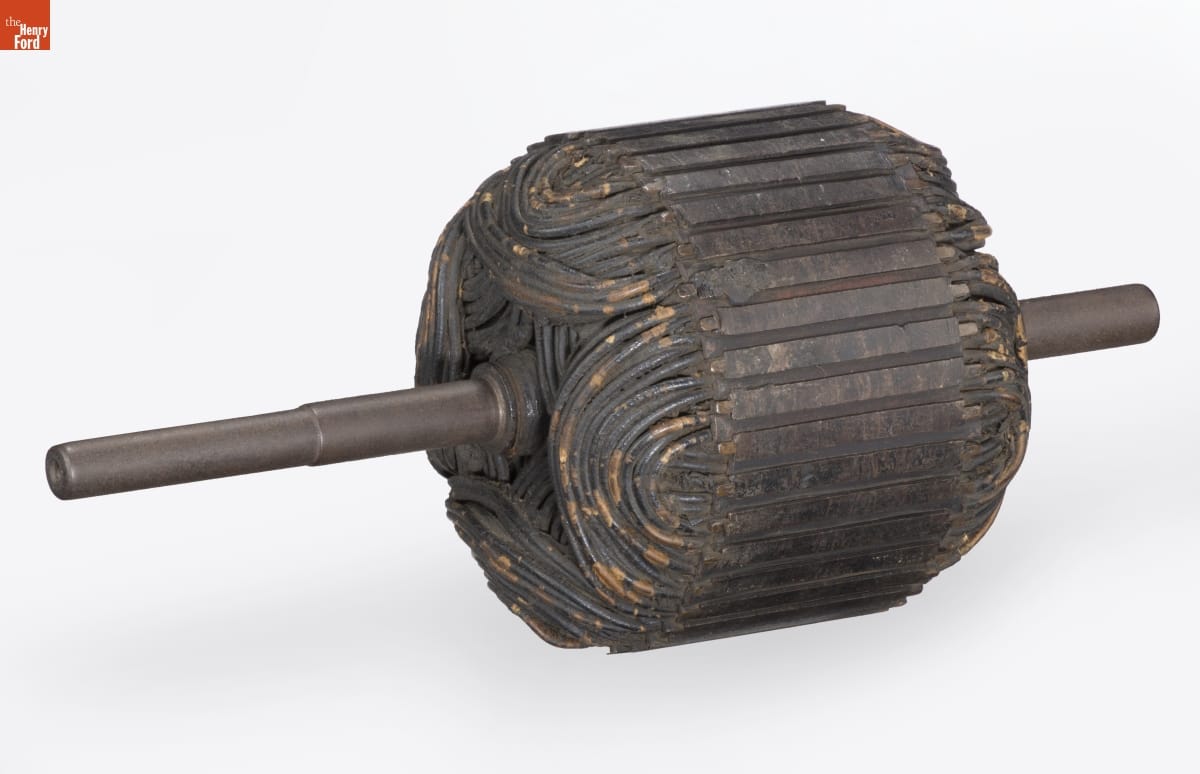
- 1889-1895
- Collections - Artifact
Rotor for Westinghouse Induction Motor, 1889-1895
- Short Circuited Rotor for Experimental Westinghouse Induction Motor, 1889-1893 - Nikola Tesla's name is inseparable from the development of alternating current electricity--particularly with regard to polyphase transmission, but especially with regard to the induction motor. His motor, patented in 1888, was the first practical AC motor. George Westinghouse licensed Tesla's motor patents that same year--enabling the Westinghouse AC lighting system to become a real competitor with direct current systems.
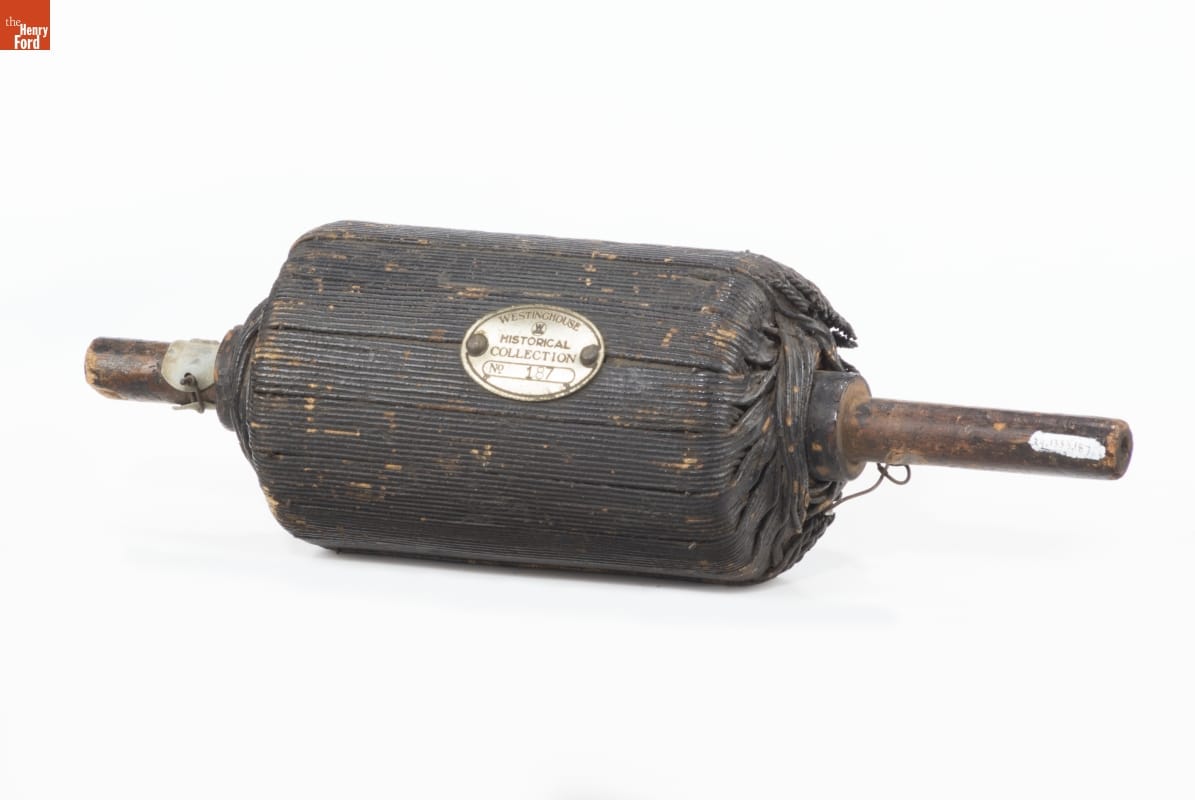
- 1889-1893
- Collections - Artifact
Short Circuited Rotor for Experimental Westinghouse Induction Motor, 1889-1893
Nikola Tesla's name is inseparable from the development of alternating current electricity--particularly with regard to polyphase transmission, but especially with regard to the induction motor. His motor, patented in 1888, was the first practical AC motor. George Westinghouse licensed Tesla's motor patents that same year--enabling the Westinghouse AC lighting system to become a real competitor with direct current systems.
- Rotor, circa 1892 -
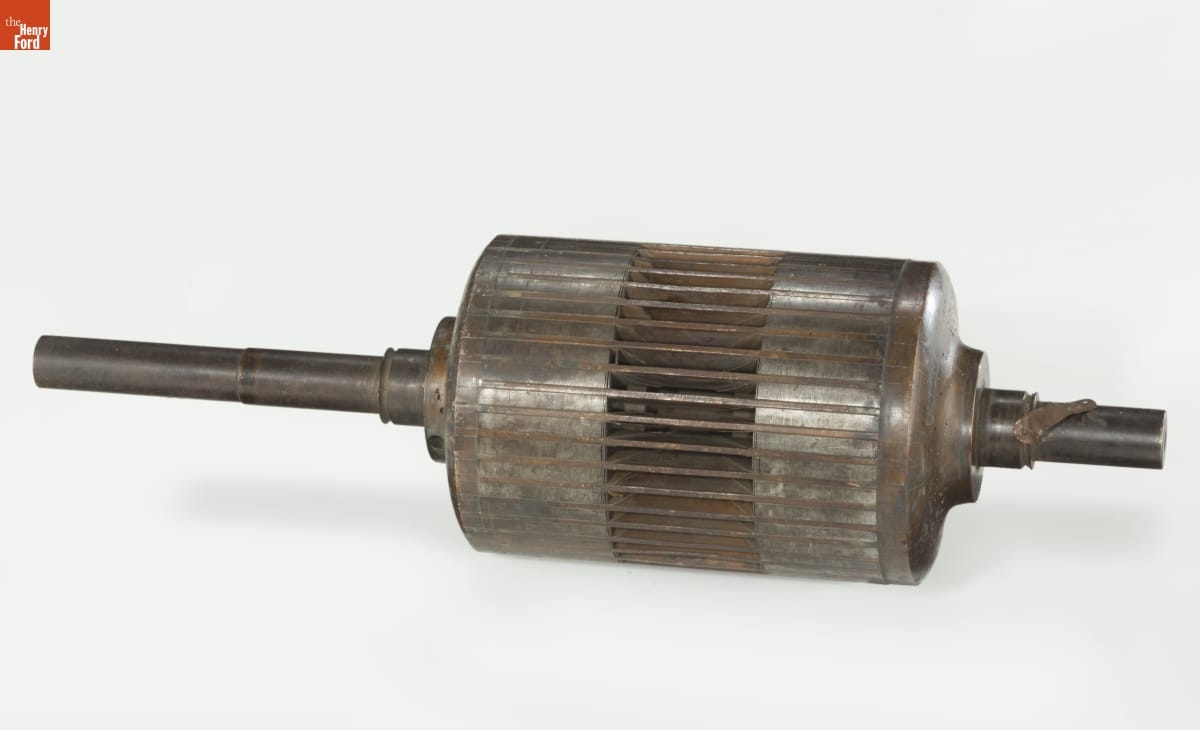
- circa 1892
- Collections - Artifact
Rotor, circa 1892
- Westinghouse Squirrel Cage Rotor -
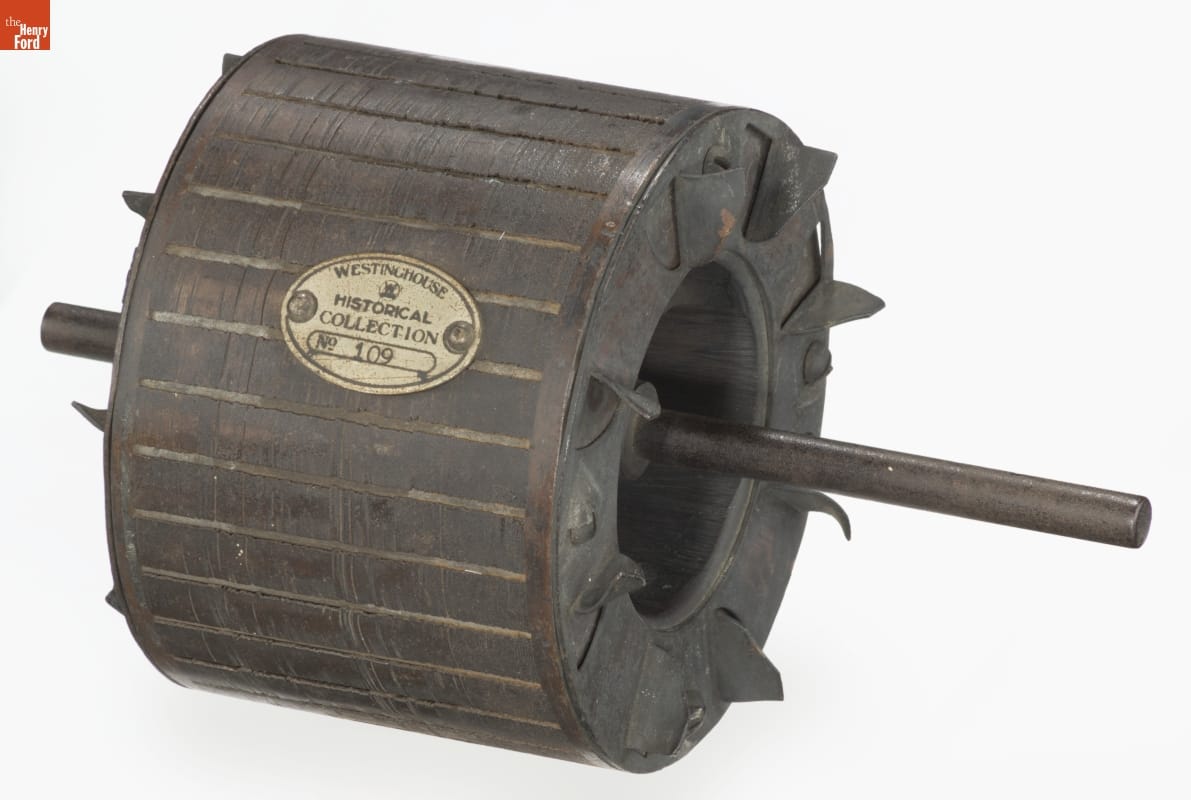
- Collections - Artifact
Westinghouse Squirrel Cage Rotor
- Rotor for Westinghouse Induction Motor, 1889-1895 -
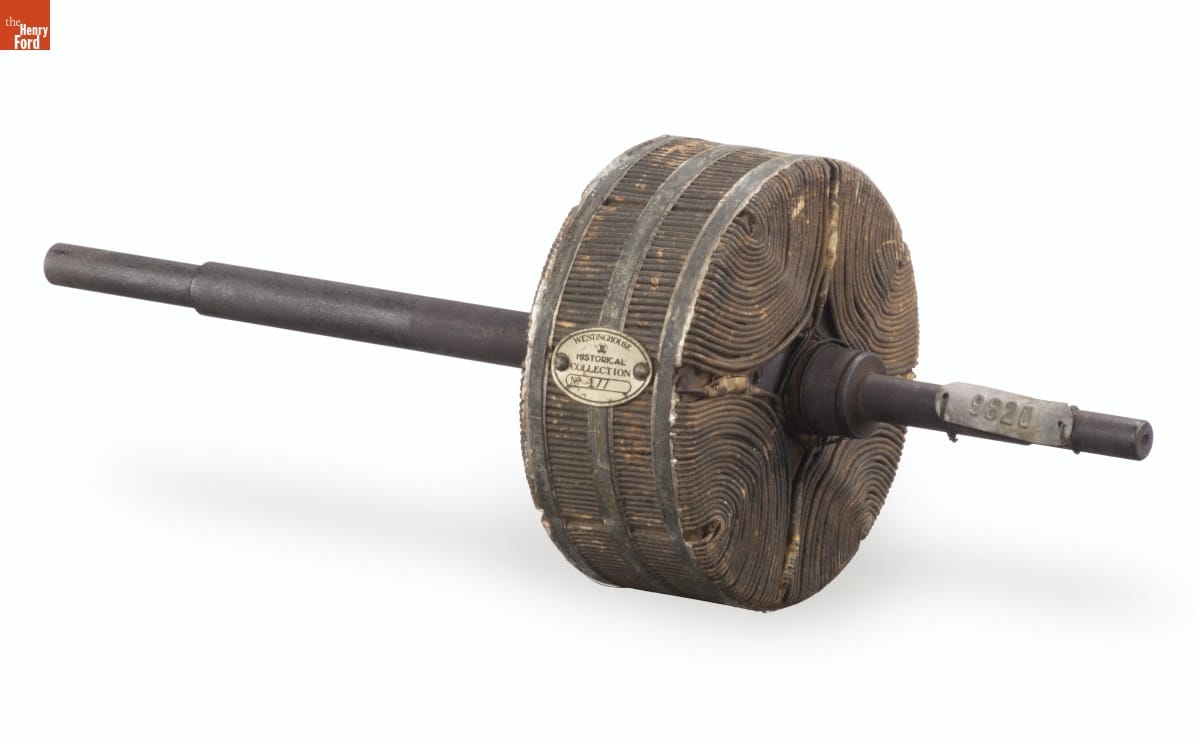
- 1889-1895
- Collections - Artifact
Rotor for Westinghouse Induction Motor, 1889-1895
- Rotor for Westinghouse Induction Motor, 1889-1893 -
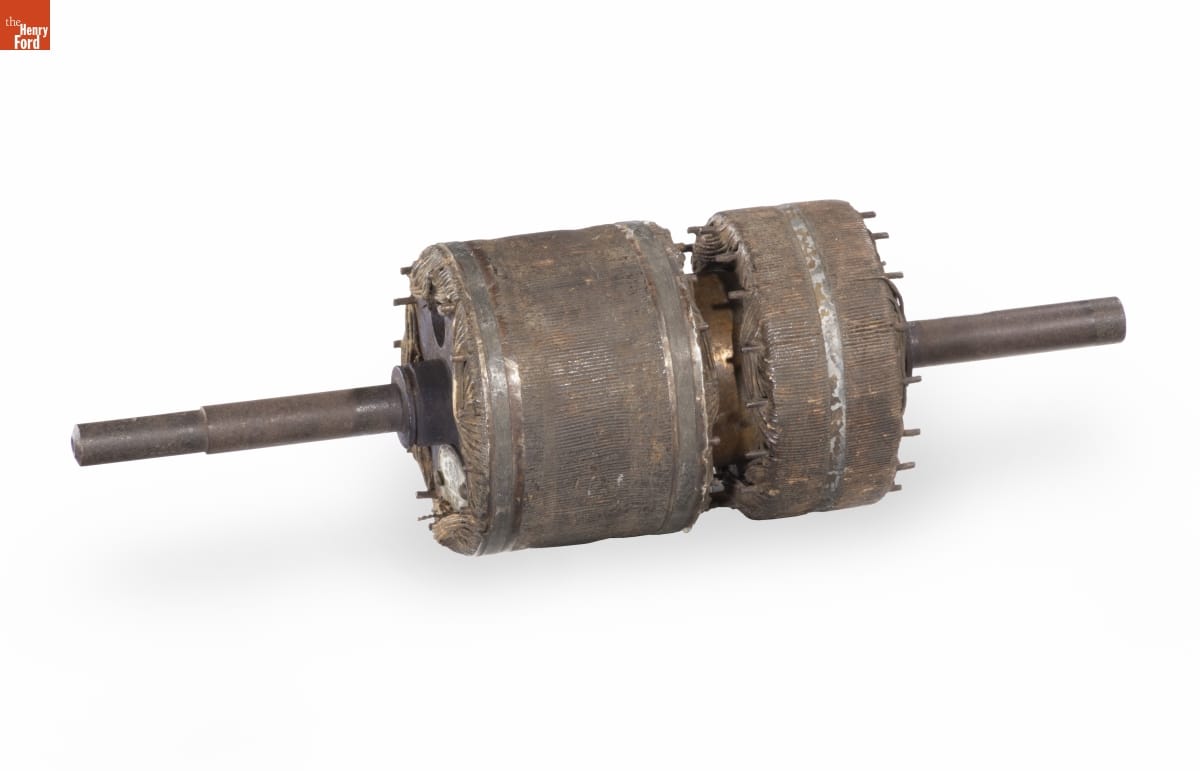
- 1889-1893
- Collections - Artifact
Rotor for Westinghouse Induction Motor, 1889-1893
- Rotor from Fessenden Rotary Spark Gap, Used at the Naval Wireless Station NAA, Arlington, Virginia, 1913 - This device was part of a system used to amplify the time signal from U.S. Navy station NAA at Arlington, Virginia. Station NAA received a time signal from the Naval Observatory clock via telegraph wire, rebroadcasting it via a powerful transmitter to receivers all over the nation. Americans utilized radio technology to set their clocks to this standardized signal.
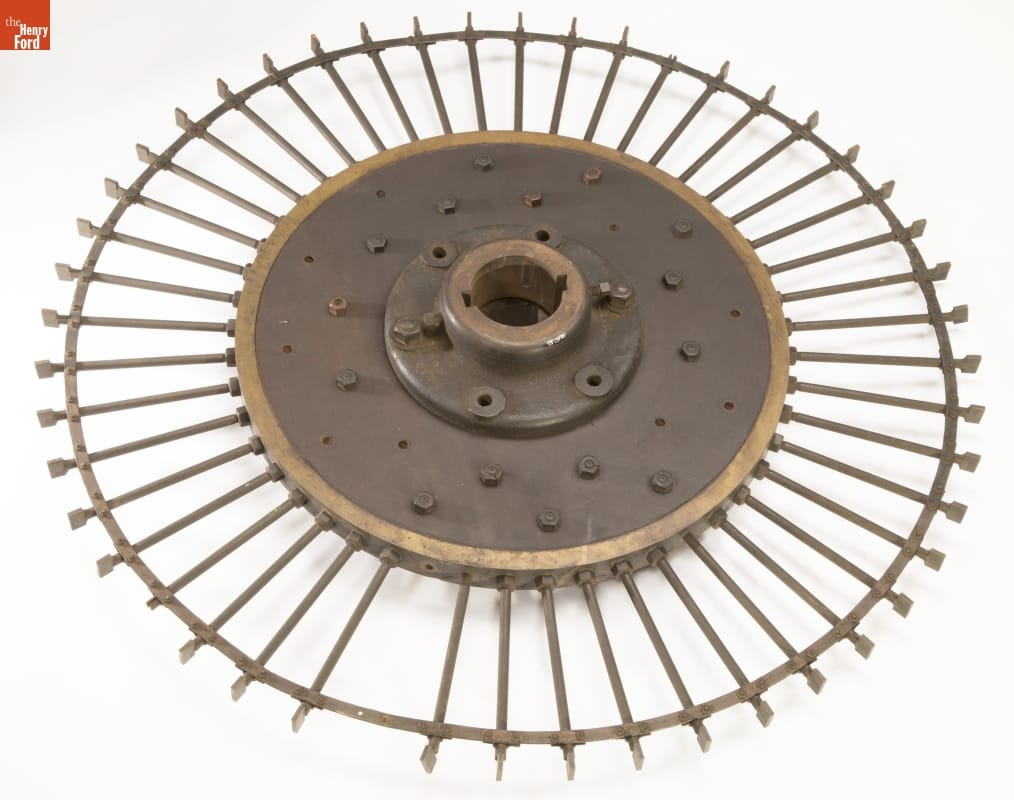
- 1913
- Collections - Artifact
Rotor from Fessenden Rotary Spark Gap, Used at the Naval Wireless Station NAA, Arlington, Virginia, 1913
This device was part of a system used to amplify the time signal from U.S. Navy station NAA at Arlington, Virginia. Station NAA received a time signal from the Naval Observatory clock via telegraph wire, rebroadcasting it via a powerful transmitter to receivers all over the nation. Americans utilized radio technology to set their clocks to this standardized signal.
- Rotor for Motor -
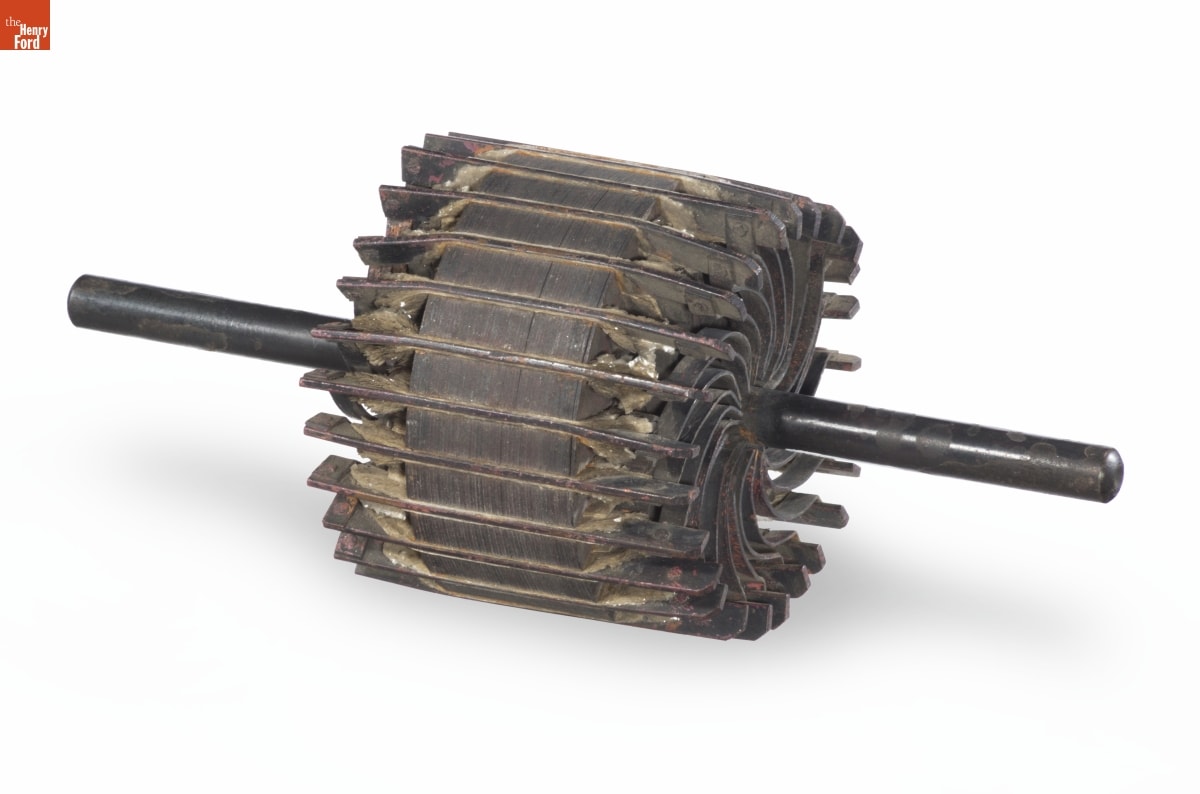
- Collections - Artifact
Rotor for Motor
- Transmitter Room of the Naval Wireless Station NAA, Arlington, Virginia, 1912 -
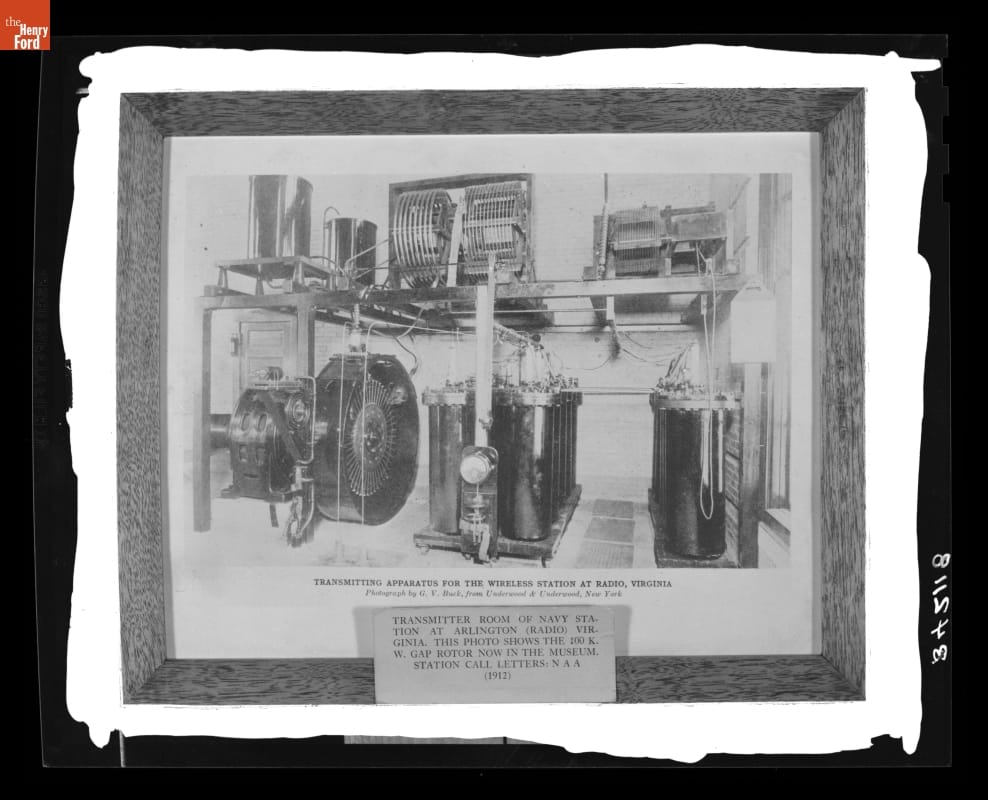
- 1912
- Collections - Artifact
Transmitter Room of the Naval Wireless Station NAA, Arlington, Virginia, 1912