
Search
- Roundhouse during the Greenfield Village Restoration Project, September-October 2002 - By 2000, Greenfield Village began showing its age. Buildings and crumbling infrastructure desperately needed repair. Museum planners envisioned a revitalized village. They created themed "Historic Districts" by relocating and refurbishing the historic structures. Workers repaved streets and upgraded water, sewer, electric, and gas lines. In June 2003, nine months after restoration began, visitors passed through a new entrance into a reborn Greenfield Village.
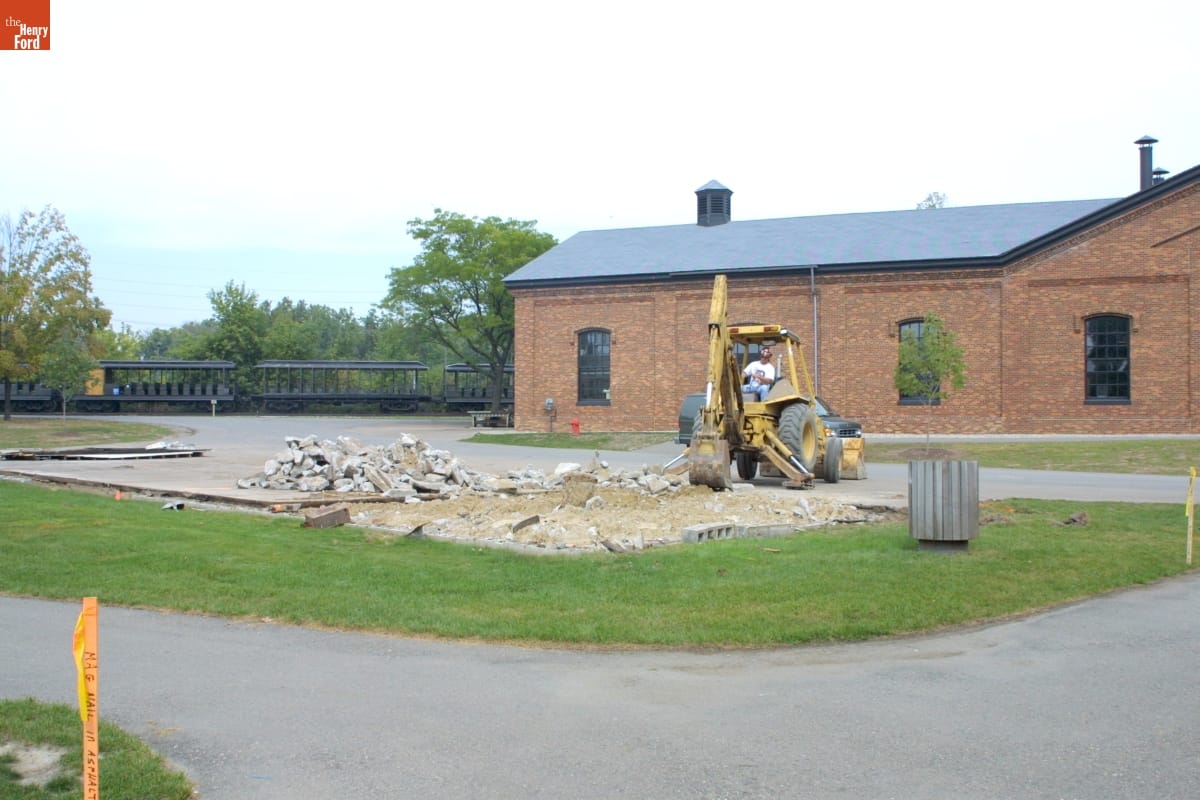
- 30 September 2002-28 October 2002
- Collections - Artifact
Roundhouse during the Greenfield Village Restoration Project, September-October 2002
By 2000, Greenfield Village began showing its age. Buildings and crumbling infrastructure desperately needed repair. Museum planners envisioned a revitalized village. They created themed "Historic Districts" by relocating and refurbishing the historic structures. Workers repaved streets and upgraded water, sewer, electric, and gas lines. In June 2003, nine months after restoration began, visitors passed through a new entrance into a reborn Greenfield Village.
- "Old Charles River" Locomotive, South Sudbury, Massachusetts, 1881 - Railroad workers posed with a 4-4-0 American-type steam locomotive for this photograph taken in Massachusetts in 1881. The locomotive sat in front of a two-stall engine shed. "Roundhouse" became the common name on American railroads for any building in which locomotives were serviced and maintained -- whether the building was round or not.
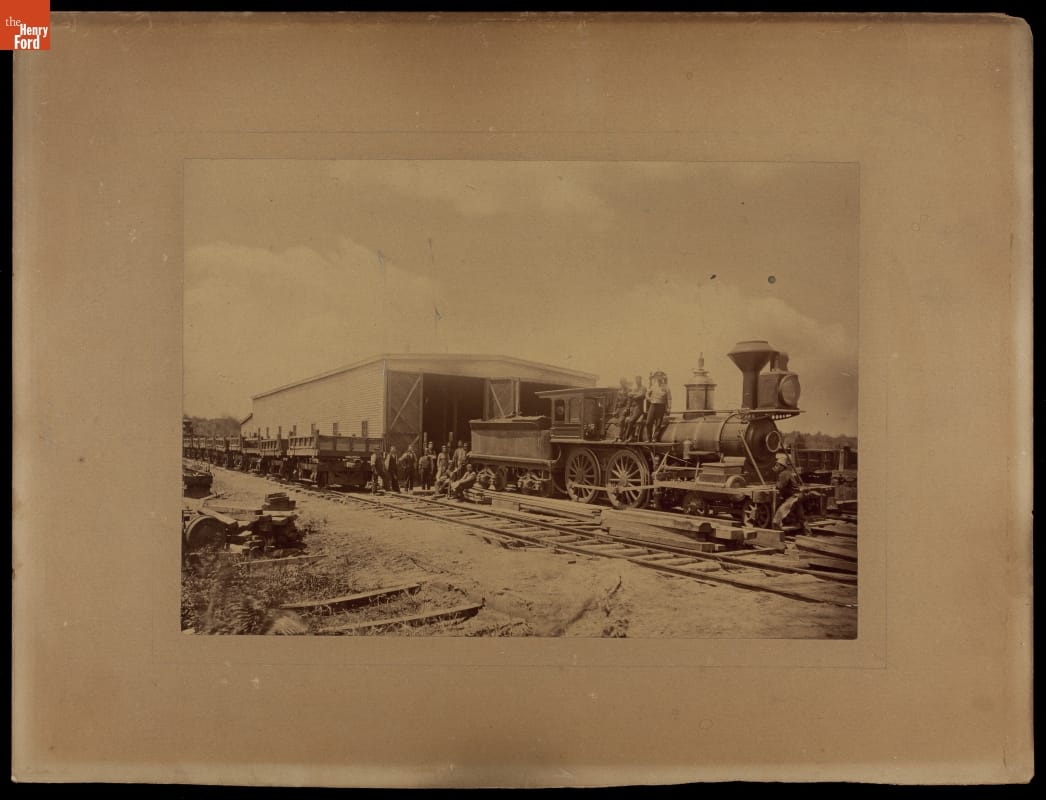
- 1881
- Collections - Artifact
"Old Charles River" Locomotive, South Sudbury, Massachusetts, 1881
Railroad workers posed with a 4-4-0 American-type steam locomotive for this photograph taken in Massachusetts in 1881. The locomotive sat in front of a two-stall engine shed. "Roundhouse" became the common name on American railroads for any building in which locomotives were serviced and maintained -- whether the building was round or not.
- Detroit, Toledo & Milwaukee Roundhouse in Marshall, Michigan, 1884-1913 - This photograph shows the Detroit, Toledo & Milwaukee Roundhouse in its original location in Marshall, Michigan. The roundhouse's crew is posed in front of the building. Steam locomotives required constant maintenance from an army of skilled and unskilled workers, and the roundhouse is where that work took place.
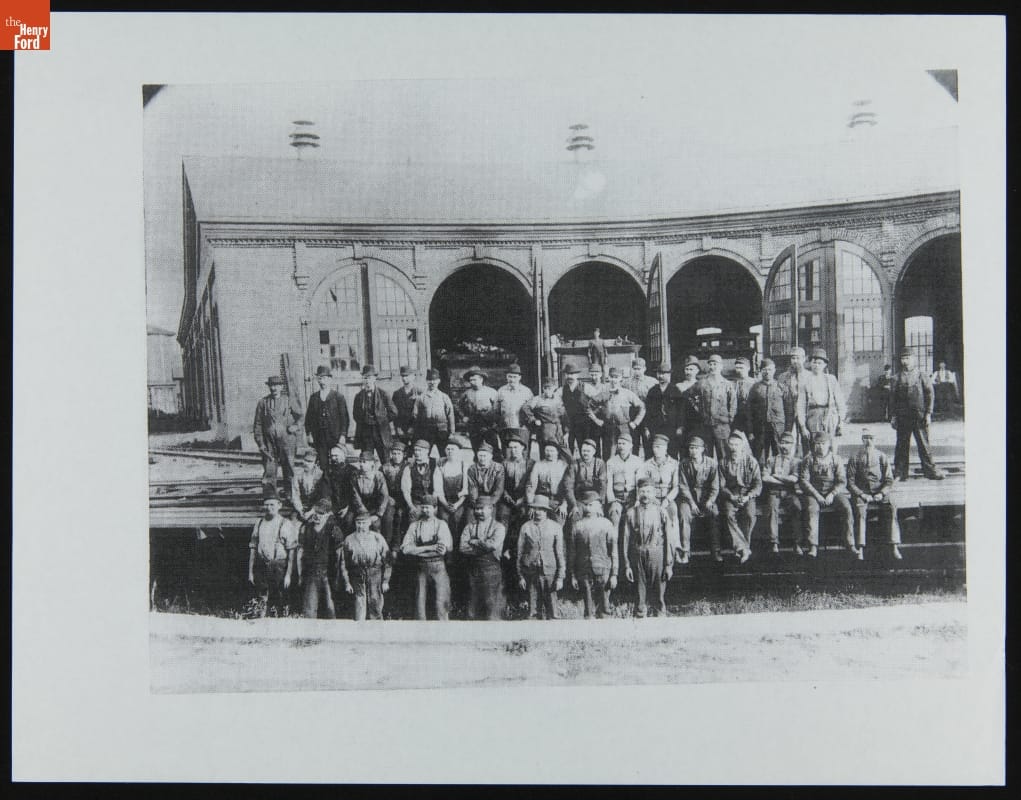
- 1884-1913
- Collections - Artifact
Detroit, Toledo & Milwaukee Roundhouse in Marshall, Michigan, 1884-1913
This photograph shows the Detroit, Toledo & Milwaukee Roundhouse in its original location in Marshall, Michigan. The roundhouse's crew is posed in front of the building. Steam locomotives required constant maintenance from an army of skilled and unskilled workers, and the roundhouse is where that work took place.
- Roundhouse at the Detroit, Toledo & Ironton Railroad "South Yards," Flat Rock, Michigan, 1924 - Steam locomotives required constant maintenance from an army of skilled and unskilled workers, and the roundhouse is where that work took place. This roundhouse at Flat Rock, Michigan, served the Detroit, Toledo & Ironton Railroad. The DT&I operated a 378-mile mainline between Detroit, Michigan, and Ironton, Ohio.
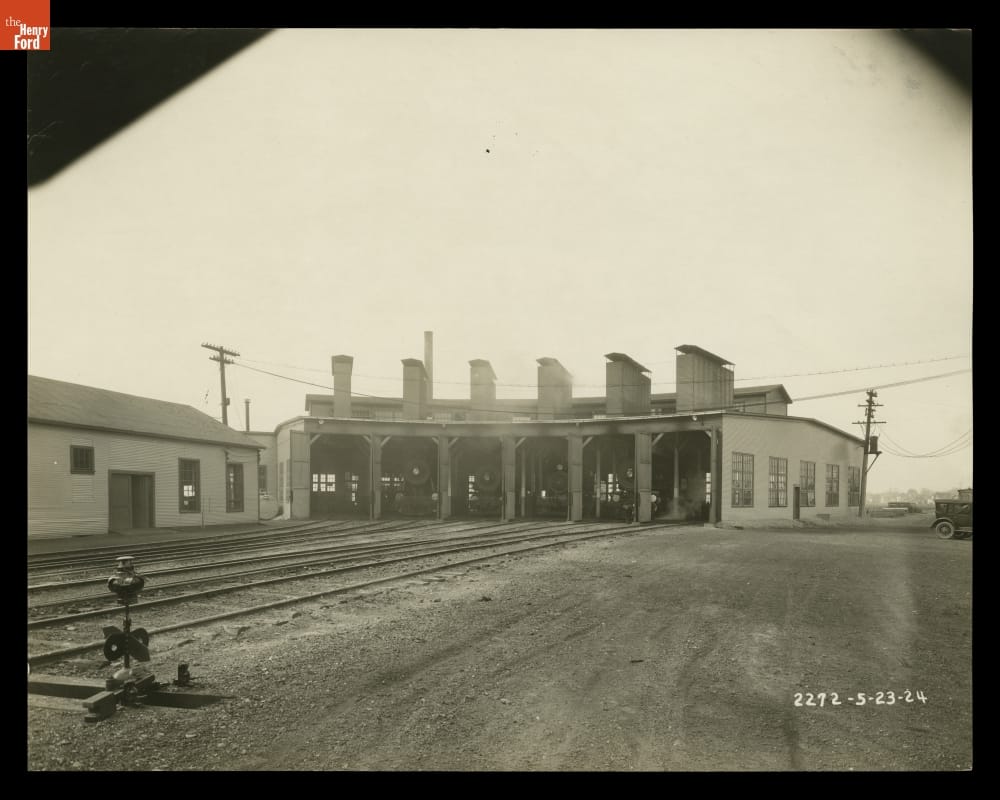
- May 23, 1924
- Collections - Artifact
Roundhouse at the Detroit, Toledo & Ironton Railroad "South Yards," Flat Rock, Michigan, 1924
Steam locomotives required constant maintenance from an army of skilled and unskilled workers, and the roundhouse is where that work took place. This roundhouse at Flat Rock, Michigan, served the Detroit, Toledo & Ironton Railroad. The DT&I operated a 378-mile mainline between Detroit, Michigan, and Ironton, Ohio.
- Detroit, Toledo & Ironton Railroad Roundhouse, Ironton, Ohio, 1923 - Steam locomotives required constant maintenance from an army of skilled and unskilled workers, and the roundhouse is where that work took place. This roundhouse at Ironton, Ohio, served the Detroit, Toledo & Ironton Railroad. The DT&I operated a 378-mile mainline between Detroit, Michigan, and Ironton, Ohio.
- December 26, 1923
- Collections - Artifact
Detroit, Toledo & Ironton Railroad Roundhouse, Ironton, Ohio, 1923
Steam locomotives required constant maintenance from an army of skilled and unskilled workers, and the roundhouse is where that work took place. This roundhouse at Ironton, Ohio, served the Detroit, Toledo & Ironton Railroad. The DT&I operated a 378-mile mainline between Detroit, Michigan, and Ironton, Ohio.
- Detroit Toledo & Milwaukee Roundhouse - Steam locomotives required constant maintenance from an army of skilled and unskilled workers, and the roundhouse is where that work took place. This roundhouse was built in 1884 in Marshall, Michigan, for the Detroit, Toledo & Milwaukee Railroad. Today it services the locomotives and equipment of Greenfield Village's Weiser Railroad.
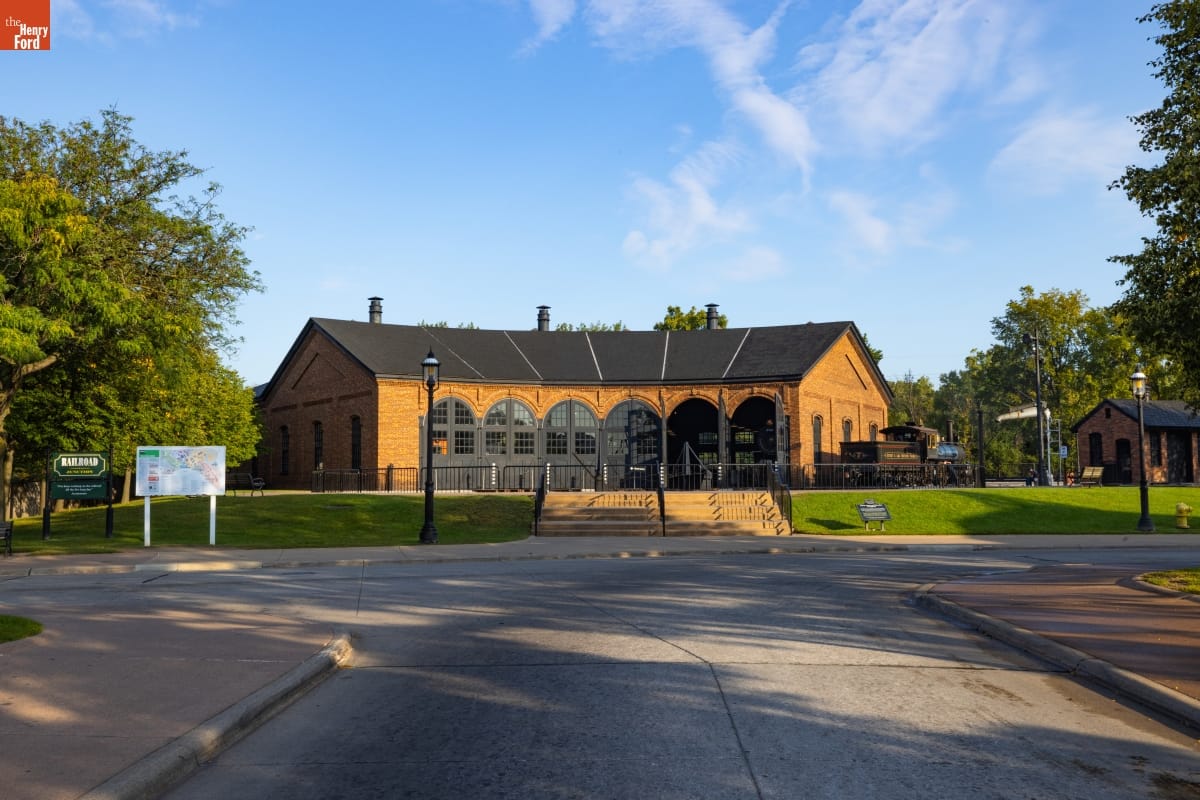
- 1884
- Collections - Artifact
Detroit Toledo & Milwaukee Roundhouse
Steam locomotives required constant maintenance from an army of skilled and unskilled workers, and the roundhouse is where that work took place. This roundhouse was built in 1884 in Marshall, Michigan, for the Detroit, Toledo & Milwaukee Railroad. Today it services the locomotives and equipment of Greenfield Village's Weiser Railroad.
- Detroit, Toledo & Ironton Railroad Roundhouse at Napoleon, Ohio, 1921 - Steam locomotives required constant maintenance from an army of skilled and unskilled workers, and the roundhouse is where that work took place. This roundhouse at Napoleon, Ohio, served the Detroit, Toledo & Ironton Railroad. The DT&I operated a 378-mile mainline between Detroit, Michigan, and Ironton, Ohio.
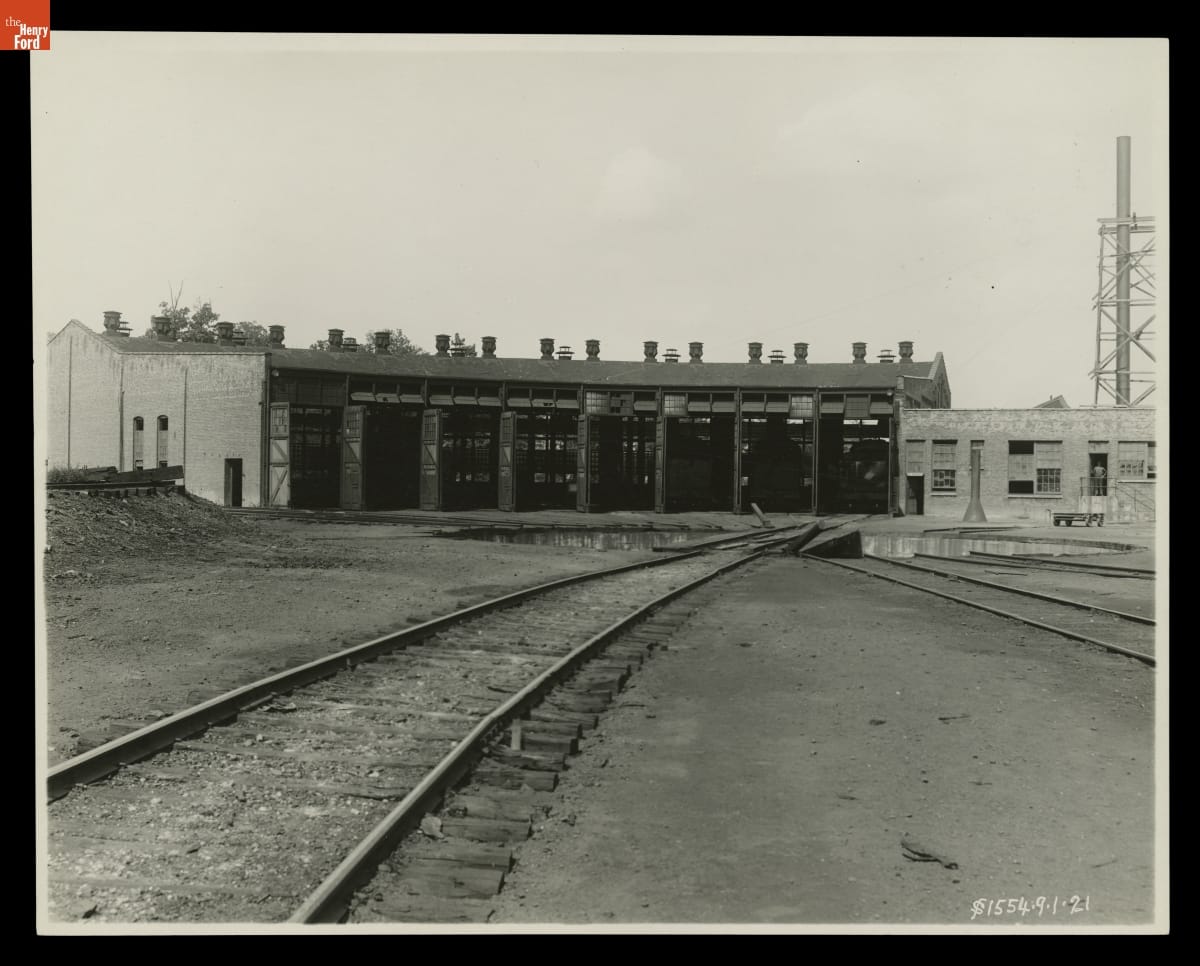
- September 01, 1921
- Collections - Artifact
Detroit, Toledo & Ironton Railroad Roundhouse at Napoleon, Ohio, 1921
Steam locomotives required constant maintenance from an army of skilled and unskilled workers, and the roundhouse is where that work took place. This roundhouse at Napoleon, Ohio, served the Detroit, Toledo & Ironton Railroad. The DT&I operated a 378-mile mainline between Detroit, Michigan, and Ironton, Ohio.
- Gunsolly Carding Mill Former Site after Relocation during the Greenfield Village Restoration Project, October-November 2002 - By 2000, Greenfield Village began showing its age. Buildings and crumbling infrastructure desperately needed repair. Museum planners envisioned a revitalized village. They created themed "Historic Districts" by relocating and refurbishing the historic structures. Workers repaved streets and upgraded water, sewer, electric, and gas lines. In June 2003, nine months after restoration began, visitors passed through a new entrance into a reborn Greenfield Village.
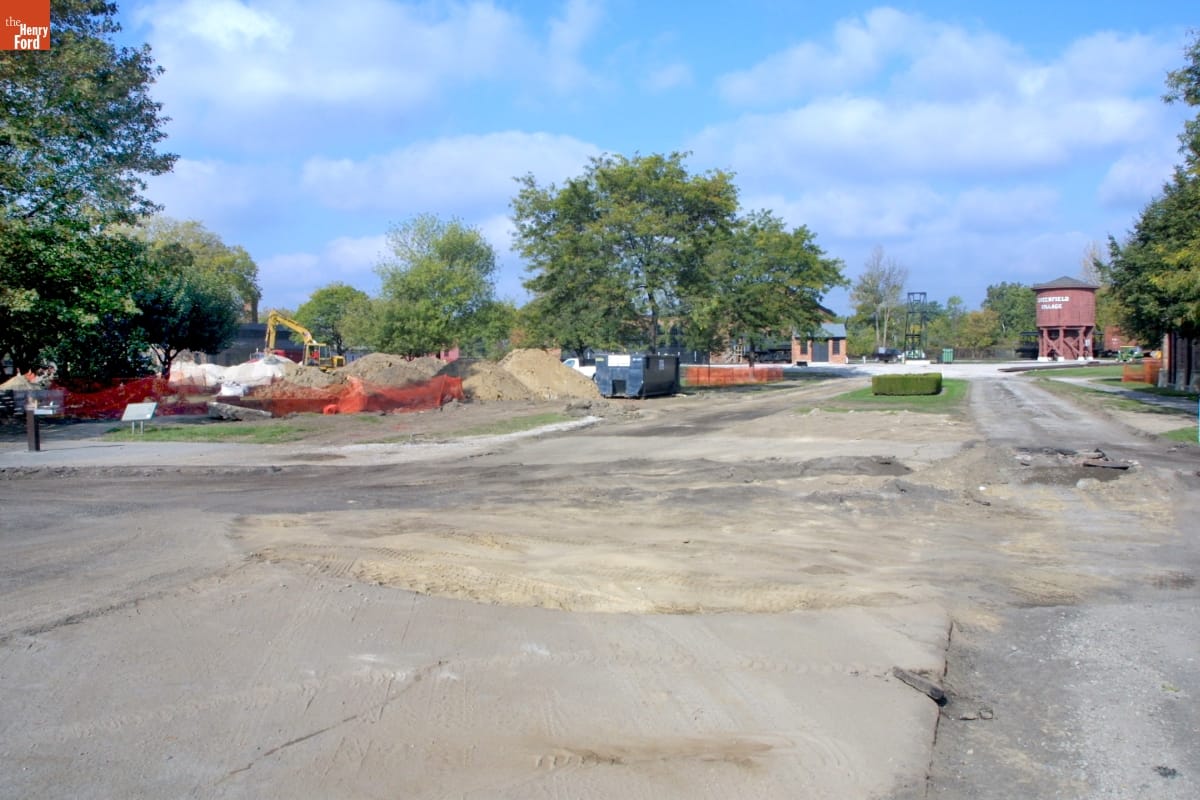
- October 2002-November 2002
- Collections - Artifact
Gunsolly Carding Mill Former Site after Relocation during the Greenfield Village Restoration Project, October-November 2002
By 2000, Greenfield Village began showing its age. Buildings and crumbling infrastructure desperately needed repair. Museum planners envisioned a revitalized village. They created themed "Historic Districts" by relocating and refurbishing the historic structures. Workers repaved streets and upgraded water, sewer, electric, and gas lines. In June 2003, nine months after restoration began, visitors passed through a new entrance into a reborn Greenfield Village.
- Detroit, Toledo & Ironton Railroad "South Yards" Roundhouse Barrel Storage, Flat Rock, Michigan, 1924 - Steam locomotives required constant maintenance from an army of skilled and unskilled workers, and the roundhouse is where that work took place. This roundhouse at Flat Rock, Michigan, served the Detroit, Toledo & Ironton Railroad. The DT&I operated a 378-mile mainline between Detroit, Michigan, and Ironton, Ohio.
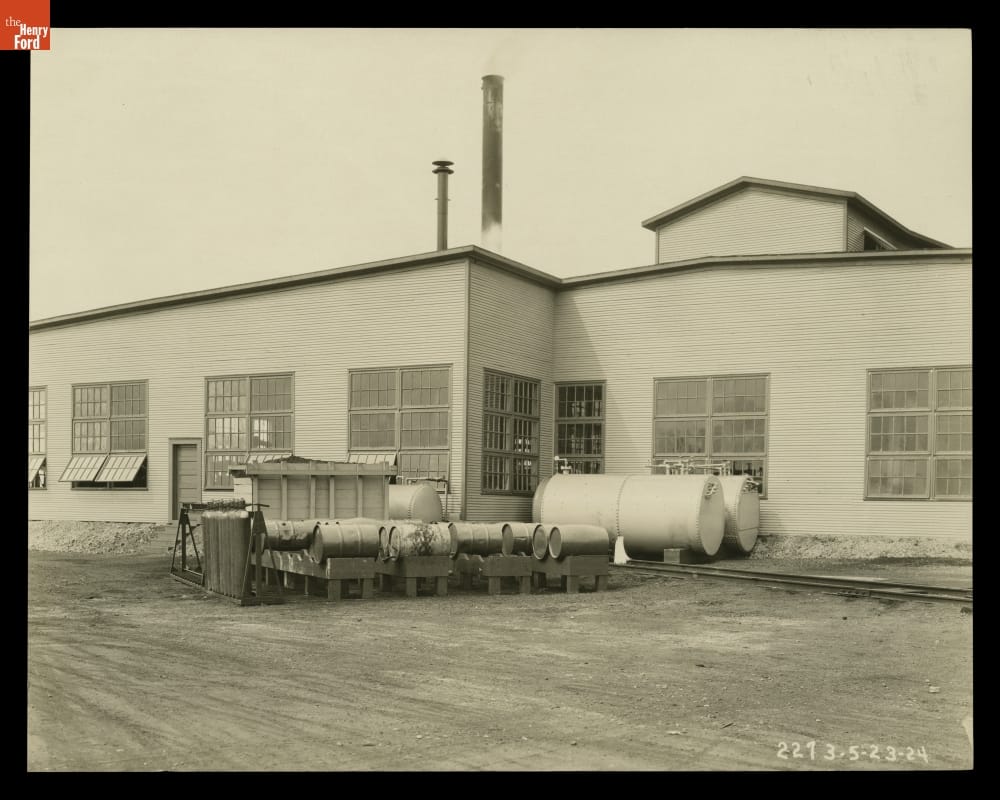
- May 23, 1924
- Collections - Artifact
Detroit, Toledo & Ironton Railroad "South Yards" Roundhouse Barrel Storage, Flat Rock, Michigan, 1924
Steam locomotives required constant maintenance from an army of skilled and unskilled workers, and the roundhouse is where that work took place. This roundhouse at Flat Rock, Michigan, served the Detroit, Toledo & Ironton Railroad. The DT&I operated a 378-mile mainline between Detroit, Michigan, and Ironton, Ohio.
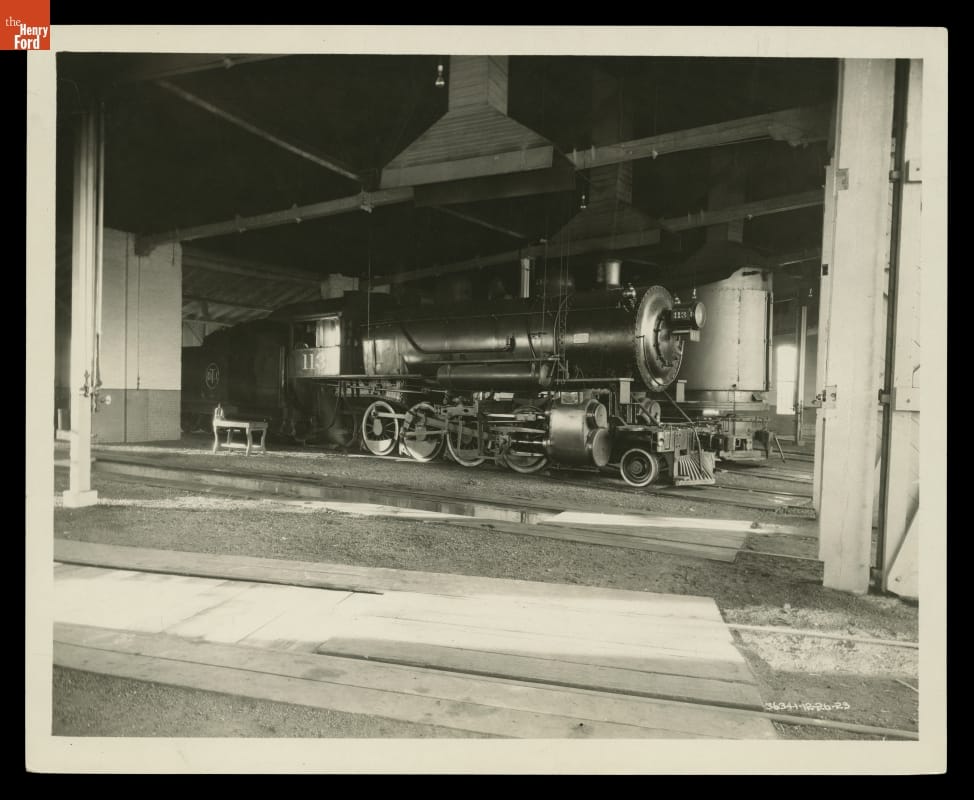
- Detroit, Toledo & Ironton Railroad Roundhouse Interior, Ironton, Ohio, 1923 - Steam locomotives required constant maintenance from an army of skilled and unskilled workers, and the roundhouse is where that work took place. This roundhouse at Ironton, Ohio, served the Detroit, Toledo & Ironton Railroad. The DT&I operated a 378-mile mainline between Detroit, Michigan, and Ironton, Ohio.
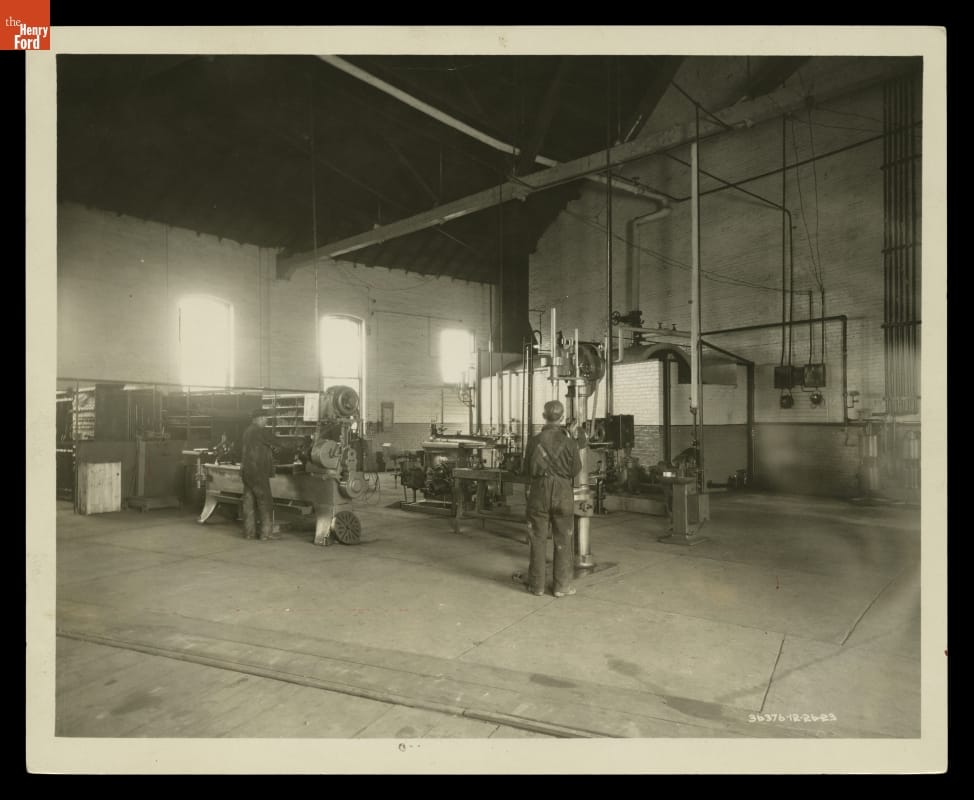
- December 26, 1923
- Collections - Artifact
Detroit, Toledo & Ironton Railroad Roundhouse Interior, Ironton, Ohio, 1923
Steam locomotives required constant maintenance from an army of skilled and unskilled workers, and the roundhouse is where that work took place. This roundhouse at Ironton, Ohio, served the Detroit, Toledo & Ironton Railroad. The DT&I operated a 378-mile mainline between Detroit, Michigan, and Ironton, Ohio.