
Search
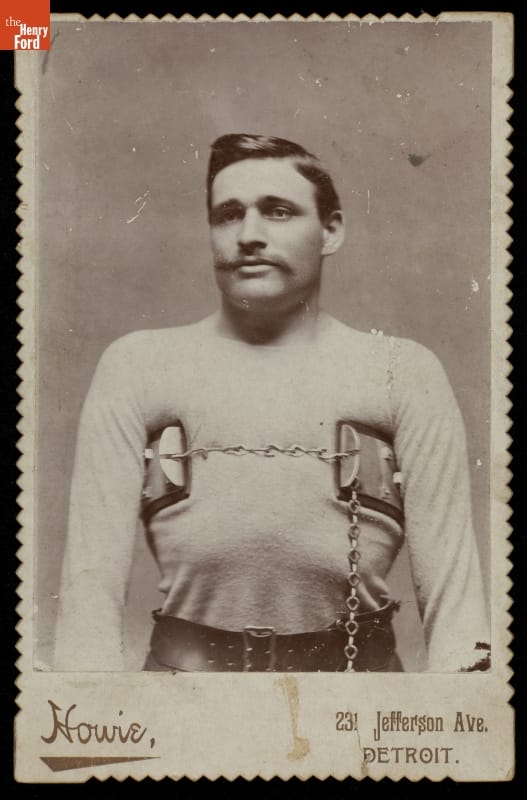
- Thomas Rowe, Expansionist Circus Performer, circa 1895 - Professional photographers began producing cabinet cards in 1867. Consumers quickly preferred them over earlier cartes-de-visite, which were mounted on smaller cardboard stock. Through the early 1900s, Americans commonly exchanged and collected cabinet photographs of family, friends and celebrities. This example, made in Detroit, Michigan, around 1895, depicts Thomas Rowe, a sideshow performer in the Walter L. Main Circus.
- circa 1895
- Collections - Artifact
Thomas Rowe, Expansionist Circus Performer, circa 1895
Professional photographers began producing cabinet cards in 1867. Consumers quickly preferred them over earlier cartes-de-visite, which were mounted on smaller cardboard stock. Through the early 1900s, Americans commonly exchanged and collected cabinet photographs of family, friends and celebrities. This example, made in Detroit, Michigan, around 1895, depicts Thomas Rowe, a sideshow performer in the Walter L. Main Circus.
- Wyandotte Boat Club "V-8" Rowing Team, July 1934 -
- July 16, 1934
- Collections - Artifact
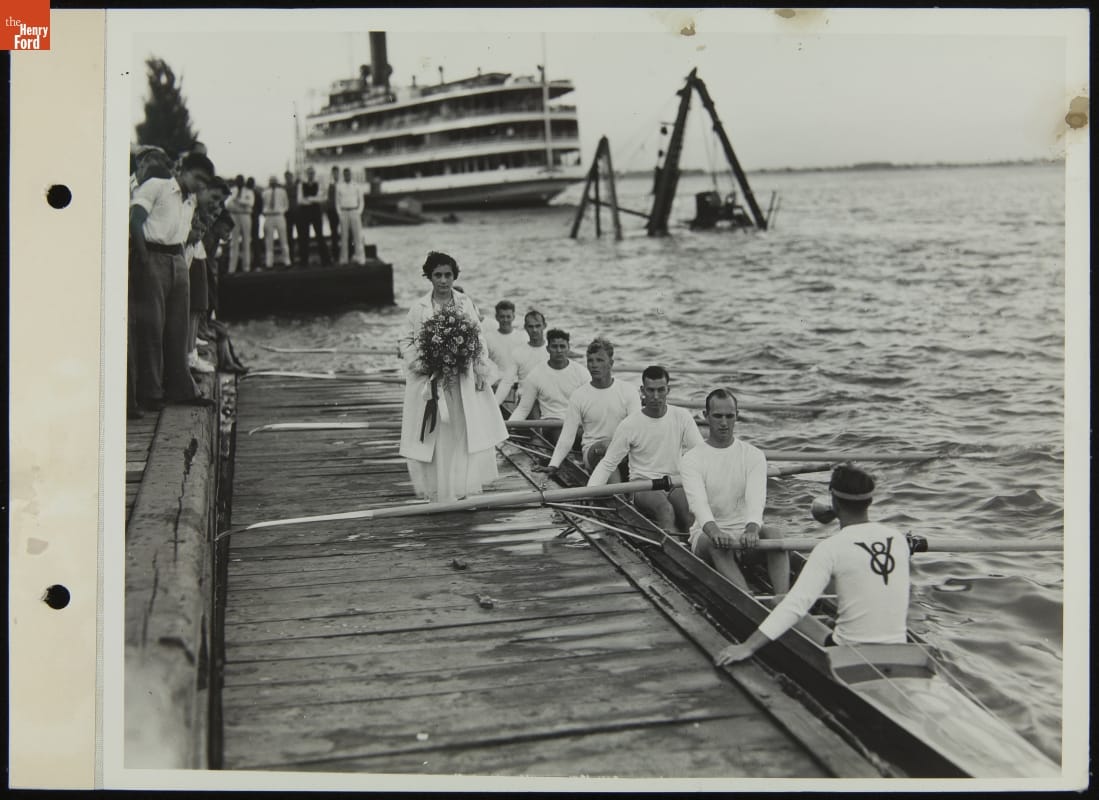
Wyandotte Boat Club "V-8" Rowing Team, July 1934
- Wyandotte Boat Club "V-8" Rowing Team with Racing Shell, July 1934 -
- July 16, 1934
- Collections - Artifact
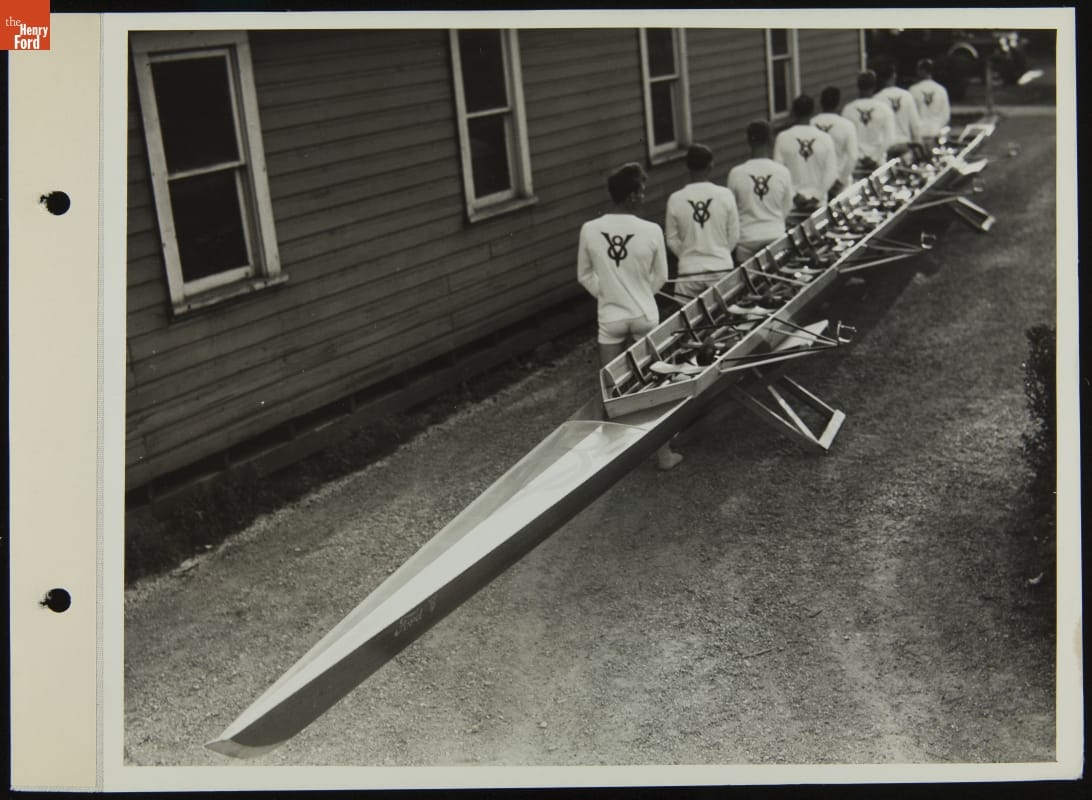
Wyandotte Boat Club "V-8" Rowing Team with Racing Shell, July 1934
- Strip Quilt by Susana Allen Hunter, 1955-1960 -
- 1955-1960
- Collections - Artifact
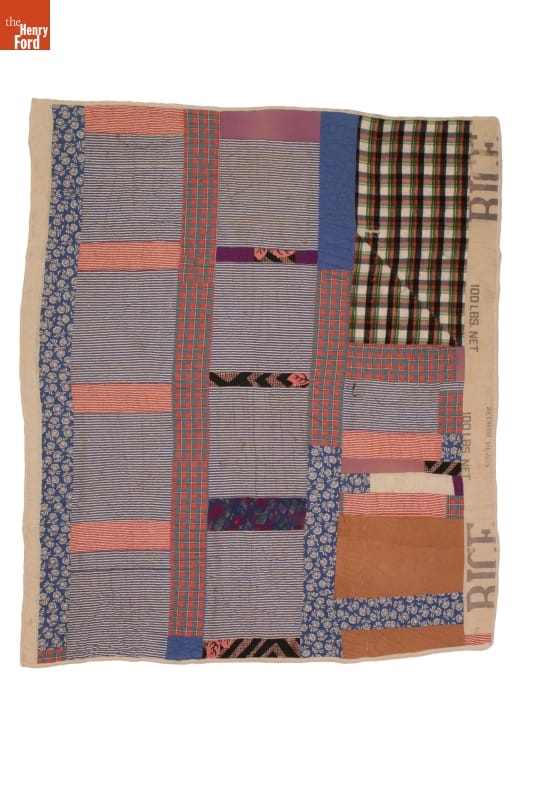
Strip Quilt by Susana Allen Hunter, 1955-1960
- Strip Quilt by Susana Allen Hunter, 1930-1935 -
- 1930-1935
- Collections - Artifact
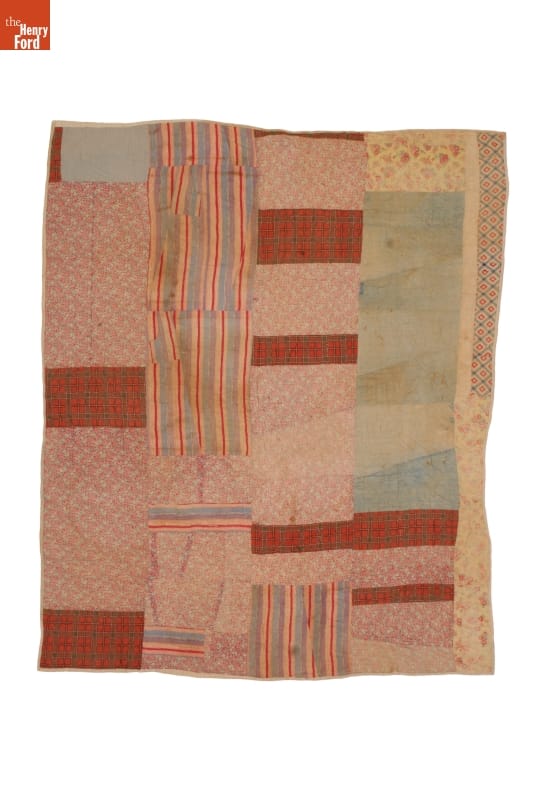
Strip Quilt by Susana Allen Hunter, 1930-1935
- Letter from John Richards to George C. Gebelein, June 12, 1937 - George Gebelein, a silversmith from Boston, Massachusetts, created the Scudder Memorial Trophy for St. Paul's School, a college preparatory school near Concord, New Hampshire. The rowing trophy was designed by John Wiggins, a well-known woodcarver. The school presents the trophy, first awarded in 1937, to the winner of the annual First Crew race between the school's Shattuck and Halcyon boat clubs.
- June 12, 1937
- Collections - Artifact
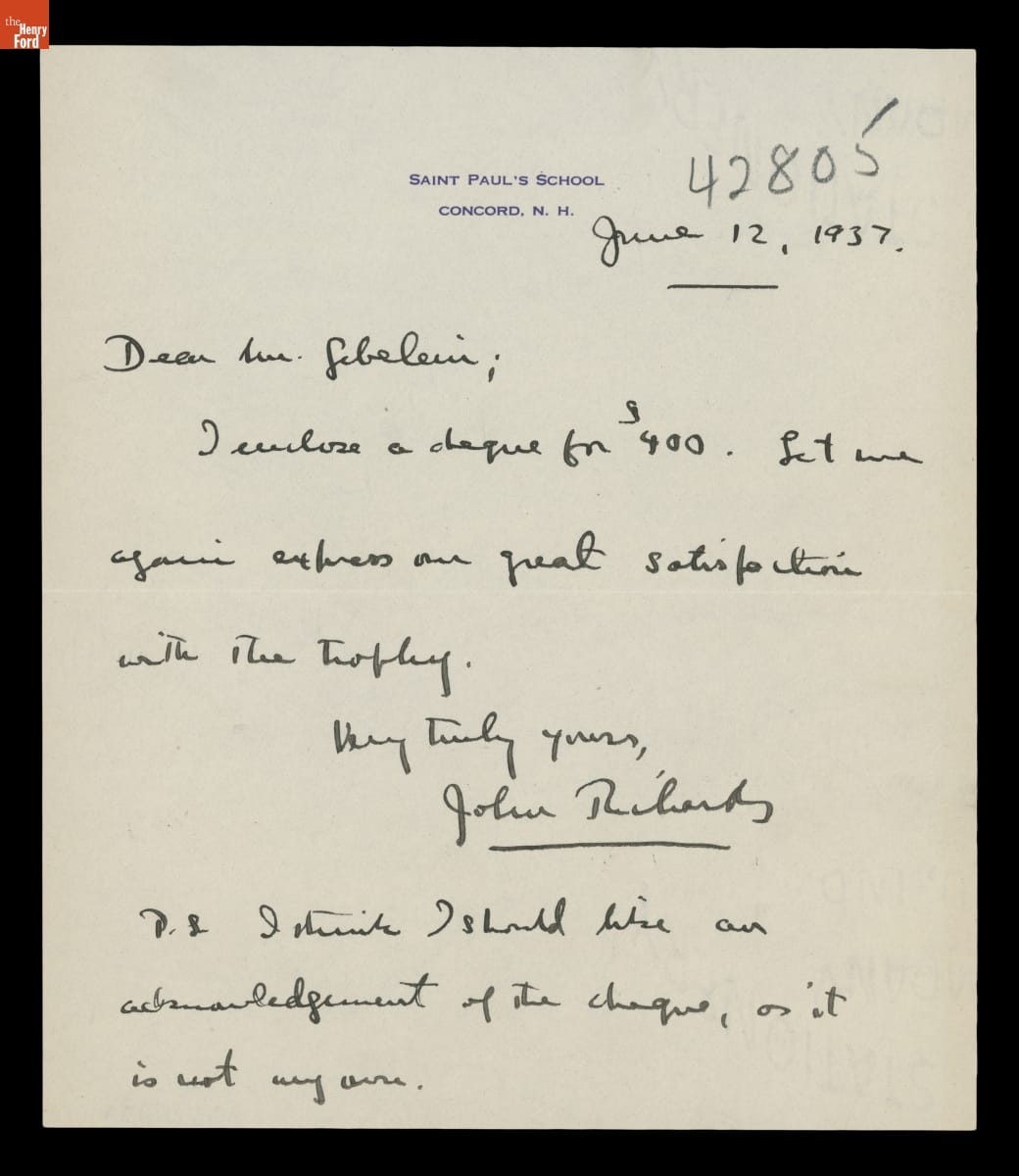
Letter from John Richards to George C. Gebelein, June 12, 1937
George Gebelein, a silversmith from Boston, Massachusetts, created the Scudder Memorial Trophy for St. Paul's School, a college preparatory school near Concord, New Hampshire. The rowing trophy was designed by John Wiggins, a well-known woodcarver. The school presents the trophy, first awarded in 1937, to the winner of the annual First Crew race between the school's Shattuck and Halcyon boat clubs.
- Children outside The Quarter Row at Hermitage Plantation in Greenfield Village, circa 1990 -
- circa 1990
- Collections - Artifact
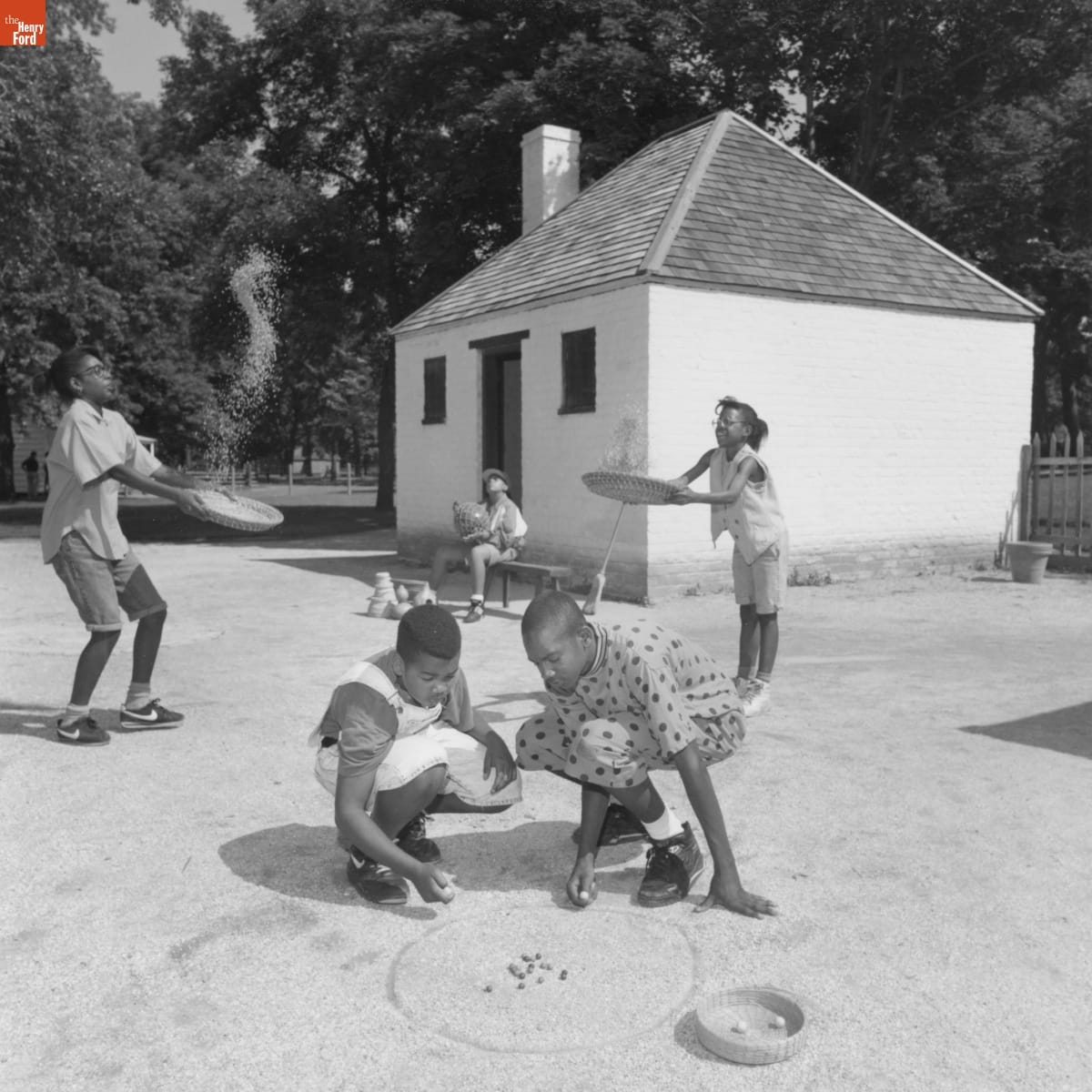
Children outside The Quarter Row at Hermitage Plantation in Greenfield Village, circa 1990
- The Quarter Row at Hermitage Plantation in Greenfield Village, September 2007 - In 1850, two hundred enslaved African American workers cultivated rice and manufactured bricks, rice barrels, cast iron products, and lumber on the Hermitage Plantation owned by Henry McAlpin, located north of Savannah, Georgia. The enslaved workers built and lived in 50 brick quarters. Two of the original buildings were moved to Greenfield Village in 1934--this image shows one building's interior in 2007.
- September 01, 2007
- Collections - Artifact
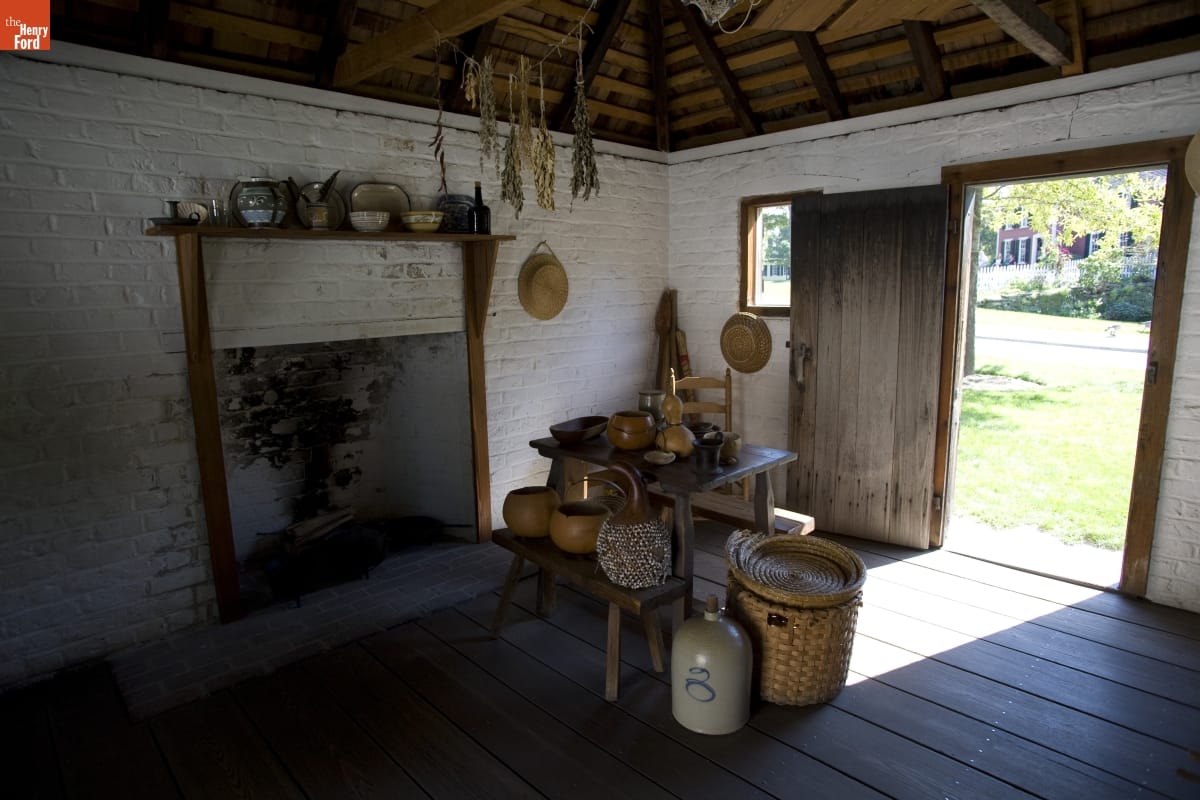
The Quarter Row at Hermitage Plantation in Greenfield Village, September 2007
In 1850, two hundred enslaved African American workers cultivated rice and manufactured bricks, rice barrels, cast iron products, and lumber on the Hermitage Plantation owned by Henry McAlpin, located north of Savannah, Georgia. The enslaved workers built and lived in 50 brick quarters. Two of the original buildings were moved to Greenfield Village in 1934--this image shows one building's interior in 2007.
- The Quarter Row at Hermitage Plantation in Greenfield Village, September 2007 - In 1850, two hundred enslaved African American workers cultivated rice and manufactured bricks, rice barrels, cast iron products, and lumber on the Hermitage Plantation owned by Henry McAlpin, located north of Savannah, Georgia. The enslaved workers built and lived in 50 brick quarters. Two of the original buildings were moved to Greenfield Village in 1934--this image shows one building's interior in 2007.
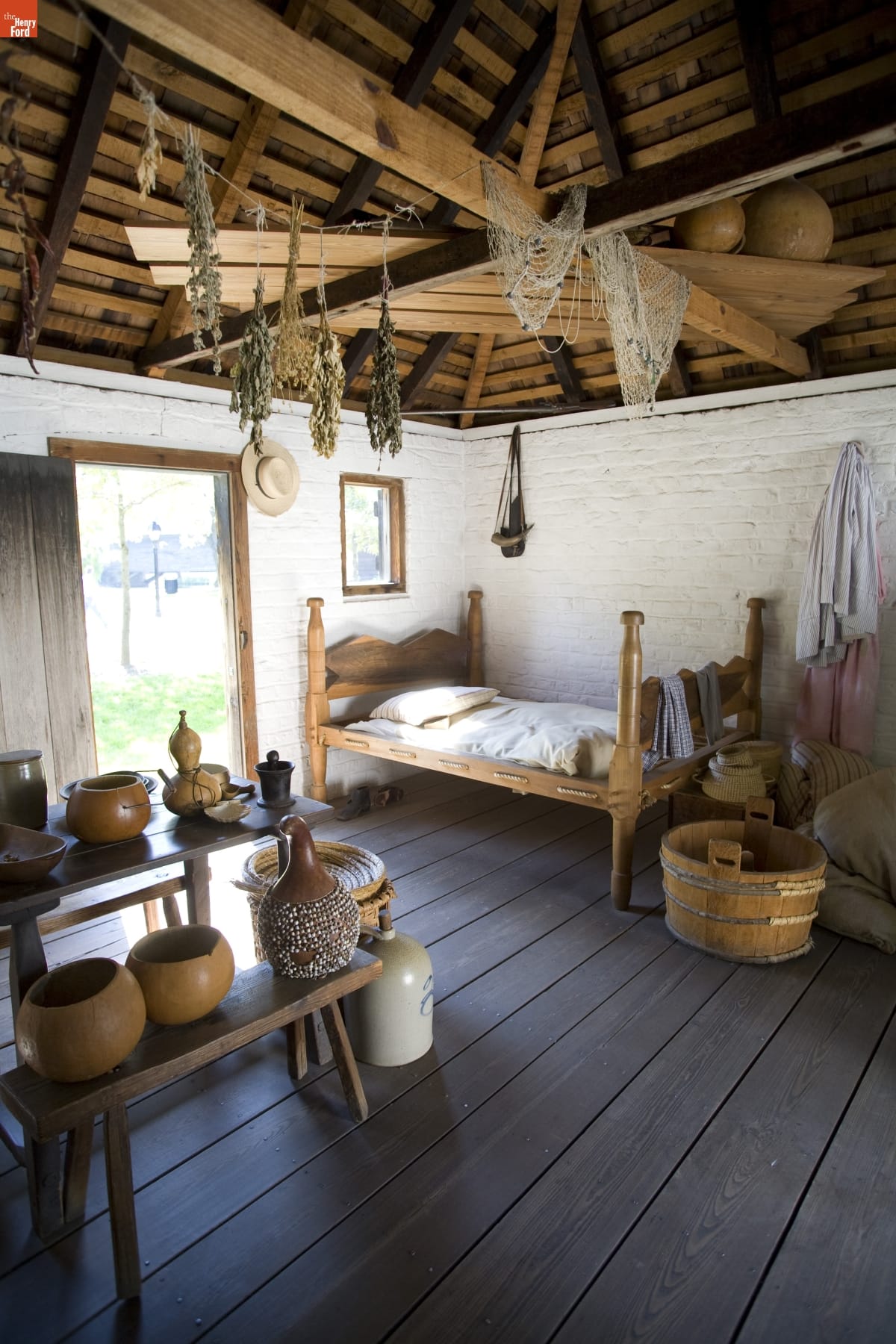
- September 01, 2007
- Collections - Artifact
The Quarter Row at Hermitage Plantation in Greenfield Village, September 2007
In 1850, two hundred enslaved African American workers cultivated rice and manufactured bricks, rice barrels, cast iron products, and lumber on the Hermitage Plantation owned by Henry McAlpin, located north of Savannah, Georgia. The enslaved workers built and lived in 50 brick quarters. Two of the original buildings were moved to Greenfield Village in 1934--this image shows one building's interior in 2007.
- The Quarter Row at Hermitage Plantation in Greenfield Village, September 2007 - Enslaved African Americans built and lived in these brick quarters on the Hermitage Plantation, located just north of the city of Savannah in a rice-growing region. Owned by Henry McAlpin, in 1850 this prosperous plantation had 200 enslaved workers who lived in about 50 similar buildings. These enslaved workers cultivated rice, and manufactured bricks, rice barrels, cast iron products, and lumber.
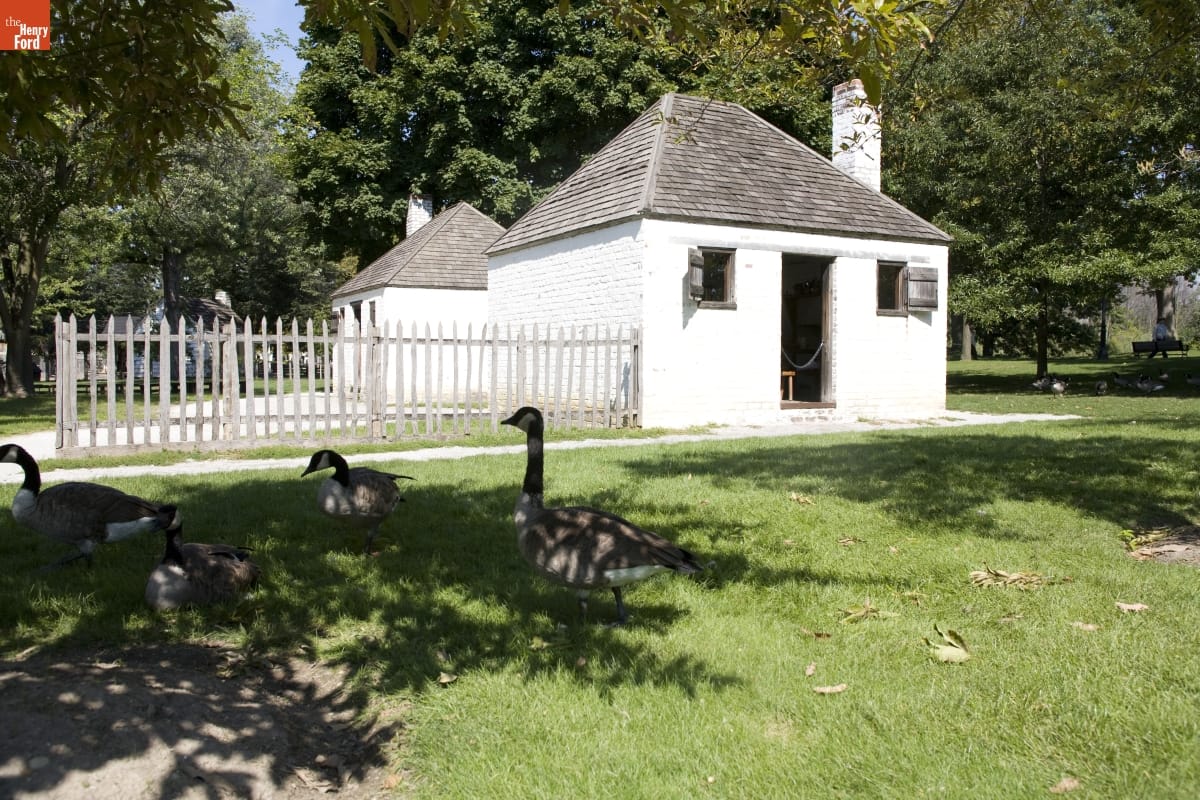
- September 01, 2007
- Collections - Artifact
The Quarter Row at Hermitage Plantation in Greenfield Village, September 2007
Enslaved African Americans built and lived in these brick quarters on the Hermitage Plantation, located just north of the city of Savannah in a rice-growing region. Owned by Henry McAlpin, in 1850 this prosperous plantation had 200 enslaved workers who lived in about 50 similar buildings. These enslaved workers cultivated rice, and manufactured bricks, rice barrels, cast iron products, and lumber.