
Search
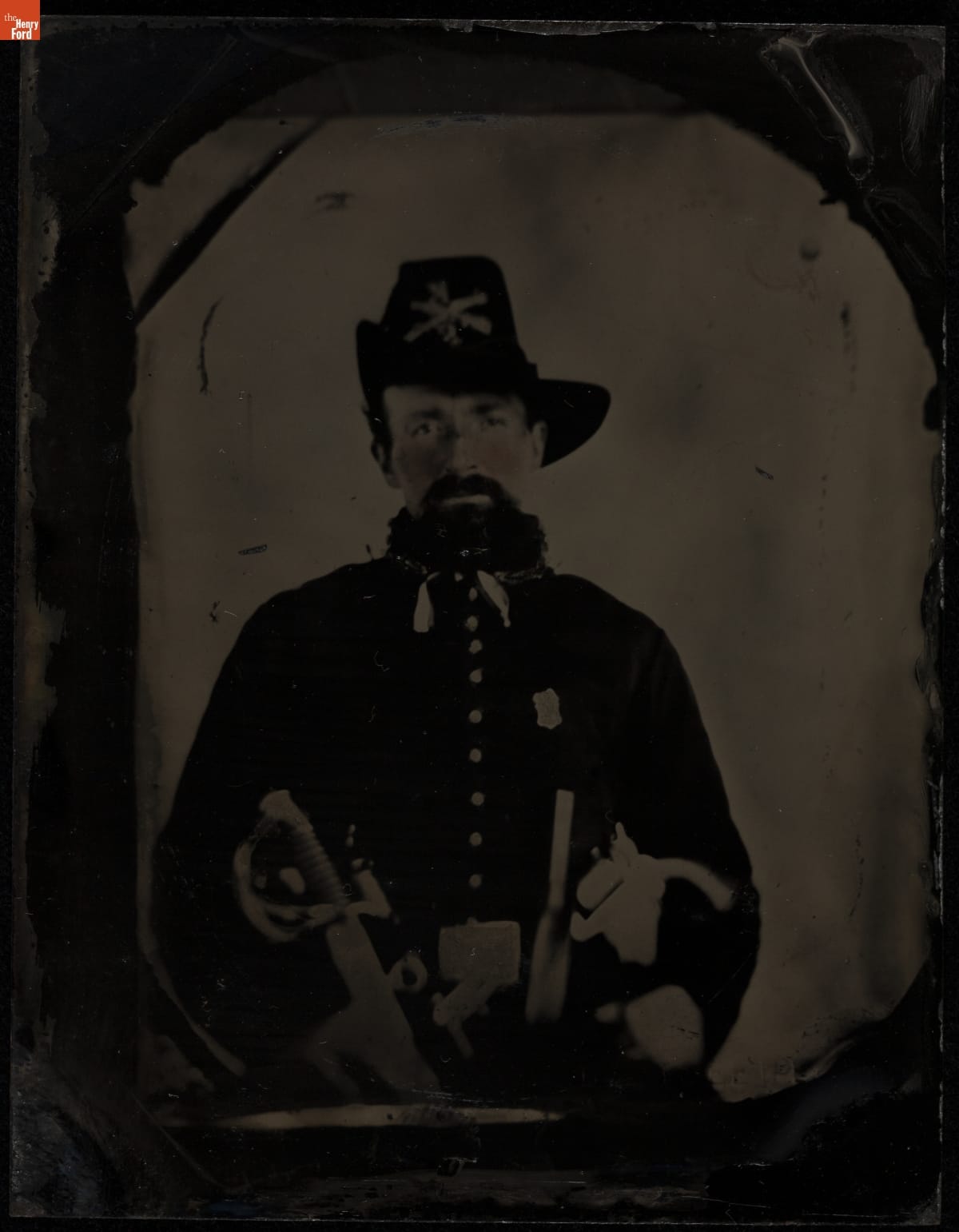
- Soldier in a Hardee Hat with Crossed Sabers, circa 1865 - Tintypes, the popular "instant photographs" of the 19th century, could be produced in a matter of minutes at a price most people could afford. Tintypes democratized photography. Beginning in the mid-1850s, they gave more people than ever before the chance to have a real likeness of themselves--capturing unique glimpses of how everyday Americans looked and lived.
- circa 1865
- Collections - Artifact
Soldier in a Hardee Hat with Crossed Sabers, circa 1865
Tintypes, the popular "instant photographs" of the 19th century, could be produced in a matter of minutes at a price most people could afford. Tintypes democratized photography. Beginning in the mid-1850s, they gave more people than ever before the chance to have a real likeness of themselves--capturing unique glimpses of how everyday Americans looked and lived.
- Lithograph, "George Washington," 1864-1865 -
- 1864-1865
- Collections - Artifact
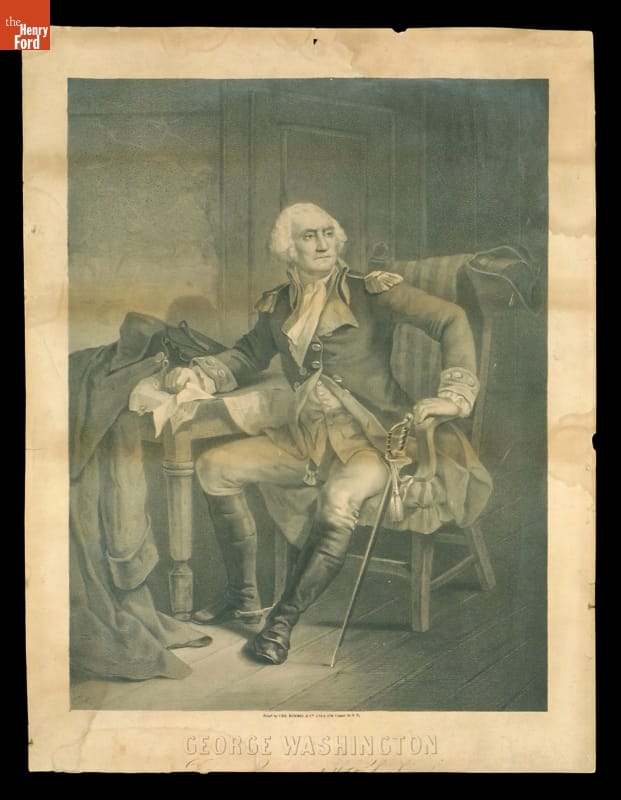
Lithograph, "George Washington," 1864-1865
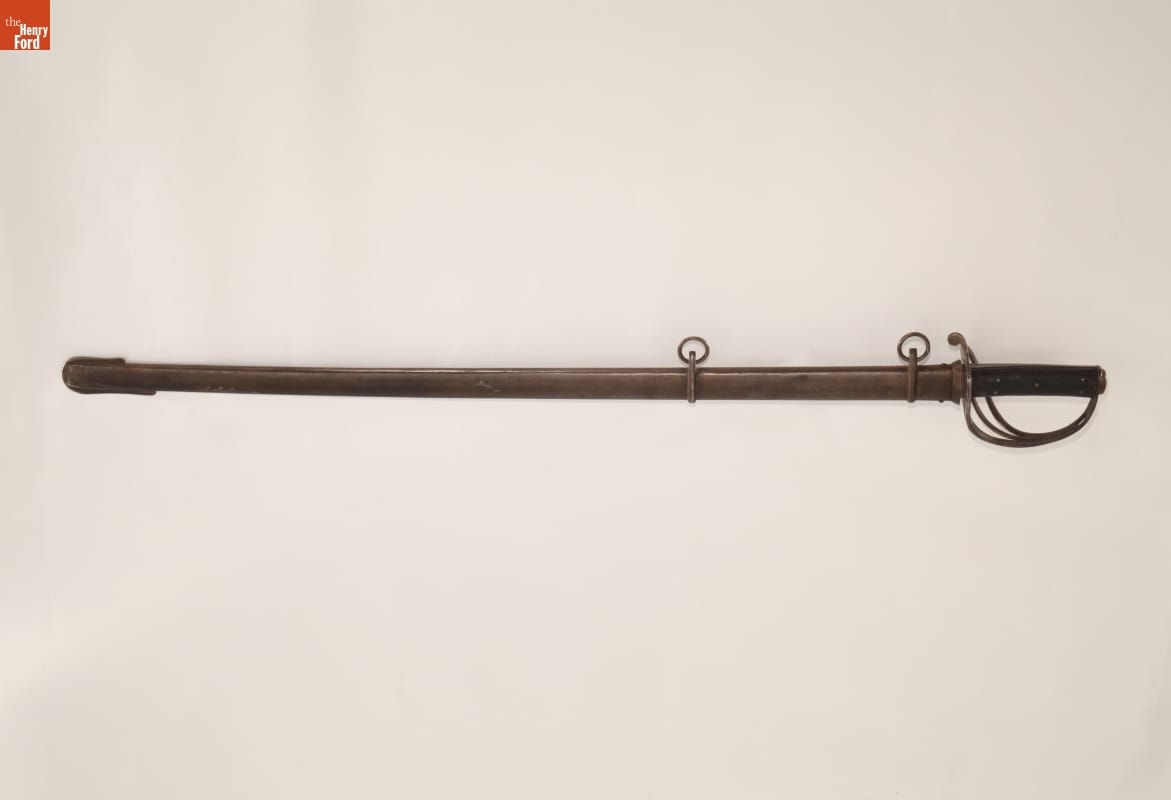
- Cavalry Saber with Scabbard, 1861-1865 - During the Civil War, Courtney and Tennant of Charleston, South Carolina, imported equipment for the Confederate Navy, including uniform buttons, officer's swords, and naval cutlasses. They also supplied the Confederacy with imported cavalry sabers like this one. But, as the Union blockade of Southern ports became increasingly effective, Southerners found it much more difficult to import crucial equipment from overseas.
- 1861-1865
- Collections - Artifact
Cavalry Saber with Scabbard, 1861-1865
During the Civil War, Courtney and Tennant of Charleston, South Carolina, imported equipment for the Confederate Navy, including uniform buttons, officer's swords, and naval cutlasses. They also supplied the Confederacy with imported cavalry sabers like this one. But, as the Union blockade of Southern ports became increasingly effective, Southerners found it much more difficult to import crucial equipment from overseas.
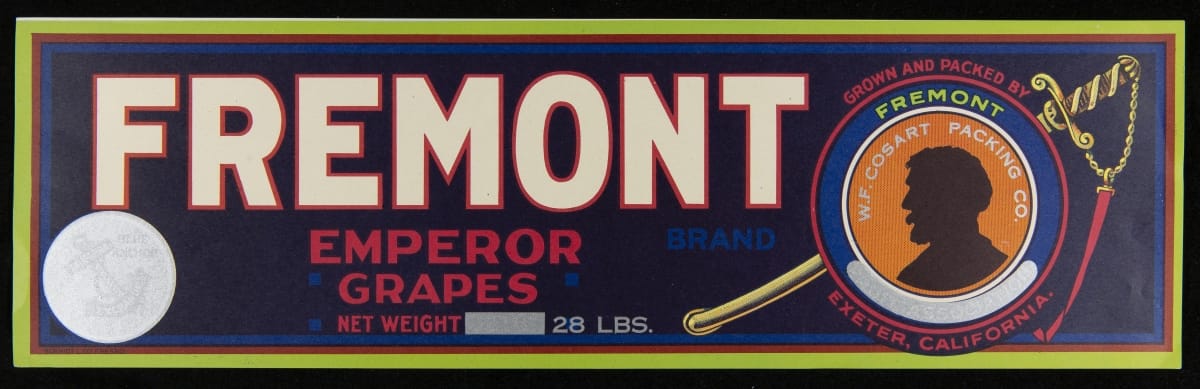
- Crate Label, "Fremont Brand Emperor Grapes," circa 1940 - In 1869, the transcontinental railroad opened eastern markets to the West Coast produce industry for the first time. As produce companies shipped crates of fruits and vegetables across the country, they needed a way to distinguish their goods from their competitors'. Colorful, eye-catching labels, like this one for Freemont Brand Emperor Grapes, were created to attract grocers purchasing goods from wholesale markets.
- circa 1940
- Collections - Artifact
Crate Label, "Fremont Brand Emperor Grapes," circa 1940
In 1869, the transcontinental railroad opened eastern markets to the West Coast produce industry for the first time. As produce companies shipped crates of fruits and vegetables across the country, they needed a way to distinguish their goods from their competitors'. Colorful, eye-catching labels, like this one for Freemont Brand Emperor Grapes, were created to attract grocers purchasing goods from wholesale markets.
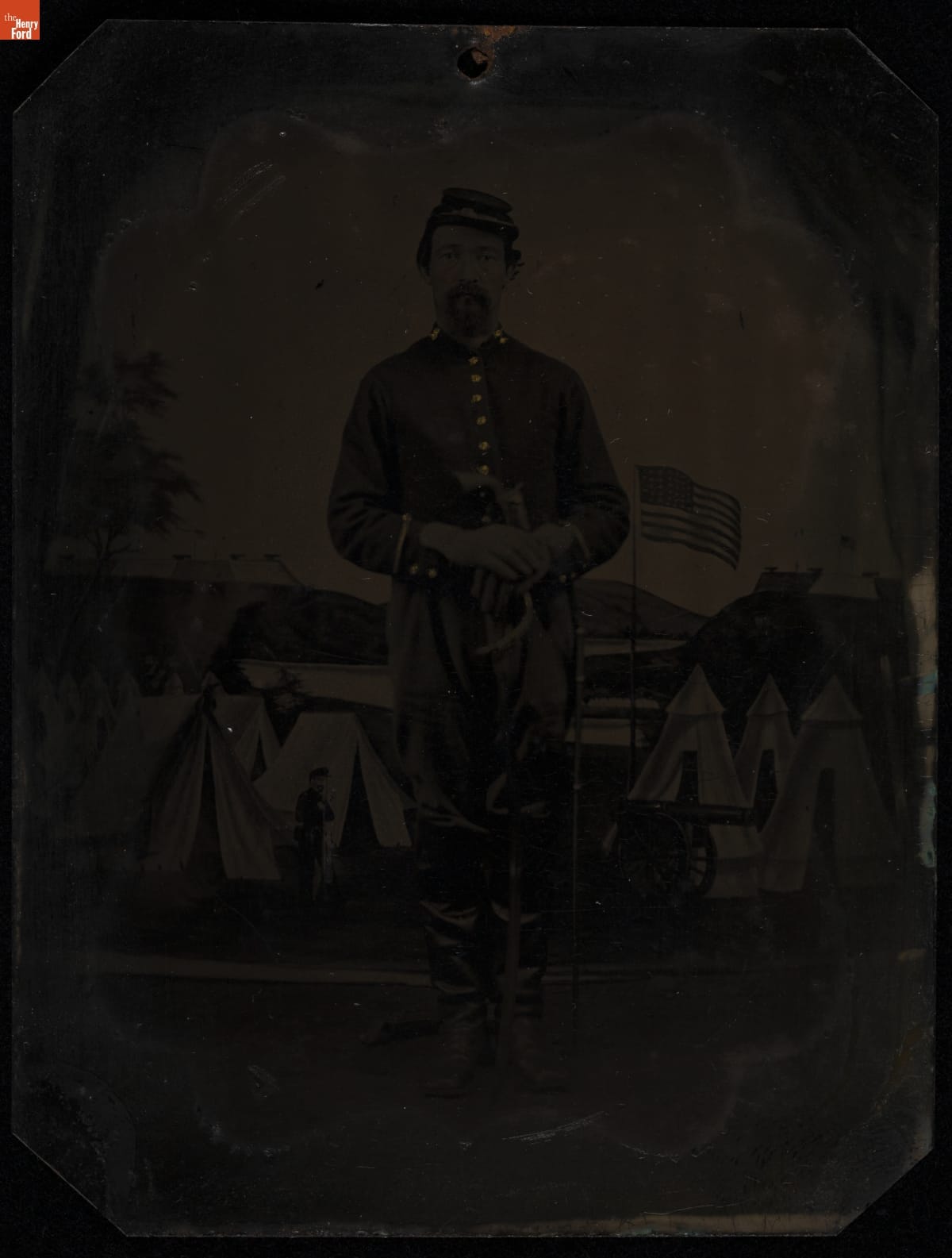
- Cavalryman with a Painted Backdrop of a Military Camp, 1860-1869 - Tintypes, the popular "instant photographs" of the 19th century, could be produced in a matter of minutes at a price most people could afford. Tintypes democratized photography. Beginning in the mid-1850s, they gave more people than ever before the chance to have a real likeness of themselves--capturing unique glimpses of how everyday Americans looked and lived.
- 1860-1869
- Collections - Artifact
Cavalryman with a Painted Backdrop of a Military Camp, 1860-1869
Tintypes, the popular "instant photographs" of the 19th century, could be produced in a matter of minutes at a price most people could afford. Tintypes democratized photography. Beginning in the mid-1850s, they gave more people than ever before the chance to have a real likeness of themselves--capturing unique glimpses of how everyday Americans looked and lived.
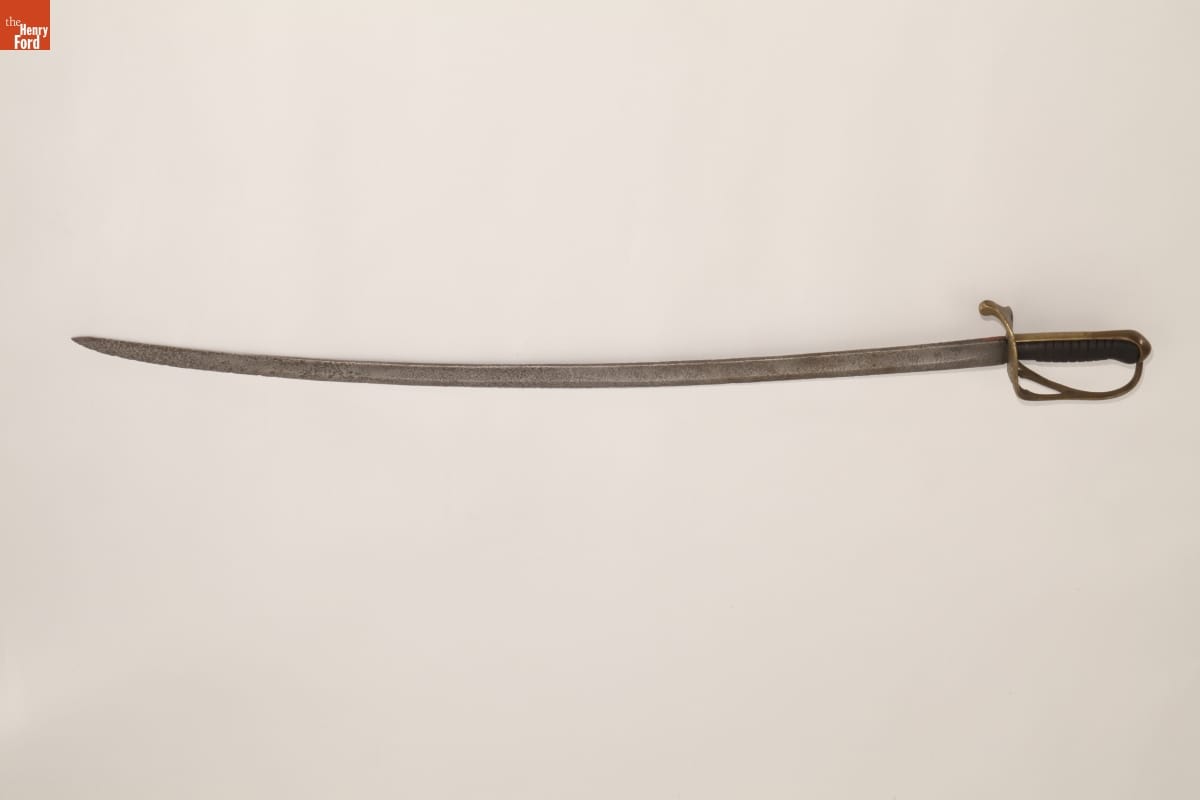
- Confederate Saber, 1861-1862 - Before the Civil War, the Nashville Plow Works made farm implements. After the war began, the company - quite ironically - "turned plowshares into swords." The weapons-making activities of the Nashville Plow Works were short-lived, however. In March 1862, Confederate Nashville fell to Federal control. The firm's owners were arrested and charged with treason against the United States government.
- 1861-1862
- Collections - Artifact
Confederate Saber, 1861-1862
Before the Civil War, the Nashville Plow Works made farm implements. After the war began, the company - quite ironically - "turned plowshares into swords." The weapons-making activities of the Nashville Plow Works were short-lived, however. In March 1862, Confederate Nashville fell to Federal control. The firm's owners were arrested and charged with treason against the United States government.