
Search
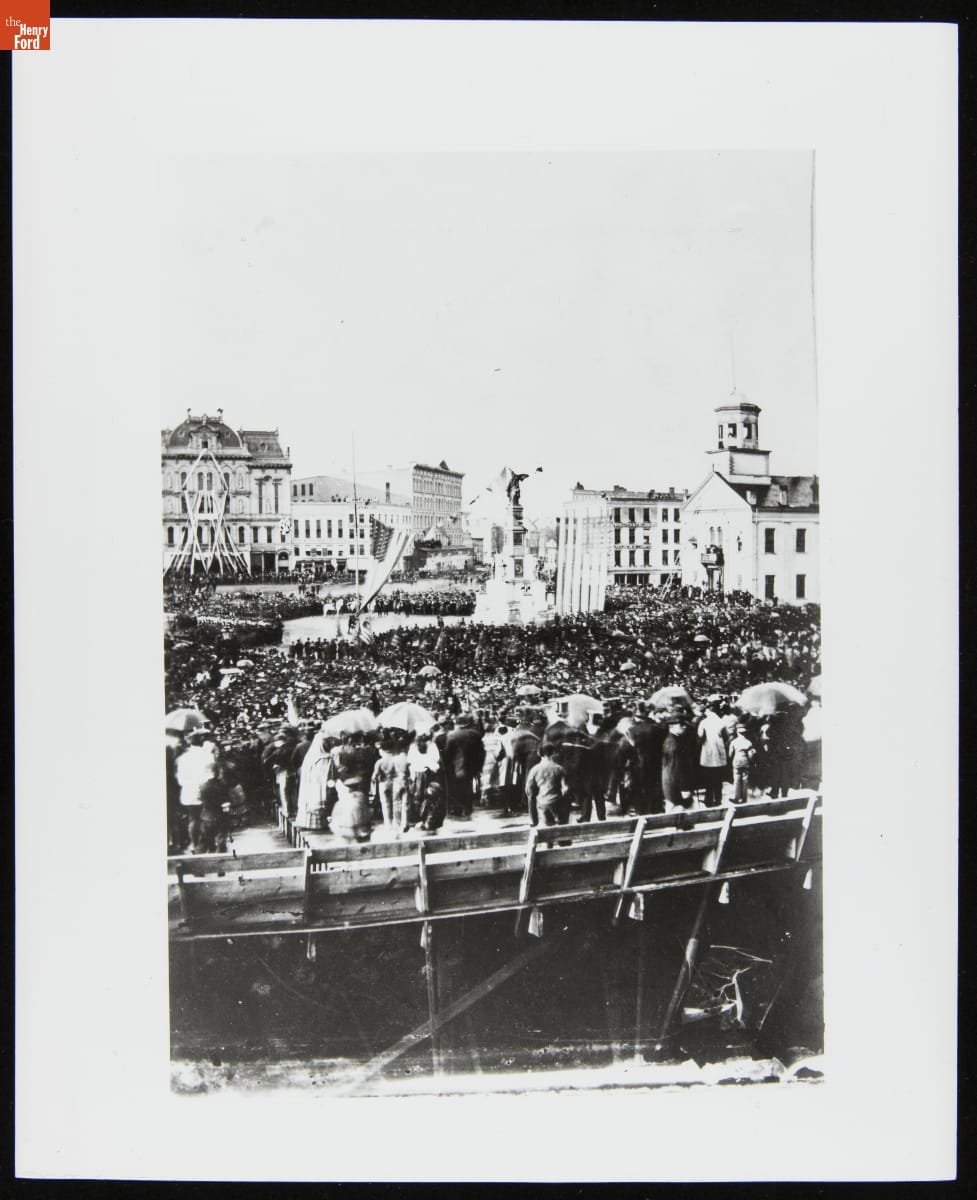
- Unveiling the Michigan Sodliers' and Sailors' Monument, Detroit, Michigan, April 9, 1872 -
- April 09, 1872
- Collections - Artifact
Unveiling the Michigan Sodliers' and Sailors' Monument, Detroit, Michigan, April 9, 1872
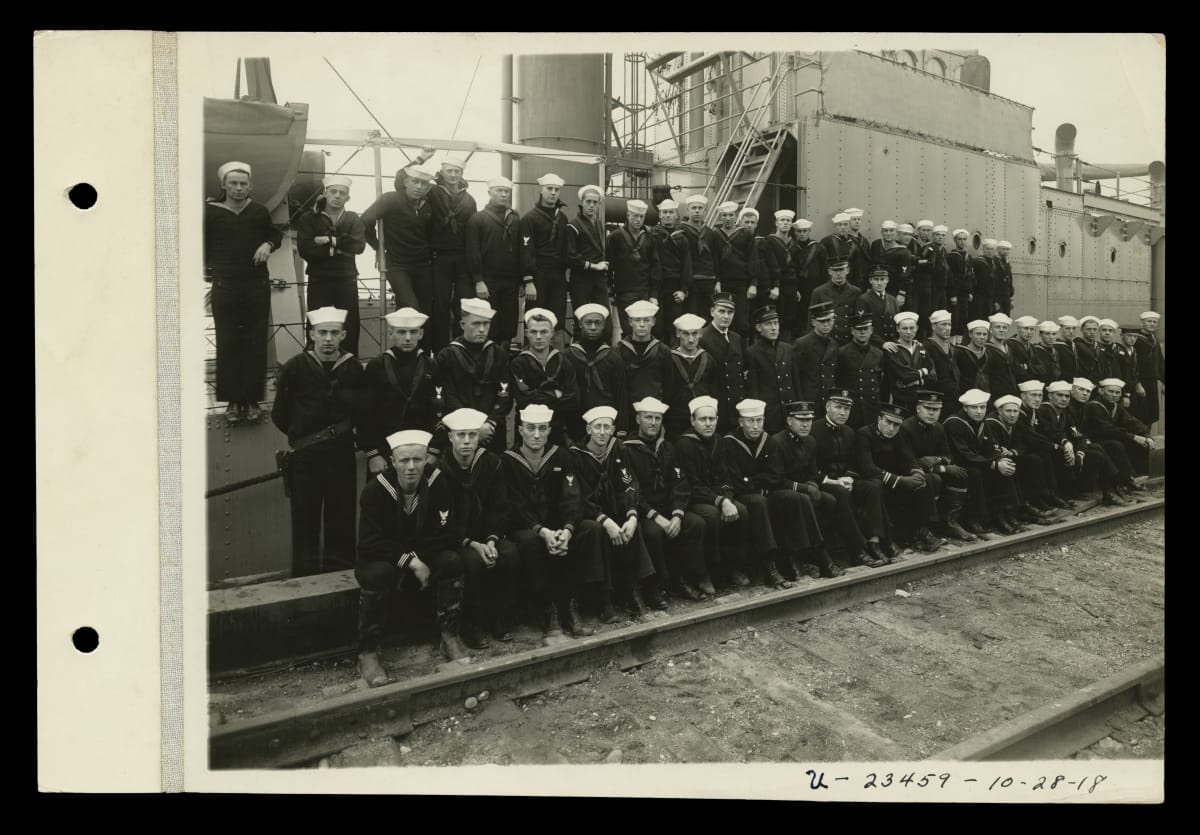
- Crew of World War I Eagle Boat, 1918 - To combat German submarine attacks on U.S. cargo ships during World War I, Henry Ford suggested the mass production of submarine chasers. Ford Motor Company accepted a government contract to build these "Eagle Boats" and began production at its partially developed industrial complex along the Rouge River in 1918. By late 1919, Ford had completed 60 Eagle Boats for the U.S. Navy.
- 1918
- Collections - Artifact
Crew of World War I Eagle Boat, 1918
To combat German submarine attacks on U.S. cargo ships during World War I, Henry Ford suggested the mass production of submarine chasers. Ford Motor Company accepted a government contract to build these "Eagle Boats" and began production at its partially developed industrial complex along the Rouge River in 1918. By late 1919, Ford had completed 60 Eagle Boats for the U.S. Navy.
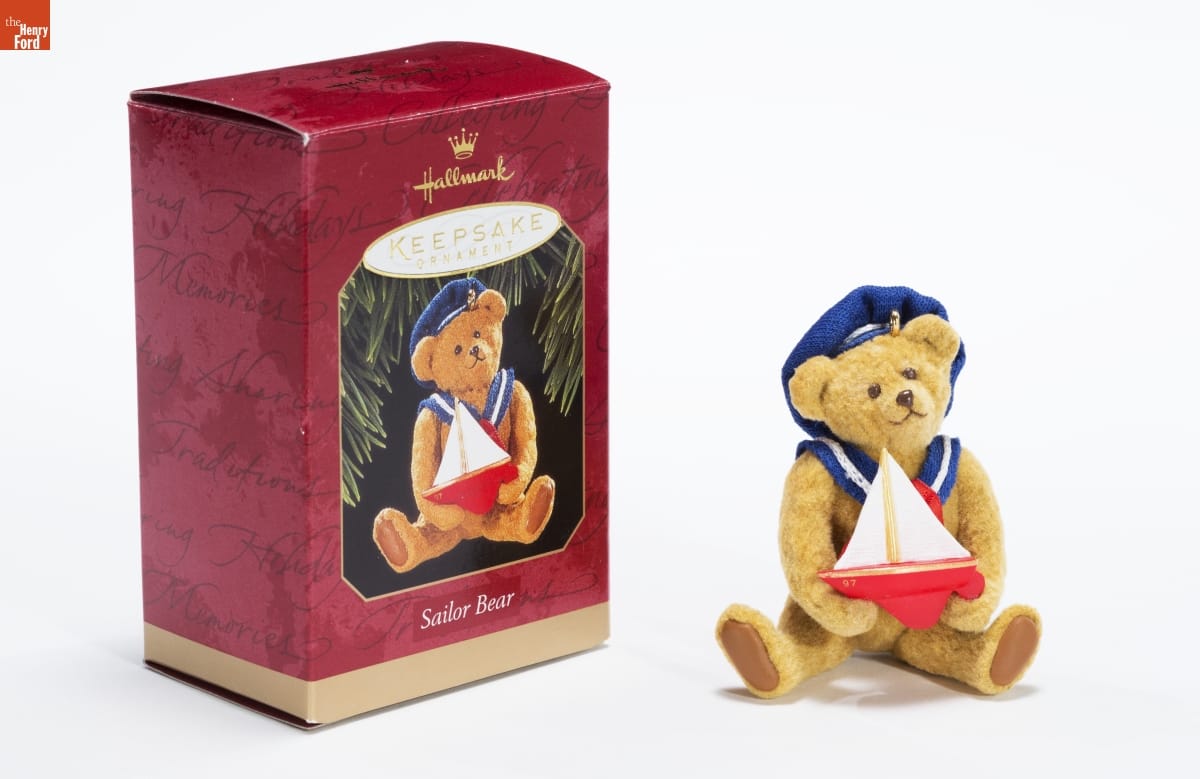
- Hallmark "Sailor Bear" Christmas Ornament, 1997 - Already known for greeting cards, Hallmark introduced a line of Christmas ornaments in 1973. The company's annual release of an increasing array of ornaments revolutionized Christmas decorating, appealing to customers' interest in marking memories and milestones as well as expressing one's personality and unique tastes.
- 1997
- Collections - Artifact
Hallmark "Sailor Bear" Christmas Ornament, 1997
Already known for greeting cards, Hallmark introduced a line of Christmas ornaments in 1973. The company's annual release of an increasing array of ornaments revolutionized Christmas decorating, appealing to customers' interest in marking memories and milestones as well as expressing one's personality and unique tastes.
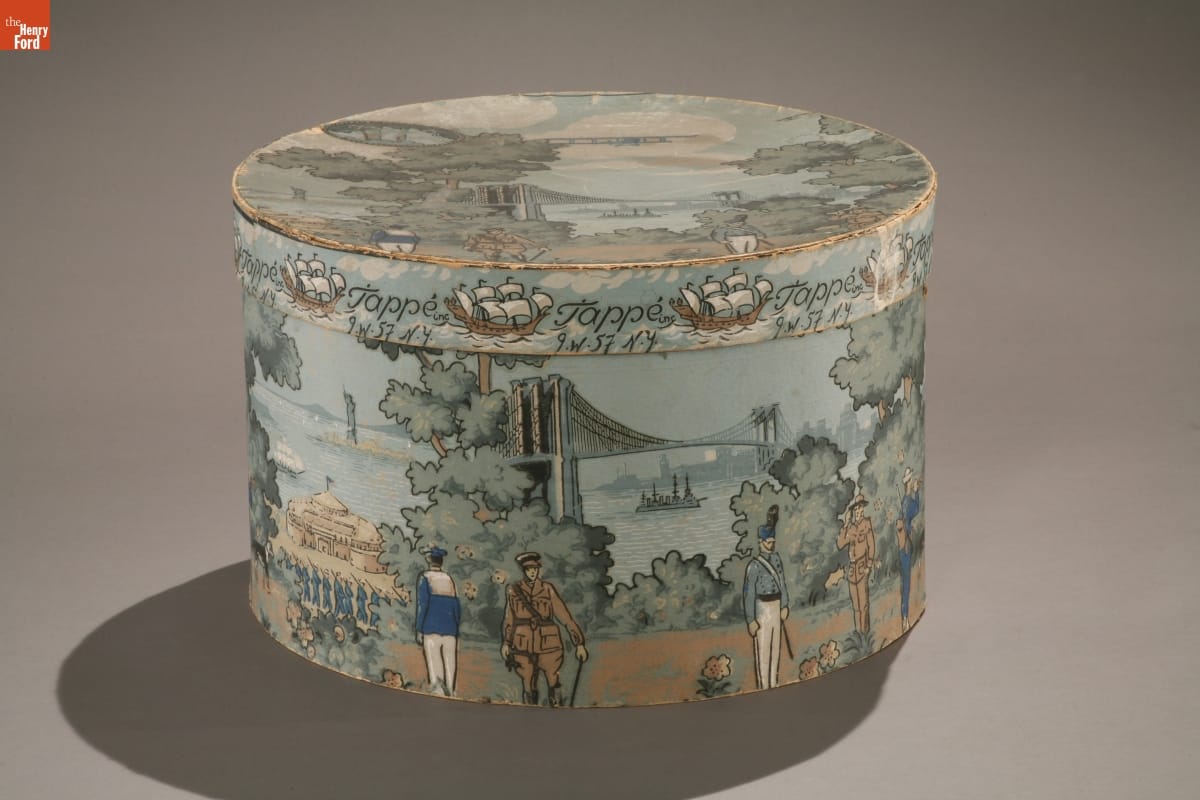
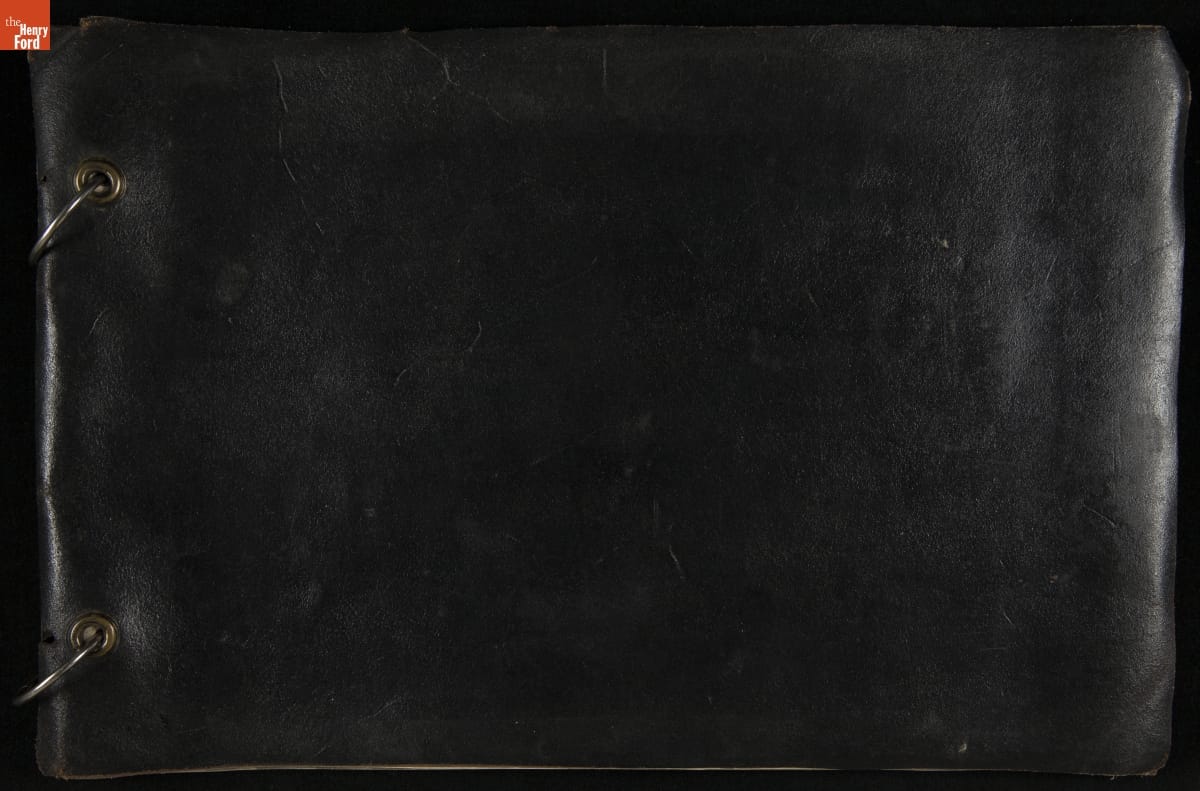
- Hatbox, 1917-1920 -
- 1917-1920
- Collections - Artifact
Hatbox, 1917-1920
- Tattoo Flash Portfolio, circa 1918 - Tattoos communicate stories. Their content ranges from deeply personal and traditional--to regrettable and frivolous. In the early 1900s, "Professor" Waters apprenticed as a tattoo artist in carnivals and New York's Bowery District. He ran a successful supply shop in Detroit (1918-1939), patenting the standard "two-coil" tattoo machine in 1929. Designs from his flash sheets continue to inspire tattooists today.
- circa 1918
- Collections - Artifact
Tattoo Flash Portfolio, circa 1918
Tattoos communicate stories. Their content ranges from deeply personal and traditional--to regrettable and frivolous. In the early 1900s, "Professor" Waters apprenticed as a tattoo artist in carnivals and New York's Bowery District. He ran a successful supply shop in Detroit (1918-1939), patenting the standard "two-coil" tattoo machine in 1929. Designs from his flash sheets continue to inspire tattooists today.
- Tattoo Flash, circa 1925 - Tattoos communicate stories. Their content ranges from deeply personal and traditional--to regrettable and frivolous. In the early 1900s, "Professor" Waters apprenticed as a tattoo artist in carnivals and New York's Bowery District. He ran a successful supply shop in Detroit (1918-1939), patenting the standard "two-coil" tattoo machine in 1929. Designs from his flash sheets continue to inspire tattooists today.
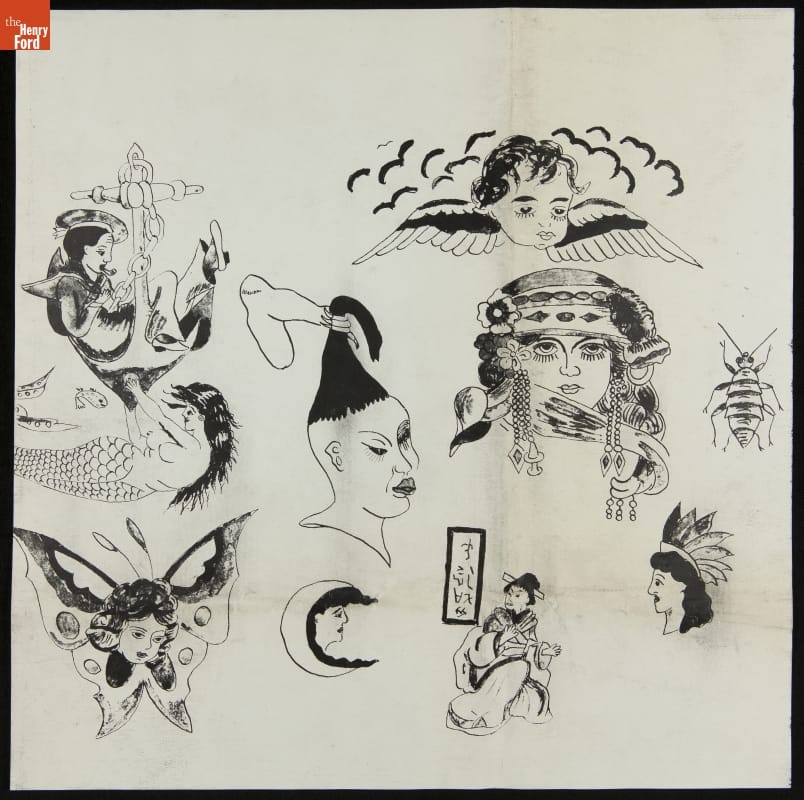
- circa 1925
- Collections - Artifact
Tattoo Flash, circa 1925
Tattoos communicate stories. Their content ranges from deeply personal and traditional--to regrettable and frivolous. In the early 1900s, "Professor" Waters apprenticed as a tattoo artist in carnivals and New York's Bowery District. He ran a successful supply shop in Detroit (1918-1939), patenting the standard "two-coil" tattoo machine in 1929. Designs from his flash sheets continue to inspire tattooists today.
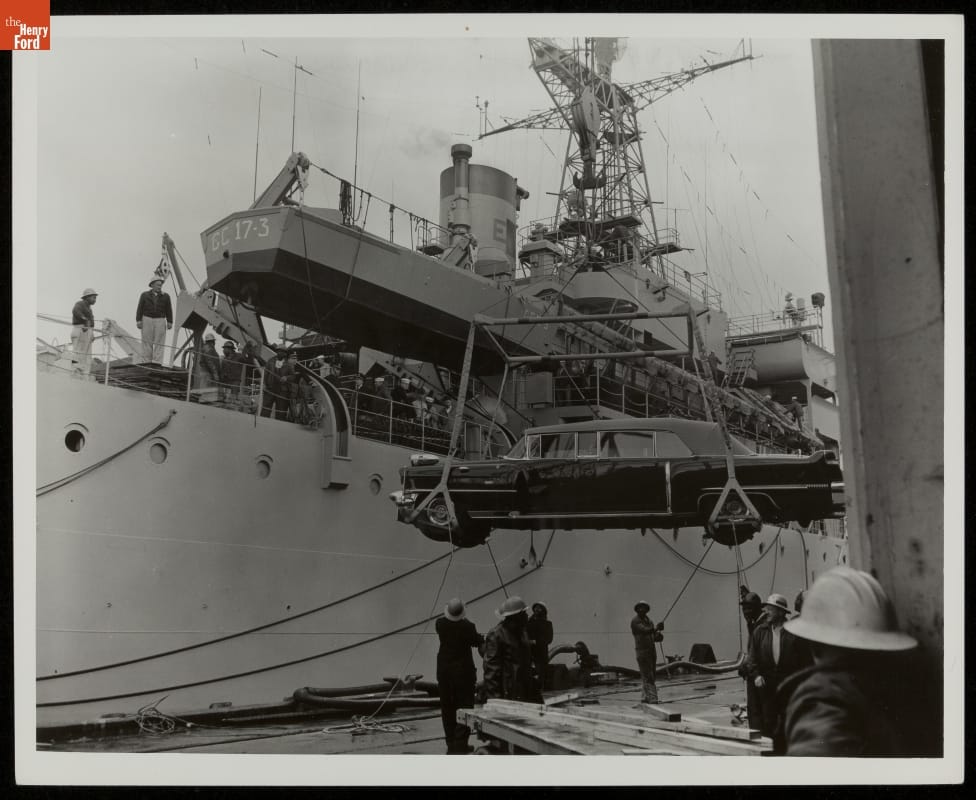
- Loading the 1956 Cadillac Presidential Automobile onto USS Taconic, March 1957 - When the President travels abroad, United States Secret Service agents ensure that state cars arrive ahead of him. In this photograph, USS <EM>Taconic</EM> takes on President Dwight D. Eisenhower's Cadillac for a visit in Bermuda with British Prime Minister Harold MacMillan. The Secret Service began using transport aircraft to carry presidential vehicles a few years later.
- March 01, 1957
- Collections - Artifact
Loading the 1956 Cadillac Presidential Automobile onto USS Taconic, March 1957
When the President travels abroad, United States Secret Service agents ensure that state cars arrive ahead of him. In this photograph, USS Taconic takes on President Dwight D. Eisenhower's Cadillac for a visit in Bermuda with British Prime Minister Harold MacMillan. The Secret Service began using transport aircraft to carry presidential vehicles a few years later.
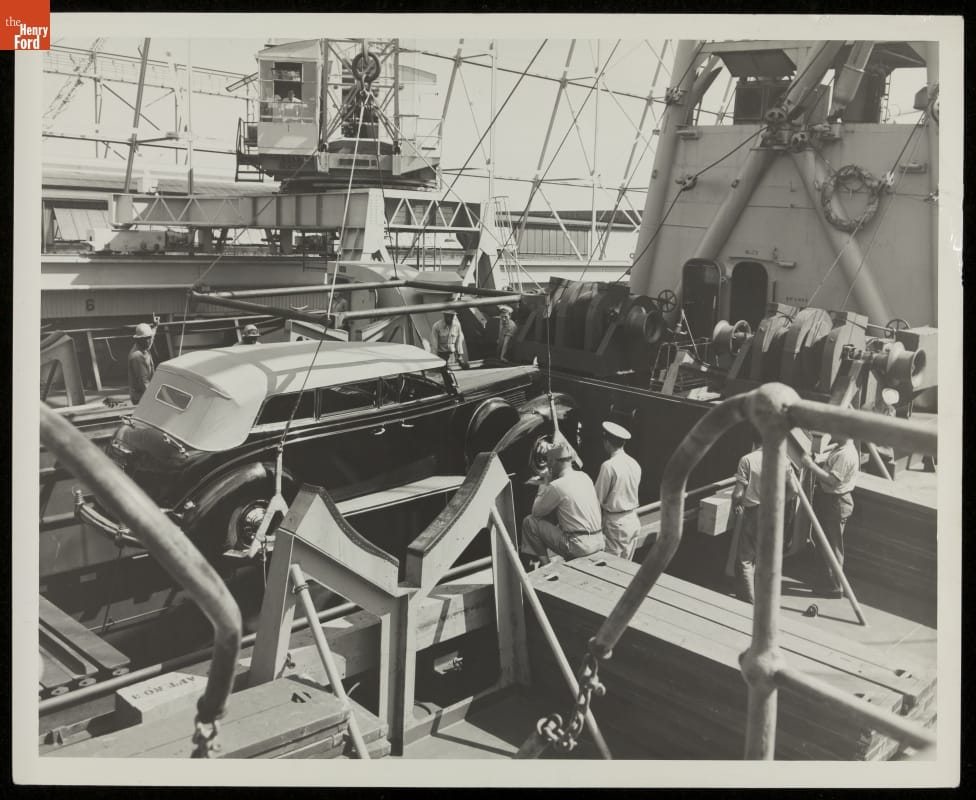
- 1939 Lincoln Presidential Automobile "Sunshine Special" aboard Military Transport Ship, September 1947 - When the President travels abroad, United States Secret Service agents ensure that state cars arrive ahead of him. This military transport ship carried the "Sunshine Special" limousine overseas for one of President Harry S. Truman's international visits in 1947. Around 1960, the Secret Service began using transport aircraft to carry presidential vehicles.
- September 22, 1947
- Collections - Artifact
1939 Lincoln Presidential Automobile "Sunshine Special" aboard Military Transport Ship, September 1947
When the President travels abroad, United States Secret Service agents ensure that state cars arrive ahead of him. This military transport ship carried the "Sunshine Special" limousine overseas for one of President Harry S. Truman's international visits in 1947. Around 1960, the Secret Service began using transport aircraft to carry presidential vehicles.
- First National Bank Building, Detroit, Michigan -
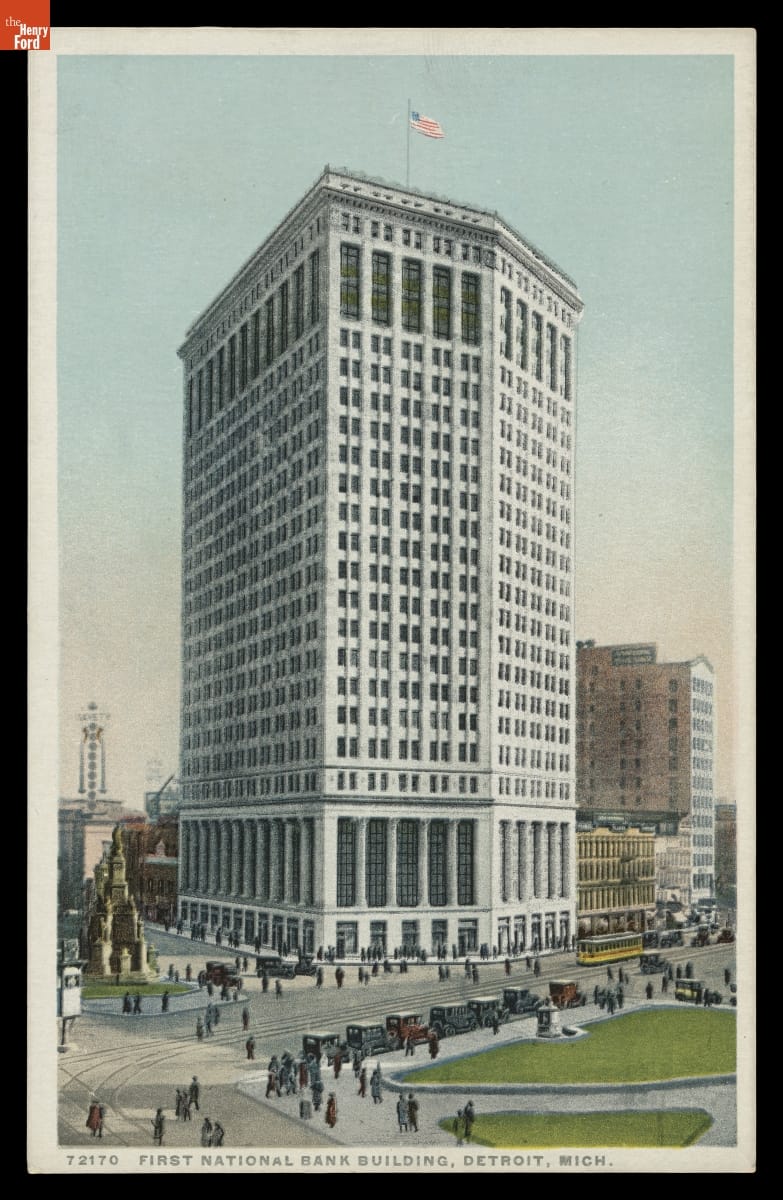
- 1922-1930
- Collections - Artifact
First National Bank Building, Detroit, Michigan
- First and Old Detroit National Bank Building, Detroit, Michigan -
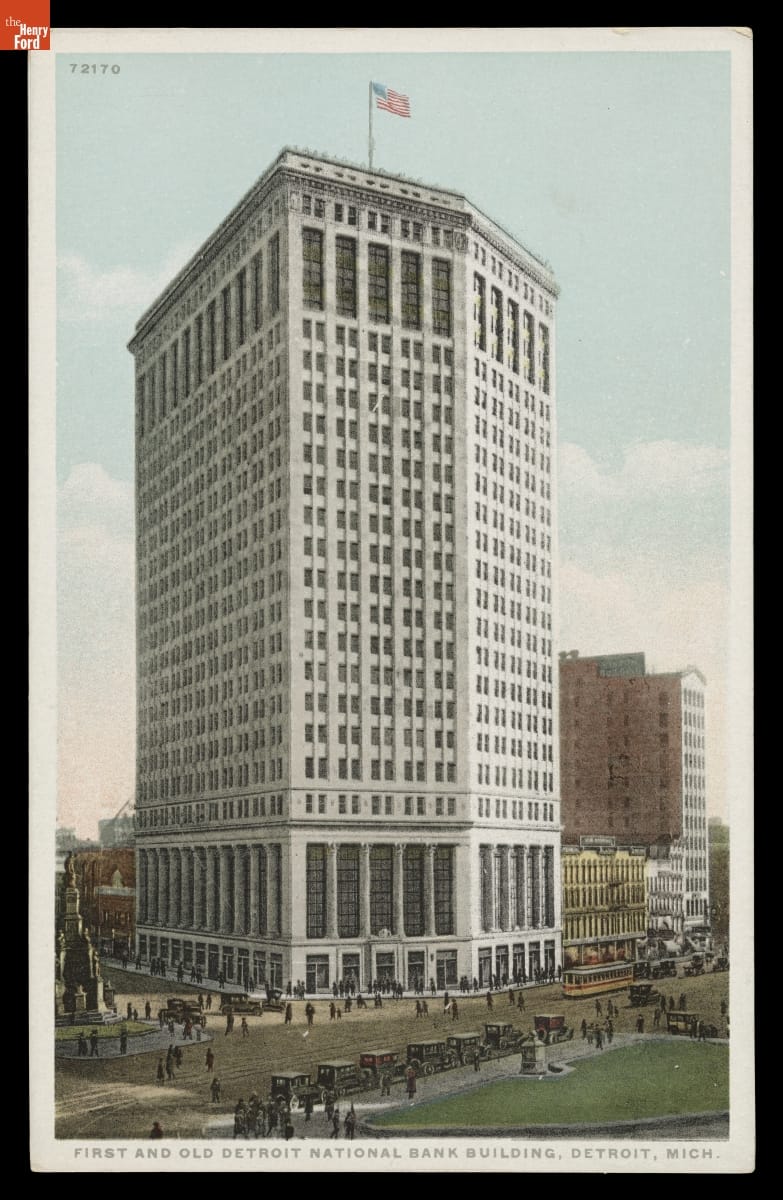
- 1922-1930
- Collections - Artifact
First and Old Detroit National Bank Building, Detroit, Michigan