
Search
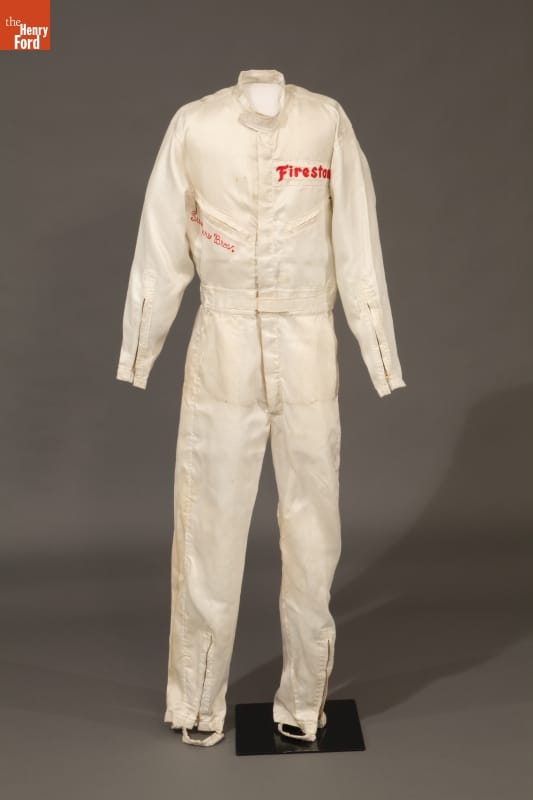
- Racing Suit Worn by Bob Summers While Winning New Land Speed Record, 1965 - Bob Summers of Ontario, California, wore this racing suit when he achieved a new wheel-driven land speed record of 409.277 miles per hour on November 12, 1965. Summers was in Goldenrod, the sleek four-engine car he built with his brother Bill. The Summers brothers' record stood until 1991.
- November 12, 1965
- Collections - Artifact
Racing Suit Worn by Bob Summers While Winning New Land Speed Record, 1965
Bob Summers of Ontario, California, wore this racing suit when he achieved a new wheel-driven land speed record of 409.277 miles per hour on November 12, 1965. Summers was in Goldenrod, the sleek four-engine car he built with his brother Bill. The Summers brothers' record stood until 1991.
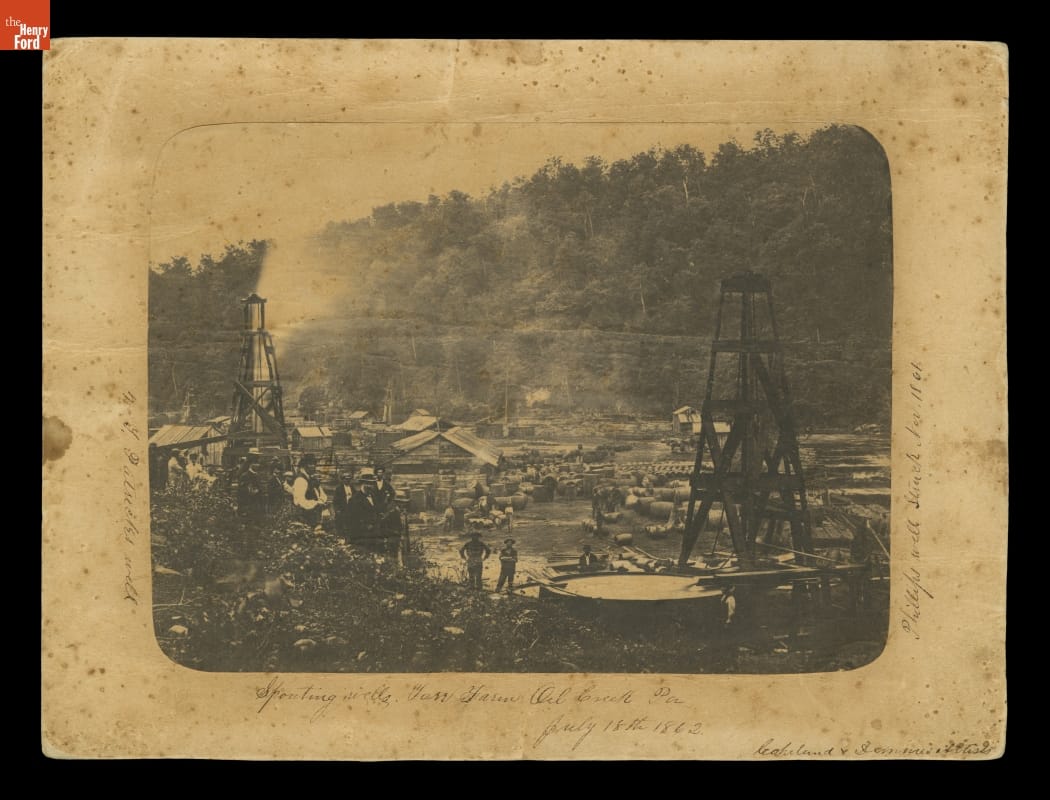
- Spouting Wells, Tarr Farm, Oil Creek, Pennsylvania, 1862 - America's first oil boom was in Pennsylvania. This is the Phillips well operation in Oil Creek, 1862.
- July 18, 1862
- Collections - Artifact
Spouting Wells, Tarr Farm, Oil Creek, Pennsylvania, 1862
America's first oil boom was in Pennsylvania. This is the Phillips well operation in Oil Creek, 1862.
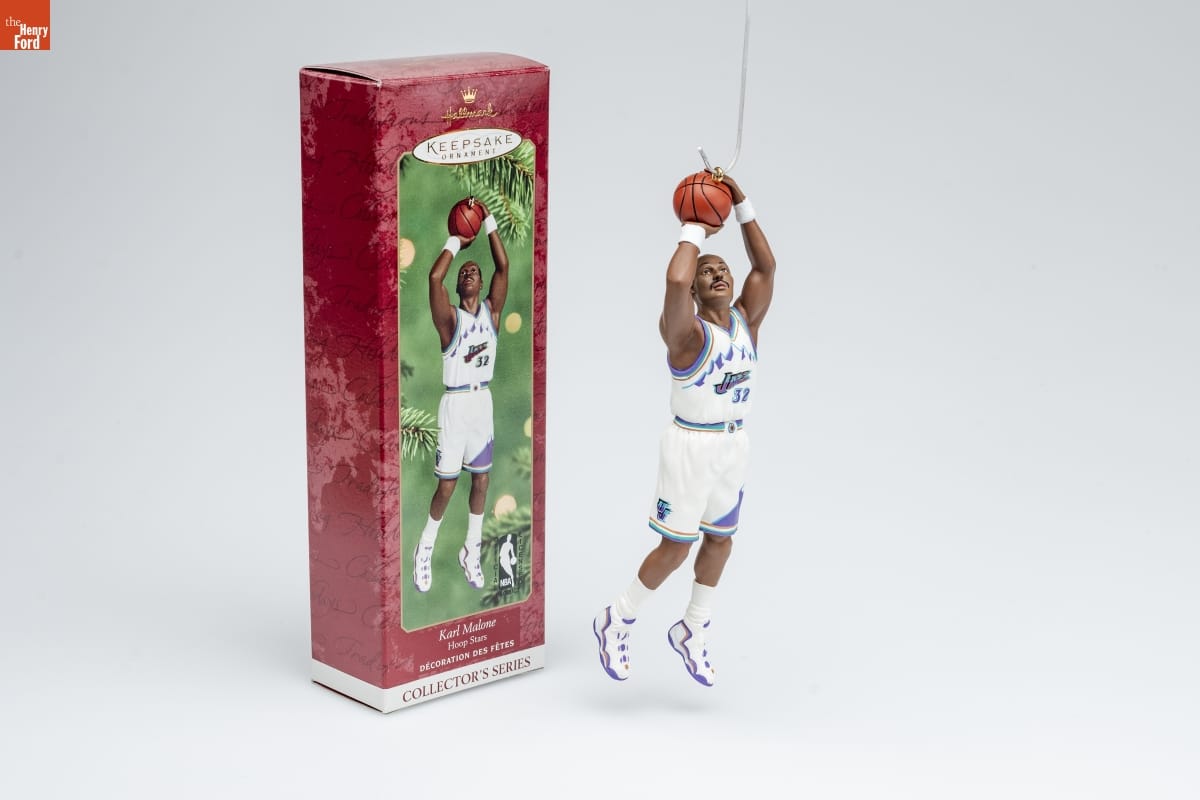
- Hallmark "Hoop Stars Series: Karl Malone" Christmas Ornament, 2000 - Already known for greeting cards, Hallmark introduced a line of Christmas ornaments in 1973. The company's annual release of an increasing array of ornaments revolutionized Christmas decorating, appealing to customers' interest in marking memories and milestones as well as expressing one's personality and unique tastes.
- 2000
- Collections - Artifact
Hallmark "Hoop Stars Series: Karl Malone" Christmas Ornament, 2000
Already known for greeting cards, Hallmark introduced a line of Christmas ornaments in 1973. The company's annual release of an increasing array of ornaments revolutionized Christmas decorating, appealing to customers' interest in marking memories and milestones as well as expressing one's personality and unique tastes.
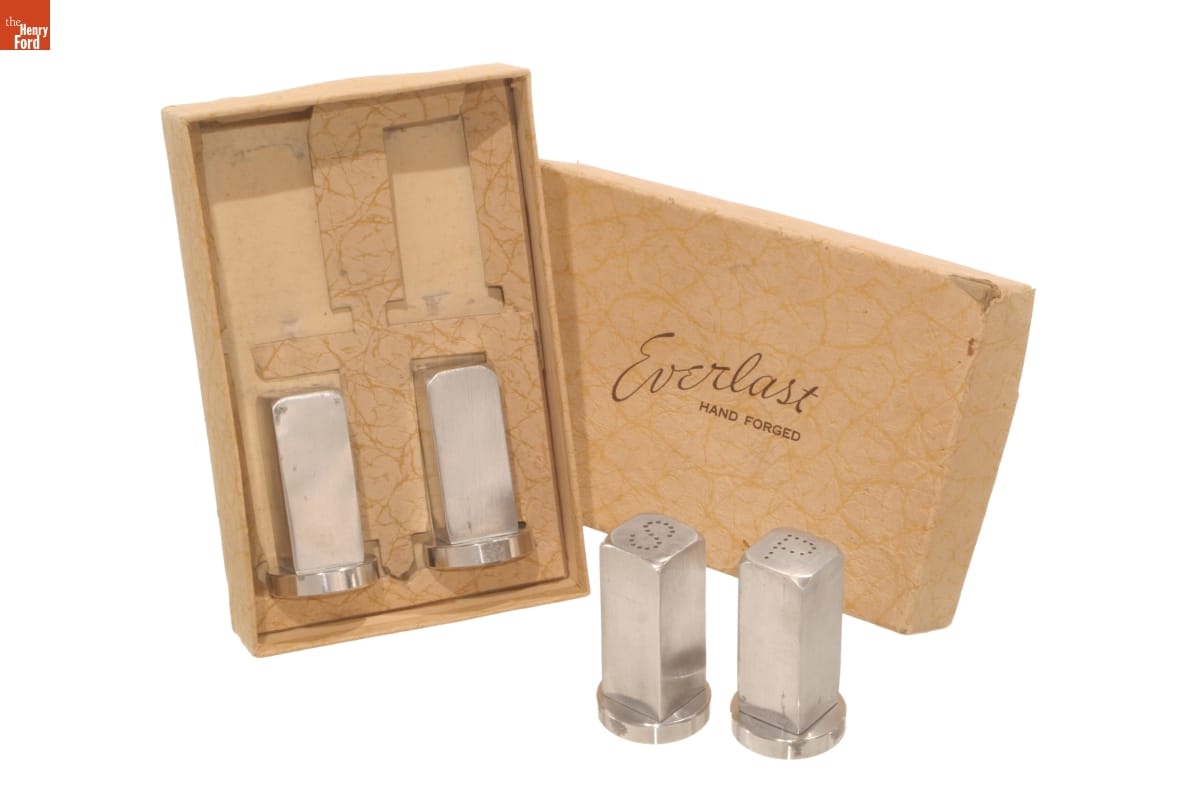
- Everlast "Forged" Salt and Pepper Shakers, 1936-1950 - In 1932, Louis Schnitzer and Nathan Gelfman formed Everlast Metal Products Corporation, producing high-quality, hand-forged aluminum giftware. In an era of growing uniformity via factory production, the "made by hand" aspect of these products held an aesthetic appeal for consumers. In 1933, Everlast introduced its first product line, "Forged Giftware" featuring Colonial Revival inspired designs.
- 1936-1950
- Collections - Artifact
Everlast "Forged" Salt and Pepper Shakers, 1936-1950
In 1932, Louis Schnitzer and Nathan Gelfman formed Everlast Metal Products Corporation, producing high-quality, hand-forged aluminum giftware. In an era of growing uniformity via factory production, the "made by hand" aspect of these products held an aesthetic appeal for consumers. In 1933, Everlast introduced its first product line, "Forged Giftware" featuring Colonial Revival inspired designs.
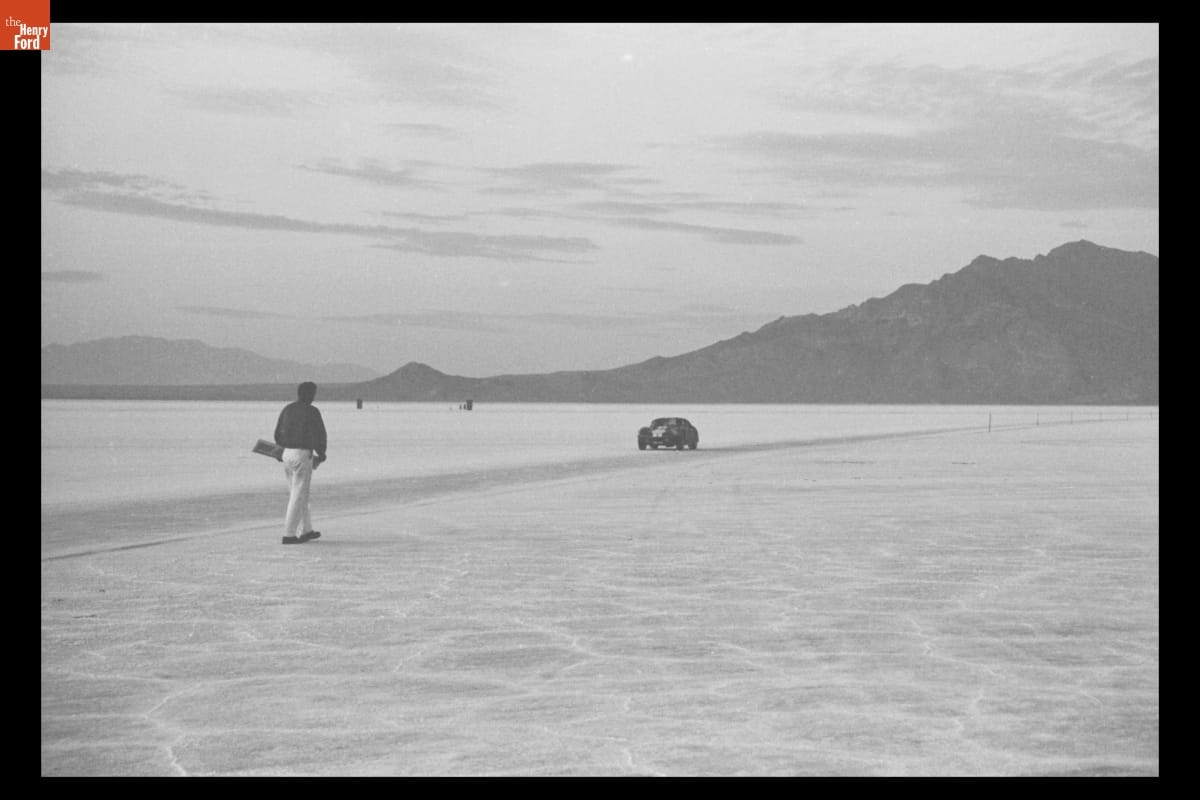
- Shelby Cobra Coupe at Bonneville Salt Flats, Utah, November 1965 - Carroll Shelby and his Shelby American team built six Shelby Cobra Daytona Coupes. Based on the chassis and drivetrain from Shelby's Cobra convertible, the closed-cockpit Daytona Coupe battled Ferrari's 250 GTO in the 1964 and 1965 racing seasons. In November 1965, one of the Daytona Coupes set 23 land speed records at the Bonneville Salt Flats in Utah.
- November 06, 1965
- Collections - Artifact
Shelby Cobra Coupe at Bonneville Salt Flats, Utah, November 1965
Carroll Shelby and his Shelby American team built six Shelby Cobra Daytona Coupes. Based on the chassis and drivetrain from Shelby's Cobra convertible, the closed-cockpit Daytona Coupe battled Ferrari's 250 GTO in the 1964 and 1965 racing seasons. In November 1965, one of the Daytona Coupes set 23 land speed records at the Bonneville Salt Flats in Utah.
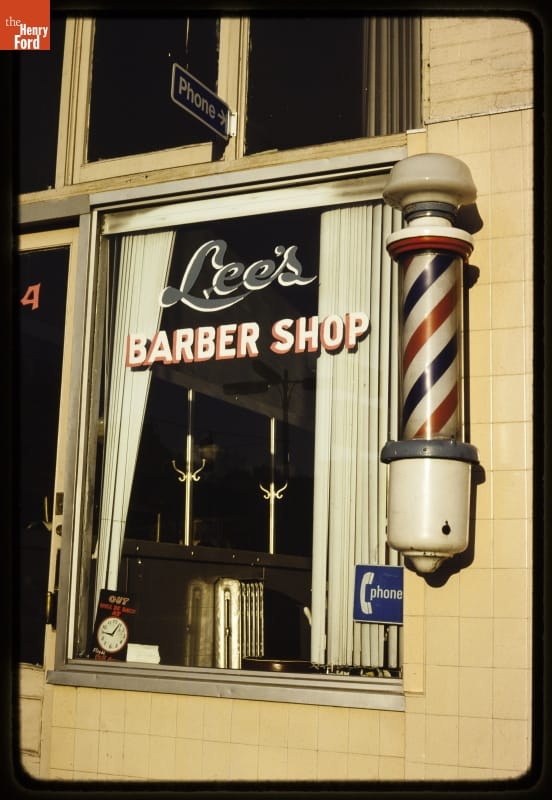
- Lee's Barber Pole, Salt Lake City, Utah, 1980 - In the mid-1970s, John Margolies began to assemble a visual record of America's built roadside landscape. Over the following three decades, he traveled thousands of miles to photograph the overlooked and often quickly vanishing structures that had grown out of American automobile culture and main street commerce. His photographs of hotels, motels, diners, service stations, drive-ins and attractions celebrate and capture a unique chapter of American history.
- 1980
- Collections - Artifact
Lee's Barber Pole, Salt Lake City, Utah, 1980
In the mid-1970s, John Margolies began to assemble a visual record of America's built roadside landscape. Over the following three decades, he traveled thousands of miles to photograph the overlooked and often quickly vanishing structures that had grown out of American automobile culture and main street commerce. His photographs of hotels, motels, diners, service stations, drive-ins and attractions celebrate and capture a unique chapter of American history.
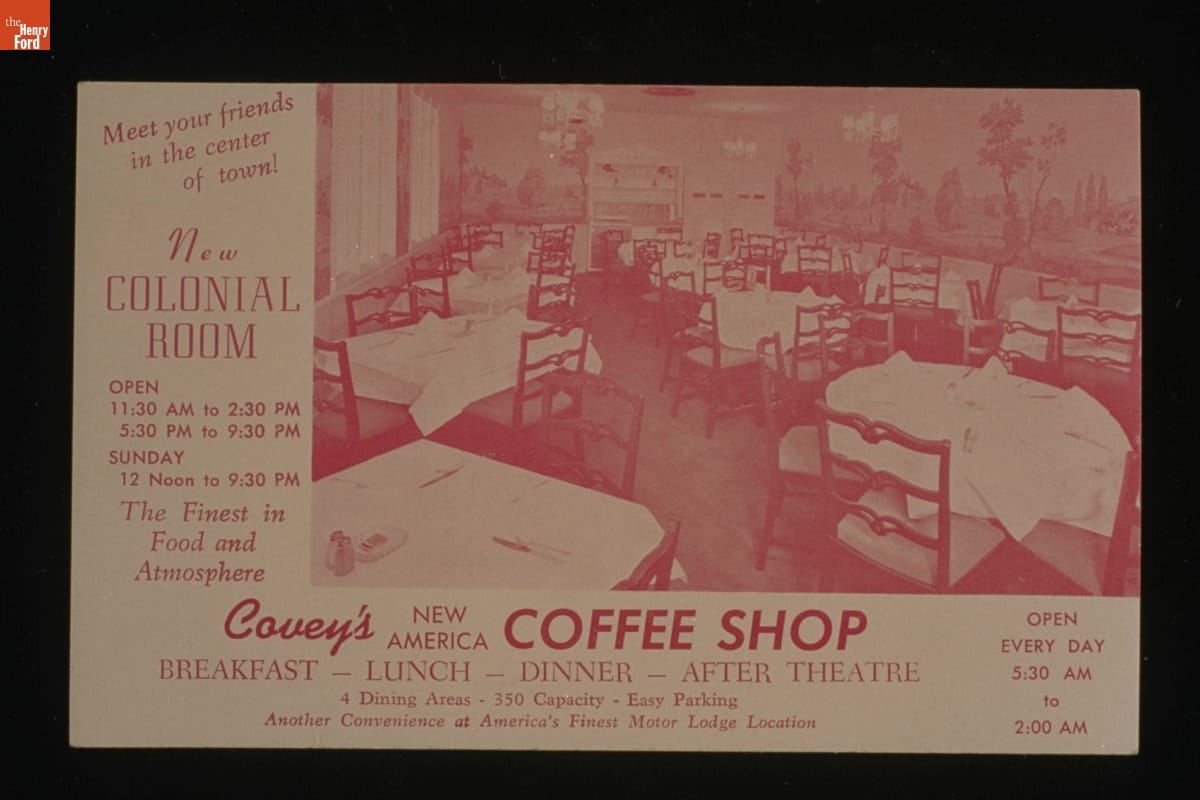
- Covey's New America Coffee Shop, 1925-1950 -
- circa 1955
- Collections - Artifact
Covey's New America Coffee Shop, 1925-1950
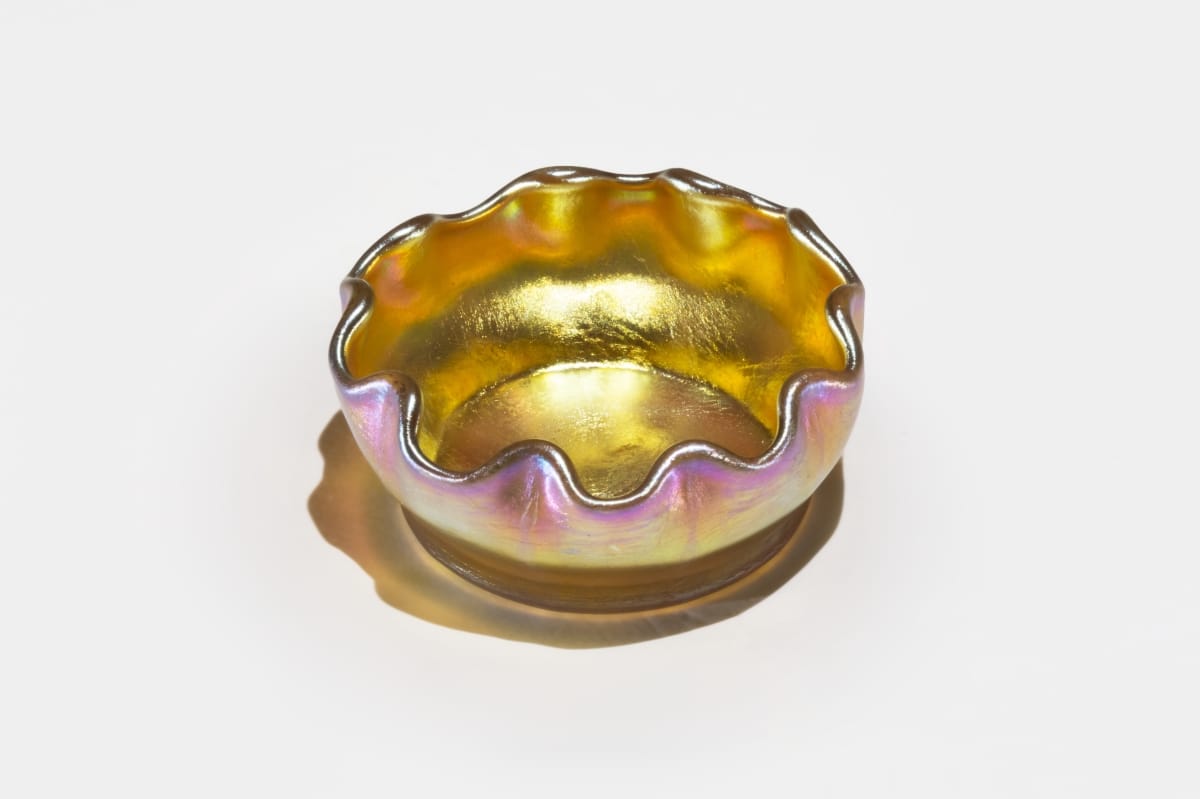
- Favrile Salt, 1900-1914 - Art Glass is ornamental and decorative glass dating from the mid-to-late 19th century through the early 20th century. Makers of Art Glass employed newly developed technologies for producing vibrant colors and surface textures. This is most famously seen in the iridescent surfaces of Louis Comfort Tiffany and his contemporaries, although Art Glass took many shapes and forms.
- 1900-1914
- Collections - Artifact
Favrile Salt, 1900-1914
Art Glass is ornamental and decorative glass dating from the mid-to-late 19th century through the early 20th century. Makers of Art Glass employed newly developed technologies for producing vibrant colors and surface textures. This is most famously seen in the iridescent surfaces of Louis Comfort Tiffany and his contemporaries, although Art Glass took many shapes and forms.
- Favrile Salt, 1900-1914 - Art Glass is ornamental and decorative glass dating from the mid-to-late 19th century through the early 20th century. Makers of Art Glass employed newly developed technologies for producing vibrant colors and surface textures. This is most famously seen in the iridescent surfaces of Louis Comfort Tiffany and his contemporaries, although Art Glass took many shapes and forms.
- 1900-1914
- Collections - Artifact
Favrile Salt, 1900-1914
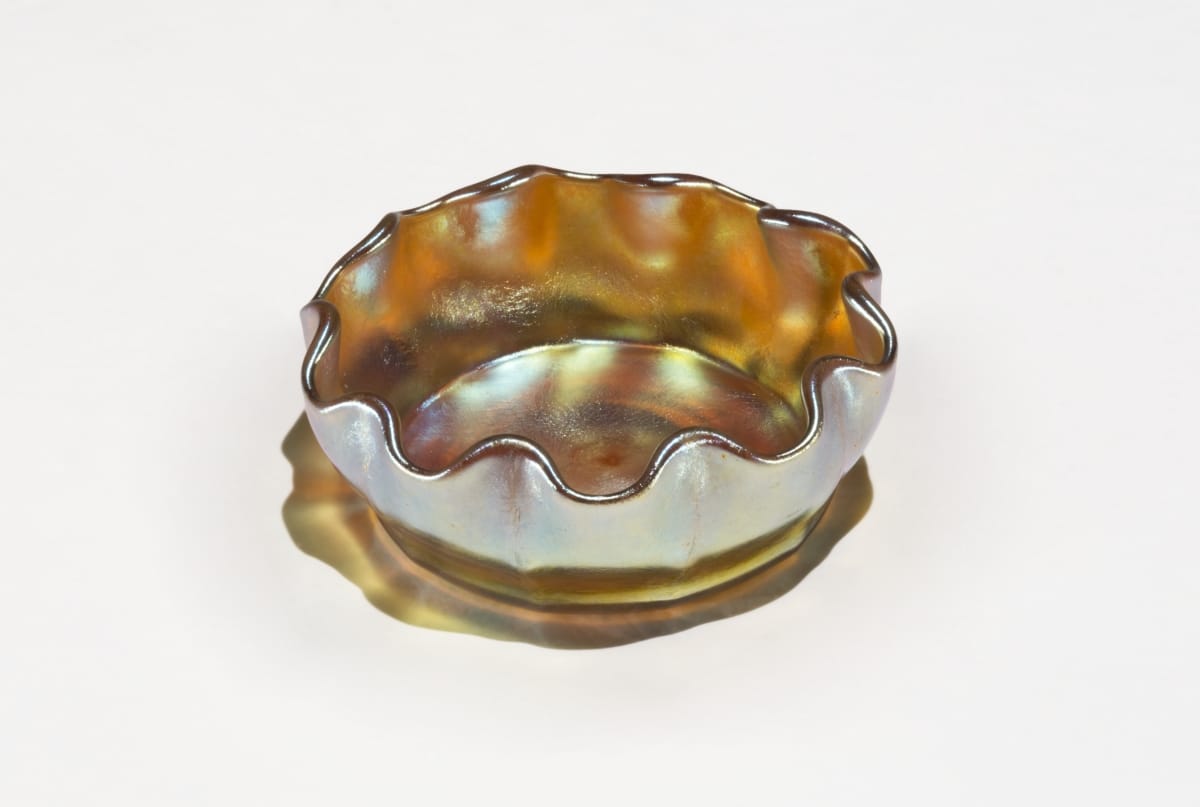
Art Glass is ornamental and decorative glass dating from the mid-to-late 19th century through the early 20th century. Makers of Art Glass employed newly developed technologies for producing vibrant colors and surface textures. This is most famously seen in the iridescent surfaces of Louis Comfort Tiffany and his contemporaries, although Art Glass took many shapes and forms.
- Salts, 1840-1860 -
- 1840-1860
- Collections - Artifact
Salts, 1840-1860