
Search
- Sausage Stuffer, 1850-1900 - For centuries, American housemakers have preserved surplus meat products by turning them into sausage. Adding spices improved the taste of sausage, and kitchen tools like sausage stuffers improved the production process.
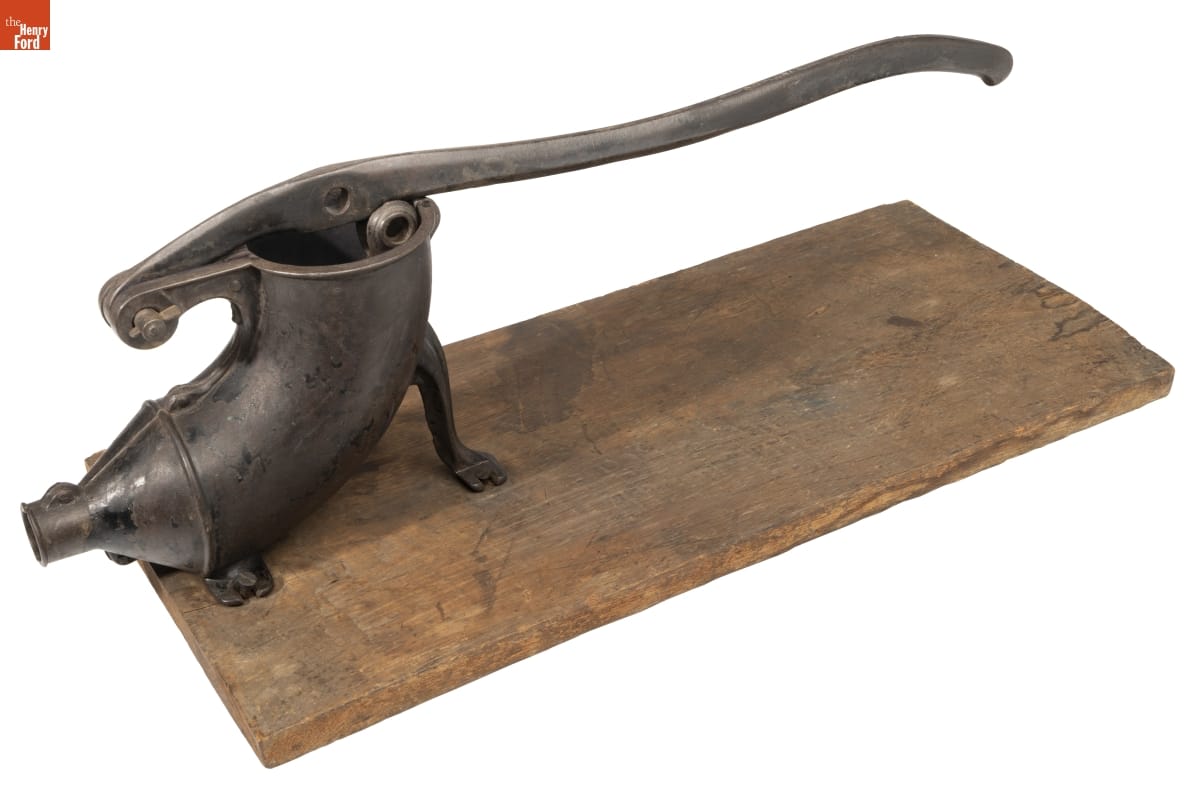
- 1850-1900
- Collections - Artifact
Sausage Stuffer, 1850-1900
For centuries, American housemakers have preserved surplus meat products by turning them into sausage. Adding spices improved the taste of sausage, and kitchen tools like sausage stuffers improved the production process.
- Sausage Stuffer, 1800-1850 - For centuries, American housemakers have preserved surplus meat products by turning them into sausage. Adding spices improved the taste of sausage, and kitchen tools like sausage stuffers improved the production process.
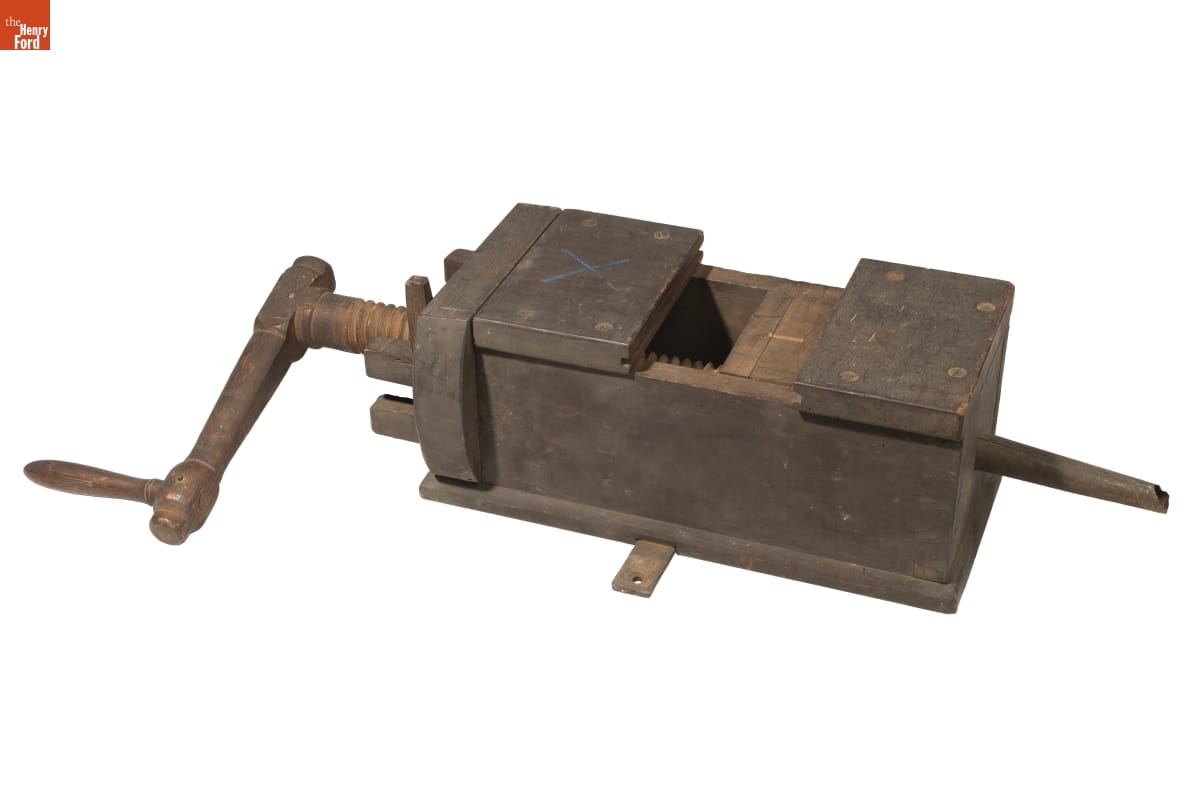
- 1800-1850
- Collections - Artifact
Sausage Stuffer, 1800-1850
For centuries, American housemakers have preserved surplus meat products by turning them into sausage. Adding spices improved the taste of sausage, and kitchen tools like sausage stuffers improved the production process.
- Sausage Stuffer, 1850-1900 - For centuries, American housemakers have preserved surplus meat products by turning them into sausage. Adding spices improved the taste of sausage, and kitchen tools like sausage stuffers improved the production process.
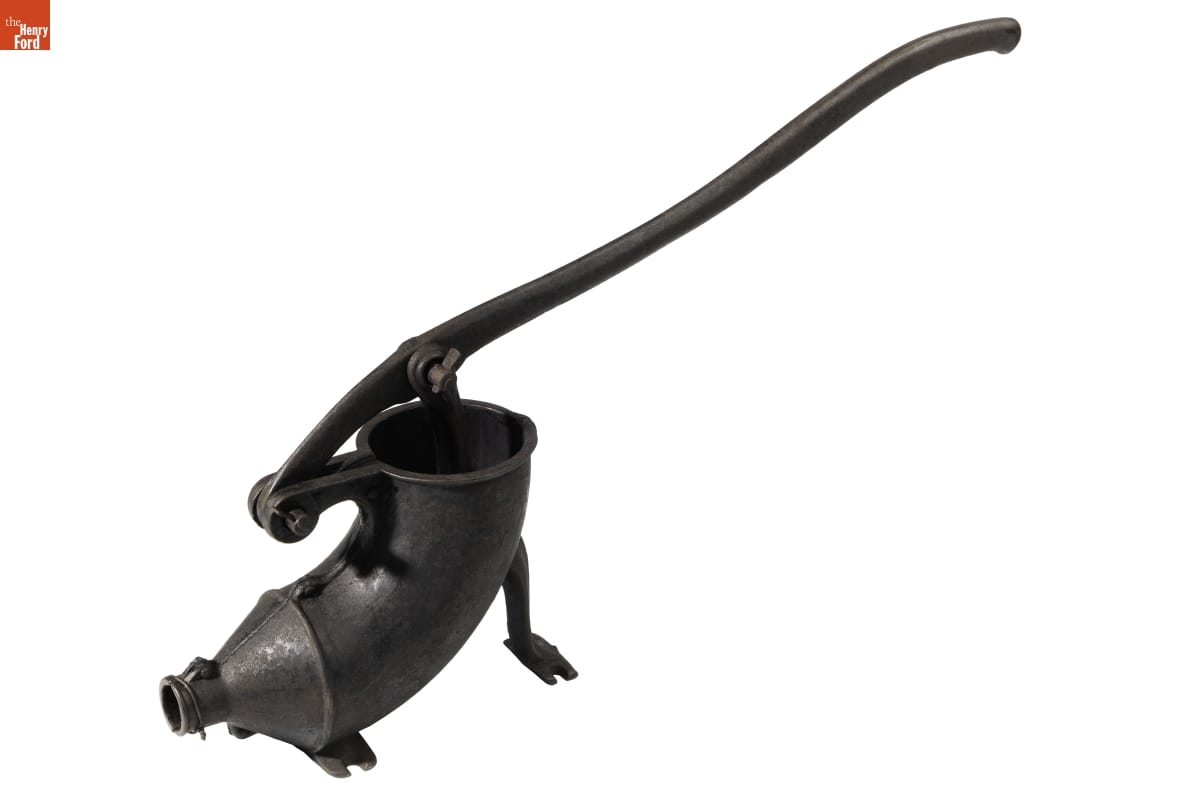
- 1850-1900
- Collections - Artifact
Sausage Stuffer, 1850-1900
For centuries, American housemakers have preserved surplus meat products by turning them into sausage. Adding spices improved the taste of sausage, and kitchen tools like sausage stuffers improved the production process.
- Sausage Stuffer - Tin-plated iron, commonly called "tin," was the dominant material for utilitarian items in 19th-century America. It was lightweight, inexpensive, easy to clean, non-toxic, and durable. Tinware also resisted corrosion and had a pleasing silvery appearance that could be enhanced through decoration. Middle-class Americans happily purchased tinware in place of goods made from earlier materials, like wood or pottery.
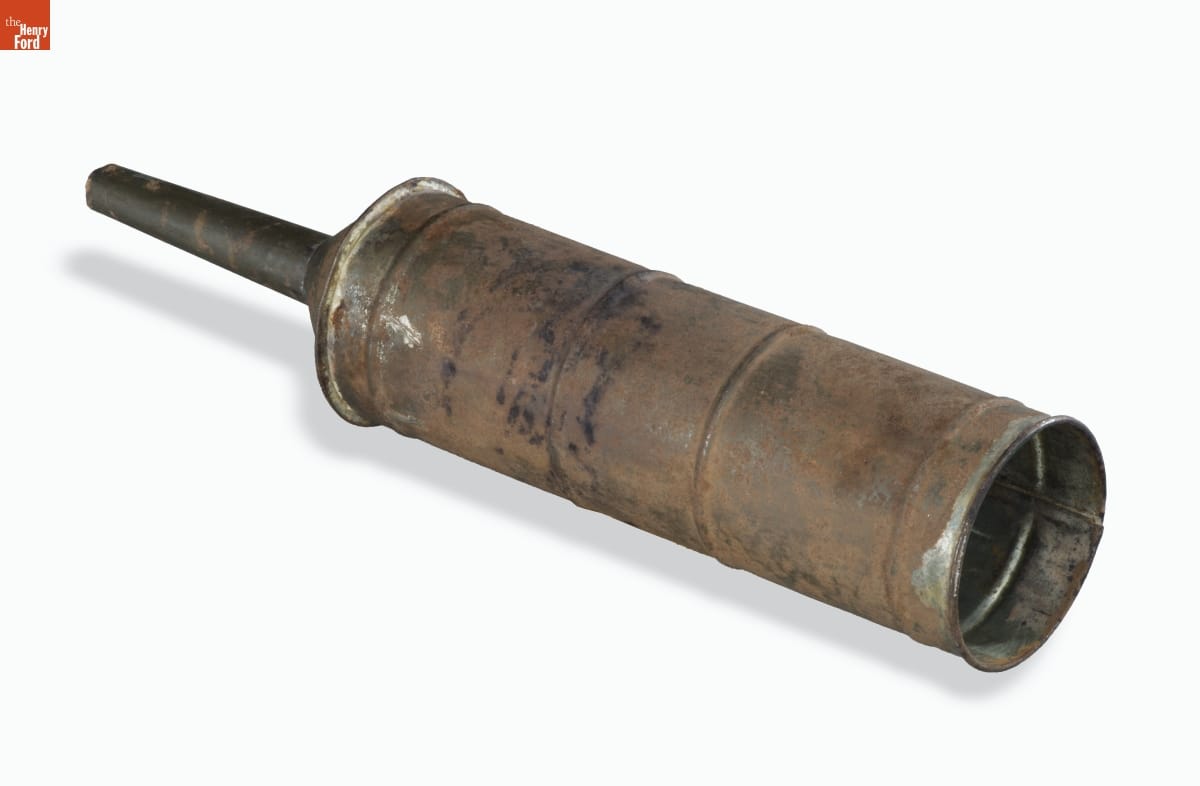
- Collections - Artifact
Sausage Stuffer
Tin-plated iron, commonly called "tin," was the dominant material for utilitarian items in 19th-century America. It was lightweight, inexpensive, easy to clean, non-toxic, and durable. Tinware also resisted corrosion and had a pleasing silvery appearance that could be enhanced through decoration. Middle-class Americans happily purchased tinware in place of goods made from earlier materials, like wood or pottery.
- Sausage Stuffer, 1840-1870 - For centuries, American housemakers have preserved surplus meat products by turning them into sausage. Adding spices improved the taste of sausage, and kitchen tools like sausage stuffers improved the production process.
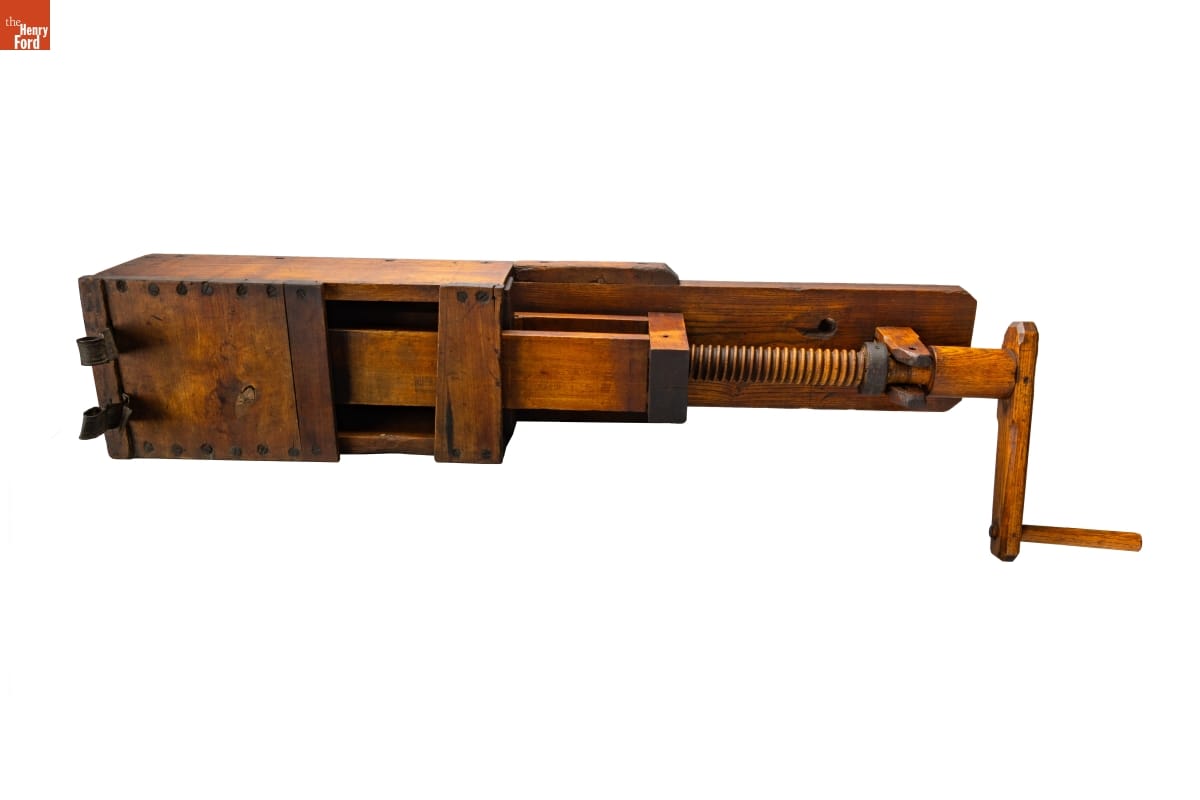
- 1840-1870
- Collections - Artifact
Sausage Stuffer, 1840-1870
For centuries, American housemakers have preserved surplus meat products by turning them into sausage. Adding spices improved the taste of sausage, and kitchen tools like sausage stuffers improved the production process.