
Search
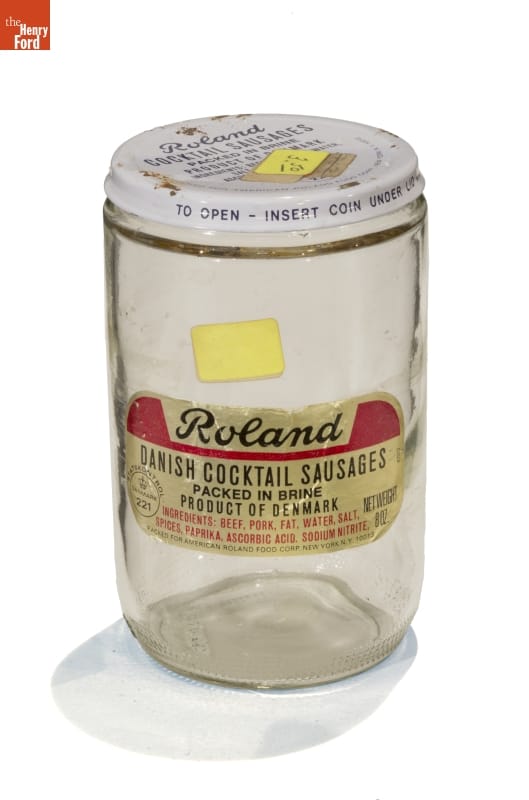
- Jar of Roland Danish Cocktail Sausages, 1980-2000 - This food item was one of the many exotic delicacies sold at A. Rensch & Co., a family-owned specialty-import food store that opened in Toledo, Ohio, in 1882. Customers interested in exotic canned and bottled foods, hard-to-find teas and coffees, and all manner of imported meats and cheeses would have frequented a store like this. A. Rensch & Co. also sold gift boxes.
- 1980-2000
- Collections - Artifact
Jar of Roland Danish Cocktail Sausages, 1980-2000
This food item was one of the many exotic delicacies sold at A. Rensch & Co., a family-owned specialty-import food store that opened in Toledo, Ohio, in 1882. Customers interested in exotic canned and bottled foods, hard-to-find teas and coffees, and all manner of imported meats and cheeses would have frequented a store like this. A. Rensch & Co. also sold gift boxes.
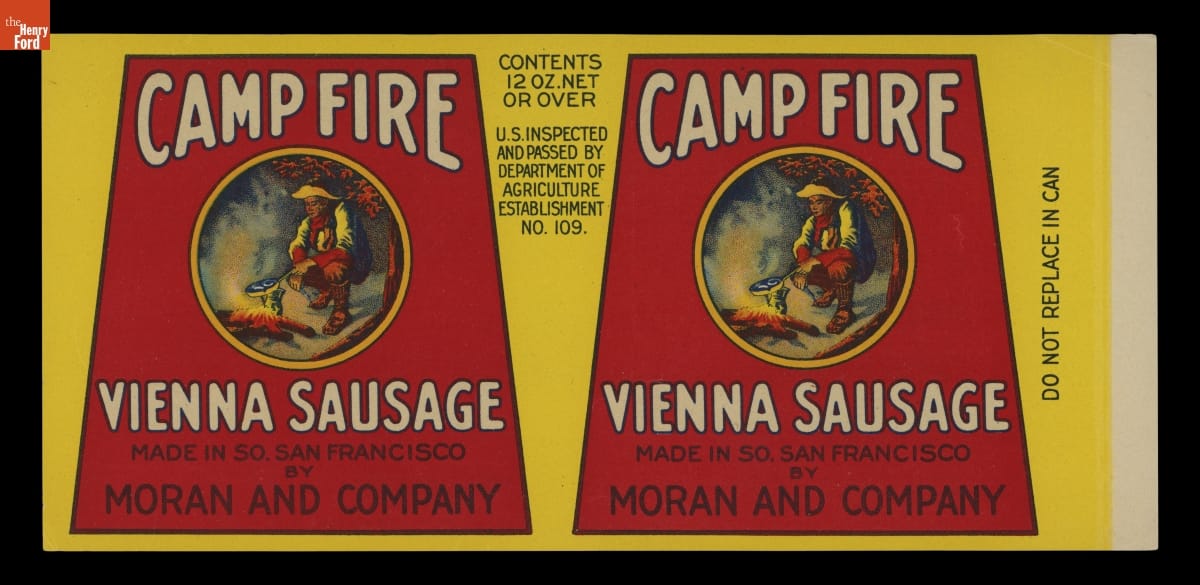
- "Campfire Vienna Sausage," 1930-1939 - Food companies sought ways to make their packaged goods stand out on store shelves from other similar products. Attractive labels with descriptive images, like this design for Moran and Company's Campfire Vienna Sausage, helped catch the attention of potential customers and encouraged them to purchase the company's product rather than that of a competitor.
- 1930-1939
- Collections - Artifact
"Campfire Vienna Sausage," 1930-1939
Food companies sought ways to make their packaged goods stand out on store shelves from other similar products. Attractive labels with descriptive images, like this design for Moran and Company's Campfire Vienna Sausage, helped catch the attention of potential customers and encouraged them to purchase the company's product rather than that of a competitor.
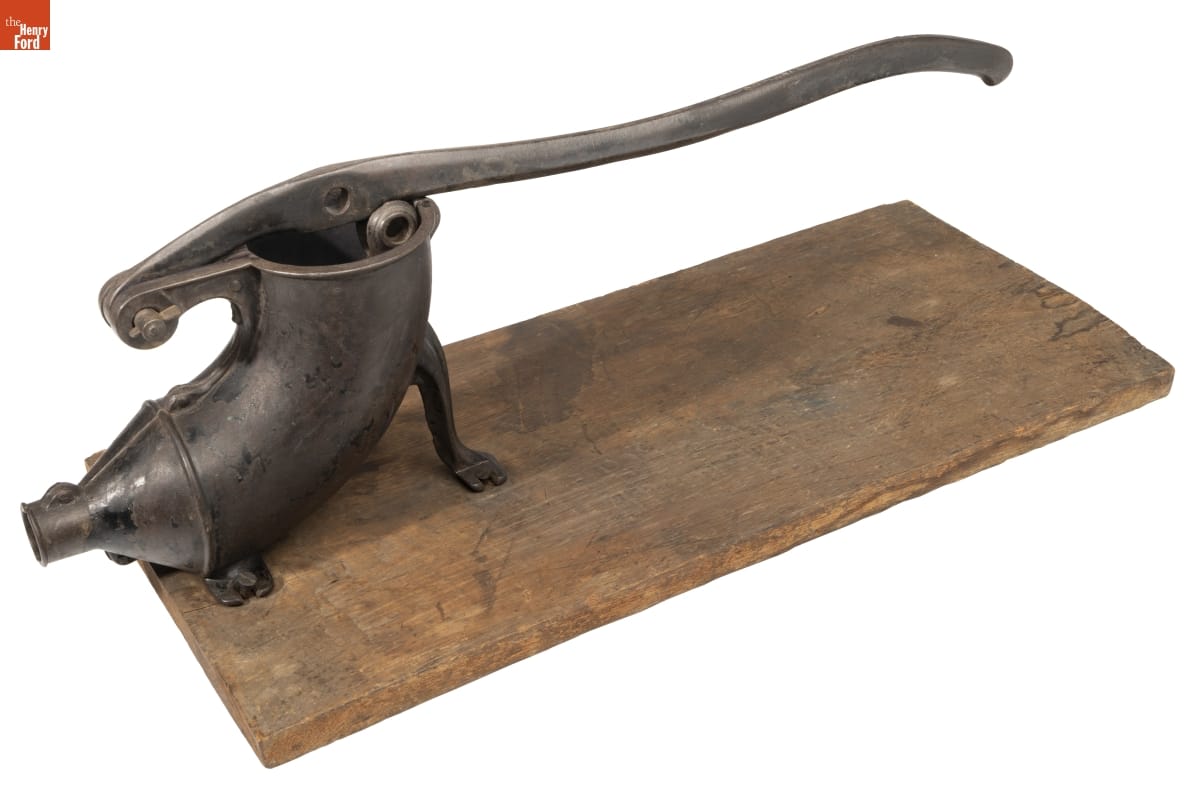
- Sausage Stuffer, 1850-1900 - For centuries, American housemakers have preserved surplus meat products by turning them into sausage. Adding spices improved the taste of sausage, and kitchen tools like sausage stuffers improved the production process.
- 1850-1900
- Collections - Artifact
Sausage Stuffer, 1850-1900
For centuries, American housemakers have preserved surplus meat products by turning them into sausage. Adding spices improved the taste of sausage, and kitchen tools like sausage stuffers improved the production process.
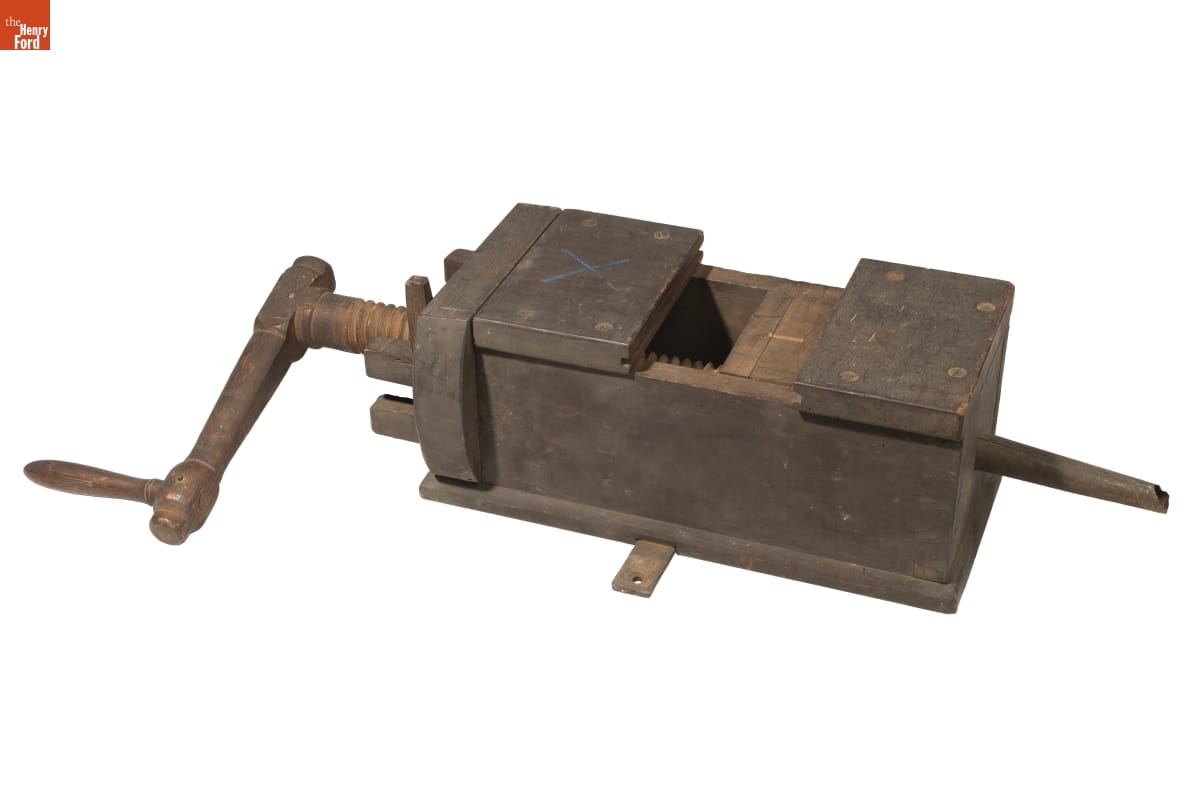
- Sausage Stuffer, 1800-1850 - For centuries, American housemakers have preserved surplus meat products by turning them into sausage. Adding spices improved the taste of sausage, and kitchen tools like sausage stuffers improved the production process.
- 1800-1850
- Collections - Artifact
Sausage Stuffer, 1800-1850
For centuries, American housemakers have preserved surplus meat products by turning them into sausage. Adding spices improved the taste of sausage, and kitchen tools like sausage stuffers improved the production process.
- Sausage Stuffer, 1850-1900 - For centuries, American housemakers have preserved surplus meat products by turning them into sausage. Adding spices improved the taste of sausage, and kitchen tools like sausage stuffers improved the production process.
- 1850-1900
- Collections - Artifact
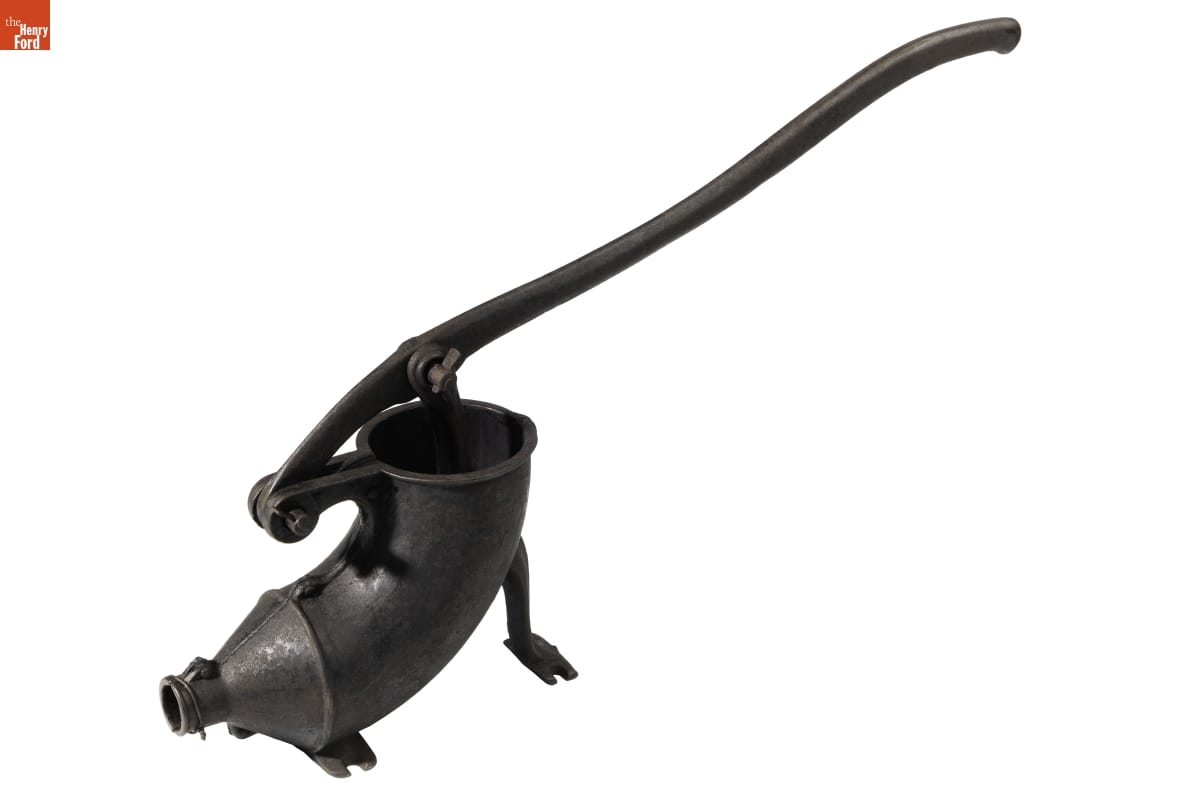
Sausage Stuffer, 1850-1900
For centuries, American housemakers have preserved surplus meat products by turning them into sausage. Adding spices improved the taste of sausage, and kitchen tools like sausage stuffers improved the production process.
- Sausage Stuffer - Tin-plated iron, commonly called "tin," was the dominant material for utilitarian items in 19th-century America. It was lightweight, inexpensive, easy to clean, non-toxic, and durable. Tinware also resisted corrosion and had a pleasing silvery appearance that could be enhanced through decoration. Middle-class Americans happily purchased tinware in place of goods made from earlier materials, like wood or pottery.
- Collections - Artifact
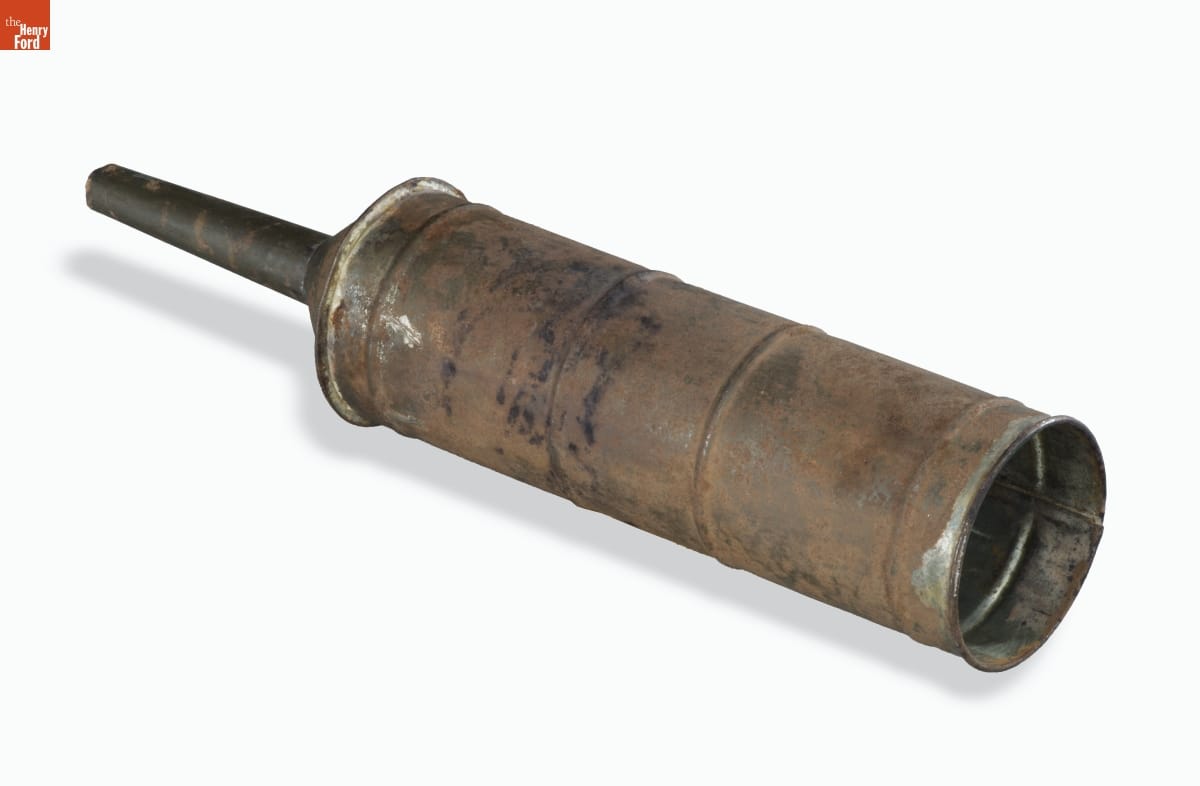
Sausage Stuffer
Tin-plated iron, commonly called "tin," was the dominant material for utilitarian items in 19th-century America. It was lightweight, inexpensive, easy to clean, non-toxic, and durable. Tinware also resisted corrosion and had a pleasing silvery appearance that could be enhanced through decoration. Middle-class Americans happily purchased tinware in place of goods made from earlier materials, like wood or pottery.
- Sausage Stuffer, 1840-1870 - For centuries, American housemakers have preserved surplus meat products by turning them into sausage. Adding spices improved the taste of sausage, and kitchen tools like sausage stuffers improved the production process.
- 1840-1870
- Collections - Artifact
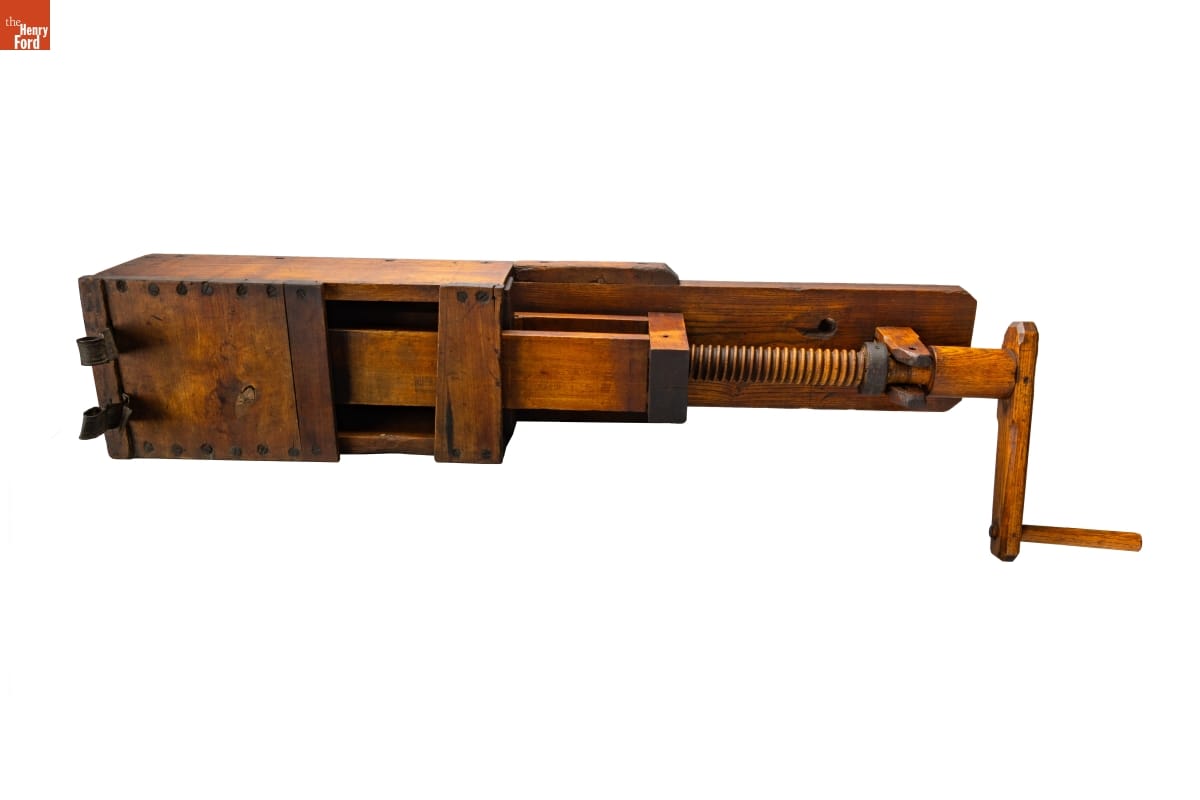
Sausage Stuffer, 1840-1870
For centuries, American housemakers have preserved surplus meat products by turning them into sausage. Adding spices improved the taste of sausage, and kitchen tools like sausage stuffers improved the production process.
- Can of Roland Pork Cocktail Sausages, 1950-1970 - This food item was one of the many exotic delicacies sold at A. Rensch & Co., a family-owned specialty-import food store that opened in Toledo, Ohio, in 1882. Customers interested in exotic canned and bottled foods, hard-to-find teas and coffees, and all manner of imported meats and cheeses would have frequented a store like this. A. Rensch & Co. also sold gift boxes.
- 1950-1970
- Collections - Artifact
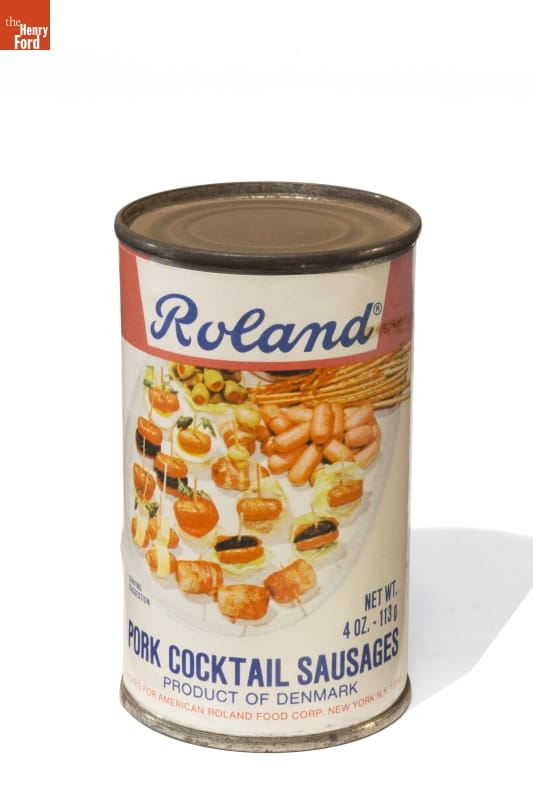
Can of Roland Pork Cocktail Sausages, 1950-1970
This food item was one of the many exotic delicacies sold at A. Rensch & Co., a family-owned specialty-import food store that opened in Toledo, Ohio, in 1882. Customers interested in exotic canned and bottled foods, hard-to-find teas and coffees, and all manner of imported meats and cheeses would have frequented a store like this. A. Rensch & Co. also sold gift boxes.