
Search
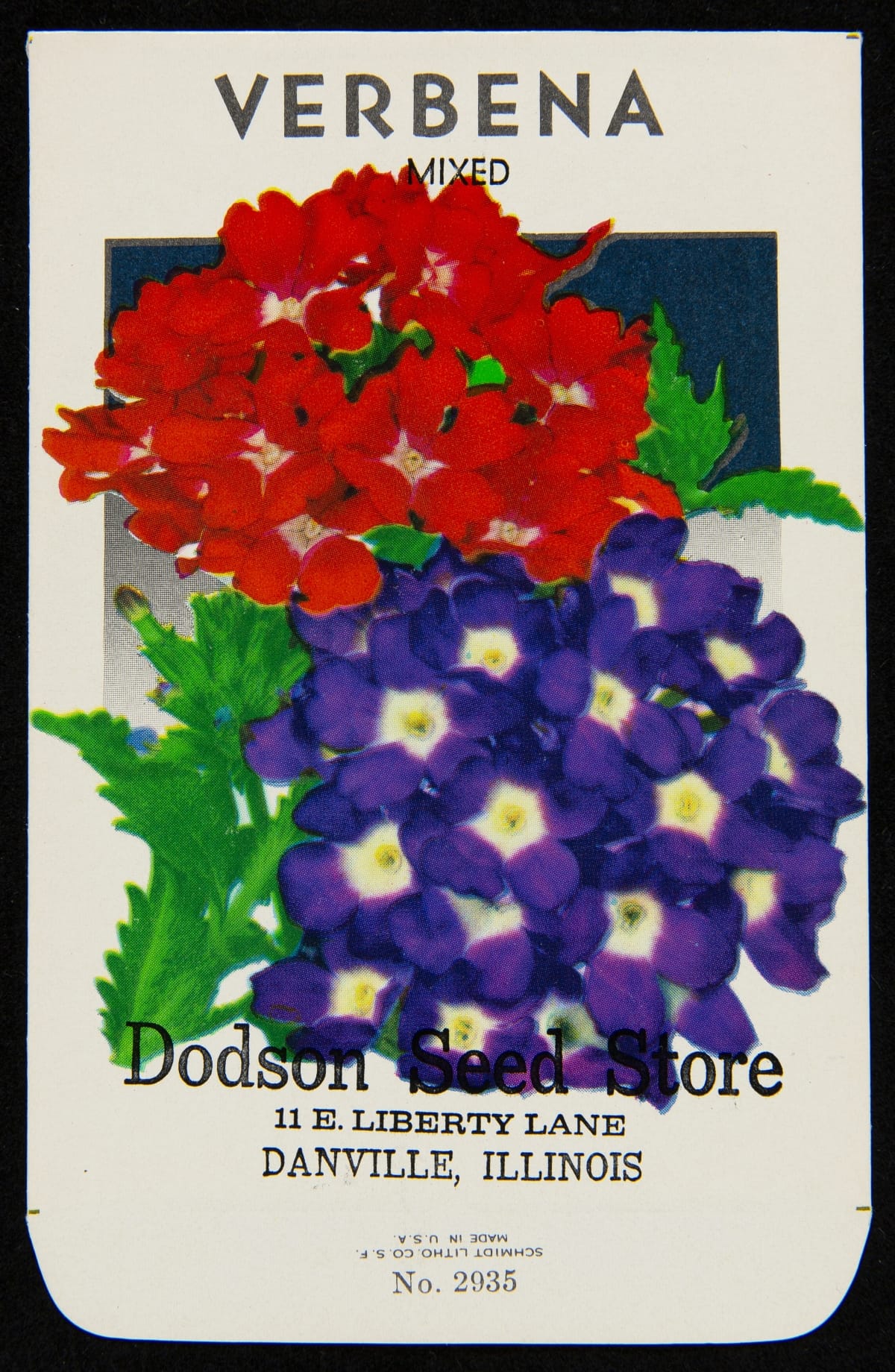
- Dodson Seed Store "Verbena" Seed Packet, 1966-1983 -
- 1966-1983
- Collections - Artifact
Dodson Seed Store "Verbena" Seed Packet, 1966-1983
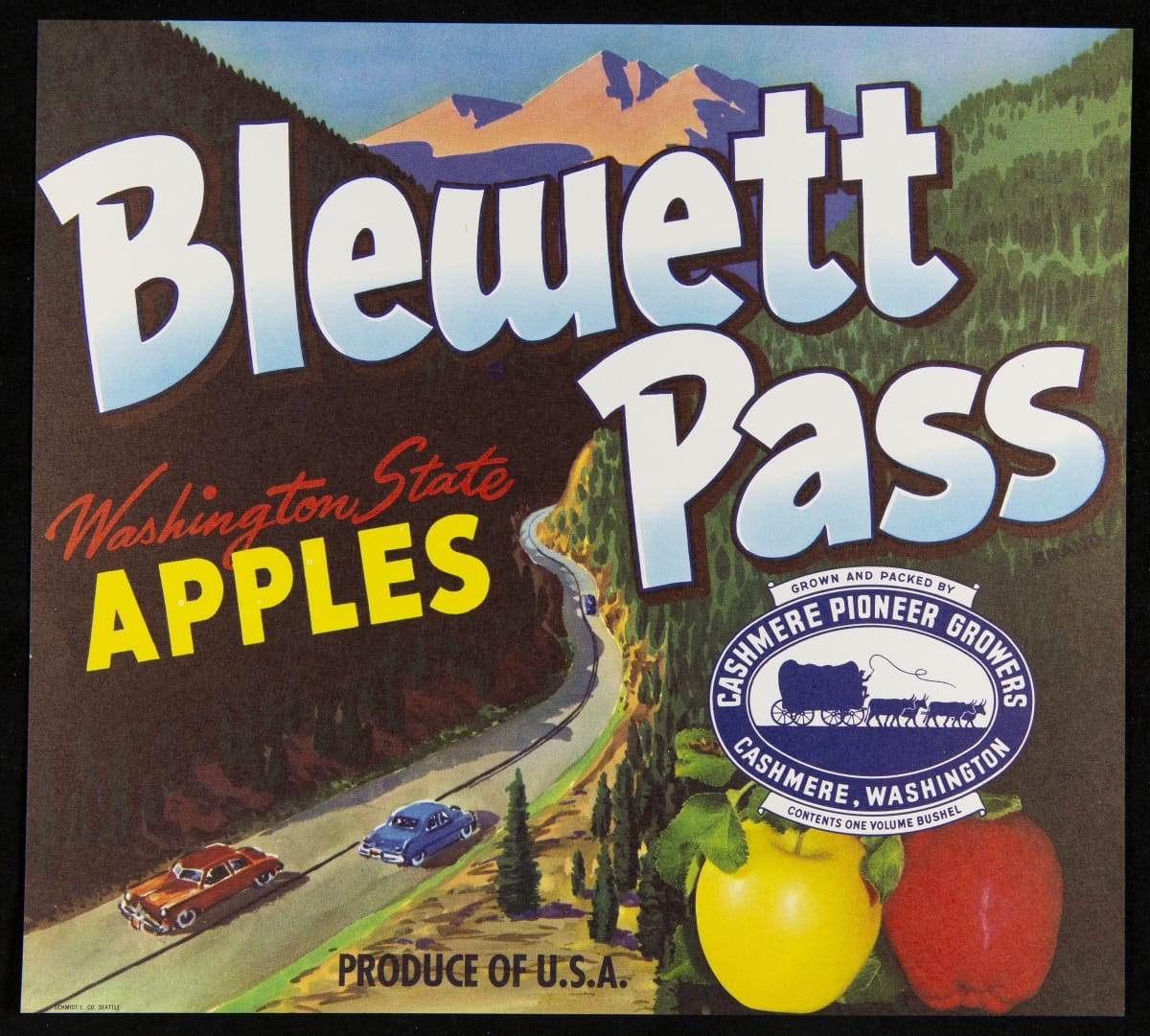
- Crate Label, "Blewett Pass Brand Apples," 1945-1960 - In 1869, the transcontinental railroad opened eastern markets to the West Coast produce industry for the first time. As produce companies shipped crates of fruits and vegetables across the country, they needed a way to distinguish their goods from their competitors'. Colorful, eye-catching labels, like this one for Blewett Pass Brand Apples, were created to attract grocers purchasing goods from wholesale markets.
- 1945-1960
- Collections - Artifact
Crate Label, "Blewett Pass Brand Apples," 1945-1960
In 1869, the transcontinental railroad opened eastern markets to the West Coast produce industry for the first time. As produce companies shipped crates of fruits and vegetables across the country, they needed a way to distinguish their goods from their competitors'. Colorful, eye-catching labels, like this one for Blewett Pass Brand Apples, were created to attract grocers purchasing goods from wholesale markets.
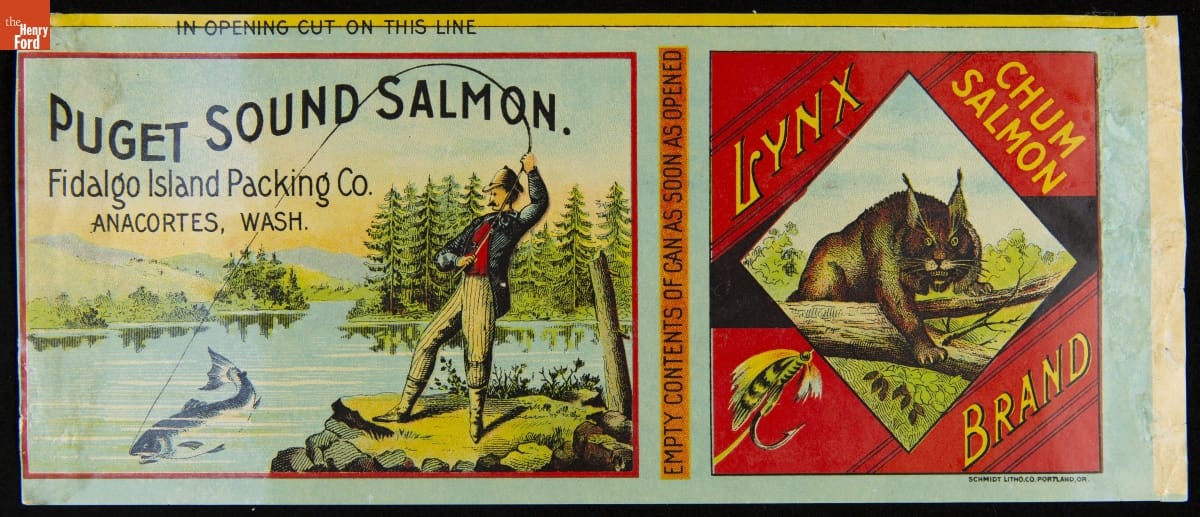
- Can Label, "Lynx Brand Puget Sound Salmon," 1880-1900 - Manufacturers of similar products sought ways to make their company's goods stand out on store shelves. Attractive labels, like this eye-catching design for Fidalgo Island Packing Company salmon, helped catch the attention of potential customers and encourage them to purchase the company's product rather than that of a competitor.
- 1880-1900
- Collections - Artifact
Can Label, "Lynx Brand Puget Sound Salmon," 1880-1900
Manufacturers of similar products sought ways to make their company's goods stand out on store shelves. Attractive labels, like this eye-catching design for Fidalgo Island Packing Company salmon, helped catch the attention of potential customers and encourage them to purchase the company's product rather than that of a competitor.
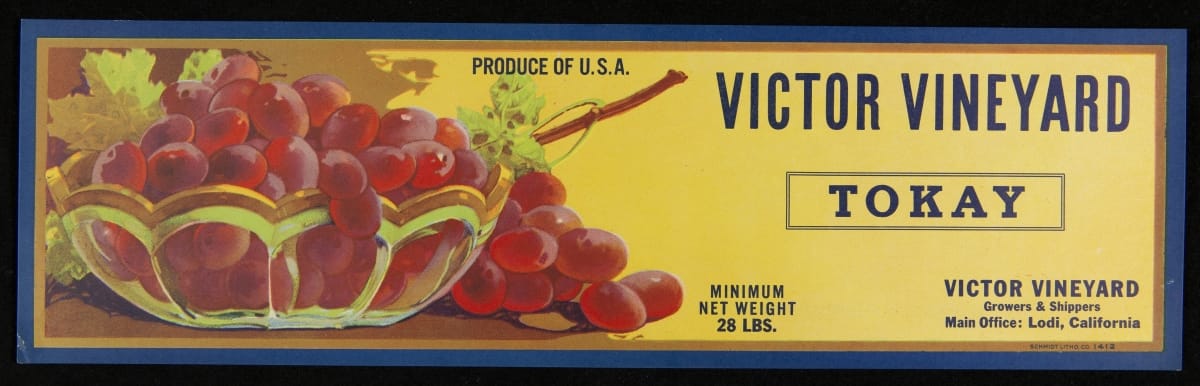
- Crate Label, "Victor Vineyard Brand Tokay Grapes," 1920-1930 - In 1869, the transcontinental railroad opened eastern markets to the West Coast produce industry for the first time. As produce companies shipped crates of fruits and vegetables across the country, they needed a way to distinguish their goods from their competitors'. Colorful, eye-catching labels, like this one for Victor Vineyard Brand Tokay Grapes, were created to attract grocers purchasing goods from wholesale markets.
- 1920-1930
- Collections - Artifact
Crate Label, "Victor Vineyard Brand Tokay Grapes," 1920-1930
In 1869, the transcontinental railroad opened eastern markets to the West Coast produce industry for the first time. As produce companies shipped crates of fruits and vegetables across the country, they needed a way to distinguish their goods from their competitors'. Colorful, eye-catching labels, like this one for Victor Vineyard Brand Tokay Grapes, were created to attract grocers purchasing goods from wholesale markets.
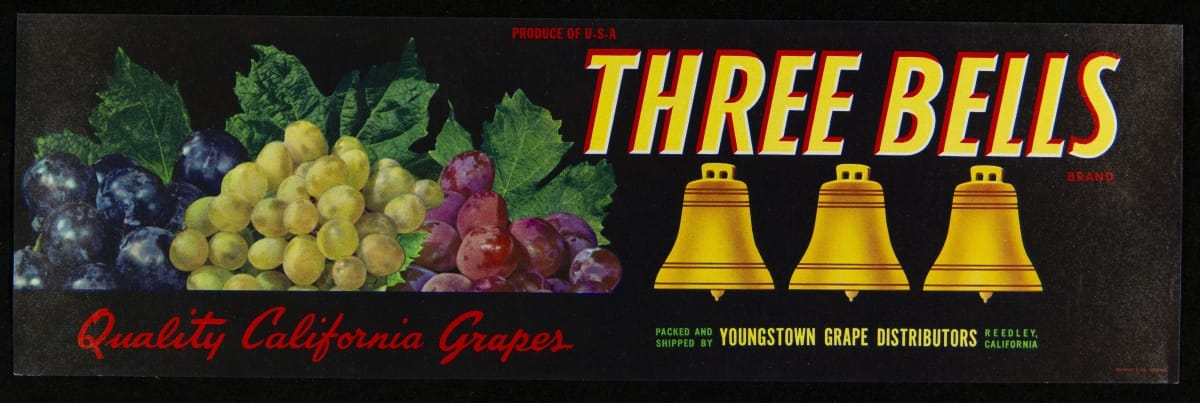
- Crate Label, "Three Bells Brand Grapes," 1906-1966 - In 1869, the transcontinental railroad opened eastern markets to the West Coast produce industry for the first time. As produce companies shipped crates of fruits and vegetables across the country, they needed a way to distinguish their goods from their competitors'. Colorful, eye-catching labels, like this one for Three Bells Brand Grapes, were created to attract grocers purchasing goods from wholesale markets.
- 1906-1966
- Collections - Artifact
Crate Label, "Three Bells Brand Grapes," 1906-1966
In 1869, the transcontinental railroad opened eastern markets to the West Coast produce industry for the first time. As produce companies shipped crates of fruits and vegetables across the country, they needed a way to distinguish their goods from their competitors'. Colorful, eye-catching labels, like this one for Three Bells Brand Grapes, were created to attract grocers purchasing goods from wholesale markets.
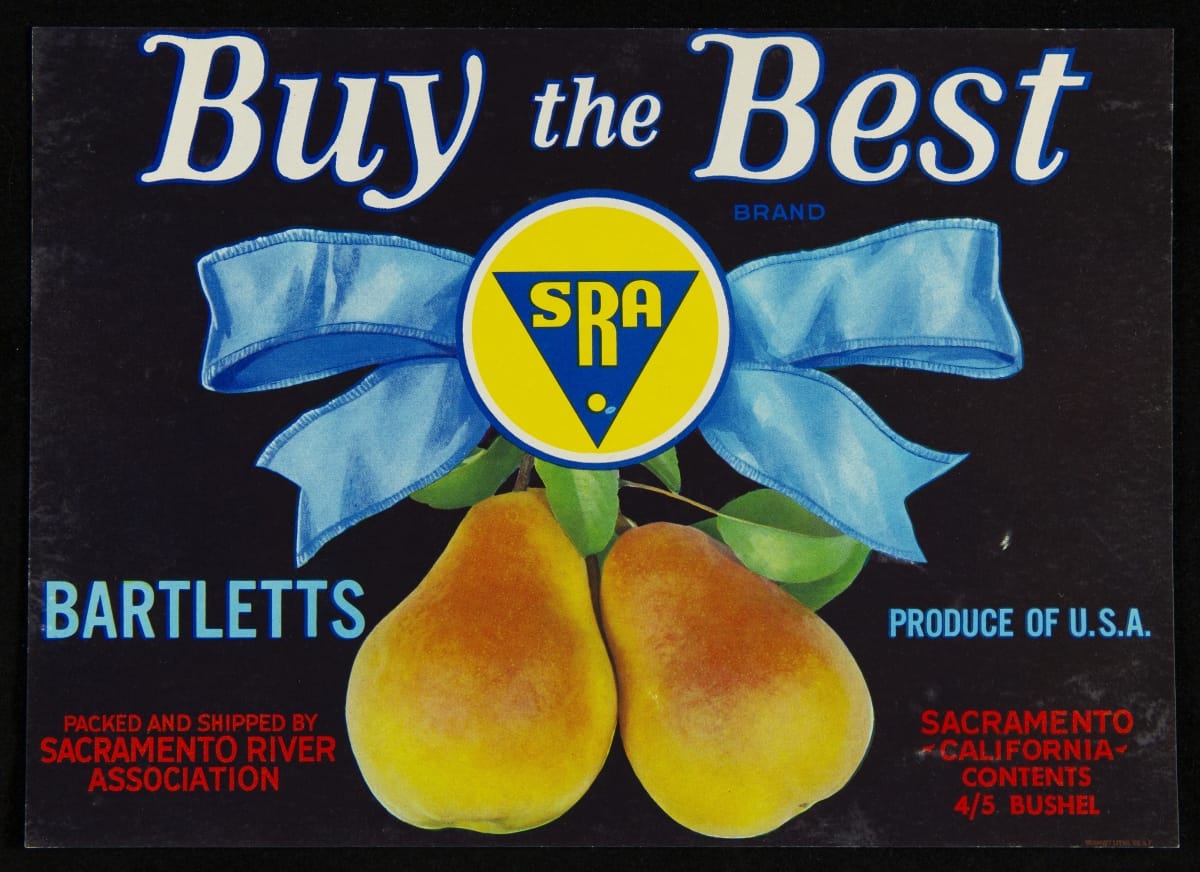
- Crate Label, "Buy the Best Brand Bartlett Pears," circa 1940 - In 1869, the transcontinental railroad opened eastern markets to the West Coast produce industry for the first time. As produce companies shipped crates of fruits and vegetables across the country, they needed a way to distinguish their goods from their competitors'. Colorful, eye-catching labels, like this one for Buy the Best Brand Bartlett Pears, were created to attract grocers purchasing goods from wholesale markets.
- circa 1940
- Collections - Artifact
Crate Label, "Buy the Best Brand Bartlett Pears," circa 1940
In 1869, the transcontinental railroad opened eastern markets to the West Coast produce industry for the first time. As produce companies shipped crates of fruits and vegetables across the country, they needed a way to distinguish their goods from their competitors'. Colorful, eye-catching labels, like this one for Buy the Best Brand Bartlett Pears, were created to attract grocers purchasing goods from wholesale markets.
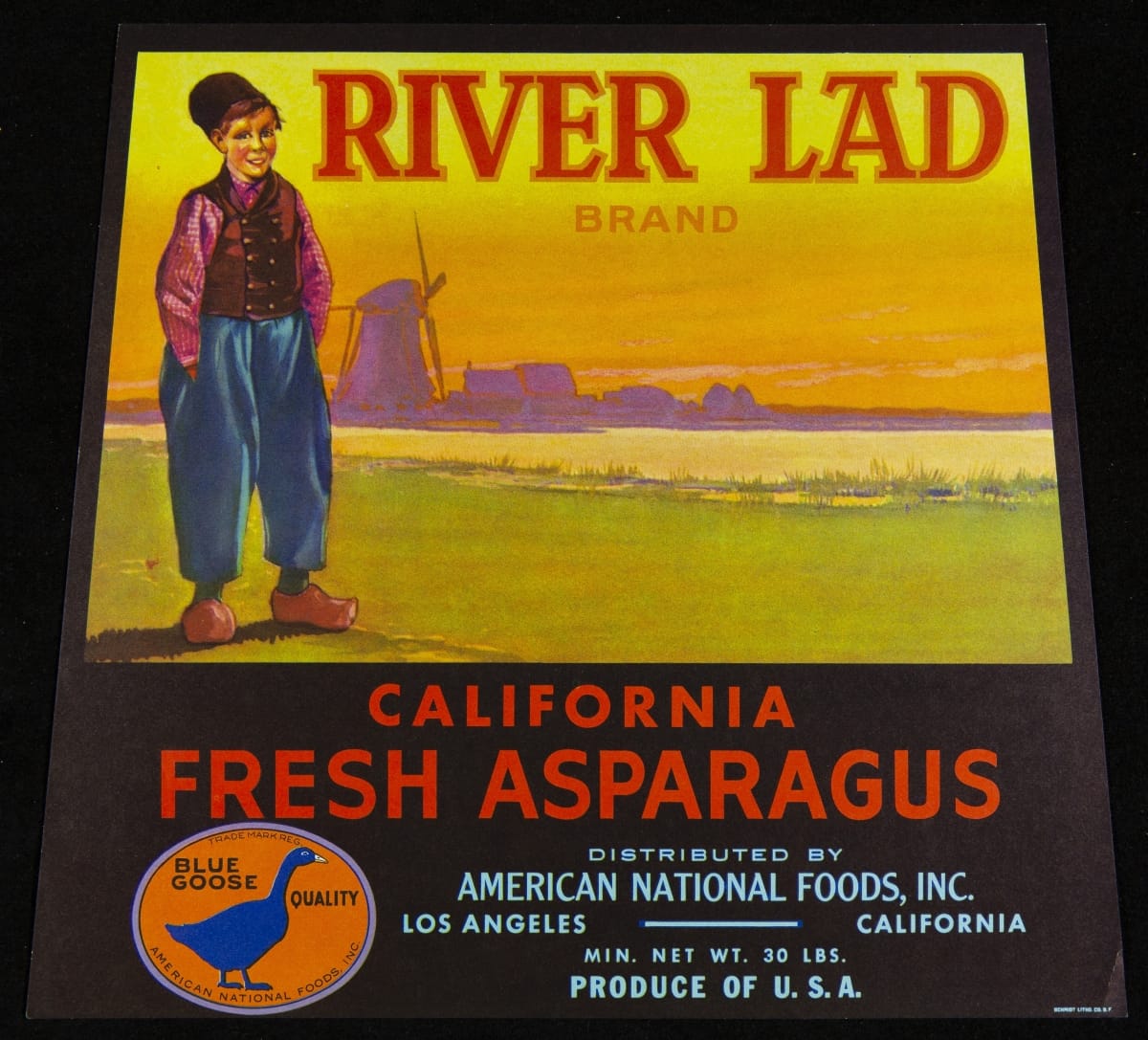
- Crate Label, "River Lad Brand Asparagus," 1940-1950 - In 1869, the transcontinental railroad opened eastern markets to the West Coast produce industry for the first time. As produce companies shipped crates of fruits and vegetables across the country, they needed a way to distinguish their goods from their competitors'. Colorful, eye-catching labels, like this one for River Lad Brand Asparagus, were created to attract grocers purchasing goods from wholesale markets.
- 1940-1950
- Collections - Artifact
Crate Label, "River Lad Brand Asparagus," 1940-1950
In 1869, the transcontinental railroad opened eastern markets to the West Coast produce industry for the first time. As produce companies shipped crates of fruits and vegetables across the country, they needed a way to distinguish their goods from their competitors'. Colorful, eye-catching labels, like this one for River Lad Brand Asparagus, were created to attract grocers purchasing goods from wholesale markets.
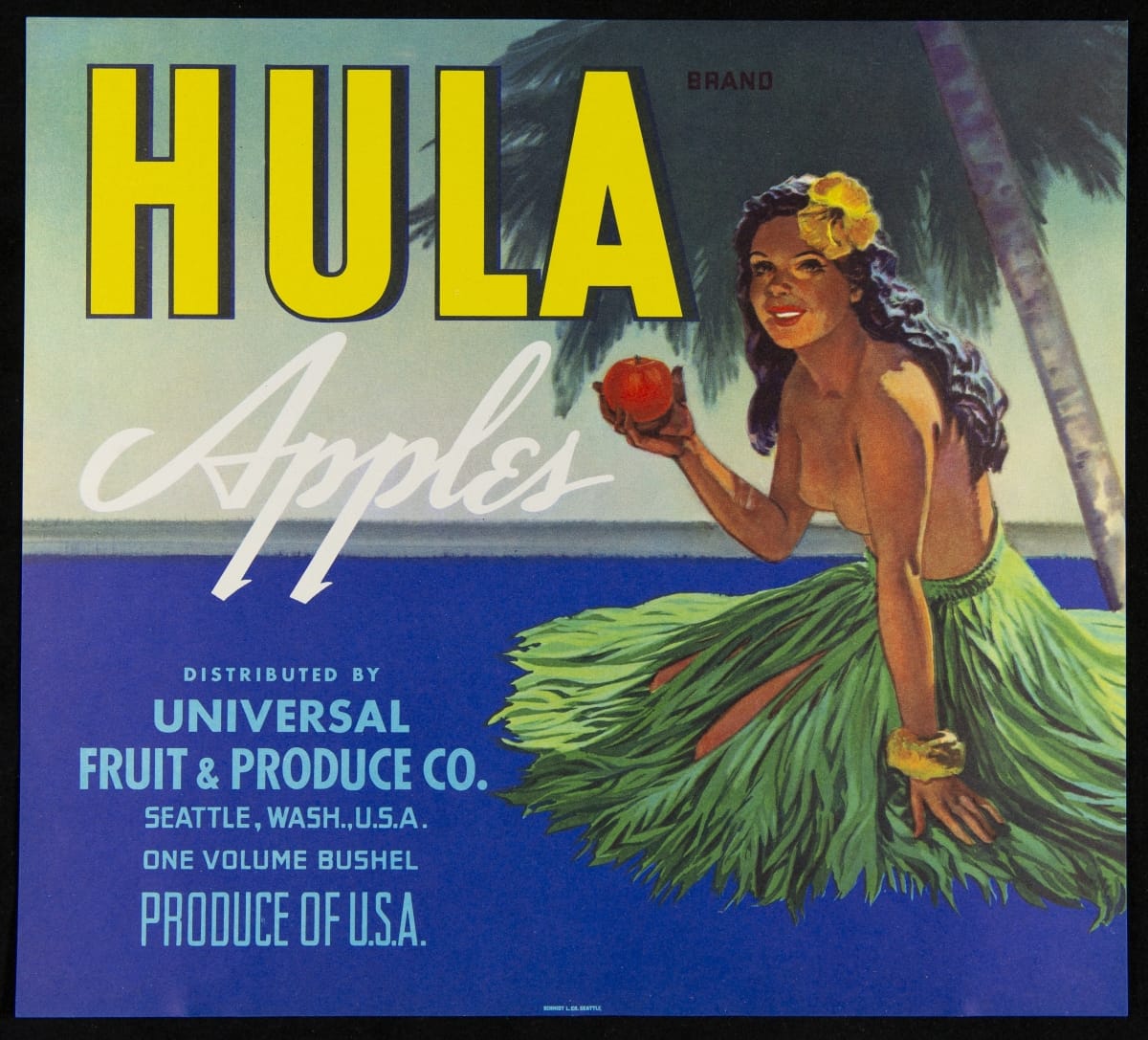
- Crate Label, "Hula Brand Apples," circa 1950 - Colorful, eye-catching labels from the early and mid-1900s frequently depicted popular themes and motifs--and sometimes cultural stereotypes. Illustrations of native Hawaiians often centered on women in grass skirts--a poor reference to the hula. Rather than showing the true depth of this native Hawaiian art form, tradition, and dance, these images exposed an idealized and sensual view of Pacific Islanders by white, mainland American consumers.
- circa 1950
- Collections - Artifact
Crate Label, "Hula Brand Apples," circa 1950
Colorful, eye-catching labels from the early and mid-1900s frequently depicted popular themes and motifs--and sometimes cultural stereotypes. Illustrations of native Hawaiians often centered on women in grass skirts--a poor reference to the hula. Rather than showing the true depth of this native Hawaiian art form, tradition, and dance, these images exposed an idealized and sensual view of Pacific Islanders by white, mainland American consumers.