
Search
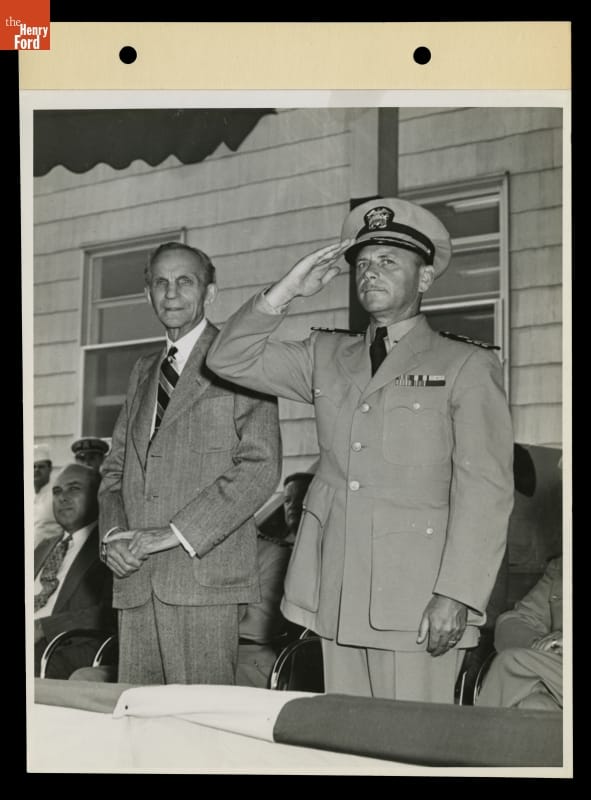
- Henry Ford on His 80th Birthday, U. S. Naval Training School at the Ford Rouge Plant, July 1943 - Personnel at the United States Naval Training School in Dearborn, Michigan, invited Henry Ford to celebrate his 80th birthday at the base. Ford was feted with gifts, a military drill, and a large cake modeled after the school buildings. The school -- built on land at Ford's Rouge Plant and leased to the Navy -- trained thousands of recruits in various skilled trades during World War II.
- July 28, 1943
- Collections - Artifact
Henry Ford on His 80th Birthday, U. S. Naval Training School at the Ford Rouge Plant, July 1943
Personnel at the United States Naval Training School in Dearborn, Michigan, invited Henry Ford to celebrate his 80th birthday at the base. Ford was feted with gifts, a military drill, and a large cake modeled after the school buildings. The school -- built on land at Ford's Rouge Plant and leased to the Navy -- trained thousands of recruits in various skilled trades during World War II.
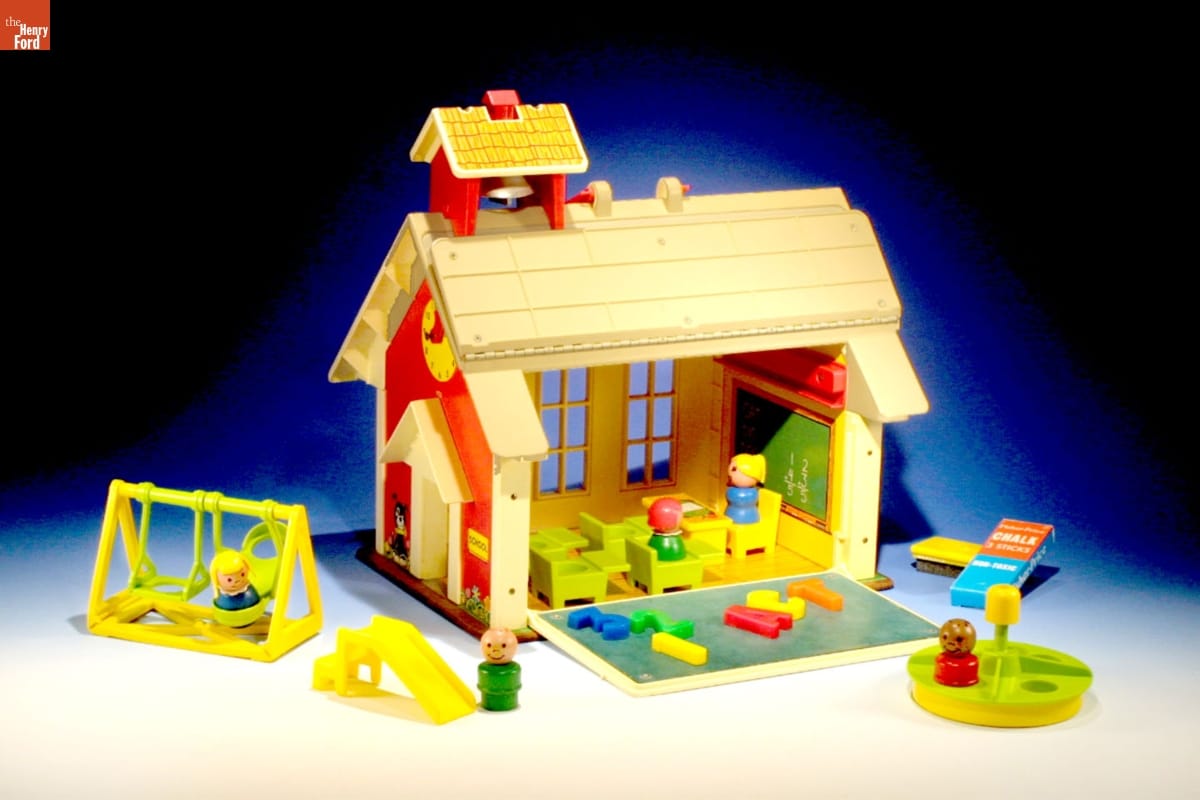
- Fisher-Price Play Family School, 1971-1975 - The Civil Rights movement, as well as the emerging woman's movement, created a whole new world for kids growing up in the 1970s. As social barriers and traditional gender stereotypes began to break down, kids were encouraged to appreciate diversity. This popular toy was one of the first playthings to include an African-American toy figure.
- 1971-1975
- Collections - Artifact
Fisher-Price Play Family School, 1971-1975
The Civil Rights movement, as well as the emerging woman's movement, created a whole new world for kids growing up in the 1970s. As social barriers and traditional gender stereotypes began to break down, kids were encouraged to appreciate diversity. This popular toy was one of the first playthings to include an African-American toy figure.
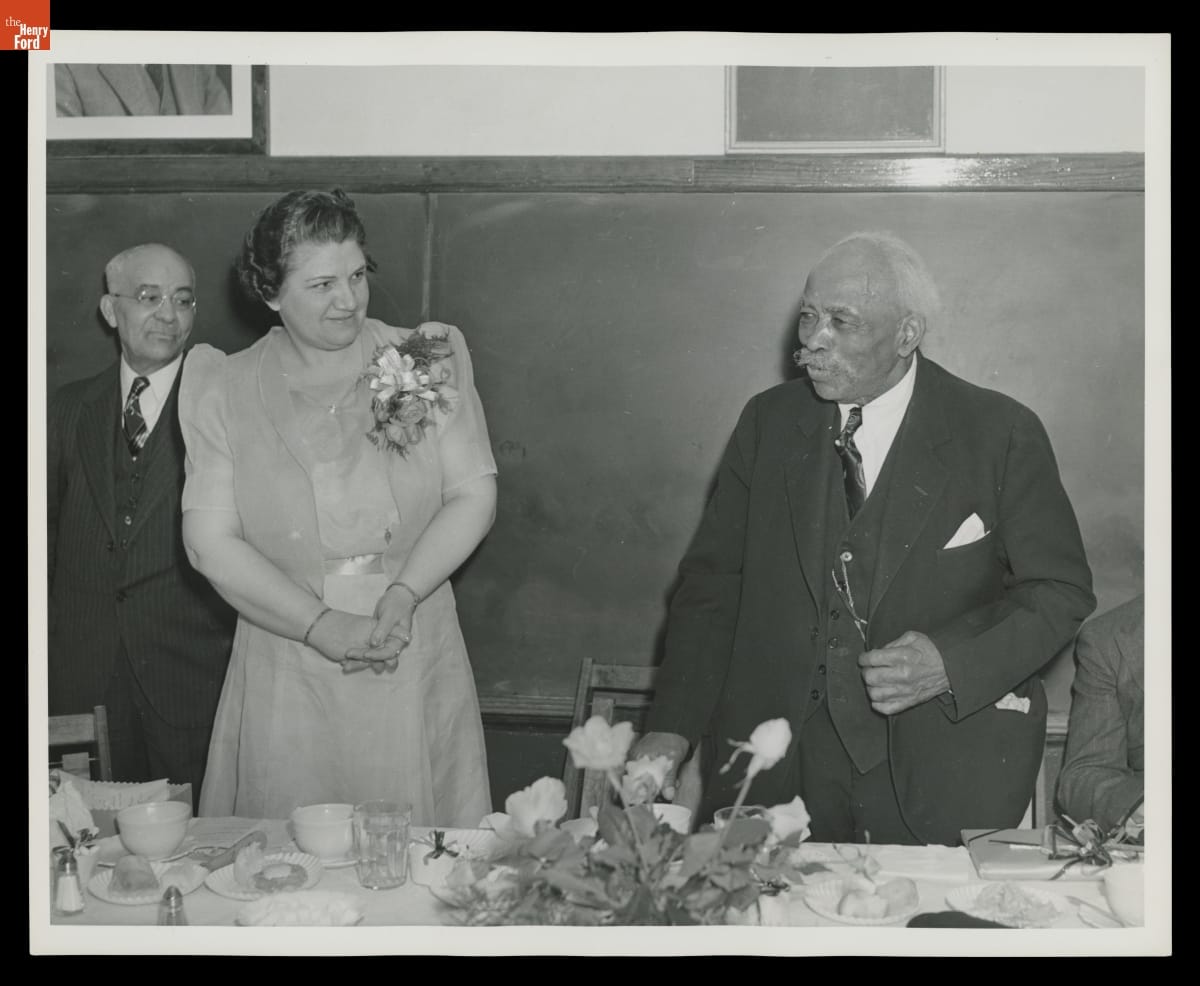
- Inkster High School Senior Banquet, May 2, 1940 - During the Great Depression, Ford Motor Company made efforts to improve living conditions in Inkster, Michigan, a primarily Black community hit especially hard by the economic crisis. Ford built a high school, repaired homes, established a medical clinic, and opened a low-price commissary. Improvements were funded through involuntary paycheck deductions from Inkster residents employed at Ford's nearby Rouge plant.
- May 02, 1940
- Collections - Artifact
Inkster High School Senior Banquet, May 2, 1940
During the Great Depression, Ford Motor Company made efforts to improve living conditions in Inkster, Michigan, a primarily Black community hit especially hard by the economic crisis. Ford built a high school, repaired homes, established a medical clinic, and opened a low-price commissary. Improvements were funded through involuntary paycheck deductions from Inkster residents employed at Ford's nearby Rouge plant.
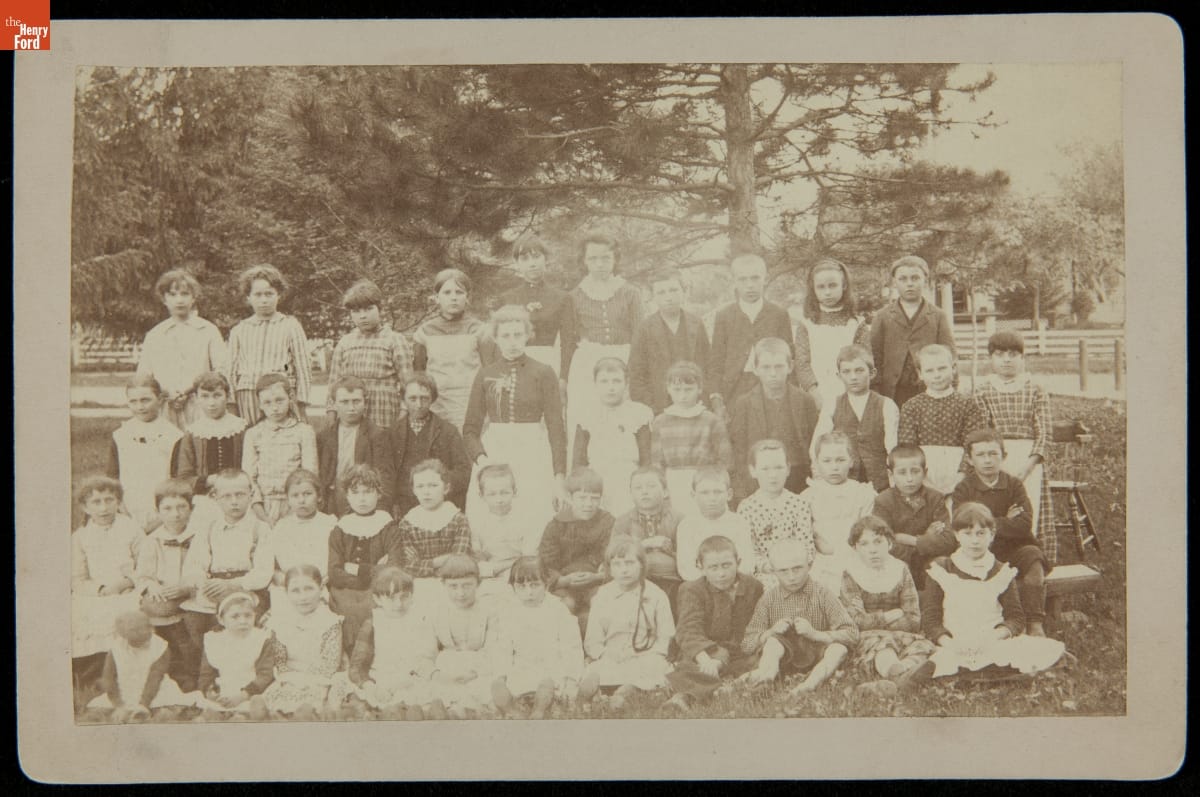
- Group of School Children and Teachers, Hillsdale, Michigan, circa 1890 - This cabinet card shows three teachers and 44 students posing outdoors, perhaps outside the school. This was not a one-room school; the students are approximately the same age. Hillsdale, Michigan, a busy railroad town, had a graded school system. The boys wear shirts, suspenders, and jackets; girls wear pinafores or aprons over their dresses. The teachers wear high-necked, long-sleeve dresses with aprons.
- circa 1890
- Collections - Artifact
Group of School Children and Teachers, Hillsdale, Michigan, circa 1890
This cabinet card shows three teachers and 44 students posing outdoors, perhaps outside the school. This was not a one-room school; the students are approximately the same age. Hillsdale, Michigan, a busy railroad town, had a graded school system. The boys wear shirts, suspenders, and jackets; girls wear pinafores or aprons over their dresses. The teachers wear high-necked, long-sleeve dresses with aprons.
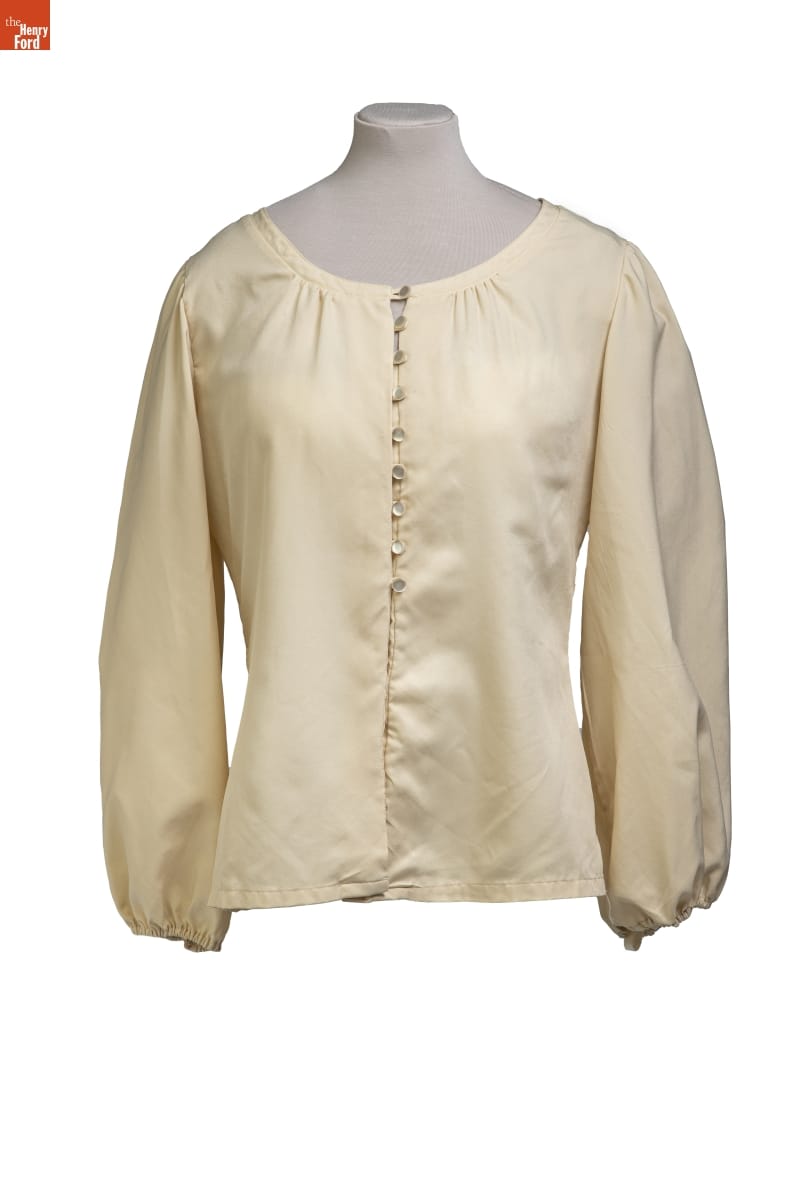
- Blouse, Worn by Kay Sempliner, circa 1962 -
- circa 1962
- Collections - Artifact
Blouse, Worn by Kay Sempliner, circa 1962
- Composition Paper from a School Desk, 1940-1960 -

- 1940-1960
- Collections - Artifact
Composition Paper from a School Desk, 1940-1960
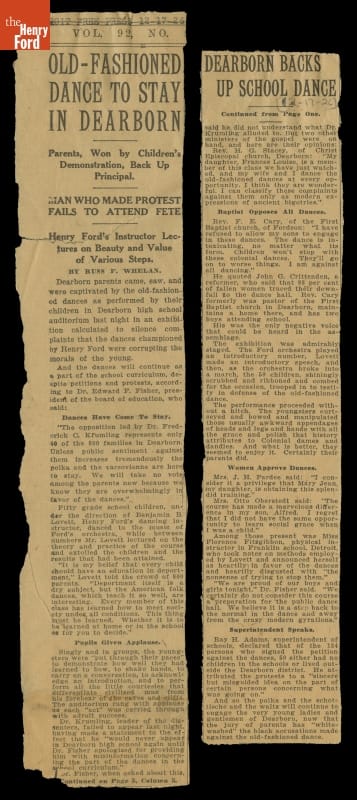
- Newspaper Article, "Old-Fashioned Dance to Stay in Dearborn...Dearborn Backs Up School Dance," 1926 - As Henry Ford extended his traditional American dance classes to local Dearborn schoolchildren, some parents grew alarmed--they weren't sure they approved of boys and girls dancing together. A dance demonstration by the children soon set most of the parents' minds at ease. They quickly realized the benefit of having their children learn these old-time dances--and the good manners that went along with them.
- December 17, 1926
- Collections - Artifact
Newspaper Article, "Old-Fashioned Dance to Stay in Dearborn...Dearborn Backs Up School Dance," 1926
As Henry Ford extended his traditional American dance classes to local Dearborn schoolchildren, some parents grew alarmed--they weren't sure they approved of boys and girls dancing together. A dance demonstration by the children soon set most of the parents' minds at ease. They quickly realized the benefit of having their children learn these old-time dances--and the good manners that went along with them.
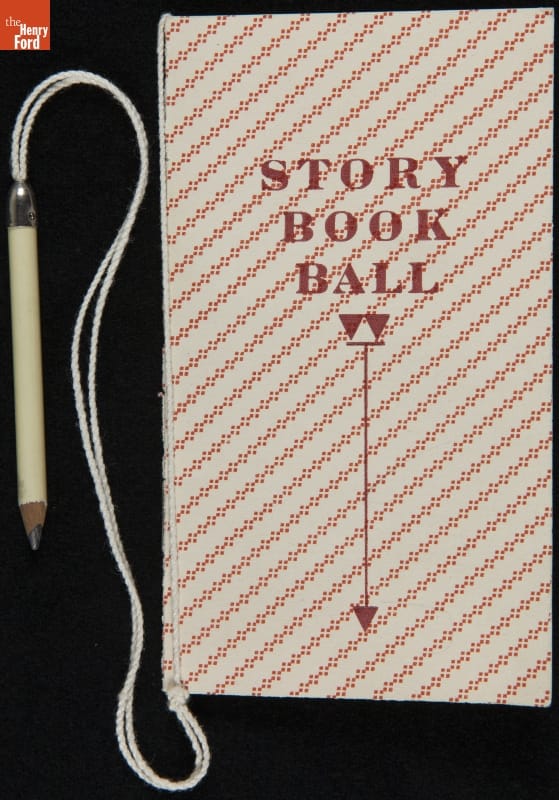
- "Story Book Ball," Prom Dance Card, 1932 -
- April 15, 1932
- Collections - Artifact
"Story Book Ball," Prom Dance Card, 1932
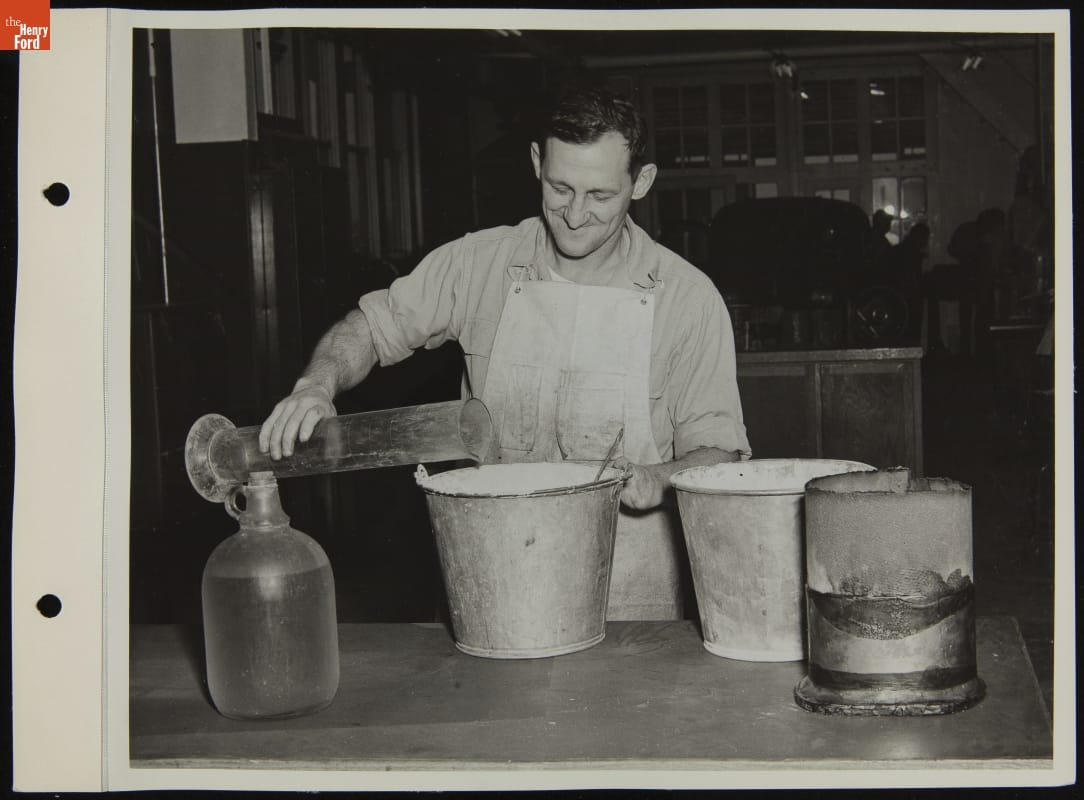
- Disabled Veteran Learning Precision Casting Work, Camp Legion Vocational School, November 1944 - Henry Ford opened Camp Legion, near Dearborn, Michigan, in 1938 for sons of dead or disabled World War I veterans. The young men earned steady wages working there seasonally from April-November. The camp's mission was modified in 1944 to include rehabilitation of World War II veterans with disabilities. Veterans learned new skills to help them reenter the workforce.
- November 28, 1944
- Collections - Artifact
Disabled Veteran Learning Precision Casting Work, Camp Legion Vocational School, November 1944
Henry Ford opened Camp Legion, near Dearborn, Michigan, in 1938 for sons of dead or disabled World War I veterans. The young men earned steady wages working there seasonally from April-November. The camp's mission was modified in 1944 to include rehabilitation of World War II veterans with disabilities. Veterans learned new skills to help them reenter the workforce.
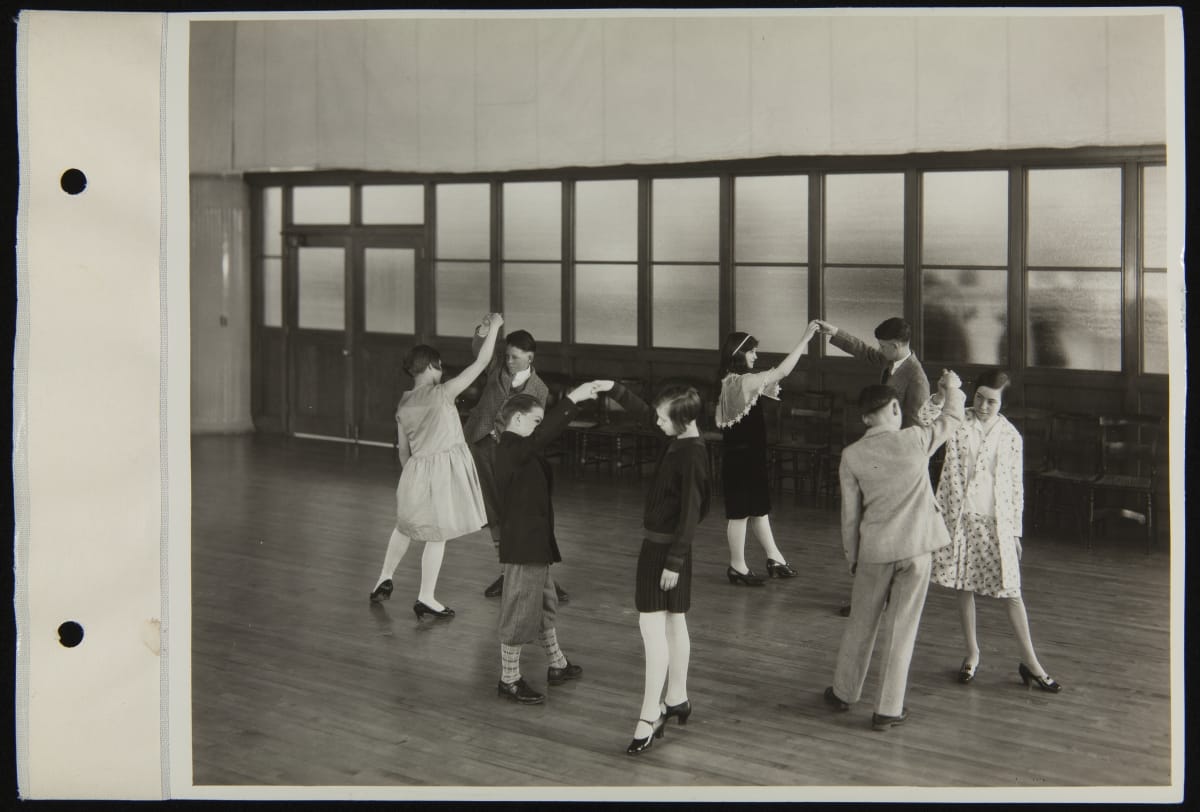
- Edison Institute School Students in the Dance Room of Ford Engineering Laboratory, May 1929 - Henry Ford created a room for dancing at Ford Motor Company's Engineering Lab, where his office and the company's engineering activities were located. These students are learning the traditional American dances of Henry Ford's youth -- along with dance etiquette. Later, Ford built Lovett Hall, an elegant ballroom named for his dancing master.
- May 11, 1929
- Collections - Artifact
Edison Institute School Students in the Dance Room of Ford Engineering Laboratory, May 1929
Henry Ford created a room for dancing at Ford Motor Company's Engineering Lab, where his office and the company's engineering activities were located. These students are learning the traditional American dances of Henry Ford's youth -- along with dance etiquette. Later, Ford built Lovett Hall, an elegant ballroom named for his dancing master.