
Search
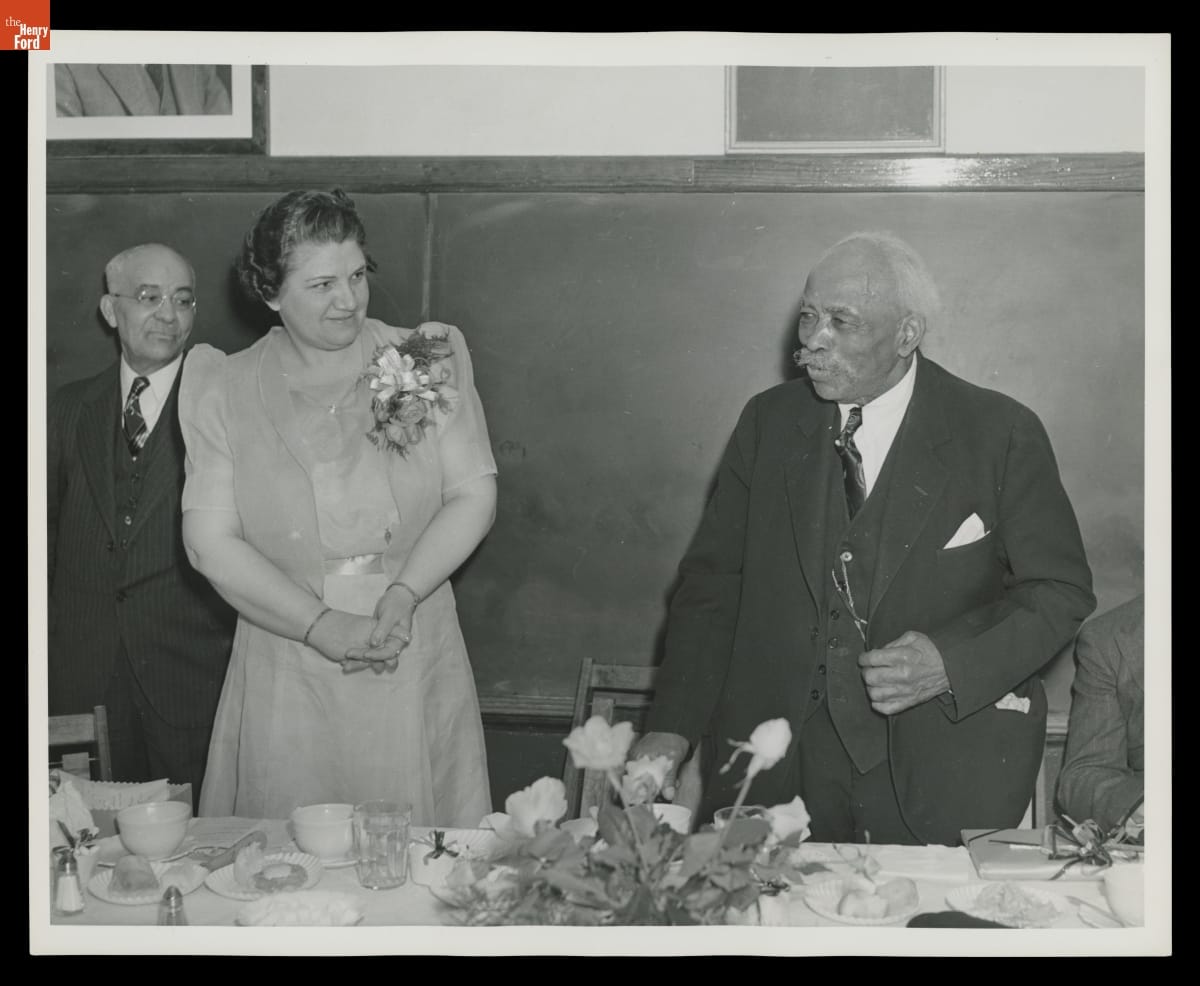
- Inkster High School Senior Banquet, May 2, 1940 - During the Great Depression, Ford Motor Company made efforts to improve living conditions in Inkster, Michigan, a primarily Black community hit especially hard by the economic crisis. Ford built a high school, repaired homes, established a medical clinic, and opened a low-price commissary. Improvements were funded through involuntary paycheck deductions from Inkster residents employed at Ford's nearby Rouge plant.
- May 02, 1940
- Collections - Artifact
Inkster High School Senior Banquet, May 2, 1940
During the Great Depression, Ford Motor Company made efforts to improve living conditions in Inkster, Michigan, a primarily Black community hit especially hard by the economic crisis. Ford built a high school, repaired homes, established a medical clinic, and opened a low-price commissary. Improvements were funded through involuntary paycheck deductions from Inkster residents employed at Ford's nearby Rouge plant.
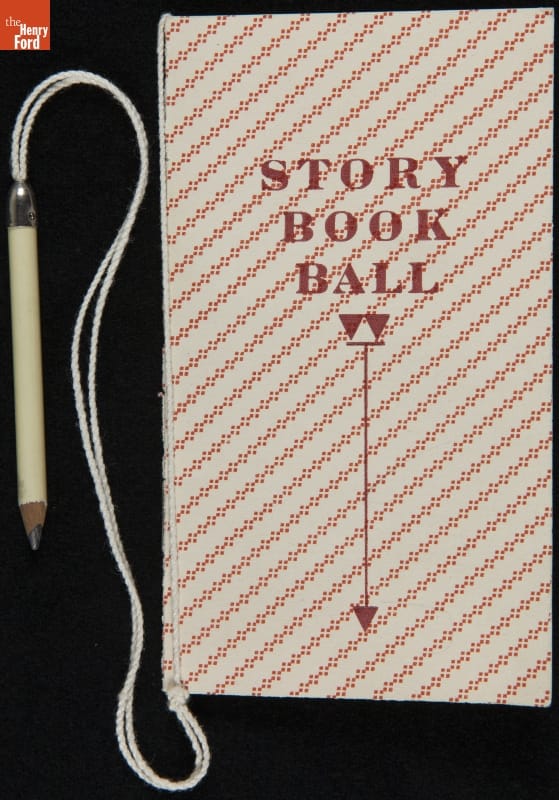
- "Story Book Ball," Prom Dance Card, 1932 -
- April 15, 1932
- Collections - Artifact
"Story Book Ball," Prom Dance Card, 1932
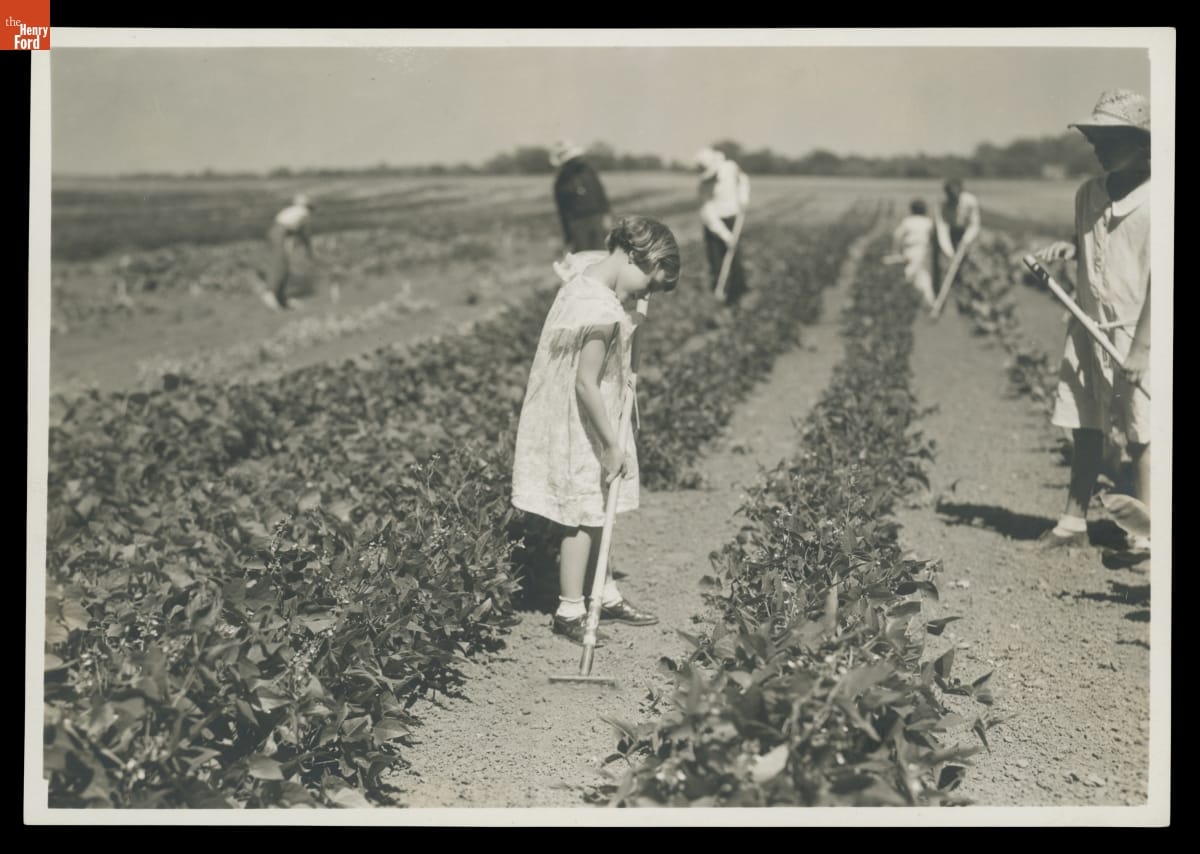
- School Children Working in a Garden, Macon, Michigan -
- 1930-1947
- Collections - Artifact
School Children Working in a Garden, Macon, Michigan
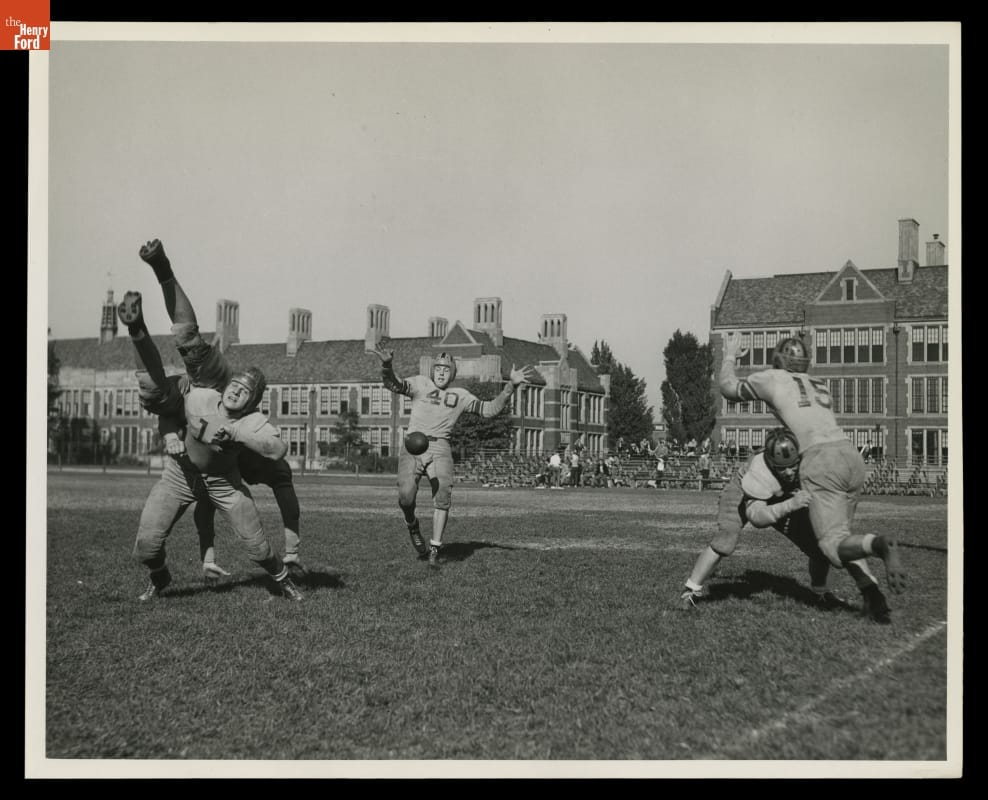
- Advertising Photograph for the Detroit Catholic Central versus Boys Town Football Game on October 22, 1944 -
- October 14, 1944
- Collections - Artifact
Advertising Photograph for the Detroit Catholic Central versus Boys Town Football Game on October 22, 1944
- Advertising Photograph for the Detroit Catholic Central versus Boys Town Football Game on October 22, 1944 -
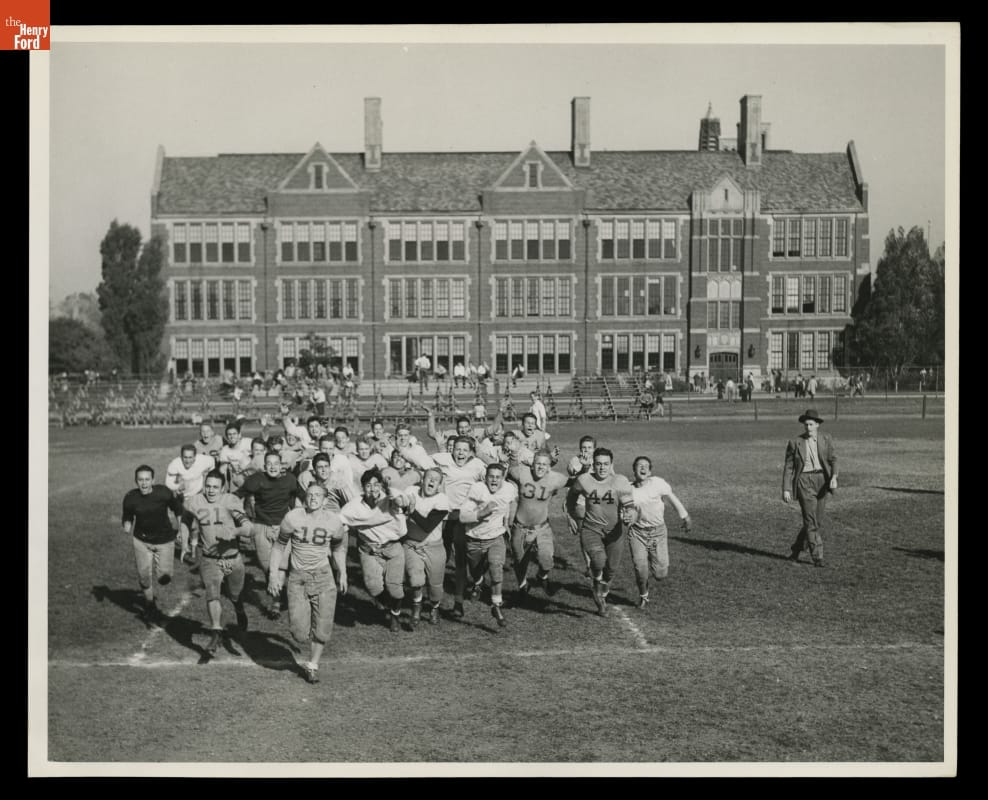
- October 14, 1944
- Collections - Artifact
Advertising Photograph for the Detroit Catholic Central versus Boys Town Football Game on October 22, 1944
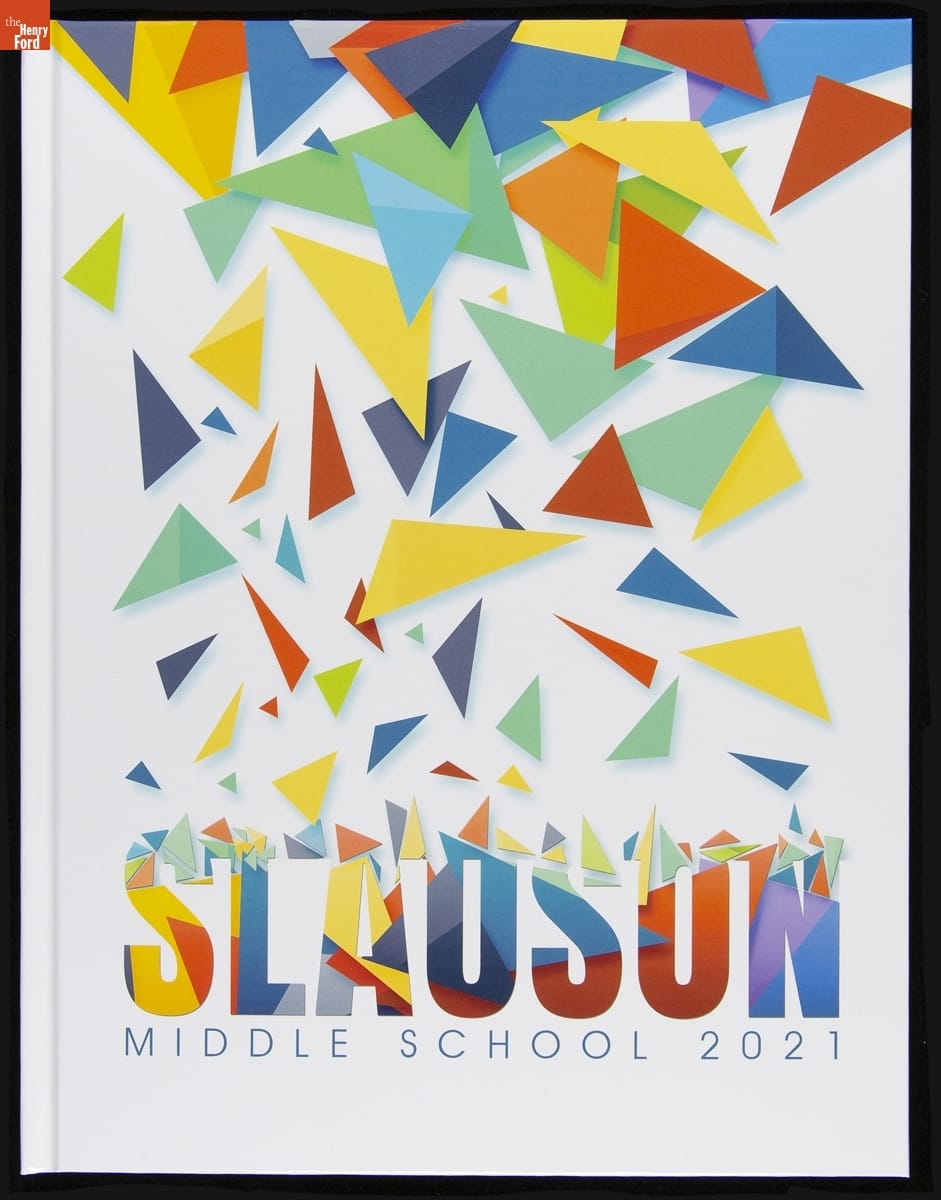
- Slauson Middle School Yearbook, 2020-2021 -
- 2020-2021
- Collections - Artifact
Slauson Middle School Yearbook, 2020-2021
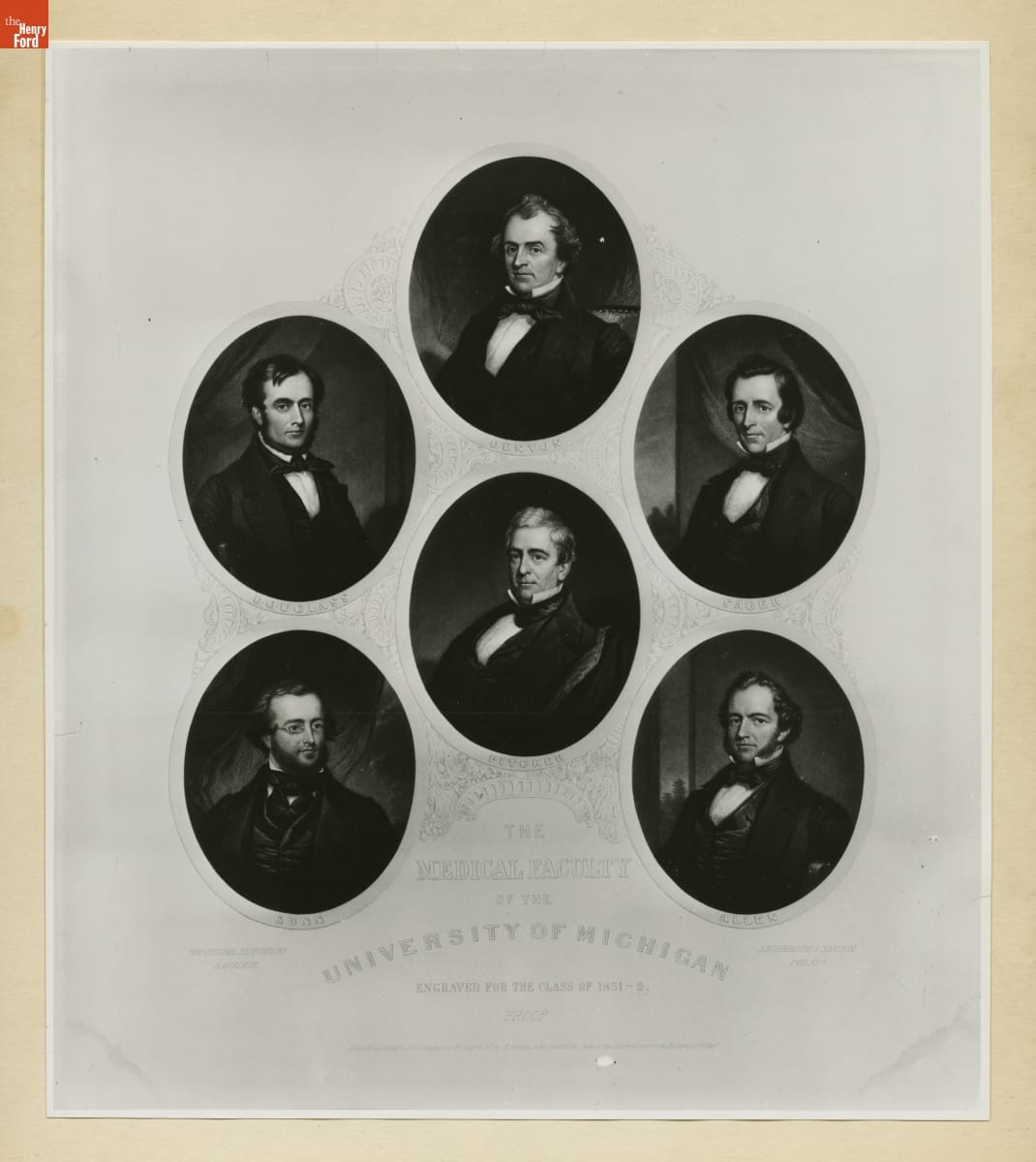
- Medical Faculty of the University of Michigan, 1851 -
- 1851
- Collections - Artifact
Medical Faculty of the University of Michigan, 1851
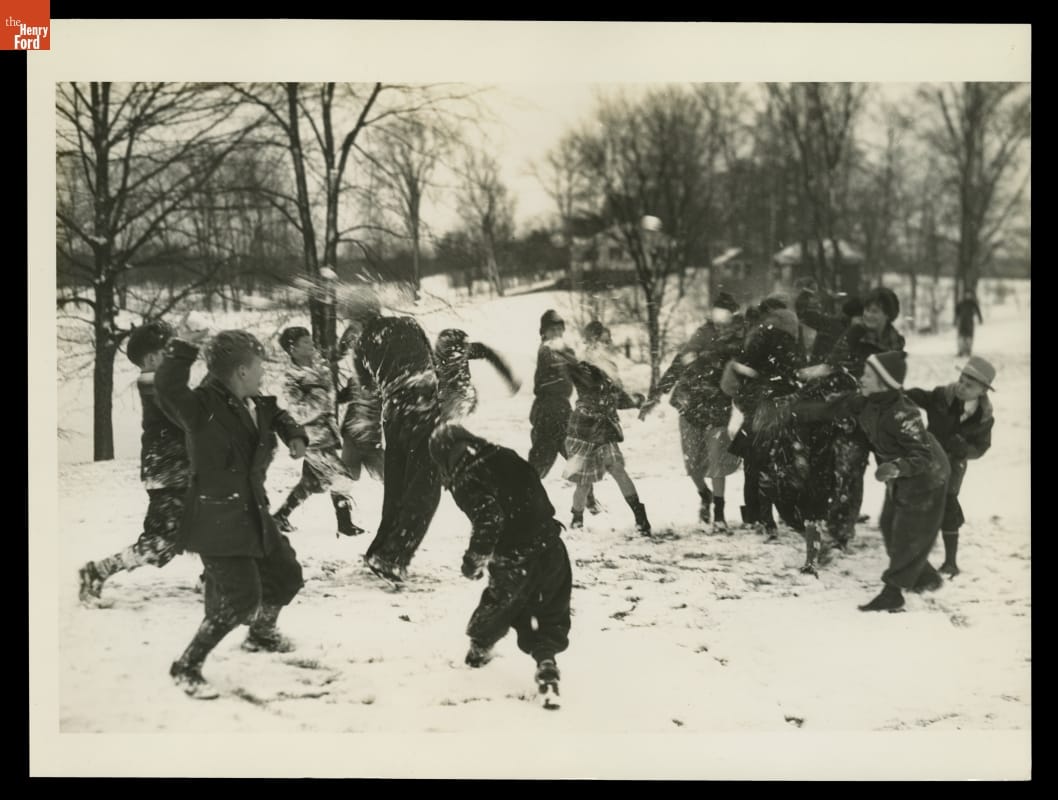
- Snowball Fight in Greenfield Village, December 1935 -
- December 16, 1935
- Collections - Artifact
Snowball Fight in Greenfield Village, December 1935
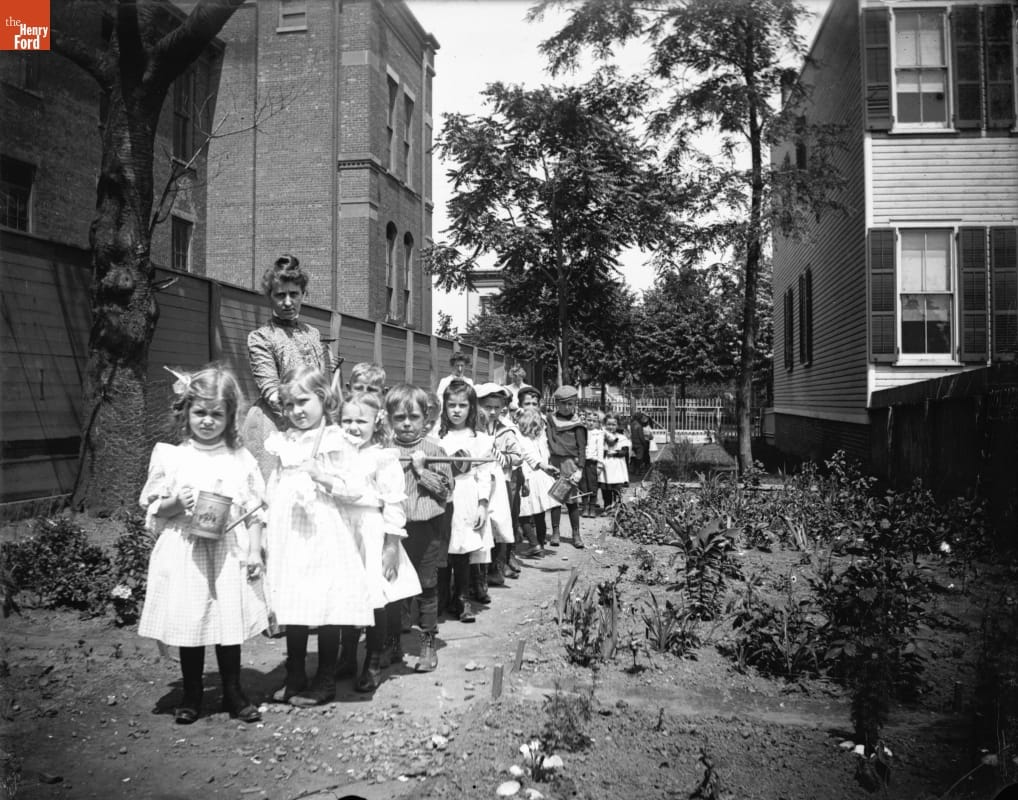
- Children and Teacher outside Public School 65, Brooklyn, New York, 1890-1915 - In 1890, Jenny Young Chandler, 25 years old and recently widowed, began working for the <EM>New York Herald</EM>. As a photojournalist and feature writer, Chandler captured life in Brooklyn, New York, and vicinity. By 1922, the time of her death, she had produced over 800 glass plate negatives. Her sensitive, insightful photographs depict people from all walks of life and the world in which they lived.
- 1890-1915
- Collections - Artifact
Children and Teacher outside Public School 65, Brooklyn, New York, 1890-1915
In 1890, Jenny Young Chandler, 25 years old and recently widowed, began working for the New York Herald. As a photojournalist and feature writer, Chandler captured life in Brooklyn, New York, and vicinity. By 1922, the time of her death, she had produced over 800 glass plate negatives. Her sensitive, insightful photographs depict people from all walks of life and the world in which they lived.
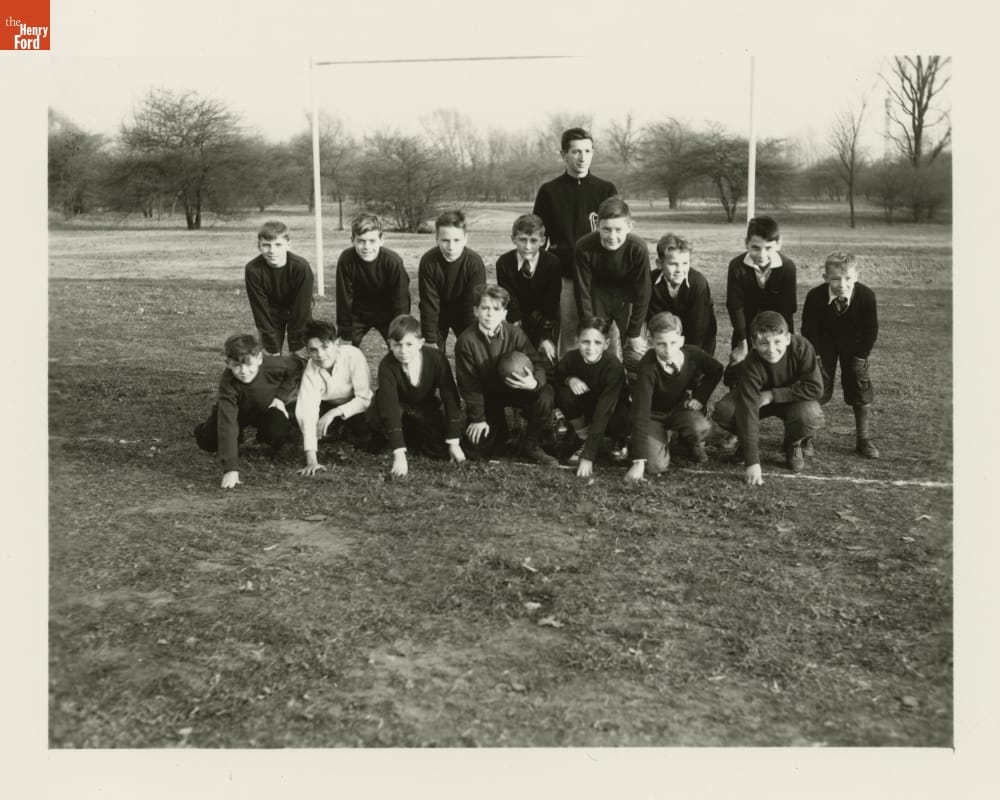
- Edison Institute Schools Football Team on the Playing Field in Greenfield Village, November 1934 -
- November 16, 1934
- Collections - Artifact
Edison Institute Schools Football Team on the Playing Field in Greenfield Village, November 1934