
Search
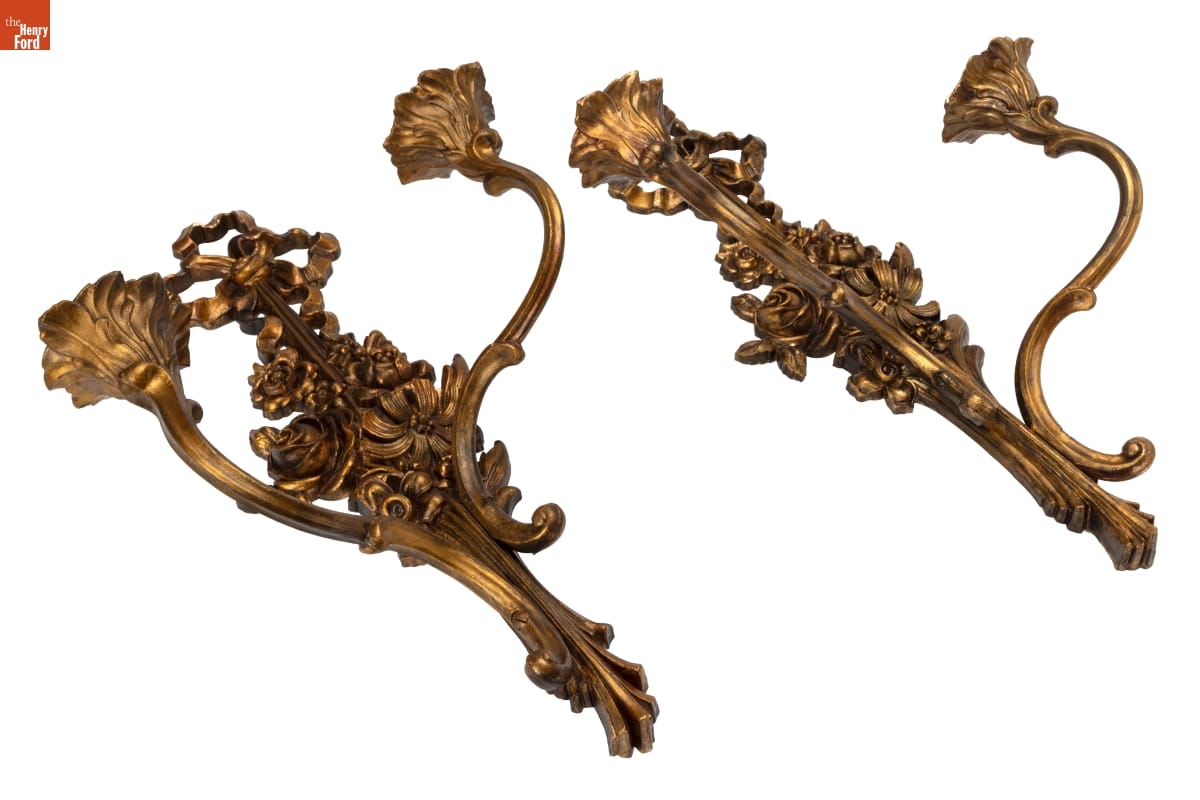
- Pair of Sconces, 1959 -
- 1959
- Collections - Artifact
Pair of Sconces, 1959
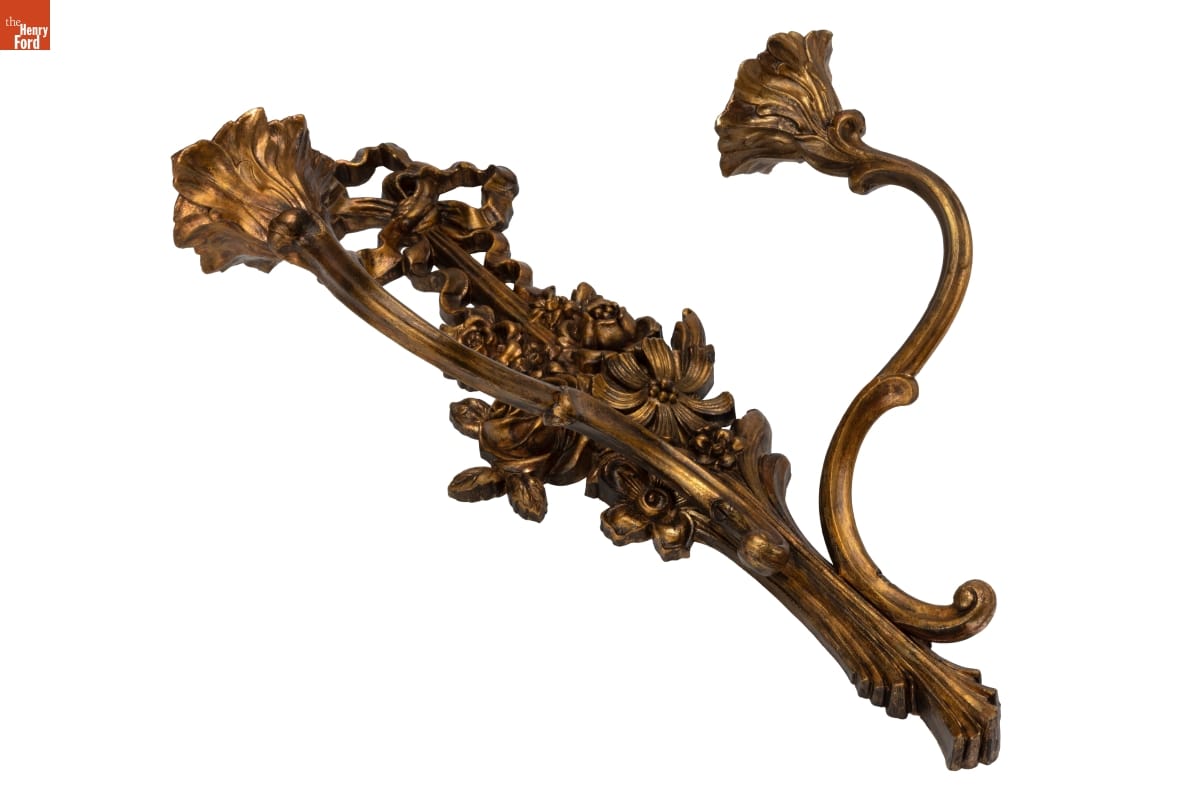
- Wall Sconce, 1959 -
- 1959
- Collections - Artifact
Wall Sconce, 1959
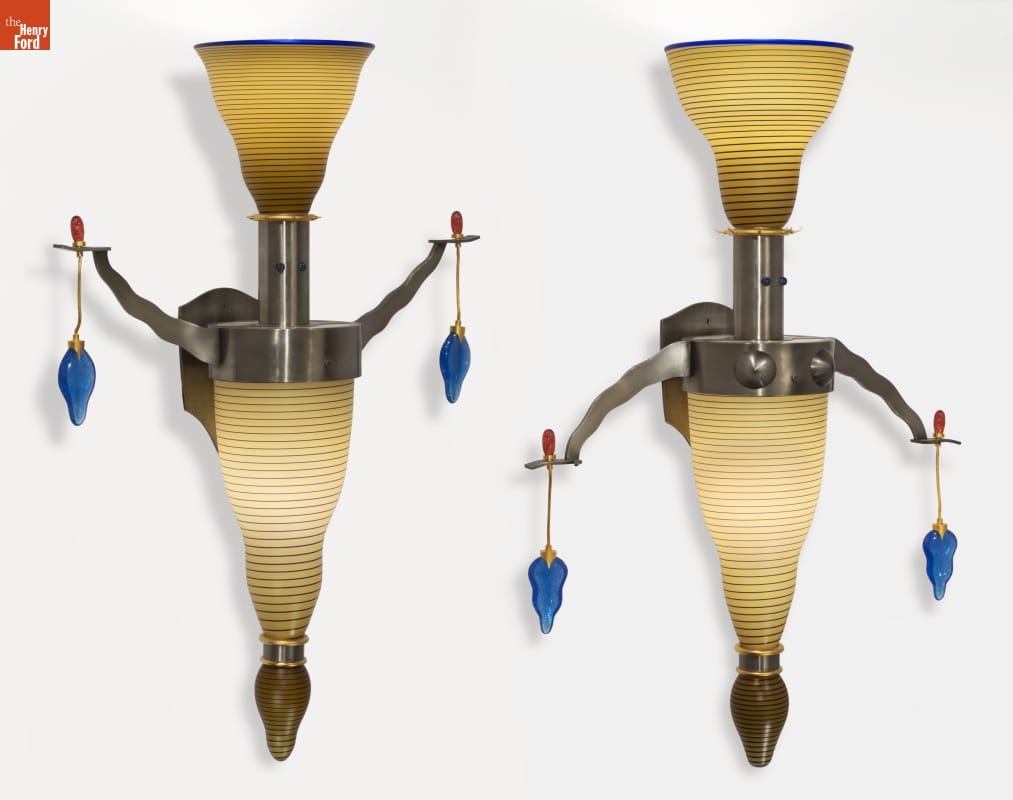
- Sconces, "Salutations" by Dan Dailey, 2005 -
- 2005
- Collections - Artifact
Sconces, "Salutations" by Dan Dailey, 2005
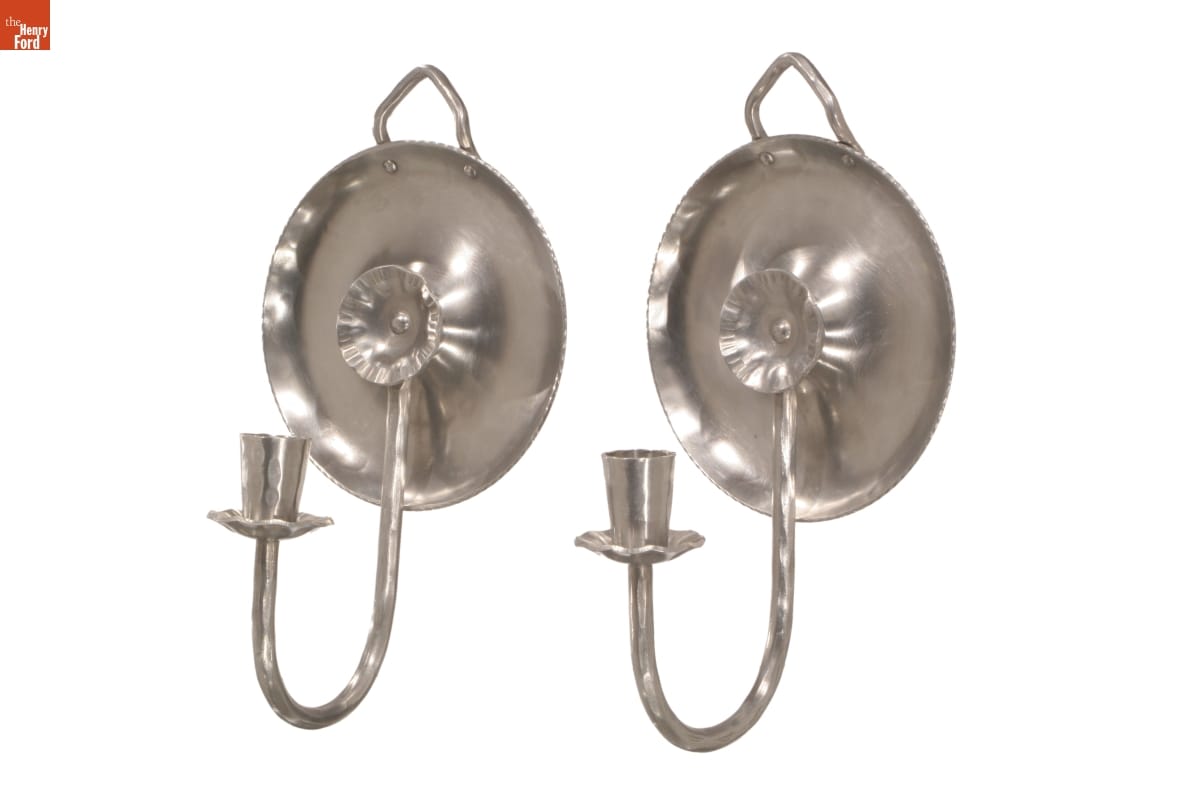
- Everlast "Forged" Candle Sconces, 1933-1939 - In 1932, Louis Schnitzer and Nathan Gelfman formed Everlast Metal Products Corporation, producing high-quality, hand-forged aluminum giftware. In an era of growing uniformity via factory production, the "made by hand" aspect of these products held an aesthetic appeal for consumers. In 1933, Everlast introduced its first product line, "Forged Giftware" featuring Colonial Revival inspired designs.
- 1933-1939
- Collections - Artifact
Everlast "Forged" Candle Sconces, 1933-1939
In 1932, Louis Schnitzer and Nathan Gelfman formed Everlast Metal Products Corporation, producing high-quality, hand-forged aluminum giftware. In an era of growing uniformity via factory production, the "made by hand" aspect of these products held an aesthetic appeal for consumers. In 1933, Everlast introduced its first product line, "Forged Giftware" featuring Colonial Revival inspired designs.
- Wall Sconce, 1959 -
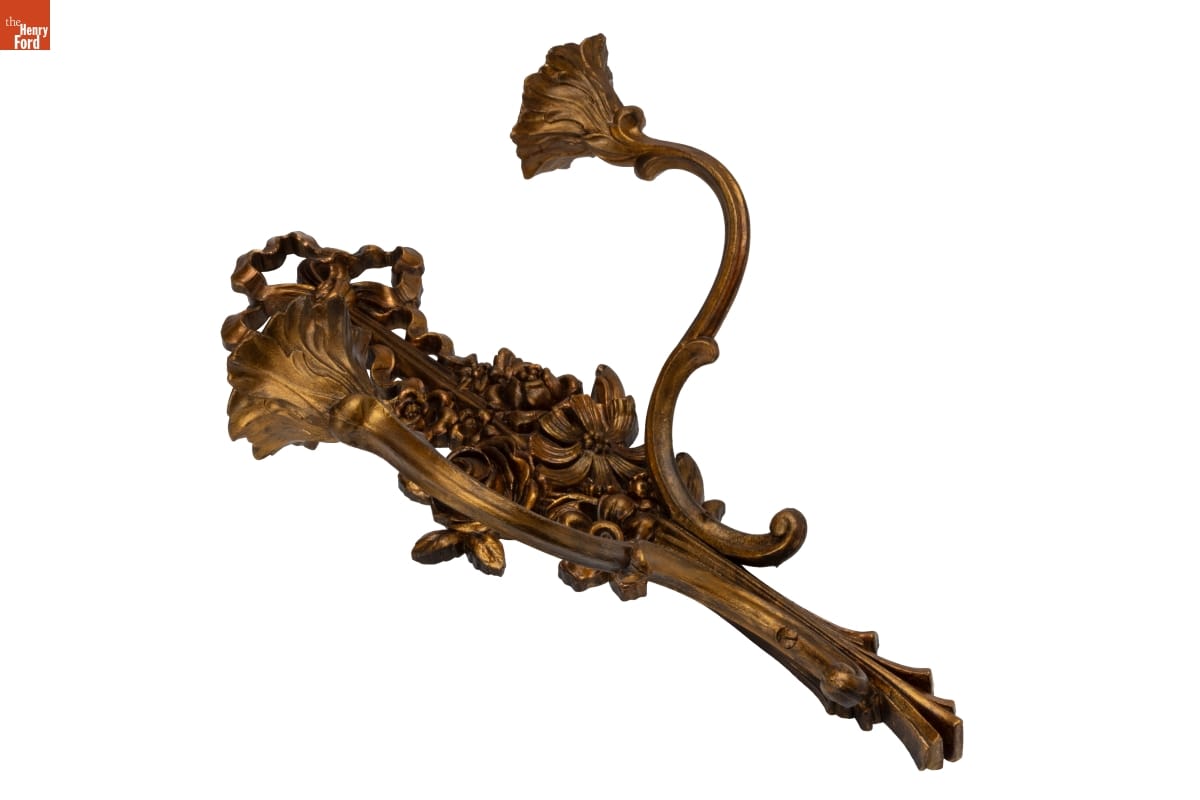
- 1959
- Collections - Artifact
Wall Sconce, 1959
- Sconce, 1974 - Tin-plated iron, commonly called "tin," was the dominant material for utilitarian items in 19th-century America. Local tinsmiths produced an almost endless range of goods. But as more durable and lower maintenance materials emerged, handmade tinware came to be considered a folk art or heritage craft. This 20th-century example was produced in the Greenfield Village tin shop using historical tinsmithing tools and techniques.
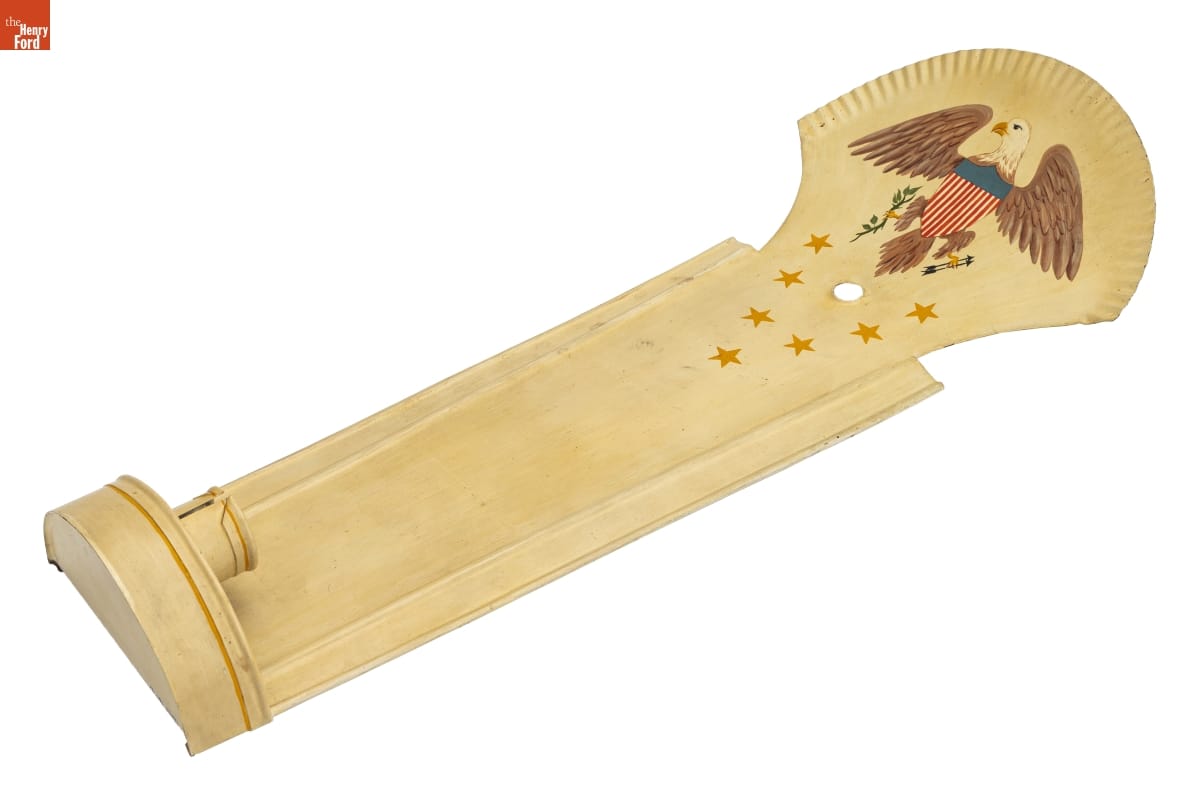
- 1974
- Collections - Artifact
Sconce, 1974
Tin-plated iron, commonly called "tin," was the dominant material for utilitarian items in 19th-century America. Local tinsmiths produced an almost endless range of goods. But as more durable and lower maintenance materials emerged, handmade tinware came to be considered a folk art or heritage craft. This 20th-century example was produced in the Greenfield Village tin shop using historical tinsmithing tools and techniques.