
Search
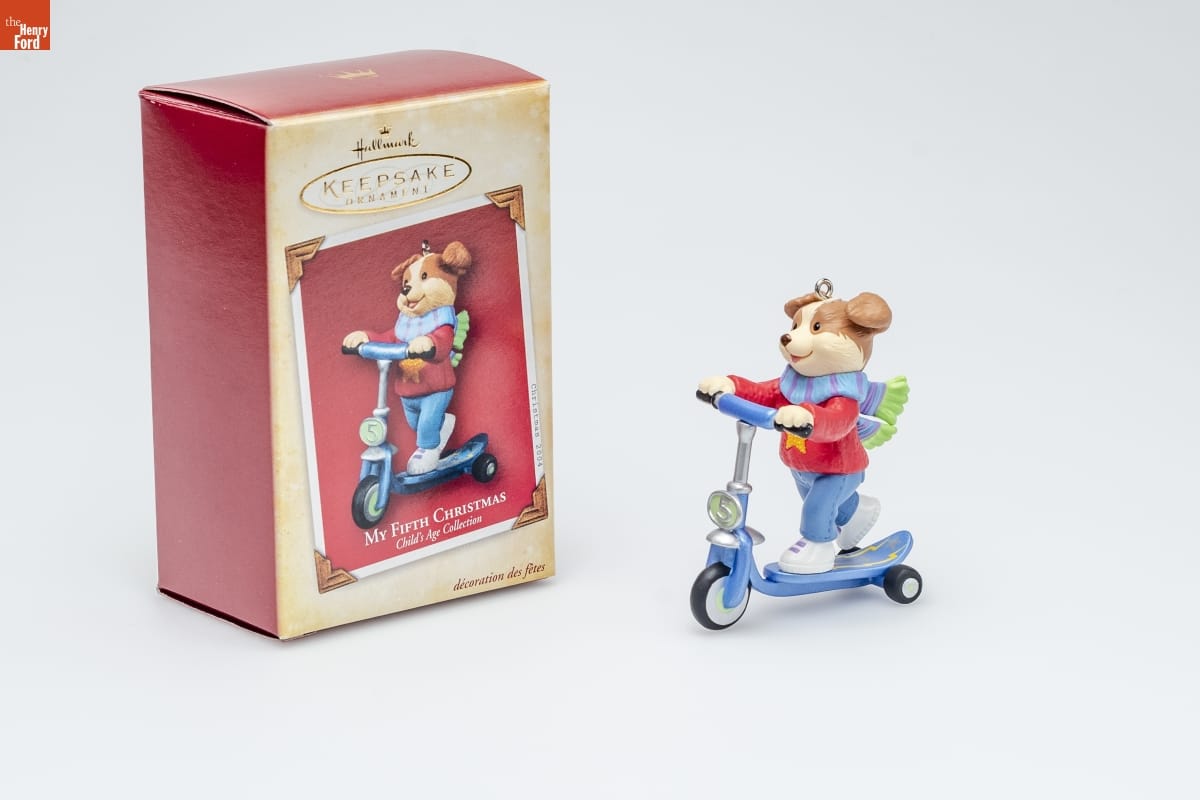
- Hallmark "Child's Age Collection: My Fifth Christmas" Christmas Ornament, 2004 - Already known for greeting cards, Hallmark introduced a line of Christmas ornaments in 1973. The company's annual release of an increasing array of ornaments appealed to customers' interest in marking memories and milestones as well as expressing one's personality and unique tastes. Purchasing an ornament like this one would bring back happy family memories of that event year after year.
- 2004
- Collections - Artifact
Hallmark "Child's Age Collection: My Fifth Christmas" Christmas Ornament, 2004
Already known for greeting cards, Hallmark introduced a line of Christmas ornaments in 1973. The company's annual release of an increasing array of ornaments appealed to customers' interest in marking memories and milestones as well as expressing one's personality and unique tastes. Purchasing an ornament like this one would bring back happy family memories of that event year after year.
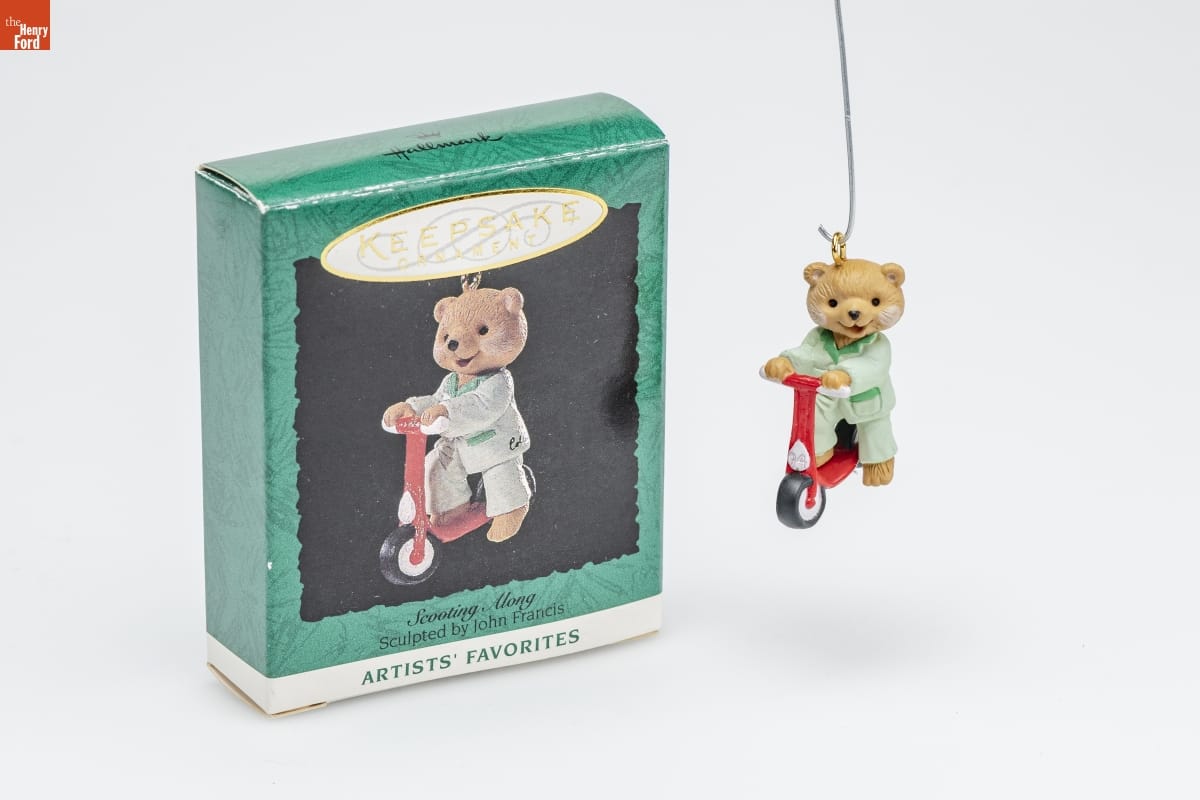
- Hallmark "Artists' Favorites: Scooting Along" Miniature Christmas Ornament, 1994 - Already known for greeting cards, Hallmark introduced a line of Christmas ornaments in 1973. The company's annual release of an increasing array of ornaments revolutionized Christmas decorating, appealing to customers' interest in marking memories and milestones as well as expressing one's personality and unique tastes.
- 1994
- Collections - Artifact
Hallmark "Artists' Favorites: Scooting Along" Miniature Christmas Ornament, 1994
Already known for greeting cards, Hallmark introduced a line of Christmas ornaments in 1973. The company's annual release of an increasing array of ornaments revolutionized Christmas decorating, appealing to customers' interest in marking memories and milestones as well as expressing one's personality and unique tastes.
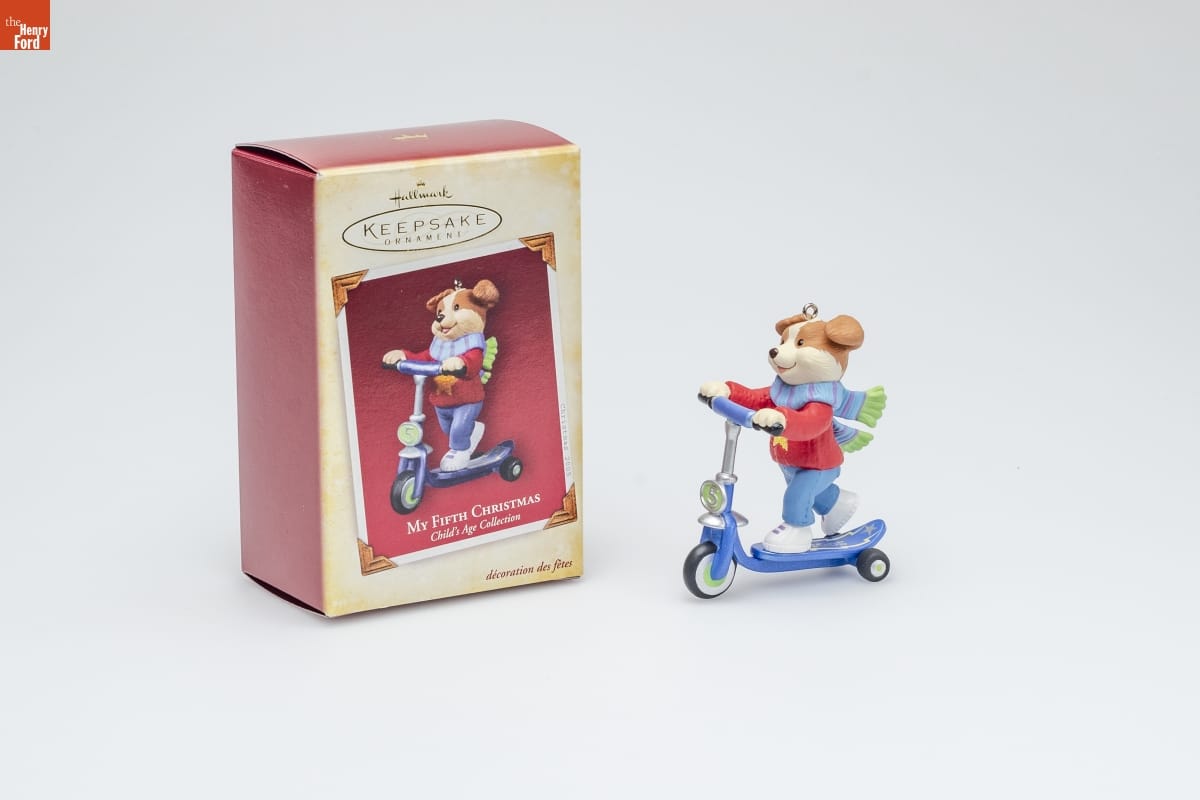
- Hallmark "Child's Age Collection: My Fifth Christmas" Christmas Ornament, 2005 - Already known for greeting cards, Hallmark introduced a line of Christmas ornaments in 1973. The company's annual release of an increasing array of ornaments appealed to customers' interest in marking memories and milestones as well as expressing one's personality and unique tastes. Purchasing an ornament like this one would bring back happy family memories of that event year after year.
- 2005
- Collections - Artifact
Hallmark "Child's Age Collection: My Fifth Christmas" Christmas Ornament, 2005
Already known for greeting cards, Hallmark introduced a line of Christmas ornaments in 1973. The company's annual release of an increasing array of ornaments appealed to customers' interest in marking memories and milestones as well as expressing one's personality and unique tastes. Purchasing an ornament like this one would bring back happy family memories of that event year after year.
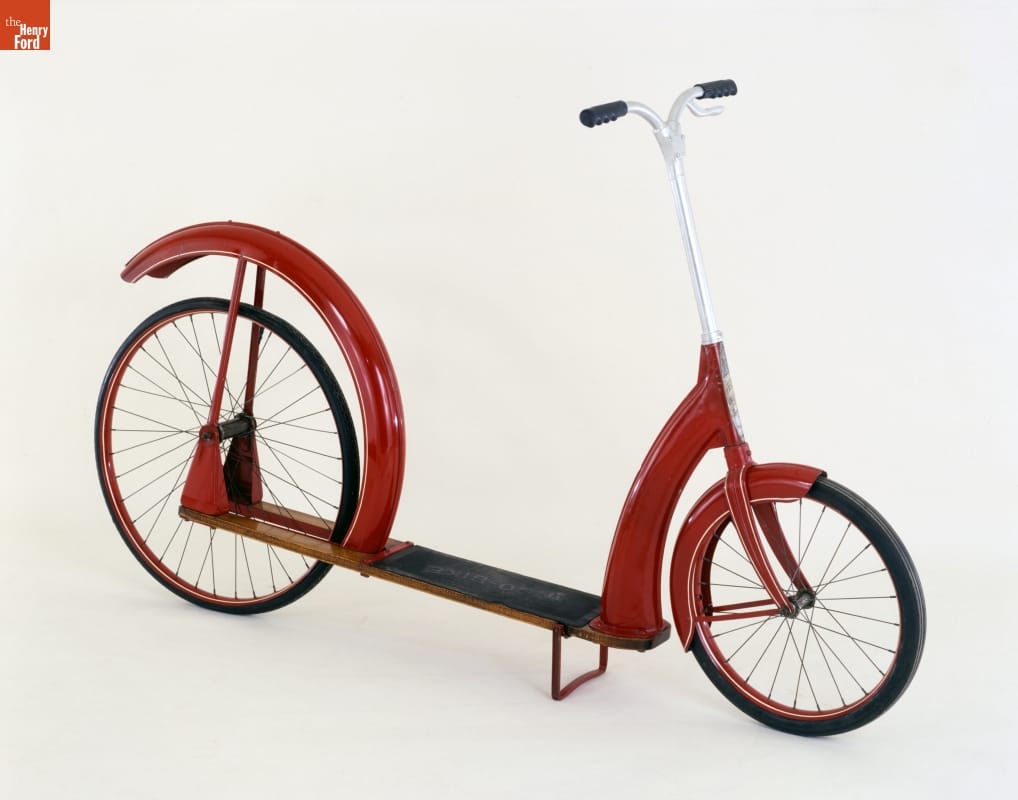
- "Ingo-Bike" Scooter, circa 1935 - Brothers Phillip and Prescott Huyssen patented their Ingo-Bike design in 1934. The scooter's rear wheel has an off-center hub. When a rider bounced up and down on the deck, the movement of the rear fork on that eccentric hub drove the scooter forward. Riding required rhythm -- you had to match your motions to the wheel's rotation.
- circa 1935
- Collections - Artifact
"Ingo-Bike" Scooter, circa 1935
Brothers Phillip and Prescott Huyssen patented their Ingo-Bike design in 1934. The scooter's rear wheel has an off-center hub. When a rider bounced up and down on the deck, the movement of the rear fork on that eccentric hub drove the scooter forward. Riding required rhythm -- you had to match your motions to the wheel's rotation.
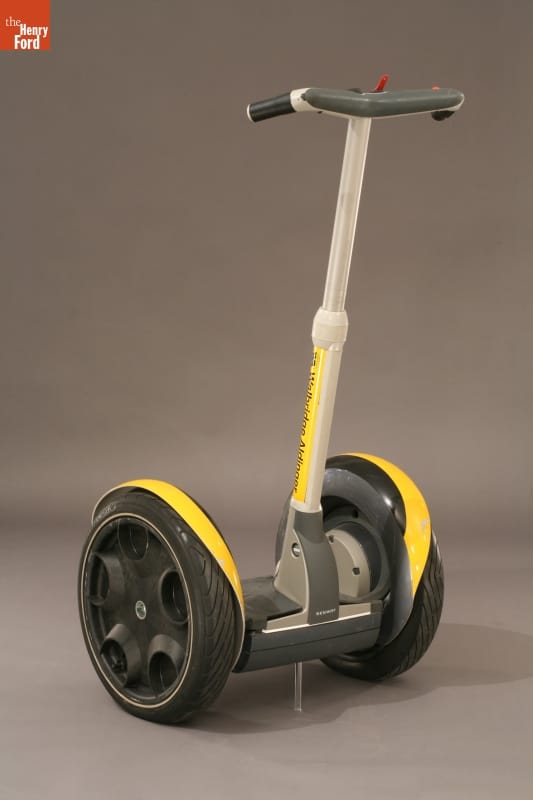
- 2002 Segway Human Transporter - The Segway Personal Transporter is the brainchild of Dean Kamen. Introduced in 2001, this personal mobility device was touted as the next great transportation revolution. This 2002 model "i" weighs 83 pounds, has a speed of 12.5 mph, and a range of 8-12 miles. The Segway uses sophisticated electronic gyroscopic sensors and microprocessors to maintain balance and respond to operator's commands.
- 2002
- Collections - Artifact
2002 Segway Human Transporter
The Segway Personal Transporter is the brainchild of Dean Kamen. Introduced in 2001, this personal mobility device was touted as the next great transportation revolution. This 2002 model "i" weighs 83 pounds, has a speed of 12.5 mph, and a range of 8-12 miles. The Segway uses sophisticated electronic gyroscopic sensors and microprocessors to maintain balance and respond to operator's commands.
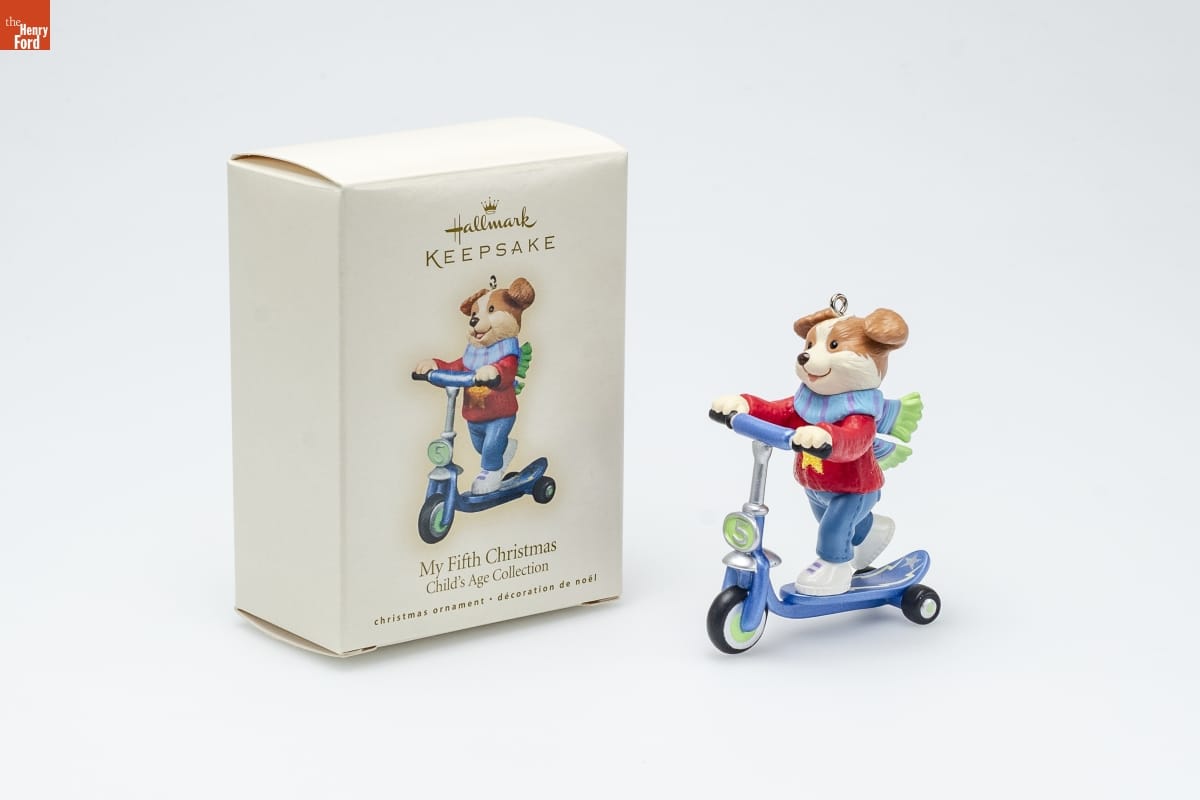
- Hallmark "Child's Age Collection: My Fifth Christmas" Christmas Ornament, 2007 - Already known for greeting cards, Hallmark introduced a line of Christmas ornaments in 1973. The company's annual release of an increasing array of ornaments revolutionized Christmas decorating, appealing to customers' interest in marking memories and milestones as well as expressing one's personality and unique tastes.
- 2007
- Collections - Artifact
Hallmark "Child's Age Collection: My Fifth Christmas" Christmas Ornament, 2007
Already known for greeting cards, Hallmark introduced a line of Christmas ornaments in 1973. The company's annual release of an increasing array of ornaments revolutionized Christmas decorating, appealing to customers' interest in marking memories and milestones as well as expressing one's personality and unique tastes.
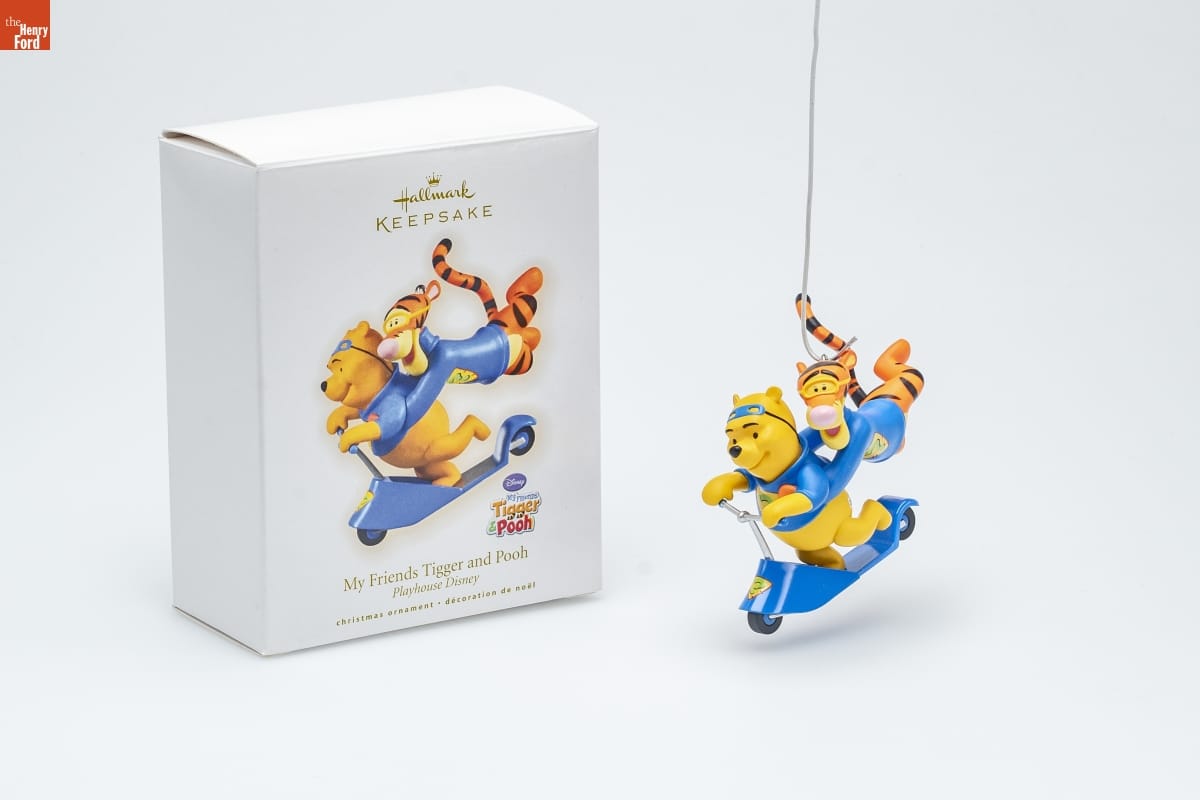
- Hallmark "Playhouse Disney: My Friends Tigger and Pooh" Christmas Ornament, 2009 - Already known for greeting cards, Hallmark introduced a line of Christmas ornaments in 1973. The company's annual release of an increasing array of ornaments revolutionized Christmas decorating, appealing to customers' interest in marking memories and milestones as well as expressing one's personality and unique tastes.
- 2009
- Collections - Artifact
Hallmark "Playhouse Disney: My Friends Tigger and Pooh" Christmas Ornament, 2009
Already known for greeting cards, Hallmark introduced a line of Christmas ornaments in 1973. The company's annual release of an increasing array of ornaments revolutionized Christmas decorating, appealing to customers' interest in marking memories and milestones as well as expressing one's personality and unique tastes.
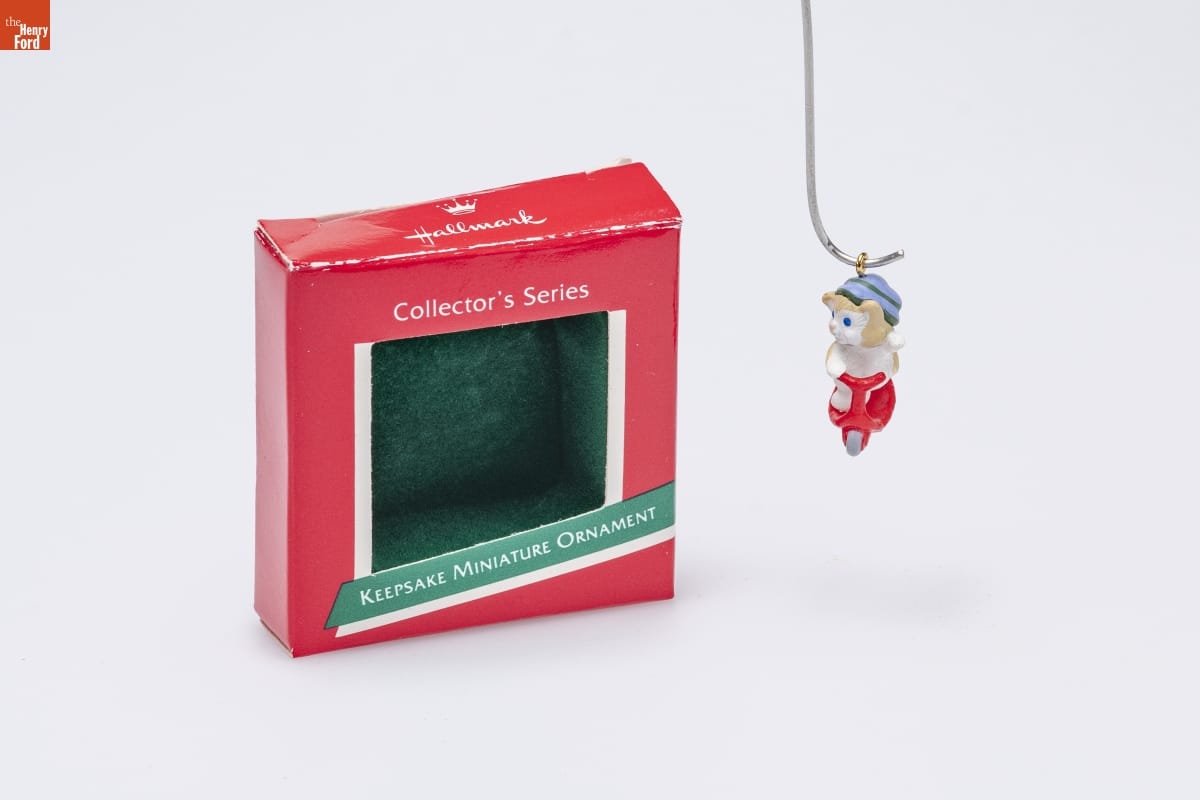
- Hallmark "Kittens in Toyland Series" Miniature Christmas Ornament, 1989 - Already known for greeting cards, Hallmark introduced a line of Christmas ornaments in 1973. The company's annual release of an increasing array of ornaments revolutionized Christmas decorating, appealing to customers' interest in marking memories and milestones as well as expressing one's personality and unique tastes.
- 1989
- Collections - Artifact
Hallmark "Kittens in Toyland Series" Miniature Christmas Ornament, 1989
Already known for greeting cards, Hallmark introduced a line of Christmas ornaments in 1973. The company's annual release of an increasing array of ornaments revolutionized Christmas decorating, appealing to customers' interest in marking memories and milestones as well as expressing one's personality and unique tastes.
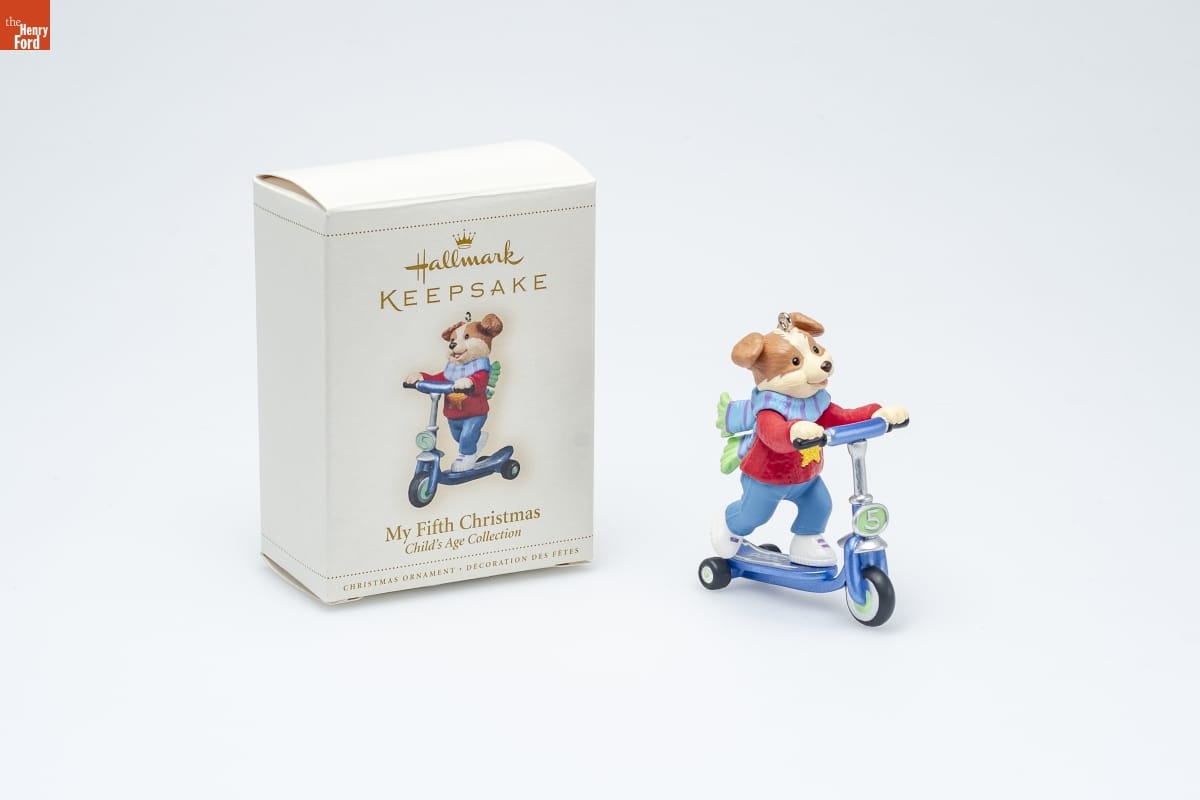
- Hallmark "Child's Age Collection: My Fifth Christmas" Christmas Ornament, 2006 - Already known for greeting cards, Hallmark introduced a line of Christmas ornaments in 1973. The company's annual release of an increasing array of ornaments appealed to customers' interest in marking memories and milestones as well as expressing one's personality and unique tastes. Purchasing an ornament like this one would bring back happy family memories of that event year after year.
- 2006
- Collections - Artifact
Hallmark "Child's Age Collection: My Fifth Christmas" Christmas Ornament, 2006
Already known for greeting cards, Hallmark introduced a line of Christmas ornaments in 1973. The company's annual release of an increasing array of ornaments appealed to customers' interest in marking memories and milestones as well as expressing one's personality and unique tastes. Purchasing an ornament like this one would bring back happy family memories of that event year after year.