
Search
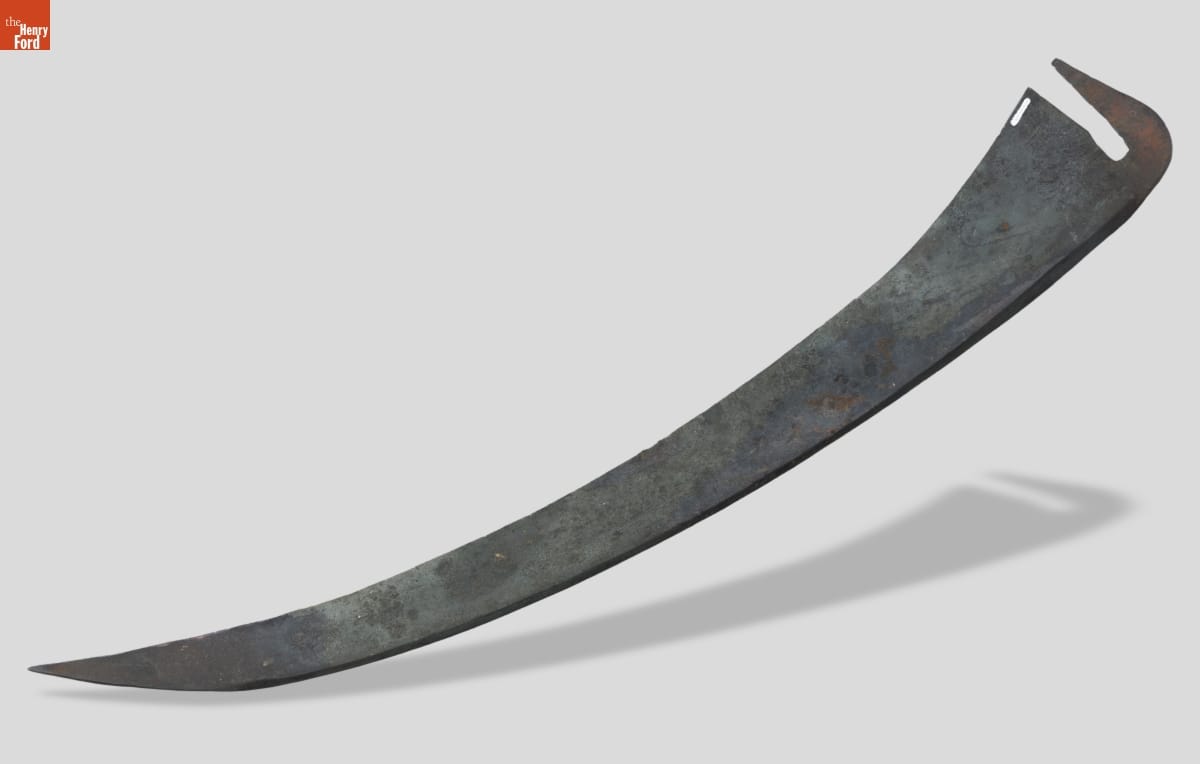
- Scythe Blade -
- Collections - Artifact
Scythe Blade
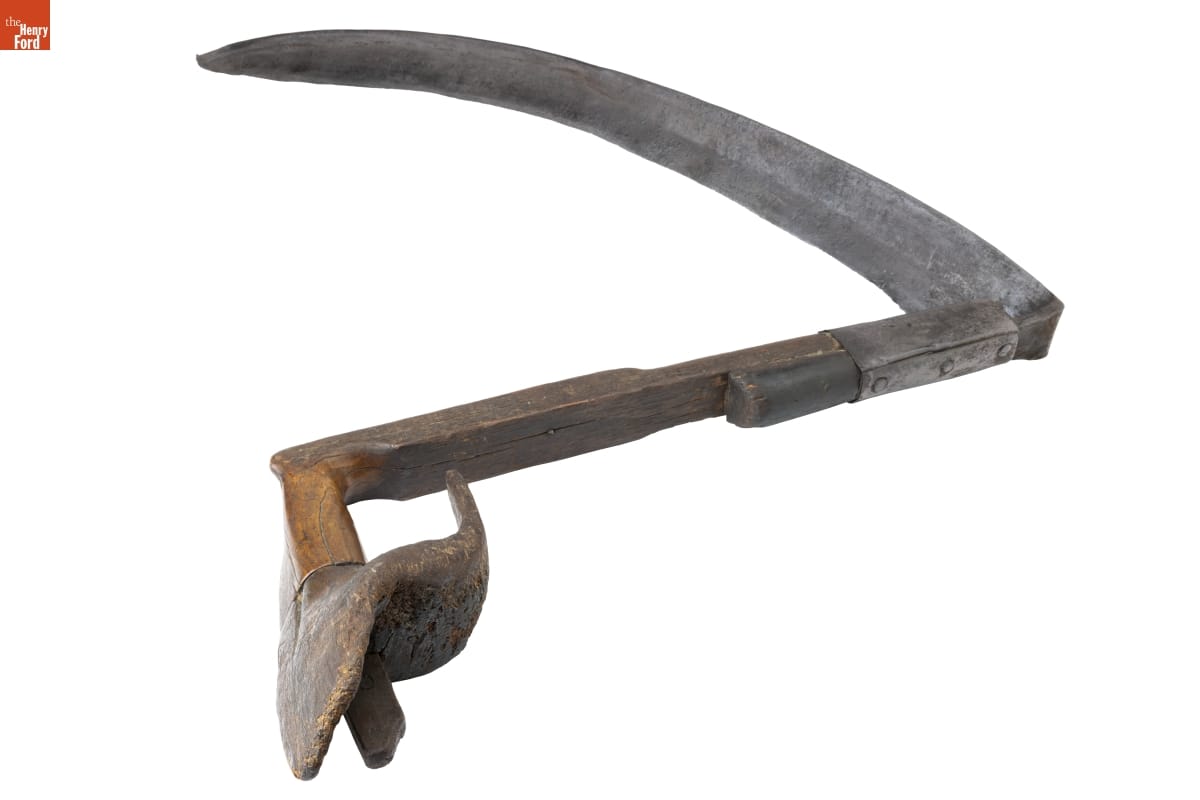
- Scythe -
- Collections - Artifact
Scythe
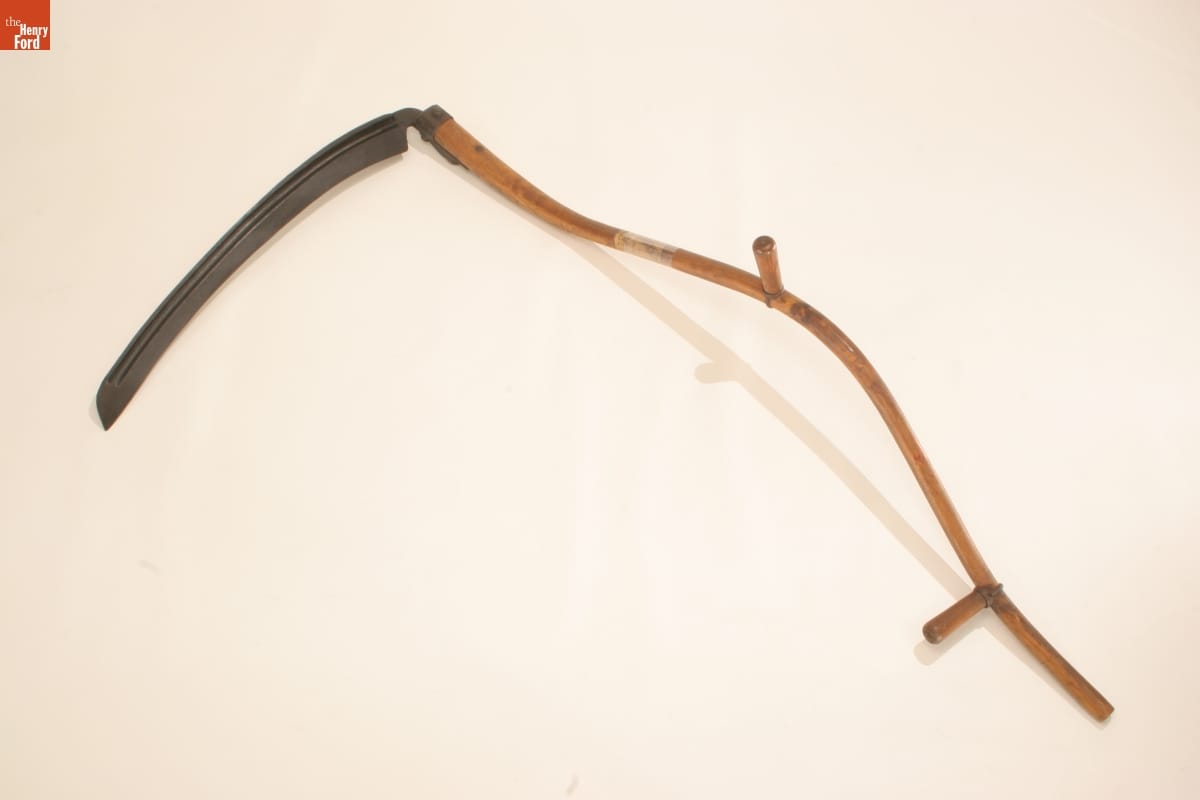
- Scythe, circa 1875 - Scythes helped farmers harvest hay and other grasses quickly. The long sharp blade cut large swaths through the crops. The long handle allowed harvesters to work upright, which removed the bending and stooping required when using a sickle. Swinging a scythe was still hard work. In the 19th century, innovative farmers created mowing machines that made harvesting hay even easier.
- circa 1875
- Collections - Artifact
Scythe, circa 1875
Scythes helped farmers harvest hay and other grasses quickly. The long sharp blade cut large swaths through the crops. The long handle allowed harvesters to work upright, which removed the bending and stooping required when using a sickle. Swinging a scythe was still hard work. In the 19th century, innovative farmers created mowing machines that made harvesting hay even easier.
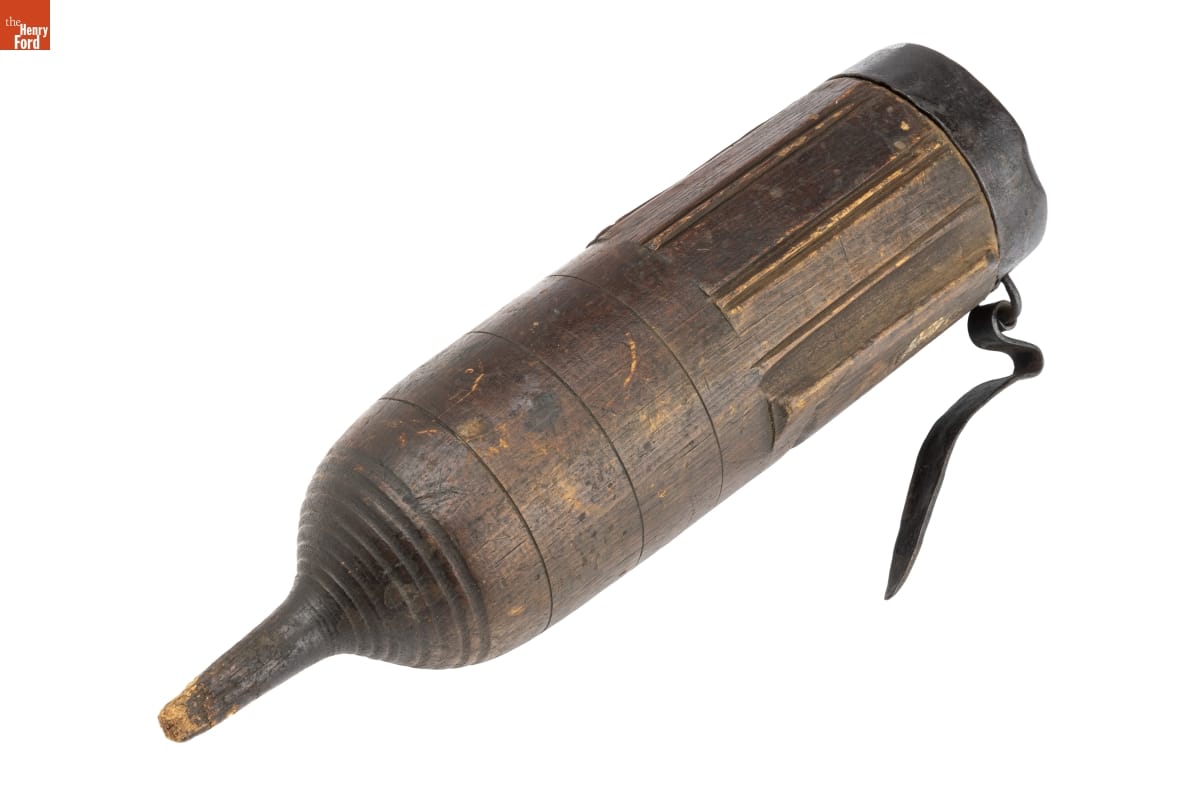
- Whetstone Holder -
- Collections - Artifact
Whetstone Holder
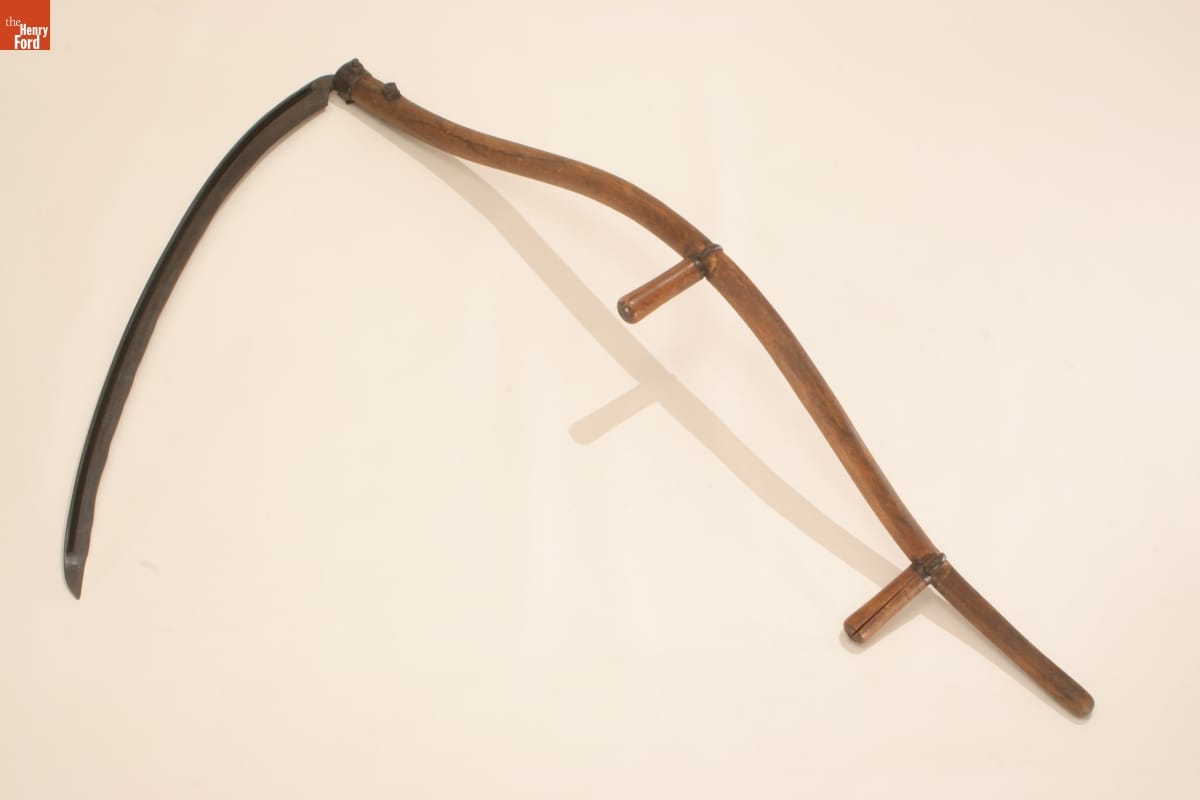
- Scythe, circa 1880 - Scythes helped farmers harvest hay and other grasses quickly. The long sharp blade cut large swaths through the crops. The long handle allowed harvesters to work upright, which removed the bending and stooping required when using a sickle. Swinging a scythe was still hard work. In the 19th century, innovative farmers created mowing machines that made harvesting hay even easier.
- circa 1880
- Collections - Artifact
Scythe, circa 1880
Scythes helped farmers harvest hay and other grasses quickly. The long sharp blade cut large swaths through the crops. The long handle allowed harvesters to work upright, which removed the bending and stooping required when using a sickle. Swinging a scythe was still hard work. In the 19th century, innovative farmers created mowing machines that made harvesting hay even easier.
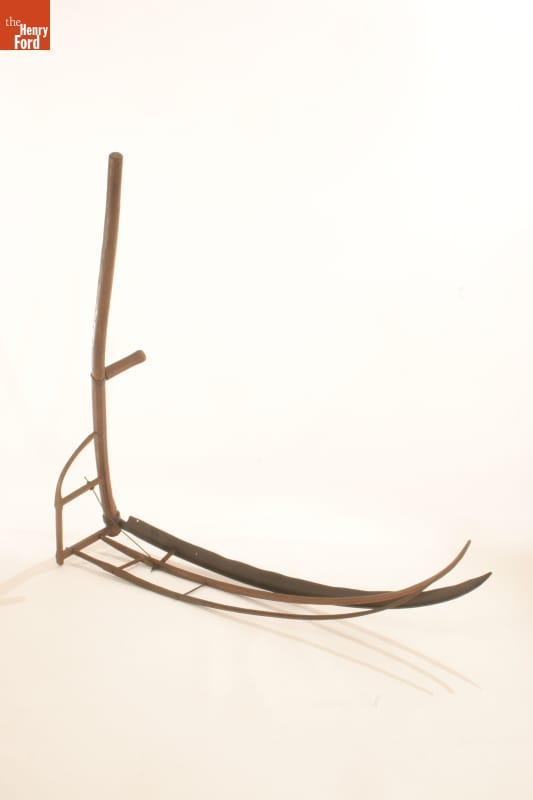
- Cradle Scythe, 1830-1850 - Nineteenth-century farmers needed to harvest grain quickly before time or weather could destroy it. Harvesters would swing the cradle scythe's blade through ripened fields. The cut grain would fall onto the wooden fingers -- the cradle -- where it would be dumped in neat rows ready for gathering. Skilled cradlers could harvest more grain than those using traditional sickles.
- 1830-1850
- Collections - Artifact
Cradle Scythe, 1830-1850
Nineteenth-century farmers needed to harvest grain quickly before time or weather could destroy it. Harvesters would swing the cradle scythe's blade through ripened fields. The cut grain would fall onto the wooden fingers -- the cradle -- where it would be dumped in neat rows ready for gathering. Skilled cradlers could harvest more grain than those using traditional sickles.
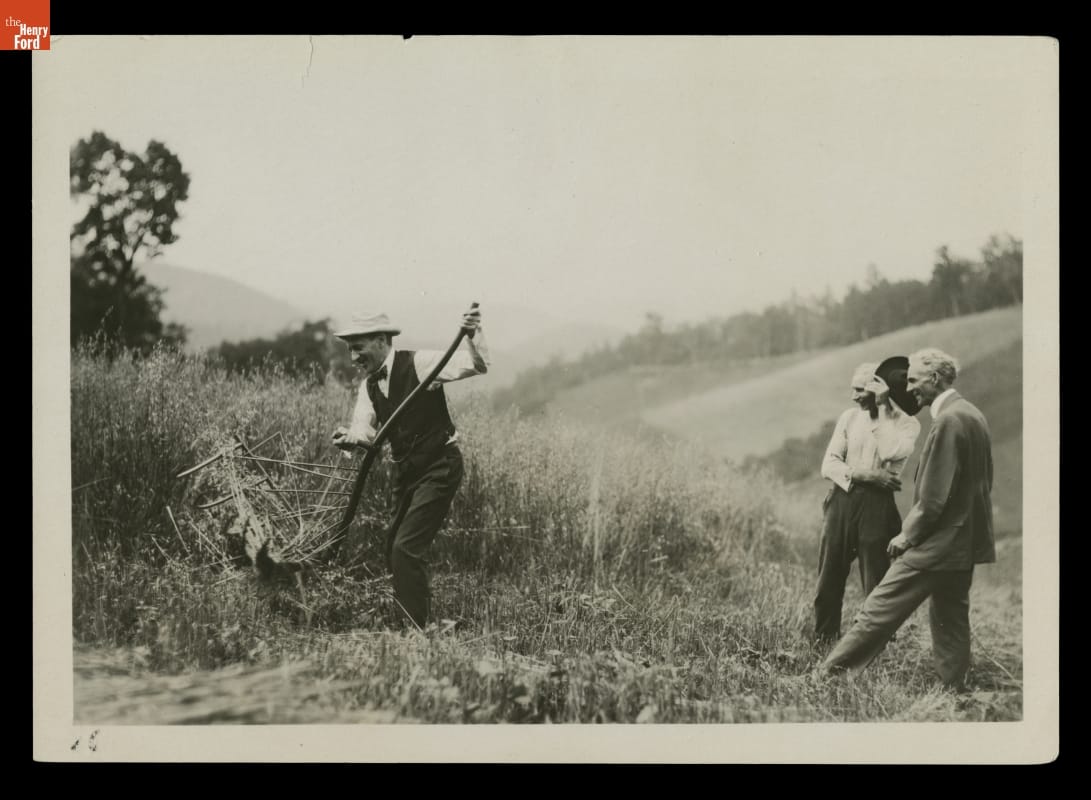
- Harvey Firestone Harvesting Oats with a Cradle Scythe during a "Vagabonds" Camping Trip, 1918 - Between 1916 and 1924, Henry Ford, Thomas Edison, Harvey Firestone and naturalist John Burroughs embarked on a series of camping trips. They called themselves the Vagabonds. These Vagabonds enjoyed retreating from the fast-paced world to explore nature and the pre-industrial countryside. In 1918, the group stopped to help a local farmer harvest his crops. Ford and the farmer look on as Firestone struggles with the grain cradle.
- 1918
- Collections - Artifact
Harvey Firestone Harvesting Oats with a Cradle Scythe during a "Vagabonds" Camping Trip, 1918
Between 1916 and 1924, Henry Ford, Thomas Edison, Harvey Firestone and naturalist John Burroughs embarked on a series of camping trips. They called themselves the Vagabonds. These Vagabonds enjoyed retreating from the fast-paced world to explore nature and the pre-industrial countryside. In 1918, the group stopped to help a local farmer harvest his crops. Ford and the farmer look on as Firestone struggles with the grain cradle.
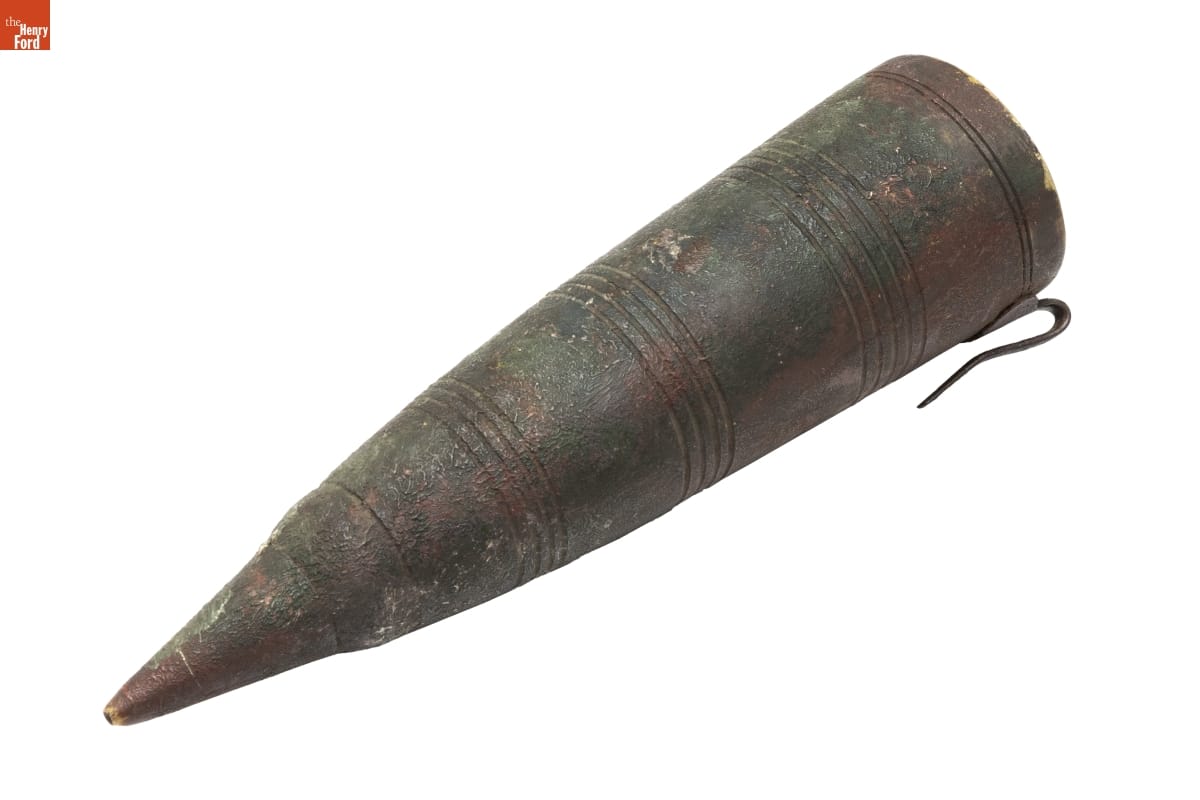
- Whetstone Holder -
- Collections - Artifact
Whetstone Holder
- Scythe -
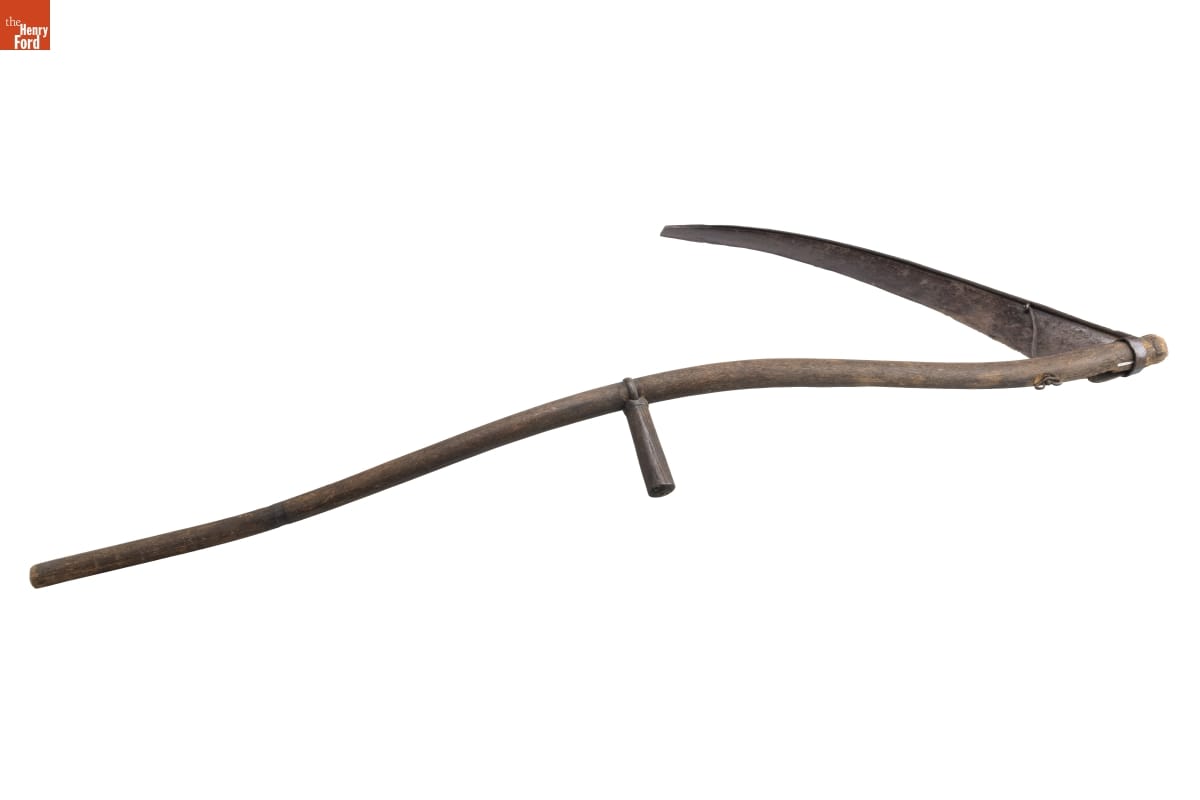
- Collections - Artifact
Scythe
- Whetstone Holder, 1840 -
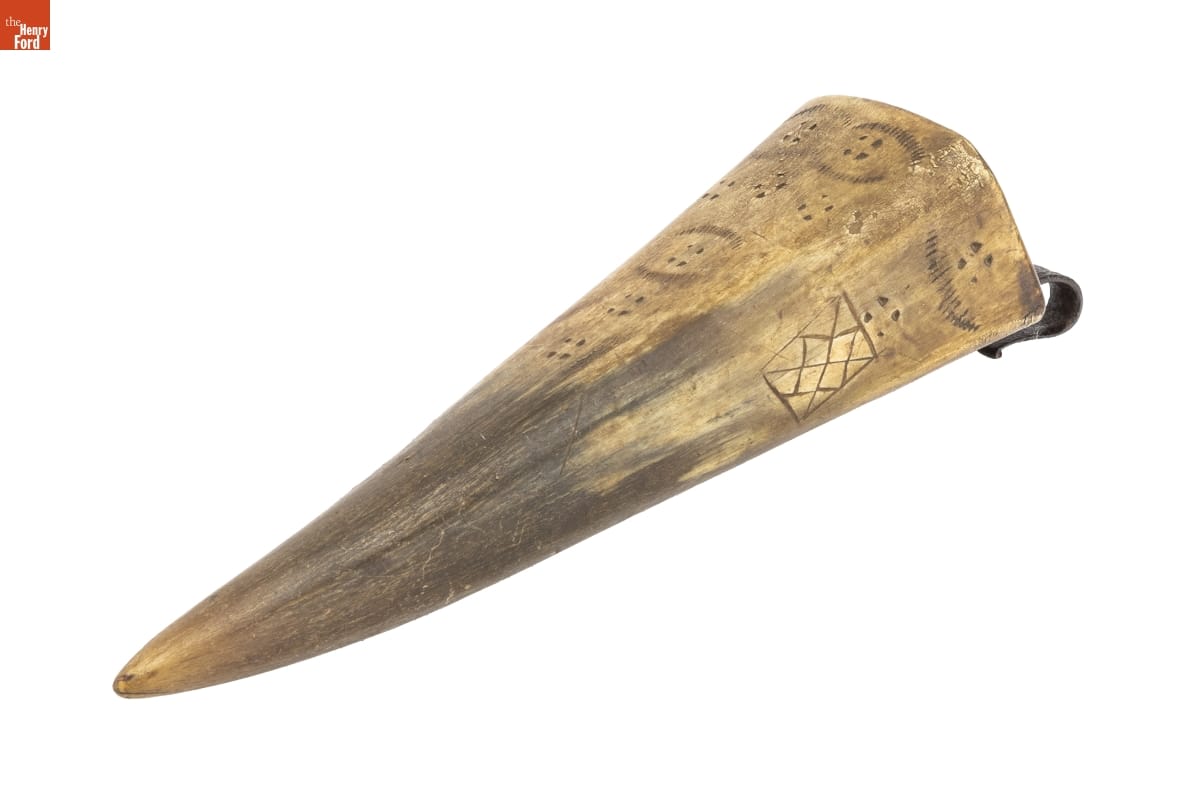
- 1840
- Collections - Artifact
Whetstone Holder, 1840