
Search
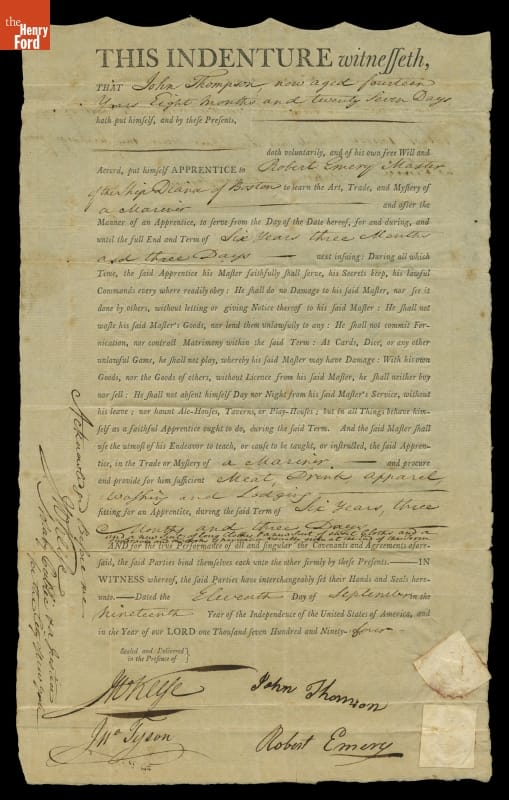
- Agreement for John Thomson to be Apprenticed to Shipmaster Robert Emery for Six Years, September 11, 1794 -
- September 11, 1794
- Collections - Artifact
Agreement for John Thomson to be Apprenticed to Shipmaster Robert Emery for Six Years, September 11, 1794
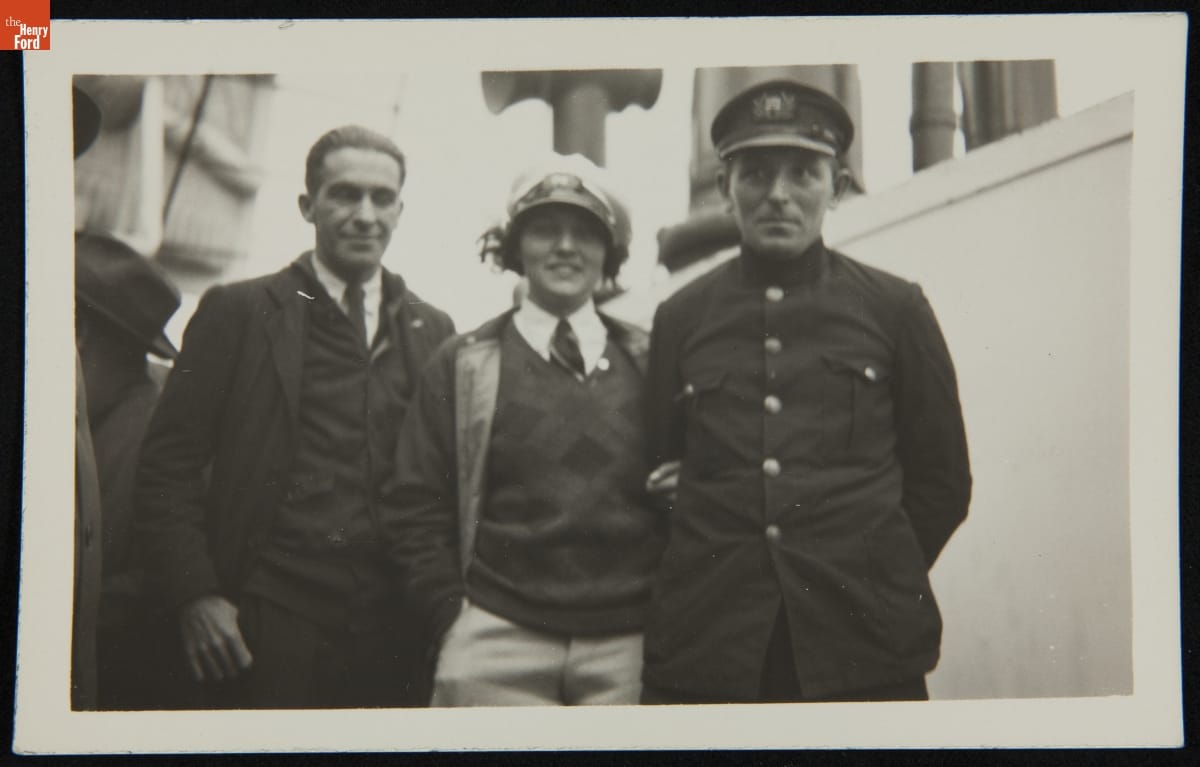
- George Haldeman and Ruth Elder with Captain Goos of the SS Barendrecht, Horta, Azores, October 1927 - Ruth Elder fell short of her goal to be the first woman to fly the Atlantic in 1927, but the public loved her just the same. She competed in the 1929 Women's Air Derby and parlayed her aviation fame into a modest film career. Elder was fondly remembered as the "Miss America of the Air" when she died in 1977.
- October 01, 1927
- Collections - Artifact
George Haldeman and Ruth Elder with Captain Goos of the SS Barendrecht, Horta, Azores, October 1927
Ruth Elder fell short of her goal to be the first woman to fly the Atlantic in 1927, but the public loved her just the same. She competed in the 1929 Women's Air Derby and parlayed her aviation fame into a modest film career. Elder was fondly remembered as the "Miss America of the Air" when she died in 1977.
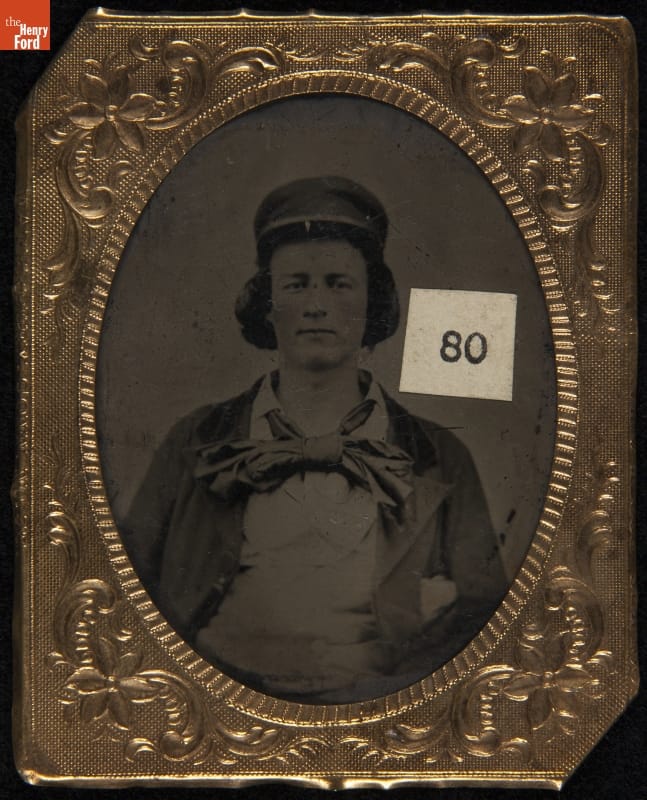
- Portrait of a Seaman, circa 1865 - Tintype photographs peaked in popularity in the mid-19 century. Lacquered iron plates coated with light-sensitive collodion were exposed in cameras by photographers in formal studios and mobile booths at fairs. Compared to other processes, tintypes were inexpensive and could be produced in minutes--"instant photographs" of their day. Durable and lightweight, Civil War soldiers carried them as mementos of home.
- circa 1865
- Collections - Artifact
Portrait of a Seaman, circa 1865
Tintype photographs peaked in popularity in the mid-19 century. Lacquered iron plates coated with light-sensitive collodion were exposed in cameras by photographers in formal studios and mobile booths at fairs. Compared to other processes, tintypes were inexpensive and could be produced in minutes--"instant photographs" of their day. Durable and lightweight, Civil War soldiers carried them as mementos of home.
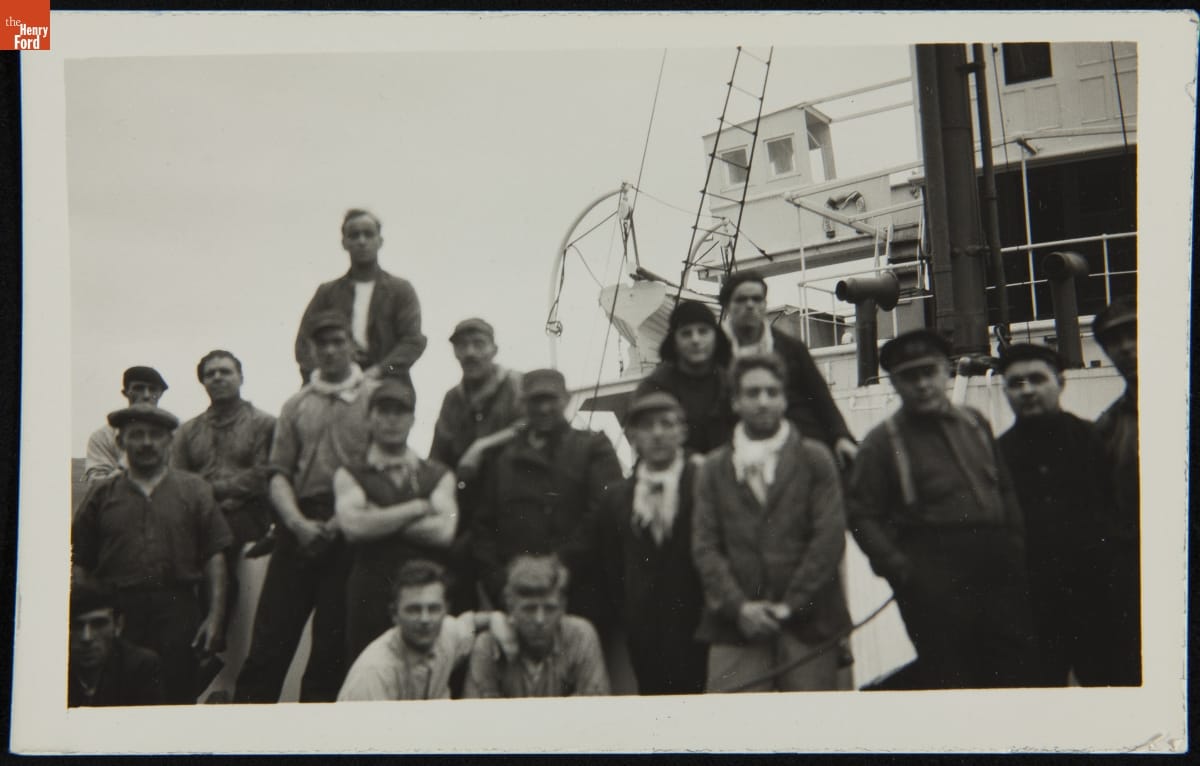
- SS Barendrecht Crew in the Azores after Rescuing Ruth Elder and George Haldeman, October 1927 - Ruth Elder planned to be the first woman to fly across the Atlantic. On October 11, 1927, Elder and co-pilot George Haldeman took off in their Stinson Detroiter <em>American Girl</em>. An oil leak forced them to ditch in the ocean some 360 miles short of land. The crewmen of the S.S. <em>Barendrecht</em>, pictured here, rescued Elder and Haldemen, delivering them safely to the Azores.
- October 01, 1927
- Collections - Artifact
SS Barendrecht Crew in the Azores after Rescuing Ruth Elder and George Haldeman, October 1927
Ruth Elder planned to be the first woman to fly across the Atlantic. On October 11, 1927, Elder and co-pilot George Haldeman took off in their Stinson Detroiter American Girl. An oil leak forced them to ditch in the ocean some 360 miles short of land. The crewmen of the S.S. Barendrecht, pictured here, rescued Elder and Haldemen, delivering them safely to the Azores.
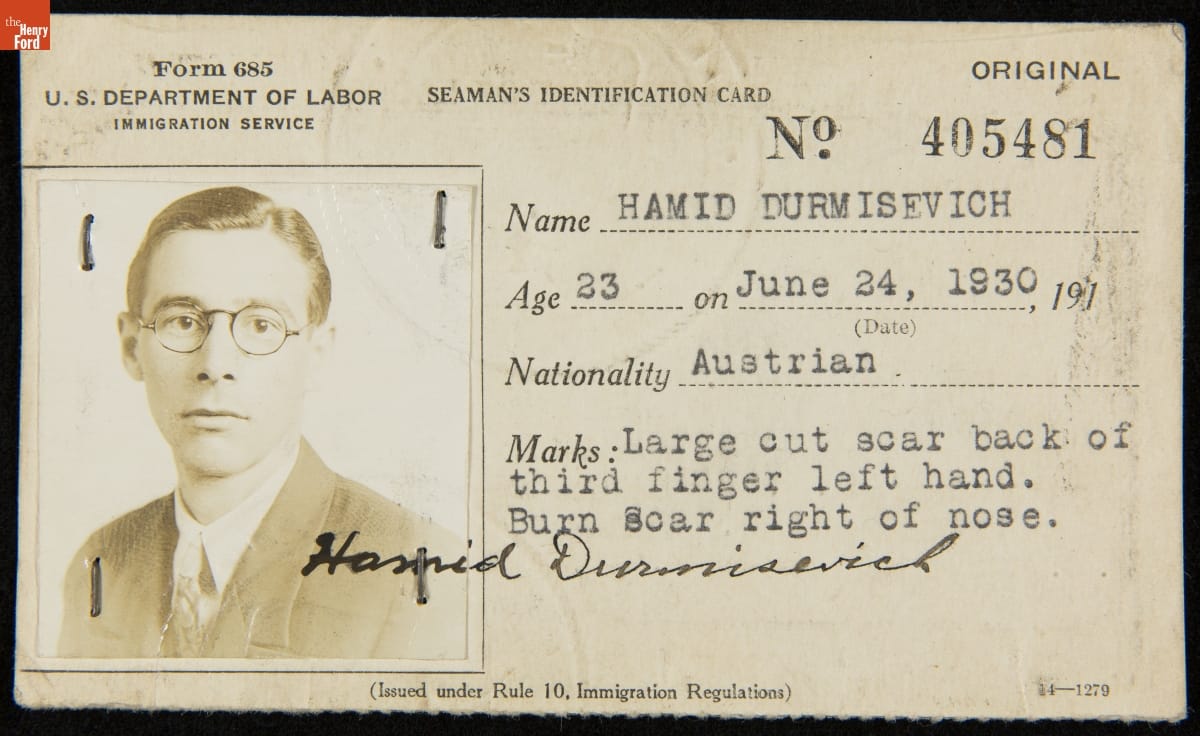
- Seaman's Identification Card for Hamid Durmisevich, June 24 - August 13, 1930 - Hamid (Charlie) Durmisevich, call sign W6DQZ, connected to the world from his ham radio station in Los Angeles. Amateur radio operators use two-way radios to talk to global networks of other "hams" about technology, weather, emergency preparedness and daily life. This ham, who emigrated from Eastern Europe in 1920, was active in amateur radio communities from the 1930s to 1990s.
- 24 June 1930 - 13 August 1930
- Collections - Artifact
Seaman's Identification Card for Hamid Durmisevich, June 24 - August 13, 1930
Hamid (Charlie) Durmisevich, call sign W6DQZ, connected to the world from his ham radio station in Los Angeles. Amateur radio operators use two-way radios to talk to global networks of other "hams" about technology, weather, emergency preparedness and daily life. This ham, who emigrated from Eastern Europe in 1920, was active in amateur radio communities from the 1930s to 1990s.
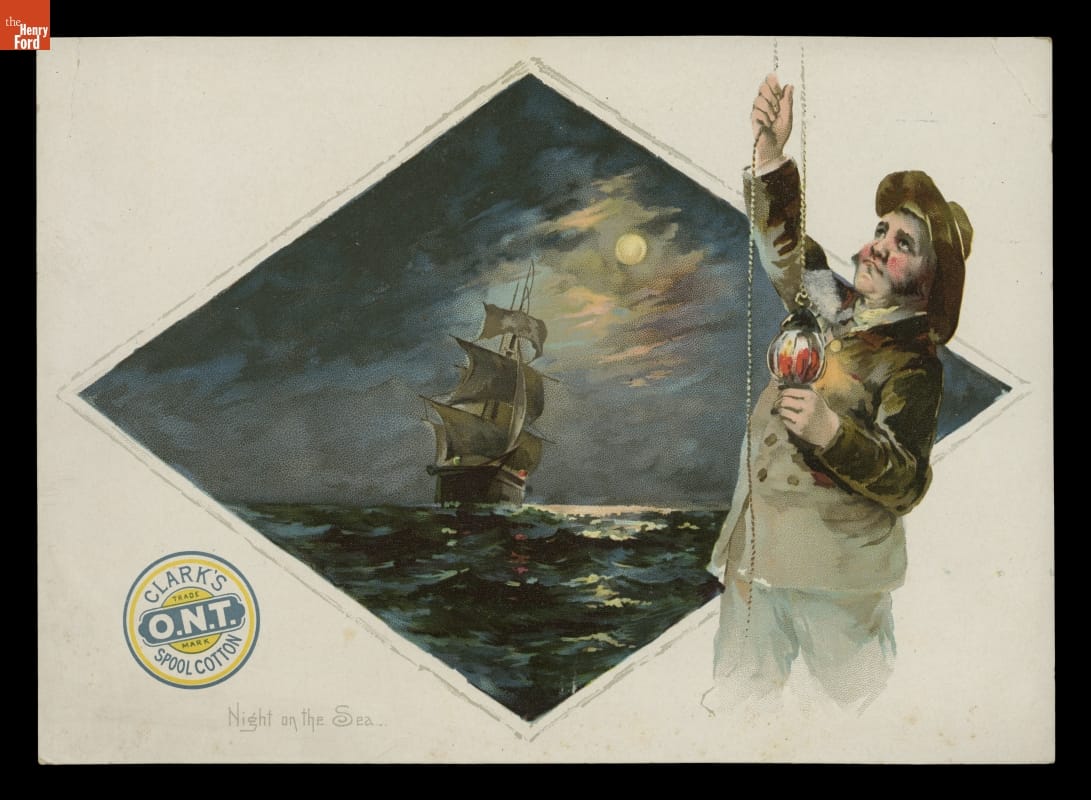
- Trade Card for Clark's O.N.T. Spool Cotton, 1880-1900 - In the last third of the nineteenth century, an unprecedented variety of consumer goods and services flooded the American market. Advertisers, armed with new methods of color printing, bombarded potential customers with trade cards. Americans enjoyed and often saved the vibrant little advertisements found in product packages or distributed by local merchants. Many survive as historical records of commercialism in the United States.
- 1880-1900
- Collections - Artifact
Trade Card for Clark's O.N.T. Spool Cotton, 1880-1900
In the last third of the nineteenth century, an unprecedented variety of consumer goods and services flooded the American market. Advertisers, armed with new methods of color printing, bombarded potential customers with trade cards. Americans enjoyed and often saved the vibrant little advertisements found in product packages or distributed by local merchants. Many survive as historical records of commercialism in the United States.