
Search
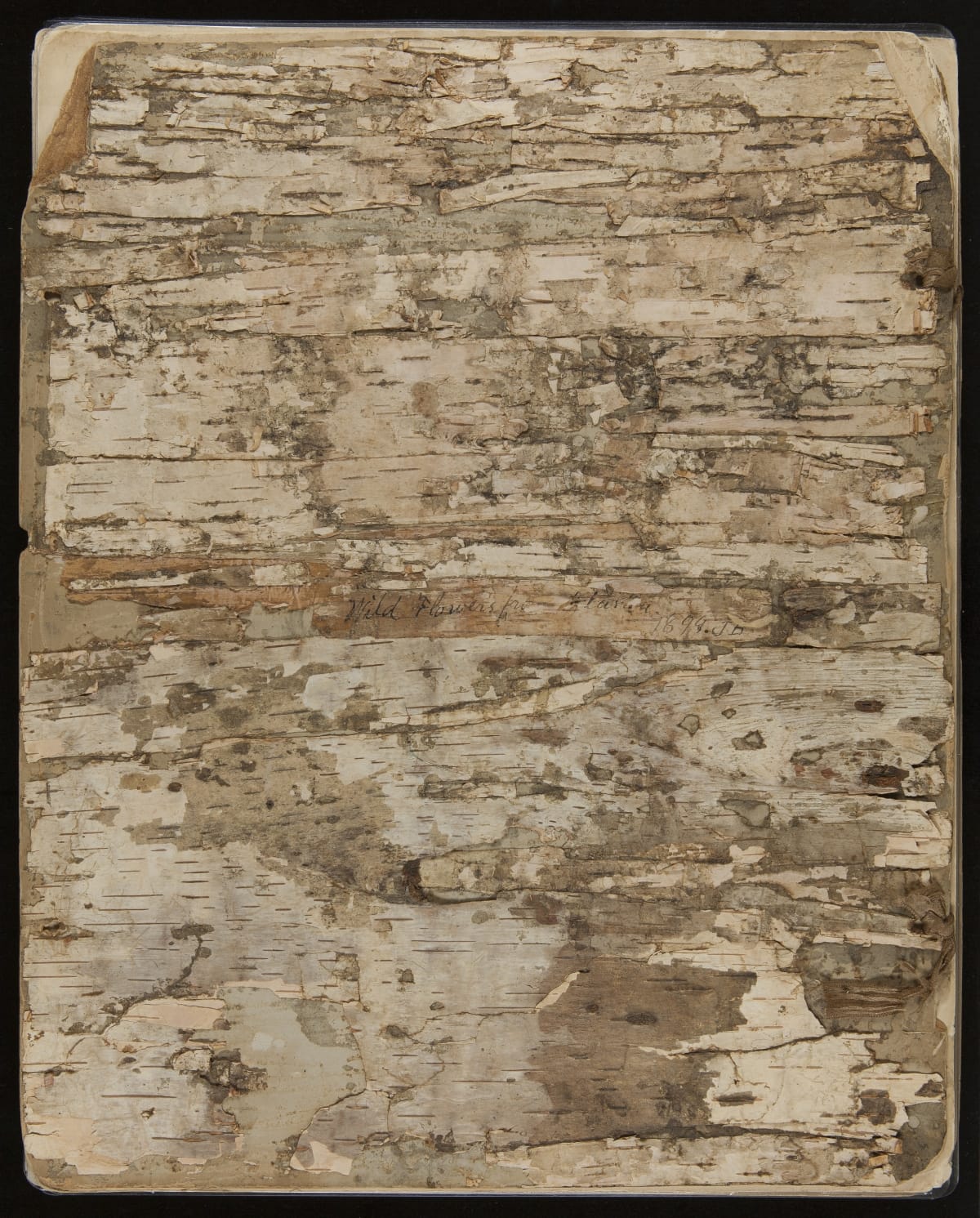
- John Burroughs' Album of Pressed Wildflowers Gathered during the Harriman Alaska Expedition, 1899 - In 1899, John Burroughs joined a group of more than 20 scientists, naturalists, and artists for a scientific exploration of the Alaskan coast. Financed and accompanied by railroad tycoon Edward H. Harriman, the expedition traveled aboard the lavishly refitted <EM>George W. Elder</EM>, collecting specimens along the way. Those specimens included native wildflowers, hand-picked by Burroughs and pressed into this book.
- 1899
- Collections - Artifact
John Burroughs' Album of Pressed Wildflowers Gathered during the Harriman Alaska Expedition, 1899
In 1899, John Burroughs joined a group of more than 20 scientists, naturalists, and artists for a scientific exploration of the Alaskan coast. Financed and accompanied by railroad tycoon Edward H. Harriman, the expedition traveled aboard the lavishly refitted George W. Elder, collecting specimens along the way. Those specimens included native wildflowers, hand-picked by Burroughs and pressed into this book.
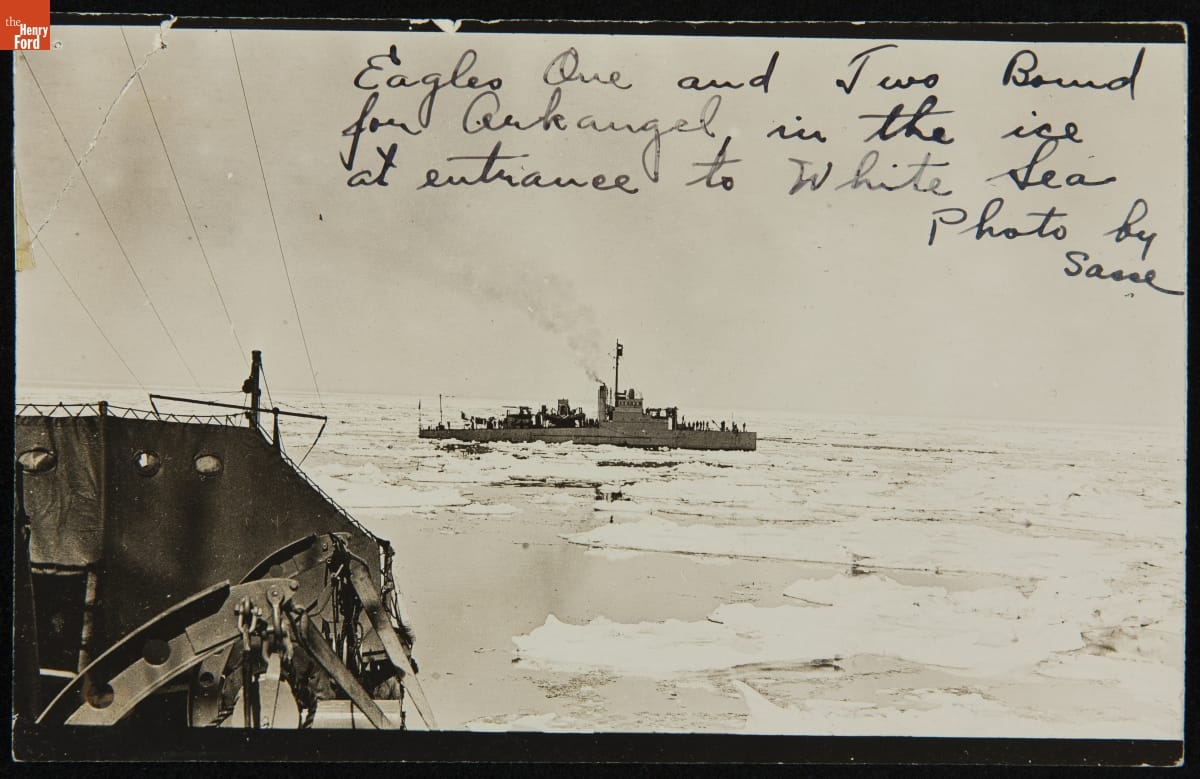
- USS Eagles 1 and 2 off Northern Russia at Entrance to the White Sea, Bound for Arkhangelsk, June 1919 - World War I ended before any of the 60 Ford-built Eagle submarine chasers could participate in the conflict. But three Eagle boats were sent to northern Russia in 1919 to aid the American Expeditionary Force in action against the Bolsheviks. The Americans landed at Arkhangelsk, near the Arctic Circle, and called themselves the "Polar Bears."
- June 01, 1919
- Collections - Artifact
USS Eagles 1 and 2 off Northern Russia at Entrance to the White Sea, Bound for Arkhangelsk, June 1919
World War I ended before any of the 60 Ford-built Eagle submarine chasers could participate in the conflict. But three Eagle boats were sent to northern Russia in 1919 to aid the American Expeditionary Force in action against the Bolsheviks. The Americans landed at Arkhangelsk, near the Arctic Circle, and called themselves the "Polar Bears."
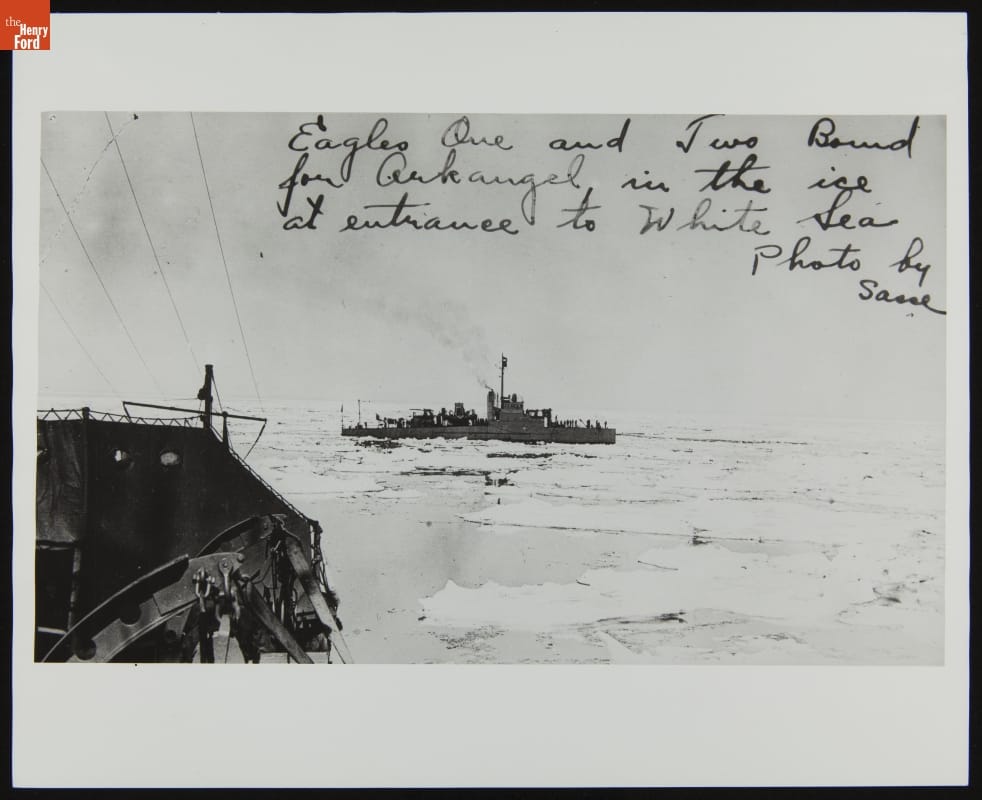
- USS Eagles 1 and 2 in Ice at Entrance to White Sea, Bound for Arkhangelsk, 1919 - World War I ended before any of the 60 Ford-built Eagle submarine chasers could participate in the conflict. But three Eagle boats were sent to northern Russia in 1919 to aid the American Expeditionary Force in action against the Bolsheviks. The Americans landed at Arkhangelsk, near the Arctic Circle, and called themselves the "Polar Bears."
- May 1919-June 1919
- Collections - Artifact
USS Eagles 1 and 2 in Ice at Entrance to White Sea, Bound for Arkhangelsk, 1919
World War I ended before any of the 60 Ford-built Eagle submarine chasers could participate in the conflict. But three Eagle boats were sent to northern Russia in 1919 to aid the American Expeditionary Force in action against the Bolsheviks. The Americans landed at Arkhangelsk, near the Arctic Circle, and called themselves the "Polar Bears."
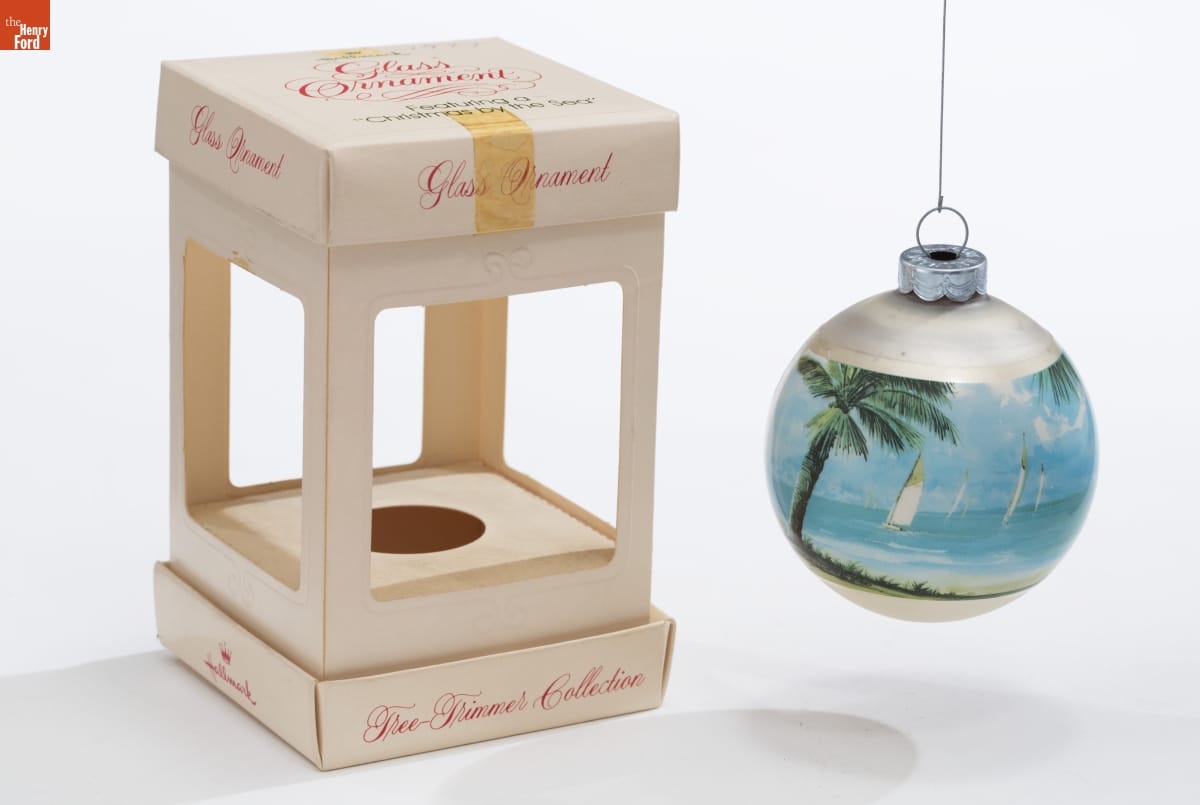
- Hallmark "Beauty of America: Seashore" Christmas Ornament, 1977 - Already known for greeting cards, Hallmark introduced a line of Christmas ornaments in 1973. The company's annual release of an increasing array of ornaments revolutionized Christmas decorating, appealing to customers' interest in marking memories and milestones as well as expressing one's personality and unique tastes.
- 1977
- Collections - Artifact
Hallmark "Beauty of America: Seashore" Christmas Ornament, 1977
Already known for greeting cards, Hallmark introduced a line of Christmas ornaments in 1973. The company's annual release of an increasing array of ornaments revolutionized Christmas decorating, appealing to customers' interest in marking memories and milestones as well as expressing one's personality and unique tastes.
- "Ditman's Sea-Salt" Box, 1890-1910 -
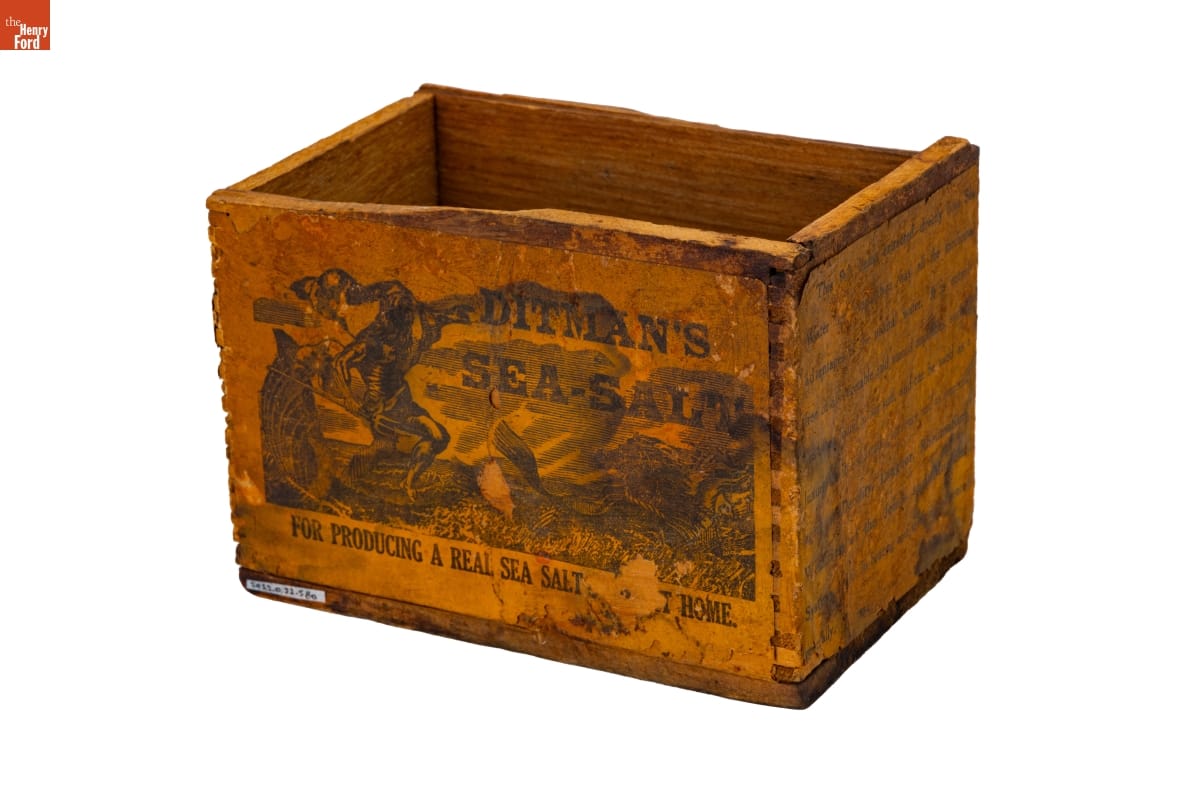
- 1890-1910
- Collections - Artifact
"Ditman's Sea-Salt" Box, 1890-1910
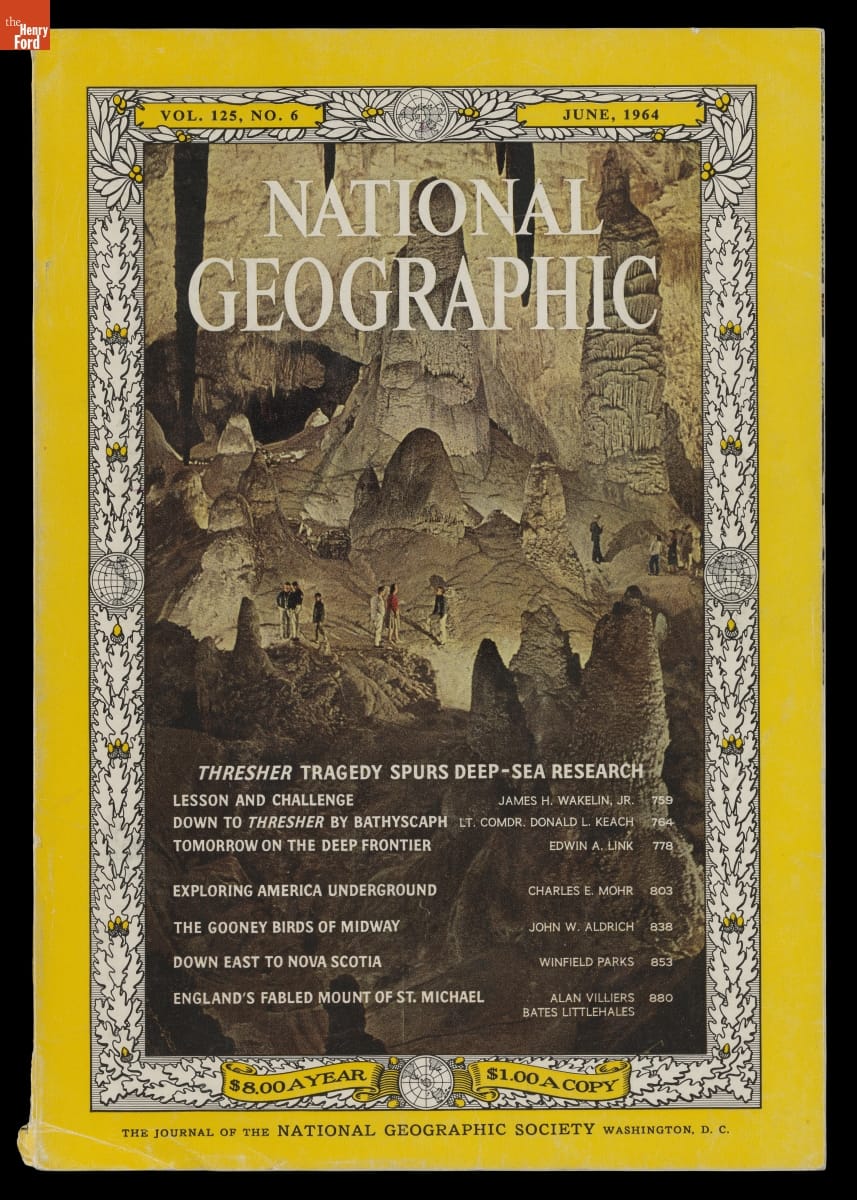
- "National Geographic," Vol. 125, No. 6, June 1964 - The National Geographic Society published the first issue of its magazine in the fall of 1888, within a year of its founding. <i>National Geographic</i>, initially a scholarly magazine for the Society's members, would not include a photograph in its pages until 1905; its distinctive yellow border would not appear until 1910. By 2024, more than one-and-a-half million subscribers received a digital or print version.
- June 01, 1964
- Collections - Artifact
"National Geographic," Vol. 125, No. 6, June 1964
The National Geographic Society published the first issue of its magazine in the fall of 1888, within a year of its founding. National Geographic, initially a scholarly magazine for the Society's members, would not include a photograph in its pages until 1905; its distinctive yellow border would not appear until 1910. By 2024, more than one-and-a-half million subscribers received a digital or print version.
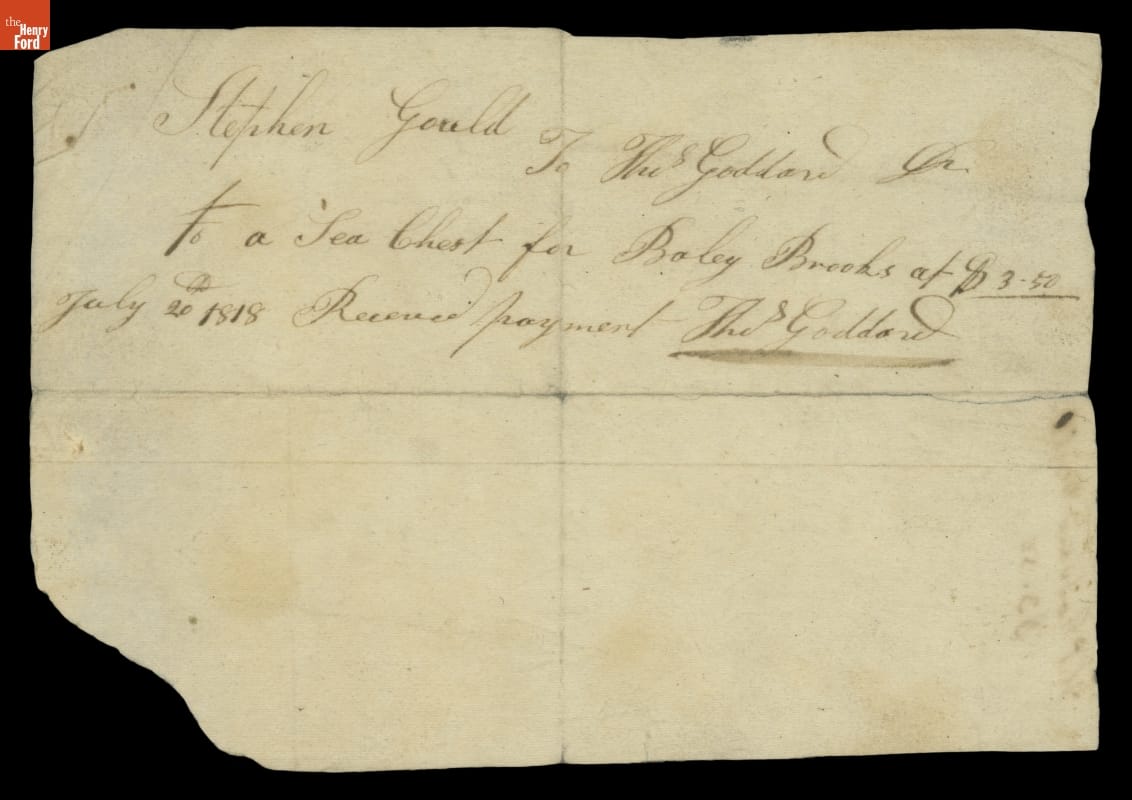
- Receipt for a Sea Chest Purchased by Stephen Gould from Thomas Goddard, July 20, 1818 -
- July 20, 1818
- Collections - Artifact
Receipt for a Sea Chest Purchased by Stephen Gould from Thomas Goddard, July 20, 1818
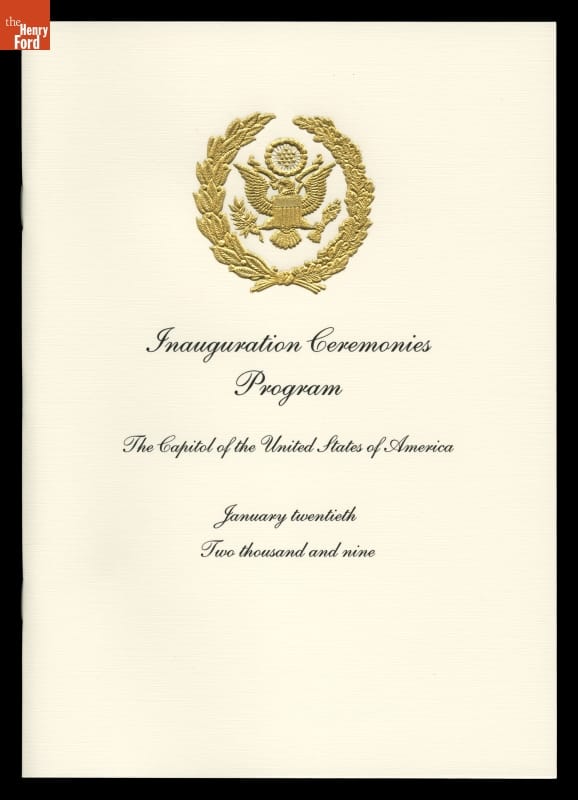
- Barack Obama 2009 Inauguration Program, Enclosed with Inauguration Invitation -
- January 20, 2009
- Collections - Artifact
Barack Obama 2009 Inauguration Program, Enclosed with Inauguration Invitation
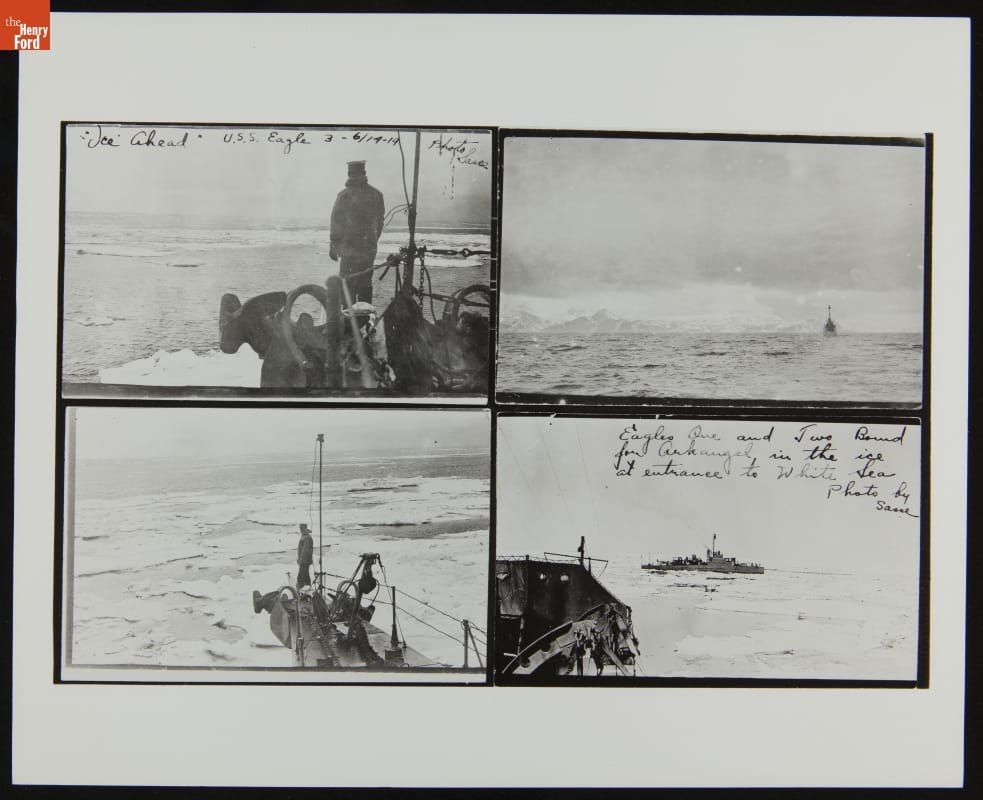
- USS Eagle Boats Bound for Arkhangelsk, May-June 1919 - World War I ended before any of the 60 Ford-built Eagle submarine chasers could participate in the conflict. But three Eagle boats were sent to northern Russia in 1919 to aid the American Expeditionary Force in action against the Bolsheviks. The Americans landed at Arkhangelsk, near the Arctic Circle, and called themselves the "Polar Bears."
- May 1919-June 1919
- Collections - Artifact
USS Eagle Boats Bound for Arkhangelsk, May-June 1919
World War I ended before any of the 60 Ford-built Eagle submarine chasers could participate in the conflict. But three Eagle boats were sent to northern Russia in 1919 to aid the American Expeditionary Force in action against the Bolsheviks. The Americans landed at Arkhangelsk, near the Arctic Circle, and called themselves the "Polar Bears."
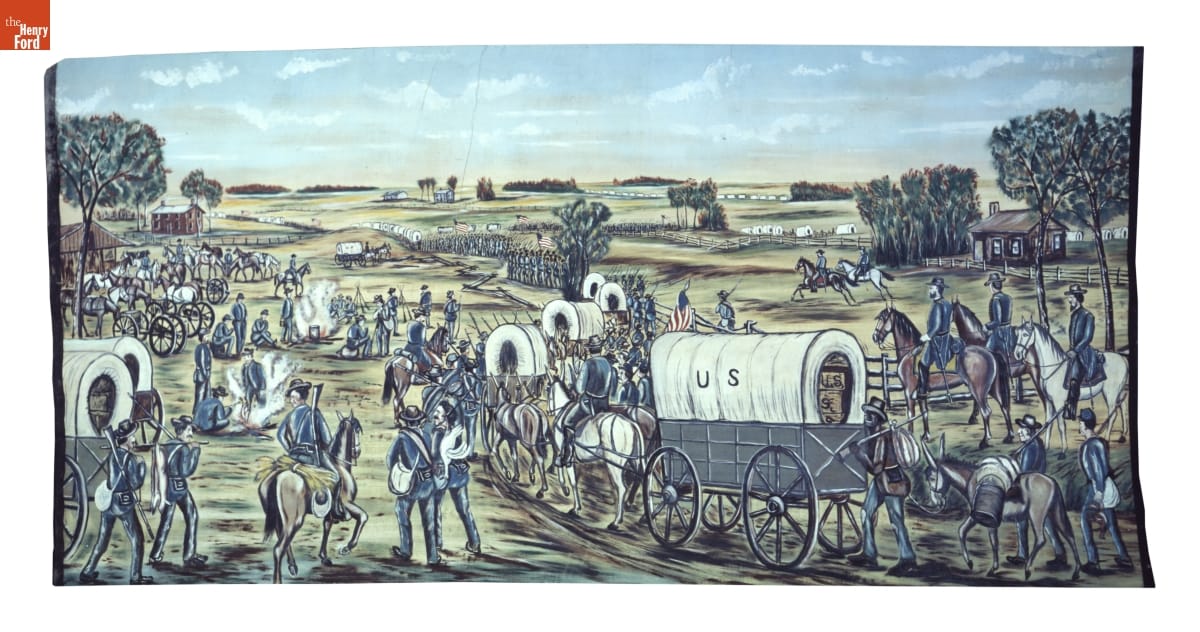
- "Battle Scenes of the Rebellion" General Sherman's March, Civil War Panorama - In the 1880s, Thomas Clarkson Gordon, a self-taught artist and Civil War veteran, created a panorama depicting scenes from the Civil War. Gordon stitched together 15 paintings -- each 7 by 14 feet -- into a canvas roll more than 100 feet long. He toured his multi-paneled panorama throughout eastern Indiana, retelling the history of the conflict through his vivid illustrations.
- 1864
- Collections - Artifact
"Battle Scenes of the Rebellion" General Sherman's March, Civil War Panorama
In the 1880s, Thomas Clarkson Gordon, a self-taught artist and Civil War veteran, created a panorama depicting scenes from the Civil War. Gordon stitched together 15 paintings -- each 7 by 14 feet -- into a canvas roll more than 100 feet long. He toured his multi-paneled panorama throughout eastern Indiana, retelling the history of the conflict through his vivid illustrations.