
Search
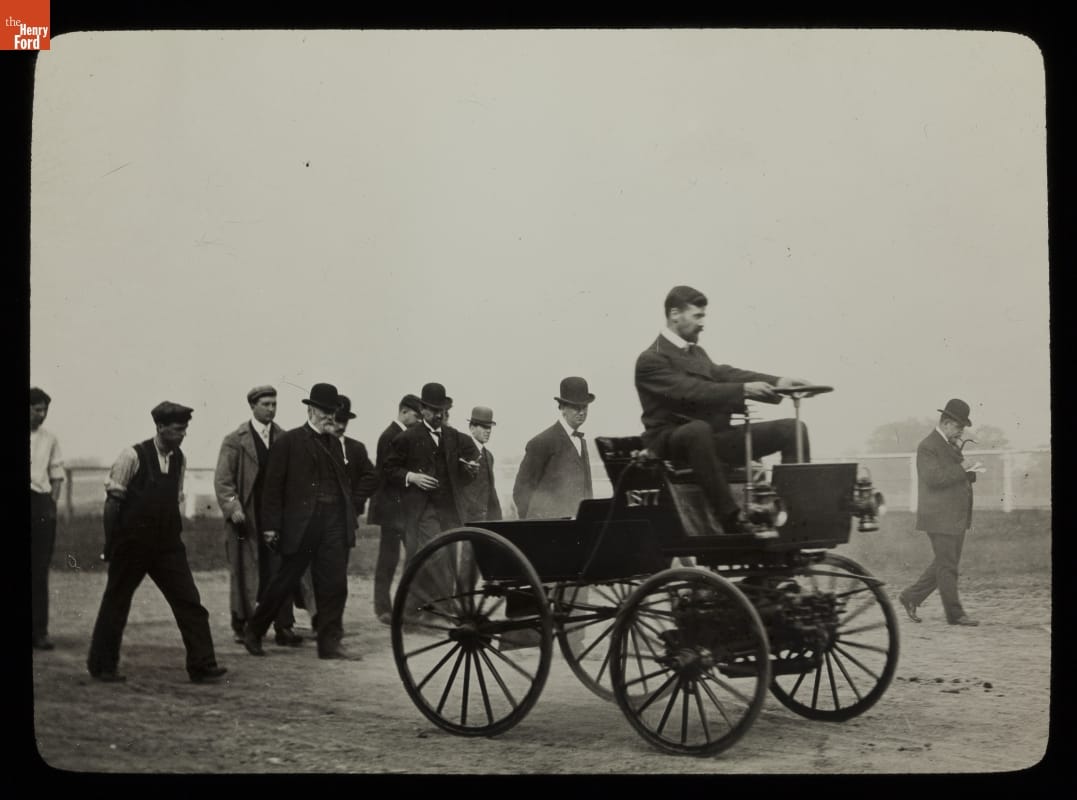
- Driving the Selden Motor Buggy during the Selden Patent Suit - George Selden conceived -- but didn't build -- a self-propelled gasoline-powered vehicle in 1877 and patented the idea in 1895. The Association of Licensed Automobile Manufacturers enforced Selden's patent, but Henry Ford fought ALAM in court. This car was completed for Selden in 1907 as evidence for the legal battle. Ford ultimately won, freeing himself and other automakers from paying royalties to ALAM.
- 1907-1911
- Collections - Artifact
Driving the Selden Motor Buggy during the Selden Patent Suit
George Selden conceived -- but didn't build -- a self-propelled gasoline-powered vehicle in 1877 and patented the idea in 1895. The Association of Licensed Automobile Manufacturers enforced Selden's patent, but Henry Ford fought ALAM in court. This car was completed for Selden in 1907 as evidence for the legal battle. Ford ultimately won, freeing himself and other automakers from paying royalties to ALAM.
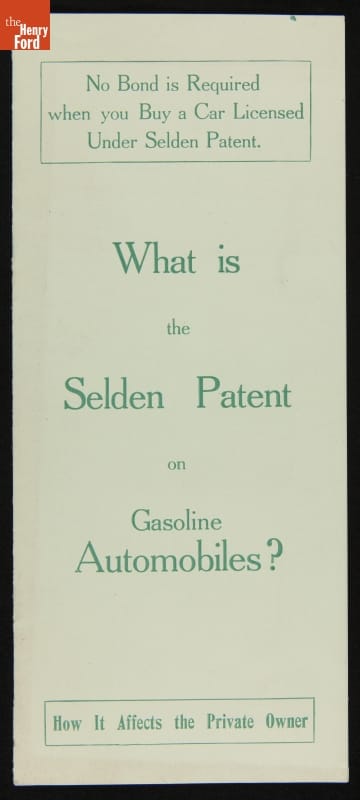
- "What is the Selden Patent on Gasoline Automobiles?," 1910 - The Association of Licensed Automobile Manufacturers believed that George Selden's 1895 patent covered any and all internal combustion automobiles. When Henry Ford refused to pay ALAM's requested royalties, the organization took him to court. After a lengthy legal battle, the U.S. Court of Appeals found in Ford's favor in 1911. Automakers were freed from patent fees and Ford became a folk hero.
- April 12, 1910
- Collections - Artifact
"What is the Selden Patent on Gasoline Automobiles?," 1910
The Association of Licensed Automobile Manufacturers believed that George Selden's 1895 patent covered any and all internal combustion automobiles. When Henry Ford refused to pay ALAM's requested royalties, the organization took him to court. After a lengthy legal battle, the U.S. Court of Appeals found in Ford's favor in 1911. Automakers were freed from patent fees and Ford became a folk hero.
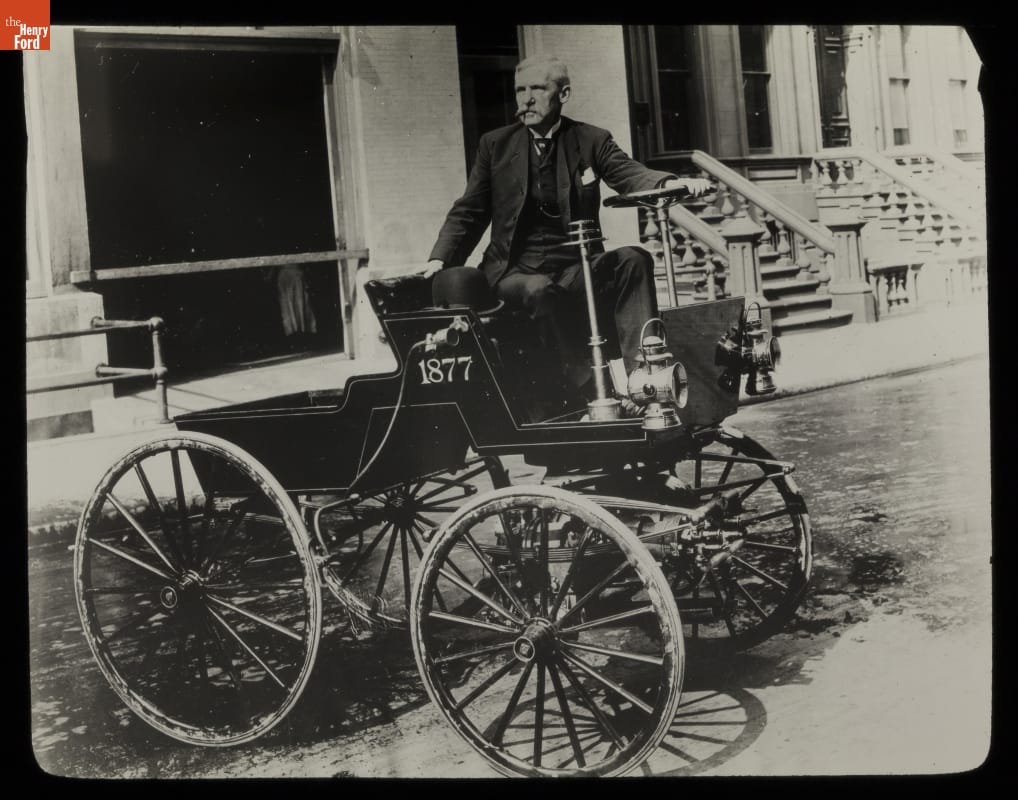
- George Selden with the 1907 Selden Motor Buggy during the Selden Patent Suit - George Selden conceived -- but didn't build -- a self-propelled gasoline-powered vehicle in 1877 and patented the idea in 1895. The Association of Licensed Automobile Manufacturers enforced Selden's patent, but Henry Ford fought ALAM in court. This car was completed for Selden in 1907 as evidence for the legal battle. Ford ultimately won, freeing himself and other automakers from paying royalties to ALAM.
- 1907-1911
- Collections - Artifact
George Selden with the 1907 Selden Motor Buggy during the Selden Patent Suit
George Selden conceived -- but didn't build -- a self-propelled gasoline-powered vehicle in 1877 and patented the idea in 1895. The Association of Licensed Automobile Manufacturers enforced Selden's patent, but Henry Ford fought ALAM in court. This car was completed for Selden in 1907 as evidence for the legal battle. Ford ultimately won, freeing himself and other automakers from paying royalties to ALAM.
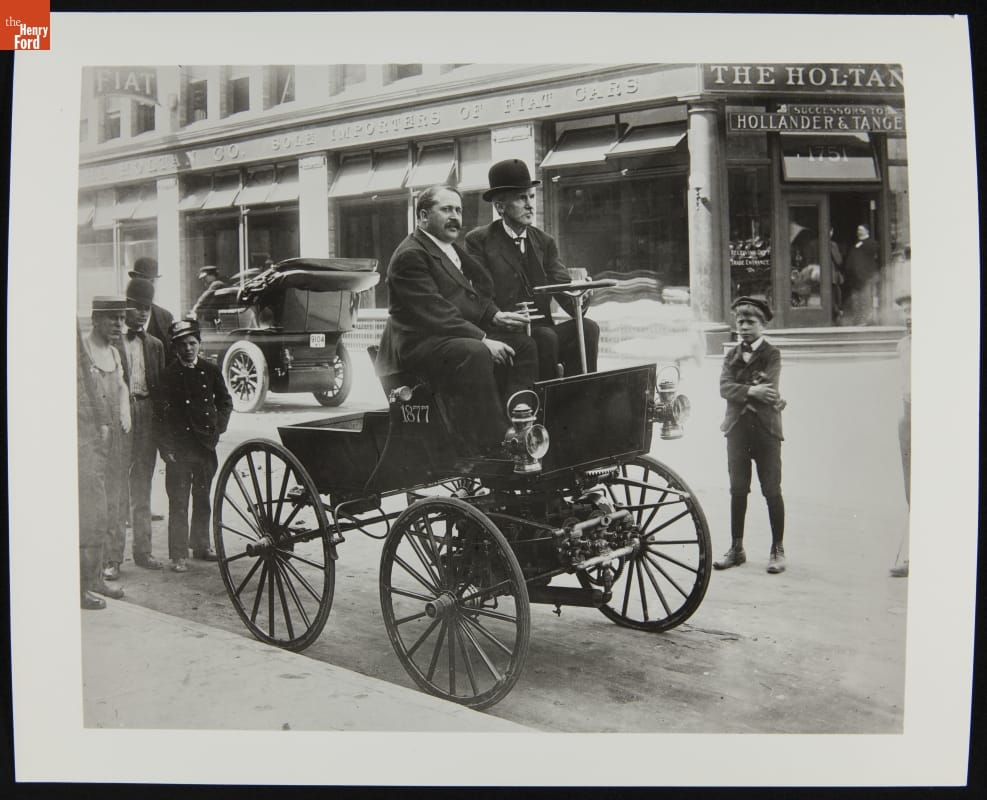
- George Selden with the 1907 Selden Motor Buggy during the Selden Patent Suit - George Selden conceived -- but didn't build -- a self-propelled gasoline-powered vehicle in 1877 and patented the idea in 1895. The Association of Licensed Automobile Manufacturers enforced Selden's patent, but Henry Ford fought ALAM in court. This car was completed for Selden in 1907 as evidence for the legal battle. Ford ultimately won, freeing himself and other automakers from paying royalties to ALAM.
- 1907-1911
- Collections - Artifact
George Selden with the 1907 Selden Motor Buggy during the Selden Patent Suit
George Selden conceived -- but didn't build -- a self-propelled gasoline-powered vehicle in 1877 and patented the idea in 1895. The Association of Licensed Automobile Manufacturers enforced Selden's patent, but Henry Ford fought ALAM in court. This car was completed for Selden in 1907 as evidence for the legal battle. Ford ultimately won, freeing himself and other automakers from paying royalties to ALAM.
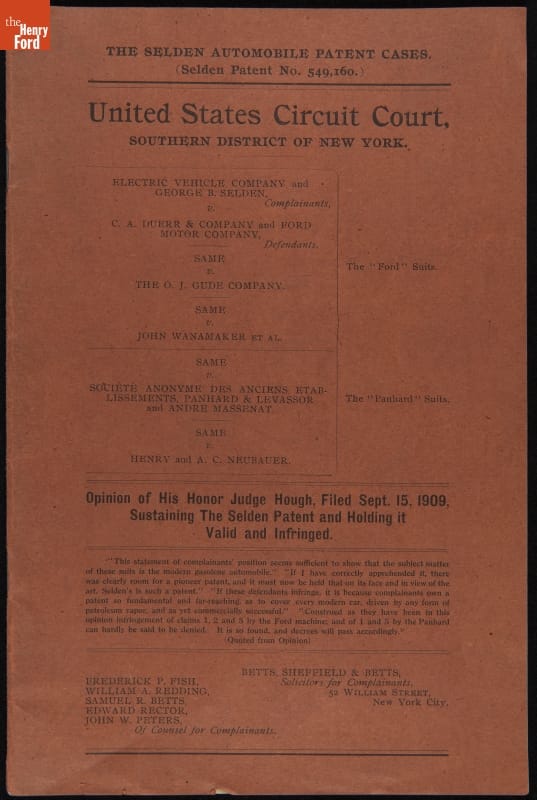
- Court Decision and Opinion by the United States Circuit Court, "Selden Automobile Patent Cases," 1909 - The Association of Licensed Automobile Manufacturers believed George Selden's 1895 patent covered all internal combustion automobiles. When Henry Ford refused to pay royalties to ALAM, the organization sued. The initial U.S. Circuit Court ruling in 1909 found in ALAM's favor, but Ford won on appeal two years later. Automakers were freed from patent fees and Ford became a folk hero.
- September 15, 1909
- Collections - Artifact
Court Decision and Opinion by the United States Circuit Court, "Selden Automobile Patent Cases," 1909
The Association of Licensed Automobile Manufacturers believed George Selden's 1895 patent covered all internal combustion automobiles. When Henry Ford refused to pay royalties to ALAM, the organization sued. The initial U.S. Circuit Court ruling in 1909 found in ALAM's favor, but Ford won on appeal two years later. Automakers were freed from patent fees and Ford became a folk hero.
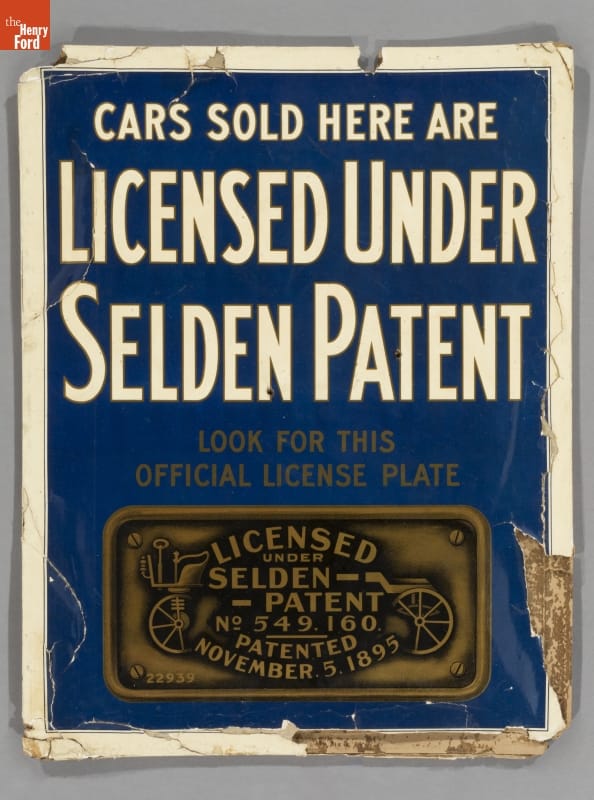
- Selden Patent Sign, 1895-1912 - George Selden received a patent for an internal combustion automobile in 1895. Those patent rights were enforced by the Association of Licensed Automobile Manufacturers. Automakers certified by ALAM paid royalties to the group, and retailers of ALAM-authorized cars displayed signs like this. ALAM was dissolved after losing a lengthy legal battle against Henry Ford in 1911.
- 1895-1912
- Collections - Artifact
Selden Patent Sign, 1895-1912
George Selden received a patent for an internal combustion automobile in 1895. Those patent rights were enforced by the Association of Licensed Automobile Manufacturers. Automakers certified by ALAM paid royalties to the group, and retailers of ALAM-authorized cars displayed signs like this. ALAM was dissolved after losing a lengthy legal battle against Henry Ford in 1911.
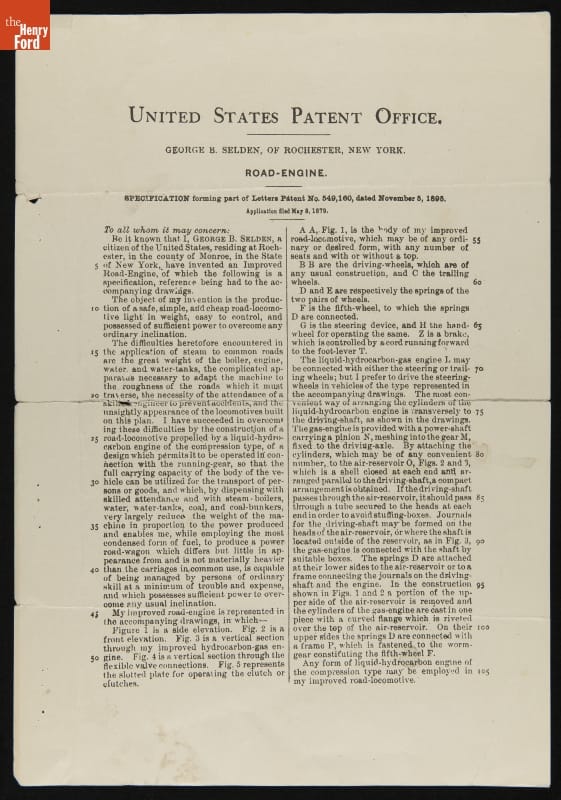
- Selden Road-Engine Specifications, U. S. Patent Number 549,160, November 5, 1895 - George Selden conceived -- but didn't build -- a gasoline-powered self-propelled vehicle in 1877. Selden, a patent attorney, shrewdly waited until 1895 to receive a patent on the idea -- long enough for the automobile industry to emerge and his patent to become valuable. After an eight-year legal fight led by Henry Ford, Selden's broad patent claim was severely restricted in 1911.
- 1895
- Collections - Artifact
Selden Road-Engine Specifications, U. S. Patent Number 549,160, November 5, 1895
George Selden conceived -- but didn't build -- a gasoline-powered self-propelled vehicle in 1877. Selden, a patent attorney, shrewdly waited until 1895 to receive a patent on the idea -- long enough for the automobile industry to emerge and his patent to become valuable. After an eight-year legal fight led by Henry Ford, Selden's broad patent claim was severely restricted in 1911.
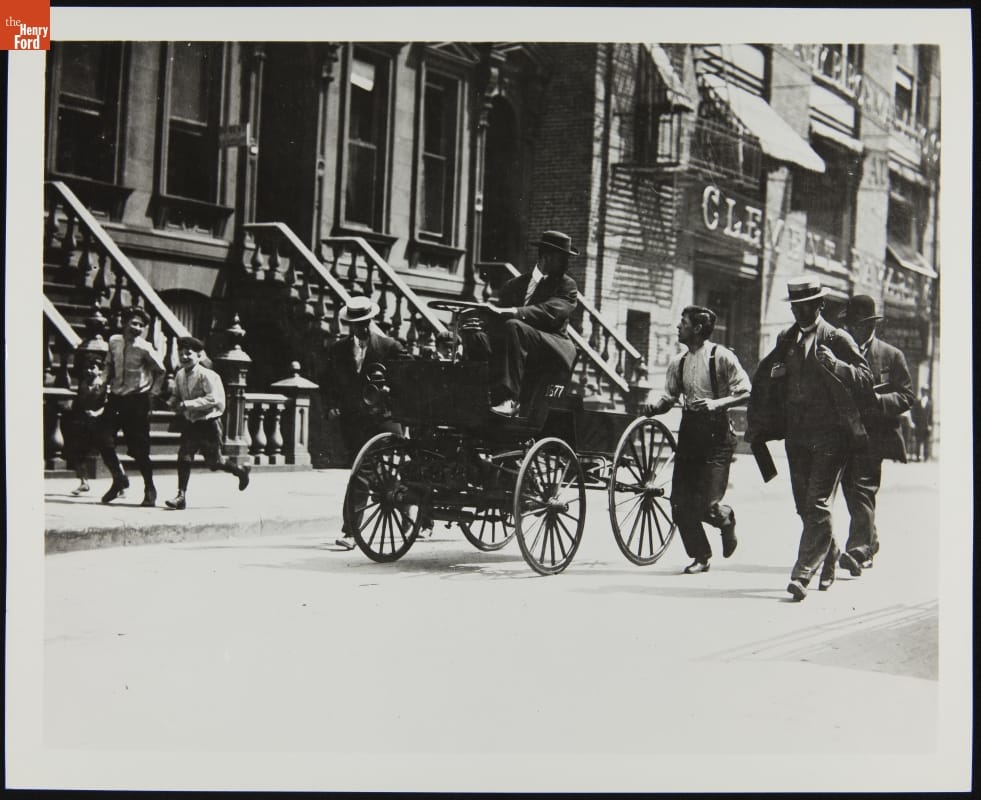
- Driving the 1907 Selden Motor Buggy during the Selden Patent Suit - George Selden conceived -- but didn't build -- a self-propelled gasoline-powered vehicle in 1877 and patented the idea in 1895. The Association of Licensed Automobile Manufacturers enforced Selden's patent, but Henry Ford fought ALAM in court. This car was completed for Selden in 1907 as evidence for the legal battle. Ford ultimately won, freeing himself and other automakers from paying royalties to ALAM.
- 1907-1911
- Collections - Artifact
Driving the 1907 Selden Motor Buggy during the Selden Patent Suit
George Selden conceived -- but didn't build -- a self-propelled gasoline-powered vehicle in 1877 and patented the idea in 1895. The Association of Licensed Automobile Manufacturers enforced Selden's patent, but Henry Ford fought ALAM in court. This car was completed for Selden in 1907 as evidence for the legal battle. Ford ultimately won, freeing himself and other automakers from paying royalties to ALAM.
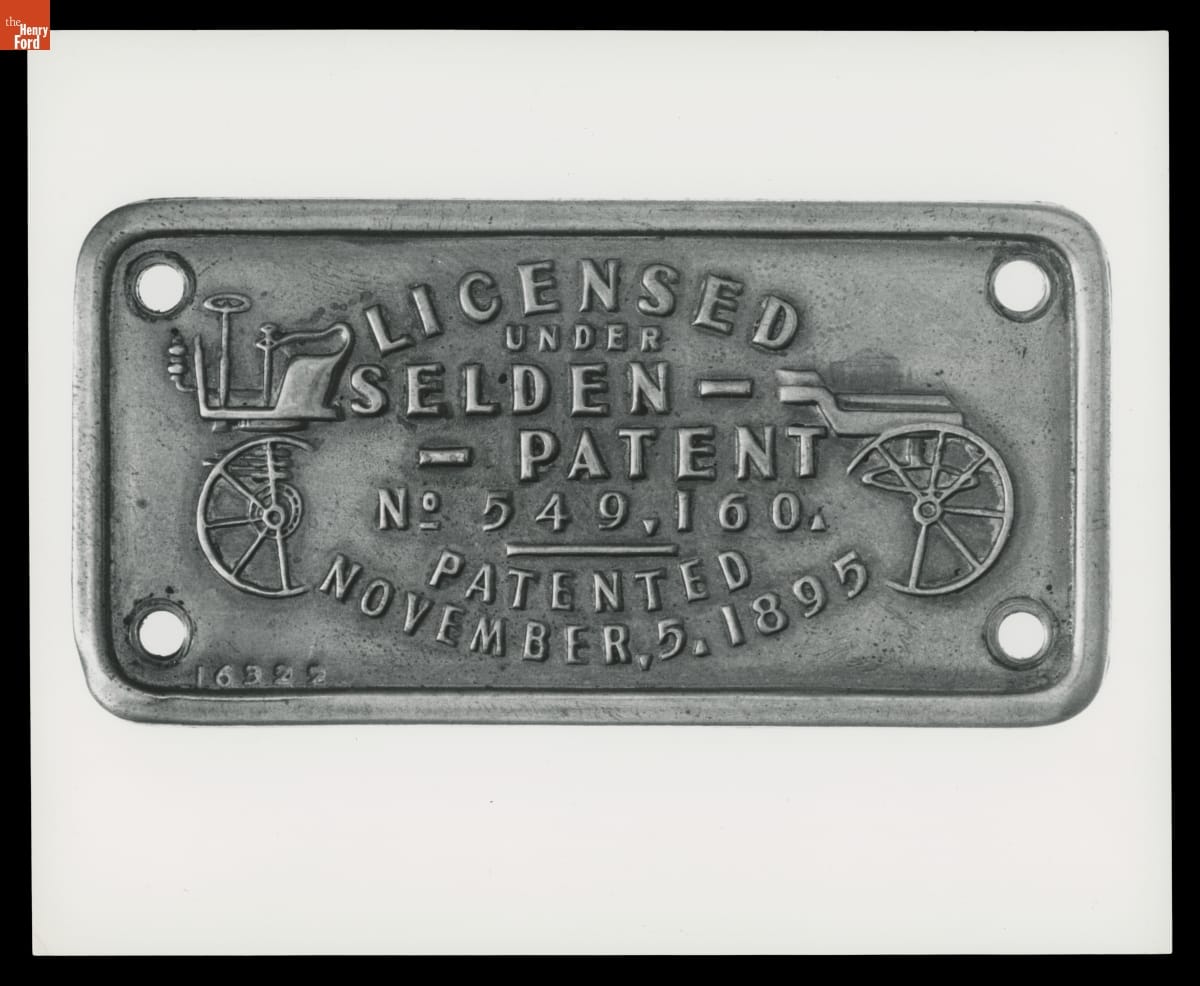
- 1895 Selden Patent Plate - George Selden received a patent for an internal combustion automobile in 1895. Those patent rights were enforced by the Association of Licensed Automobile Manufacturers. Carmakers certified by ALAM paid royalties to the group and displayed plates like this on their vehicles. ALAM was dissolved after losing a lengthy legal battle against Henry Ford in 1911.
- 1895
- Collections - Artifact
1895 Selden Patent Plate
George Selden received a patent for an internal combustion automobile in 1895. Those patent rights were enforced by the Association of Licensed Automobile Manufacturers. Carmakers certified by ALAM paid royalties to the group and displayed plates like this on their vehicles. ALAM was dissolved after losing a lengthy legal battle against Henry Ford in 1911.
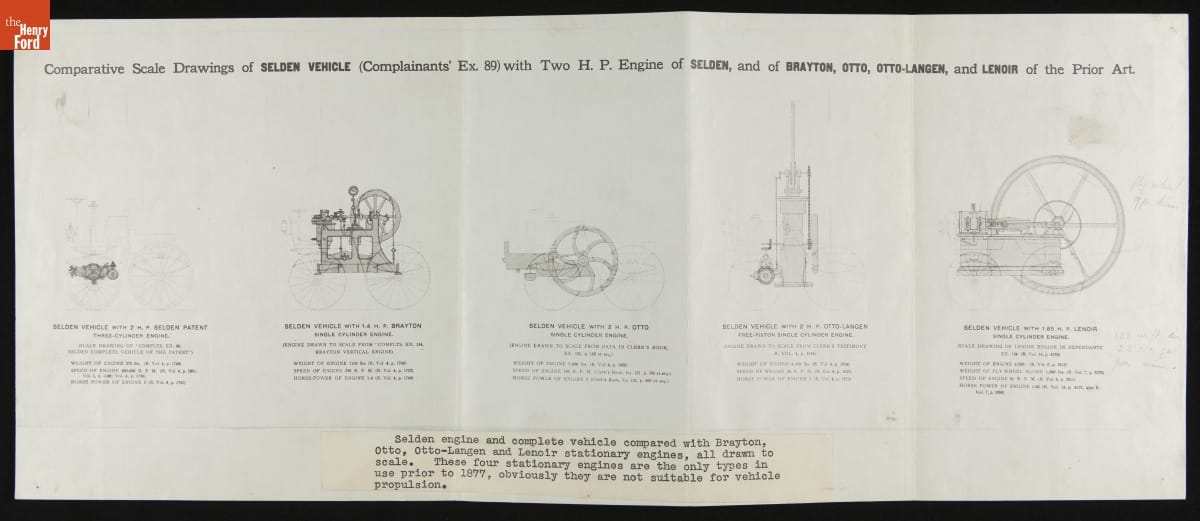
- "Comparative Scale Drawings of Selden Vehicle, Complainants' Ex. 89," circa 1905 - George Selden conceived -- but didn't build -- a vehicle powered by a two-stroke gasoline engine in 1877, and he received a patent in 1895. The Association of Licensed Automobile Manufacturers enforced Selden's patent, but Henry Ford successfully fought ALAM in court. These drawings, prepared for the suit, compared Selden's proposed vehicle with various engines available in the mid-1870s.
- circa 1905
- Collections - Artifact
"Comparative Scale Drawings of Selden Vehicle, Complainants' Ex. 89," circa 1905
George Selden conceived -- but didn't build -- a vehicle powered by a two-stroke gasoline engine in 1877, and he received a patent in 1895. The Association of Licensed Automobile Manufacturers enforced Selden's patent, but Henry Ford successfully fought ALAM in court. These drawings, prepared for the suit, compared Selden's proposed vehicle with various engines available in the mid-1870s.