
Search
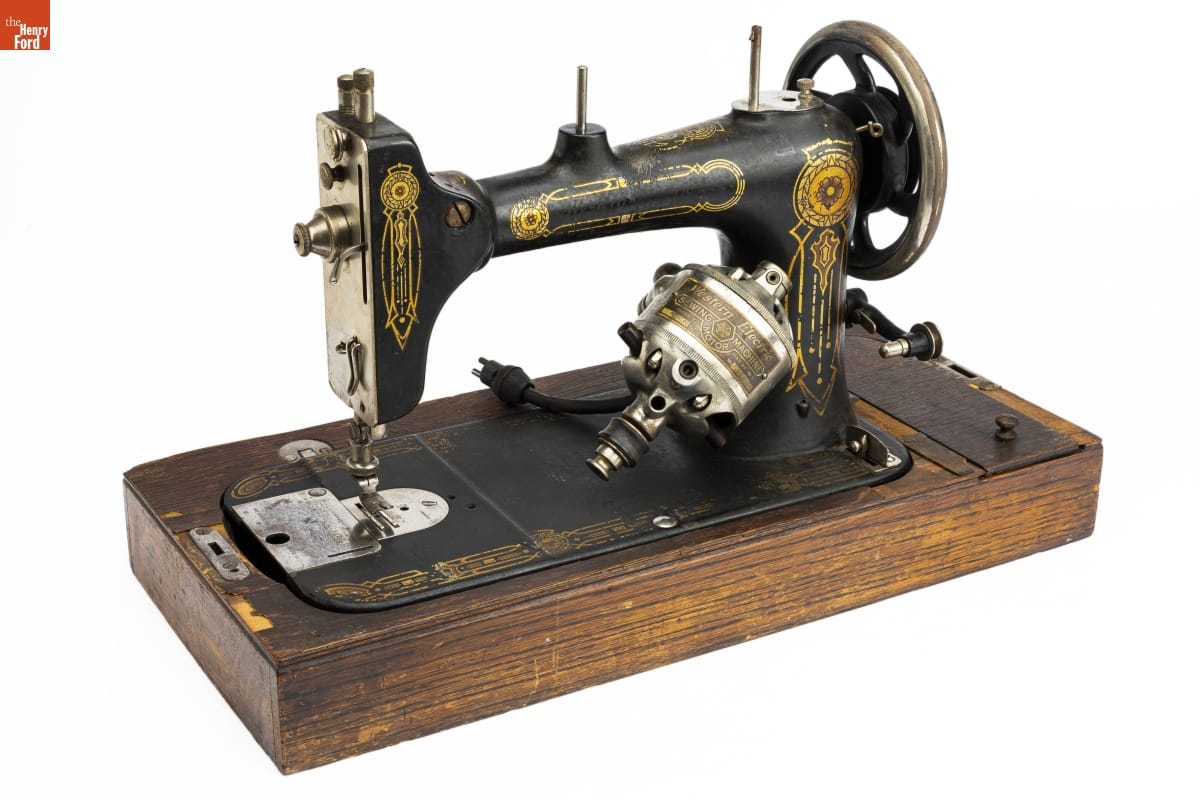
- Western Electric No. 2 Portable Sewing Machine, circa 1920 -
- circa 1920
- Collections - Artifact
Western Electric No. 2 Portable Sewing Machine, circa 1920
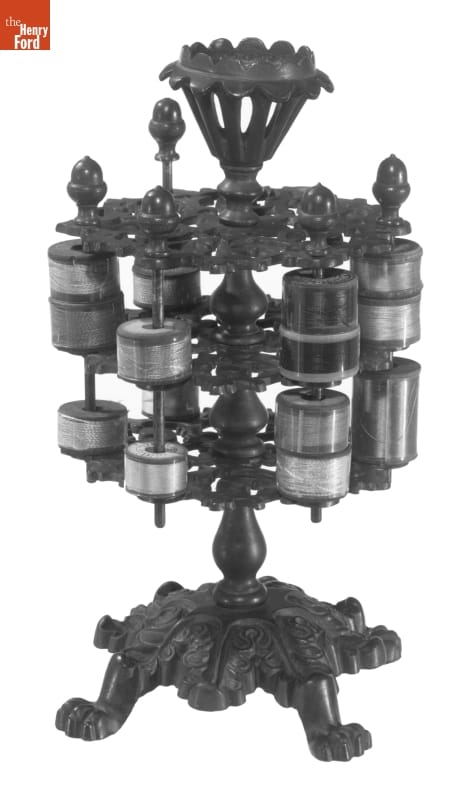
- Spool and Pincushion Holder, 1875-1900 -
- 1875-1900
- Collections - Artifact
Spool and Pincushion Holder, 1875-1900
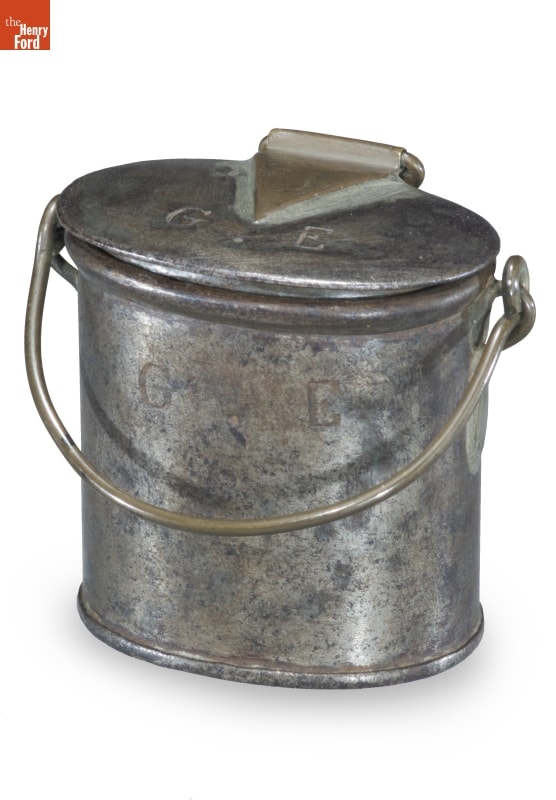
- Thimble Bucket -
- Collections - Artifact
Thimble Bucket
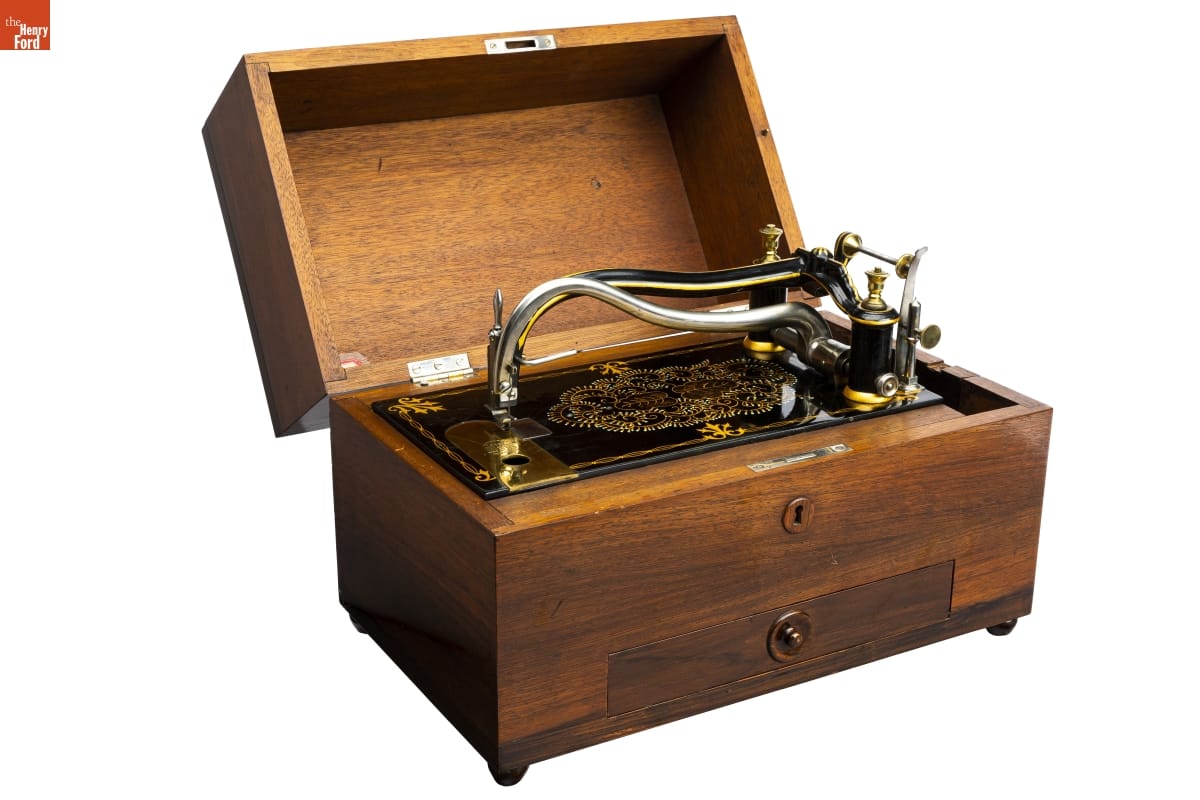
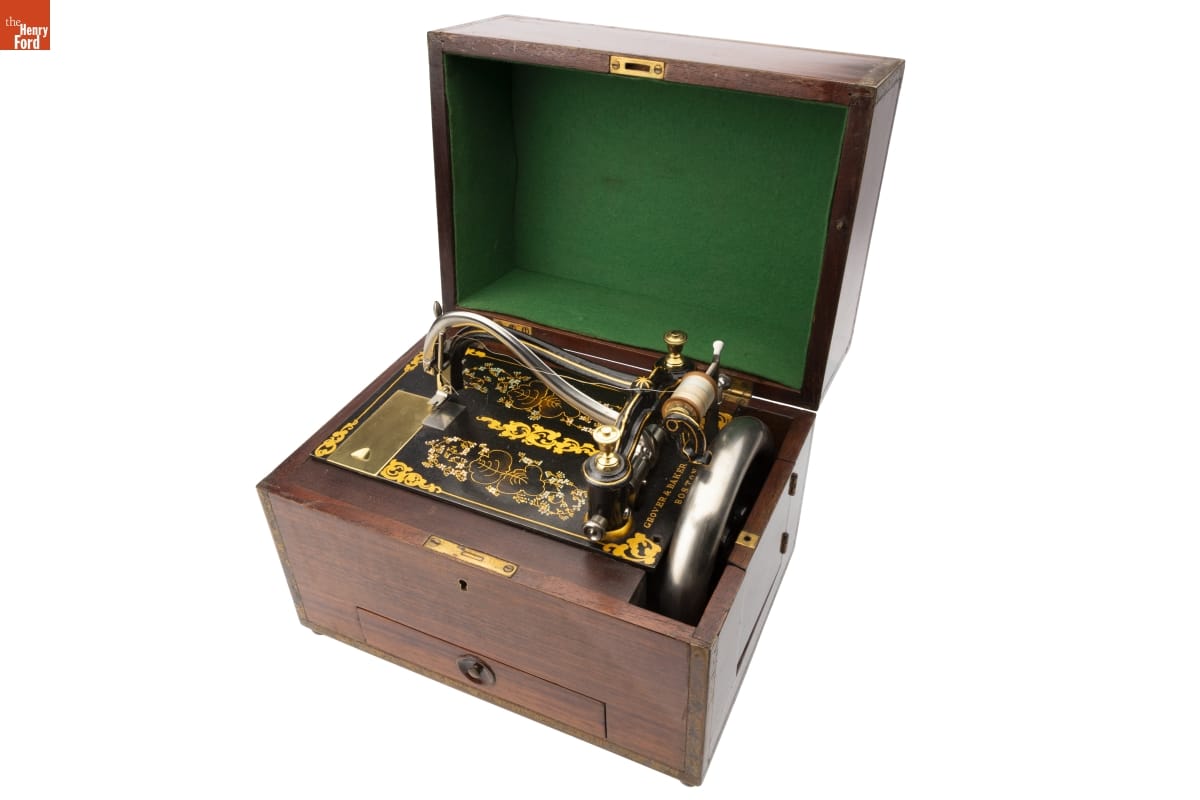
- Grover & Baker Portable Sewing Machine, Purchased by Judge Nathan Crosby of Lowell, Massachusetts, 1858 - Seamstresses used this sewing machine to sew cotton cloth (a Southern agricultural commodity woven in Northern factories). The cast-iron mechanism in a rosewood case confirms connections between Amazonian forests and New England factories. Patented in 1856, this portable machine hit the American market while the fate of slavery divided the nation. Advertising in the American Farmer (1860) described it “for farm and plantation use,” implying that enslaved and free seamstresses may have used it.
- 1858
- Collections - Artifact
Grover & Baker Portable Sewing Machine, Purchased by Judge Nathan Crosby of Lowell, Massachusetts, 1858
Seamstresses used this sewing machine to sew cotton cloth (a Southern agricultural commodity woven in Northern factories). The cast-iron mechanism in a rosewood case confirms connections between Amazonian forests and New England factories. Patented in 1856, this portable machine hit the American market while the fate of slavery divided the nation. Advertising in the American Farmer (1860) described it “for farm and plantation use,” implying that enslaved and free seamstresses may have used it.
- Grover & Baker Portable Sewing Machine, Purchased by Rufus Reed of Newark, New York, 1857 - Seamstresses used this sewing machine to sew cotton cloth (a Southern agricultural commodity woven in Northern factories). The cast-iron mechanism in a rosewood case confirms connections between Amazonian forests and New England factories. Patented in 1856, this portable machine hit the American market while the fate of slavery divided the nation. Advertising in the American Farmer (1860) described it “for farm and plantation use,” implying that enslaved and free seamstresses may have used it.
- 1857
- Collections - Artifact
Grover & Baker Portable Sewing Machine, Purchased by Rufus Reed of Newark, New York, 1857
Seamstresses used this sewing machine to sew cotton cloth (a Southern agricultural commodity woven in Northern factories). The cast-iron mechanism in a rosewood case confirms connections between Amazonian forests and New England factories. Patented in 1856, this portable machine hit the American market while the fate of slavery divided the nation. Advertising in the American Farmer (1860) described it “for farm and plantation use,” implying that enslaved and free seamstresses may have used it.
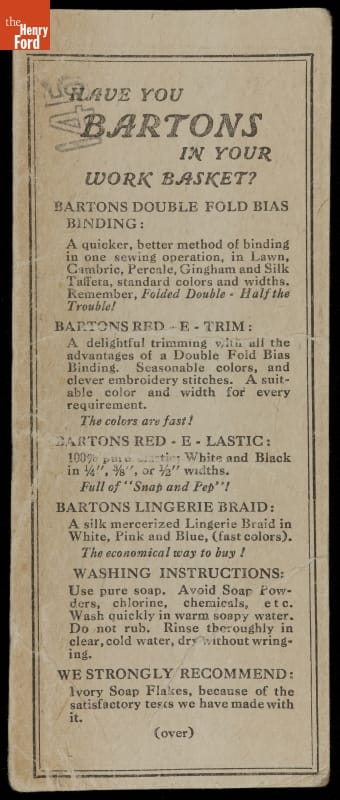
- Trade Card for Barton's Seam Binding, 1870-1890 - In the last third of the nineteenth century, an unprecedented variety of consumer goods and services flooded the American market. Advertisers bombarded potential customers with trade cards. Americans often saved the informative little advertisements found in product packages or distributed by local merchants. Many survive as historical records of commercialism in the United States.
- 1870-1890
- Collections - Artifact
Trade Card for Barton's Seam Binding, 1870-1890
In the last third of the nineteenth century, an unprecedented variety of consumer goods and services flooded the American market. Advertisers bombarded potential customers with trade cards. Americans often saved the informative little advertisements found in product packages or distributed by local merchants. Many survive as historical records of commercialism in the United States.
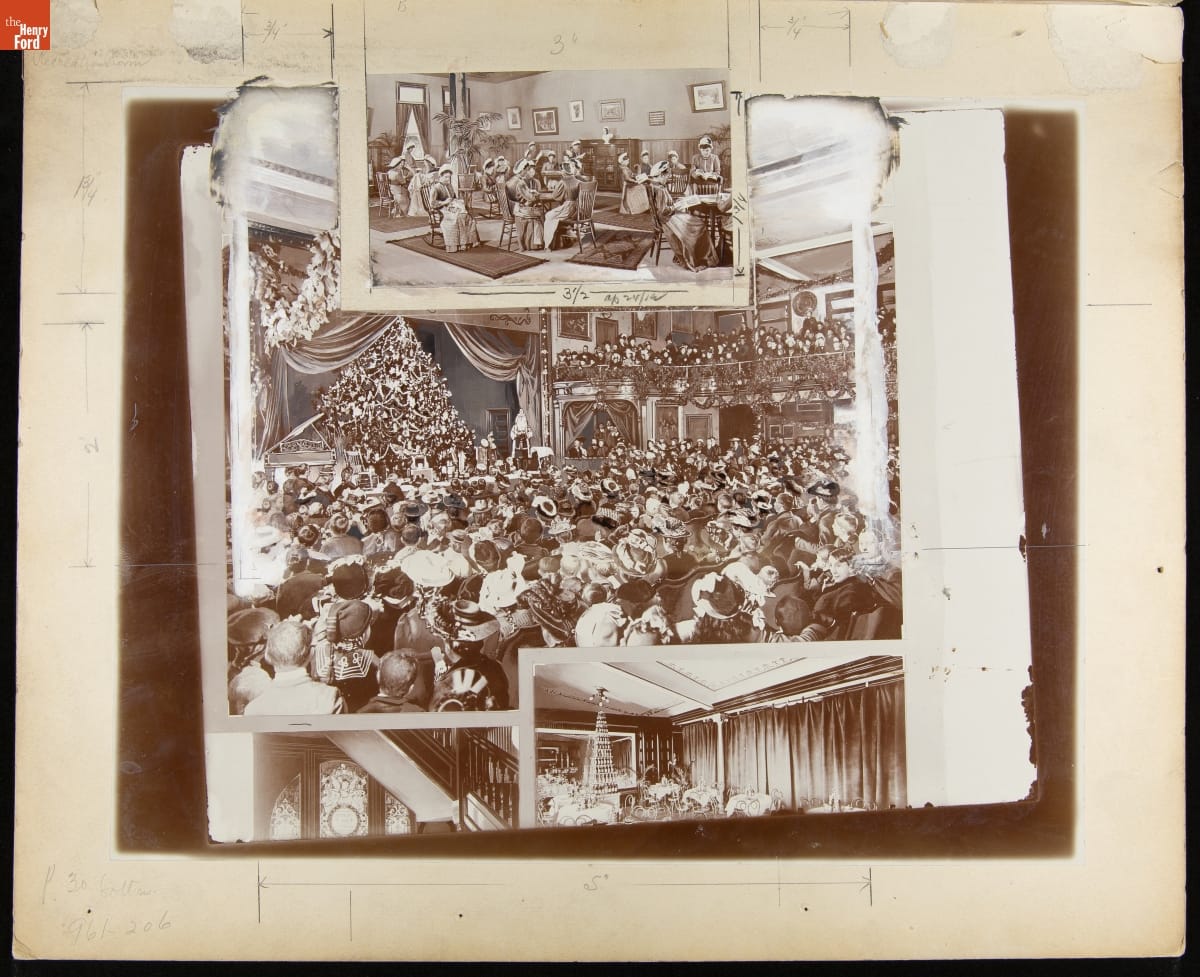
- Advertising Layout Photograph Showing the Heinz Employee Auditorium and Recreation Room, October 6, 1909 - Photographs of the H. J. Heinz factory -- including buildings, employees, and the manufacturing process -- were often taken and then modified for advertising and publications. This advertising layout features several modified photographs of a Christmas party in the auditorium, women in the recreation room, and the customer sampling room.
- October 06, 1909
- Collections - Artifact
Advertising Layout Photograph Showing the Heinz Employee Auditorium and Recreation Room, October 6, 1909
Photographs of the H. J. Heinz factory -- including buildings, employees, and the manufacturing process -- were often taken and then modified for advertising and publications. This advertising layout features several modified photographs of a Christmas party in the auditorium, women in the recreation room, and the customer sampling room.
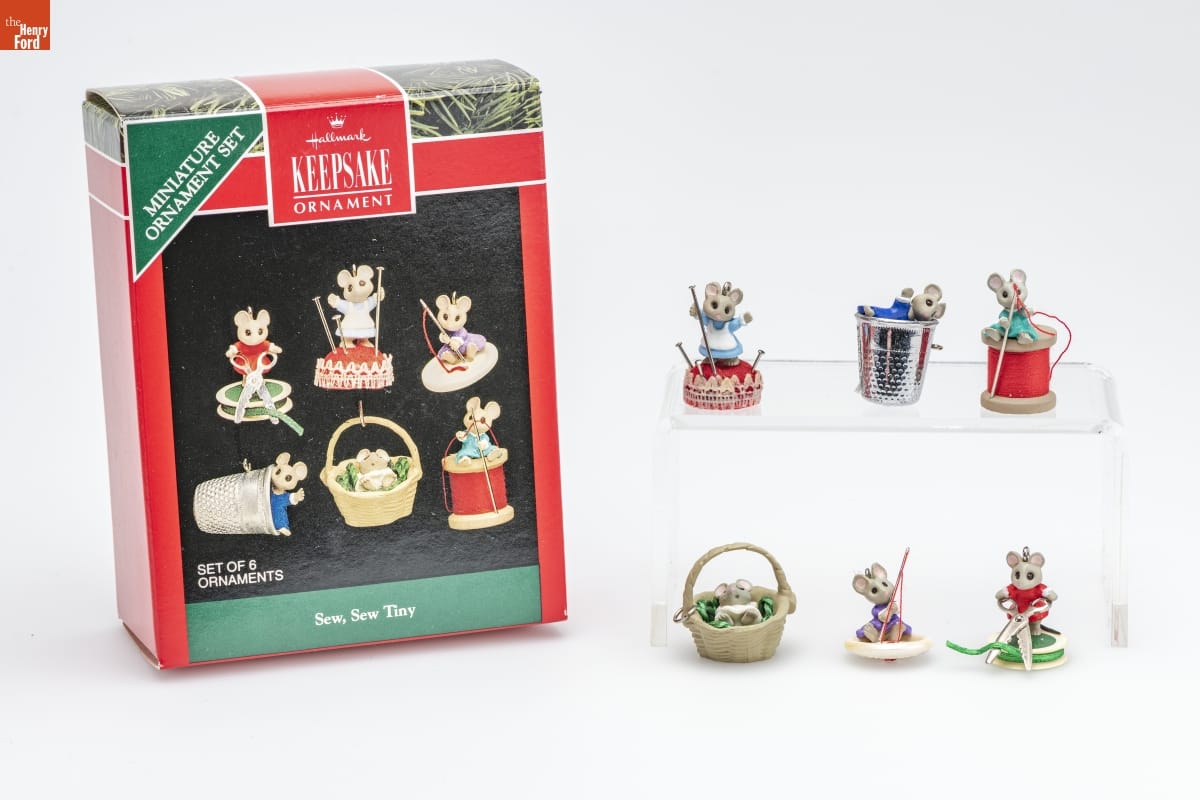
- Hallmark "Sew, Sew Tiny" Miniature Christmas Ornaments, 1992 - Already known for greeting cards, Hallmark introduced a line of Christmas ornaments in 1973. The company's annual release of an increasing array of ornaments revolutionized Christmas decorating, appealing to customers' interest in marking memories and milestones as well as expressing one's personality and unique tastes.
- 1992
- Collections - Artifact
Hallmark "Sew, Sew Tiny" Miniature Christmas Ornaments, 1992
Already known for greeting cards, Hallmark introduced a line of Christmas ornaments in 1973. The company's annual release of an increasing array of ornaments revolutionized Christmas decorating, appealing to customers' interest in marking memories and milestones as well as expressing one's personality and unique tastes.
- Advertising Sign for J. & P. Coats, "Best Six-Cord Spool Cotton, for Hand and Machine," 1880-1890 -
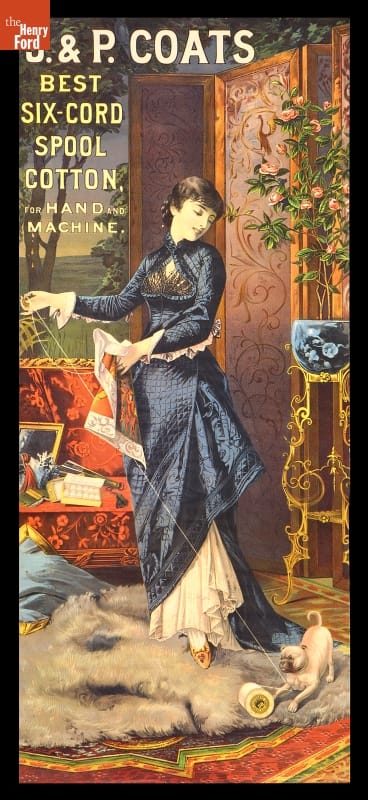
- 1880-1890
- Collections - Artifact
Advertising Sign for J. & P. Coats, "Best Six-Cord Spool Cotton, for Hand and Machine," 1880-1890
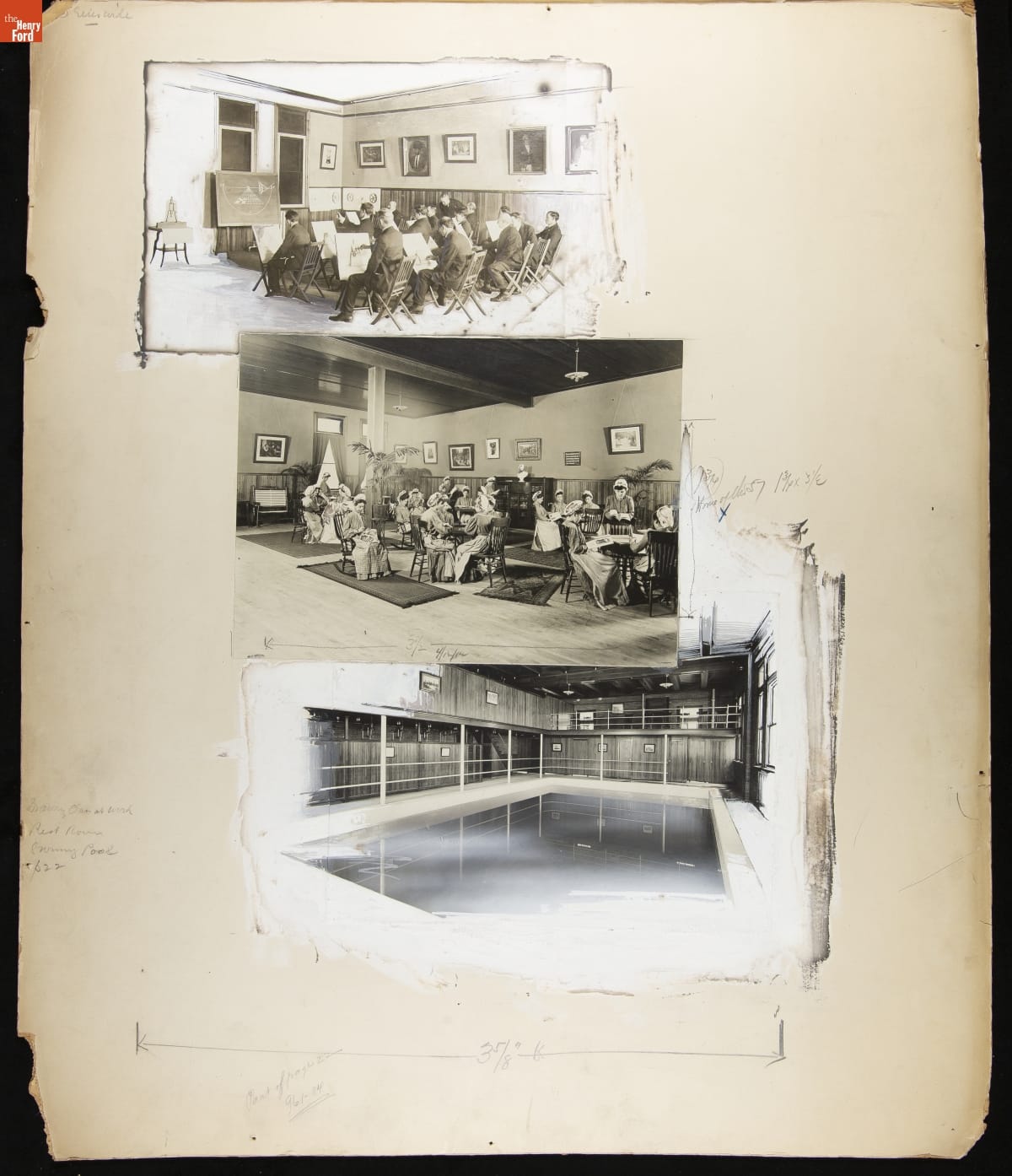
- Photomontage Showing Heinz Company Activities for Employees, 1907-1912 - Photographs of the H.J. Heinz factory -- including buildings, employees, and the manufacturing process -- were often taken and then modified for advertising and publications. This advertising layout features several modified photographs of employee recreation activities. This arrangement of photos shows some of the leisure activities available to employees, including drafting and sewing classes, and a swimming pool.
- 1907-1912
- Collections - Artifact
Photomontage Showing Heinz Company Activities for Employees, 1907-1912
Photographs of the H.J. Heinz factory -- including buildings, employees, and the manufacturing process -- were often taken and then modified for advertising and publications. This advertising layout features several modified photographs of employee recreation activities. This arrangement of photos shows some of the leisure activities available to employees, including drafting and sewing classes, and a swimming pool.