
Search
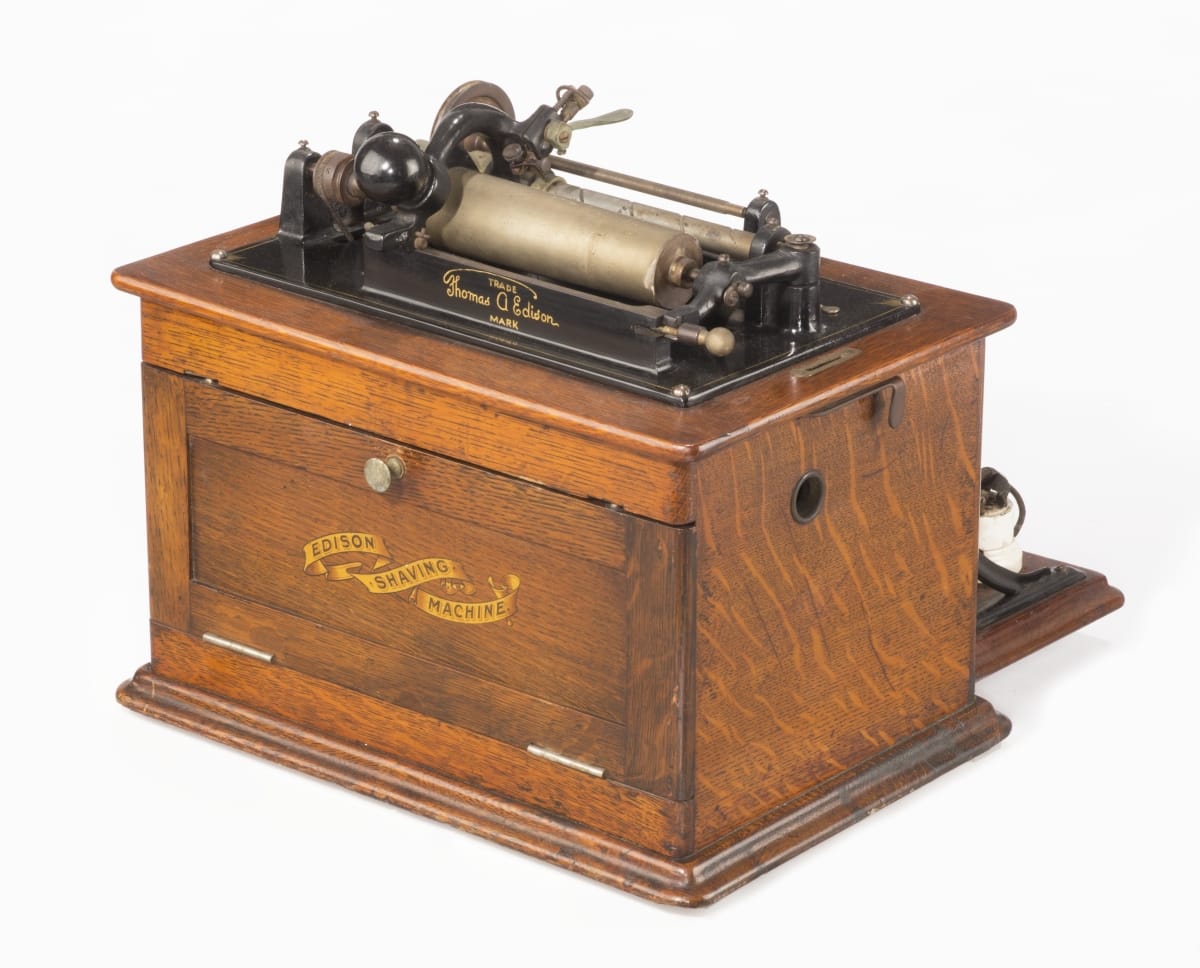
- Cylinder Shaving Machine, circa 1907 - Dictaphones and Ediphones were sound recording devices largely used for oral dictation in business settings. In this scenario, wax cylinder recordings were passed to a secretary, who listened to the recording with a playback-only transcriber and then typed up notes. A shaving machine, such as this one, scraped the previously inscribed layer away allowing a wax cylinder to be reused over 100 times.
- circa 1907
- Collections - Artifact
Cylinder Shaving Machine, circa 1907
Dictaphones and Ediphones were sound recording devices largely used for oral dictation in business settings. In this scenario, wax cylinder recordings were passed to a secretary, who listened to the recording with a playback-only transcriber and then typed up notes. A shaving machine, such as this one, scraped the previously inscribed layer away allowing a wax cylinder to be reused over 100 times.
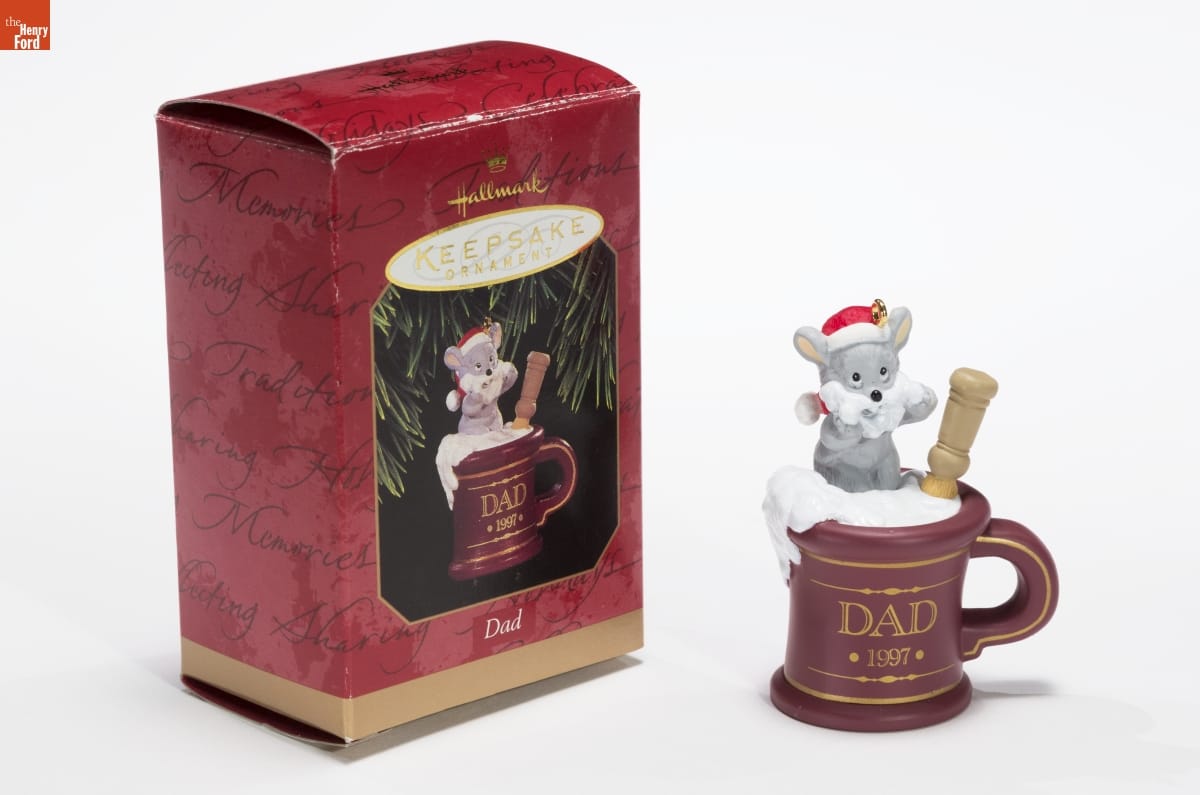
- Hallmark "Dad" Christmas Ornament, 1997 - Already known for greeting cards, Hallmark introduced a line of Christmas ornaments in 1973. The company's annual release of an increasing array of ornaments revolutionized Christmas decorating, appealing to customers' interest in marking memories and milestones as well as expressing one's personality and unique tastes.
- 1997
- Collections - Artifact
Hallmark "Dad" Christmas Ornament, 1997
Already known for greeting cards, Hallmark introduced a line of Christmas ornaments in 1973. The company's annual release of an increasing array of ornaments revolutionized Christmas decorating, appealing to customers' interest in marking memories and milestones as well as expressing one's personality and unique tastes.
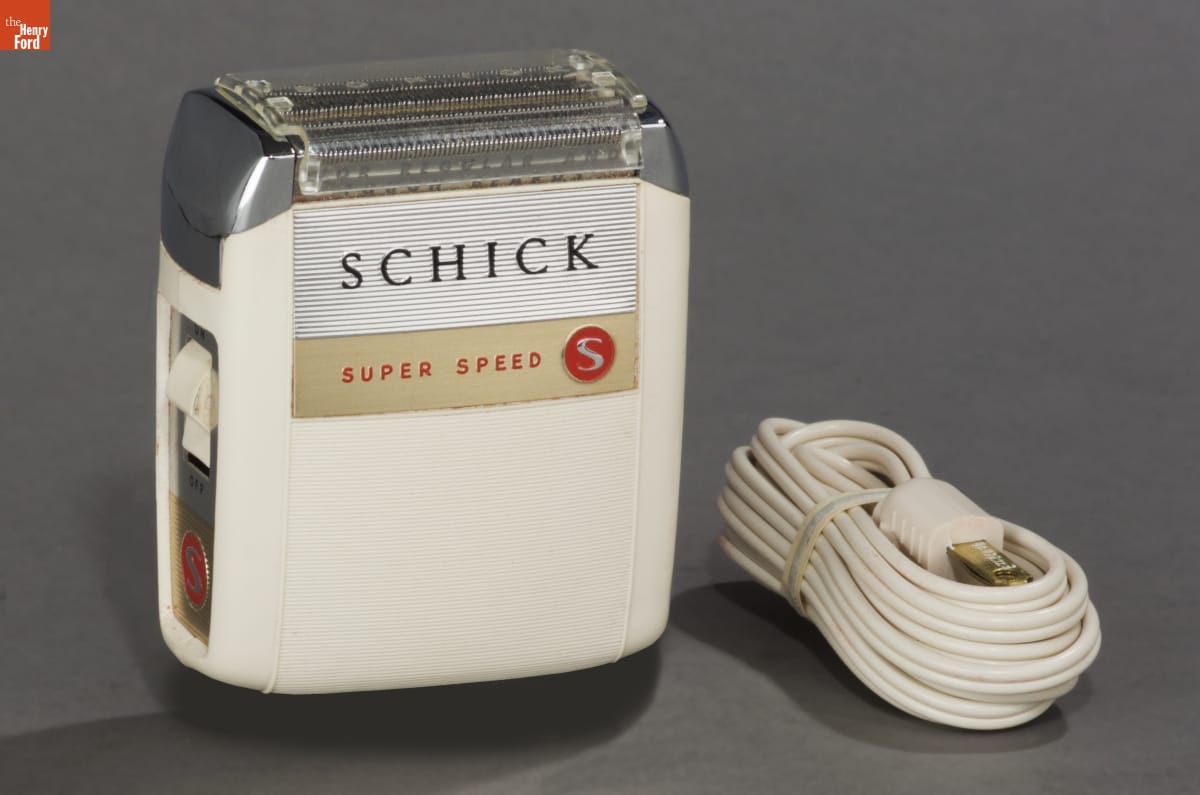
- Schick Super Speed Electric Shaver, 1962-1966 - Jacob Schick patented the first successful electric razor in 1930 and began manufacturing his invention. The razors removed facial hair without lather or water, relying on an electric motor to move the cutting blades. Innovations and modern designs followed. Schick's company contracted with Mel Boldt and Associates to design the distinctive look of this razor from the 1960s.
- 1962-1966
- Collections - Artifact
Schick Super Speed Electric Shaver, 1962-1966
Jacob Schick patented the first successful electric razor in 1930 and began manufacturing his invention. The razors removed facial hair without lather or water, relying on an electric motor to move the cutting blades. Innovations and modern designs followed. Schick's company contracted with Mel Boldt and Associates to design the distinctive look of this razor from the 1960s.
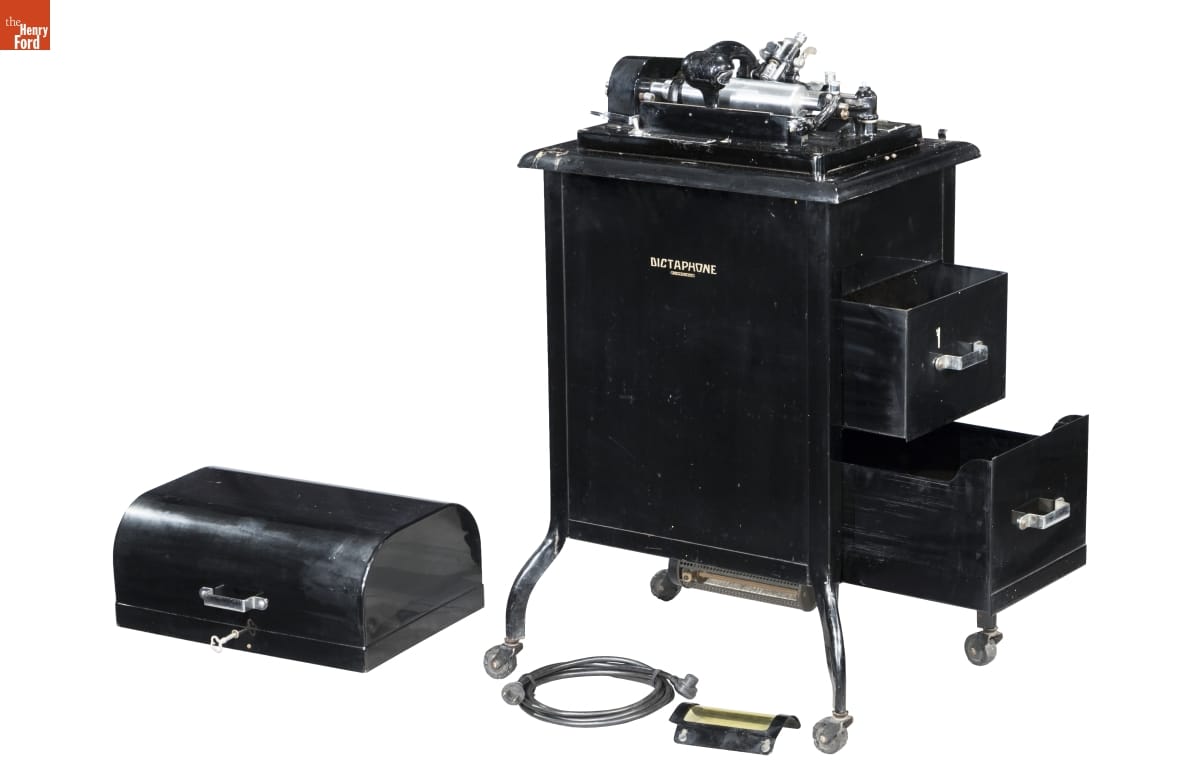
- Dictaphone Shaving Machine, Type S, Model 10, circa 1929 - Dictaphones and Ediphones were sound recording devices largely used for oral dictation in business settings. In this scenario, wax cylinder recordings were passed to a secretary, who listened to the recording with a playback-only transcriber and then typed up notes. A shaving machine, such as this one, scraped the previously inscribed layer away allowing a wax cylinder to be reused over 100 times.
- circa 1929
- Collections - Artifact
Dictaphone Shaving Machine, Type S, Model 10, circa 1929
Dictaphones and Ediphones were sound recording devices largely used for oral dictation in business settings. In this scenario, wax cylinder recordings were passed to a secretary, who listened to the recording with a playback-only transcriber and then typed up notes. A shaving machine, such as this one, scraped the previously inscribed layer away allowing a wax cylinder to be reused over 100 times.
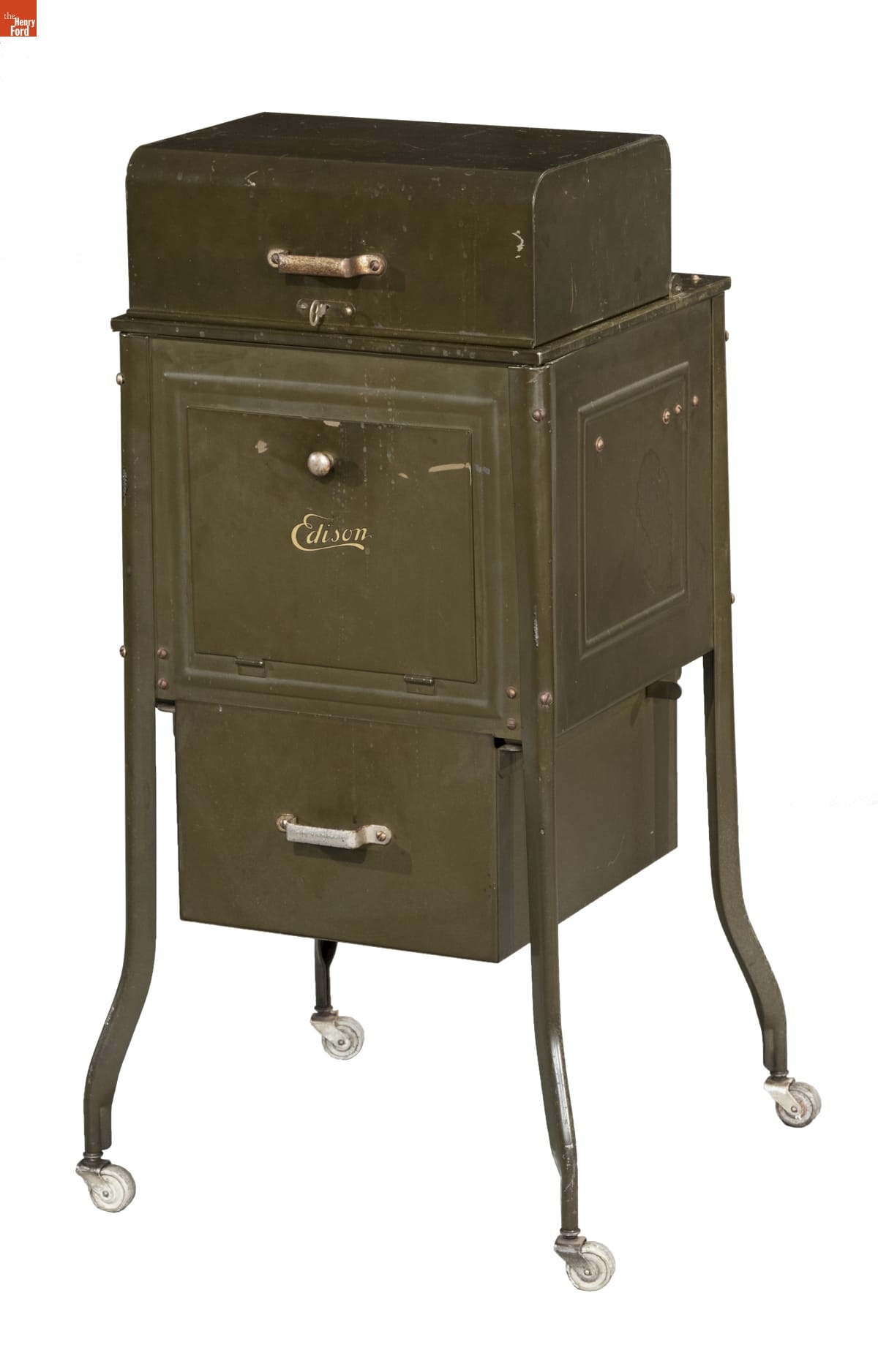
- Ediphone Shaver, circa 1926 - Dictaphones and Ediphones were sound recording devices largely used for oral dictation in business settings. In this scenario, wax cylinder recordings were passed to a secretary, who listened to the recording with a playback-only transcriber and then typed up notes. A shaving machine, such as this one, scraped the previously inscribed layer away allowing a wax cylinder to be reused over 100 times.
- circa 1926
- Collections - Artifact
Ediphone Shaver, circa 1926
Dictaphones and Ediphones were sound recording devices largely used for oral dictation in business settings. In this scenario, wax cylinder recordings were passed to a secretary, who listened to the recording with a playback-only transcriber and then typed up notes. A shaving machine, such as this one, scraped the previously inscribed layer away allowing a wax cylinder to be reused over 100 times.
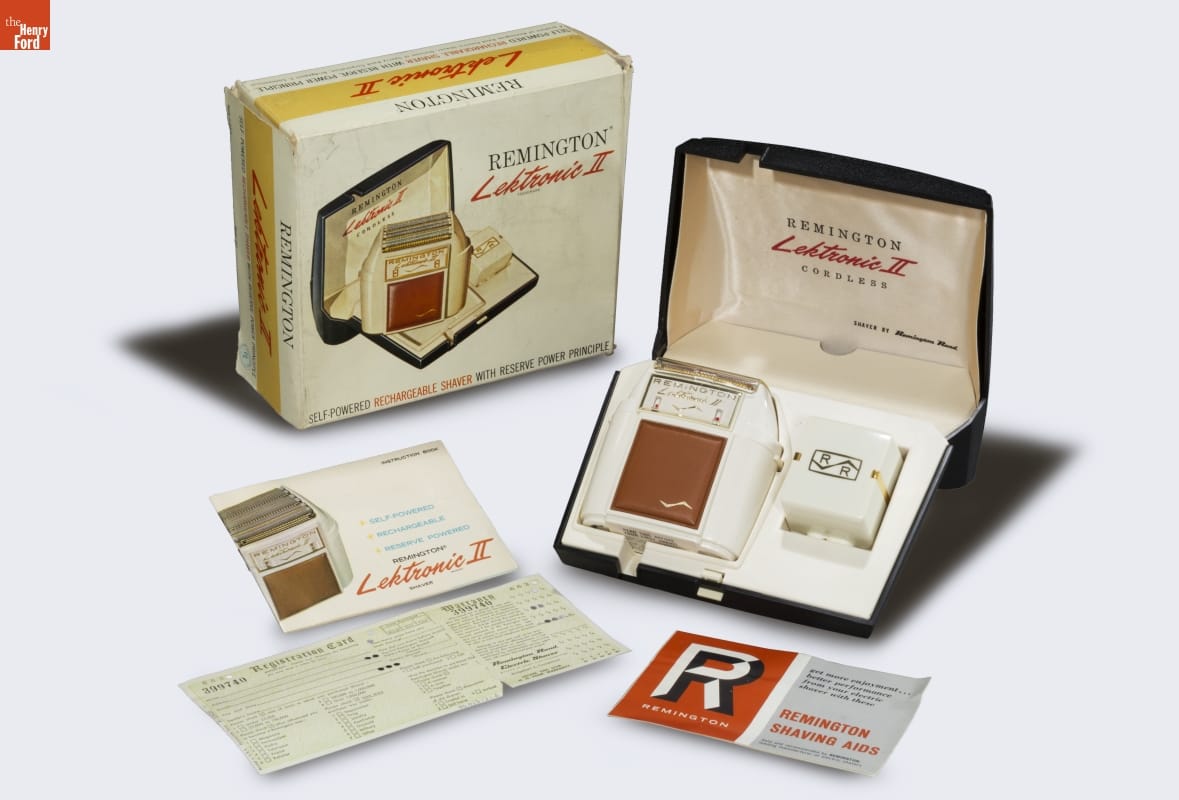
- Remington Lektronic II Electric Shaver, circa 1962 - Remington sold its first electric razor in 1937. It had a thin metal foil covering the cutting blades, a feature that would become standard on other electric razors. The company continued to innovate and produce new designs. In 1960, Remington introduced the Lektronic, the first cordless shaver. The company also contracted with Mel Boldt and Associates to design its products' distinctive look.
- circa 1962
- Collections - Artifact
Remington Lektronic II Electric Shaver, circa 1962
Remington sold its first electric razor in 1937. It had a thin metal foil covering the cutting blades, a feature that would become standard on other electric razors. The company continued to innovate and produce new designs. In 1960, Remington introduced the Lektronic, the first cordless shaver. The company also contracted with Mel Boldt and Associates to design its products' distinctive look.
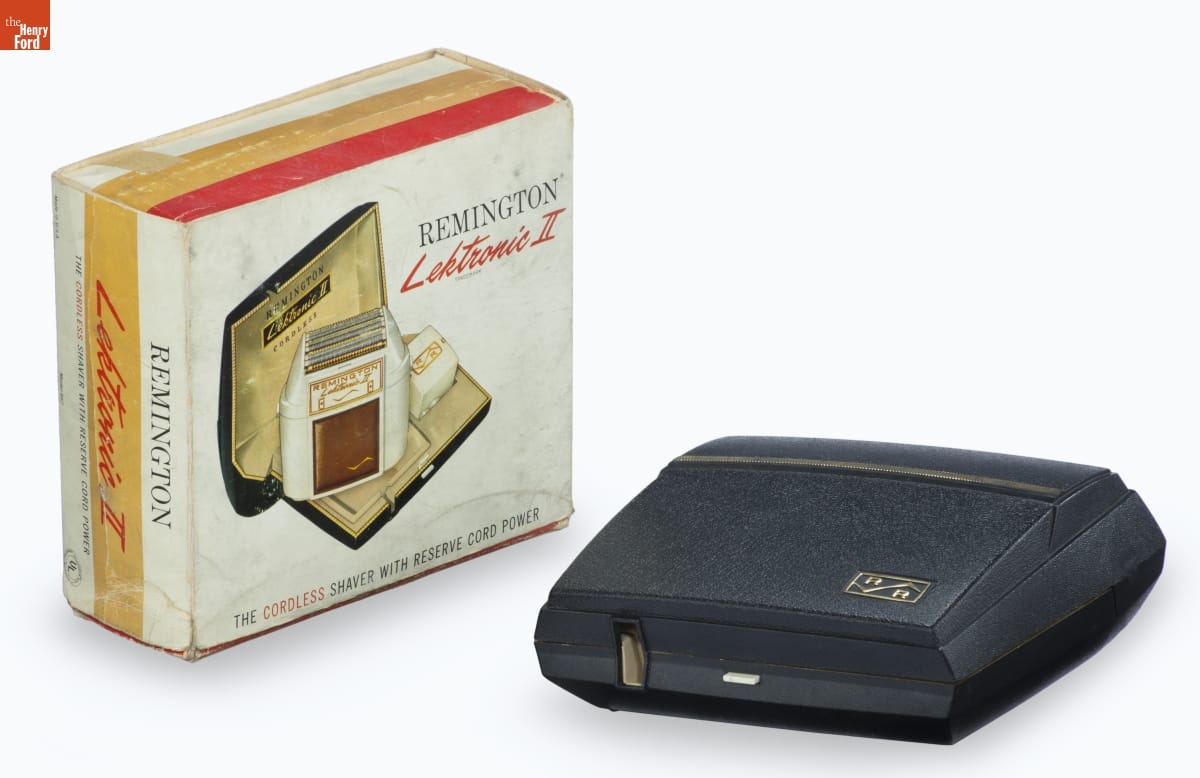
- Remington Lektronic II Electric Razor, circa 1962 - Remington sold its first electric razor in 1937. It had a thin metal foil covering the cutting blades, a feature that would become standard on other electric razors. The company continued to innovate and produce new designs. In 1960, Remington introduced the Lektronic, the first cordless shaver. The company also contracted with Mel Boldt and Associates to design its products' distinctive look.
- circa 1962
- Collections - Artifact
Remington Lektronic II Electric Razor, circa 1962
Remington sold its first electric razor in 1937. It had a thin metal foil covering the cutting blades, a feature that would become standard on other electric razors. The company continued to innovate and produce new designs. In 1960, Remington introduced the Lektronic, the first cordless shaver. The company also contracted with Mel Boldt and Associates to design its products' distinctive look.
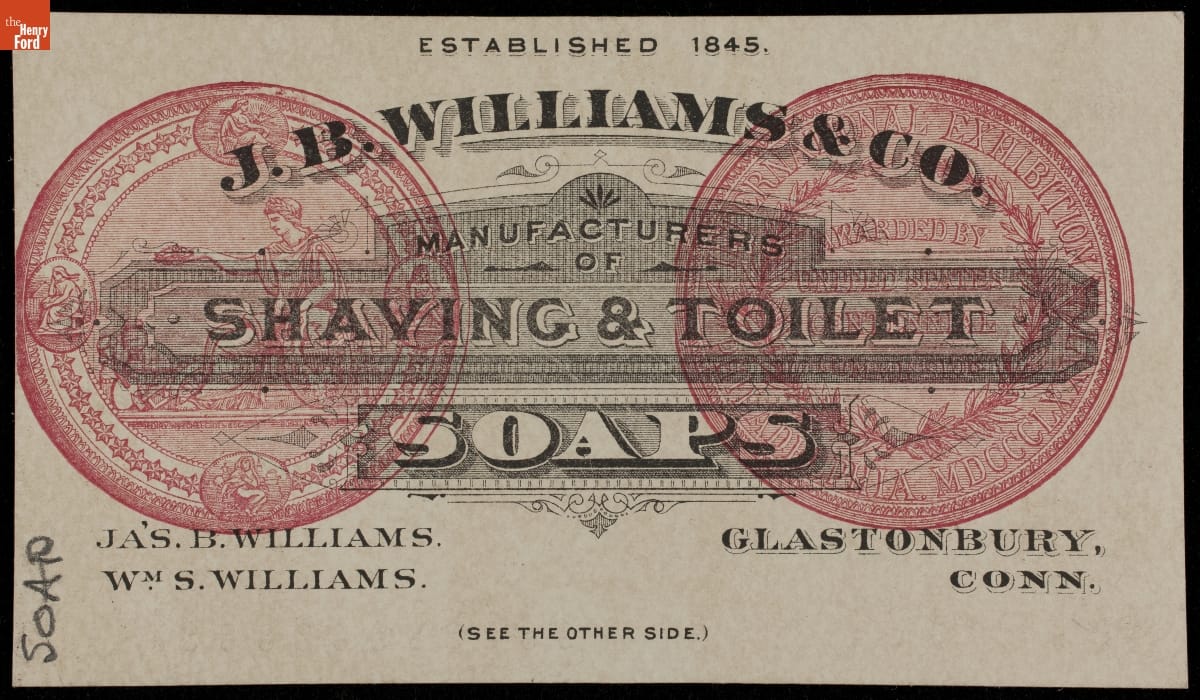
- Trade Card for Shaving and Toilet Soaps, J. B. Williams Company, 1875-1880 - In the last third of the nineteenth century, an unprecedented variety of consumer goods and services flooded the American market. Advertisers bombarded potential customers with trade cards. Americans often saved the informative little advertisements found in product packages or distributed by local merchants. Many survive as historical records of commercialism in the United States.
- 1875-1880
- Collections - Artifact
Trade Card for Shaving and Toilet Soaps, J. B. Williams Company, 1875-1880
In the last third of the nineteenth century, an unprecedented variety of consumer goods and services flooded the American market. Advertisers bombarded potential customers with trade cards. Americans often saved the informative little advertisements found in product packages or distributed by local merchants. Many survive as historical records of commercialism in the United States.
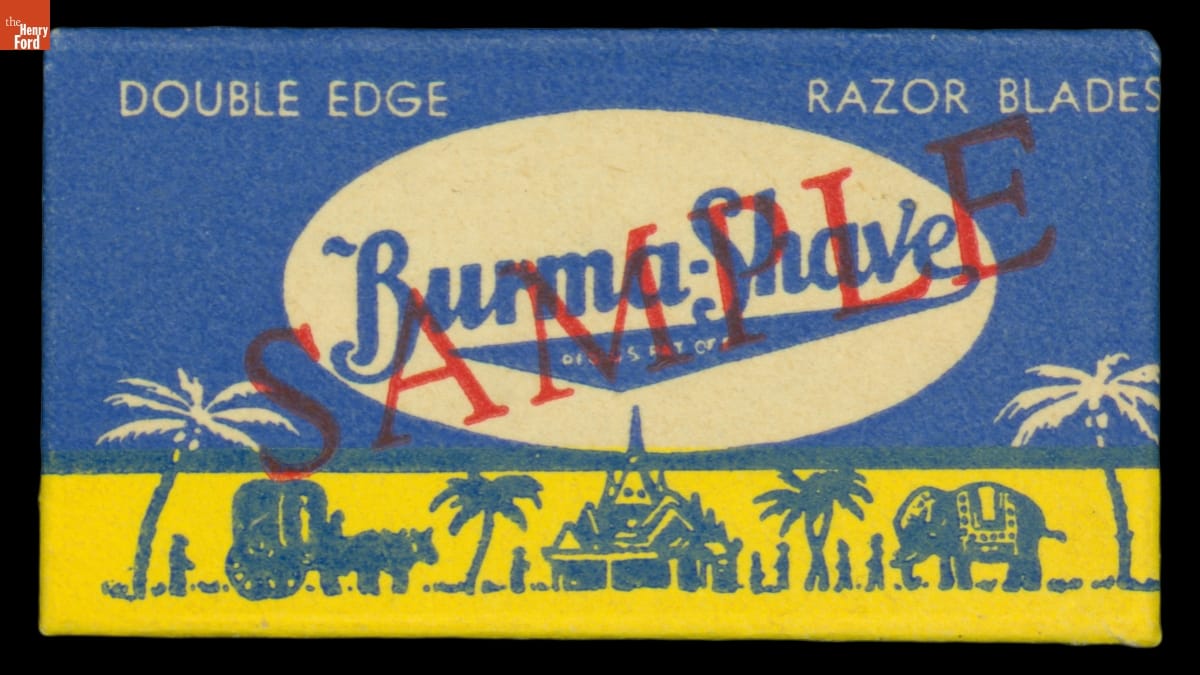
- Packaging for Sample Burma-Shave Double Edge Razor Blades, 1936 - The Burma-Vita Company was one of the first companies to produce a brushless shaving cream. They began selling the grooming products in 1925, but it was their innovative advertising method that most people recall today. Roadside poems and humorous sayings -- Were this company's fame -- Gave drivers and auto tourists -- A way to remember their name -- Burma Shave.
- 1936
- Collections - Artifact
Packaging for Sample Burma-Shave Double Edge Razor Blades, 1936
The Burma-Vita Company was one of the first companies to produce a brushless shaving cream. They began selling the grooming products in 1925, but it was their innovative advertising method that most people recall today. Roadside poems and humorous sayings -- Were this company's fame -- Gave drivers and auto tourists -- A way to remember their name -- Burma Shave.
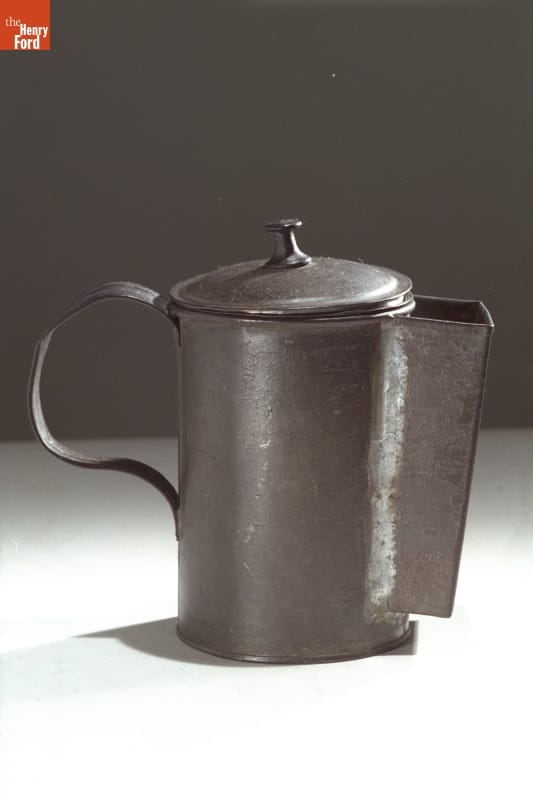
- Shaving Mug, 1825-1875 - Tin-plated iron, commonly called "tin," was the dominant material for utilitarian items in 19th-century America. It was lightweight, inexpensive, easy to clean, non-toxic, and durable. Tinware also resisted corrosion and had a pleasing silvery appearance that could be enhanced through decoration. Middle-class Americans happily purchased tinware in place of goods made from earlier materials, like wood or pottery.
- 1825-1875
- Collections - Artifact
Shaving Mug, 1825-1875
Tin-plated iron, commonly called "tin," was the dominant material for utilitarian items in 19th-century America. It was lightweight, inexpensive, easy to clean, non-toxic, and durable. Tinware also resisted corrosion and had a pleasing silvery appearance that could be enhanced through decoration. Middle-class Americans happily purchased tinware in place of goods made from earlier materials, like wood or pottery.