
Search
- Kodak Sheet Film Holder, circa 1925 - In 1913, Kodak introduced their pioneering Eastman Portrait Film for the professional photographer as an alternative to glass plate photography. Individual sheets of flexible cellulose nitrate were housed in light-safe film holders. Large format film produced by Kodak and others held copious amounts of information, perfect for crisp, faithful reproductions. A less flammable "safety" sheet film was introduced in 1925.
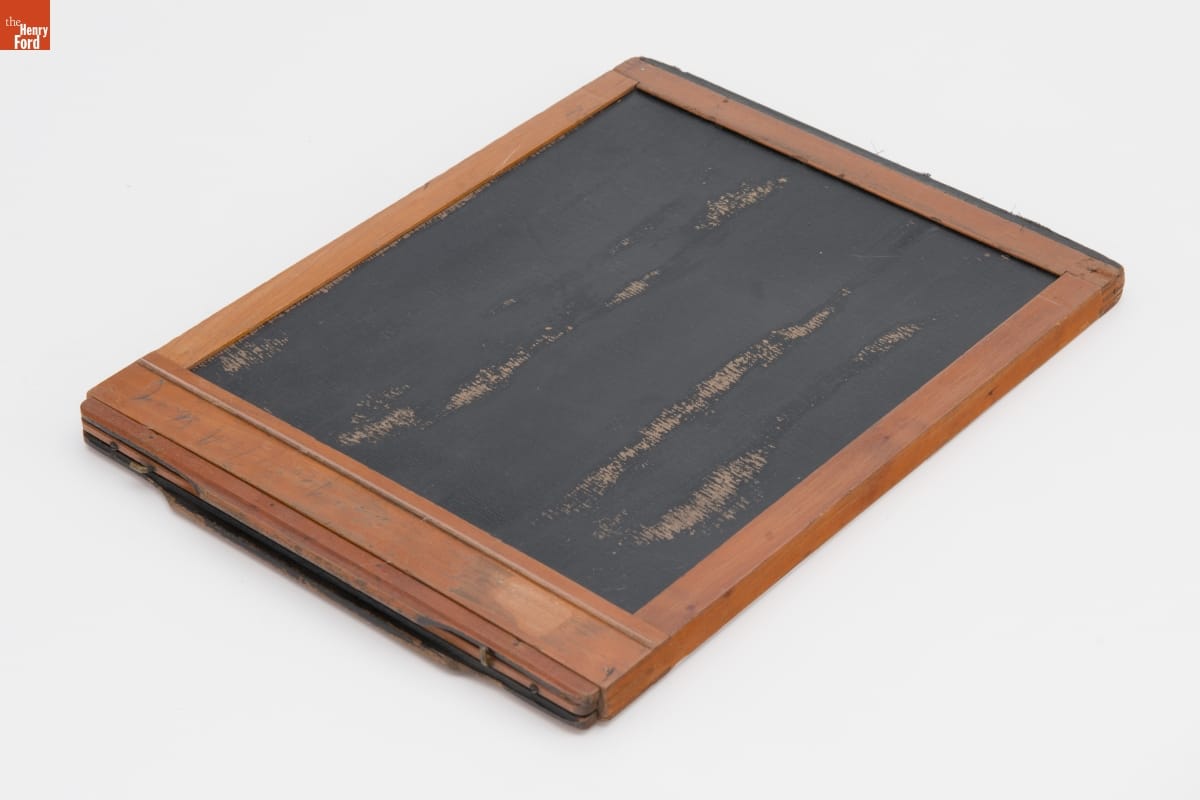
- circa 1925
- Collections - Artifact
Kodak Sheet Film Holder, circa 1925
In 1913, Kodak introduced their pioneering Eastman Portrait Film for the professional photographer as an alternative to glass plate photography. Individual sheets of flexible cellulose nitrate were housed in light-safe film holders. Large format film produced by Kodak and others held copious amounts of information, perfect for crisp, faithful reproductions. A less flammable "safety" sheet film was introduced in 1925.
- Kodak Sheet Film Holder, circa 1925 - In 1913, Kodak introduced their pioneering Eastman Portrait Film for the professional photographer as an alternative to glass plate photography. Individual sheets of flexible cellulose nitrate were housed in light-safe film holders. Large format film produced by Kodak and others held copious amounts of information, perfect for crisp, faithful reproductions. A less flammable "safety" sheet film was introduced in 1925.
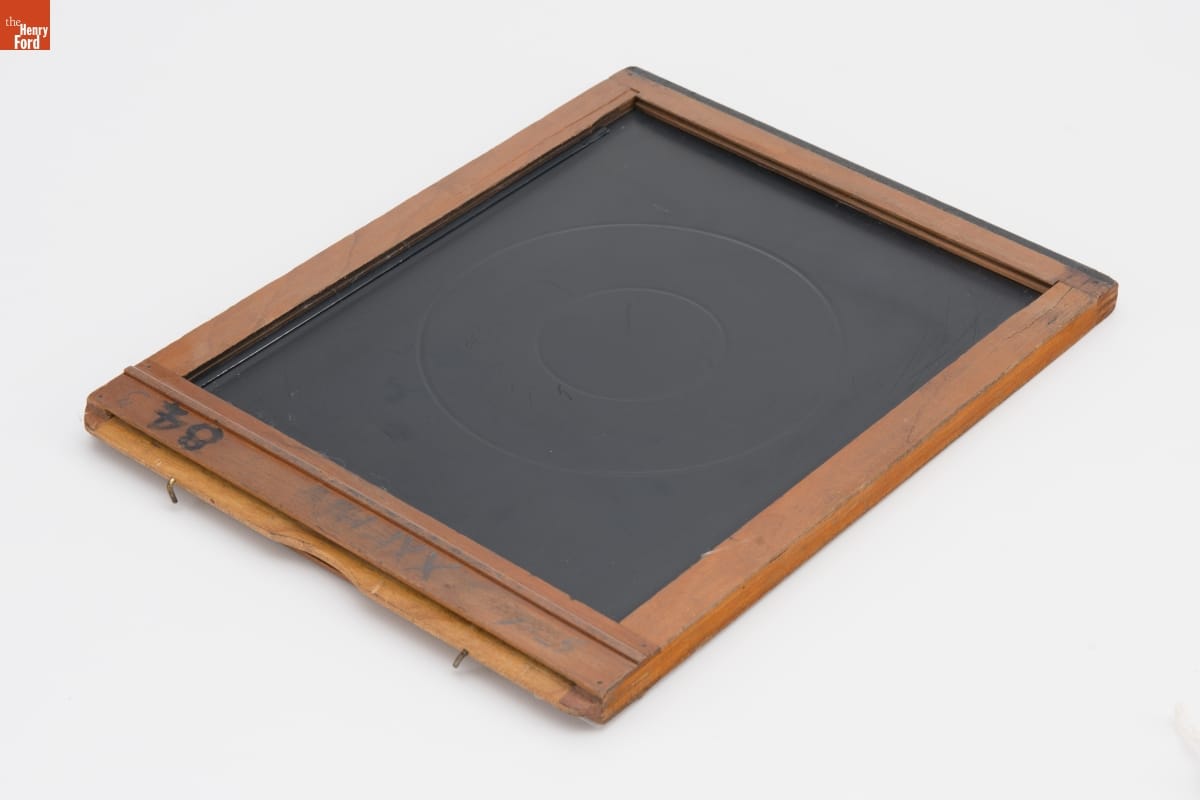
- circa 1925
- Collections - Artifact
Kodak Sheet Film Holder, circa 1925
In 1913, Kodak introduced their pioneering Eastman Portrait Film for the professional photographer as an alternative to glass plate photography. Individual sheets of flexible cellulose nitrate were housed in light-safe film holders. Large format film produced by Kodak and others held copious amounts of information, perfect for crisp, faithful reproductions. A less flammable "safety" sheet film was introduced in 1925.
- Kodak Cut Film Holder, circa 1925 - In 1913, Kodak introduced their pioneering Eastman Portrait Film for the professional photographer as an alternative to glass plate photography. Individual sheets of flexible cellulose nitrate were housed in light-safe film holders. Large format film produced by Kodak and others held copious amounts of information, perfect for crisp, faithful reproductions. A less flammable "safety" sheet film was introduced in 1925.
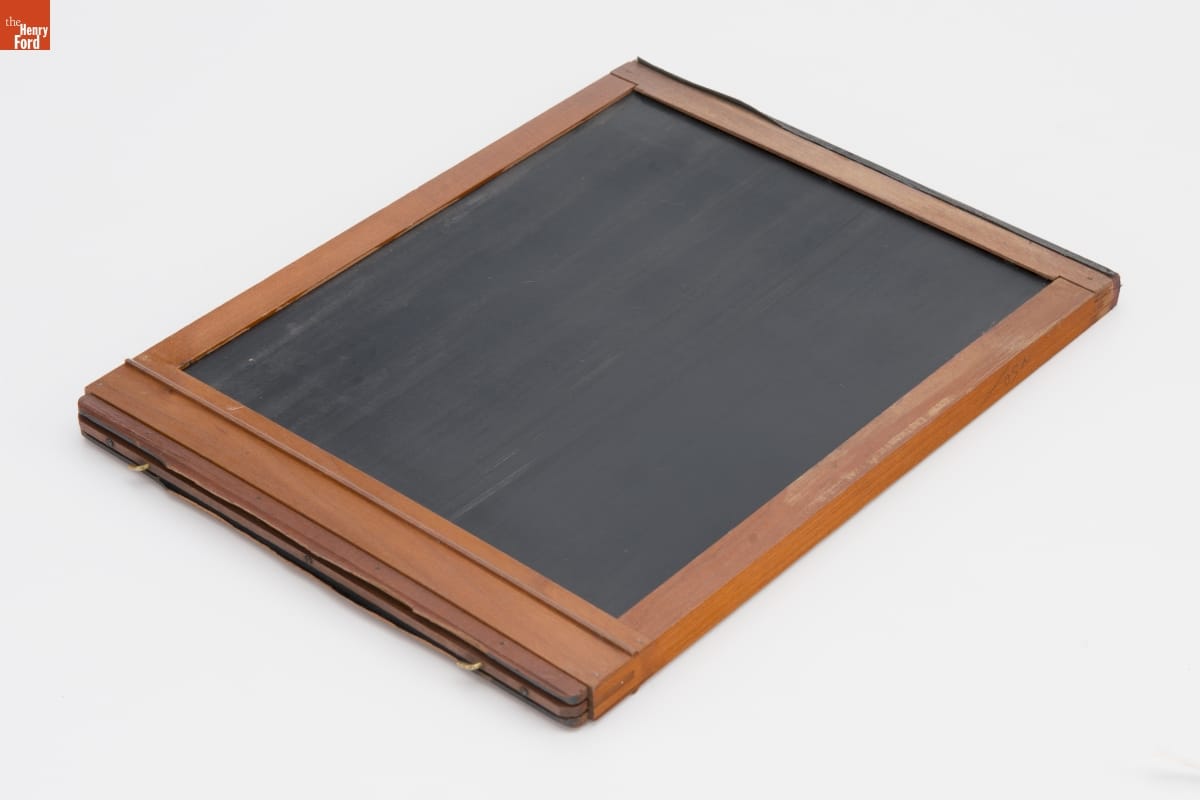
- circa 1925
- Collections - Artifact
Kodak Cut Film Holder, circa 1925
In 1913, Kodak introduced their pioneering Eastman Portrait Film for the professional photographer as an alternative to glass plate photography. Individual sheets of flexible cellulose nitrate were housed in light-safe film holders. Large format film produced by Kodak and others held copious amounts of information, perfect for crisp, faithful reproductions. A less flammable "safety" sheet film was introduced in 1925.
- Kodak Sheet Film Holder, circa 1925 - In 1913, Kodak introduced their pioneering Eastman Portrait Film for the professional photographer as an alternative to glass plate photography. Individual sheets of flexible cellulose nitrate were housed in light-safe film holders. Large format film produced by Kodak and others held copious amounts of information, perfect for crisp, faithful reproductions. A less flammable "safety" sheet film was introduced in 1925.
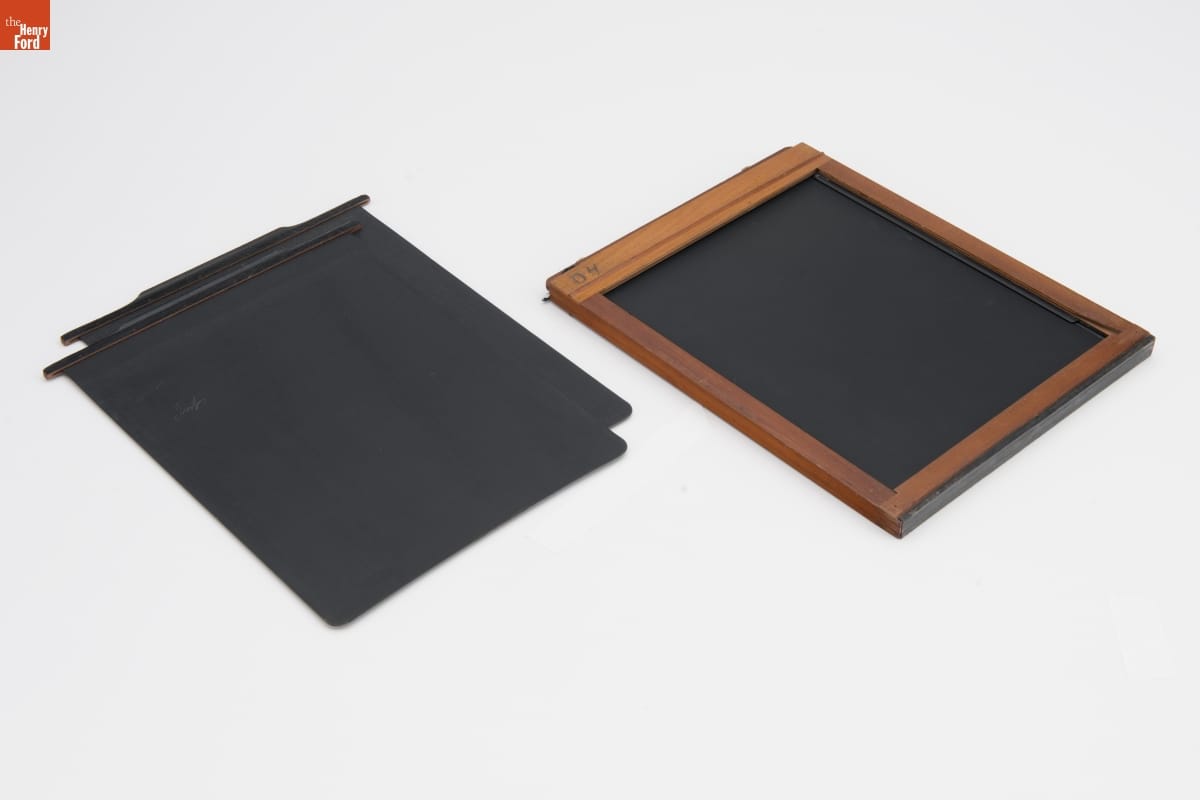
- circa 1925
- Collections - Artifact
Kodak Sheet Film Holder, circa 1925
In 1913, Kodak introduced their pioneering Eastman Portrait Film for the professional photographer as an alternative to glass plate photography. Individual sheets of flexible cellulose nitrate were housed in light-safe film holders. Large format film produced by Kodak and others held copious amounts of information, perfect for crisp, faithful reproductions. A less flammable "safety" sheet film was introduced in 1925.
- Bundle of Sheet Film Holders, Addressed to George Ebling of Ford Motor Company, 1920-1940 - In 1913, Kodak introduced their pioneering Eastman Portrait Film for the professional photographer as an alternative to glass plate photography. Individual sheets of flexible cellulose nitrate were housed in light-safe film holders. Large format film produced by Kodak and others held copious amounts of information, perfect for crisp, faithful reproductions. A less flammable "safety" sheet film was introduced in 1925.
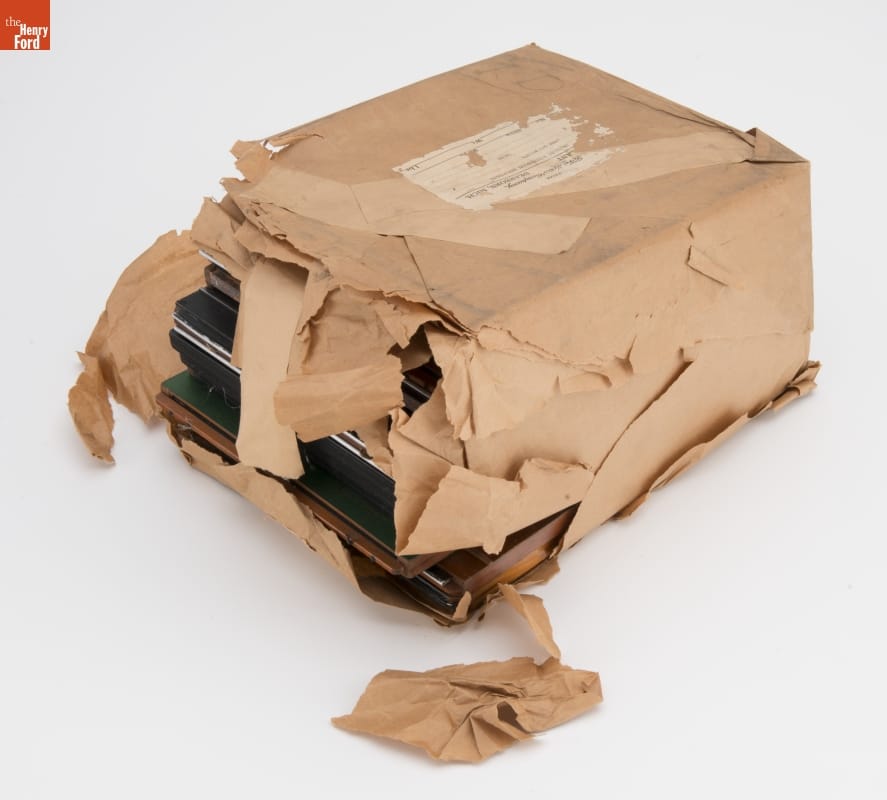
- 1920-1940
- Collections - Artifact
Bundle of Sheet Film Holders, Addressed to George Ebling of Ford Motor Company, 1920-1940
In 1913, Kodak introduced their pioneering Eastman Portrait Film for the professional photographer as an alternative to glass plate photography. Individual sheets of flexible cellulose nitrate were housed in light-safe film holders. Large format film produced by Kodak and others held copious amounts of information, perfect for crisp, faithful reproductions. A less flammable "safety" sheet film was introduced in 1925.
- Film Holder -
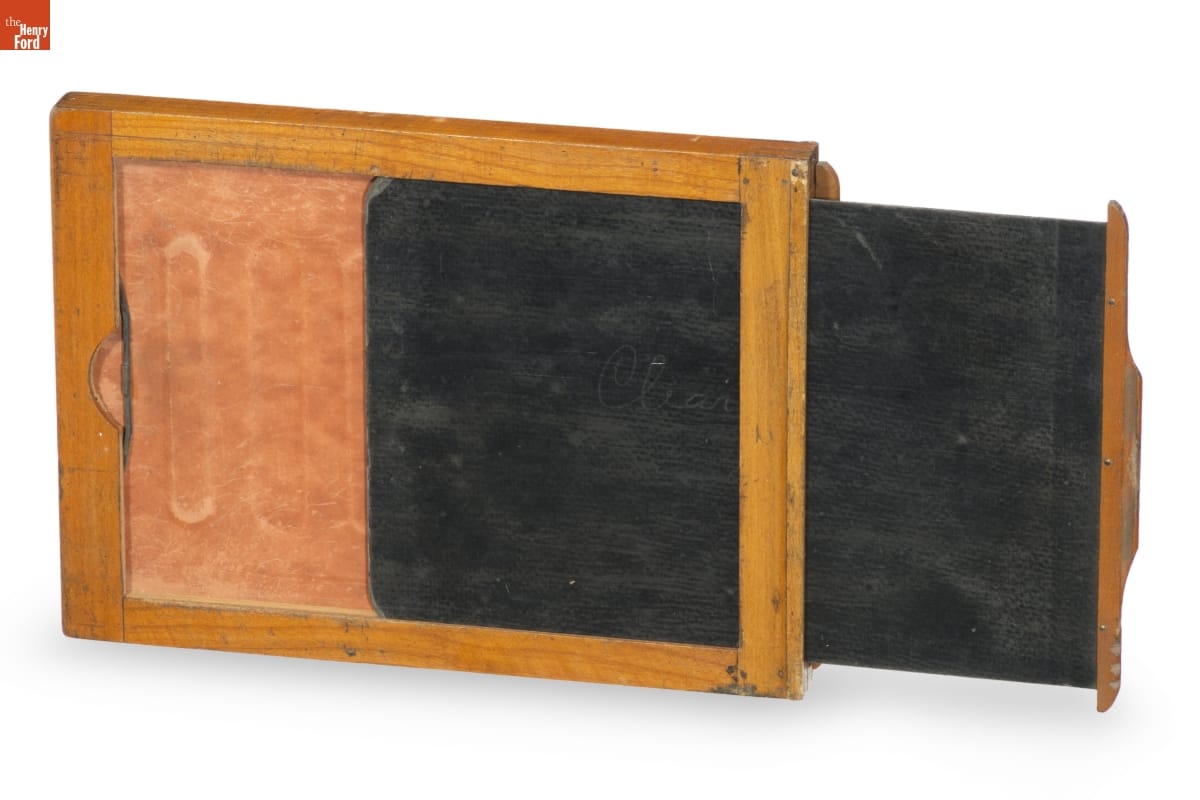
- Collections - Artifact
Film Holder
- Eastman Kodak Company Sheet Film Holder, circa 1916 -
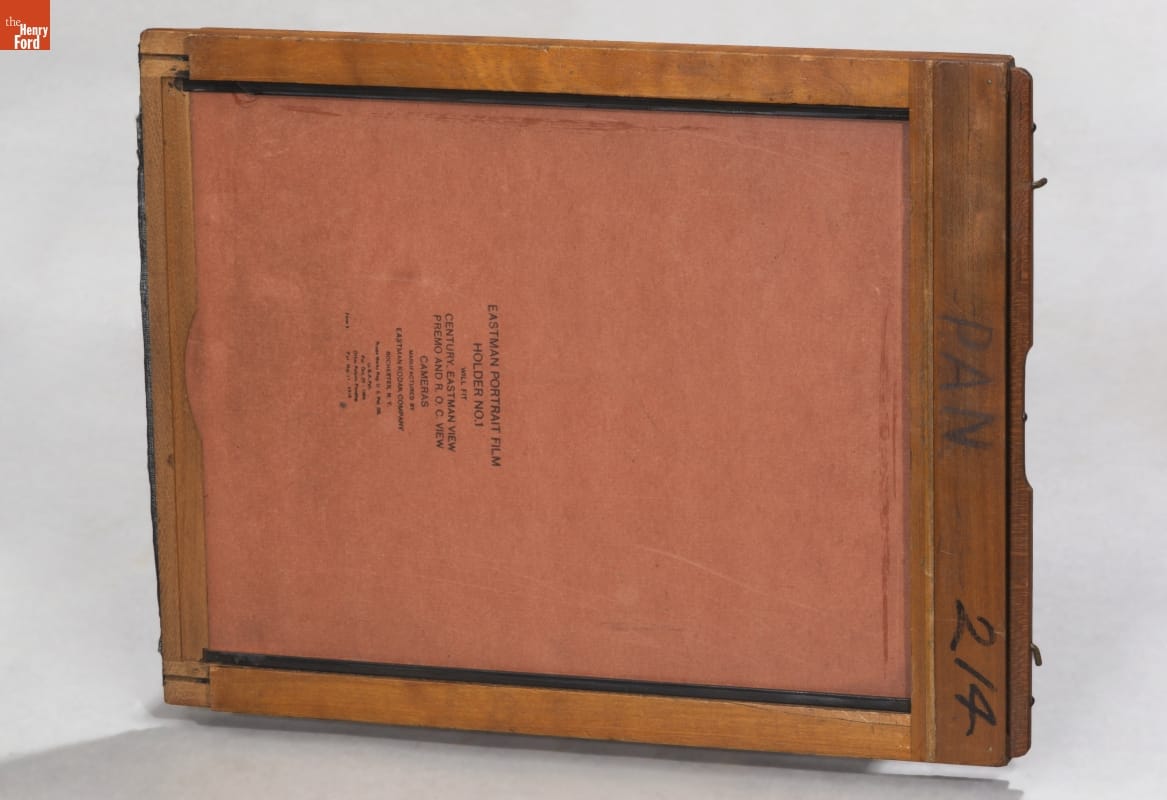
- circa 1916
- Collections - Artifact
Eastman Kodak Company Sheet Film Holder, circa 1916
- Kodak Sheet Film Holder, circa 1925 - In 1913, Kodak introduced their pioneering Eastman Portrait Film for the professional photographer as an alternative to glass plate photography. Individual sheets of flexible cellulose nitrate were housed in light-safe film holders. Large format film produced by Kodak and others held copious amounts of information, perfect for crisp, faithful reproductions. A less flammable "safety" sheet film was introduced in 1925.
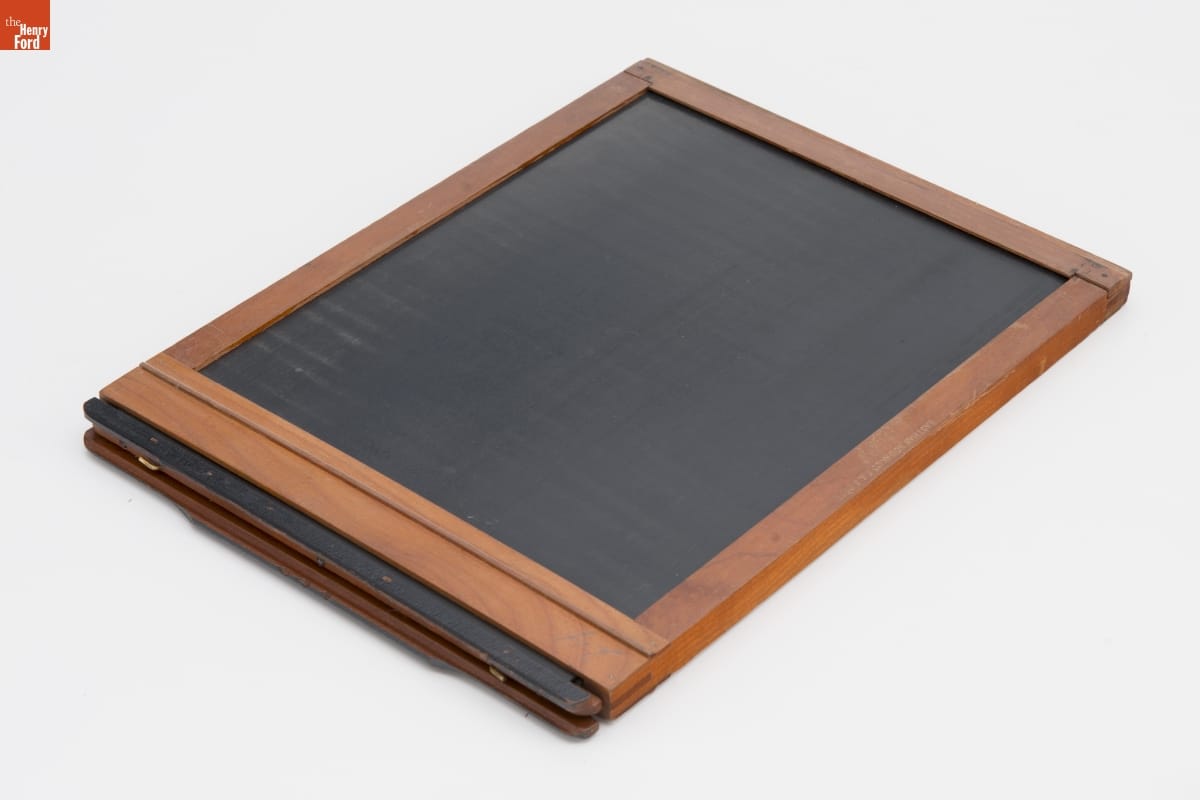
- circa 1925
- Collections - Artifact
Kodak Sheet Film Holder, circa 1925
In 1913, Kodak introduced their pioneering Eastman Portrait Film for the professional photographer as an alternative to glass plate photography. Individual sheets of flexible cellulose nitrate were housed in light-safe film holders. Large format film produced by Kodak and others held copious amounts of information, perfect for crisp, faithful reproductions. A less flammable "safety" sheet film was introduced in 1925.
- Kodak Sheet Film Holder, circa 1925 - In 1913, Kodak introduced their pioneering Eastman Portrait Film for the professional photographer as an alternative to glass plate photography. Individual sheets of flexible cellulose nitrate were housed in light-safe film holders. Large format film produced by Kodak and others held copious amounts of information, perfect for crisp, faithful reproductions. A less flammable "safety" sheet film was introduced in 1925.
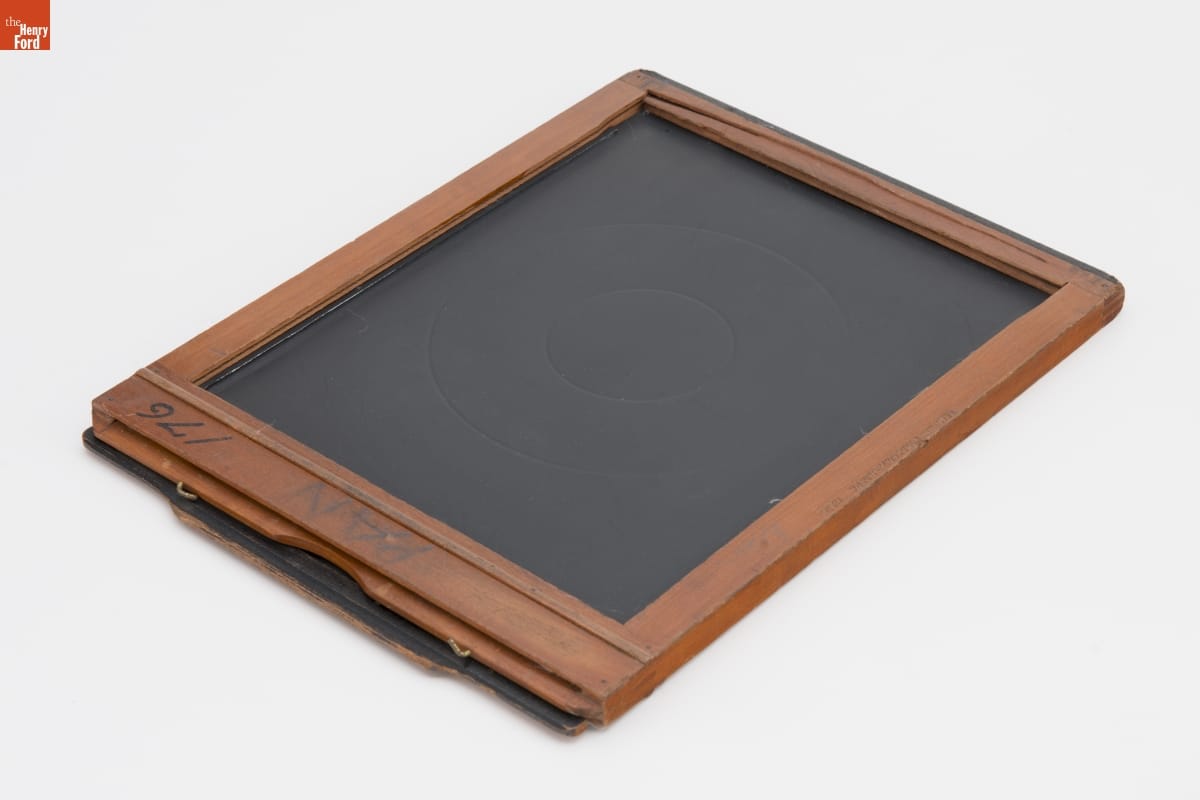
- circa 1925
- Collections - Artifact
Kodak Sheet Film Holder, circa 1925
In 1913, Kodak introduced their pioneering Eastman Portrait Film for the professional photographer as an alternative to glass plate photography. Individual sheets of flexible cellulose nitrate were housed in light-safe film holders. Large format film produced by Kodak and others held copious amounts of information, perfect for crisp, faithful reproductions. A less flammable "safety" sheet film was introduced in 1925.
- Kodak Sheet Film Holder, circa 1925 - In 1913, Kodak introduced their pioneering Eastman Portrait Film for the professional photographer as an alternative to glass plate photography. Individual sheets of flexible cellulose nitrate were housed in light-safe film holders. Large format film produced by Kodak and others held copious amounts of information, perfect for crisp, faithful reproductions. A less flammable "safety" sheet film was introduced in 1925.
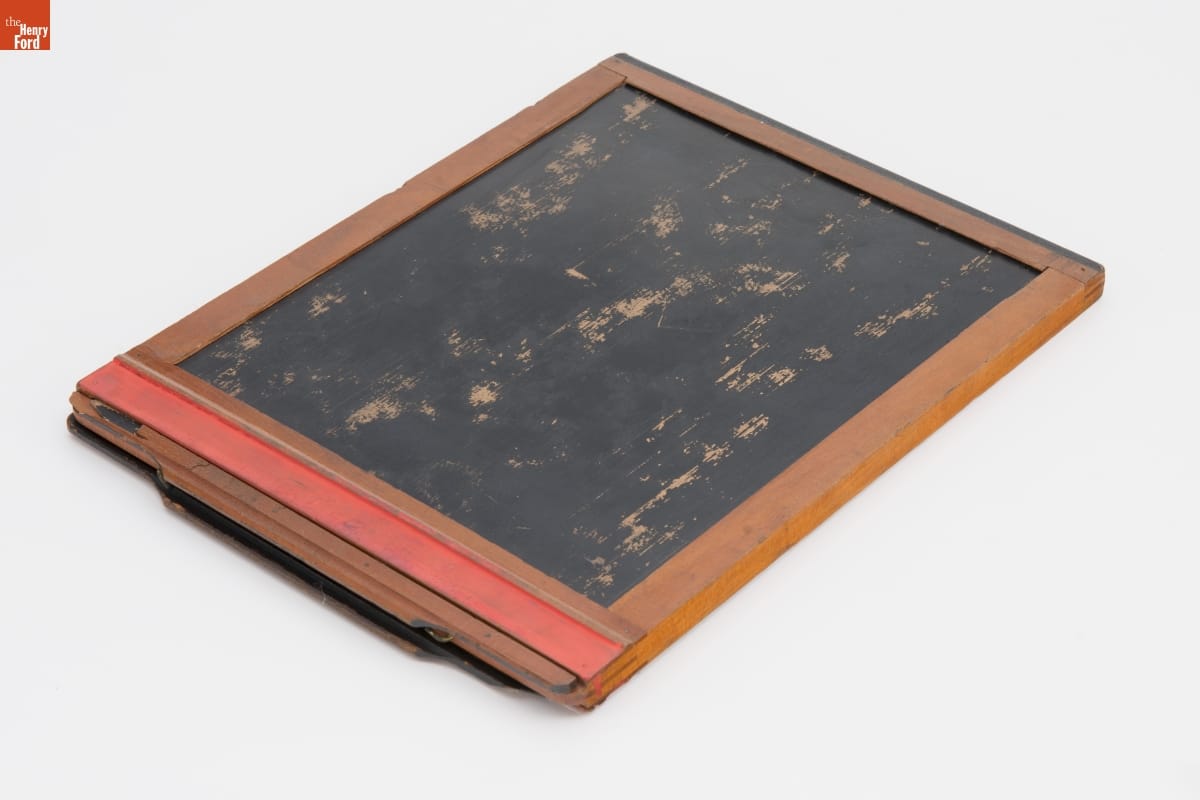
- circa 1925
- Collections - Artifact
Kodak Sheet Film Holder, circa 1925
In 1913, Kodak introduced their pioneering Eastman Portrait Film for the professional photographer as an alternative to glass plate photography. Individual sheets of flexible cellulose nitrate were housed in light-safe film holders. Large format film produced by Kodak and others held copious amounts of information, perfect for crisp, faithful reproductions. A less flammable "safety" sheet film was introduced in 1925.