
Search
- "The Waldorf" Shirtwaist, circa 1905 -
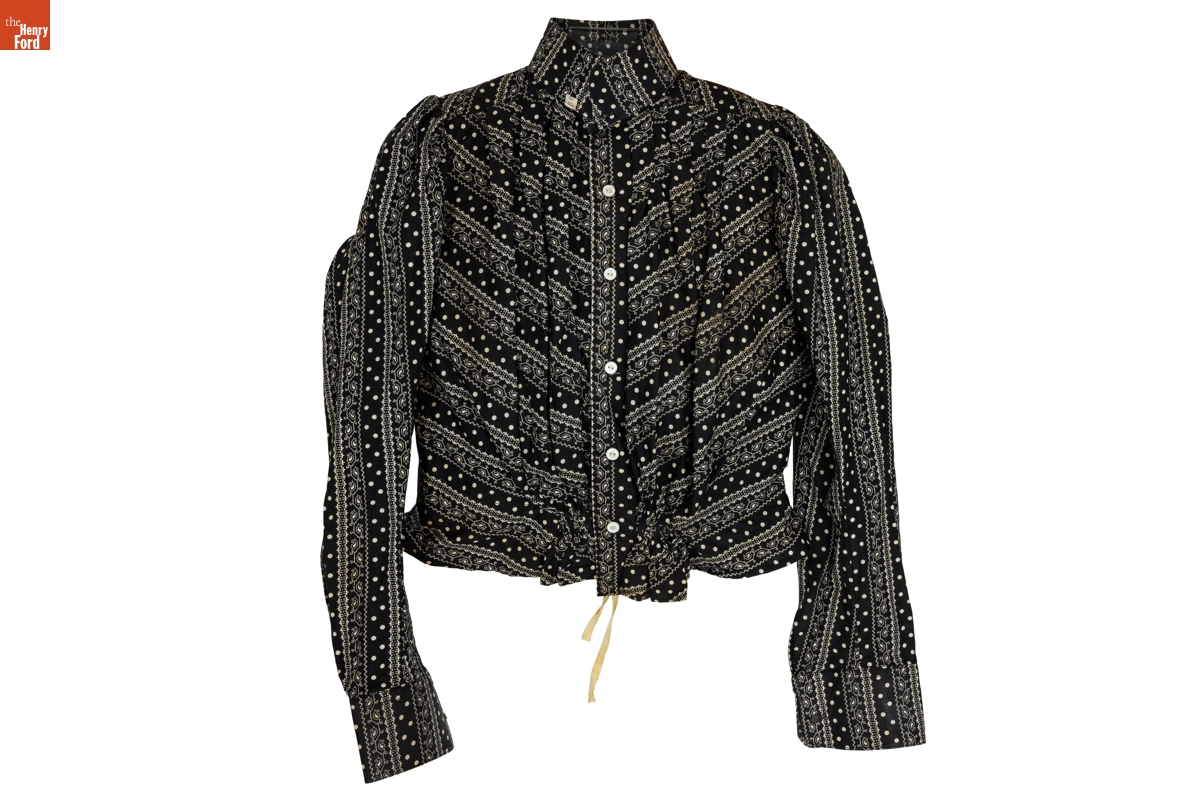
- circa 1905
- Collections - Artifact
"The Waldorf" Shirtwaist, circa 1905
- "The Waldorf" Shirtwaist, circa 1905 -
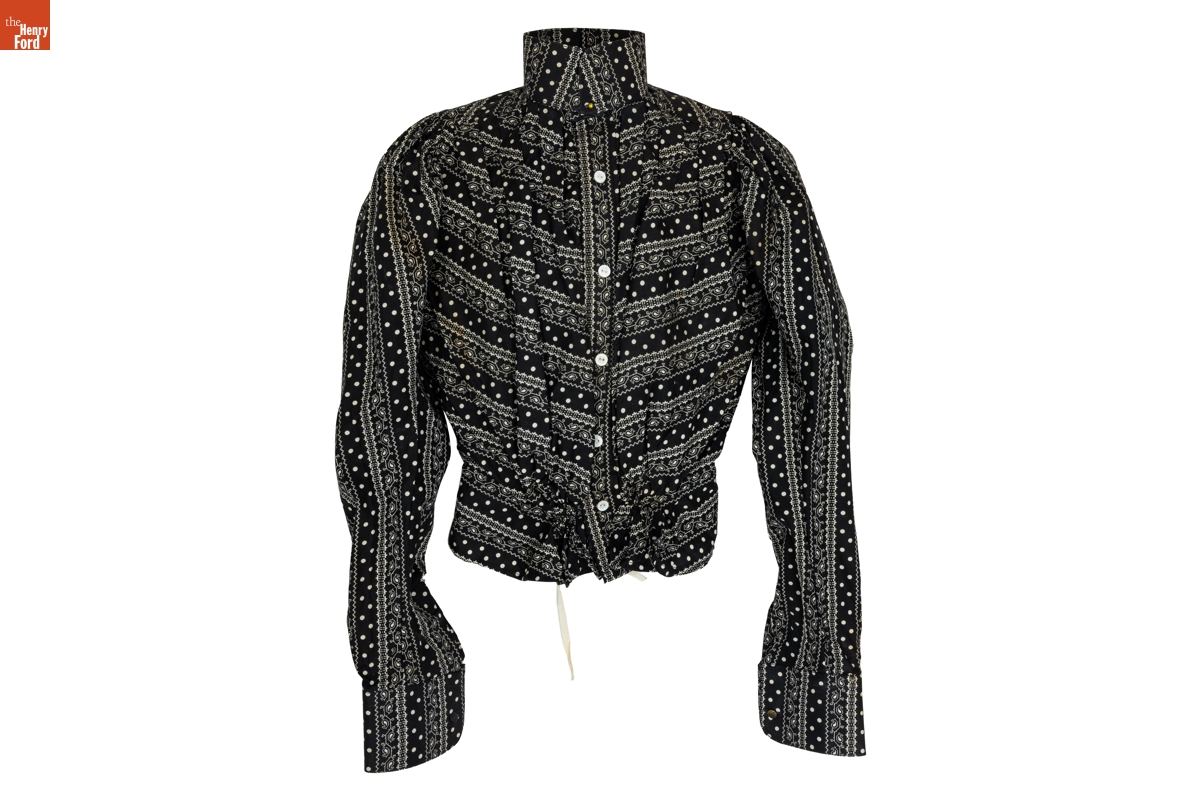
- circa 1905
- Collections - Artifact
"The Waldorf" Shirtwaist, circa 1905
- "The Waldorf" Shirtwaist, circa 1905 -
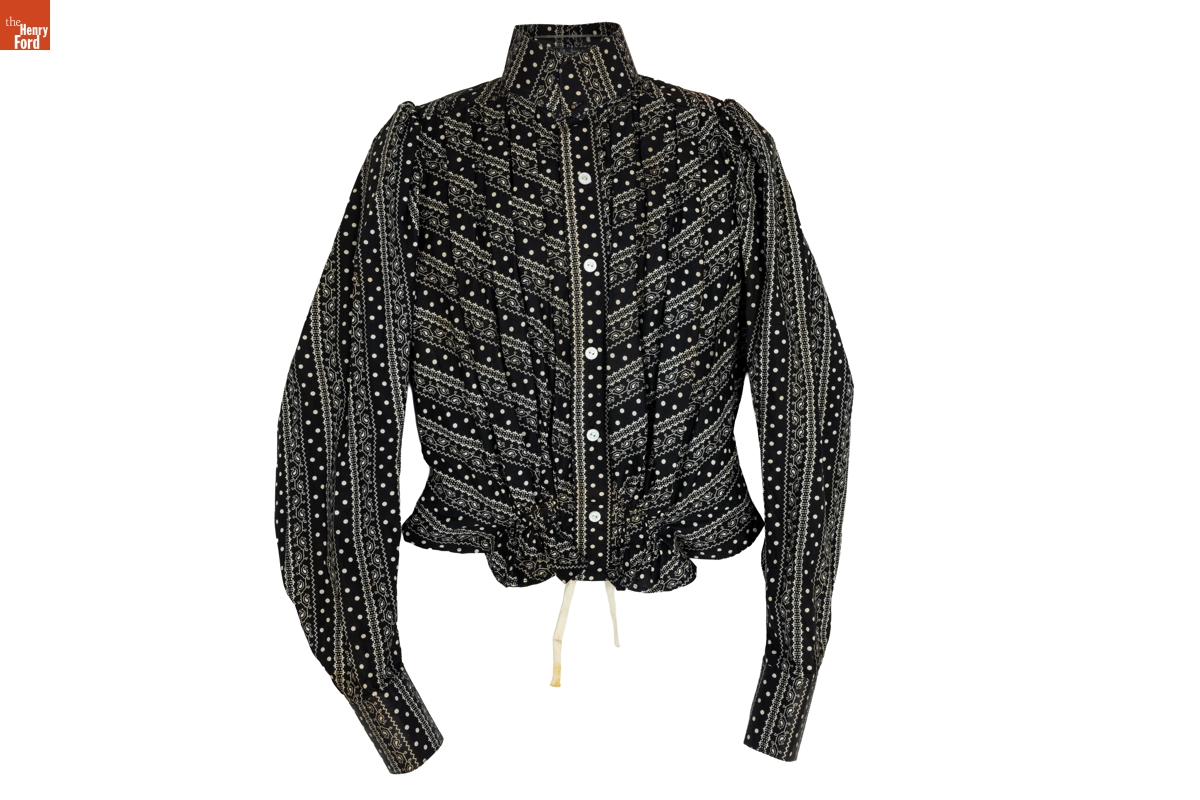
- circa 1905
- Collections - Artifact
"The Waldorf" Shirtwaist, circa 1905
- Swedish Weaving, Shirtwaist, 1890-1915 - In 1890, Jenny Young Chandler, 25 years old and recently widowed, began working for the <EM>New York Herald</EM>. As a photojournalist and feature writer, Chandler captured life in Brooklyn, New York, and vicinity. She also documented collections of private individuals and museums -- some of which were featured in magazine articles for collectors. By 1922, the time of her death, she had produced over 800 glass plate negatives.
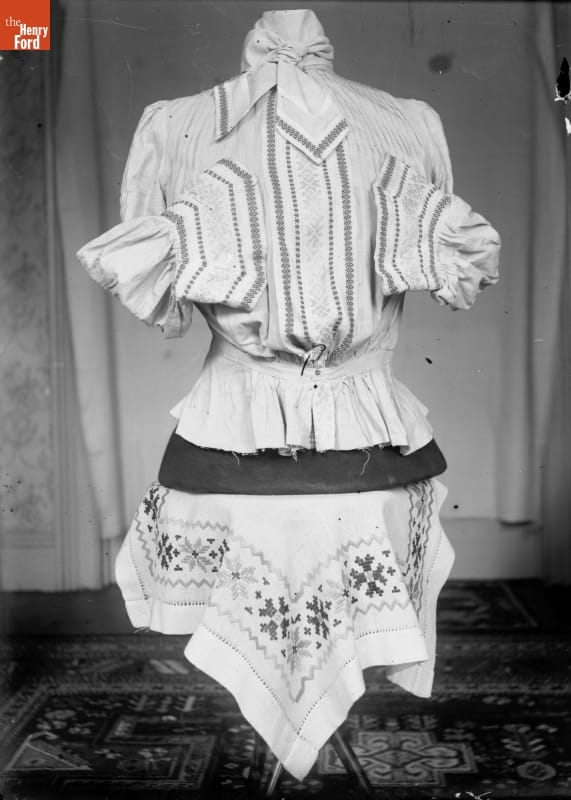
- 1890-1915
- Collections - Artifact
Swedish Weaving, Shirtwaist, 1890-1915
In 1890, Jenny Young Chandler, 25 years old and recently widowed, began working for the New York Herald. As a photojournalist and feature writer, Chandler captured life in Brooklyn, New York, and vicinity. She also documented collections of private individuals and museums -- some of which were featured in magazine articles for collectors. By 1922, the time of her death, she had produced over 800 glass plate negatives.
- Blouse, 1900-1905 - Ready-made, mass market clothing was made possible by the development of factory-made cloth, the invention of the sewing machine, and the creation of standardized sizes. By the early 20th century, the ready-to-wear clothing industry could turn out generally good and stylish clothing for men, women, and children at affordable prices. Clothing became more available and affordable to greater numbers of people.
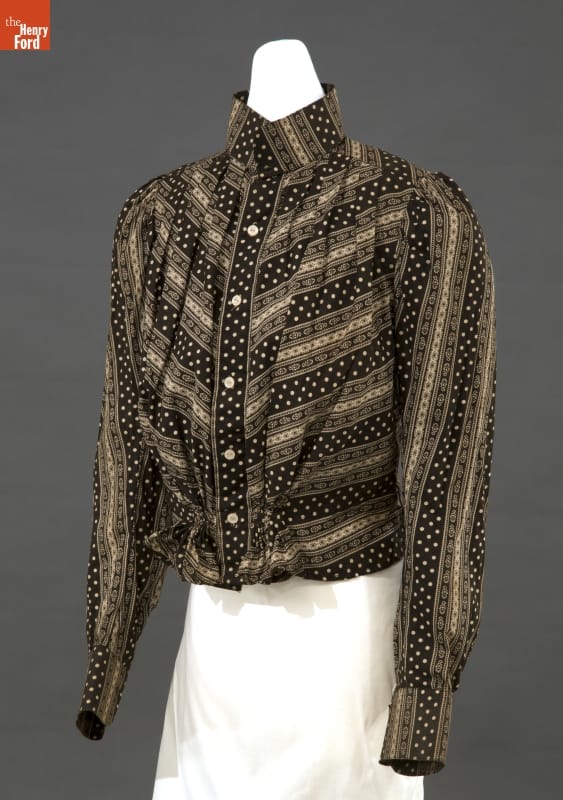
- 1900-1905
- Collections - Artifact
Blouse, 1900-1905
Ready-made, mass market clothing was made possible by the development of factory-made cloth, the invention of the sewing machine, and the creation of standardized sizes. By the early 20th century, the ready-to-wear clothing industry could turn out generally good and stylish clothing for men, women, and children at affordable prices. Clothing became more available and affordable to greater numbers of people.