
Search
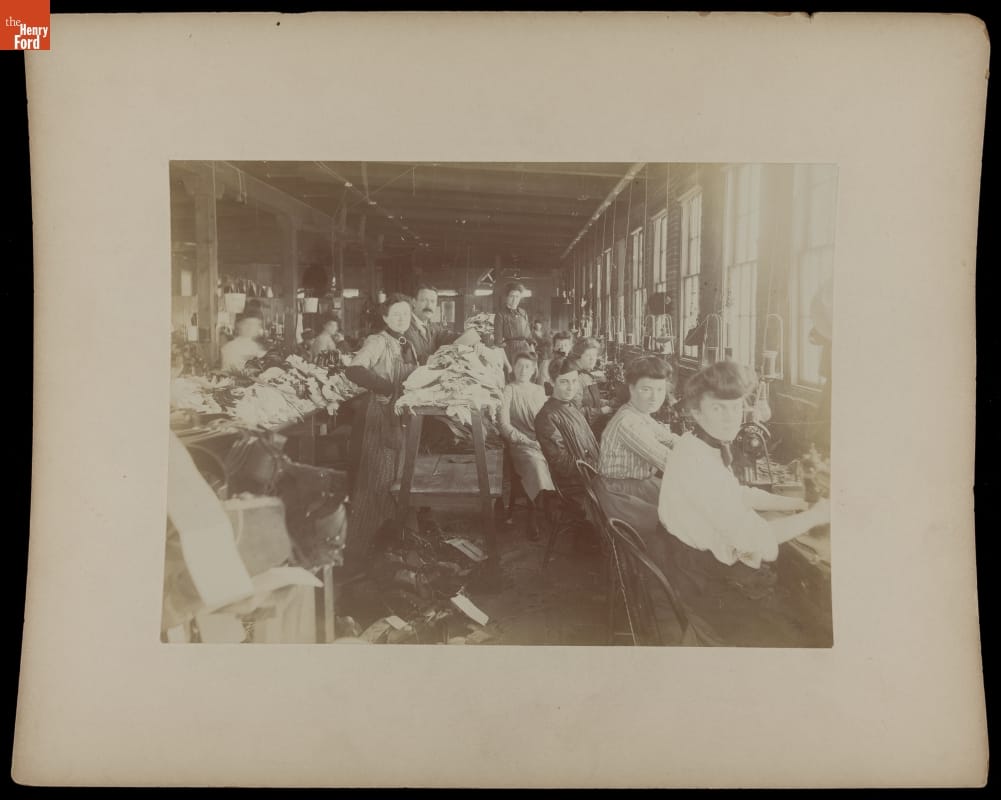
- Women Workers in a Shoe Factory, Boston, Massachusetts, circa 1903 - In 1800, shoemaking was a craft known to few. Throughout the century, inventors patented industrial machines to perform much of that manual labor. By 1900, shops of laborers produced more shoes faster and cheaper than ever before. Here, women pose at factory sewing machines that helped make quick work of stitching tough shoe leather.
- circa 1903
- Collections - Artifact
Women Workers in a Shoe Factory, Boston, Massachusetts, circa 1903
In 1800, shoemaking was a craft known to few. Throughout the century, inventors patented industrial machines to perform much of that manual labor. By 1900, shops of laborers produced more shoes faster and cheaper than ever before. Here, women pose at factory sewing machines that helped make quick work of stitching tough shoe leather.
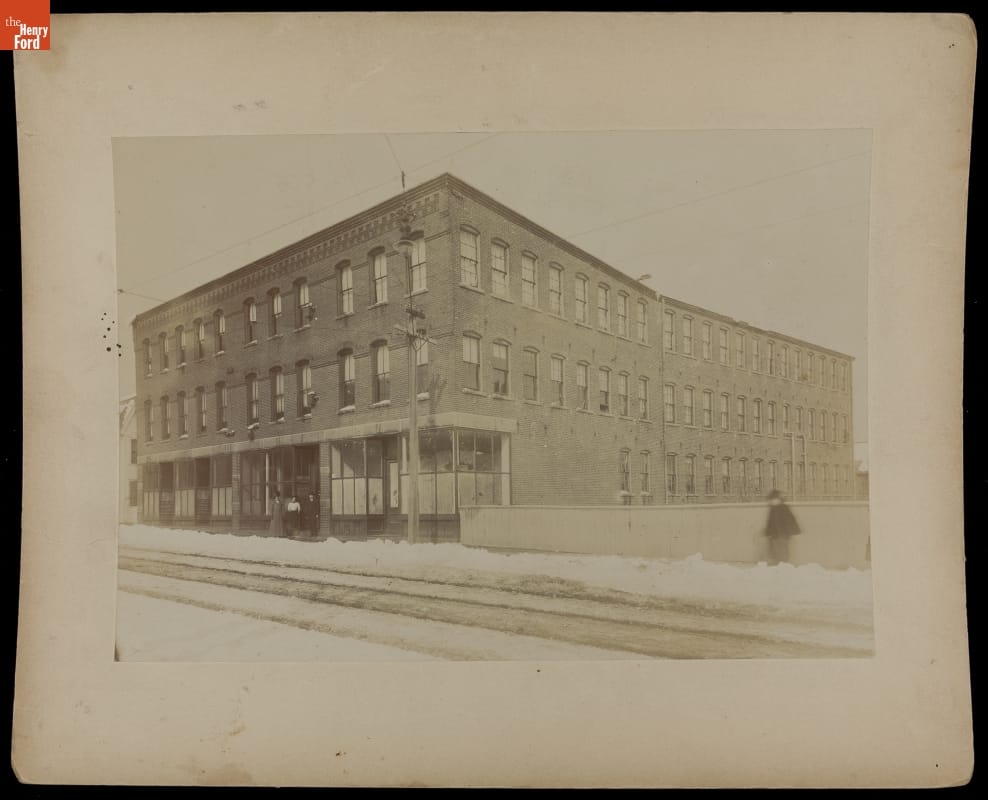
- Shoe Factory, Boston, Massachusetts. circa 1903 - In 1800, shoemaking was a craft known to few. Throughout the century, inventors patented industrial machines to perform much of that manual labor. By 1900, large shops of laborers produced more shoes faster and cheaper than ever before. The factory pictured here was one of many that profited from American shoemaking innovations at the turn of the twentieth century.
- circa 1903
- Collections - Artifact
Shoe Factory, Boston, Massachusetts. circa 1903
In 1800, shoemaking was a craft known to few. Throughout the century, inventors patented industrial machines to perform much of that manual labor. By 1900, large shops of laborers produced more shoes faster and cheaper than ever before. The factory pictured here was one of many that profited from American shoemaking innovations at the turn of the twentieth century.
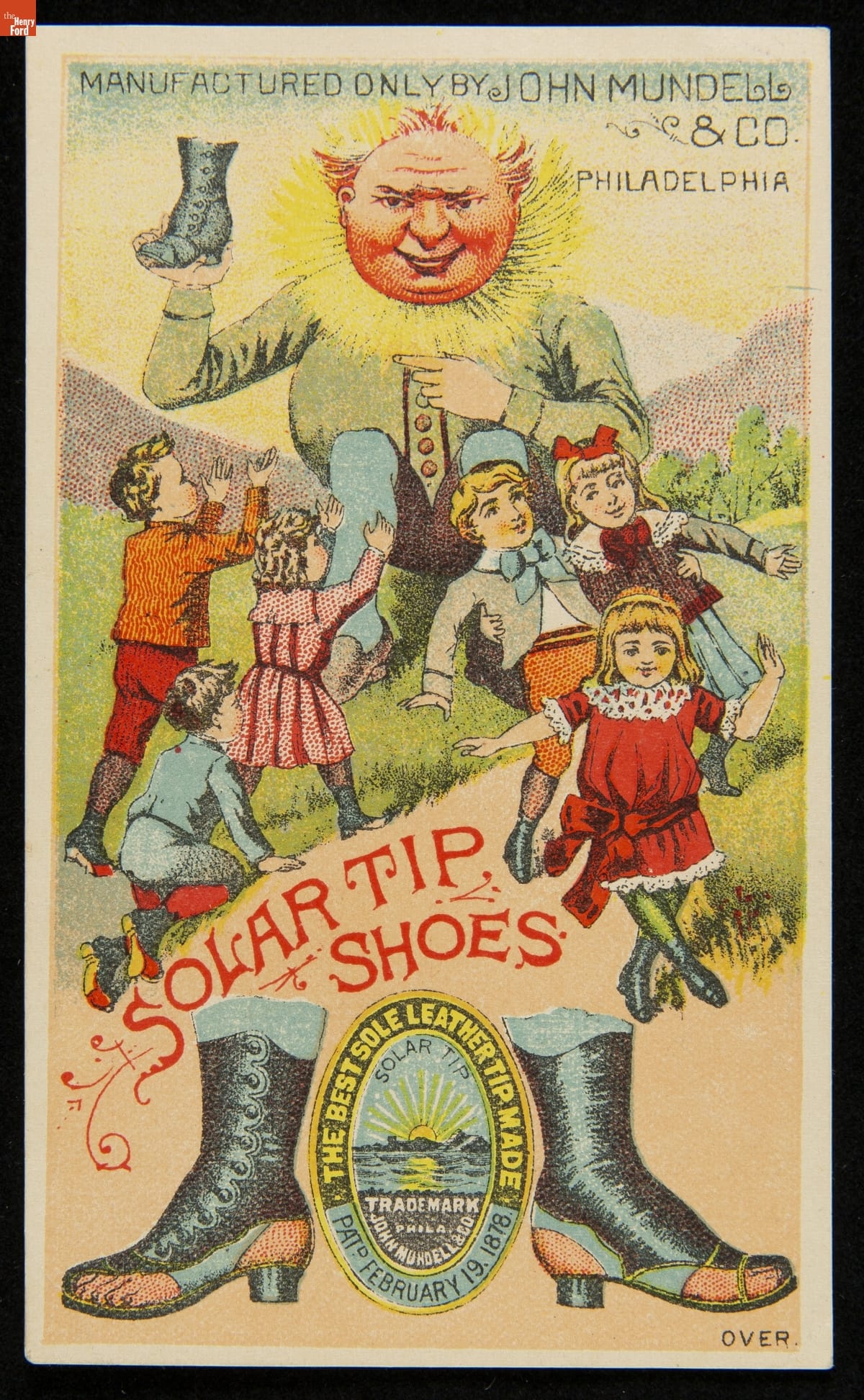
- Trade Card for Solar Tip Shoes, John Mundell & Co., 1870-1890 - As color printing gained momentum in the late 19th century, trade cards became a major means of advertising goods and services. Americans enjoyed and often saved the little advertisements found in product packages or distributed by local merchants. This trade card advertises Solar Tip Shoes sold by John Mundell & Company.
- 1870-1890
- Collections - Artifact
Trade Card for Solar Tip Shoes, John Mundell & Co., 1870-1890
As color printing gained momentum in the late 19th century, trade cards became a major means of advertising goods and services. Americans enjoyed and often saved the little advertisements found in product packages or distributed by local merchants. This trade card advertises Solar Tip Shoes sold by John Mundell & Company.
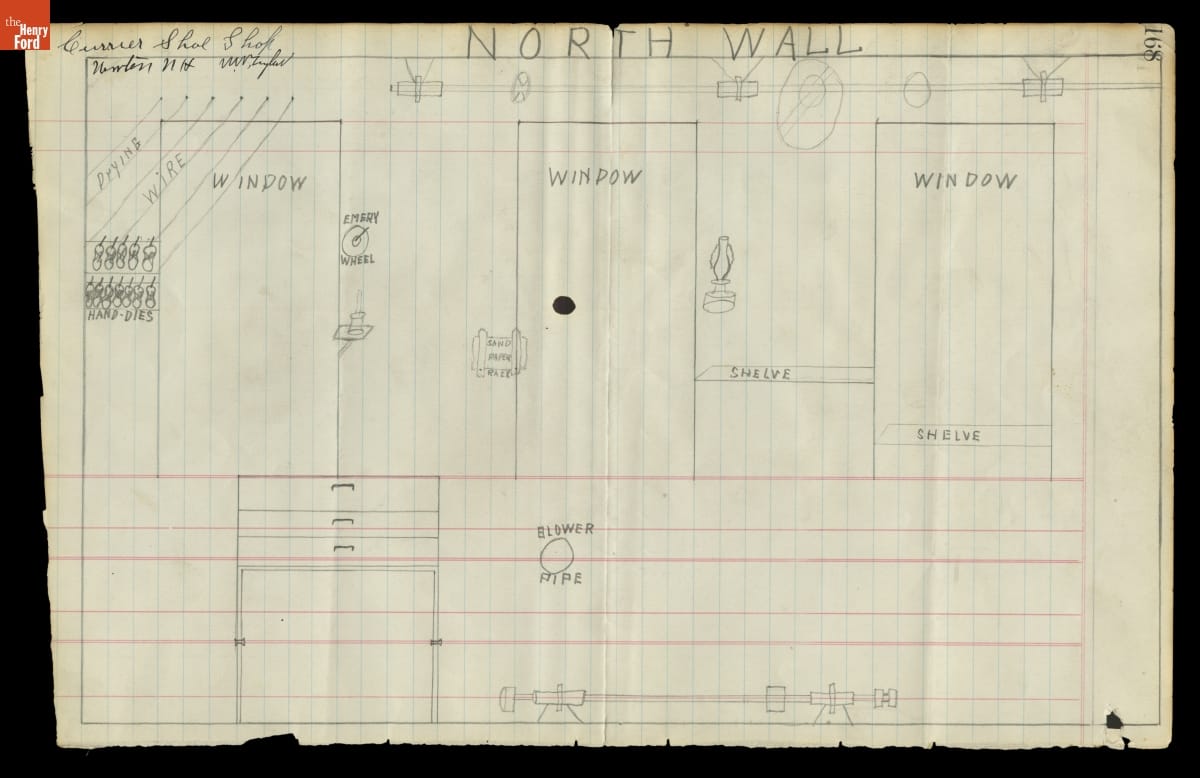
- Drawing of the Layout of the North Wall of Currier Shoe Shop, circa 1930 -
- circa 1930
- Collections - Artifact
Drawing of the Layout of the North Wall of Currier Shoe Shop, circa 1930
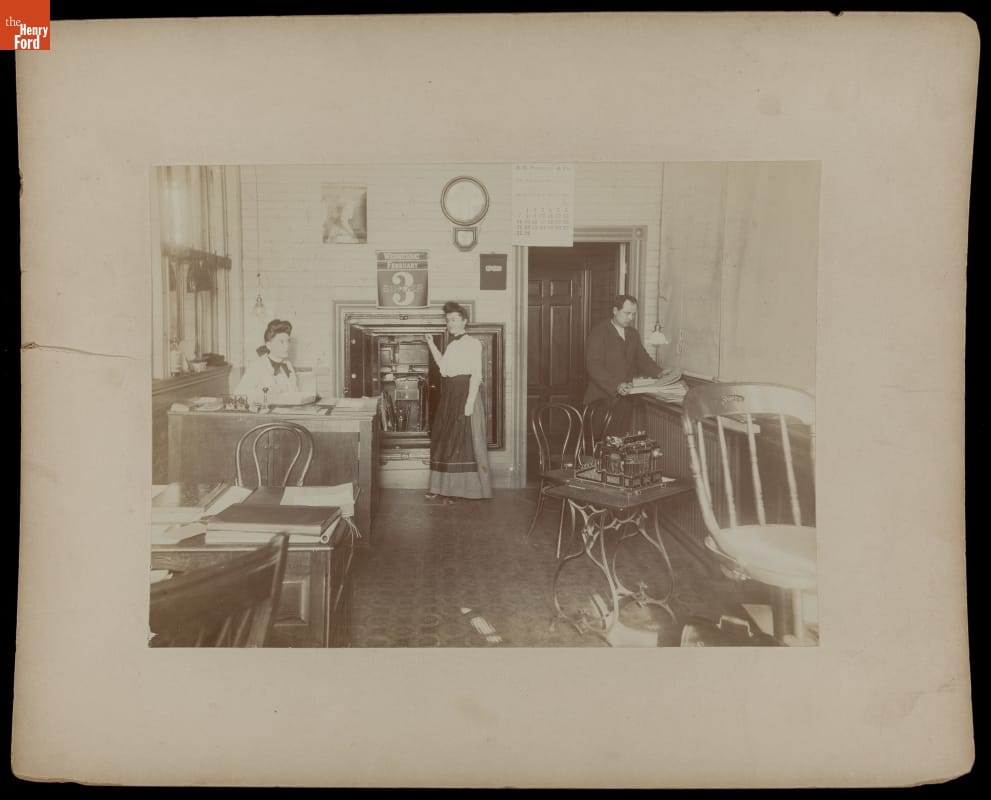
- Men and Women Working in a Shoe Factory Office, Boston, Massachusetts, 1904 - Women found new employment opportunities as the industrial and managerial revolutions of the late 19th century increased the need for office workers. There were few job opportunities in the professions, outside of nursing and teaching, so literate women often turned to office work. By 1900, women made up more than a third of clerical workers. Still, opportunity was limited--very few female office workers became office executives.
- 1904
- Collections - Artifact
Men and Women Working in a Shoe Factory Office, Boston, Massachusetts, 1904
Women found new employment opportunities as the industrial and managerial revolutions of the late 19th century increased the need for office workers. There were few job opportunities in the professions, outside of nursing and teaching, so literate women often turned to office work. By 1900, women made up more than a third of clerical workers. Still, opportunity was limited--very few female office workers became office executives.
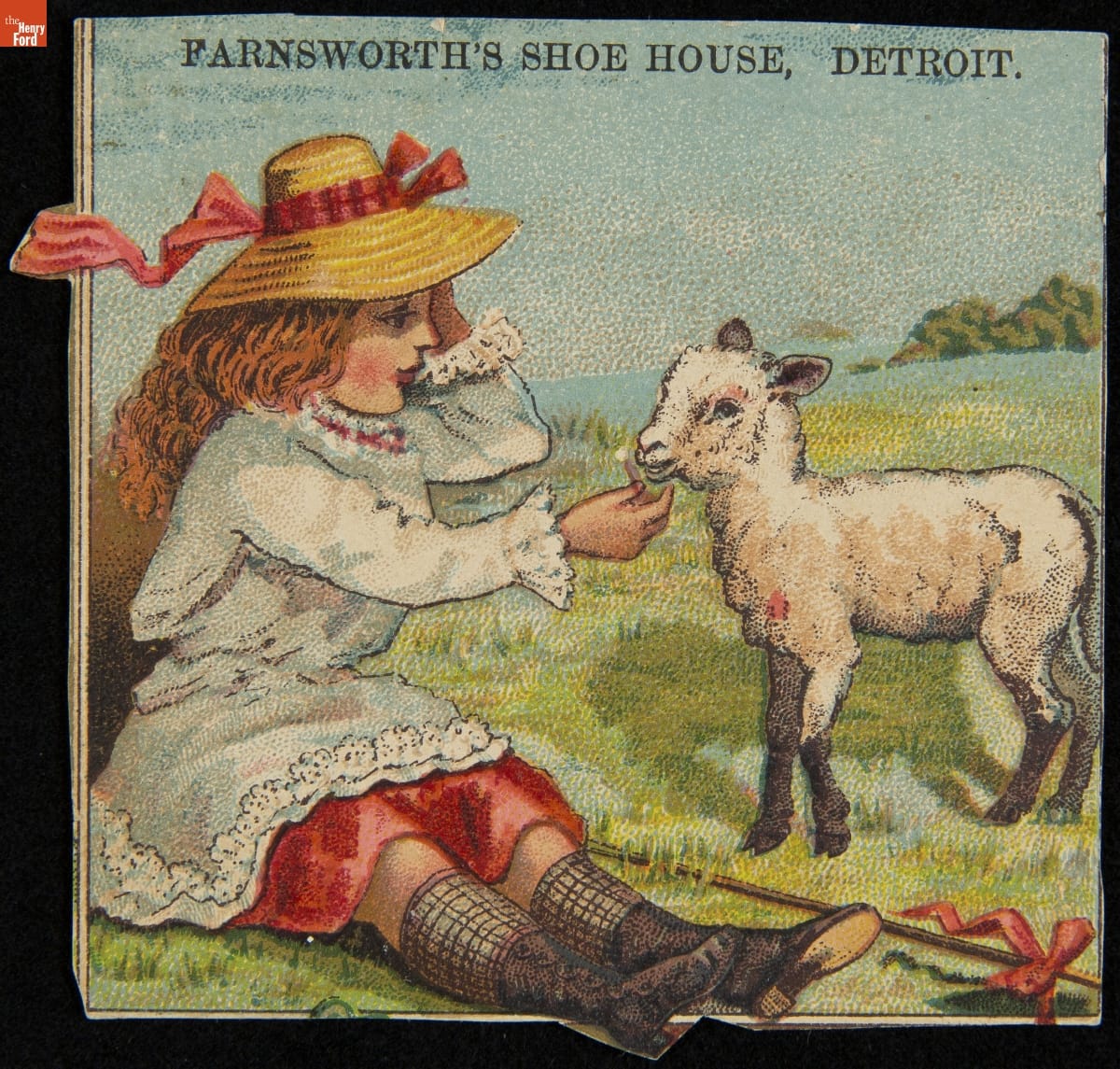
- Trade Card for the Farnsworth Shoe House, 1880-1900 - In the last third of the nineteenth century, an unprecedented variety of consumer goods and services flooded the American market. Advertisers, armed with new methods of color printing, bombarded potential customers with trade cards. Americans enjoyed and often saved the vibrant little advertisements found in product packages or distributed by local merchants. Many survive as historical records of commercialism in the United States.
- 1880-1900
- Collections - Artifact
Trade Card for the Farnsworth Shoe House, 1880-1900
In the last third of the nineteenth century, an unprecedented variety of consumer goods and services flooded the American market. Advertisers, armed with new methods of color printing, bombarded potential customers with trade cards. Americans enjoyed and often saved the vibrant little advertisements found in product packages or distributed by local merchants. Many survive as historical records of commercialism in the United States.
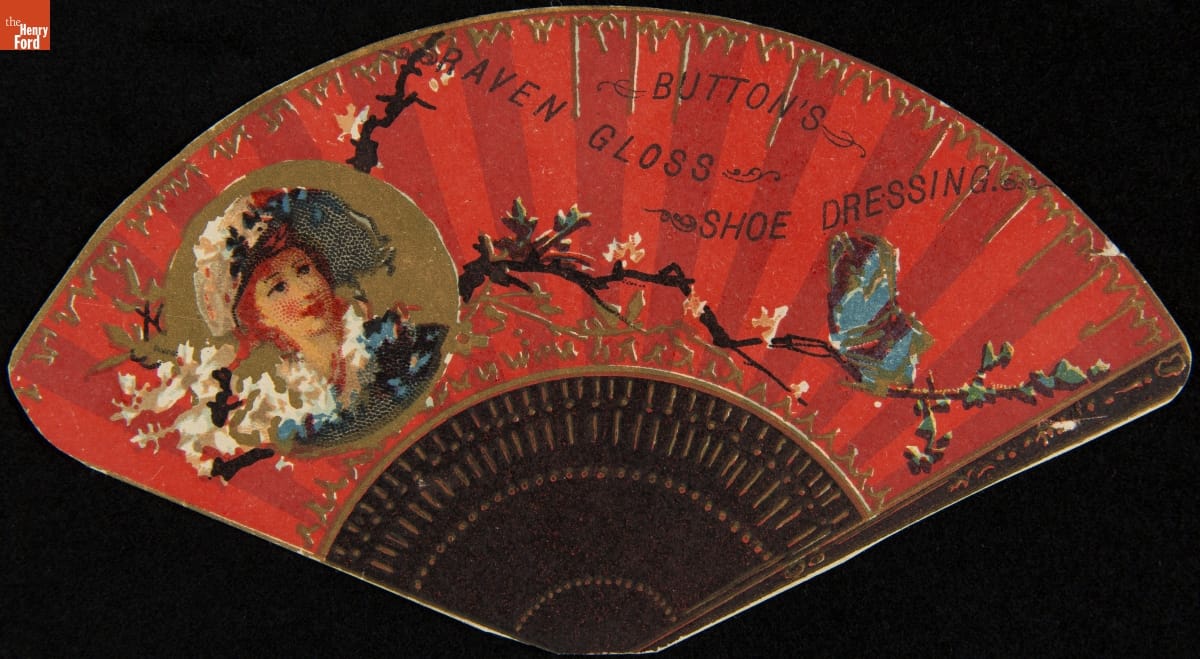
- Button's Raven Gloss Shoe Dressing Trade Card, 1880-1890 - In the last third of the nineteenth century, an unprecedented variety of consumer goods and services flooded the American market. Advertisers, armed with new methods of color printing, bombarded potential customers with trade cards. Americans enjoyed and often saved the vibrant little advertisements found in product packages or distributed by local merchants. Many survive as historical records of commercialism in the United States.
- 1880-1890
- Collections - Artifact
Button's Raven Gloss Shoe Dressing Trade Card, 1880-1890
In the last third of the nineteenth century, an unprecedented variety of consumer goods and services flooded the American market. Advertisers, armed with new methods of color printing, bombarded potential customers with trade cards. Americans enjoyed and often saved the vibrant little advertisements found in product packages or distributed by local merchants. Many survive as historical records of commercialism in the United States.
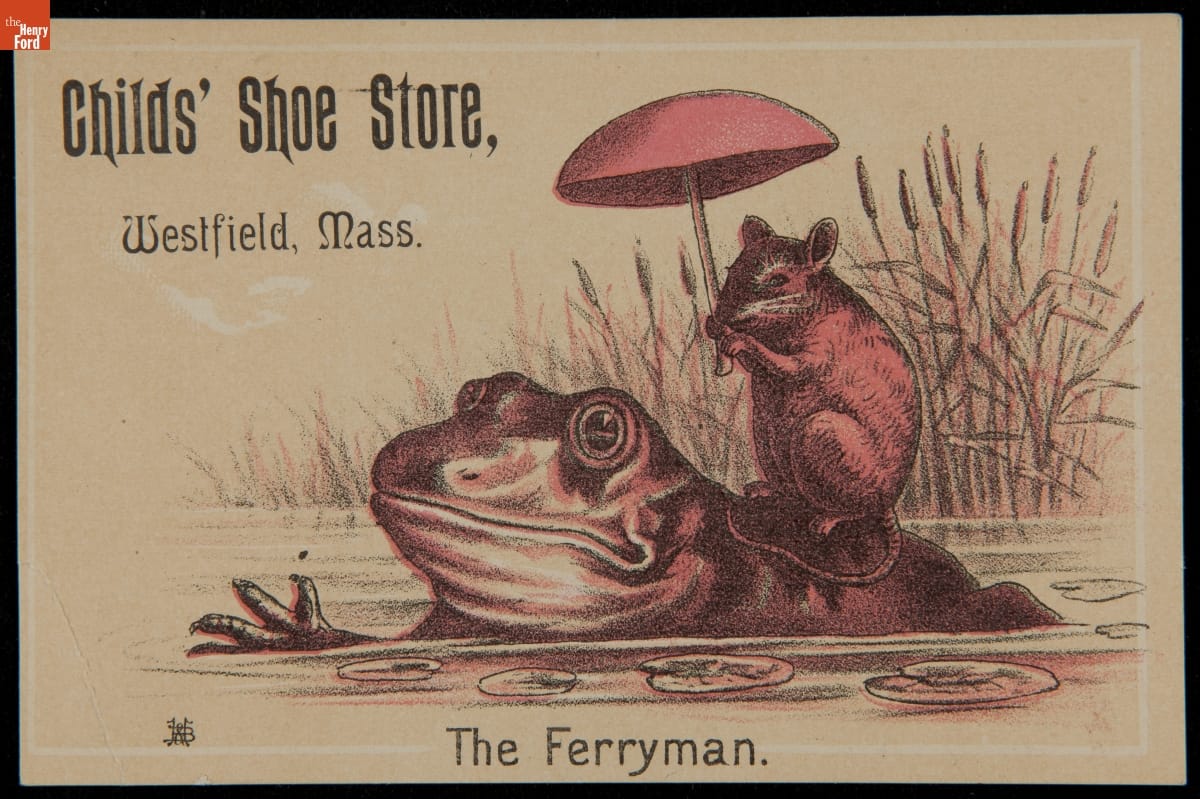
- Trade Card for Childs' Shoe Store, Westfield, Massachusetts, circa 1890 - In the last third of the nineteenth century, an unprecedented variety of consumer goods and services flooded the American market. Advertisers, armed with new methods of color printing, bombarded potential customers with trade cards. Americans enjoyed and often saved the vibrant little advertisements found in product packages or distributed by local merchants. Many survive as historical records of commercialism in the United States.
- circa 1890
- Collections - Artifact
Trade Card for Childs' Shoe Store, Westfield, Massachusetts, circa 1890
In the last third of the nineteenth century, an unprecedented variety of consumer goods and services flooded the American market. Advertisers, armed with new methods of color printing, bombarded potential customers with trade cards. Americans enjoyed and often saved the vibrant little advertisements found in product packages or distributed by local merchants. Many survive as historical records of commercialism in the United States.
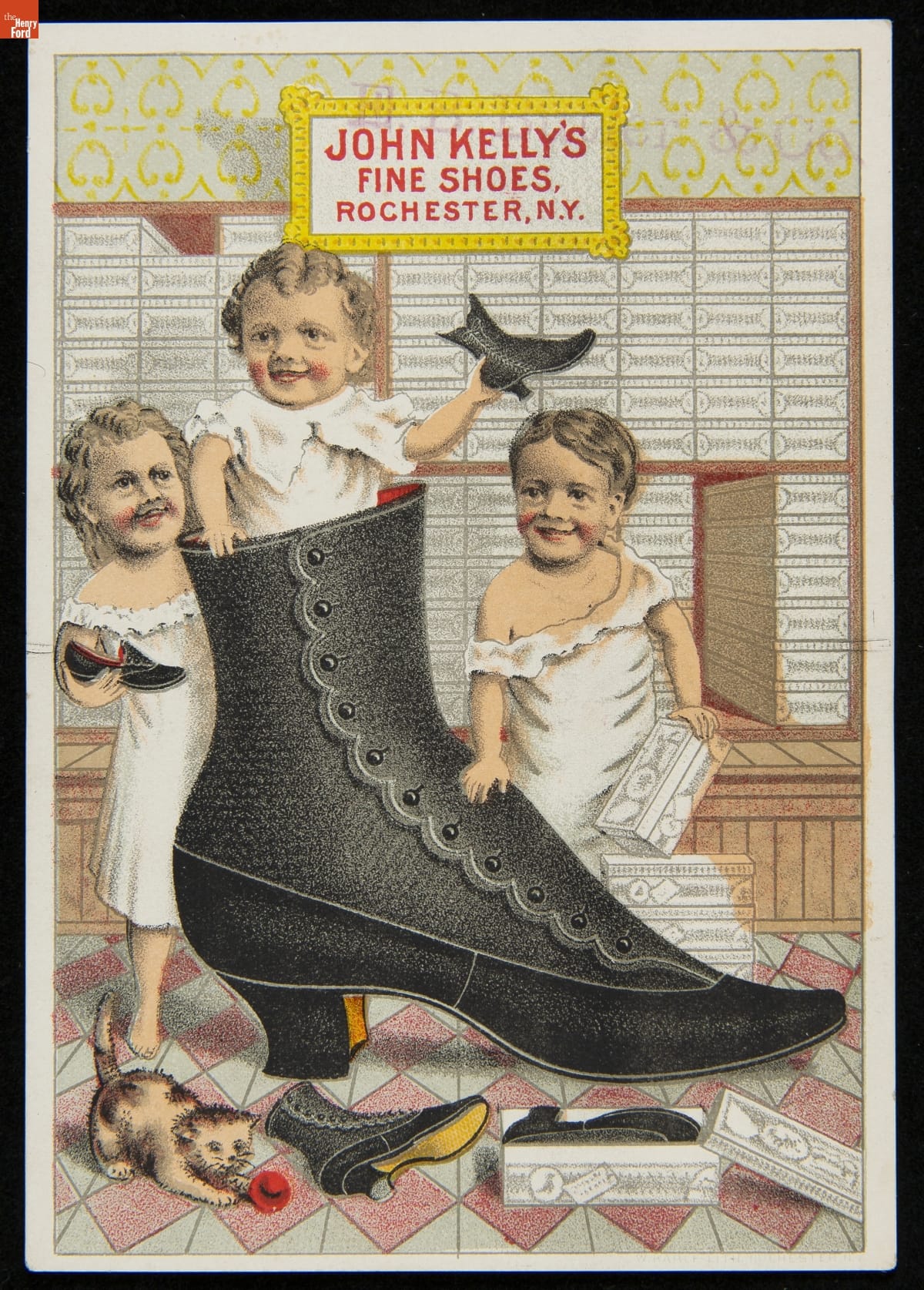
- Trade Card for John Kelly's Fine Shoes, 1870-1890 - As color printing gained momentum in the late 19th century, trade cards became a major means of advertising goods and services. Americans enjoyed and often saved the little advertisements found in product packages or distributed by local merchants. This trade card is for John Kelly's Fine Shoes.
- 1870-1890
- Collections - Artifact
Trade Card for John Kelly's Fine Shoes, 1870-1890
As color printing gained momentum in the late 19th century, trade cards became a major means of advertising goods and services. Americans enjoyed and often saved the little advertisements found in product packages or distributed by local merchants. This trade card is for John Kelly's Fine Shoes.
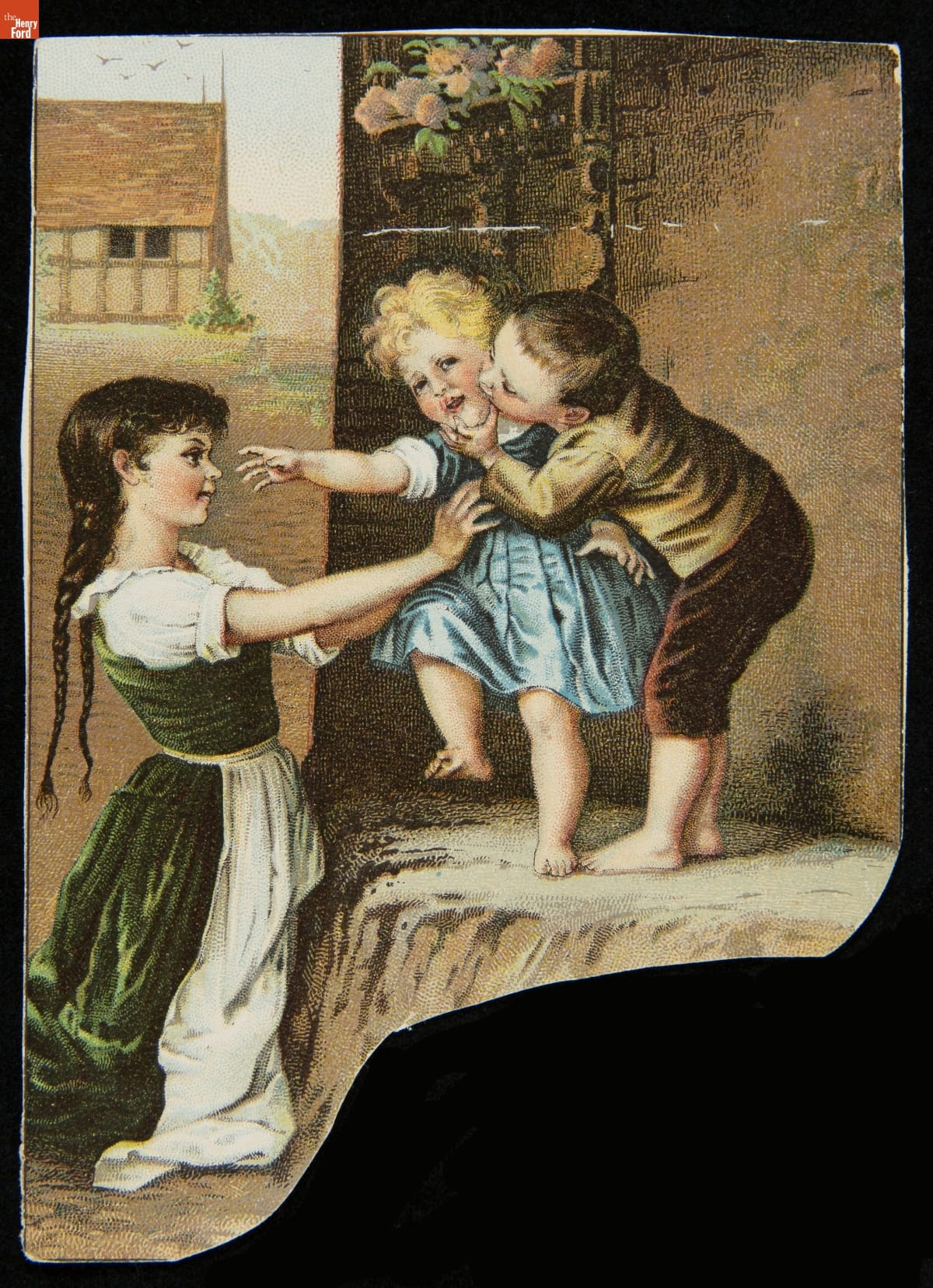
- Trade Card for Solar Tip & Pansy Shoes for Children, John Mundell & Co., 1880-1890 - As color printing gained momentum in the late 19th century, trade cards became a major means of advertising goods and services. Americans enjoyed and often saved the little advertisements found in product packages or distributed by local merchants. This trade card advertises Solar Tip and Pansy Shoes for children, sold by John Mundell & Company.
- 1880-1890
- Collections - Artifact
Trade Card for Solar Tip & Pansy Shoes for Children, John Mundell & Co., 1880-1890
As color printing gained momentum in the late 19th century, trade cards became a major means of advertising goods and services. Americans enjoyed and often saved the little advertisements found in product packages or distributed by local merchants. This trade card advertises Solar Tip and Pansy Shoes for children, sold by John Mundell & Company.