
Search
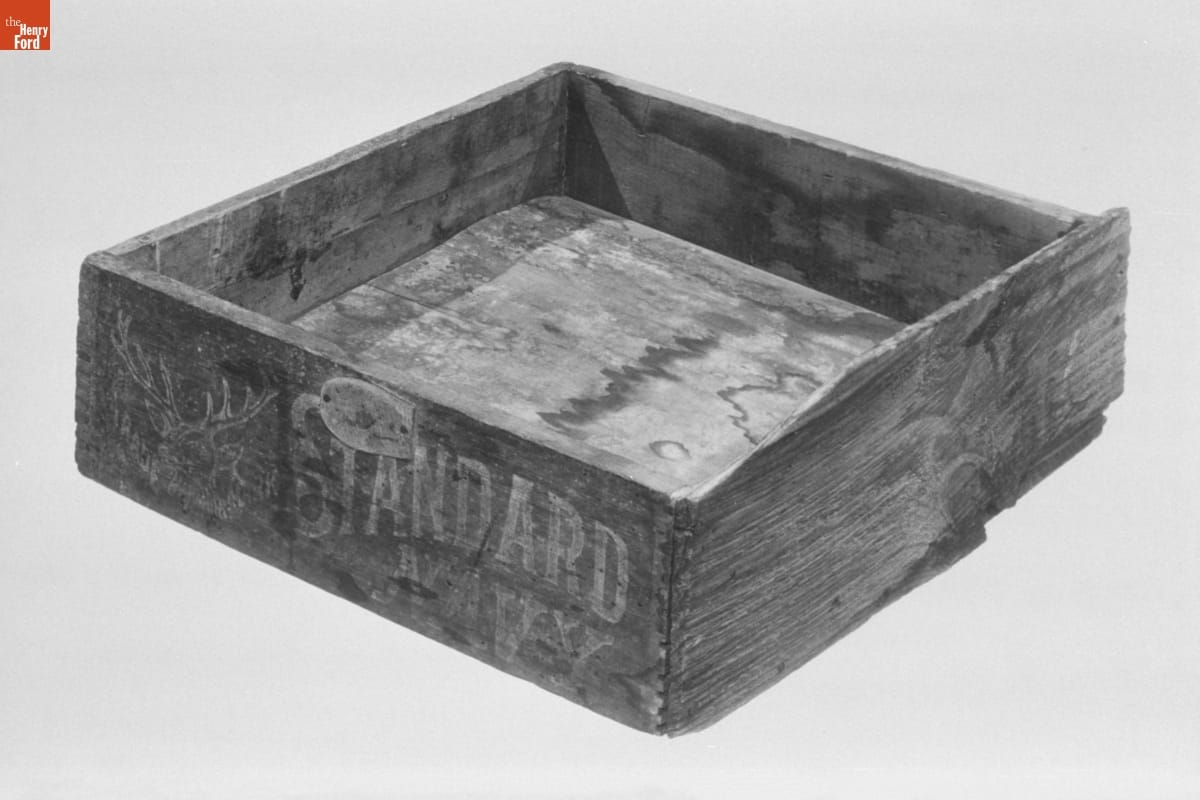
- Shipping Box for Tobacco, 1880-1920 - Workers at Will Currier's shoe shop in Newton, New Hampshire, used a variety of tools, fasteners and bits of leather, wood, and metal to make shoes. Small wooden boxes, like this one, helped organize the shop and kept needed material close at hand.
- 1880-1920
- Collections - Artifact
Shipping Box for Tobacco, 1880-1920
Workers at Will Currier's shoe shop in Newton, New Hampshire, used a variety of tools, fasteners and bits of leather, wood, and metal to make shoes. Small wooden boxes, like this one, helped organize the shop and kept needed material close at hand.
- Shoemaker Working in Greenfield Village, March 1941 -
- March 07, 1941
- Collections - Artifact
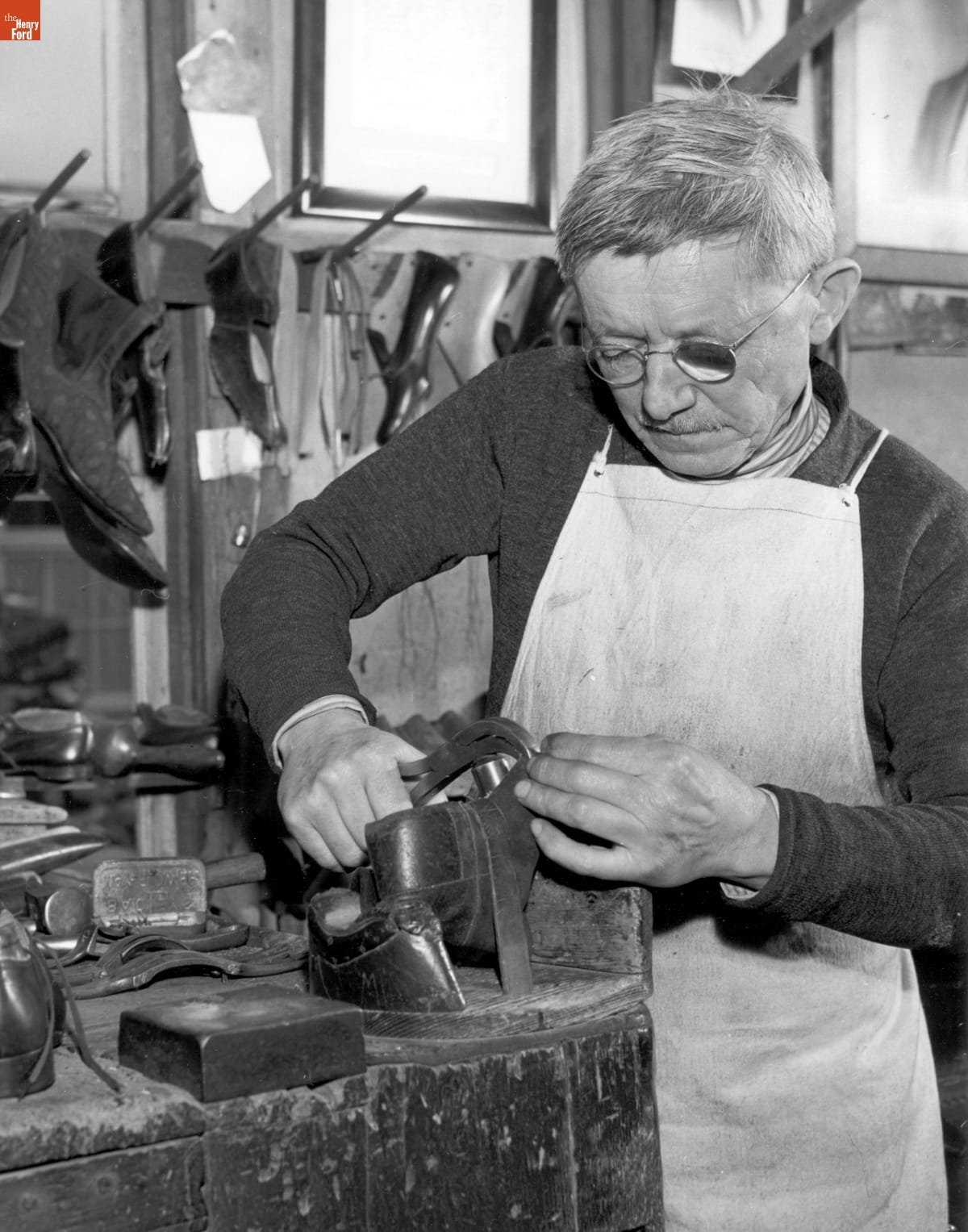
Shoemaker Working in Greenfield Village, March 1941
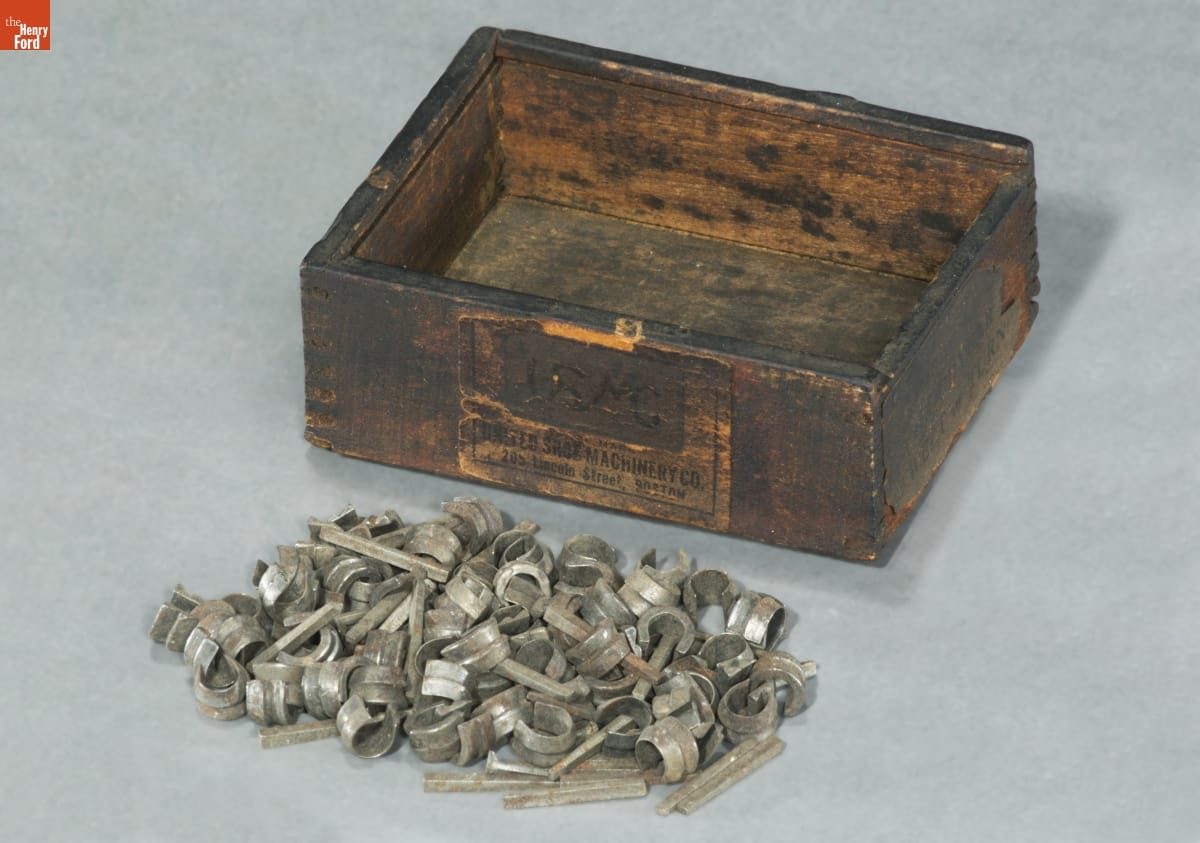
- United Shoe Machinery Corporation Fasteners in Box, 1880-1920 - Workers at Will Currier's shoe shop in Newton, New Hampshire, used a variety of tools, fasteners and bits of leather, wood, and metal to make shoes. Small wooden boxes, like this one, helped organize the shop and kept needed material close at hand.
- 1899-1920
- Collections - Artifact
United Shoe Machinery Corporation Fasteners in Box, 1880-1920
Workers at Will Currier's shoe shop in Newton, New Hampshire, used a variety of tools, fasteners and bits of leather, wood, and metal to make shoes. Small wooden boxes, like this one, helped organize the shop and kept needed material close at hand.
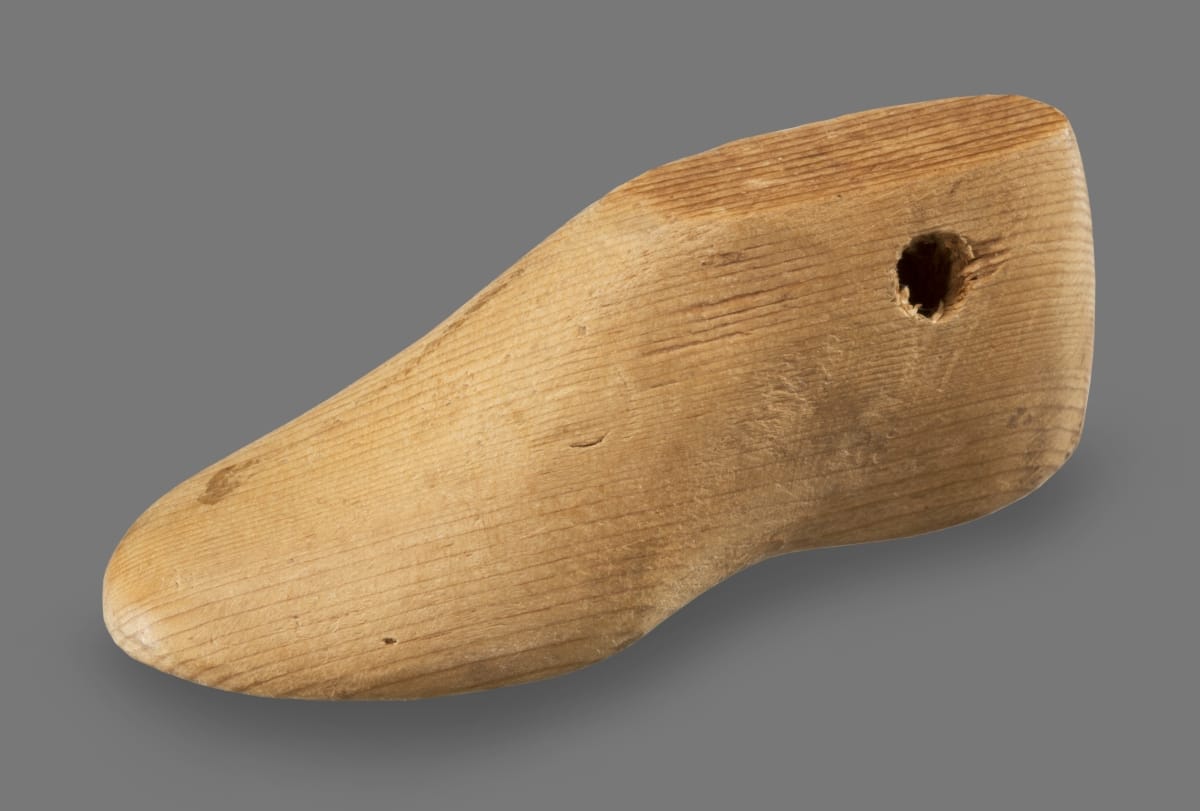
- Reynolds Brothers Shoe Last, 1870-1900 - Shoemakers in the late 19th and early 20th centuries molded pieces of leather around a wooden foot-like form, known as a last, to create a shoe. Some lasts had a removeable block, which made it easy to extract the wood form from the shoe. Others, like this one, had a hole in the end where a hook could be inserted to pull the last out.
- 1870-1900
- Collections - Artifact
Reynolds Brothers Shoe Last, 1870-1900
Shoemakers in the late 19th and early 20th centuries molded pieces of leather around a wooden foot-like form, known as a last, to create a shoe. Some lasts had a removeable block, which made it easy to extract the wood form from the shoe. Others, like this one, had a hole in the end where a hook could be inserted to pull the last out.
- Last Jack, 1880-1920 -
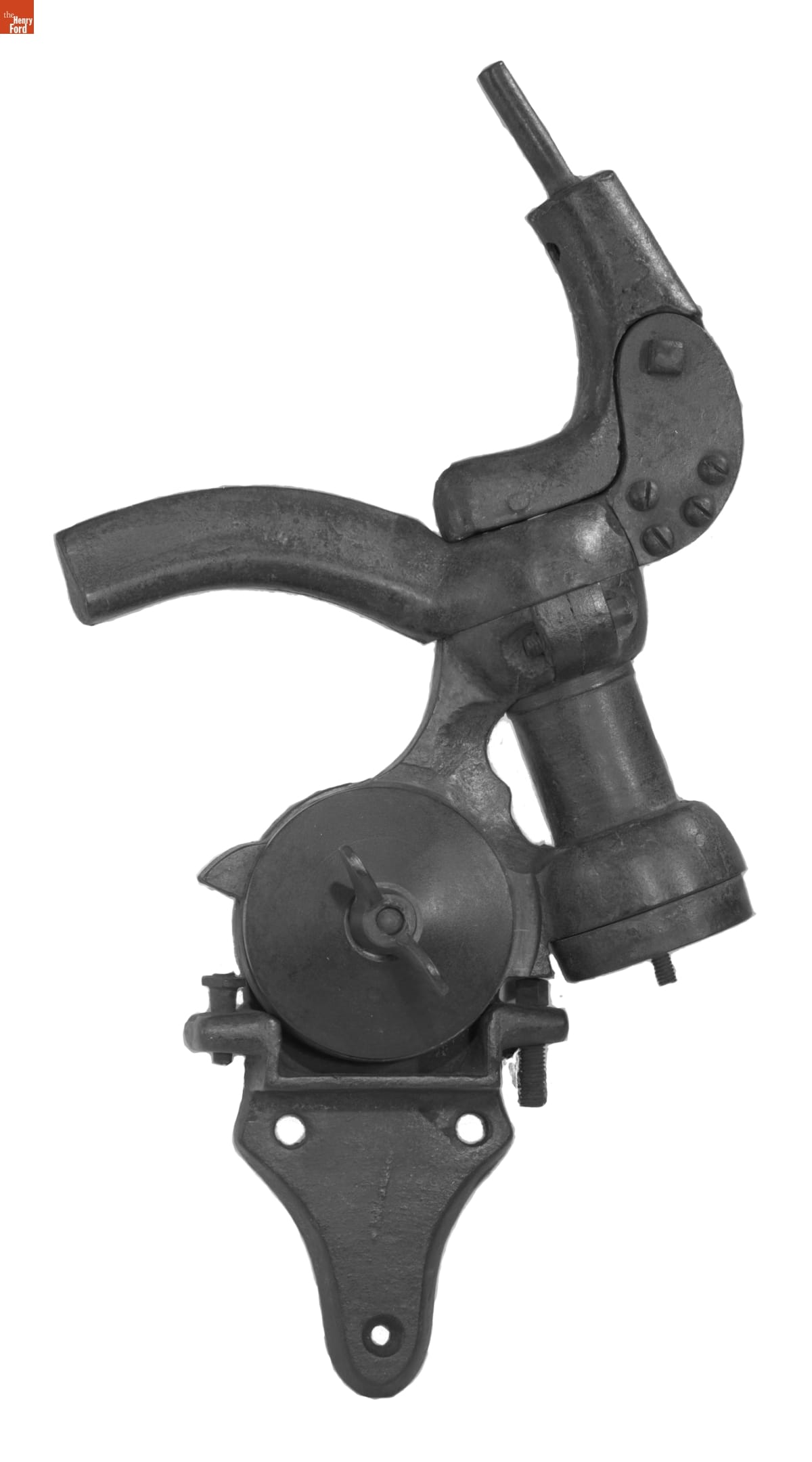
- 1880-1920
- Collections - Artifact
Last Jack, 1880-1920
- Wooden Mallet, 1880-1920 - Late-nineteenth and early-twentieth-century shoemakers turned pieces of leather into footwear. These craftspeople used a wide range of specialized tools to measure, cut, shape, stitch, trim, finish, and decorate their handiwork. Their tools included a variety of knives, hammers, punches, clamps, awls, and polishers and burnishers. Though these tools seem highly specialized, shoemakers were always adapting, using whatever tools were at hand to make shoes.
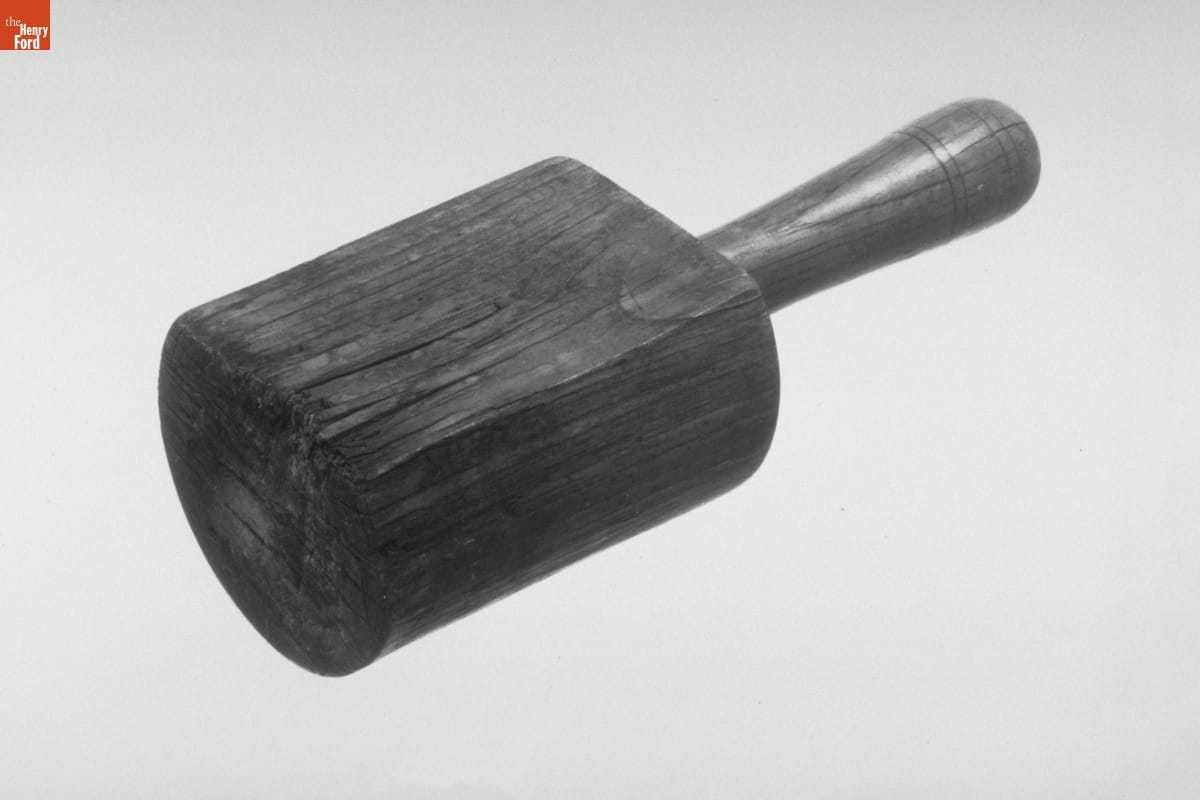
- 1880-1920
- Collections - Artifact
Wooden Mallet, 1880-1920
Late-nineteenth and early-twentieth-century shoemakers turned pieces of leather into footwear. These craftspeople used a wide range of specialized tools to measure, cut, shape, stitch, trim, finish, and decorate their handiwork. Their tools included a variety of knives, hammers, punches, clamps, awls, and polishers and burnishers. Though these tools seem highly specialized, shoemakers were always adapting, using whatever tools were at hand to make shoes.
- Shoe Last Hook, 1880-1920 -
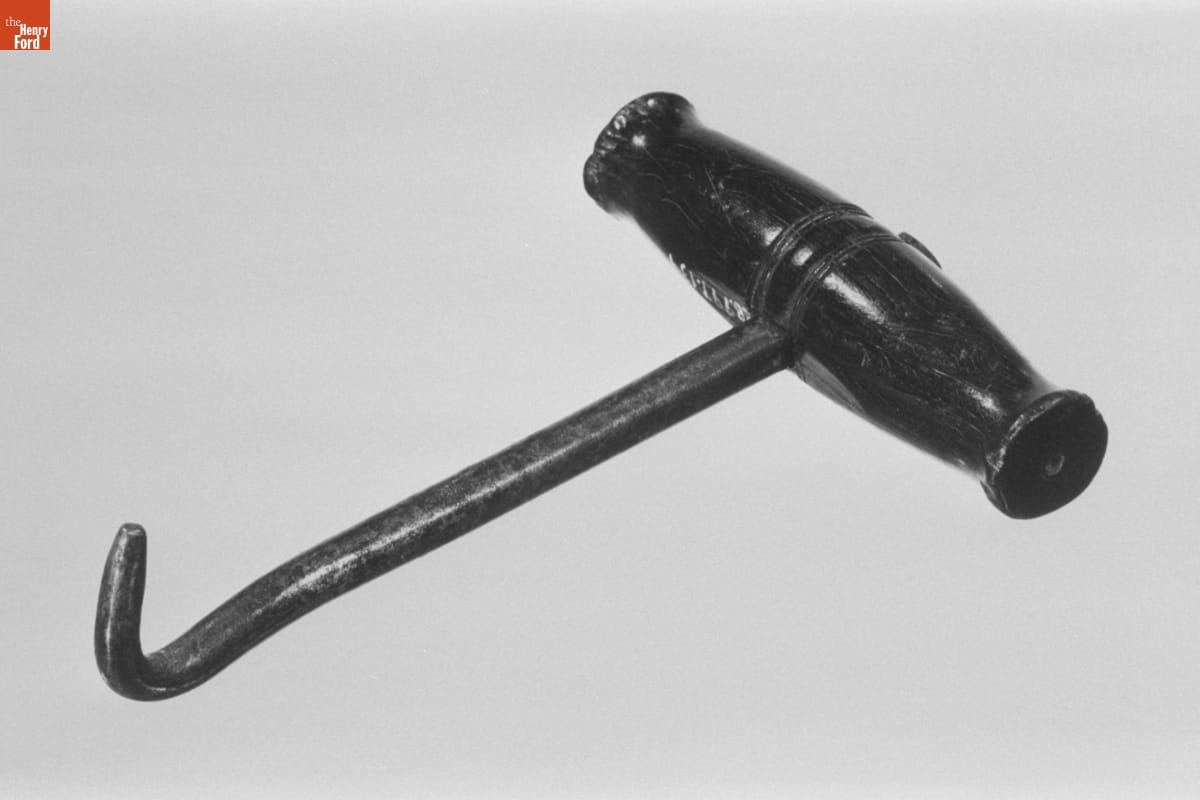
- 1880-1920
- Collections - Artifact
Shoe Last Hook, 1880-1920
- Peg Board, 1880-1920 -
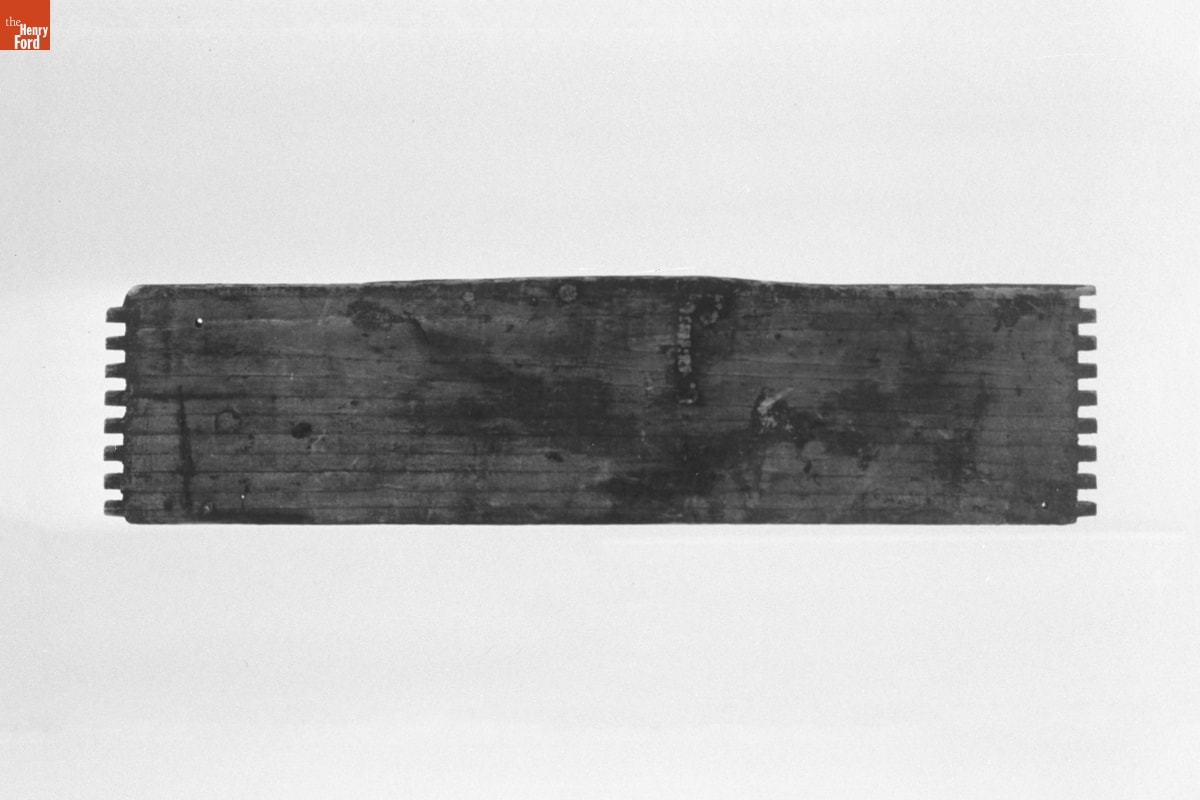
- 1880-1920
- Collections - Artifact
Peg Board, 1880-1920
- Wooden Box, 1880-1920 - Workers at Will Currier's shoe shop in Newton, New Hampshire, used a variety of tools, fasteners and bits of leather, wood, and metal to make shoes. Small wooden boxes, like this one, helped organize the shop and kept needed material close at hand.
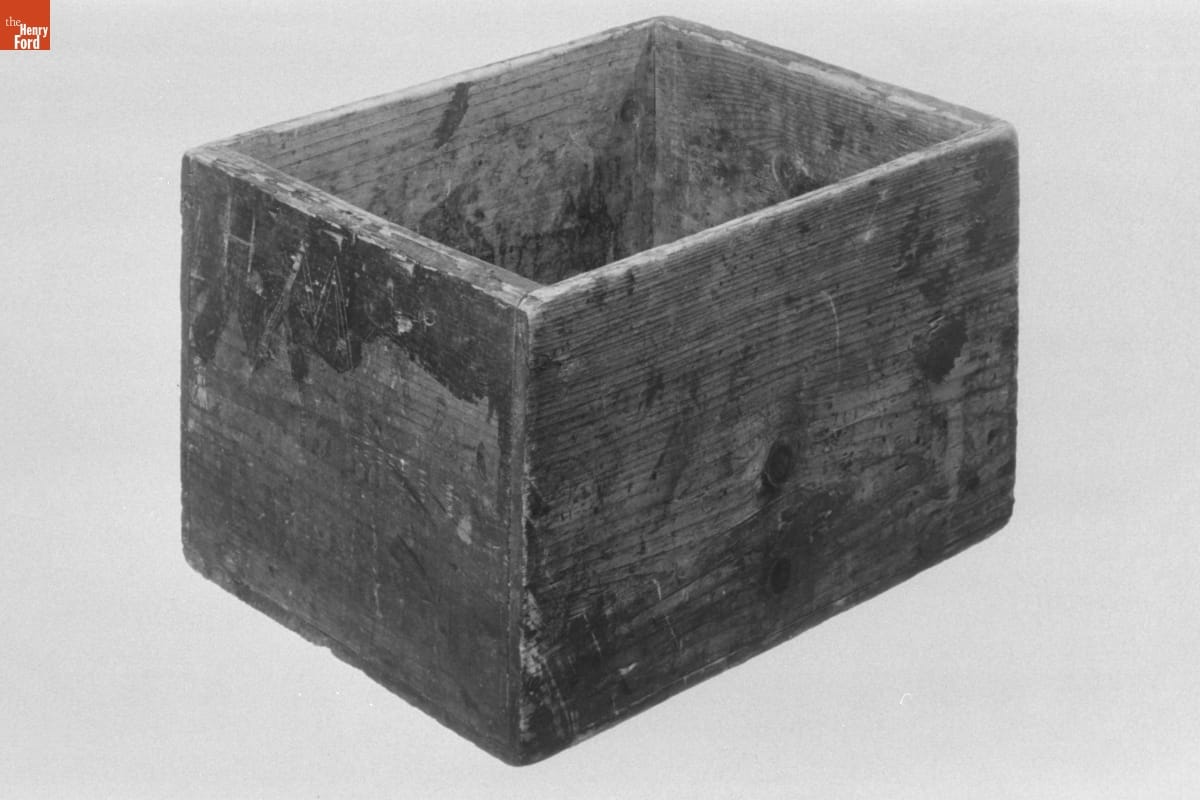
- 1880-1920
- Collections - Artifact
Wooden Box, 1880-1920
Workers at Will Currier's shoe shop in Newton, New Hampshire, used a variety of tools, fasteners and bits of leather, wood, and metal to make shoes. Small wooden boxes, like this one, helped organize the shop and kept needed material close at hand.
- Wooden Box, 1880-1920 - Workers at Will Currier's shoe shop in Newton, New Hampshire, used a variety of tools, fasteners and bits of leather, wood, and metal to make shoes. Small wooden boxes, like this one, helped organize the shop and kept needed material close at hand.
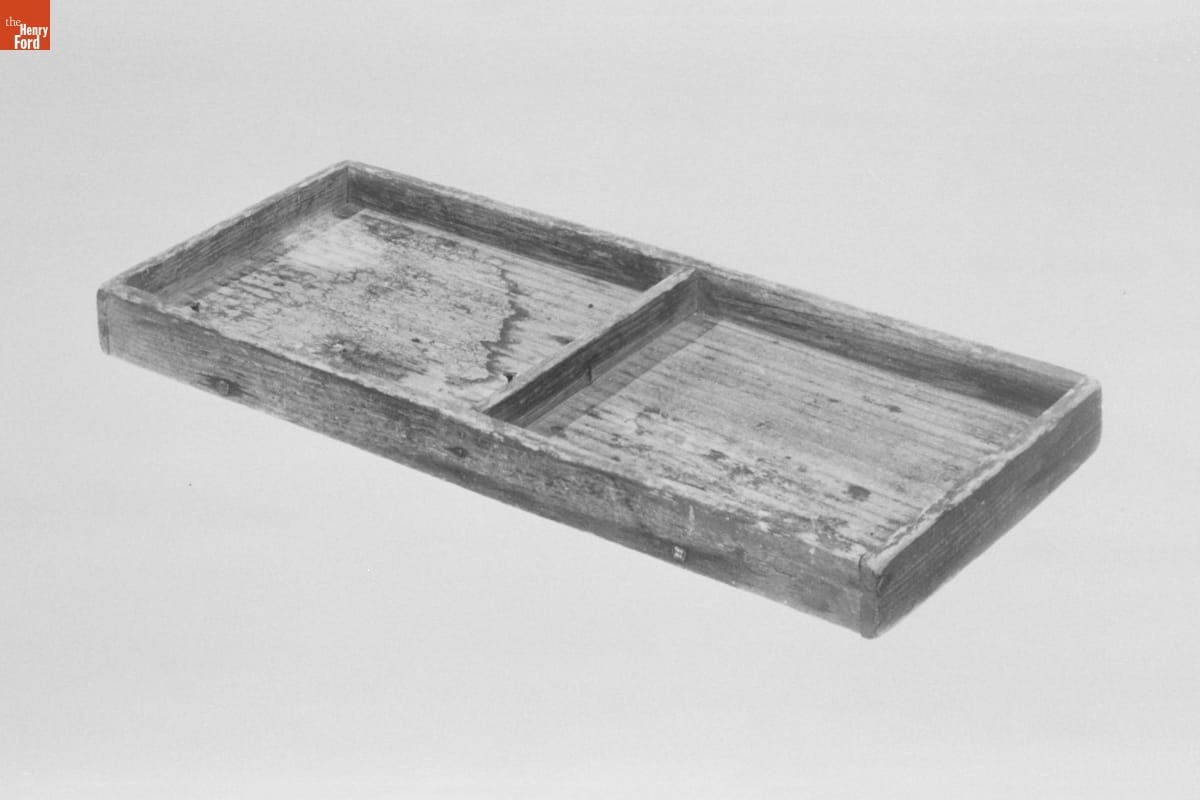
- 1880-1920
- Collections - Artifact
Wooden Box, 1880-1920
Workers at Will Currier's shoe shop in Newton, New Hampshire, used a variety of tools, fasteners and bits of leather, wood, and metal to make shoes. Small wooden boxes, like this one, helped organize the shop and kept needed material close at hand.