
Search
- Interior Remodeling in Progress, Ford Motor Company's New York City Branch, July 1937 - Ford Motor Company operated sales and service branches throughout the United States -- and ultimately around the world. Architect Albert Kahn designed this building for Ford's showroom, parts department, and offices on Broadway in New York City. It opened in 1919, and it was thoroughly remodeled in 1937. Ford sold the building to the International Ladies' Garment Workers' Union in 1943.
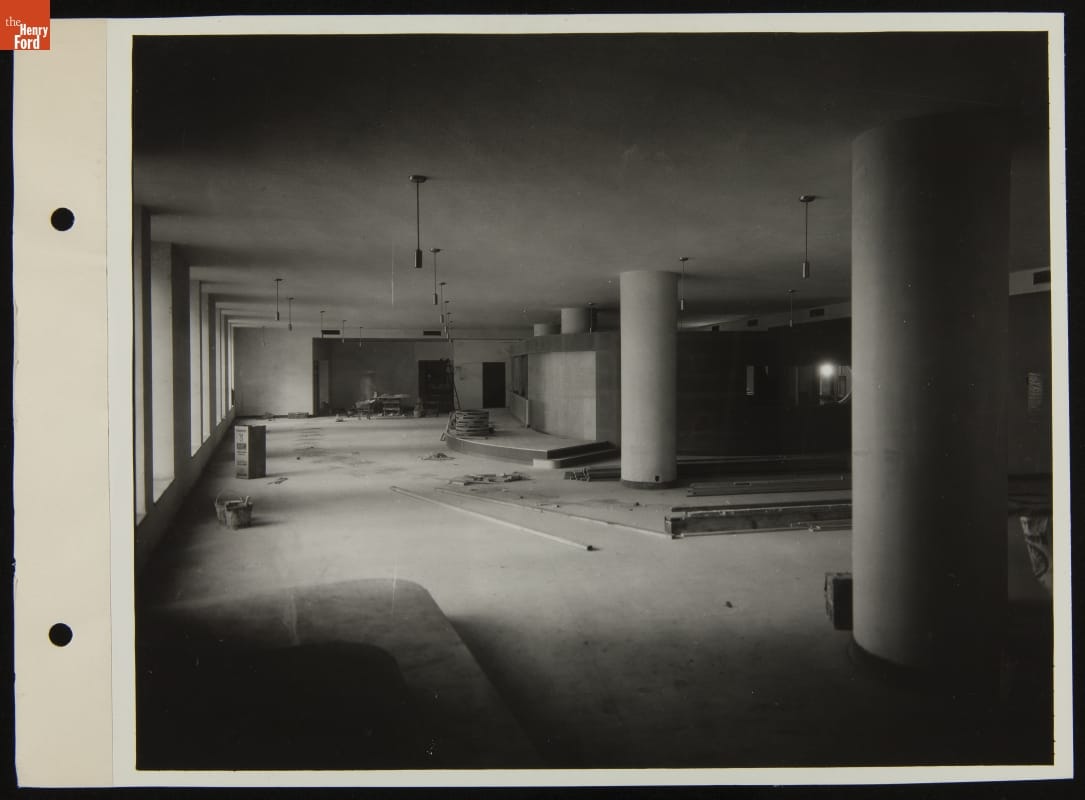
- July 15, 1937
- Collections - Artifact
Interior Remodeling in Progress, Ford Motor Company's New York City Branch, July 1937
Ford Motor Company operated sales and service branches throughout the United States -- and ultimately around the world. Architect Albert Kahn designed this building for Ford's showroom, parts department, and offices on Broadway in New York City. It opened in 1919, and it was thoroughly remodeled in 1937. Ford sold the building to the International Ladies' Garment Workers' Union in 1943.
- Interior Remodeling in Progress, Ford Motor Company's New York City Branch, July 1937 - Ford Motor Company operated sales and service branches throughout the United States -- and ultimately around the world. Architect Albert Kahn designed this building for Ford's showroom, parts department, and offices on Broadway in New York City. It opened in 1919, and it was thoroughly remodeled in 1937. Ford sold the building to the International Ladies' Garment Workers' Union in 1943.
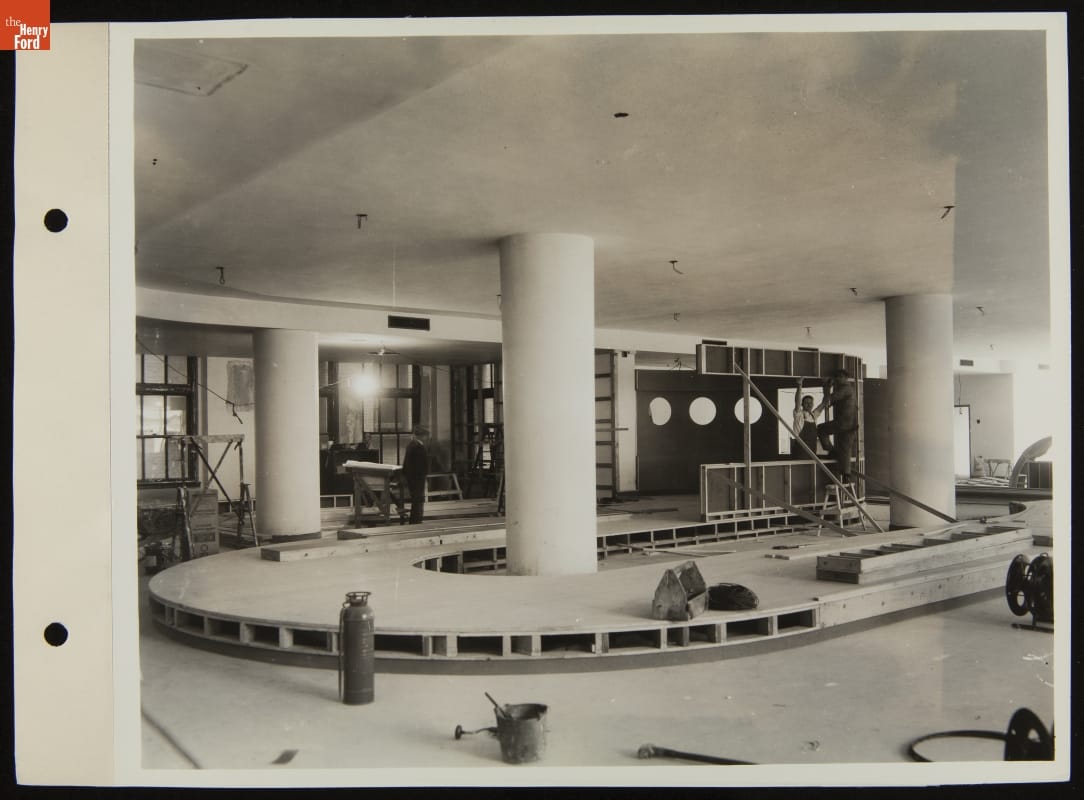
- July 15, 1937
- Collections - Artifact
Interior Remodeling in Progress, Ford Motor Company's New York City Branch, July 1937
Ford Motor Company operated sales and service branches throughout the United States -- and ultimately around the world. Architect Albert Kahn designed this building for Ford's showroom, parts department, and offices on Broadway in New York City. It opened in 1919, and it was thoroughly remodeled in 1937. Ford sold the building to the International Ladies' Garment Workers' Union in 1943.
- Interior Remodeling in Progress, Ford Motor Company's New York City Branch, July 1937 - Ford Motor Company operated sales and service branches throughout the United States -- and ultimately around the world. Architect Albert Kahn designed this building for Ford's showroom, parts department, and offices on Broadway in New York City. It opened in 1919, and it was thoroughly remodeled in 1937. Ford sold the building to the International Ladies' Garment Workers' Union in 1943.
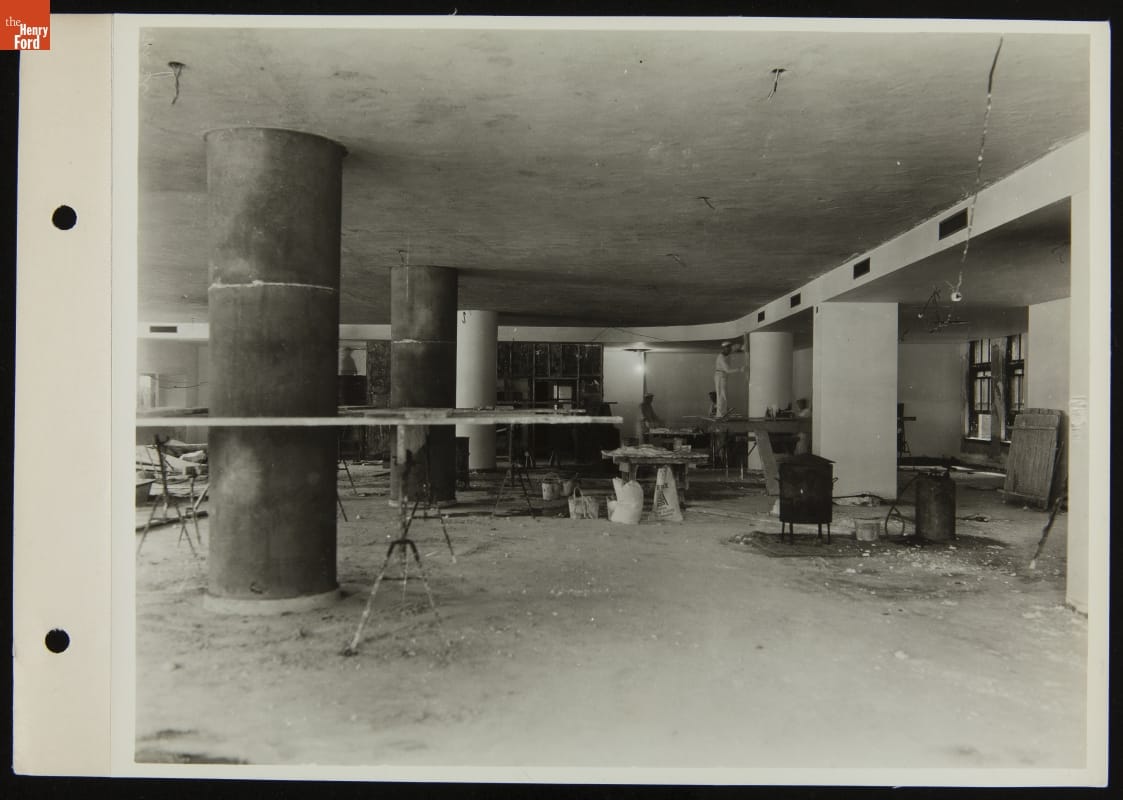
- July 15, 1937
- Collections - Artifact
Interior Remodeling in Progress, Ford Motor Company's New York City Branch, July 1937
Ford Motor Company operated sales and service branches throughout the United States -- and ultimately around the world. Architect Albert Kahn designed this building for Ford's showroom, parts department, and offices on Broadway in New York City. It opened in 1919, and it was thoroughly remodeled in 1937. Ford sold the building to the International Ladies' Garment Workers' Union in 1943.
- Interior Remodeling in Progress, Ford Motor Company's New York City Branch, July 1937 - Ford Motor Company operated sales and service branches throughout the United States -- and ultimately around the world. Architect Albert Kahn designed this building for Ford's showroom, parts department, and offices on Broadway in New York City. It opened in 1919, and it was thoroughly remodeled in 1937. Ford sold the building to the International Ladies' Garment Workers' Union in 1943.
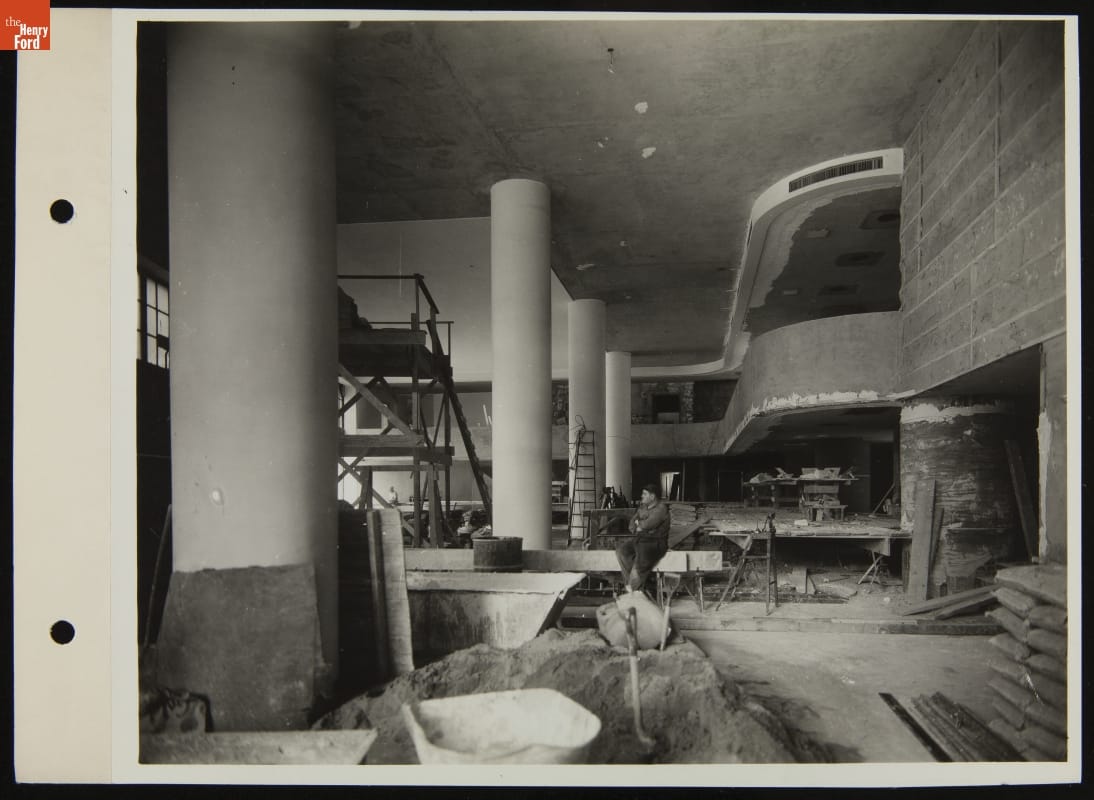
- July 15, 1937
- Collections - Artifact
Interior Remodeling in Progress, Ford Motor Company's New York City Branch, July 1937
Ford Motor Company operated sales and service branches throughout the United States -- and ultimately around the world. Architect Albert Kahn designed this building for Ford's showroom, parts department, and offices on Broadway in New York City. It opened in 1919, and it was thoroughly remodeled in 1937. Ford sold the building to the International Ladies' Garment Workers' Union in 1943.
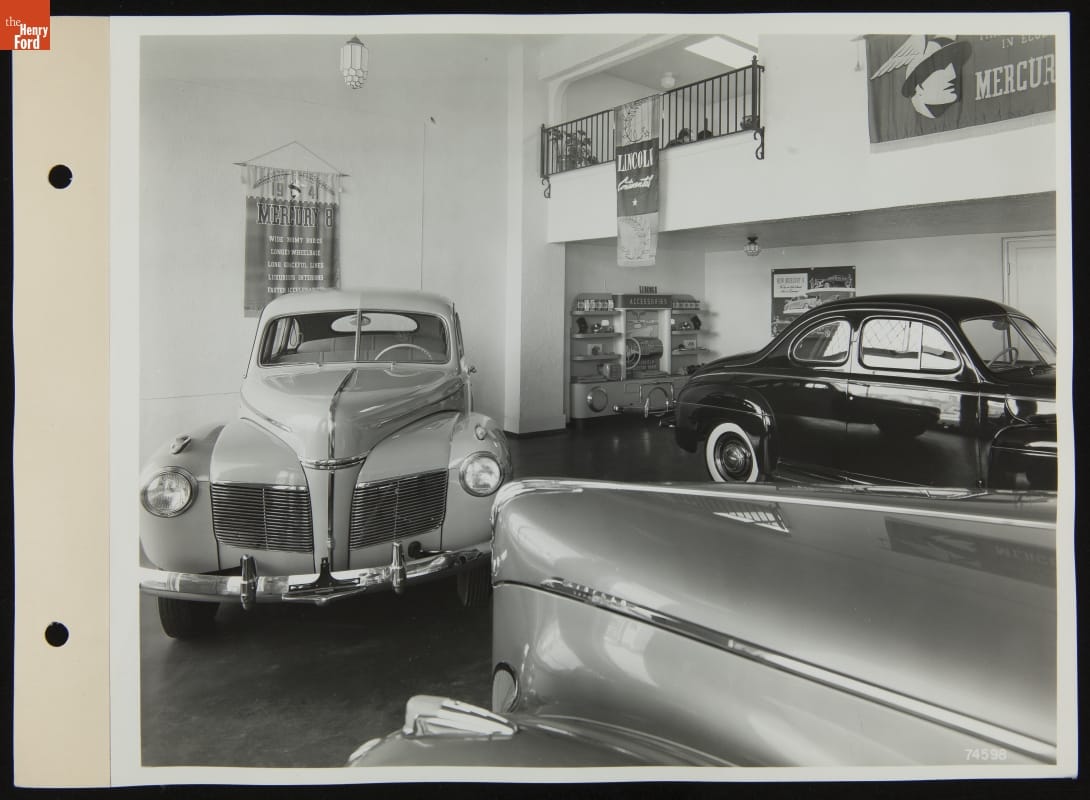
- Showroom, Jackman-Muehl Inc. Lincoln Mercury Dealership, 21121 Grand River Avenue, Detroit, Michigan, November 1940 - Ford Motor Company purchased upmarket Lincoln in 1922 and introduced mid-priced Mercury for 1939. For many years, the two makes were sold in co-branded dealerships with spacious showrooms where would-be buyers could inspect the latest models. Following World War II, the brands were formally combined into Ford's Lincoln-Mercury Division. The Mercury brand was discontinued in 2011.
- November 07, 1940
- Collections - Artifact
Showroom, Jackman-Muehl Inc. Lincoln Mercury Dealership, 21121 Grand River Avenue, Detroit, Michigan, November 1940
Ford Motor Company purchased upmarket Lincoln in 1922 and introduced mid-priced Mercury for 1939. For many years, the two makes were sold in co-branded dealerships with spacious showrooms where would-be buyers could inspect the latest models. Following World War II, the brands were formally combined into Ford's Lincoln-Mercury Division. The Mercury brand was discontinued in 2011.
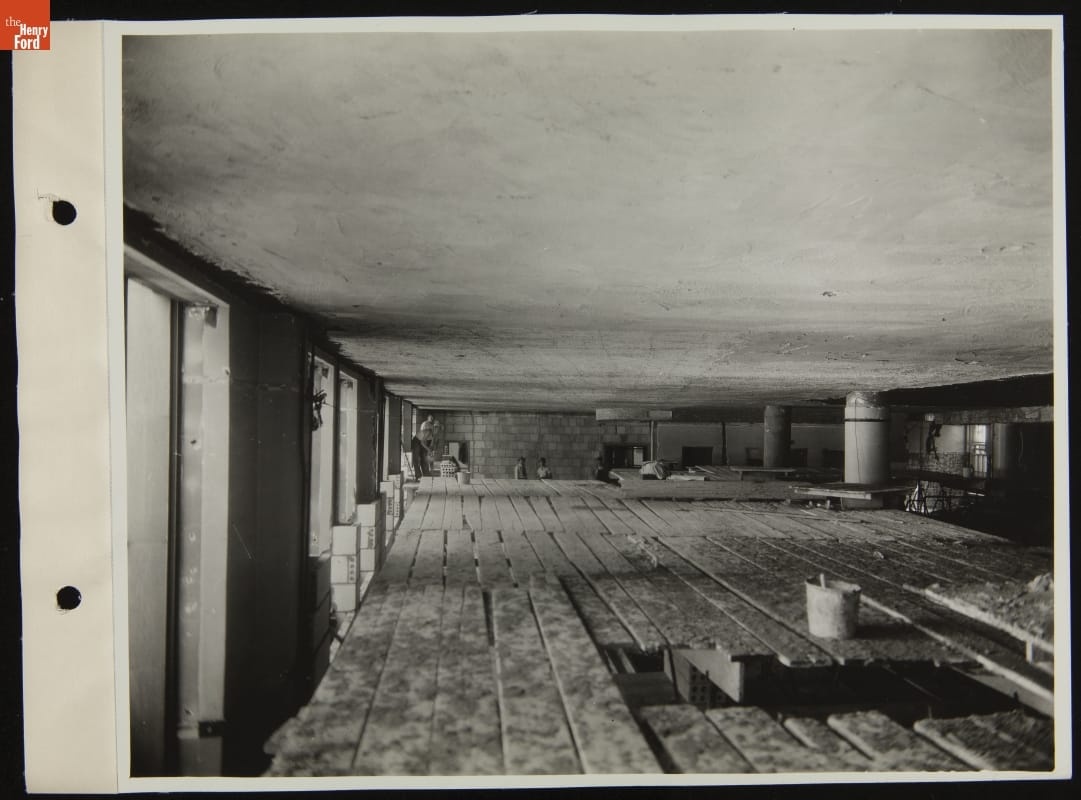
- Interior Remodeling in Progress, Ford Motor Company's New York City Branch, July 1937 - Ford Motor Company operated sales and service branches throughout the United States -- and ultimately around the world. Architect Albert Kahn designed this building for Ford's showroom, parts department, and offices on Broadway in New York City. It opened in 1919, and it was thoroughly remodeled in 1937. Ford sold the building to the International Ladies' Garment Workers' Union in 1943.
- July 15, 1937
- Collections - Artifact
Interior Remodeling in Progress, Ford Motor Company's New York City Branch, July 1937
Ford Motor Company operated sales and service branches throughout the United States -- and ultimately around the world. Architect Albert Kahn designed this building for Ford's showroom, parts department, and offices on Broadway in New York City. It opened in 1919, and it was thoroughly remodeled in 1937. Ford sold the building to the International Ladies' Garment Workers' Union in 1943.
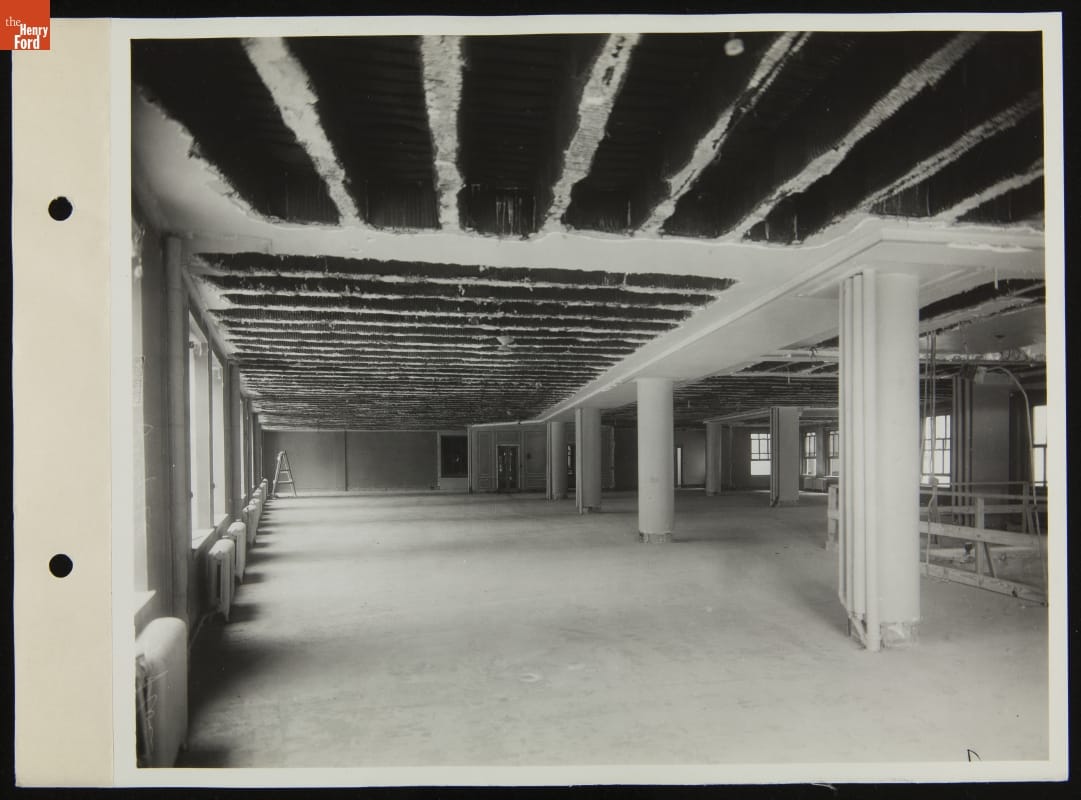
- Interior Remodeling in Progress, Ford Motor Company's New York City Branch, July 1937 - Ford Motor Company operated sales and service branches throughout the United States -- and ultimately around the world. Architect Albert Kahn designed this building for Ford's showroom, parts department, and offices on Broadway in New York City. It opened in 1919, and it was thoroughly remodeled in 1937. Ford sold the building to the International Ladies' Garment Workers' Union in 1943.
- July 15, 1937
- Collections - Artifact
Interior Remodeling in Progress, Ford Motor Company's New York City Branch, July 1937
Ford Motor Company operated sales and service branches throughout the United States -- and ultimately around the world. Architect Albert Kahn designed this building for Ford's showroom, parts department, and offices on Broadway in New York City. It opened in 1919, and it was thoroughly remodeled in 1937. Ford sold the building to the International Ladies' Garment Workers' Union in 1943.
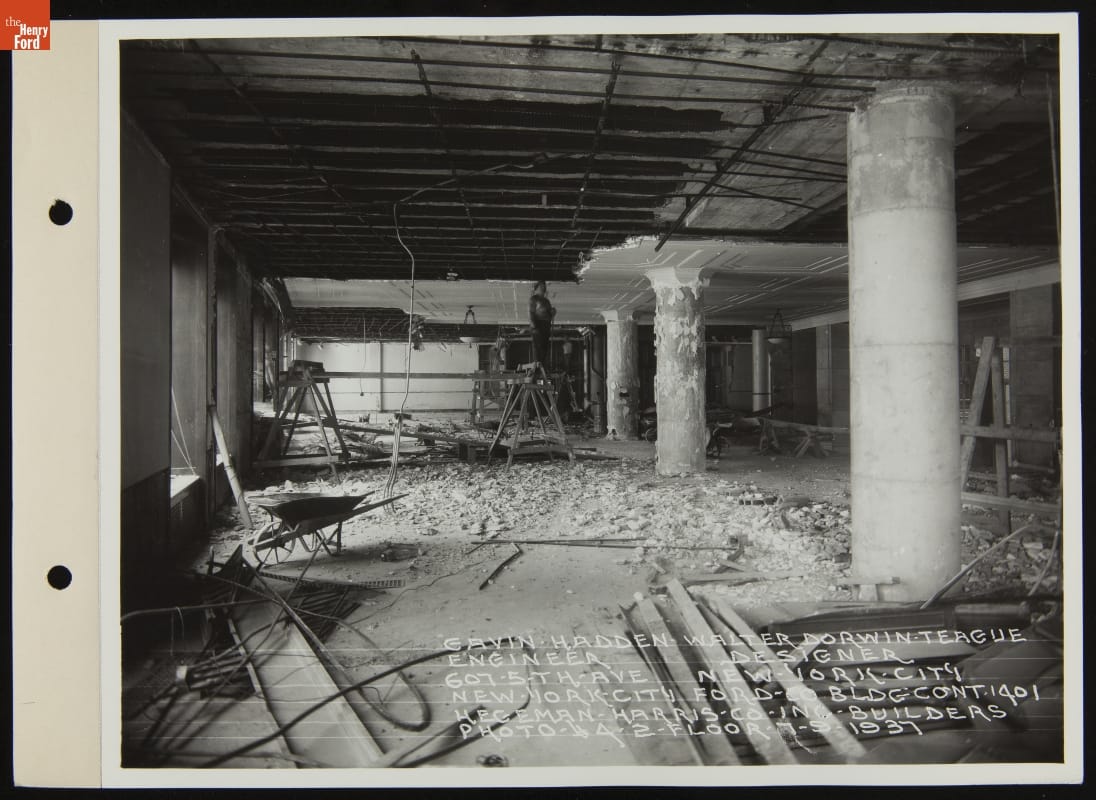
- Interior Remodeling in Progress, Ford Motor Company's New York City Branch, July 1937 - Ford Motor Company operated sales and service branches throughout the United States -- and ultimately around the world. Architect Albert Kahn designed this building for Ford's showroom, parts department, and offices on Broadway in New York City. It opened in 1919, and it was thoroughly remodeled in 1937. Ford sold the building to the International Ladies' Garment Workers' Union in 1943.
- July 15, 1937
- Collections - Artifact
Interior Remodeling in Progress, Ford Motor Company's New York City Branch, July 1937
Ford Motor Company operated sales and service branches throughout the United States -- and ultimately around the world. Architect Albert Kahn designed this building for Ford's showroom, parts department, and offices on Broadway in New York City. It opened in 1919, and it was thoroughly remodeled in 1937. Ford sold the building to the International Ladies' Garment Workers' Union in 1943.
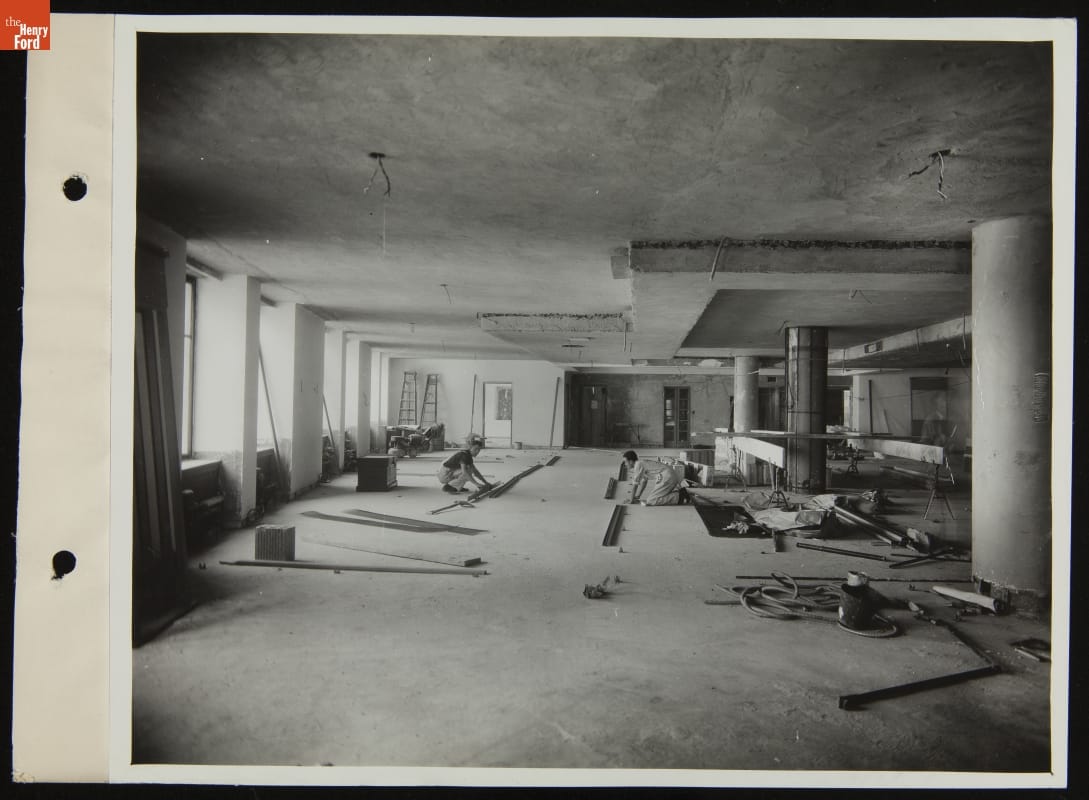
- Interior Remodeling in Progress, Ford Motor Company's New York City Branch, July 1937 - Ford Motor Company operated sales and service branches throughout the United States -- and ultimately around the world. Architect Albert Kahn designed this building for Ford's showroom, parts department, and offices on Broadway in New York City. It opened in 1919, and it was thoroughly remodeled in 1937. Ford sold the building to the International Ladies' Garment Workers' Union in 1943.
- July 15, 1937
- Collections - Artifact
Interior Remodeling in Progress, Ford Motor Company's New York City Branch, July 1937
Ford Motor Company operated sales and service branches throughout the United States -- and ultimately around the world. Architect Albert Kahn designed this building for Ford's showroom, parts department, and offices on Broadway in New York City. It opened in 1919, and it was thoroughly remodeled in 1937. Ford sold the building to the International Ladies' Garment Workers' Union in 1943.
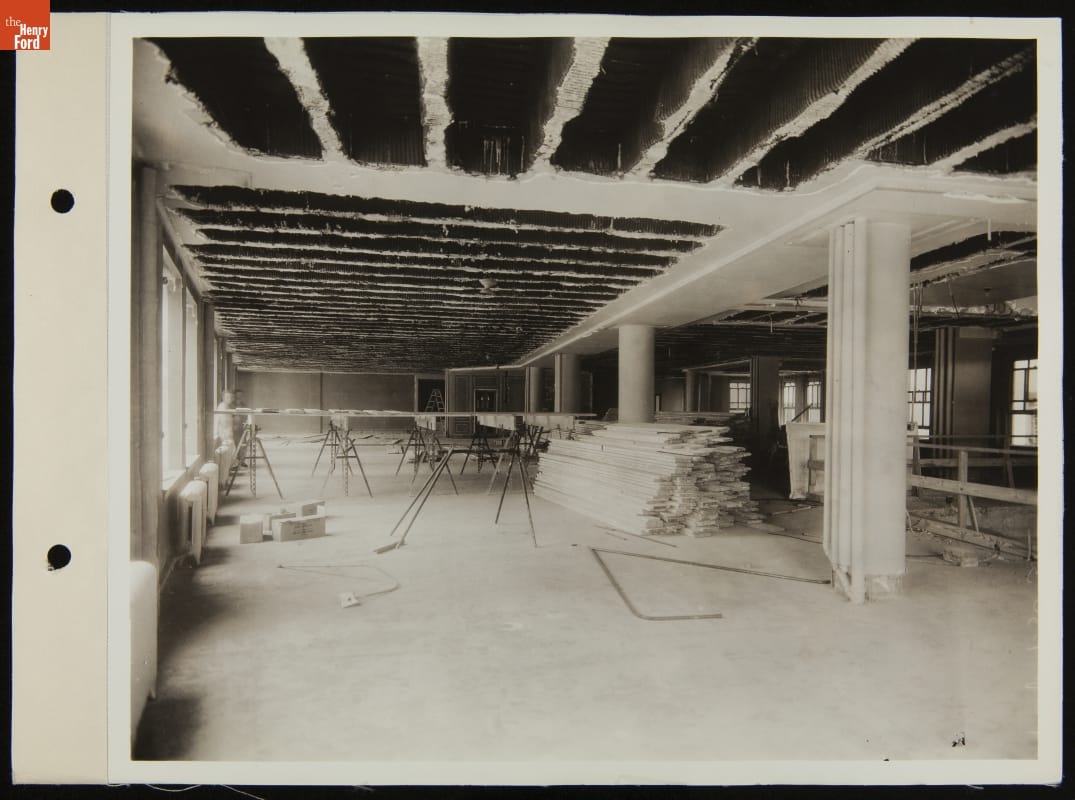
- Interior Remodeling in Progress, Ford Motor Company's New York City Branch, July 1937 - Ford Motor Company operated sales and service branches throughout the United States -- and ultimately around the world. Architect Albert Kahn designed this building for Ford's showroom, parts department, and offices on Broadway in New York City. It opened in 1919, and it was thoroughly remodeled in 1937. Ford sold the building to the International Ladies' Garment Workers' Union in 1943.
- July 15, 1937
- Collections - Artifact
Interior Remodeling in Progress, Ford Motor Company's New York City Branch, July 1937
Ford Motor Company operated sales and service branches throughout the United States -- and ultimately around the world. Architect Albert Kahn designed this building for Ford's showroom, parts department, and offices on Broadway in New York City. It opened in 1919, and it was thoroughly remodeled in 1937. Ford sold the building to the International Ladies' Garment Workers' Union in 1943.