
Search
- Grass Sickle, circa 1825 - Sickles helped farmers harvest grasses and grains. Using this age-old tool, however, was backbreaking work. Laborers constantly had to stoop over to cut and gather the crops. The invention of mid-nineteenth-century mechanized equipment -- reapers and mowers -- made this handheld harvesting tool nearly obsolete. Still, the sickle remained useful on smaller farms or for work around the yard or garden.
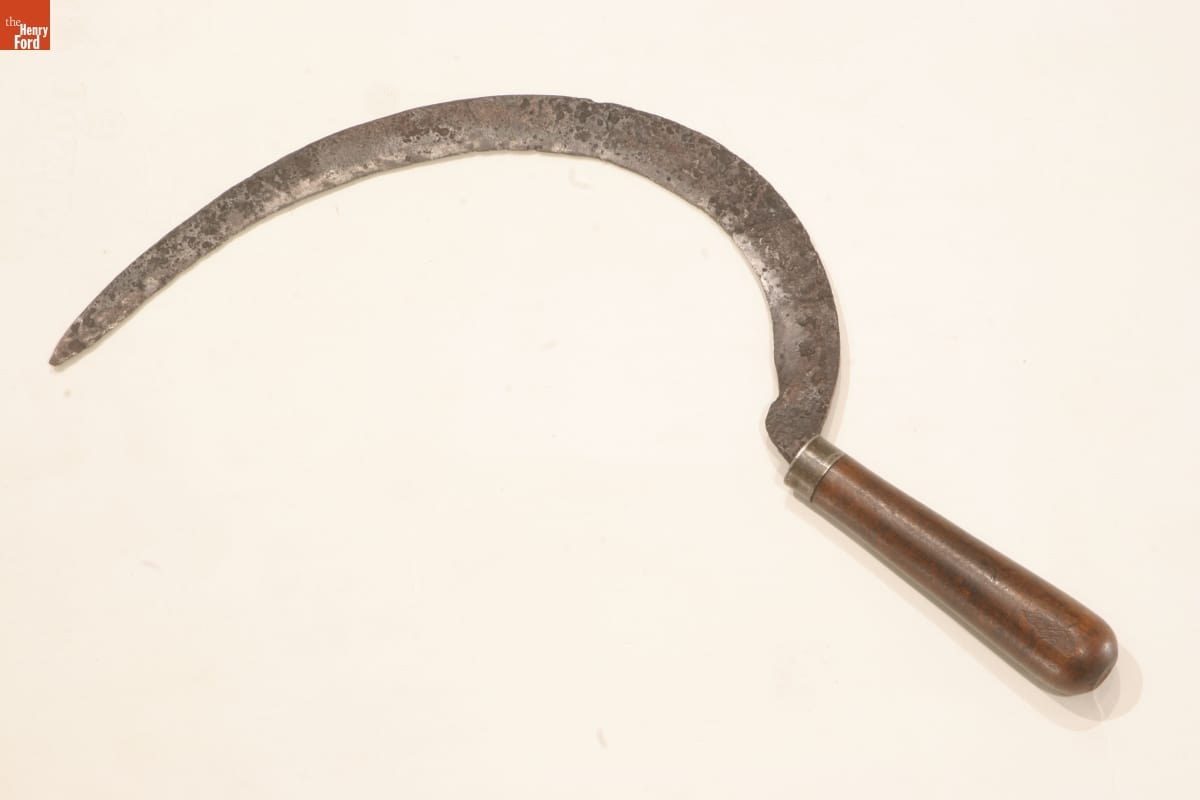
- circa 1825
- Collections - Artifact
Grass Sickle, circa 1825
Sickles helped farmers harvest grasses and grains. Using this age-old tool, however, was backbreaking work. Laborers constantly had to stoop over to cut and gather the crops. The invention of mid-nineteenth-century mechanized equipment -- reapers and mowers -- made this handheld harvesting tool nearly obsolete. Still, the sickle remained useful on smaller farms or for work around the yard or garden.
- Hallmark "Song of Peace" Christmas Ornament, 2009 - Already known for greeting cards, Hallmark introduced a line of Christmas ornaments in 1973. The company's annual release of an increasing array of ornaments revolutionized Christmas decorating, appealing to customers' interest in marking memories and milestones as well as expressing one's personality and unique tastes.
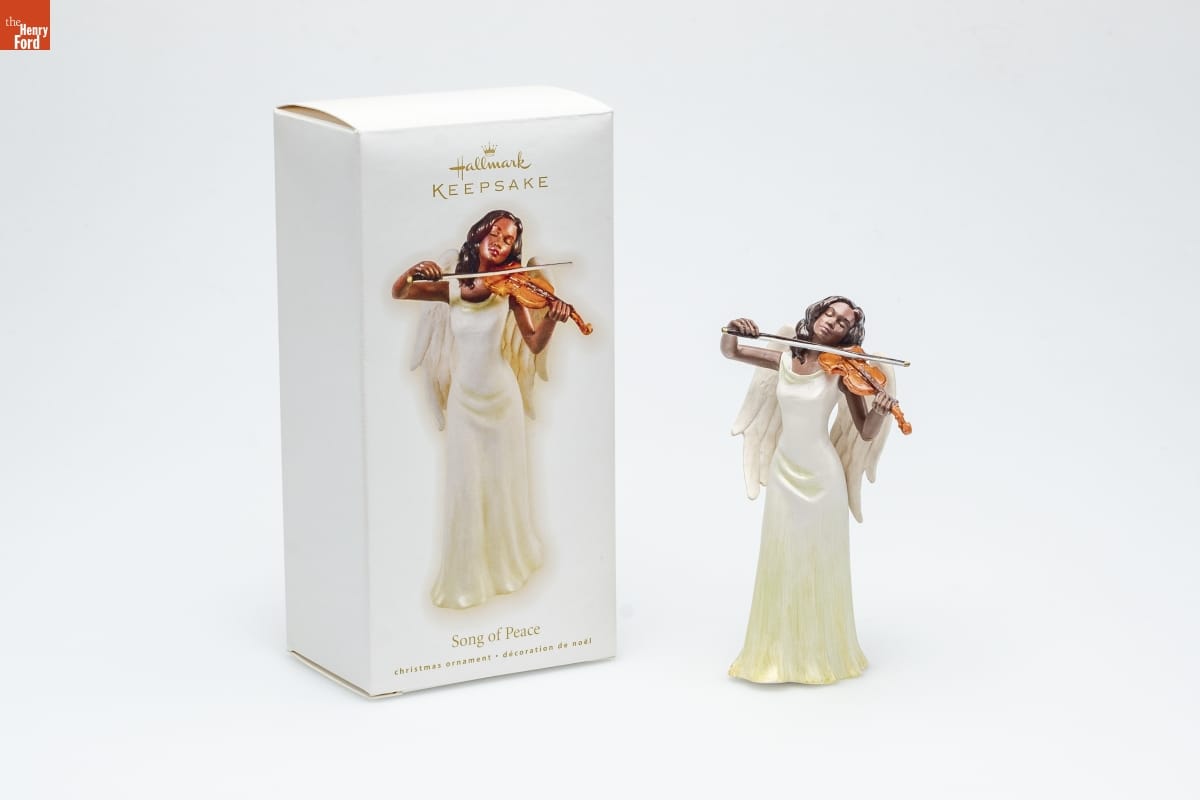
- 2009
- Collections - Artifact
Hallmark "Song of Peace" Christmas Ornament, 2009
Already known for greeting cards, Hallmark introduced a line of Christmas ornaments in 1973. The company's annual release of an increasing array of ornaments revolutionized Christmas decorating, appealing to customers' interest in marking memories and milestones as well as expressing one's personality and unique tastes.
- Sickle, 1800-1840 - Sickles helped farmers harvest grasses and grains. Using this age-old tool, however, was backbreaking work. Laborers constantly had to stoop over to cut and gather the crops. The invention of mid-nineteenth-century mechanized equipment -- reapers and mowers -- made this handheld harvesting tool nearly obsolete. Still, the sickle remained useful on smaller farms or for work around the yard or garden.
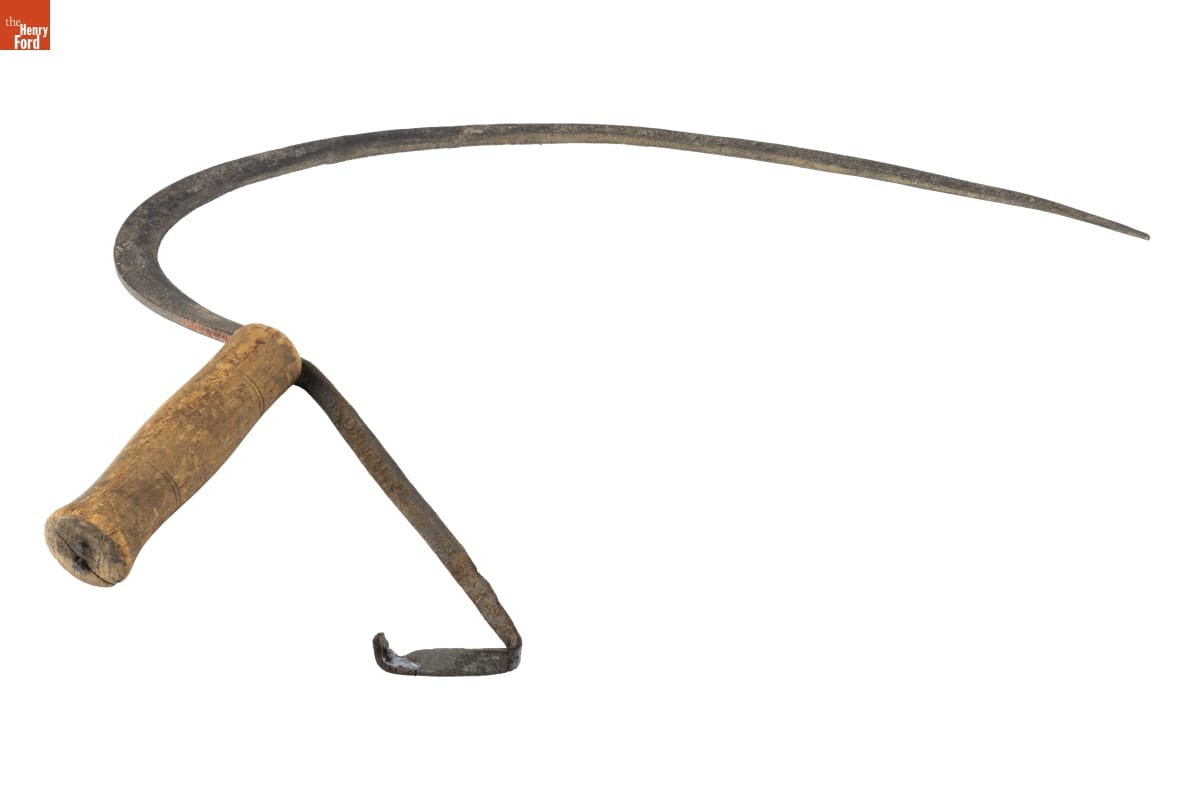
- 1800-1840
- Collections - Artifact
Sickle, 1800-1840
Sickles helped farmers harvest grasses and grains. Using this age-old tool, however, was backbreaking work. Laborers constantly had to stoop over to cut and gather the crops. The invention of mid-nineteenth-century mechanized equipment -- reapers and mowers -- made this handheld harvesting tool nearly obsolete. Still, the sickle remained useful on smaller farms or for work around the yard or garden.
- Grain Sickle, 1800-1840 - Sickles helped farmers harvest grain crops. Using this age-old tool, however, was backbreaking work. Laborers constantly had to stoop over to gather and cut the stalks. The work also had to be done quickly before ripen grains were scattered by the wind or poor weather destroyed the crop. The invention of mechanized reapers did away with this laborious task on large acre farms.
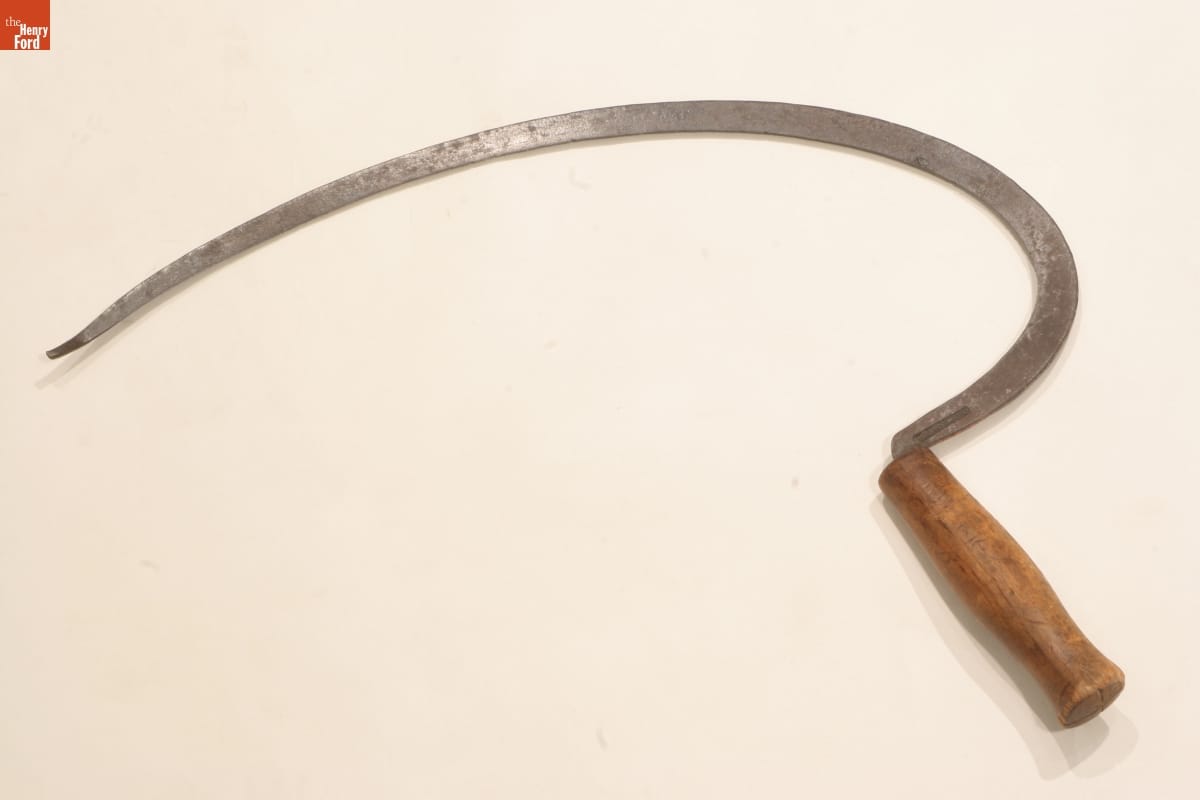
- 1800-1840
- Collections - Artifact
Grain Sickle, 1800-1840
Sickles helped farmers harvest grain crops. Using this age-old tool, however, was backbreaking work. Laborers constantly had to stoop over to gather and cut the stalks. The work also had to be done quickly before ripen grains were scattered by the wind or poor weather destroyed the crop. The invention of mechanized reapers did away with this laborious task on large acre farms.
- Grain Sickle, 1800-1840 - Sickles helped farmers harvest grain crops. Using this age-old tool, however, was backbreaking work. Laborers constantly had to stoop over to gather and cut the stalks. The work also had to be done quickly before ripen grains were scattered by the wind or poor weather destroyed the crop. The invention of mechanized reapers did away with this laborious task on large acre farms.
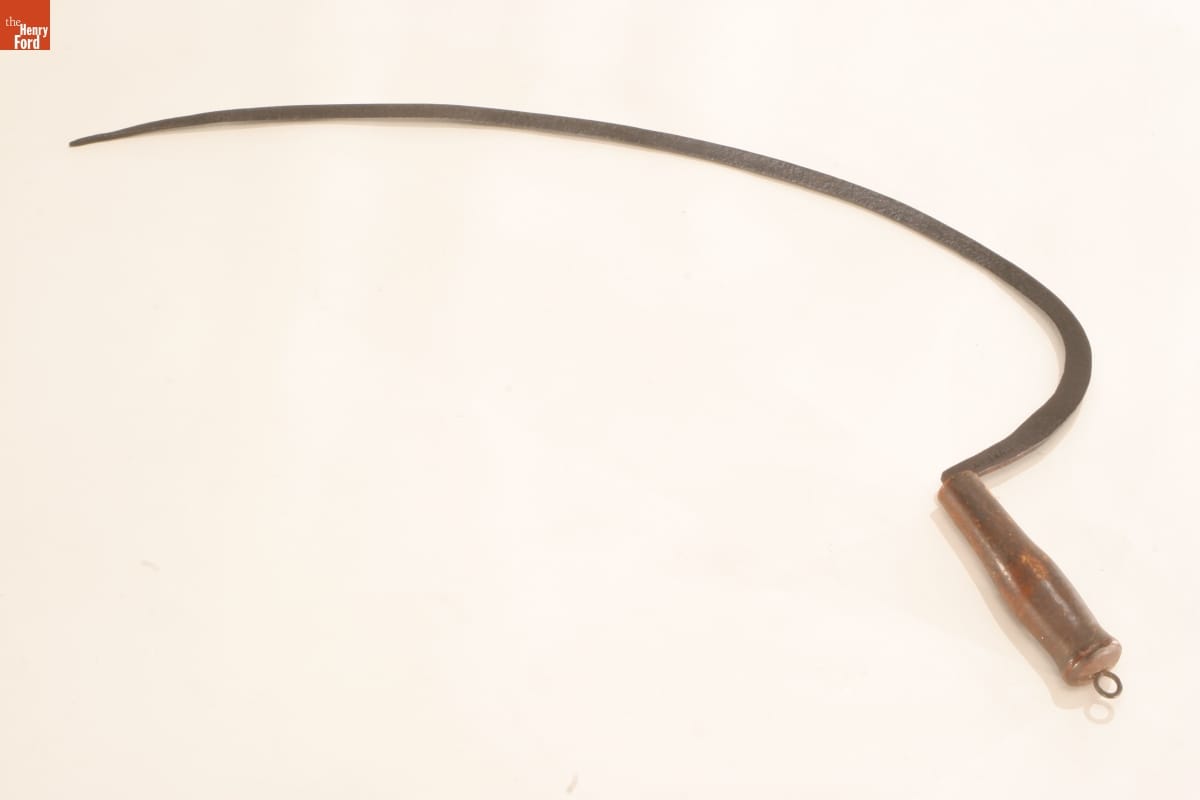
- 1800-1840
- Collections - Artifact
Grain Sickle, 1800-1840
Sickles helped farmers harvest grain crops. Using this age-old tool, however, was backbreaking work. Laborers constantly had to stoop over to gather and cut the stalks. The work also had to be done quickly before ripen grains were scattered by the wind or poor weather destroyed the crop. The invention of mechanized reapers did away with this laborious task on large acre farms.
- Sickle, 1894 - Sickles helped farmers harvest grasses and grains. Using this age-old tool, however, was backbreaking work. Laborers constantly had to stoop over to cut and gather the crops. The invention of mid-nineteenth-century mechanized equipment -- reapers and mowers -- made this handheld harvesting tool nearly obsolete. Still, the sickle remained useful on smaller farms or for work around the yard or garden.
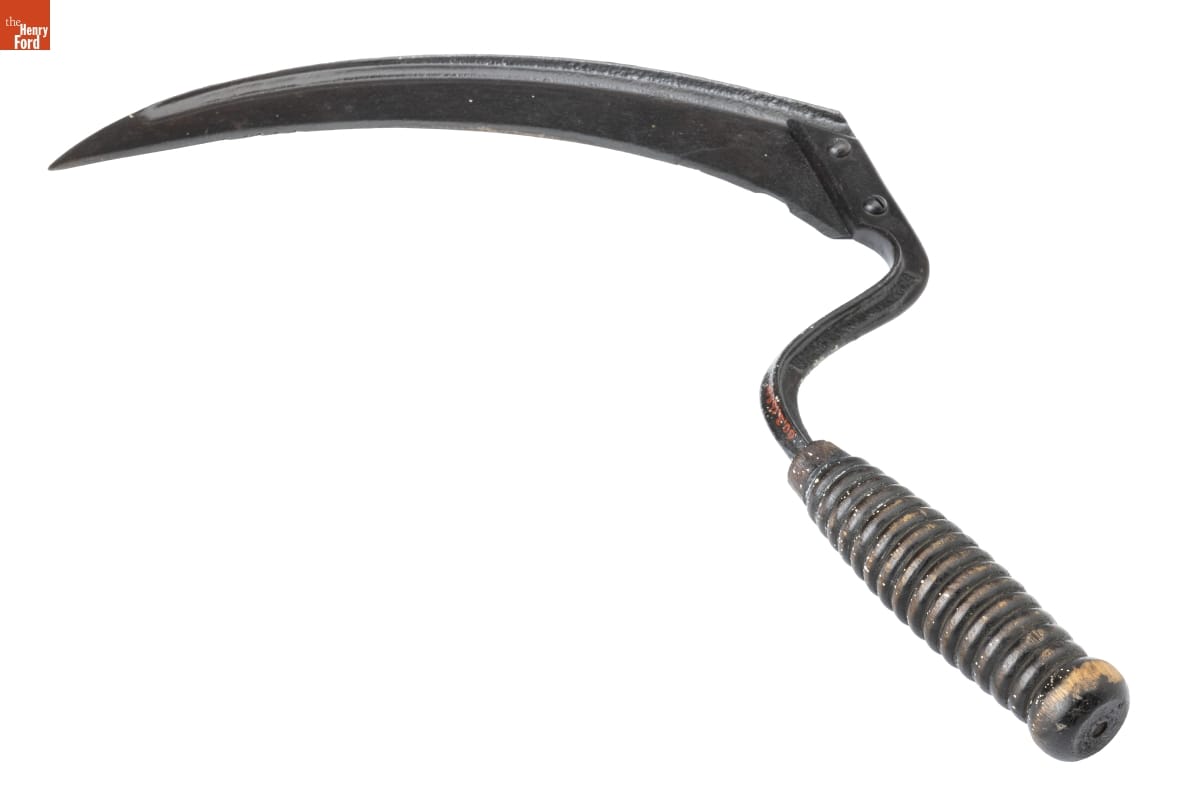
- 1894
- Collections - Artifact
Sickle, 1894
Sickles helped farmers harvest grasses and grains. Using this age-old tool, however, was backbreaking work. Laborers constantly had to stoop over to cut and gather the crops. The invention of mid-nineteenth-century mechanized equipment -- reapers and mowers -- made this handheld harvesting tool nearly obsolete. Still, the sickle remained useful on smaller farms or for work around the yard or garden.
- Grain Sickle, 1800-1840 - Sickles helped farmers harvest grain crops. Using this age-old tool, however, was backbreaking work. Laborers constantly had to stoop over to gather and cut the stalks. The work also had to be done quickly before ripen grains were scattered by the wind or poor weather destroyed the crop. The invention of mechanized reapers did away with this laborious task on large acre farms.
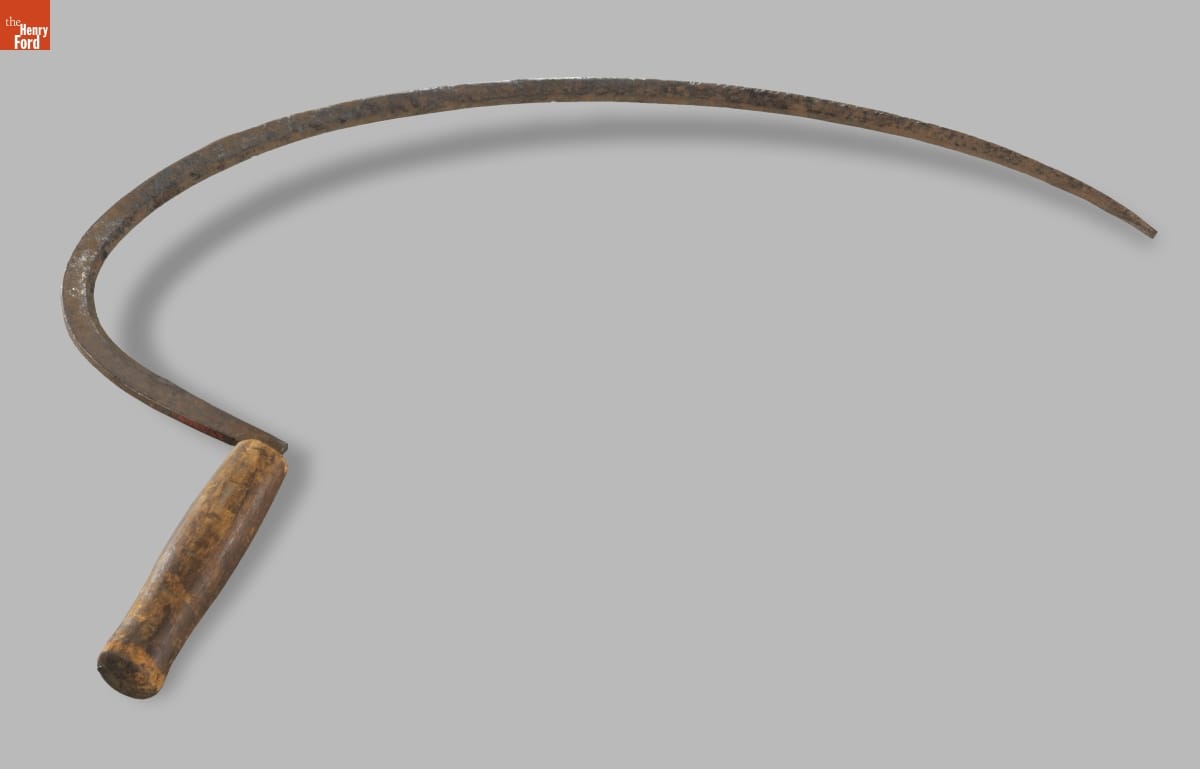
- 1800-1840
- Collections - Artifact
Grain Sickle, 1800-1840
Sickles helped farmers harvest grain crops. Using this age-old tool, however, was backbreaking work. Laborers constantly had to stoop over to gather and cut the stalks. The work also had to be done quickly before ripen grains were scattered by the wind or poor weather destroyed the crop. The invention of mechanized reapers did away with this laborious task on large acre farms.
- Grain Sickle, 1800-1840 - Sickles helped farmers harvest grain crops. Using this age-old tool, however, was backbreaking work. Laborers constantly had to stoop over to gather and cut the stalks. The work also had to be done quickly before ripen grains were scattered by the wind or poor weather destroyed the crop. The invention of mechanized reapers did away with this laborious task on large acre farms.
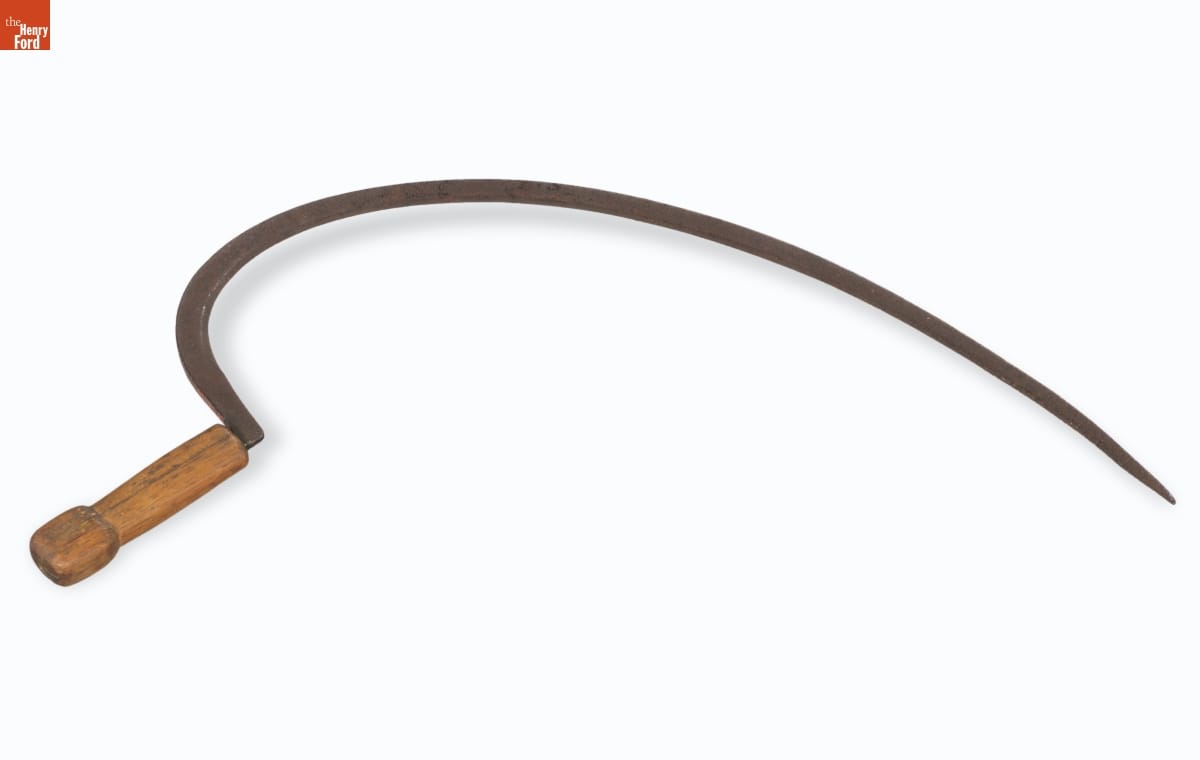
- 1800-1840
- Collections - Artifact
Grain Sickle, 1800-1840
Sickles helped farmers harvest grain crops. Using this age-old tool, however, was backbreaking work. Laborers constantly had to stoop over to gather and cut the stalks. The work also had to be done quickly before ripen grains were scattered by the wind or poor weather destroyed the crop. The invention of mechanized reapers did away with this laborious task on large acre farms.
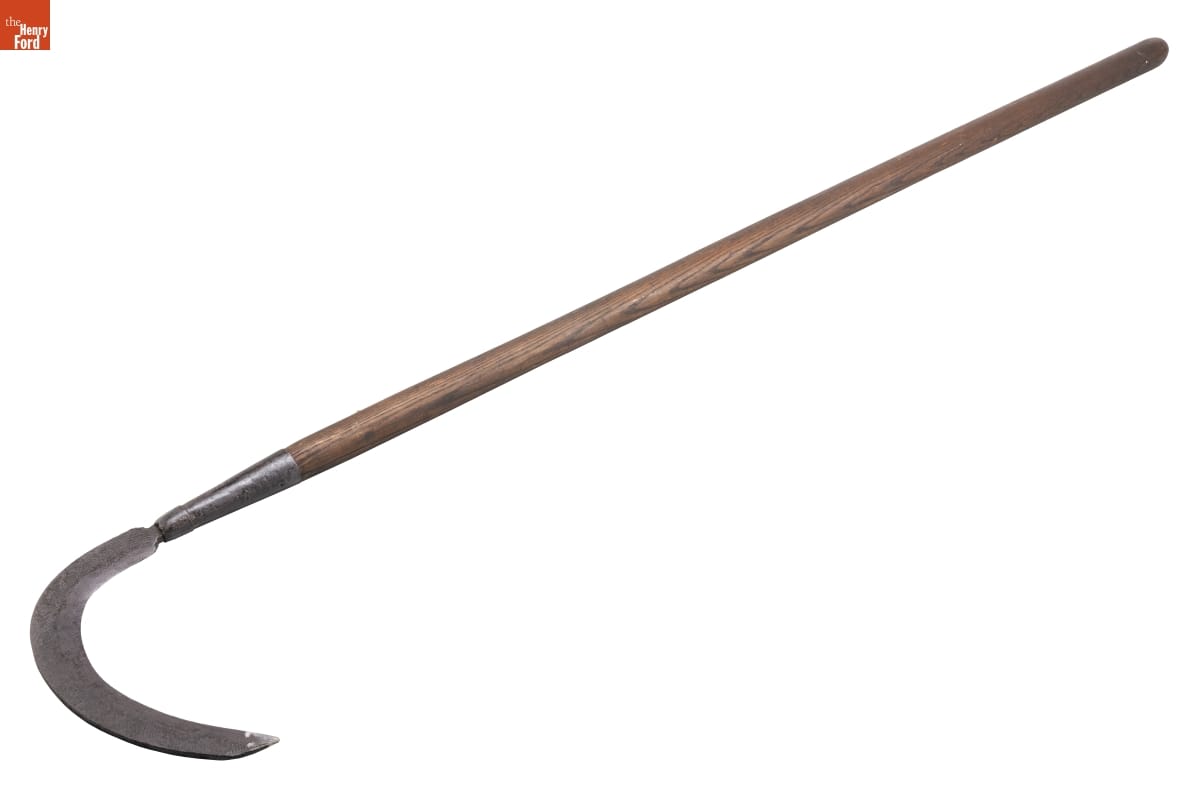
- Sickle - Sickles helped farmers harvest grasses and grains. Using this age-old tool, however, was backbreaking work. Laborers constantly had to stoop over to cut and gather the crops. The invention of mid-nineteenth-century mechanized equipment -- reapers and mowers -- made this handheld harvesting tool nearly obsolete. Still, the sickle remained useful on smaller farms or for work around the yard or garden.
- Collections - Artifact
Sickle
Sickles helped farmers harvest grasses and grains. Using this age-old tool, however, was backbreaking work. Laborers constantly had to stoop over to cut and gather the crops. The invention of mid-nineteenth-century mechanized equipment -- reapers and mowers -- made this handheld harvesting tool nearly obsolete. Still, the sickle remained useful on smaller farms or for work around the yard or garden.
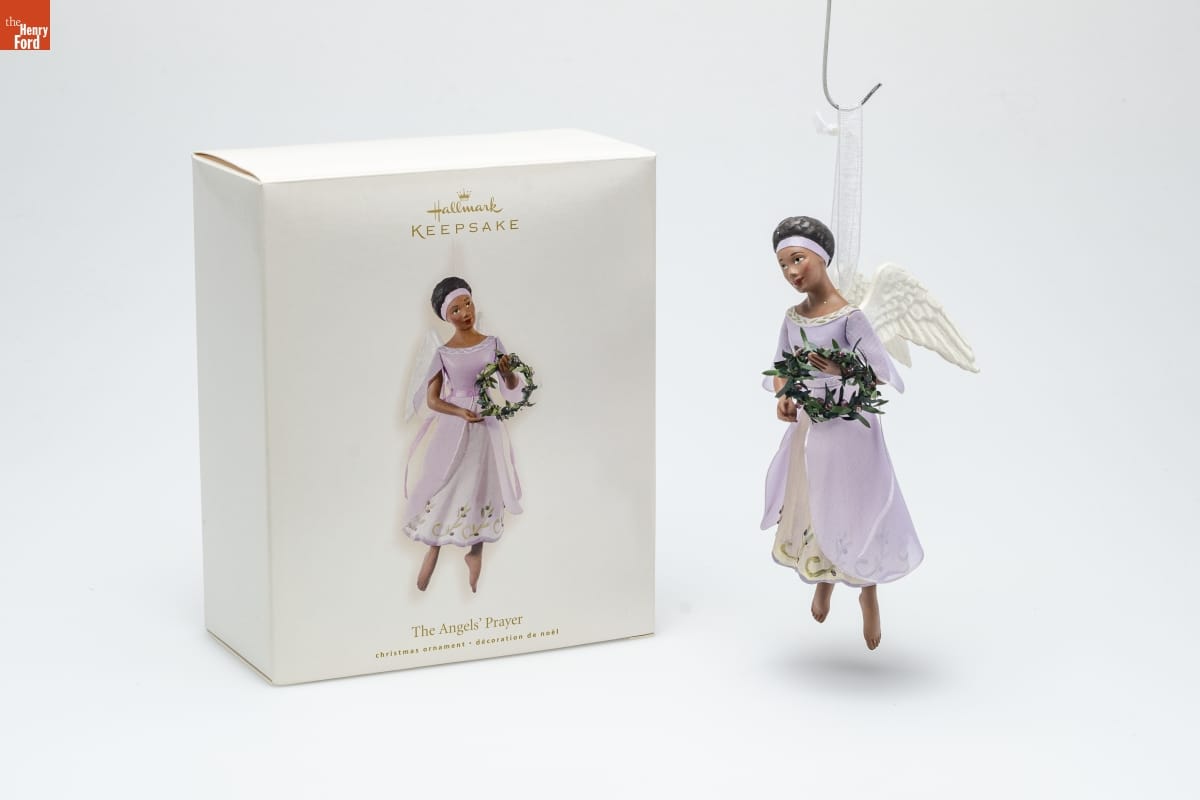
- Hallmark "The Angels' Prayer" Christmas Ornament, 2008 - Already known for greeting cards, Hallmark introduced a line of Christmas ornaments in 1973. The company's annual release of an increasing array of ornaments revolutionized Christmas decorating, appealing to customers' interest in marking memories and milestones as well as expressing one's personality and unique tastes.
- 2008
- Collections - Artifact
Hallmark "The Angels' Prayer" Christmas Ornament, 2008
Already known for greeting cards, Hallmark introduced a line of Christmas ornaments in 1973. The company's annual release of an increasing array of ornaments revolutionized Christmas decorating, appealing to customers' interest in marking memories and milestones as well as expressing one's personality and unique tastes.