
Search
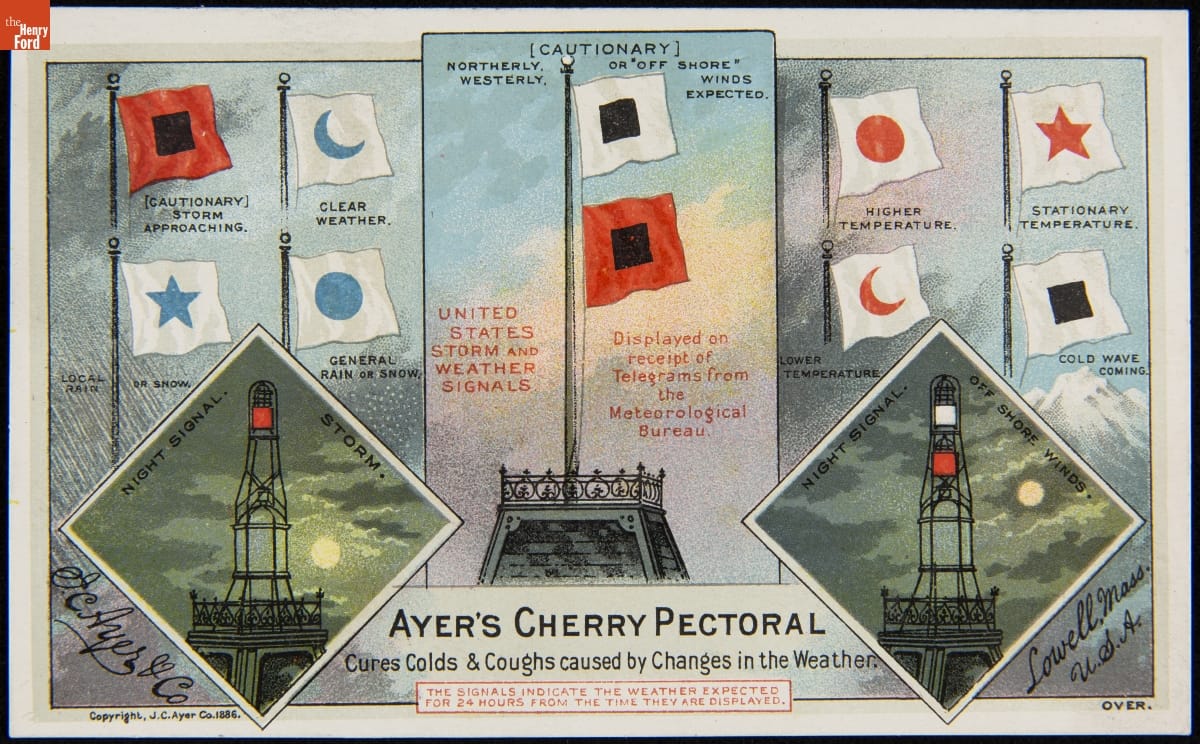
- Trade Card for Ayer's Cherry Pectoral, "Cures Colds & Coughs Caused by Changes in the Weather," 1886 - James C. Ayer (1818-1878), a purveyor of patent medicines in the 19th century, claimed his treatments could cure colds, coughs, and other ailments, purify the blood, and invigorate the hair. Ayer--and later his company--successfully marketed his products by printing thousands of trade cards, almanacs, and newspaper and magazine ads. Ayer's company continued production well into the 20th century.
- 1886
- Collections - Artifact
Trade Card for Ayer's Cherry Pectoral, "Cures Colds & Coughs Caused by Changes in the Weather," 1886
James C. Ayer (1818-1878), a purveyor of patent medicines in the 19th century, claimed his treatments could cure colds, coughs, and other ailments, purify the blood, and invigorate the hair. Ayer--and later his company--successfully marketed his products by printing thousands of trade cards, almanacs, and newspaper and magazine ads. Ayer's company continued production well into the 20th century.
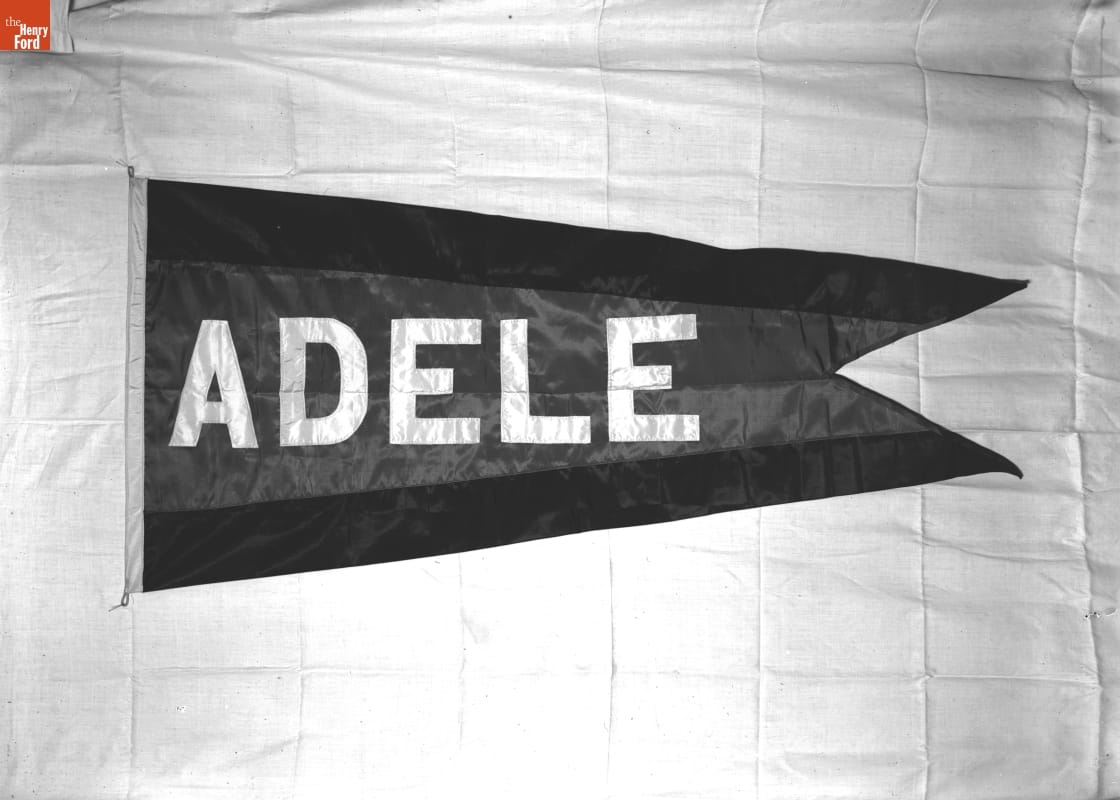
- Private Signal "Adele," 1890-1915 - In 1890, Jenny Young Chandler, 25 years old and recently widowed, began working for the <EM>New York Herald</EM>. As a photojournalist and feature writer, Chandler captured life in Brooklyn, New York, and vicinity. She also documented collections of private individuals and museums -- some of which were featured in magazine articles for collectors. By 1922, the time of her death, she had produced over 800 glass plate negatives.
- 1890-1915
- Collections - Artifact
Private Signal "Adele," 1890-1915
In 1890, Jenny Young Chandler, 25 years old and recently widowed, began working for the New York Herald. As a photojournalist and feature writer, Chandler captured life in Brooklyn, New York, and vicinity. She also documented collections of private individuals and museums -- some of which were featured in magazine articles for collectors. By 1922, the time of her death, she had produced over 800 glass plate negatives.
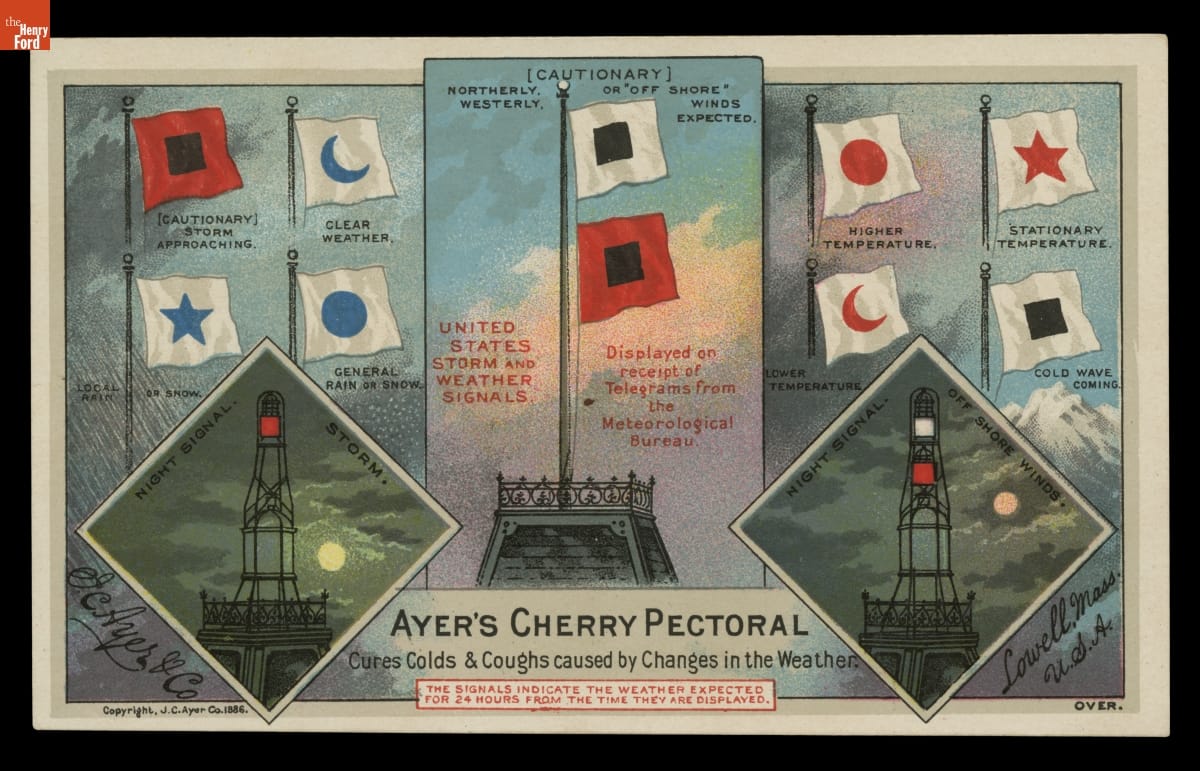
- Trade Card for Ayer's Cherry Pectoral, "Cures Colds & Coughs Caused by Changes in the Weather," 1886 - In the last third of the nineteenth century, an unprecedented variety of consumer goods and services flooded the American market. Advertisers, armed with new methods of color printing, bombarded potential customers with trade cards. Americans enjoyed and often saved the vibrant little advertisements found in product packages or distributed by local merchants. Many survive as historical records of commercialism in the United States.
- 1886
- Collections - Artifact
Trade Card for Ayer's Cherry Pectoral, "Cures Colds & Coughs Caused by Changes in the Weather," 1886
In the last third of the nineteenth century, an unprecedented variety of consumer goods and services flooded the American market. Advertisers, armed with new methods of color printing, bombarded potential customers with trade cards. Americans enjoyed and often saved the vibrant little advertisements found in product packages or distributed by local merchants. Many survive as historical records of commercialism in the United States.
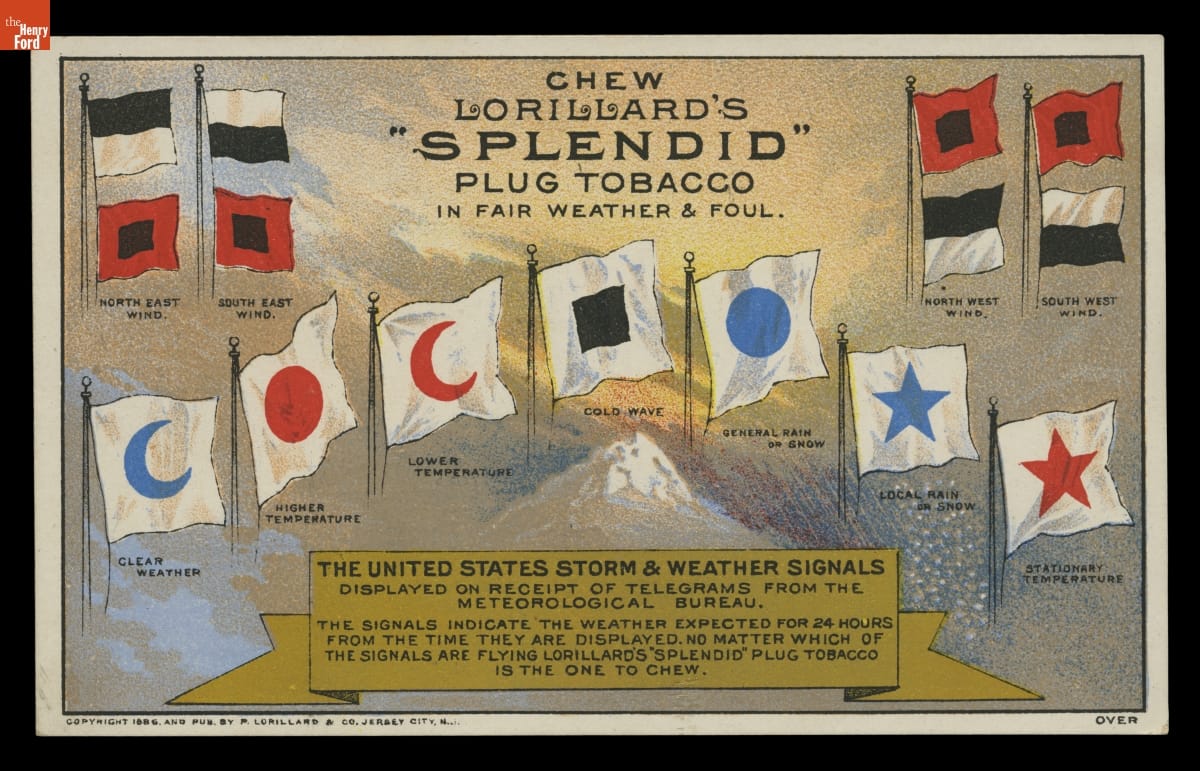
- Trade Card for Lorillard's "Splendid" Plug Tobacco, 1886, "In Fair Weather and Foul" - In the last third of the nineteenth century, an unprecedented variety of consumer goods and services flooded the American market. Advertisers, armed with new methods of color printing, bombarded potential customers with trade cards. Americans enjoyed and often saved the vibrant little advertisements found in product packages or distributed by local merchants. Many survive as historical records of commercialism in the United States.
- 1886
- Collections - Artifact
Trade Card for Lorillard's "Splendid" Plug Tobacco, 1886, "In Fair Weather and Foul"
In the last third of the nineteenth century, an unprecedented variety of consumer goods and services flooded the American market. Advertisers, armed with new methods of color printing, bombarded potential customers with trade cards. Americans enjoyed and often saved the vibrant little advertisements found in product packages or distributed by local merchants. Many survive as historical records of commercialism in the United States.