
Search
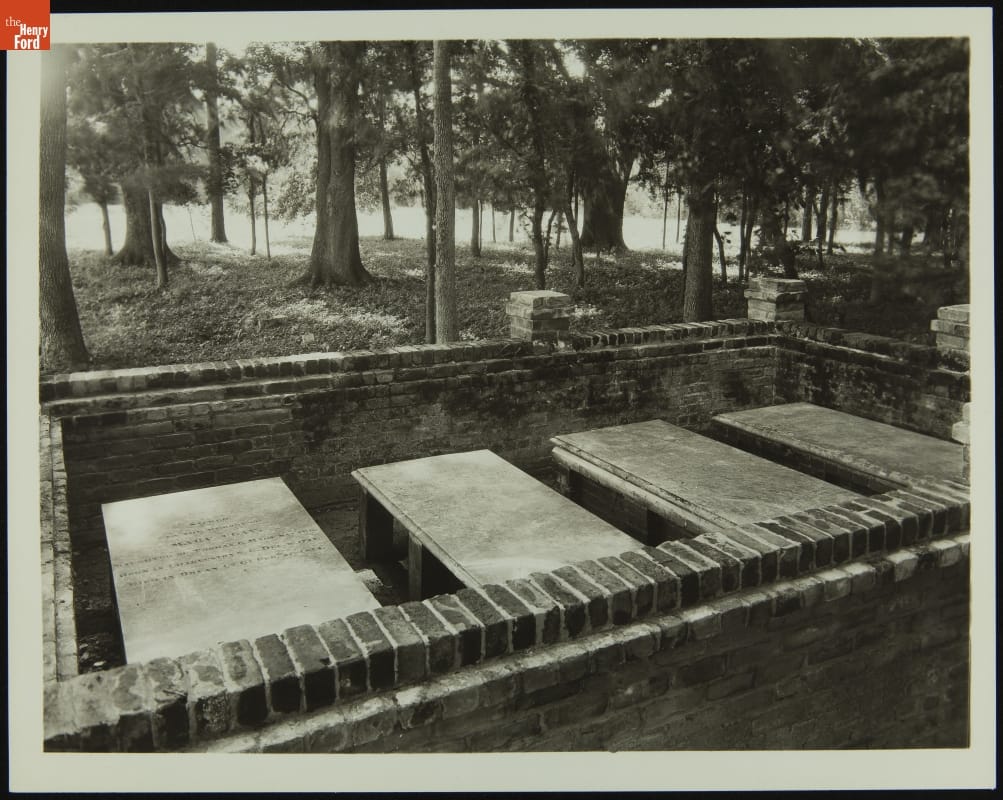
- Burnt Church Cemetery in Richmond Hill, Georgia, circa 1940 - Henry Ford purchased vast amounts of land around present-day Richmond Hill, Georgia, beginning in the 1920s. Ford eventually acquired 85,000 acres -- and even built a winter residence. Located in the area is this historic cemetery. A pre-Civil War Presbyterian Church that served the local plantation community stood nearby, but it burned in 1882. The unfortunate event gave the cemetery its name.
- circa 1940
- Collections - Artifact
Burnt Church Cemetery in Richmond Hill, Georgia, circa 1940
Henry Ford purchased vast amounts of land around present-day Richmond Hill, Georgia, beginning in the 1920s. Ford eventually acquired 85,000 acres -- and even built a winter residence. Located in the area is this historic cemetery. A pre-Civil War Presbyterian Church that served the local plantation community stood nearby, but it burned in 1882. The unfortunate event gave the cemetery its name.
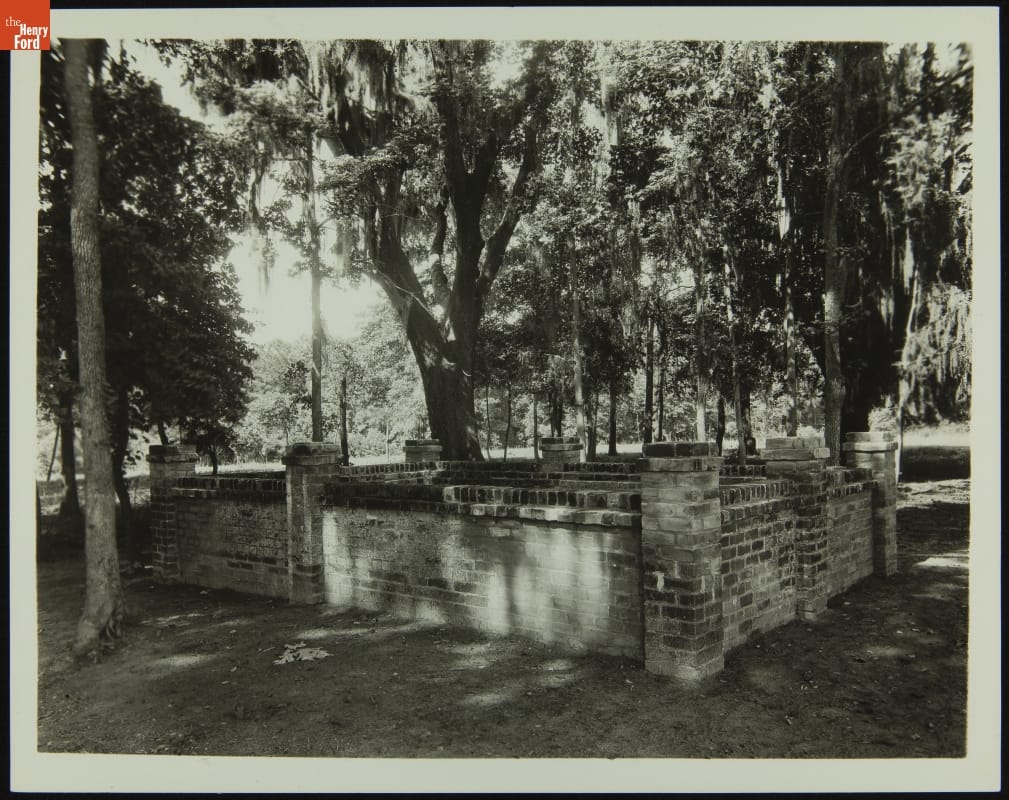
- Burnt Church Cemetery in Richmond Hill, Georgia, circa 1940 - Henry Ford purchased vast amounts of land around present-day Richmond Hill, Georgia, beginning in the 1920s. Ford eventually acquired 85,000 acres -- and even built a winter residence. Located in the area is this historic cemetery. A pre-Civil War Presbyterian Church that served the local plantation community stood nearby, but it burned in 1882. The unfortunate event gave the cemetery its name.
- circa 1940
- Collections - Artifact
Burnt Church Cemetery in Richmond Hill, Georgia, circa 1940
Henry Ford purchased vast amounts of land around present-day Richmond Hill, Georgia, beginning in the 1920s. Ford eventually acquired 85,000 acres -- and even built a winter residence. Located in the area is this historic cemetery. A pre-Civil War Presbyterian Church that served the local plantation community stood nearby, but it burned in 1882. The unfortunate event gave the cemetery its name.
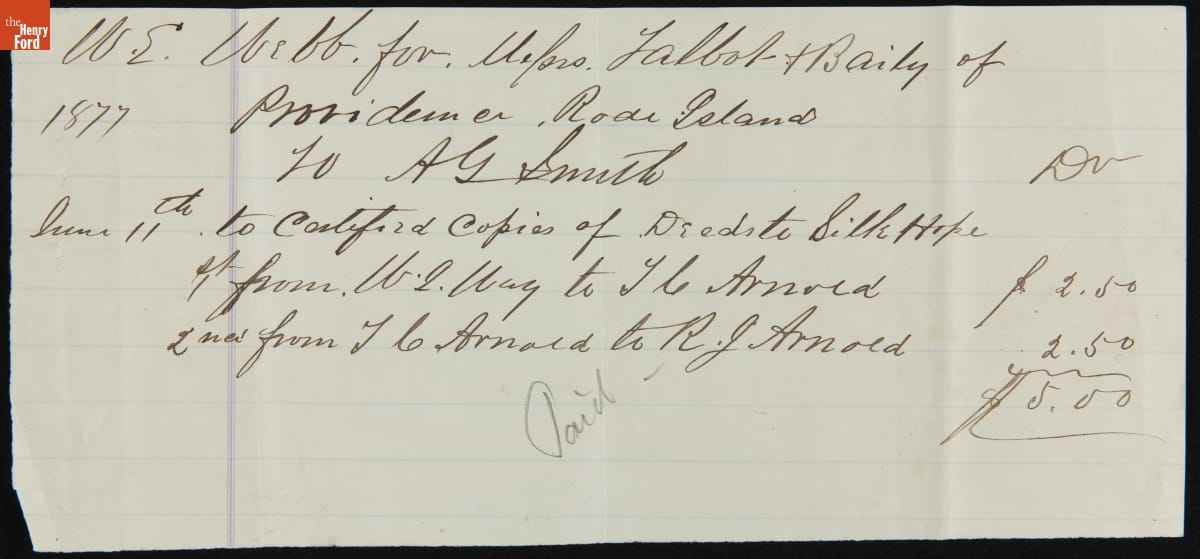
- Receipt of Payment for Certified Copies of Deeds to Silk Hope Plantation, June 11, 1877 -
- June 11, 1877
- Collections - Artifact
Receipt of Payment for Certified Copies of Deeds to Silk Hope Plantation, June 11, 1877
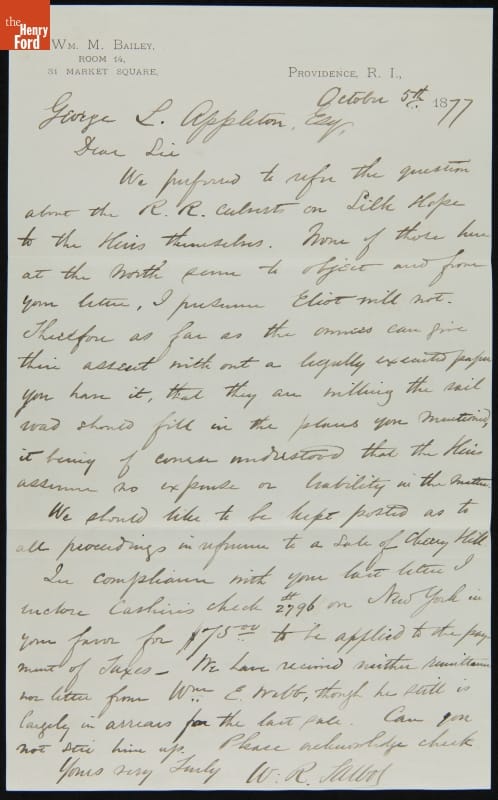
- Letter from William Talbot to George Appleton, October 5, 1877 -
- October 05, 1877
- Collections - Artifact
Letter from William Talbot to George Appleton, October 5, 1877
- Power of Attorney Given from the West Providence Land Company to George Lyman Appleton, January 18, 1878 -
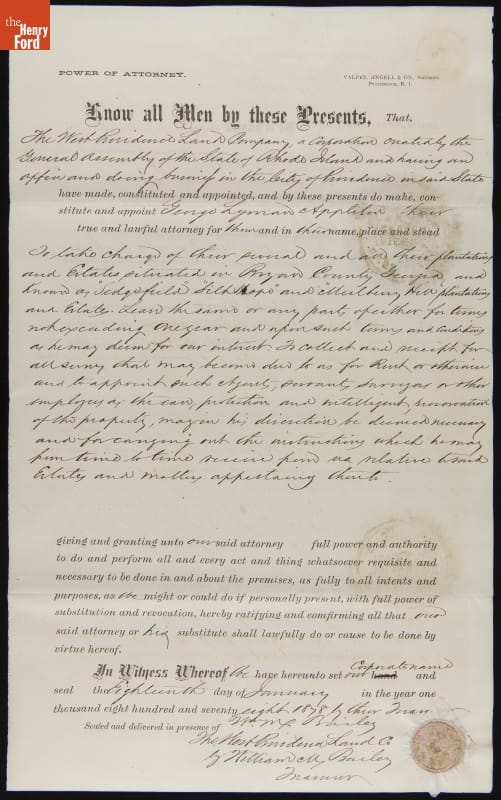
- January 18, 1878
- Collections - Artifact
Power of Attorney Given from the West Providence Land Company to George Lyman Appleton, January 18, 1878
- Letter and Financial Account from William Talbot to George Appleton, October 17, 1877 -
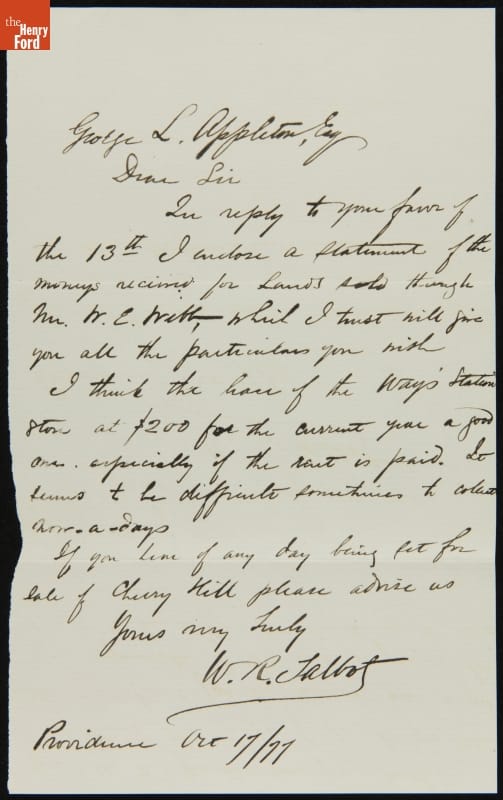
- October 17, 1877
- Collections - Artifact
Letter and Financial Account from William Talbot to George Appleton, October 17, 1877
- Letter from William Talbot to George Appleton, December 29, 1877 -
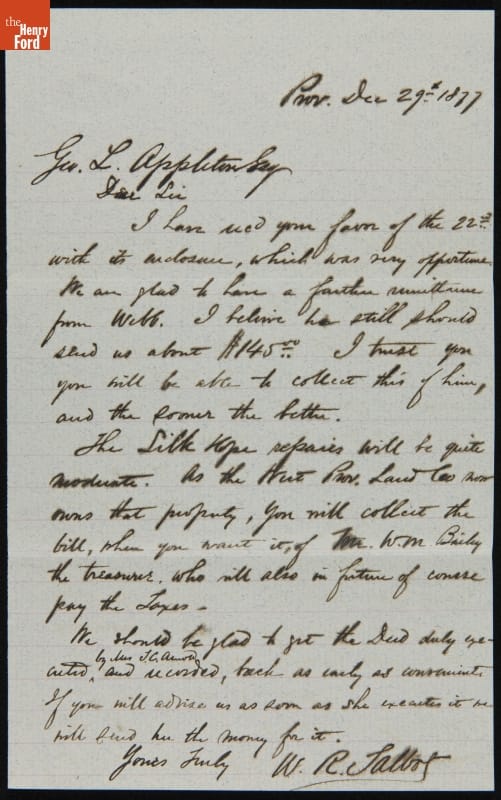
- December 29, 1877
- Collections - Artifact
Letter from William Talbot to George Appleton, December 29, 1877
- Letter from William Talbot to George Appleton, December 1, 1877 -
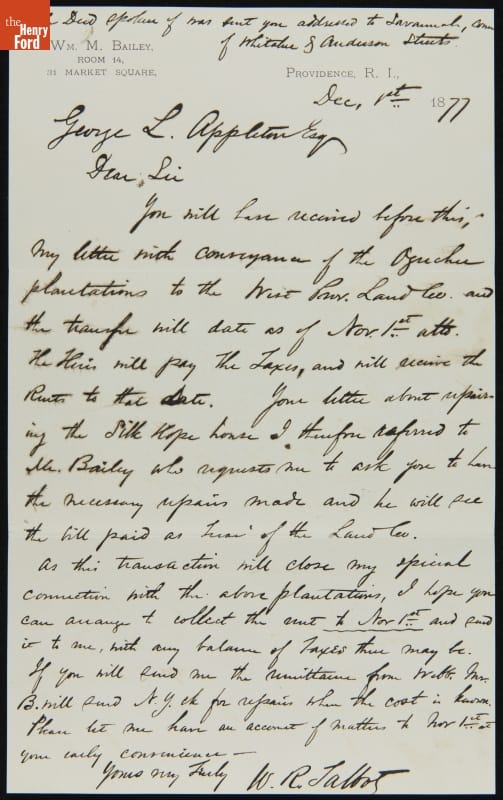
- December 01, 1877
- Collections - Artifact
Letter from William Talbot to George Appleton, December 1, 1877
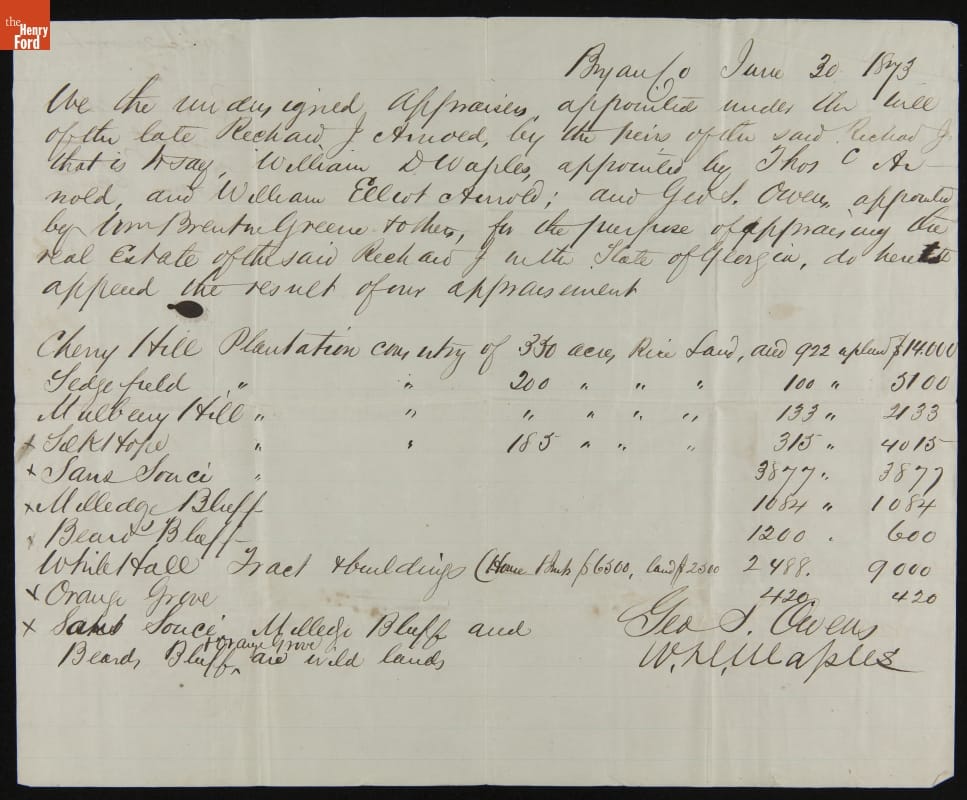
- Appraisal of R. J. Arnold's Bryan County, Georgia Properties, June 30, 1873 -
- June 30, 1873
- Collections - Artifact
Appraisal of R. J. Arnold's Bryan County, Georgia Properties, June 30, 1873
- Burnt Church Cemetery in Richmond Hill, Georgia, circa 1940 - Henry Ford purchased vast amounts of land around present-day Richmond Hill, Georgia, beginning in the 1920s. Ford eventually acquired 85,000 acres -- and even built a winter residence. Located in the area is this historic cemetery. A pre-Civil War Presbyterian Church that served the local plantation community stood nearby, but it burned in 1882. The unfortunate event gave the cemetery its name.
- circa 1940
- Collections - Artifact
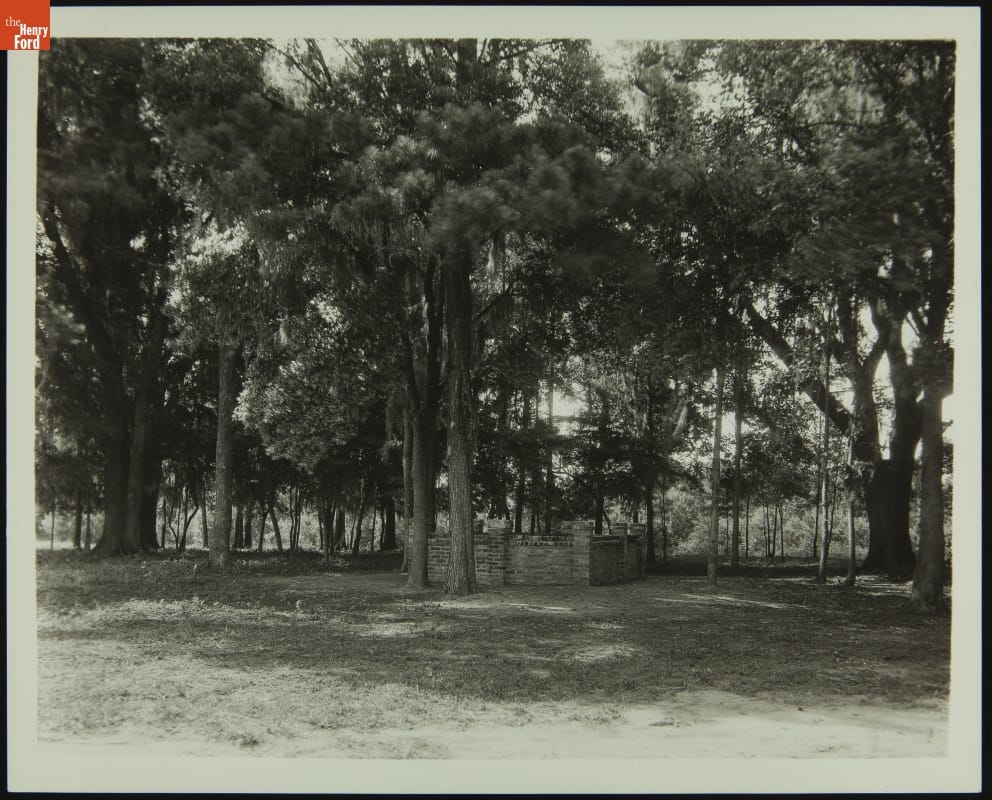
Burnt Church Cemetery in Richmond Hill, Georgia, circa 1940
Henry Ford purchased vast amounts of land around present-day Richmond Hill, Georgia, beginning in the 1920s. Ford eventually acquired 85,000 acres -- and even built a winter residence. Located in the area is this historic cemetery. A pre-Civil War Presbyterian Church that served the local plantation community stood nearby, but it burned in 1882. The unfortunate event gave the cemetery its name.