
Search
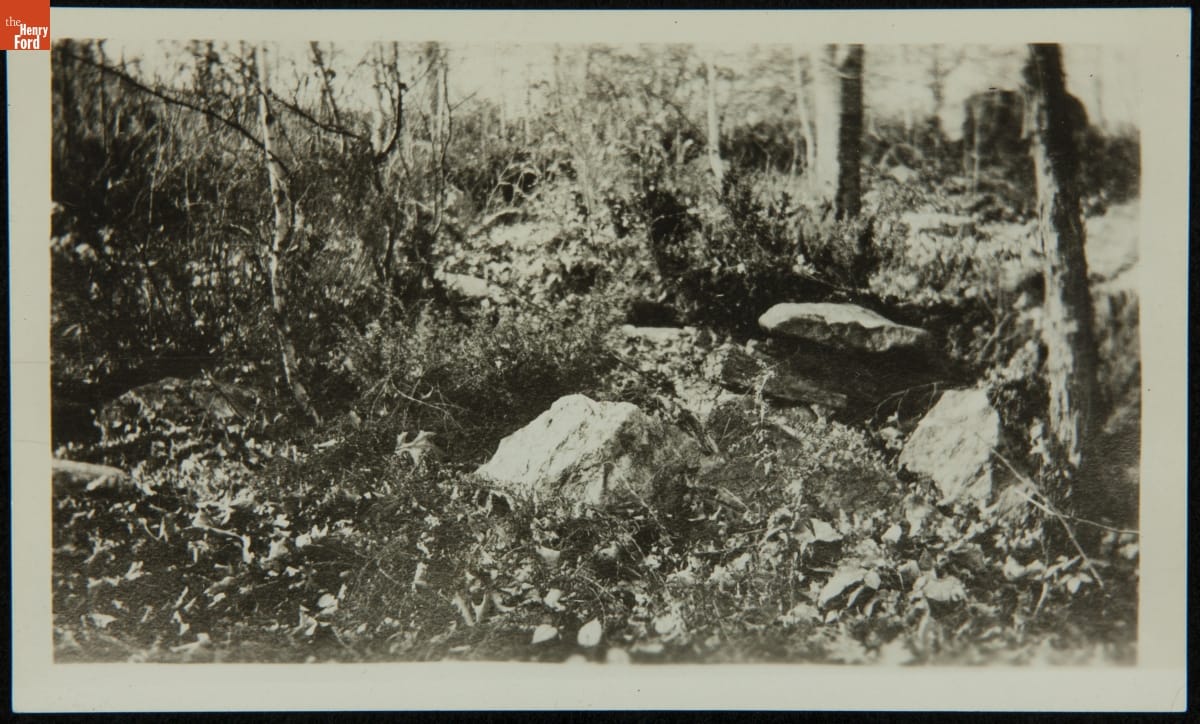
- Hanks Silk Mill--Original Site--Item 03 - As America was taking its first steps towards industrialization, the Hanks family of Mansfield, Connecticut, made early attempts to mechanize the production of silk thread. In 1810, Rodney Hanks and his nephew Horatio Hanks built America's first water powered silk mill. Henry Ford moved the mill to Greenfield Village in 1932. This photograph shows the landscape from the mill's original site at that time.
- October 27, 1931
- Collections - Artifact
Hanks Silk Mill--Original Site--Item 03
As America was taking its first steps towards industrialization, the Hanks family of Mansfield, Connecticut, made early attempts to mechanize the production of silk thread. In 1810, Rodney Hanks and his nephew Horatio Hanks built America's first water powered silk mill. Henry Ford moved the mill to Greenfield Village in 1932. This photograph shows the landscape from the mill's original site at that time.
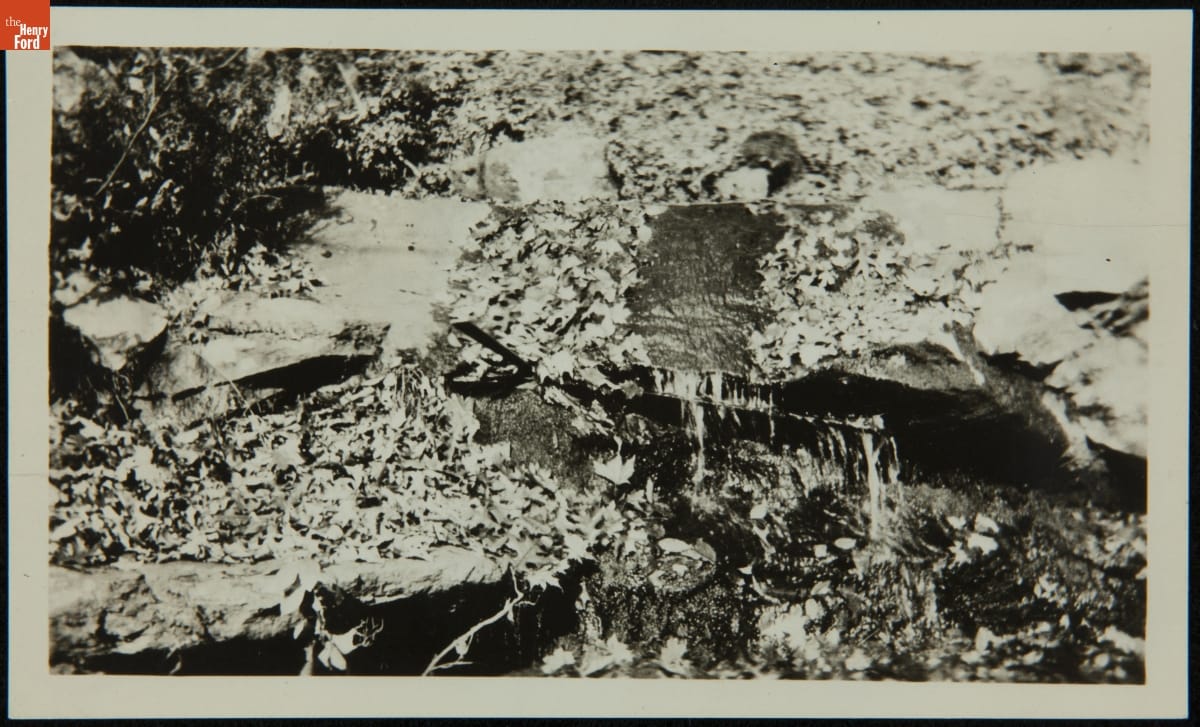
- Hanks Silk Mill--Original Site--Item 04 - As America was taking its first steps towards industrialization, the Hanks family of Mansfield, Connecticut, made early attempts to mechanize the production of silk thread. In 1810, Rodney Hanks and his nephew Horatio Hanks built America's first water powered silk mill. Henry Ford moved the mill to Greenfield Village in 1932. This photograph shows the landscape from the mill's original site at that time.
- October 27, 1931
- Collections - Artifact
Hanks Silk Mill--Original Site--Item 04
As America was taking its first steps towards industrialization, the Hanks family of Mansfield, Connecticut, made early attempts to mechanize the production of silk thread. In 1810, Rodney Hanks and his nephew Horatio Hanks built America's first water powered silk mill. Henry Ford moved the mill to Greenfield Village in 1932. This photograph shows the landscape from the mill's original site at that time.
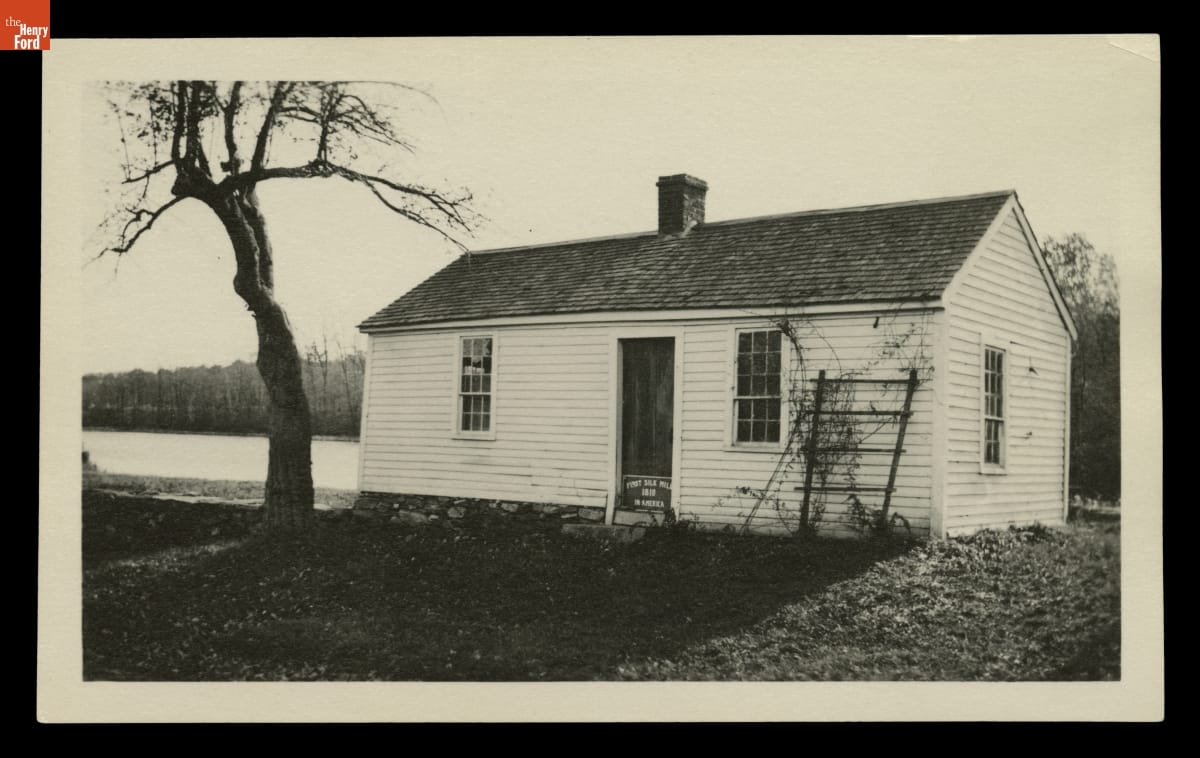
- Hanks Silk Mill at Its Original Site, Mansfield Center, Connecticut, 1931 -
- October 26, 1931
- Collections - Artifact
Hanks Silk Mill at Its Original Site, Mansfield Center, Connecticut, 1931
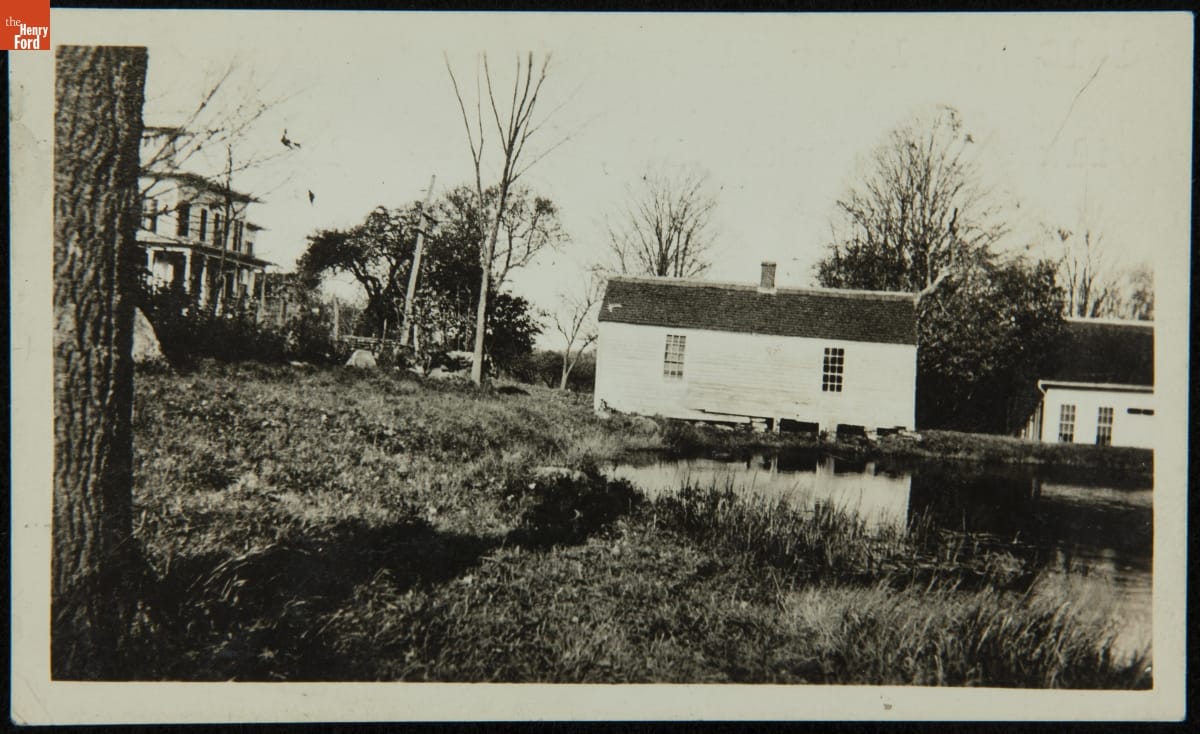
- Hanks Silk Mill--Original Site--Item 11 - As America was taking its first steps towards industrialization, the Hanks family of Mansfield, Connecticut, made early attempts to mechanize the production of silk thread. In 1810, Rodney Hanks and his nephew Horatio Hanks built America's first water powered silk mill. Henry Ford moved the mill, seen here at its original location, to Greenfield Village in 1932.
- October 27, 1931
- Collections - Artifact
Hanks Silk Mill--Original Site--Item 11
As America was taking its first steps towards industrialization, the Hanks family of Mansfield, Connecticut, made early attempts to mechanize the production of silk thread. In 1810, Rodney Hanks and his nephew Horatio Hanks built America's first water powered silk mill. Henry Ford moved the mill, seen here at its original location, to Greenfield Village in 1932.
- Hanks Silk Mill--Original Site--Item 12 - As America was taking its first steps towards industrialization, the Hanks family of Mansfield, Connecticut, made early attempts to mechanize the production of silk thread. In 1810, Rodney Hanks and his nephew Horatio Hanks built America's first water powered silk mill. Henry Ford moved the mill, seen here at its original location, to Greenfield Village in 1932.
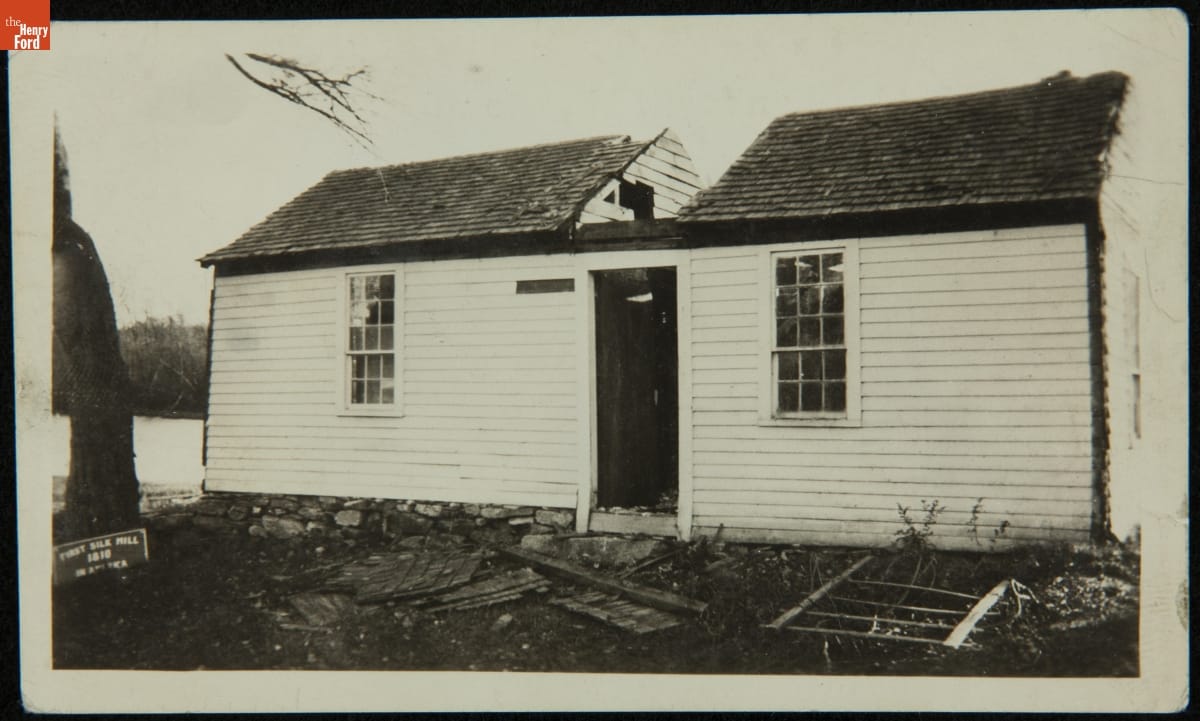
- October 28, 1931
- Collections - Artifact
Hanks Silk Mill--Original Site--Item 12
As America was taking its first steps towards industrialization, the Hanks family of Mansfield, Connecticut, made early attempts to mechanize the production of silk thread. In 1810, Rodney Hanks and his nephew Horatio Hanks built America's first water powered silk mill. Henry Ford moved the mill, seen here at its original location, to Greenfield Village in 1932.
- Hanks Silk Mill - As America was taking its first steps towards industrialization, the Hanks family of Mansfield, Connecticut, made early attempts to mechanize the production of silk thread. Rodney Hanks and his nephew Horatio Hanks built this mill in 1810. It was the first silk mill in America, producing some of the first silk with machines that were powered by a waterwheel.
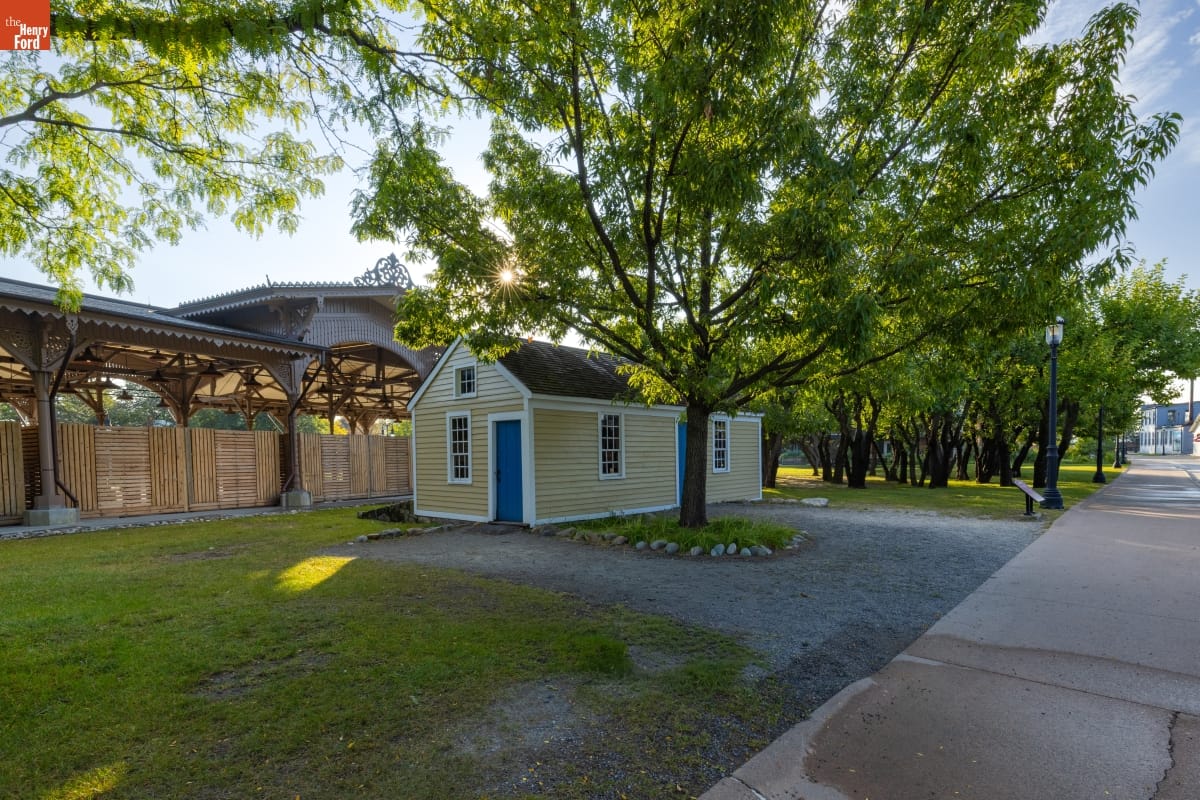
- 1810
- Collections - Artifact
Hanks Silk Mill
As America was taking its first steps towards industrialization, the Hanks family of Mansfield, Connecticut, made early attempts to mechanize the production of silk thread. Rodney Hanks and his nephew Horatio Hanks built this mill in 1810. It was the first silk mill in America, producing some of the first silk with machines that were powered by a waterwheel.
- Hanks Silk Mill--Original Site--Item 01 - As America was taking its first steps towards industrialization, the Hanks family of Mansfield, Connecticut, made early attempts to mechanize the production of silk thread. In 1810, Rodney Hanks and his nephew Horatio Hanks built America's first water powered silk mill. Henry Ford moved the mill to Greenfield Village in 1932. This photograph shows the landscape from the mill's original site at that time.
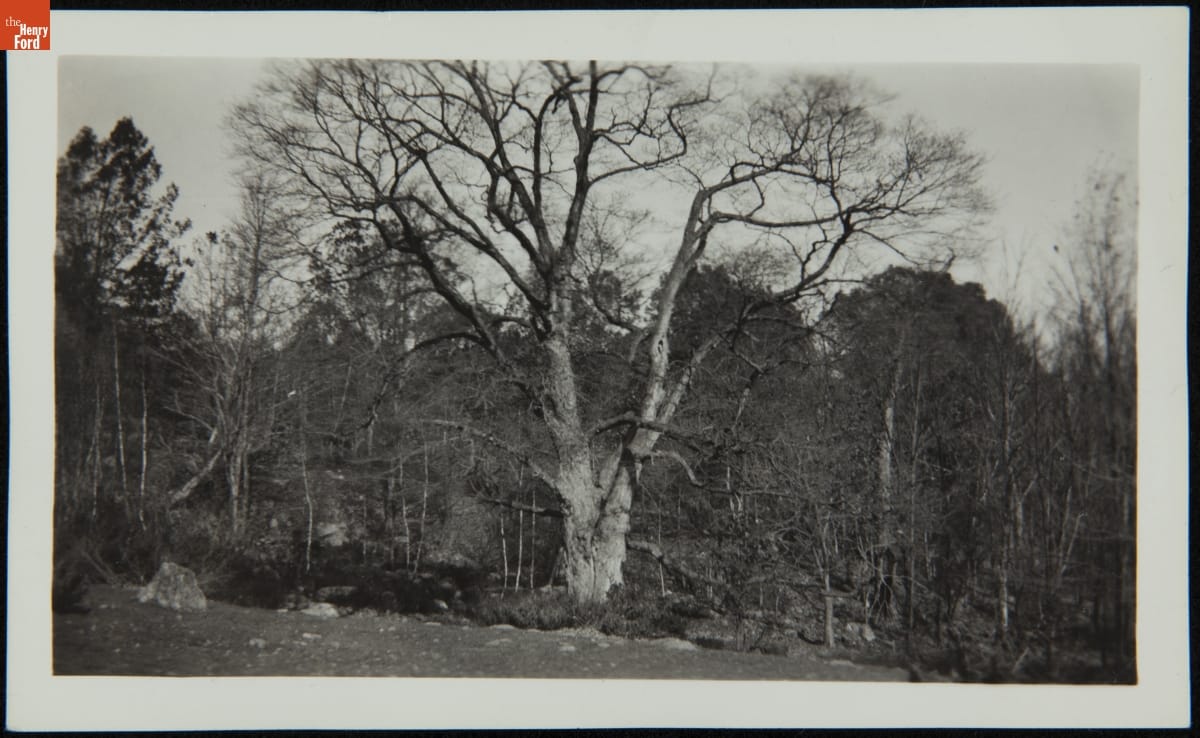
- October 27, 1931
- Collections - Artifact
Hanks Silk Mill--Original Site--Item 01
As America was taking its first steps towards industrialization, the Hanks family of Mansfield, Connecticut, made early attempts to mechanize the production of silk thread. In 1810, Rodney Hanks and his nephew Horatio Hanks built America's first water powered silk mill. Henry Ford moved the mill to Greenfield Village in 1932. This photograph shows the landscape from the mill's original site at that time.
- Hanks Silk Mill--Original Site--Item 02 - As America was taking its first steps towards industrialization, the Hanks family of Mansfield, Connecticut, made early attempts to mechanize the production of silk thread. In 1810, Rodney Hanks and his nephew Horatio Hanks built America's first water powered silk mill. Henry Ford moved the mill to Greenfield Village in 1932. This photograph shows the landscape from the mill's original site at that time.
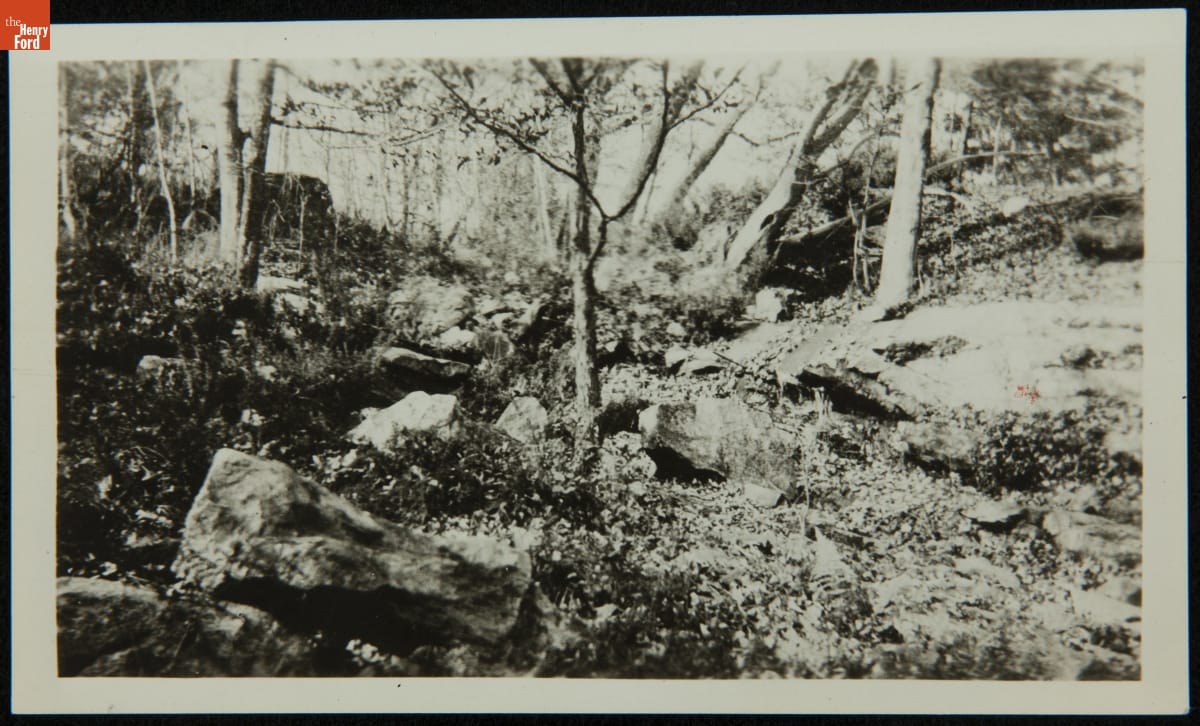
- October 27, 1931
- Collections - Artifact
Hanks Silk Mill--Original Site--Item 02
As America was taking its first steps towards industrialization, the Hanks family of Mansfield, Connecticut, made early attempts to mechanize the production of silk thread. In 1810, Rodney Hanks and his nephew Horatio Hanks built America's first water powered silk mill. Henry Ford moved the mill to Greenfield Village in 1932. This photograph shows the landscape from the mill's original site at that time.
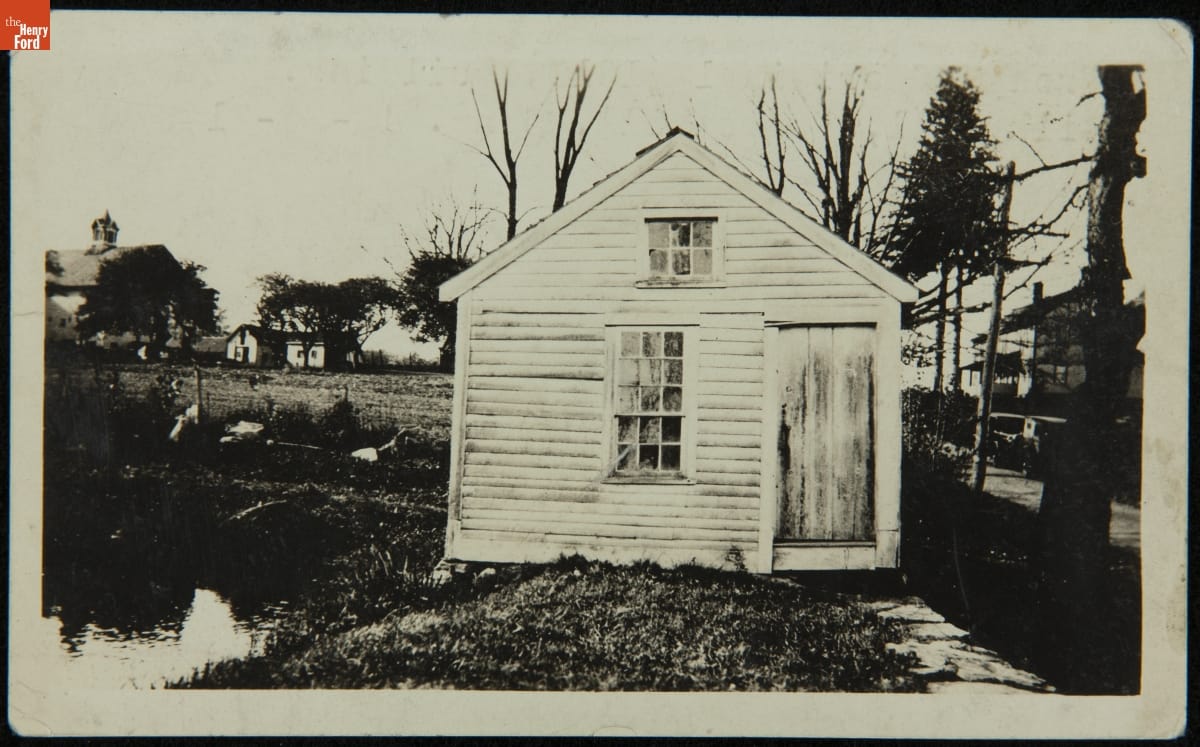
- Hanks Silk Mill--Original Site--Item 06 - As America was taking its first steps towards industrialization, the Hanks family of Mansfield, Connecticut, made early attempts to mechanize the production of silk thread. In 1810, Rodney Hanks and his nephew Horatio Hanks built America's first water powered silk mill. Henry Ford moved the mill, seen here at its original location, to Greenfield Village in 1932.
- October 26, 1931
- Collections - Artifact
Hanks Silk Mill--Original Site--Item 06
As America was taking its first steps towards industrialization, the Hanks family of Mansfield, Connecticut, made early attempts to mechanize the production of silk thread. In 1810, Rodney Hanks and his nephew Horatio Hanks built America's first water powered silk mill. Henry Ford moved the mill, seen here at its original location, to Greenfield Village in 1932.
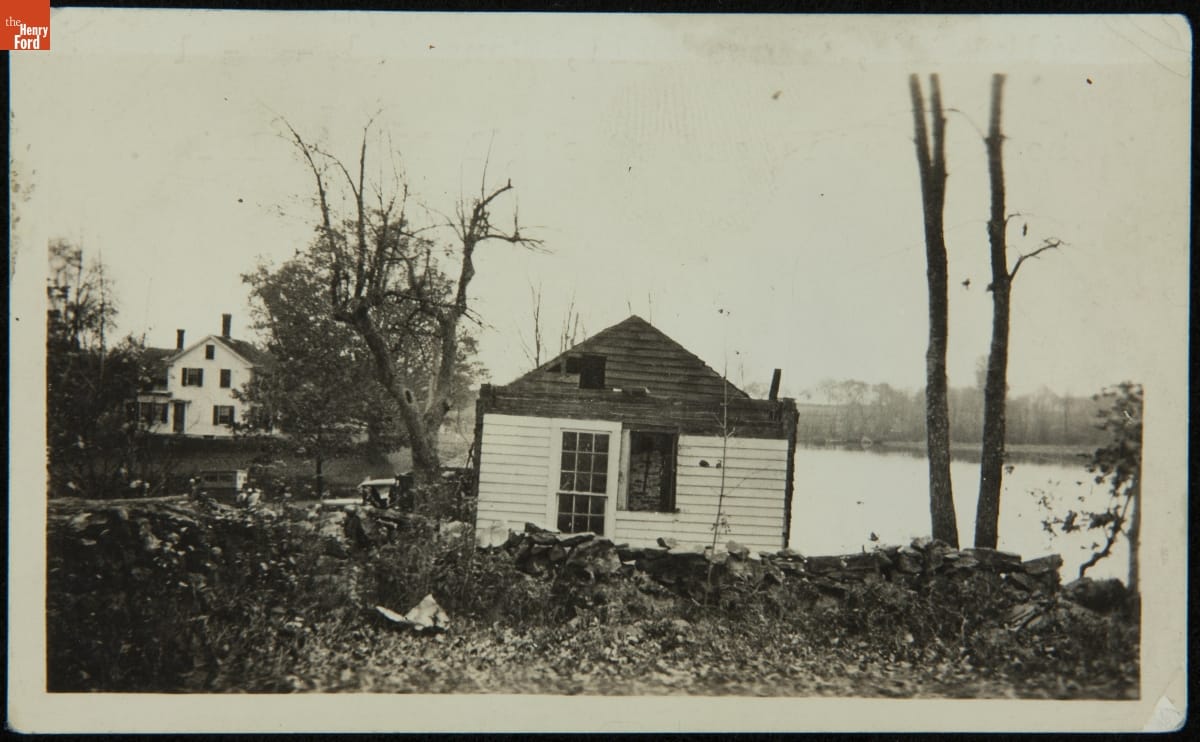
- Hanks Silk Mill--Original Site--Item 08 - As America was taking its first steps towards industrialization, the Hanks family of Mansfield, Connecticut, made early attempts to mechanize the production of silk thread. In 1810, Rodney Hanks and his nephew Horatio Hanks built America's first water powered silk mill. Henry Ford moved the mill, seen here at its original location, to Greenfield Village in 1932.
- October 28, 1931
- Collections - Artifact
Hanks Silk Mill--Original Site--Item 08
As America was taking its first steps towards industrialization, the Hanks family of Mansfield, Connecticut, made early attempts to mechanize the production of silk thread. In 1810, Rodney Hanks and his nephew Horatio Hanks built America's first water powered silk mill. Henry Ford moved the mill, seen here at its original location, to Greenfield Village in 1932.