
Search
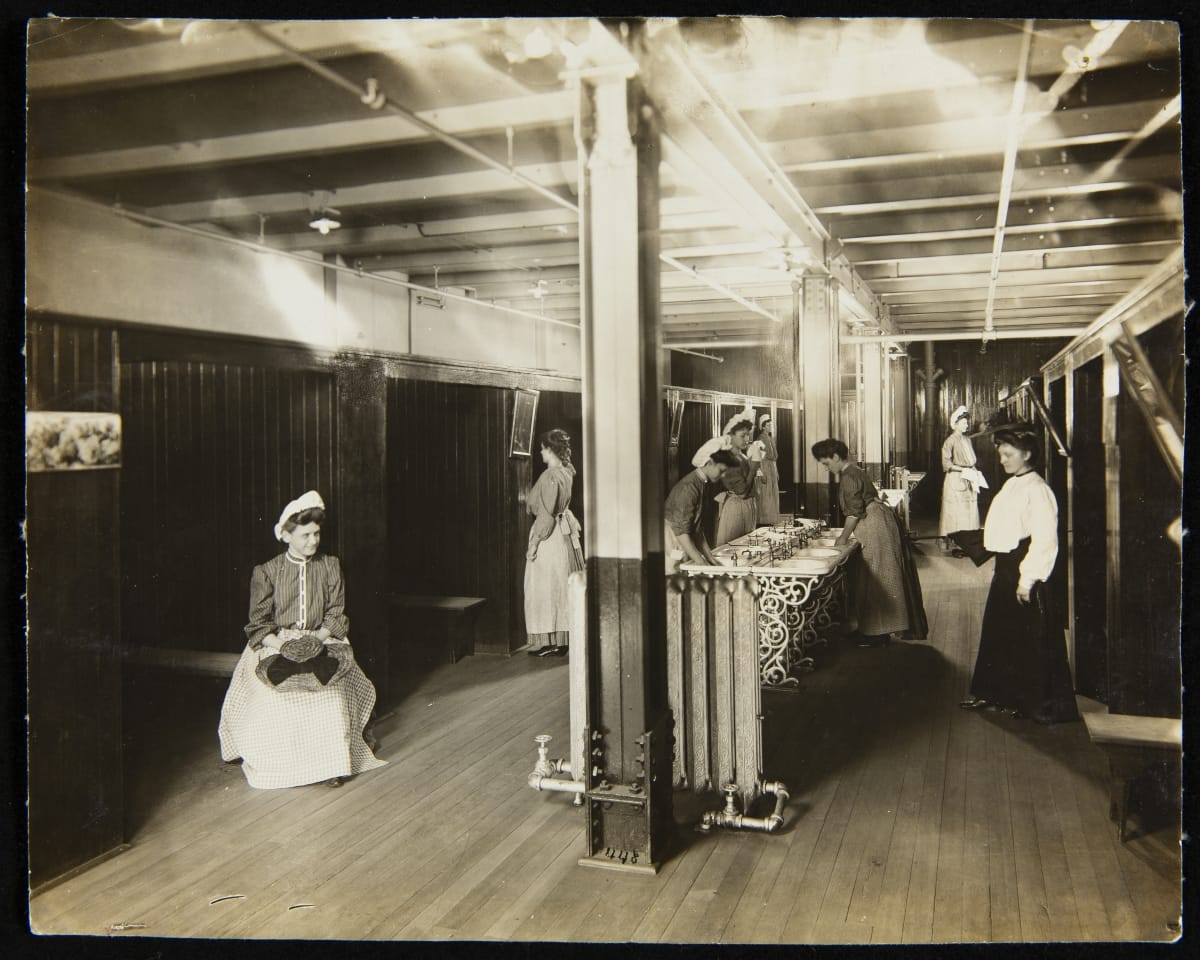
- Employee Dressing Room at the H. J. Heinz Main Plant, Pittsburgh, Pennsylvania, 1904 - The H.J. Heinz Company was at the forefront of the employee welfare movement during the late 19th and early 20th centuries. Employees were provided with conveniences and amenities, such as the ladies dressing room (seen here). Within the dressing room, women were provided with their own locker and had access to restrooms, showers, and even emergency hospital beds with "free services of an on-call company physician."
- 1904
- Collections - Artifact
Employee Dressing Room at the H. J. Heinz Main Plant, Pittsburgh, Pennsylvania, 1904
The H.J. Heinz Company was at the forefront of the employee welfare movement during the late 19th and early 20th centuries. Employees were provided with conveniences and amenities, such as the ladies dressing room (seen here). Within the dressing room, women were provided with their own locker and had access to restrooms, showers, and even emergency hospital beds with "free services of an on-call company physician."
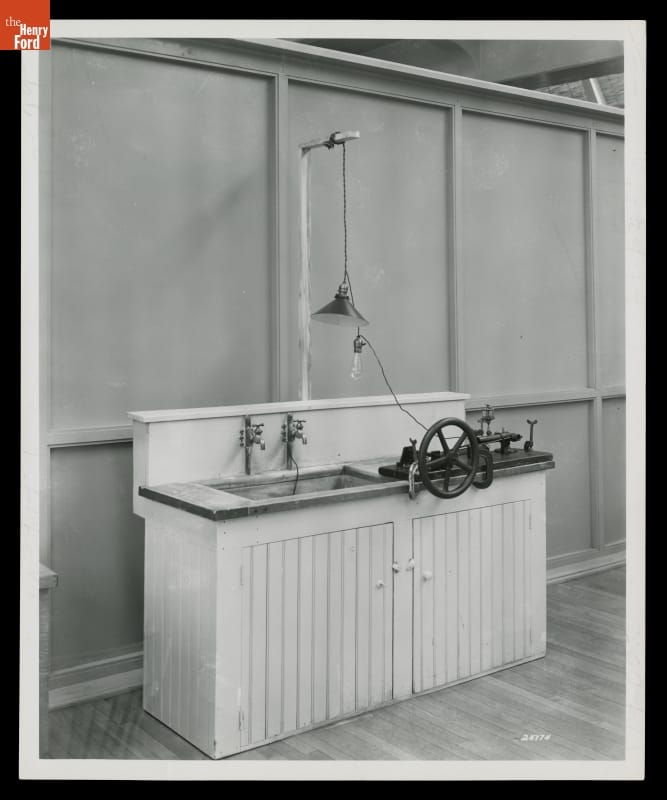
- Henry Ford's 1893 Gasoline "Kitchen Sink" Engine, Photographed in 1939 - Henry Ford built his first experimental engine using scrap metal for parts. He tested it on the kitchen sink after supper on December 24, 1893. For ignition he ran a wire from the ceiling's light bulb. His wife Clara hand-fed gasoline to the intake valve while Henry spun the flywheel. The engine roared into action, shaking the sink.
- April 16, 1939
- Collections - Artifact
Henry Ford's 1893 Gasoline "Kitchen Sink" Engine, Photographed in 1939
Henry Ford built his first experimental engine using scrap metal for parts. He tested it on the kitchen sink after supper on December 24, 1893. For ignition he ran a wire from the ceiling's light bulb. His wife Clara hand-fed gasoline to the intake valve while Henry spun the flywheel. The engine roared into action, shaking the sink.
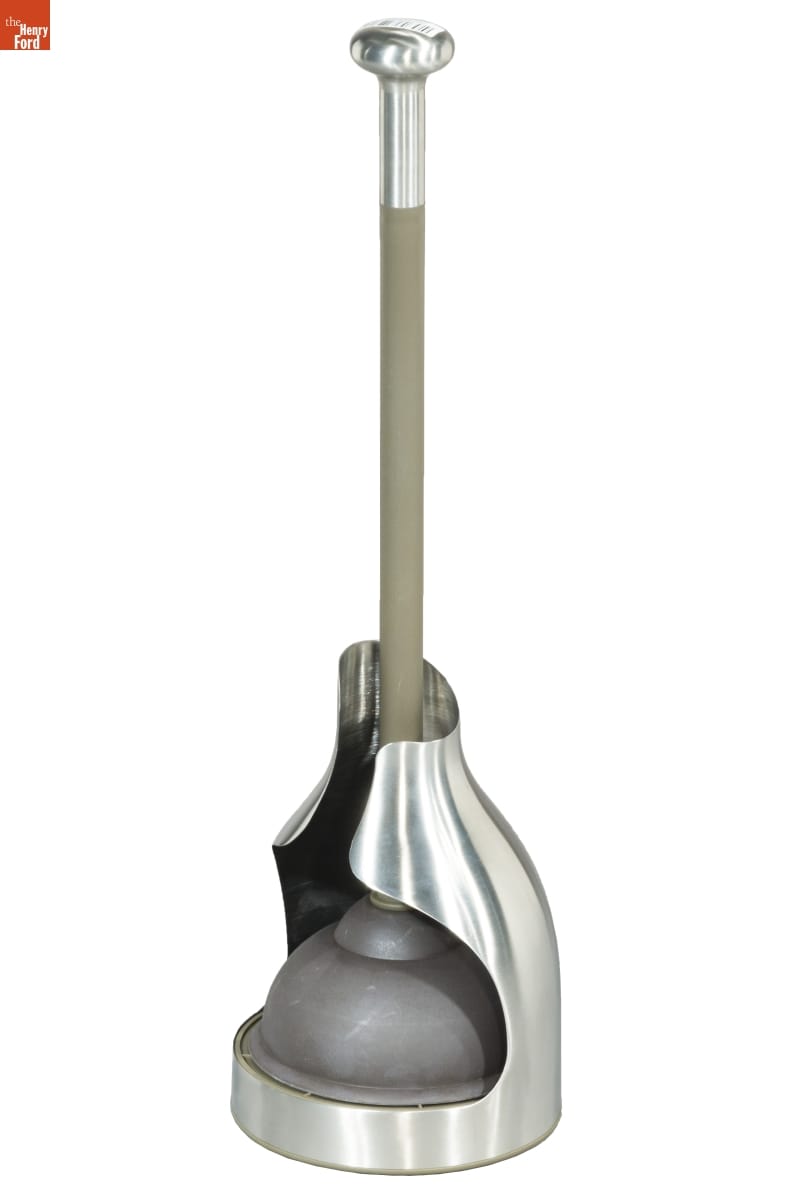
- Stainless Steel Plunger with Holder, 2013 - Starting in the early 1980s--and already established as an internationally recognized architect--Michael Graves began to pursue a parallel career as a product designer. Over the following three and a half decades he and his collaborators designed everything from humble household goods to limited edition luxury items for clients as diverse as Steuben, Alessi, Target, J. C. Penney, and Disney.
- 2013
- Collections - Artifact
Stainless Steel Plunger with Holder, 2013
Starting in the early 1980s--and already established as an internationally recognized architect--Michael Graves began to pursue a parallel career as a product designer. Over the following three and a half decades he and his collaborators designed everything from humble household goods to limited edition luxury items for clients as diverse as Steuben, Alessi, Target, J. C. Penney, and Disney.
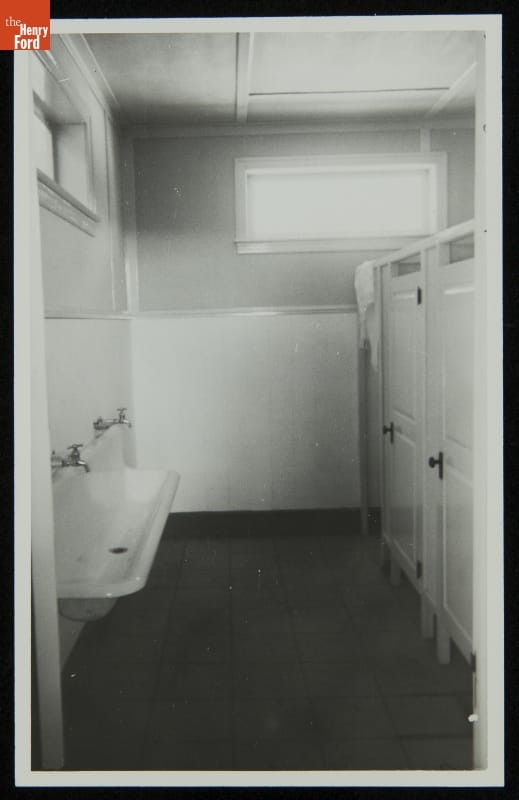
- Wash Room inside Benson Ford School, Belterra, Brazil, circa 1942 - Along with Fordlandia, Belterra was established by Henry Ford in the Brazilian rainforest to supply rubber for automobile production. Modeled after small-town America, Belterra had a grid-like street system lined with American-style homes. The city was also equipped with recreational facilities, a hospital, a dentist's office, and a school that provided its students with pencils, books and uniforms.
- circa 1942
- Collections - Artifact
Wash Room inside Benson Ford School, Belterra, Brazil, circa 1942
Along with Fordlandia, Belterra was established by Henry Ford in the Brazilian rainforest to supply rubber for automobile production. Modeled after small-town America, Belterra had a grid-like street system lined with American-style homes. The city was also equipped with recreational facilities, a hospital, a dentist's office, and a school that provided its students with pencils, books and uniforms.
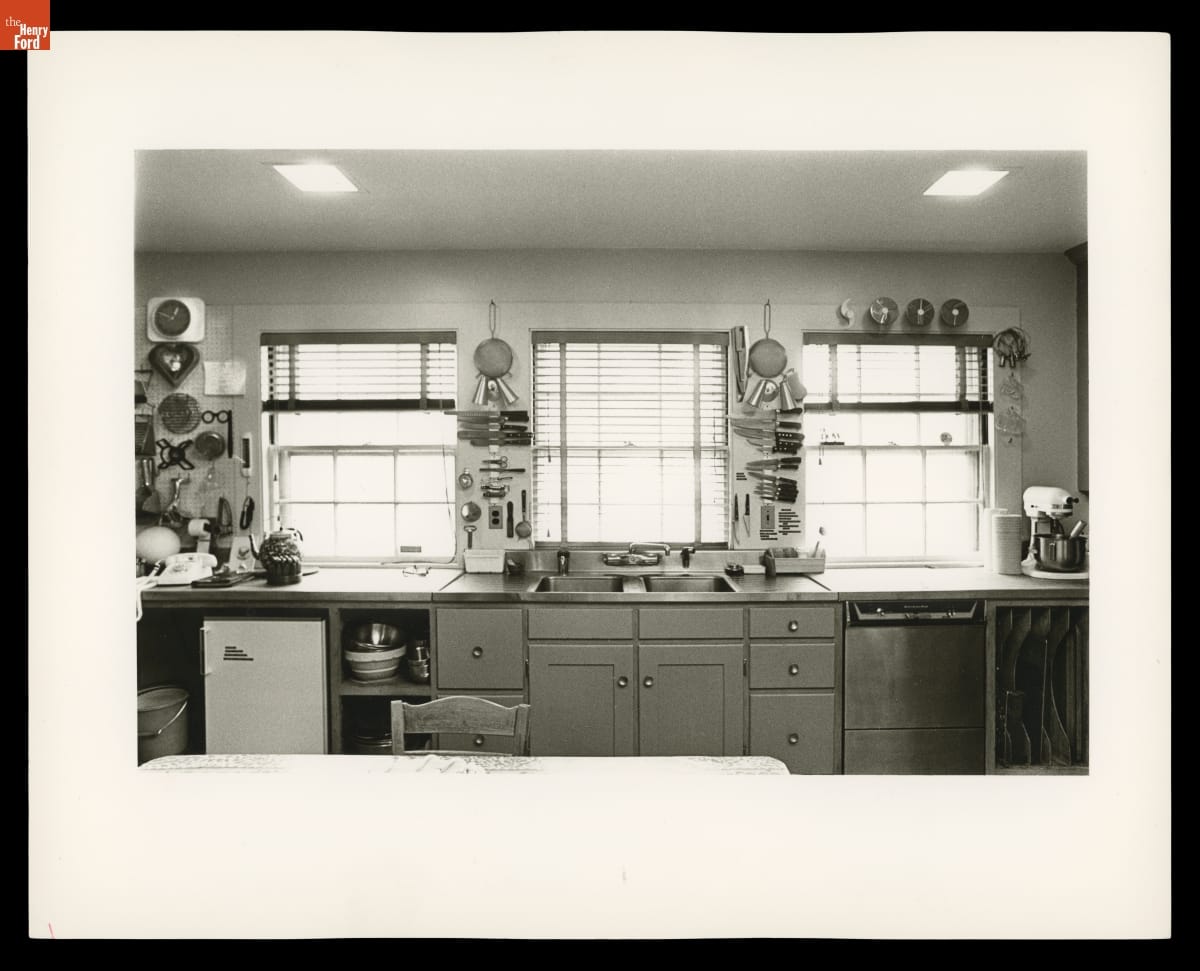
- Cutting and Mixing Areas in Julia Child's Kitchen, 1977 - In 1977, "Julia's Kitchen: A Design Anatomy" was published as the first in a series of "design anatomies" by <em>Design Quarterly</em>. In this issue, designer Bill Stumpf and his team examined how Julia Child -- a chef well-versed in the functions of a kitchen -- designed her own kitchen. Numerous sketches and photographs, as well as hours of interviews with Paul and Julia Child, informed the issue.
- 1977
- Collections - Artifact
Cutting and Mixing Areas in Julia Child's Kitchen, 1977
In 1977, "Julia's Kitchen: A Design Anatomy" was published as the first in a series of "design anatomies" by Design Quarterly. In this issue, designer Bill Stumpf and his team examined how Julia Child -- a chef well-versed in the functions of a kitchen -- designed her own kitchen. Numerous sketches and photographs, as well as hours of interviews with Paul and Julia Child, informed the issue.
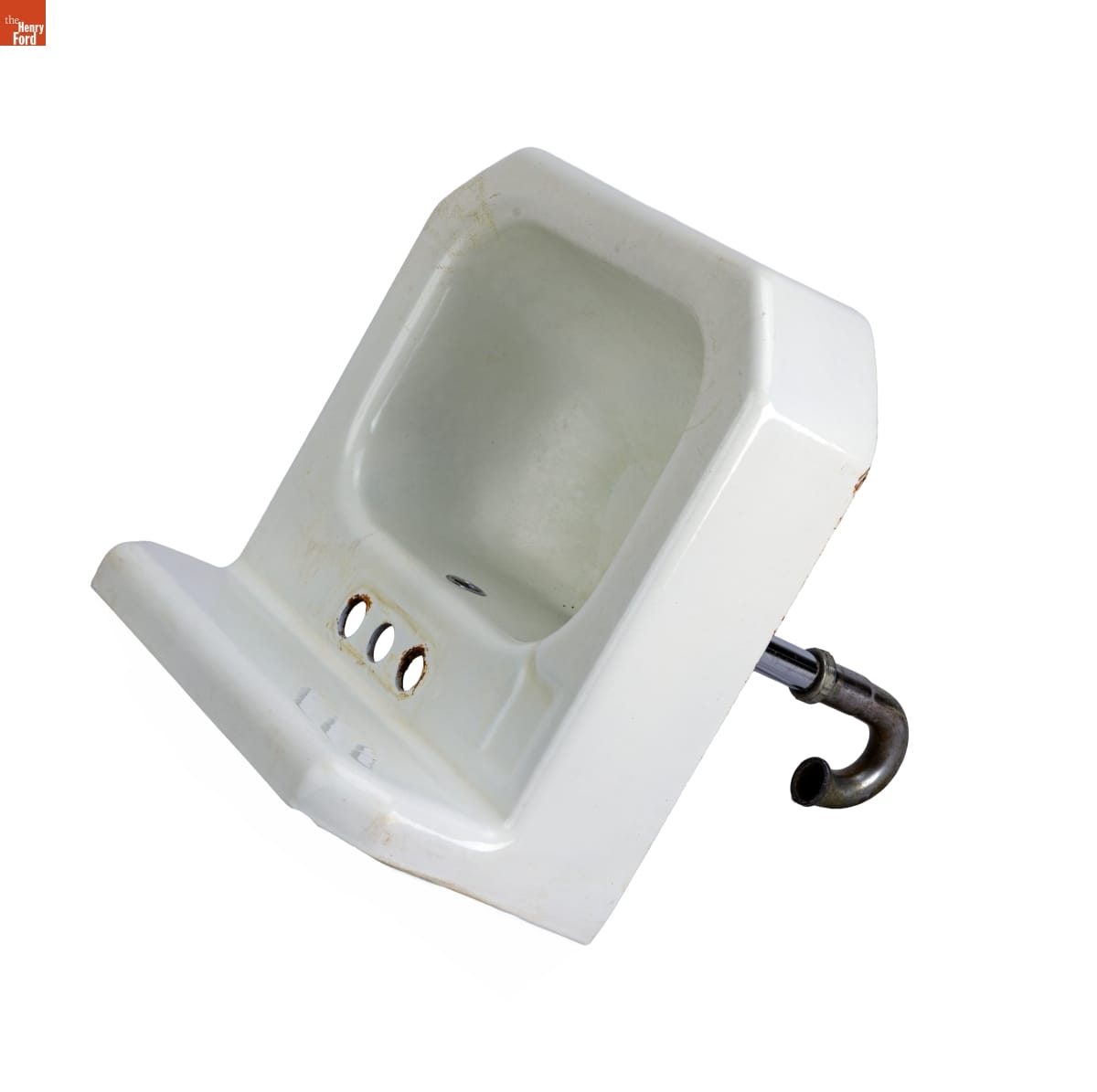
- Bathroom Sink Used by the Jackson Family, Selma, Alabama - In 2023, The Henry Ford acquired the Selma, Alabama, home of Dr. Sullivan and Richie Jean Sherrod Jackson, where Dr. Martin Luther King and Civil Rights leaders planned the 1965 Selma-to-Montgomery Voting Rights marches. The Jackson Home opened in Greenfield Village in 2026. The home and its contents not only document the voting rights struggle but also shed light on 20th-century Black American middle-class life.
- Collections - Artifact
Bathroom Sink Used by the Jackson Family, Selma, Alabama
In 2023, The Henry Ford acquired the Selma, Alabama, home of Dr. Sullivan and Richie Jean Sherrod Jackson, where Dr. Martin Luther King and Civil Rights leaders planned the 1965 Selma-to-Montgomery Voting Rights marches. The Jackson Home opened in Greenfield Village in 2026. The home and its contents not only document the voting rights struggle but also shed light on 20th-century Black American middle-class life.
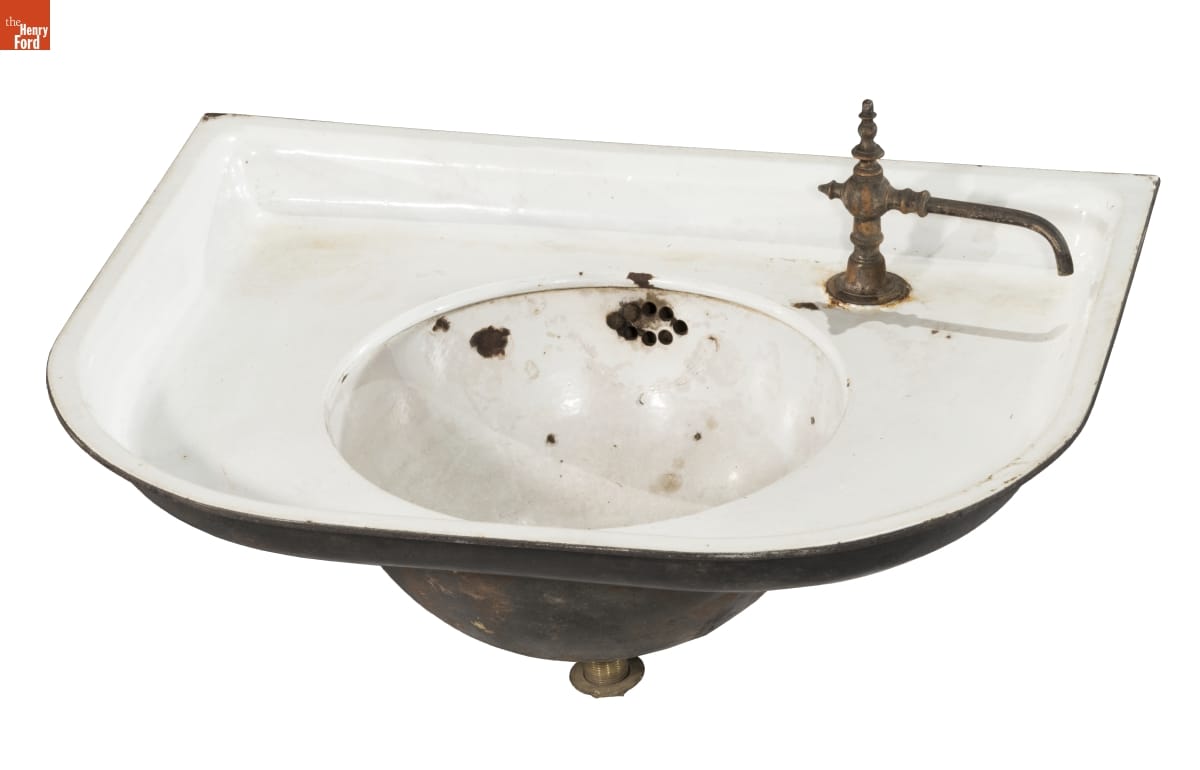
- J.L. Mott Iron Works Bathroom Sink, circa 1875 -
- circa 1875
- Collections - Artifact
J.L. Mott Iron Works Bathroom Sink, circa 1875
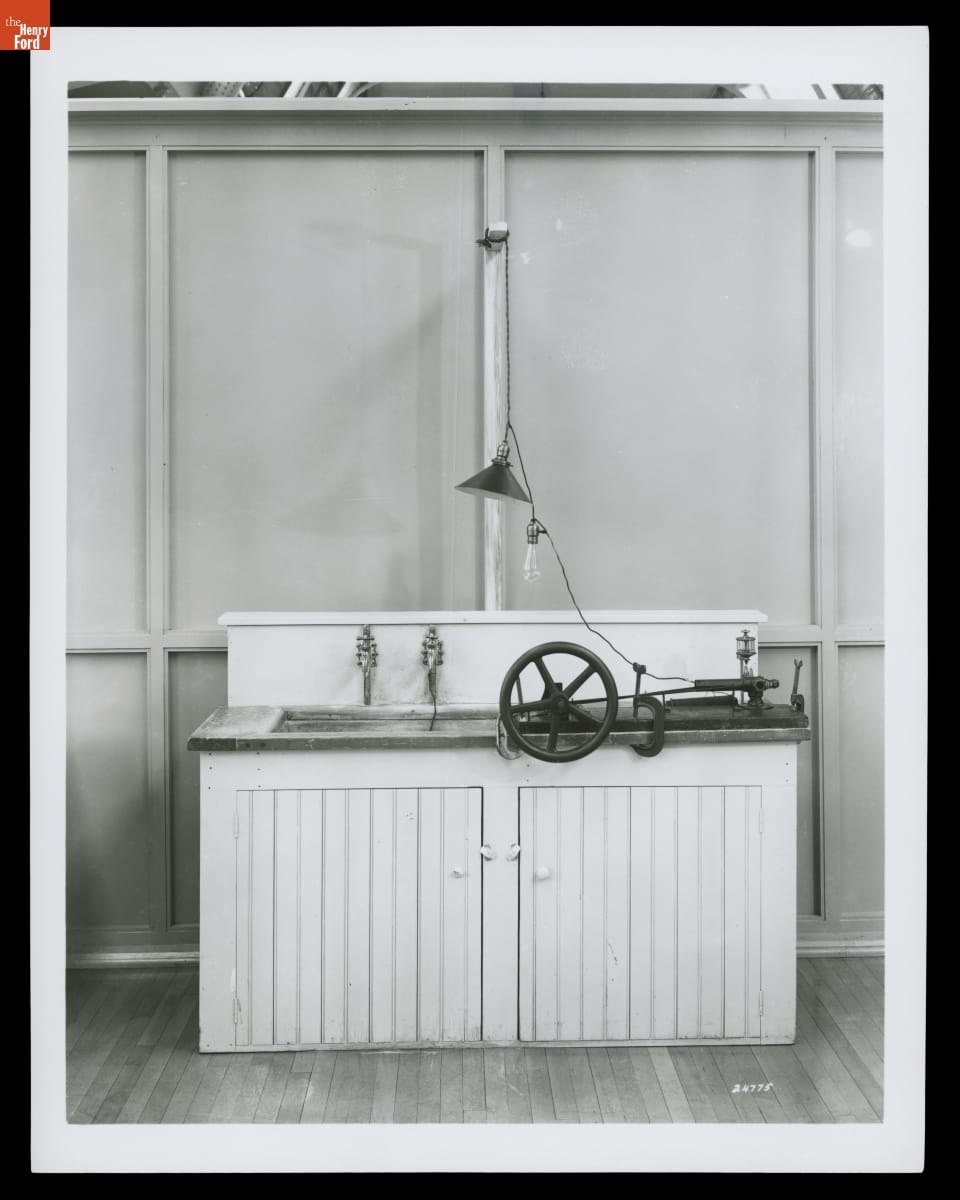
- Henry Ford's First Gasoline Engine, Mounted on Kitchen Sink, 1939 - Henry Ford built his first experimental engine using scrap metal for parts. He tested it on the kitchen sink after supper on December 24, 1893. For ignition he ran a wire from the ceiling's light bulb. His wife Clara hand-fed gasoline to the intake valve while Henry spun the flywheel. The engine roared into action, shaking the sink.
- April 16, 1939
- Collections - Artifact
Henry Ford's First Gasoline Engine, Mounted on Kitchen Sink, 1939
Henry Ford built his first experimental engine using scrap metal for parts. He tested it on the kitchen sink after supper on December 24, 1893. For ignition he ran a wire from the ceiling's light bulb. His wife Clara hand-fed gasoline to the intake valve while Henry spun the flywheel. The engine roared into action, shaking the sink.
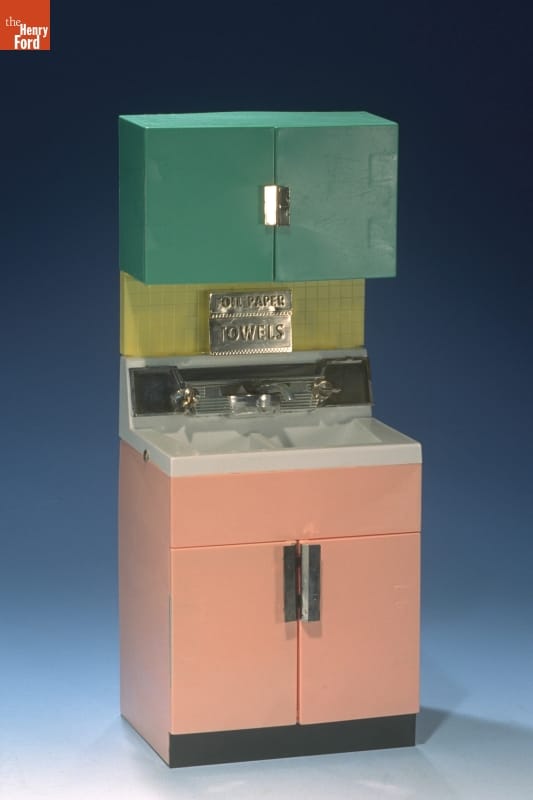
- "Dream Kitchen" Toy Sink, 1963 - Kids love to play grown-up. In the early 1960s, the Deluxe Reading Corporation produced a miniature set of "Dream Kitchen" appliances -- refrigerator, stove, sink, and dishwasher (and a table and chairs). The complete set included plastic dishes and replica food and product boxes that little hands could place in and around the appliances, pretending to be just like mom or dad.
- 1963
- Collections - Artifact
"Dream Kitchen" Toy Sink, 1963
Kids love to play grown-up. In the early 1960s, the Deluxe Reading Corporation produced a miniature set of "Dream Kitchen" appliances -- refrigerator, stove, sink, and dishwasher (and a table and chairs). The complete set included plastic dishes and replica food and product boxes that little hands could place in and around the appliances, pretending to be just like mom or dad.
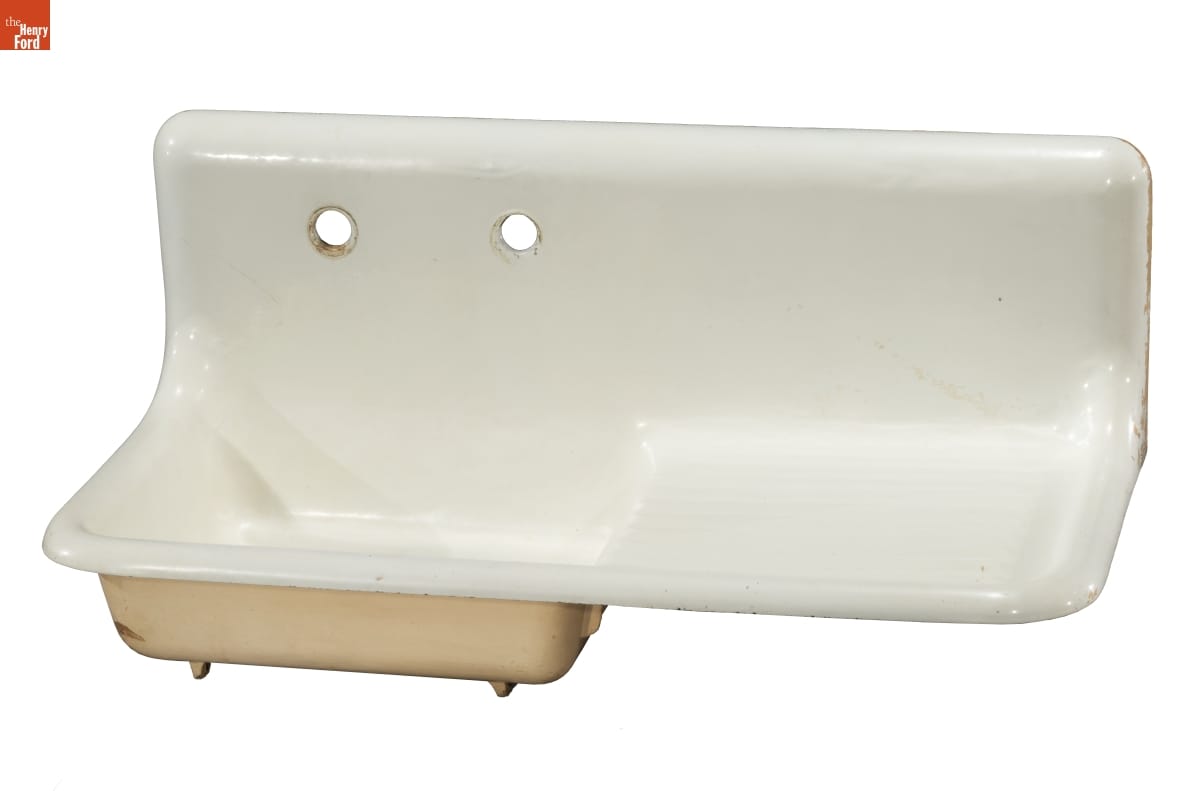
- Sink, 1927 -
- April 21, 1927
- Collections - Artifact
Sink, 1927