
Search
- Enslaved Quarters at Hermitage Plantation, near Savannah, Georgia, April 1919 -
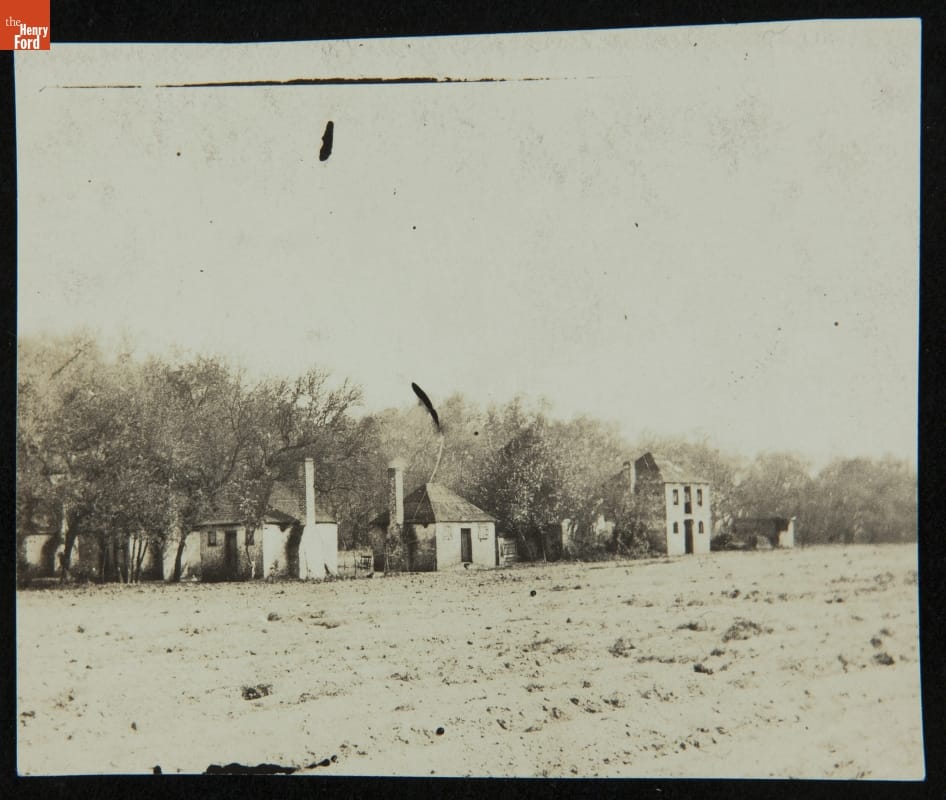
- April 06, 1919
- Collections - Artifact
Enslaved Quarters at Hermitage Plantation, near Savannah, Georgia, April 1919
- Enslaved Quarters at Hermitage Plantation, near Savannah, Georgia, circa 1930 -
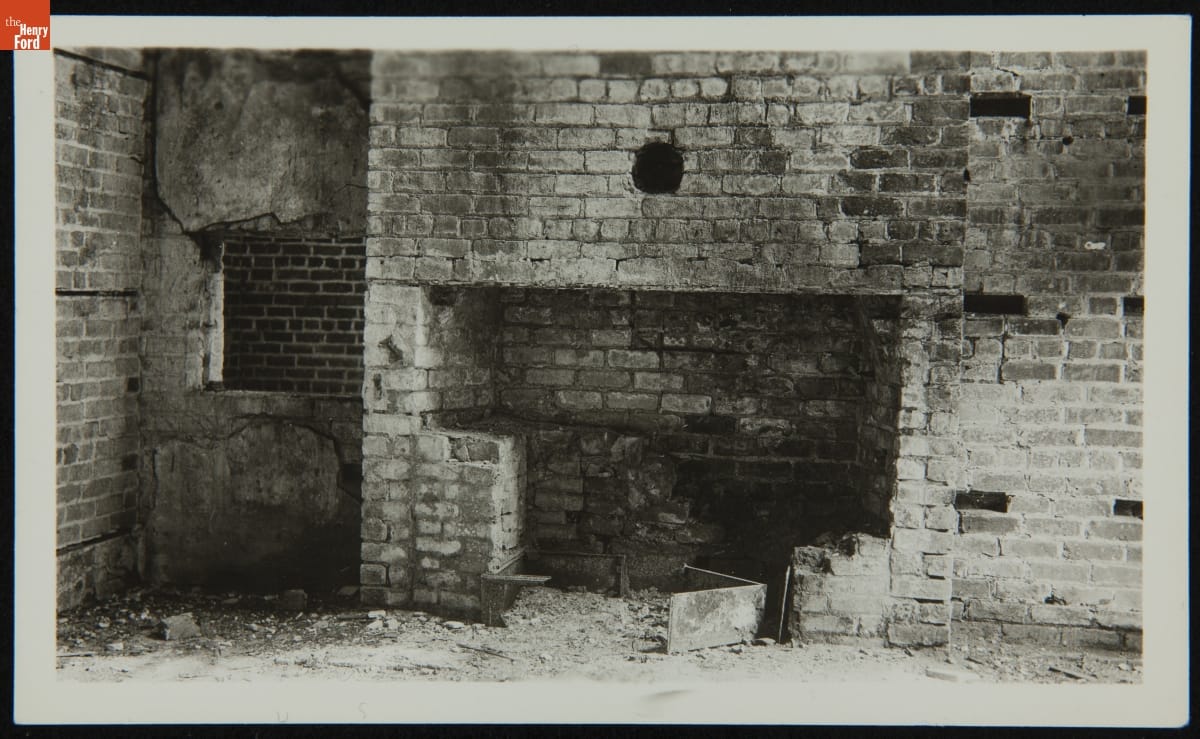
- circa 1930
- Collections - Artifact
Enslaved Quarters at Hermitage Plantation, near Savannah, Georgia, circa 1930
- Enslaved Quarters at Hermitage Plantation, near Savannah, Georgia -
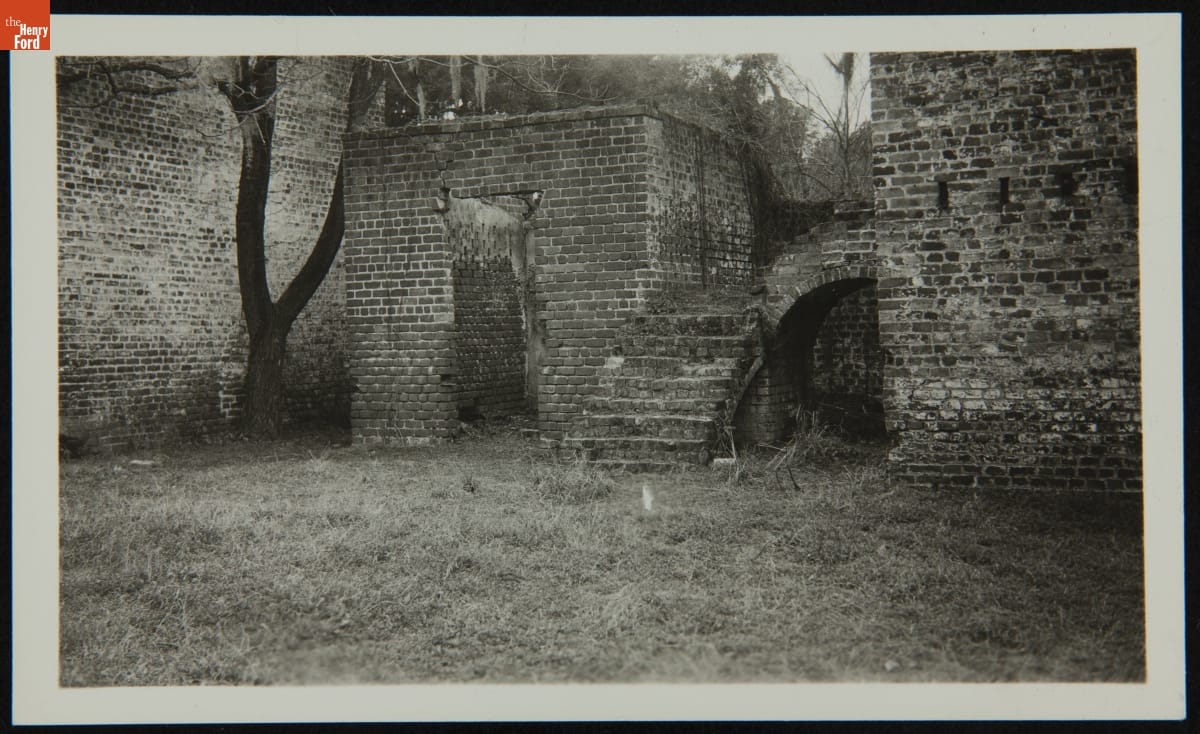
- Collections - Artifact
Enslaved Quarters at Hermitage Plantation, near Savannah, Georgia
- Enslaved Quarters at Hermitage Plantation, near Savannah, Georgia, circa 1930 -
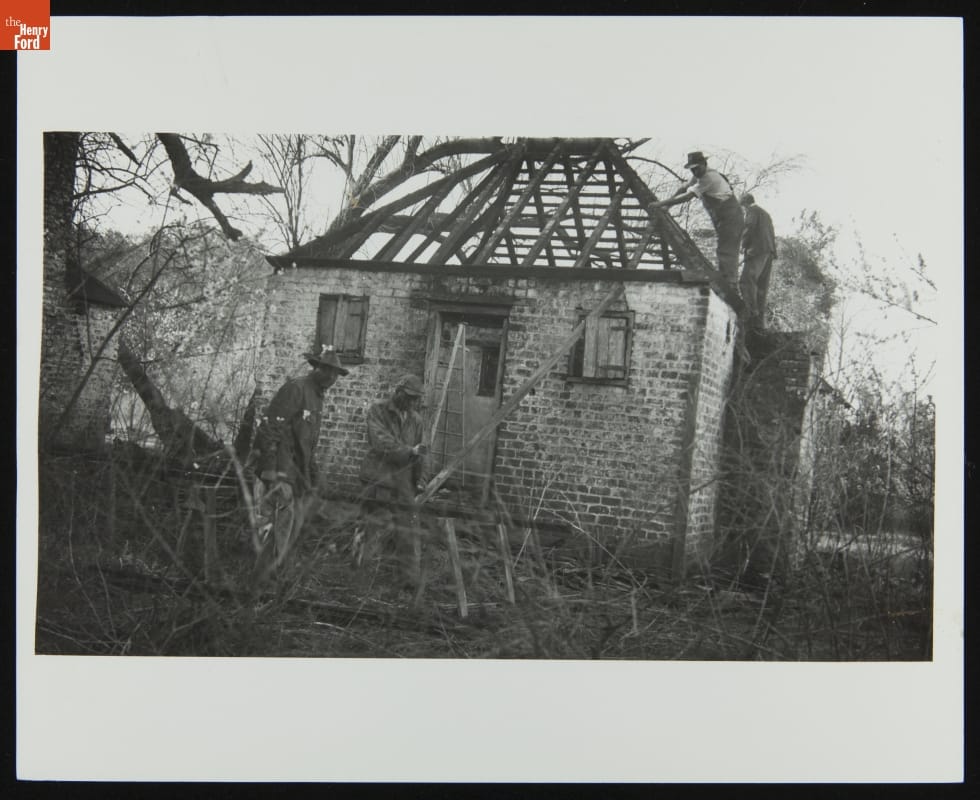
- circa 1930
- Collections - Artifact
Enslaved Quarters at Hermitage Plantation, near Savannah, Georgia, circa 1930
- The Hermitage, Savannah, Georgia -
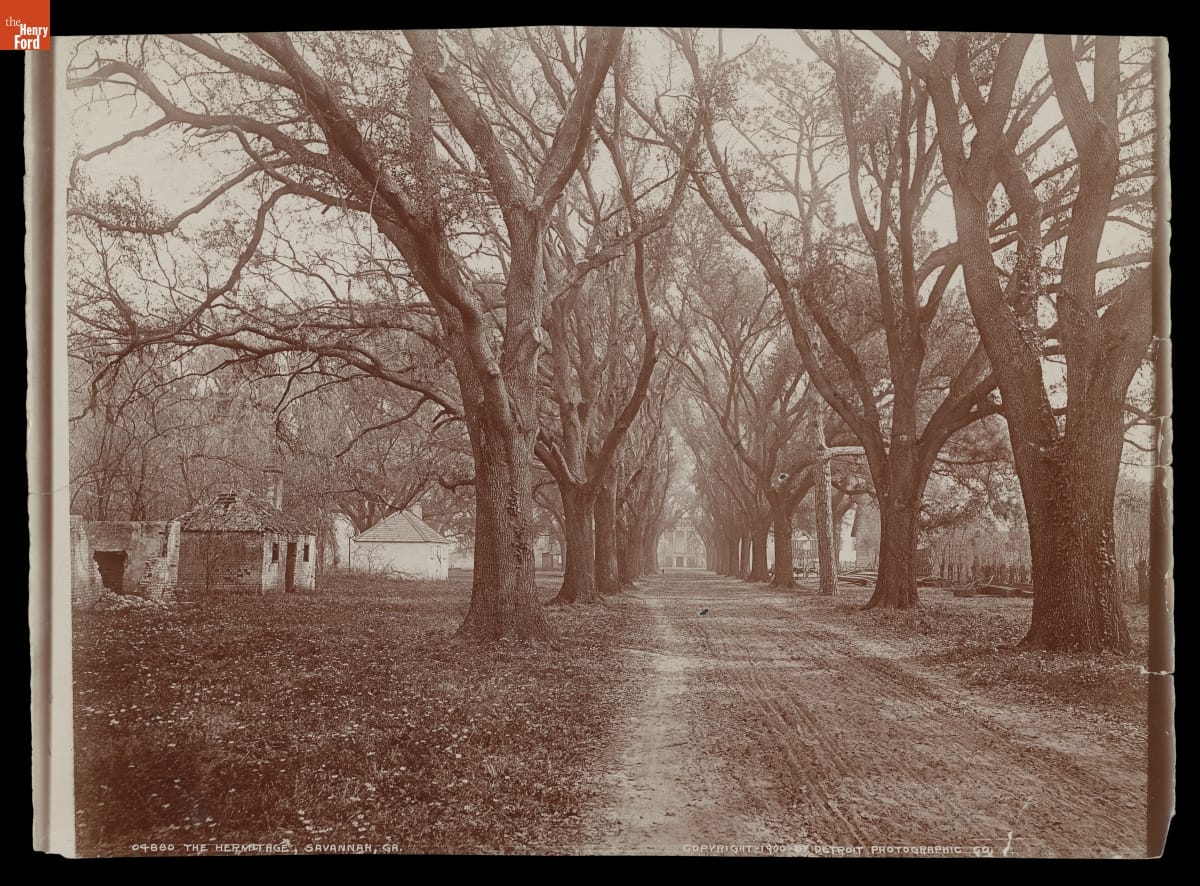
- 1900
- Collections - Artifact
The Hermitage, Savannah, Georgia
- Enslaved Quarters at Hermitage Plantation, near Savannah, Georgia, circa 1930 - The cabin in this photograph was once home to a family of enslaved workers on Henry McAlpin's Hermitage Plantation, near Savannah, Georgia. From the early-to-mid-1800s, these workers made McAlpin's plantation prosper by producing barrels, lumber, and cast-iron products, and growing rice--but mostly by making bricks at the plantation's brickworks. Enslaved workers built about 50 cabins with this brick--an unusual building material for slave quarters.
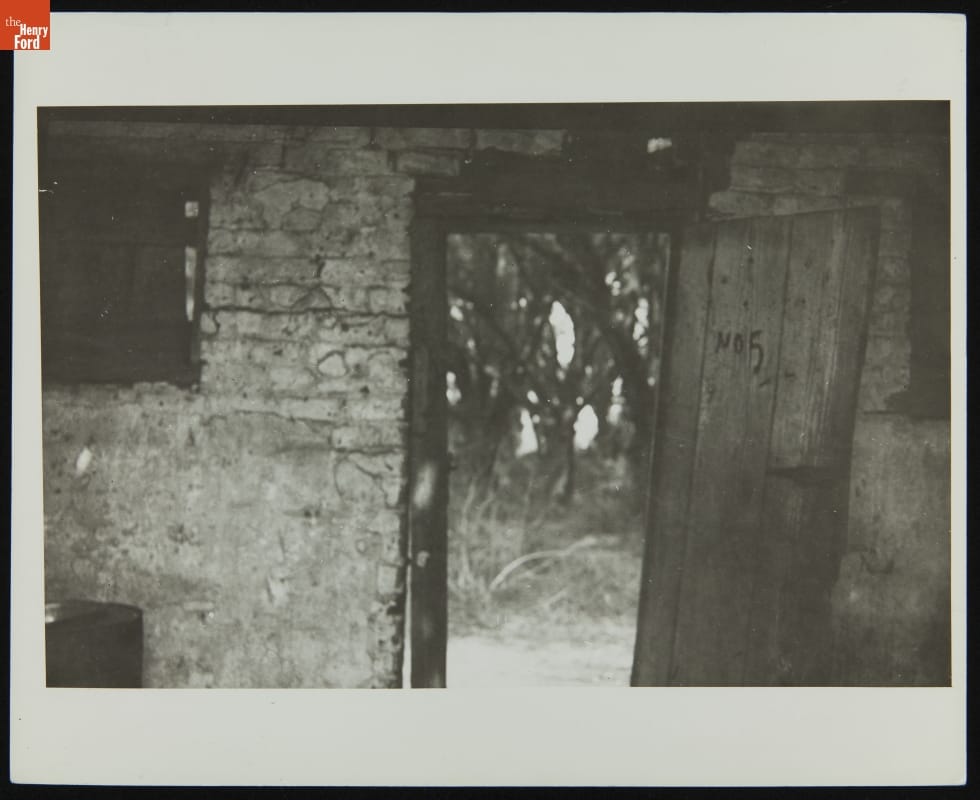
- circa 1930
- Collections - Artifact
Enslaved Quarters at Hermitage Plantation, near Savannah, Georgia, circa 1930
The cabin in this photograph was once home to a family of enslaved workers on Henry McAlpin's Hermitage Plantation, near Savannah, Georgia. From the early-to-mid-1800s, these workers made McAlpin's plantation prosper by producing barrels, lumber, and cast-iron products, and growing rice--but mostly by making bricks at the plantation's brickworks. Enslaved workers built about 50 cabins with this brick--an unusual building material for slave quarters.
- Enslaved Quarters at Hermitage Plantation, near Savannah, Georgia - The cabin in this photograph was once home to a family of enslaved workers on Henry McAlpin's Hermitage Plantation, near Savannah, Georgia. From the early-to-mid-1800s, these workers made McAlpin's plantation prosper by producing barrels, lumber, and cast-iron products, and growing rice--but mostly by making bricks at the plantation's brickworks. Enslaved workers built about 50 cabins with this brick--an unusual building material for slave quarters.
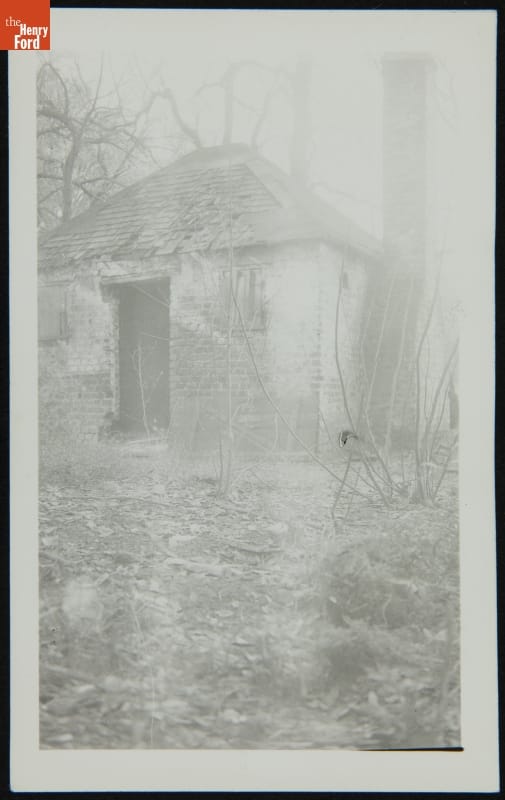
- Collections - Artifact
Enslaved Quarters at Hermitage Plantation, near Savannah, Georgia
The cabin in this photograph was once home to a family of enslaved workers on Henry McAlpin's Hermitage Plantation, near Savannah, Georgia. From the early-to-mid-1800s, these workers made McAlpin's plantation prosper by producing barrels, lumber, and cast-iron products, and growing rice--but mostly by making bricks at the plantation's brickworks. Enslaved workers built about 50 cabins with this brick--an unusual building material for slave quarters.
- "Old Slave Huts, The Hermitage, Savannah, Ga." - Hundreds of enslaved people worked on the Hermitage Plantation near Savannah, Georgia, before the Civil War. They cultivated rice, raised livestock, made bricks, and operated a sawmill and foundry. After the war, depictions of the "old slave huts" and the now-freed people who lived in them appealed to tourists seeking the last vestiges of the "Old South" and intent on romanticizing times of enslavement.
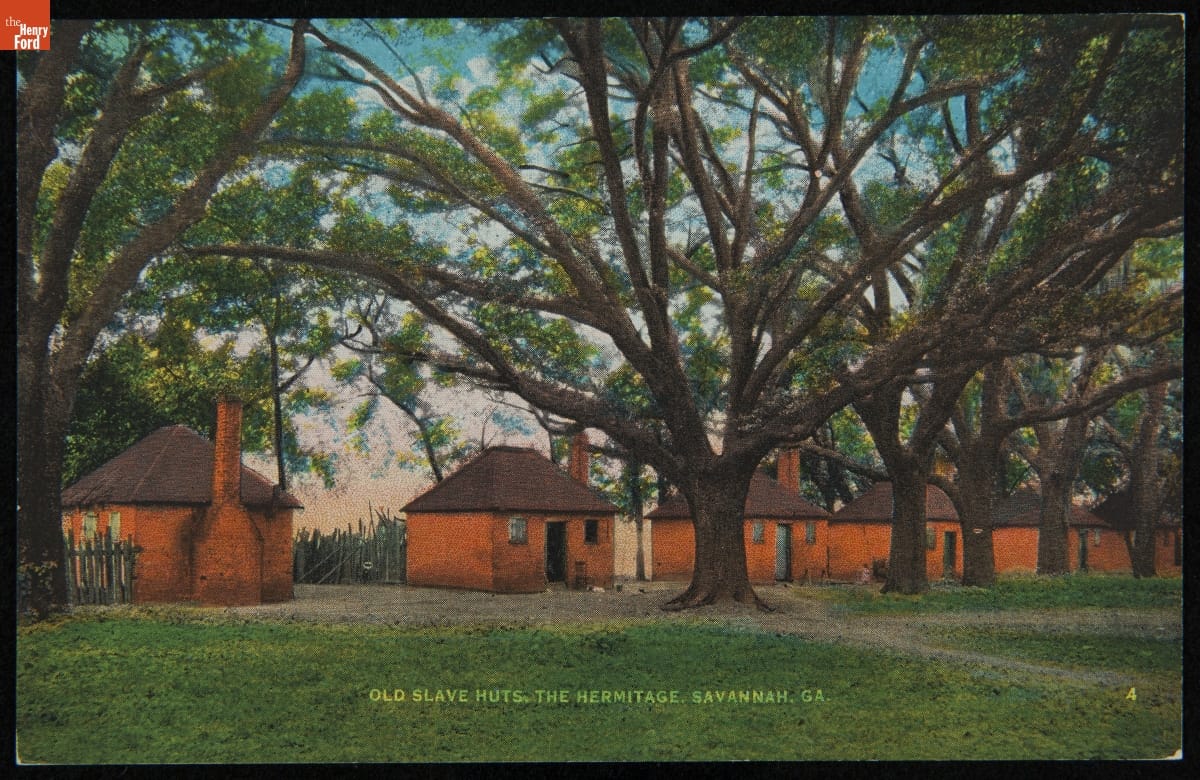
- Collections - Artifact
"Old Slave Huts, The Hermitage, Savannah, Ga."
Hundreds of enslaved people worked on the Hermitage Plantation near Savannah, Georgia, before the Civil War. They cultivated rice, raised livestock, made bricks, and operated a sawmill and foundry. After the war, depictions of the "old slave huts" and the now-freed people who lived in them appealed to tourists seeking the last vestiges of the "Old South" and intent on romanticizing times of enslavement.
- Enslaved Quarters at Hermitage Plantation, near Savannah, Georgia - The cabin in this photograph was once home to a family of enslaved workers on Henry McAlpin's Hermitage Plantation, near Savannah, Georgia. From the early-to-mid-1800s, these workers made McAlpin's plantation prosper by producing barrels, lumber, and cast-iron products, and growing rice--but mostly by making bricks at the plantation's brickworks. Enslaved workers built about 50 cabins with this brick--an unusual building material for slave quarters.
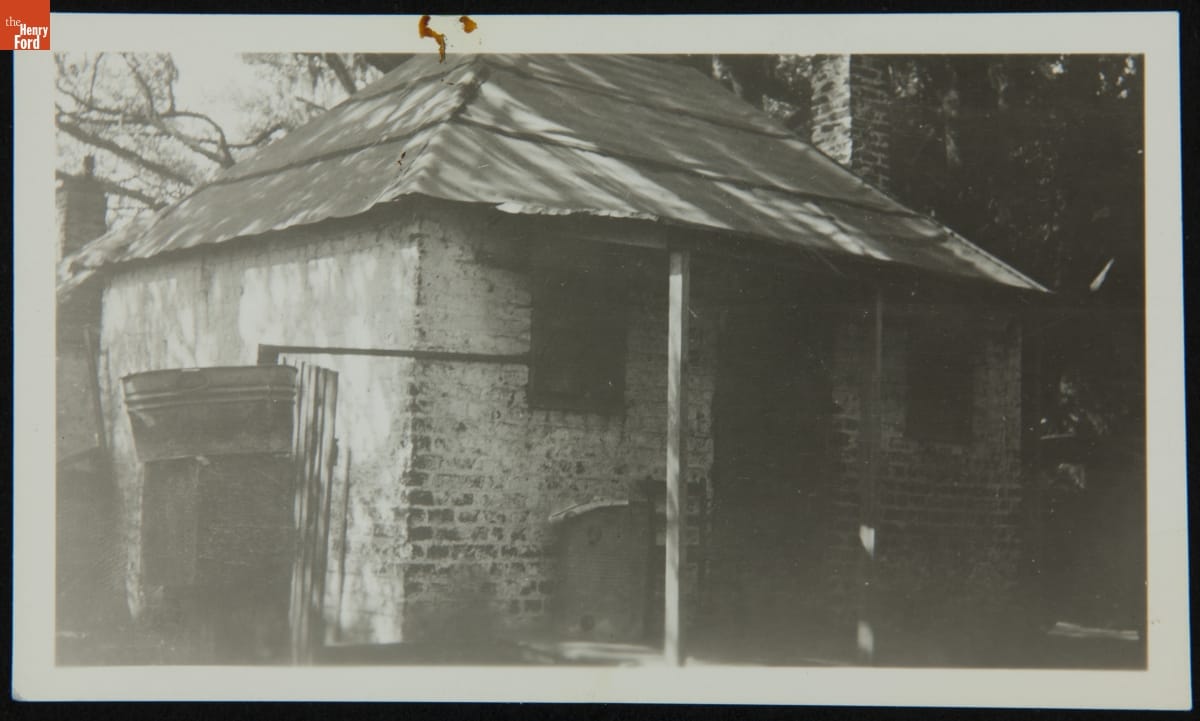
- Collections - Artifact
Enslaved Quarters at Hermitage Plantation, near Savannah, Georgia
The cabin in this photograph was once home to a family of enslaved workers on Henry McAlpin's Hermitage Plantation, near Savannah, Georgia. From the early-to-mid-1800s, these workers made McAlpin's plantation prosper by producing barrels, lumber, and cast-iron products, and growing rice--but mostly by making bricks at the plantation's brickworks. Enslaved workers built about 50 cabins with this brick--an unusual building material for slave quarters.
- Enslaved Quarters at Hermitage Plantation, near Savannah, Georgia - The cabins in this photograph were once home to families of enslaved workers on Henry McAlpin's Hermitage Plantation, near Savannah, Georgia. From the early-to-mid-1800s, these workers made McAlpin's plantation prosper by producing barrels, lumber, and cast-iron products, and growing rice--but mostly by making bricks at the plantation's brickworks. Enslaved workers built about 50 cabins with this brick--an unusual building material for slave quarters.
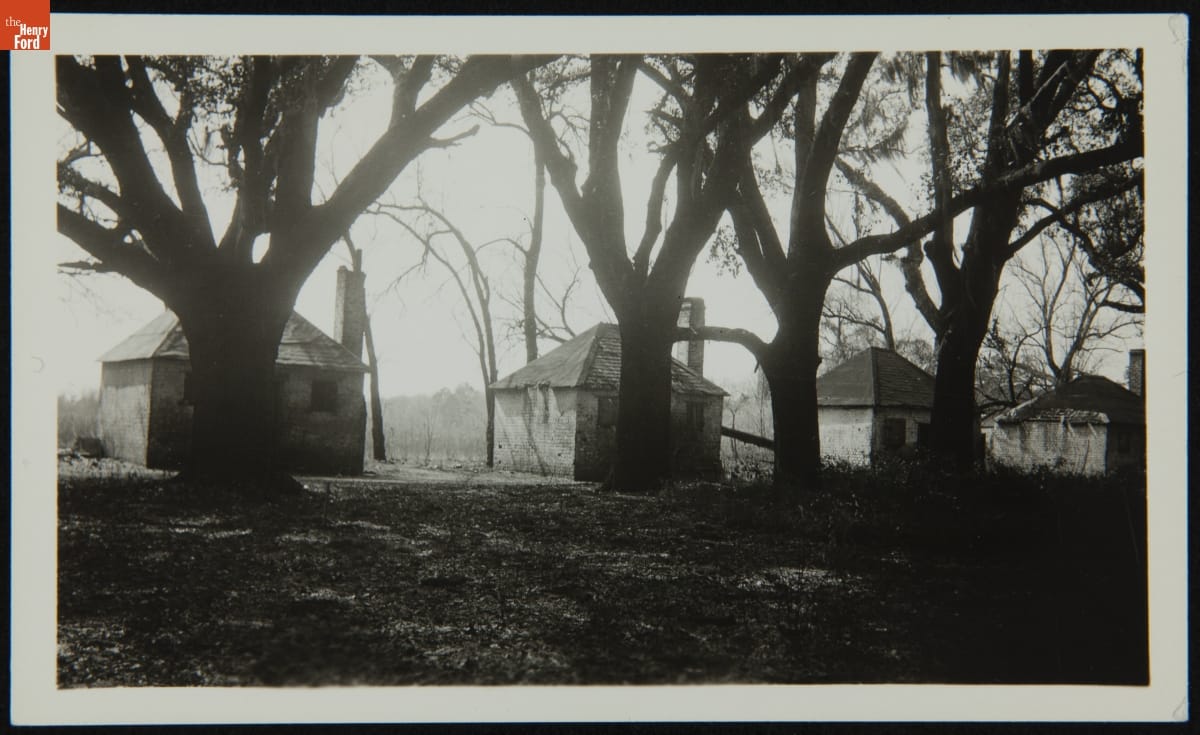
- Collections - Artifact
Enslaved Quarters at Hermitage Plantation, near Savannah, Georgia
The cabins in this photograph were once home to families of enslaved workers on Henry McAlpin's Hermitage Plantation, near Savannah, Georgia. From the early-to-mid-1800s, these workers made McAlpin's plantation prosper by producing barrels, lumber, and cast-iron products, and growing rice--but mostly by making bricks at the plantation's brickworks. Enslaved workers built about 50 cabins with this brick--an unusual building material for slave quarters.