
Search
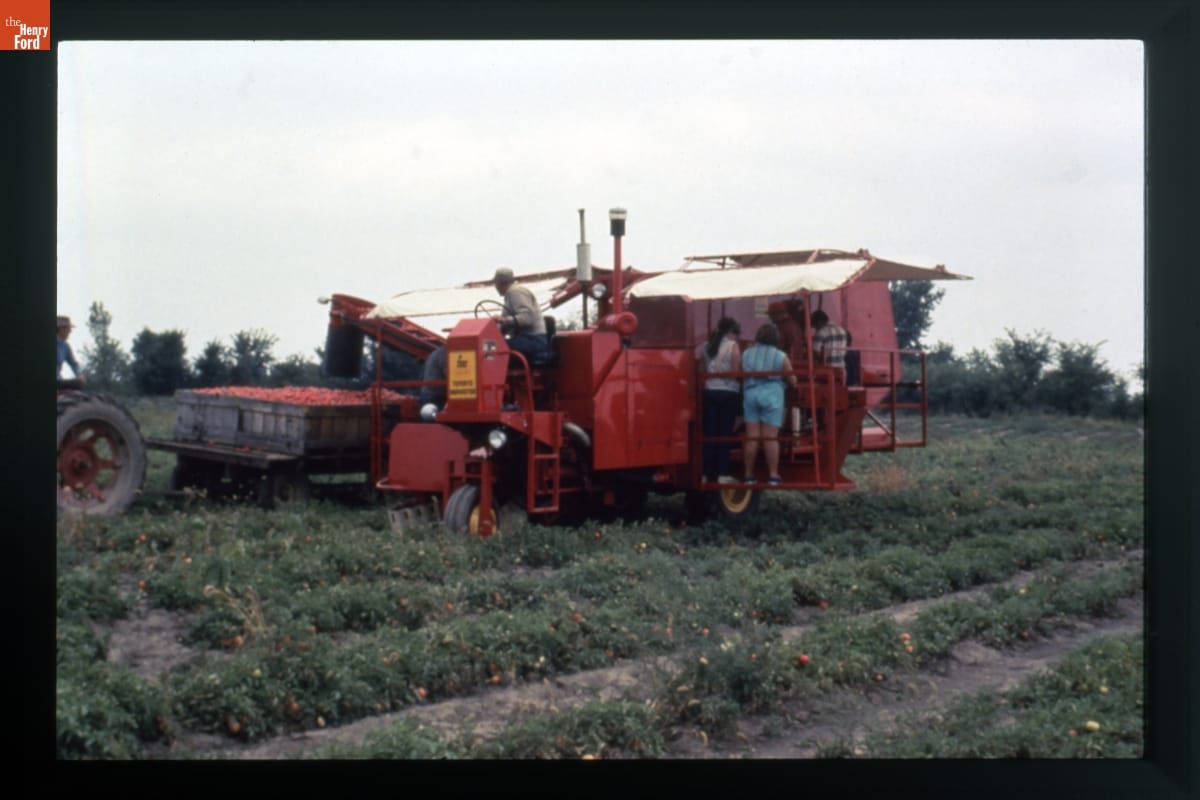
- FMC Cascade Tomato Harvester in Use, circa 1985 -
- circa 1985
- Collections - Artifact
FMC Cascade Tomato Harvester in Use, circa 1985
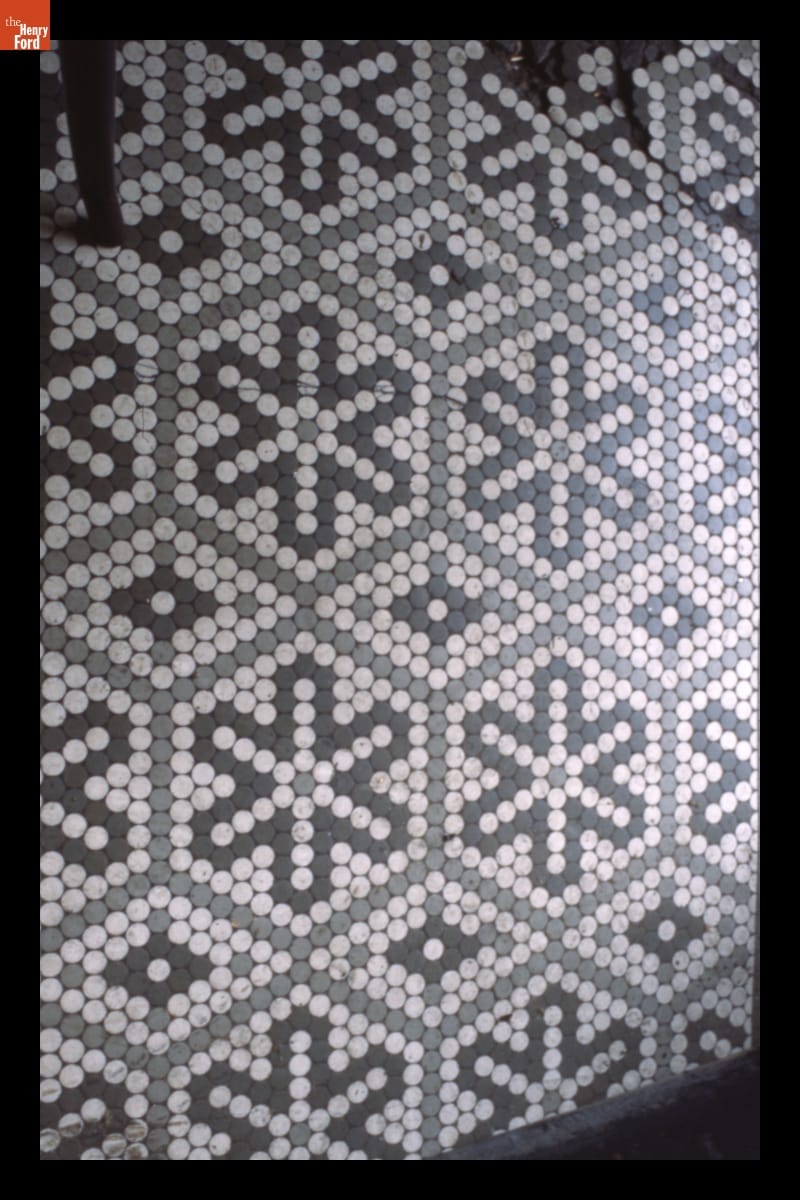
- Floor Tile in Georgia-Pacific (G-P) Diner, Jarratt, Virginia, June 1991 -
- June 01, 1991
- Collections - Artifact
Floor Tile in Georgia-Pacific (G-P) Diner, Jarratt, Virginia, June 1991
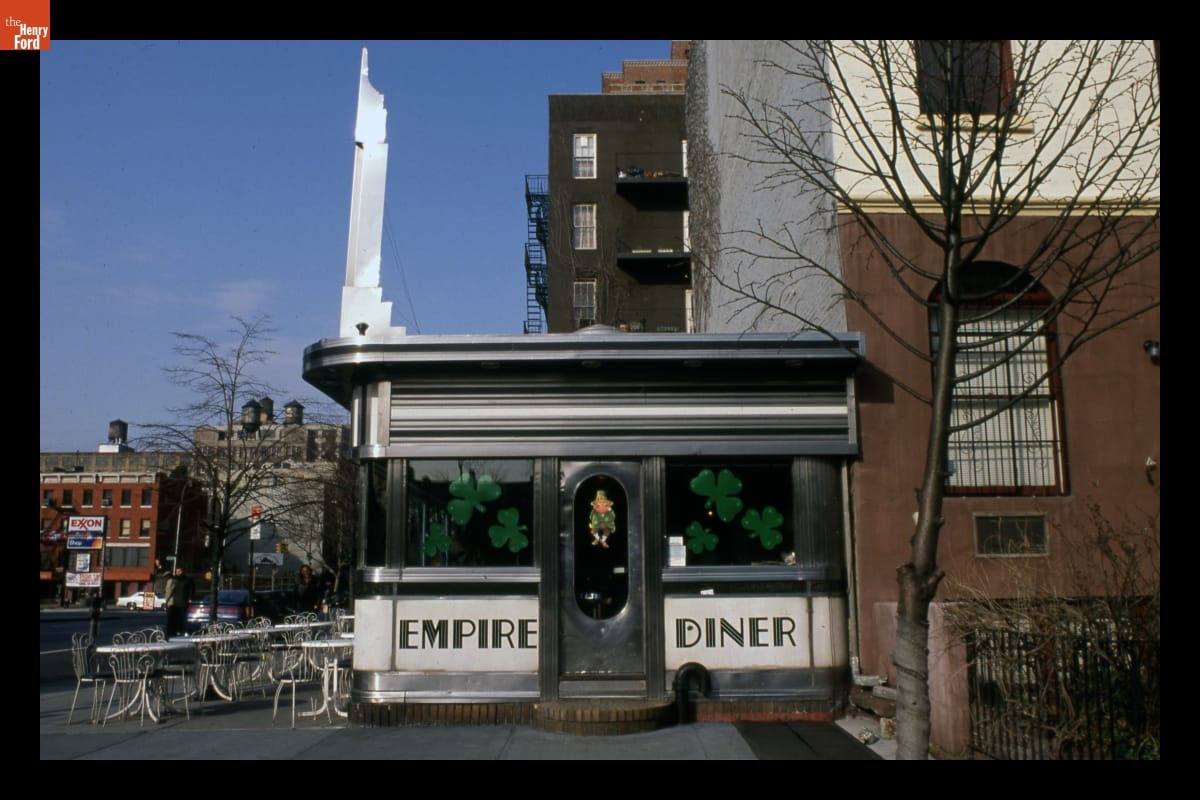
- Empire Diner at 10th Ave. and West 22nd St., New York City, March 1992 -
- March 01, 1992
- Collections - Artifact
Empire Diner at 10th Ave. and West 22nd St., New York City, March 1992
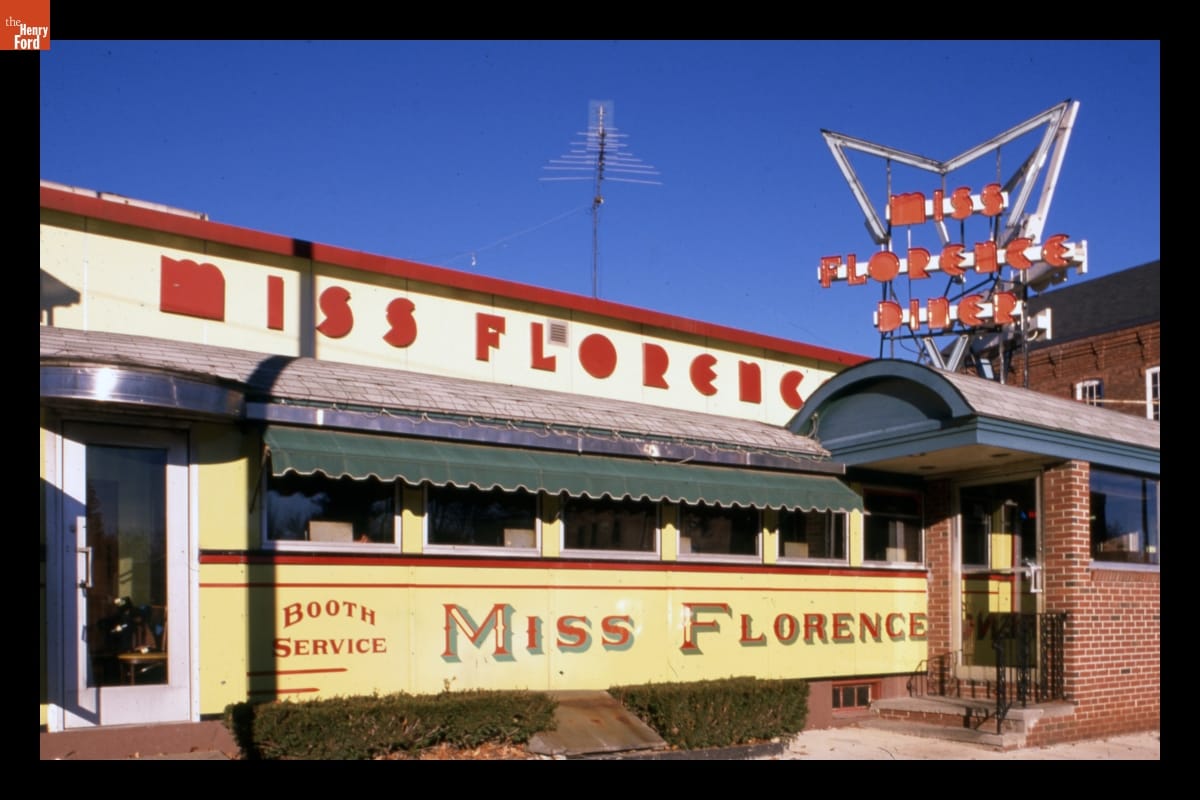
- Miss Florence Diner, Northampton, Massachusetts, November 1988 -
- November 01, 1988
- Collections - Artifact
Miss Florence Diner, Northampton, Massachusetts, November 1988
- Los Angeles Times Grand Prix, Riverside, California, October 1966 - Dave Friedman captured and preserved auto racing history through his photography and collection of works by other photographers. The Chaparral 2E created a sensation on the 1966 Can-Am circuit. Aerodynamics pioneer Jim Hall suspended an airfoil over the rear decks of his #66 and Phil Hill's #65 race cars. Hall piloted his winged Chaparral to second place at the <em>Los Angeles Times</em> Grand Prix.
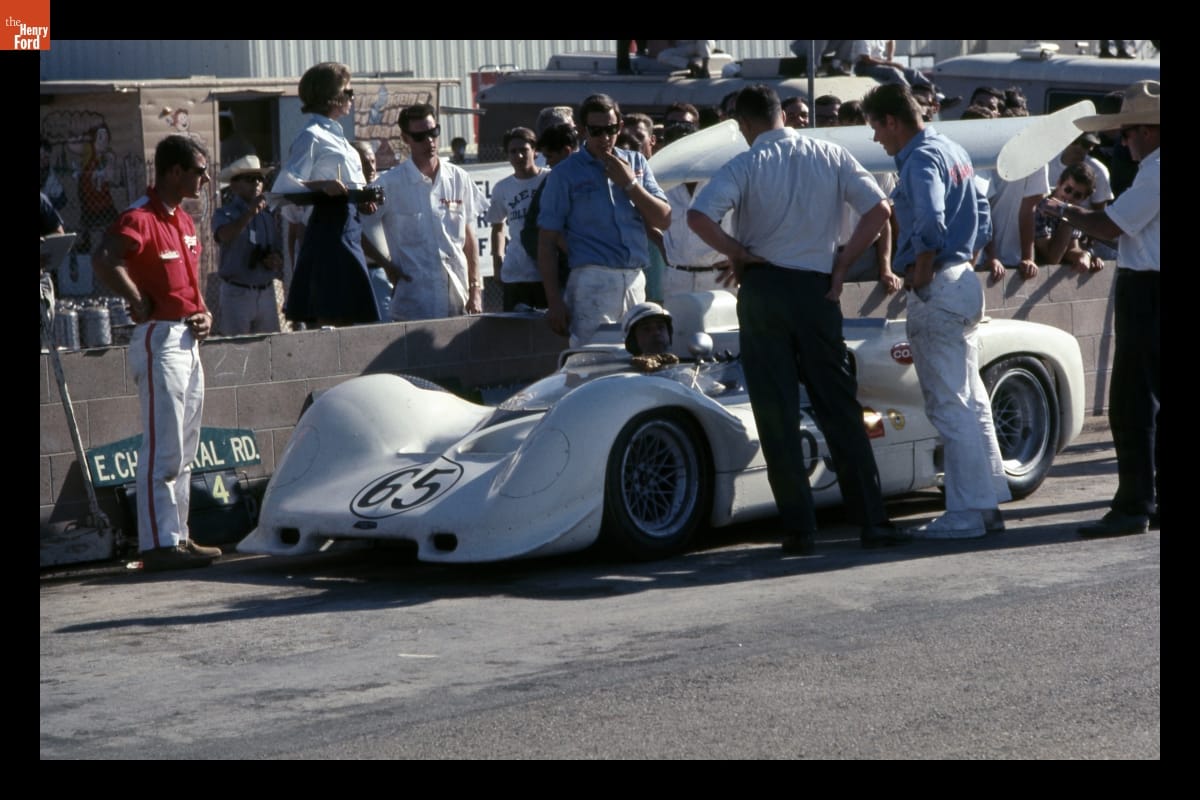
- 27 October 1966 - 30 October 1966
- Collections - Artifact
Los Angeles Times Grand Prix, Riverside, California, October 1966
Dave Friedman captured and preserved auto racing history through his photography and collection of works by other photographers. The Chaparral 2E created a sensation on the 1966 Can-Am circuit. Aerodynamics pioneer Jim Hall suspended an airfoil over the rear decks of his #66 and Phil Hill's #65 race cars. Hall piloted his winged Chaparral to second place at the Los Angeles Times Grand Prix.
- Los Angeles Times Grand Prix, Riverside, California, October 1966 - Dave Friedman captured and preserved auto racing history through his photography and collection of works by other photographers. The Chaparral 2E created a sensation on the 1966 Can-Am circuit. Aerodynamics pioneer Jim Hall suspended an airfoil over the rear decks of his #66 and Phil Hill's #65 race cars. Hall piloted his winged Chaparral to second place at the <em>Los Angeles Times</em> Grand Prix.
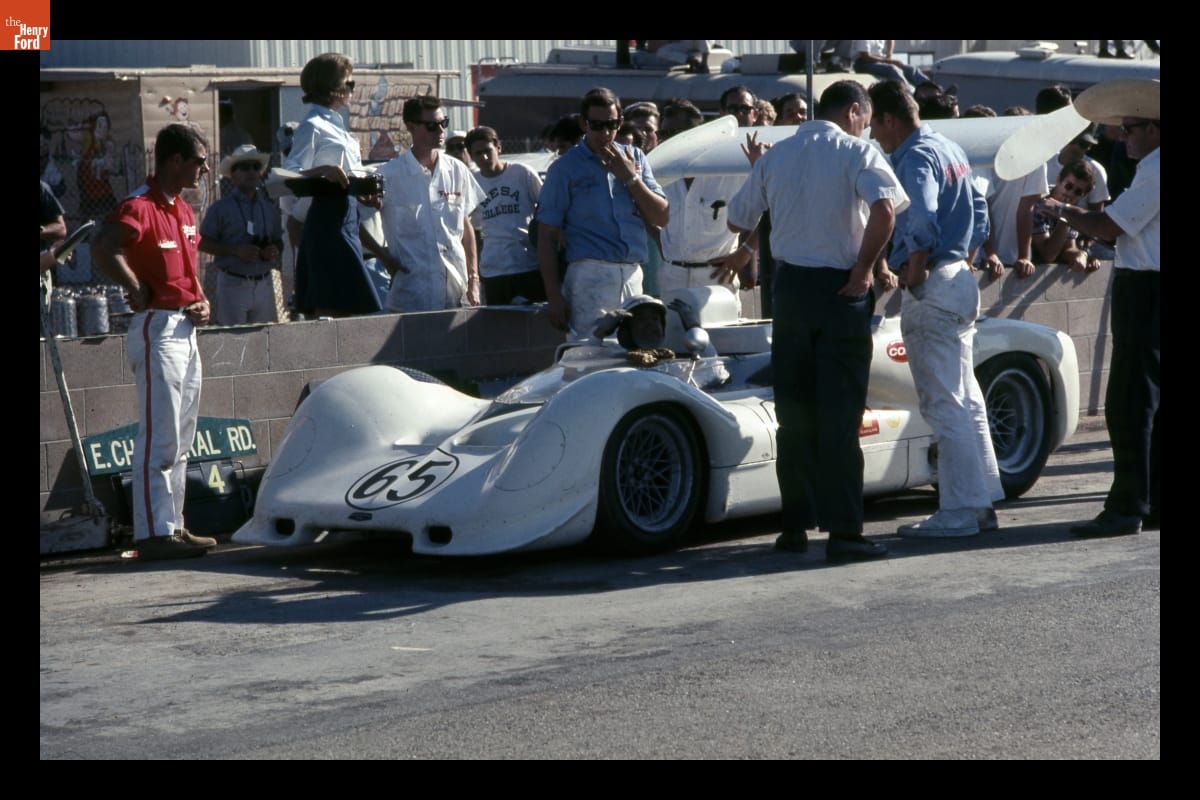
- 27 October 1966 - 30 October 1966
- Collections - Artifact
Los Angeles Times Grand Prix, Riverside, California, October 1966
Dave Friedman captured and preserved auto racing history through his photography and collection of works by other photographers. The Chaparral 2E created a sensation on the 1966 Can-Am circuit. Aerodynamics pioneer Jim Hall suspended an airfoil over the rear decks of his #66 and Phil Hill's #65 race cars. Hall piloted his winged Chaparral to second place at the Los Angeles Times Grand Prix.
- Los Angeles Times Grand Prix, Riverside, California, October 1966 - Dave Friedman captured and preserved auto racing history through his photography and collection of works by other photographers. The Chaparral 2E created a sensation on the 1966 Can-Am circuit. Aerodynamics pioneer Jim Hall suspended an airfoil over the rear decks of his #66 and Phil Hill's #65 race cars. Hall piloted his winged Chaparral to second place at the <em>Los Angeles Times</em> Grand Prix.
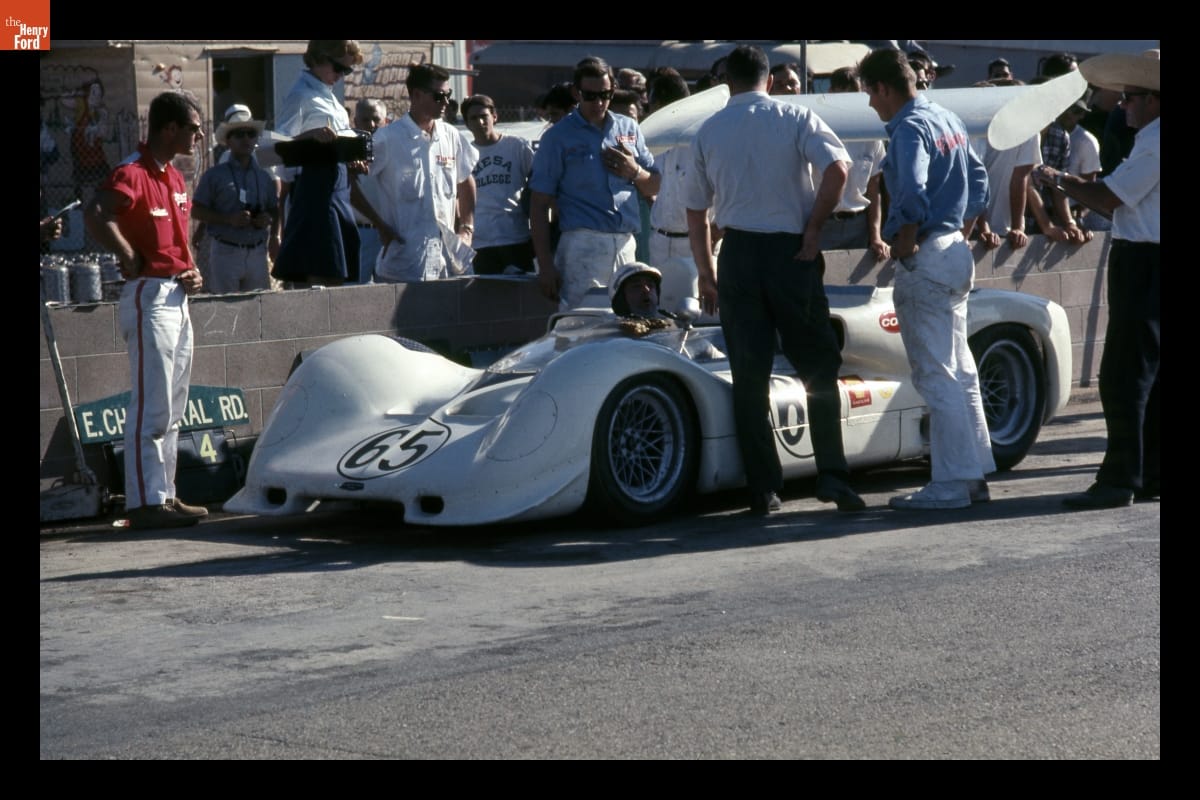
- 27 October 1966 - 30 October 1966
- Collections - Artifact
Los Angeles Times Grand Prix, Riverside, California, October 1966
Dave Friedman captured and preserved auto racing history through his photography and collection of works by other photographers. The Chaparral 2E created a sensation on the 1966 Can-Am circuit. Aerodynamics pioneer Jim Hall suspended an airfoil over the rear decks of his #66 and Phil Hill's #65 race cars. Hall piloted his winged Chaparral to second place at the Los Angeles Times Grand Prix.
- Los Angeles Times Grand Prix, Riverside, California, October 1966 - Dave Friedman captured and preserved auto racing history through his photography and collection of works by other photographers. The Chaparral 2E created a sensation on the 1966 Can-Am circuit. Aerodynamics pioneer Jim Hall suspended an airfoil over the rear decks of his #66 and Phil Hill's #65 race cars. Hall piloted his winged Chaparral to second place at the <em>Los Angeles Times</em> Grand Prix.
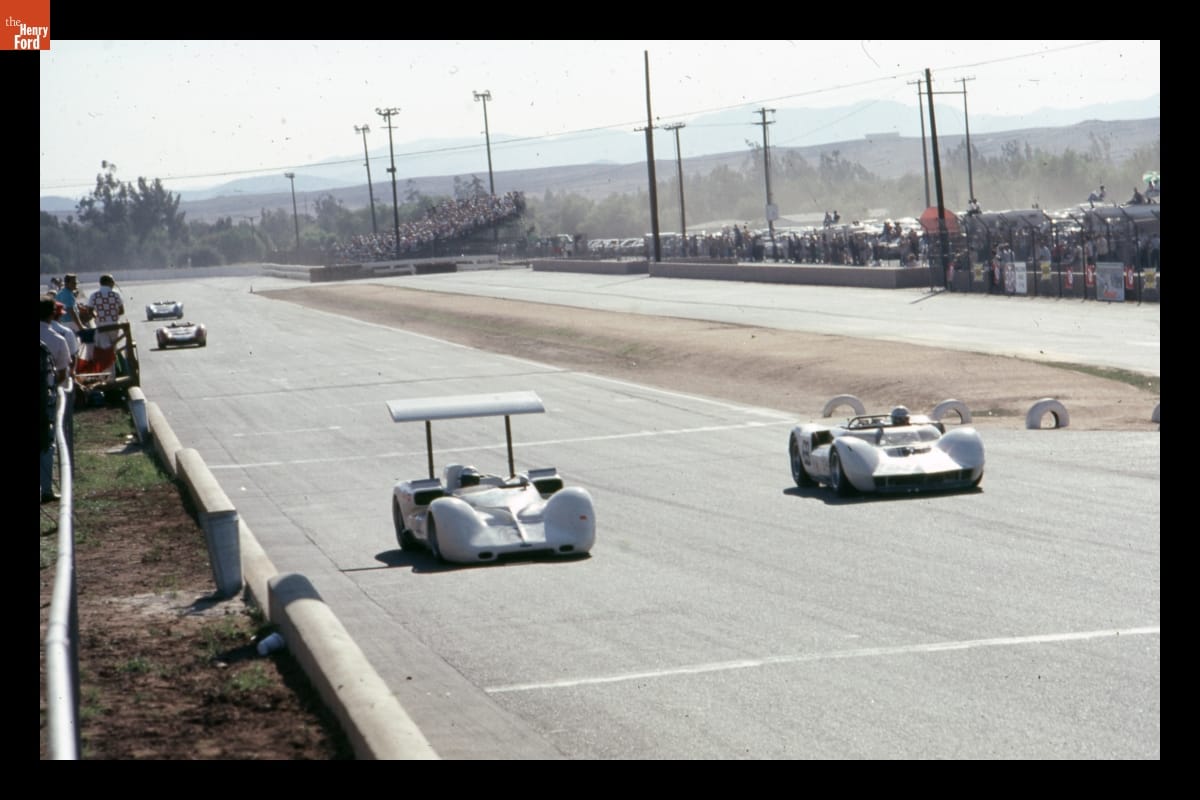
- 27 October 1966 - 30 October 1966
- Collections - Artifact
Los Angeles Times Grand Prix, Riverside, California, October 1966
Dave Friedman captured and preserved auto racing history through his photography and collection of works by other photographers. The Chaparral 2E created a sensation on the 1966 Can-Am circuit. Aerodynamics pioneer Jim Hall suspended an airfoil over the rear decks of his #66 and Phil Hill's #65 race cars. Hall piloted his winged Chaparral to second place at the Los Angeles Times Grand Prix.
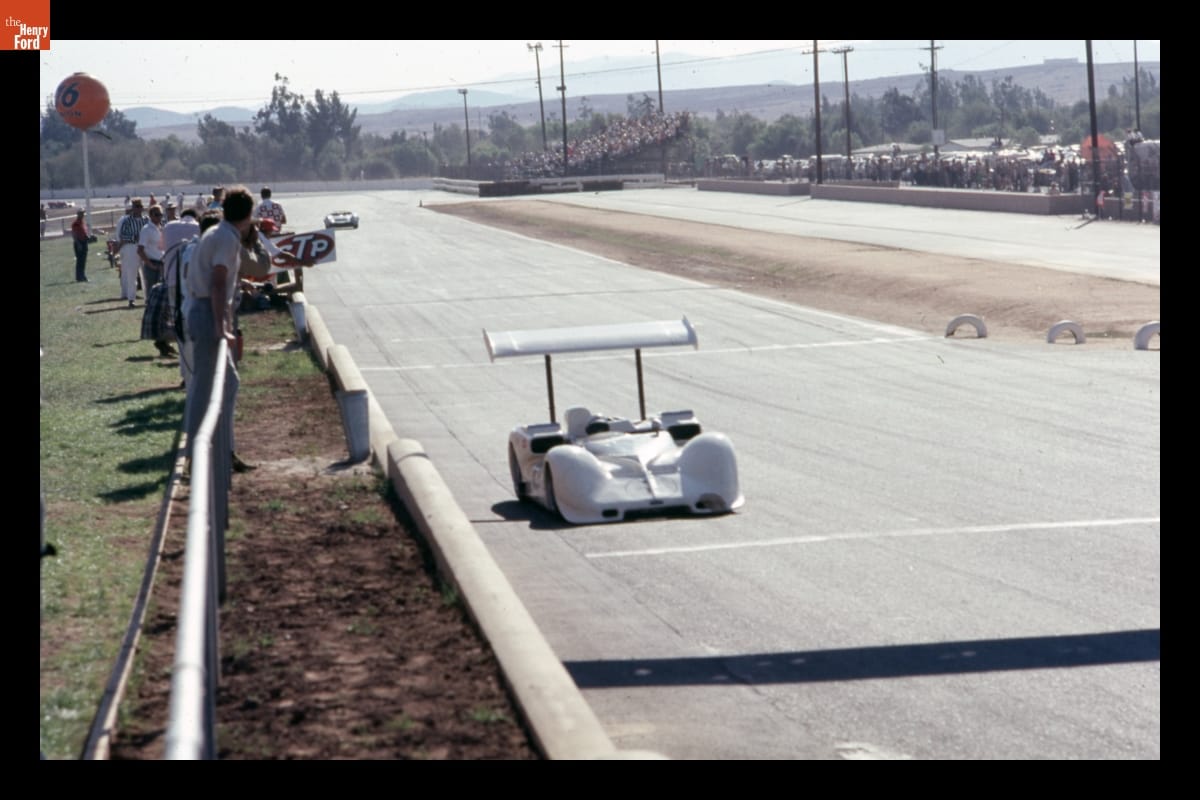
- Los Angeles Times Grand Prix, Riverside, California, October 1966 - Dave Friedman captured and preserved auto racing history through his photography and collection of works by other photographers. The Chaparral 2E created a sensation on the 1966 Can-Am circuit. Aerodynamics pioneer Jim Hall suspended an airfoil over the rear decks of his #66 and Phil Hill's #65 race cars. Hall piloted his winged Chaparral to second place at the <em>Los Angeles Times</em> Grand Prix.
- 27 October 1966 - 30 October 1966
- Collections - Artifact
Los Angeles Times Grand Prix, Riverside, California, October 1966
Dave Friedman captured and preserved auto racing history through his photography and collection of works by other photographers. The Chaparral 2E created a sensation on the 1966 Can-Am circuit. Aerodynamics pioneer Jim Hall suspended an airfoil over the rear decks of his #66 and Phil Hill's #65 race cars. Hall piloted his winged Chaparral to second place at the Los Angeles Times Grand Prix.
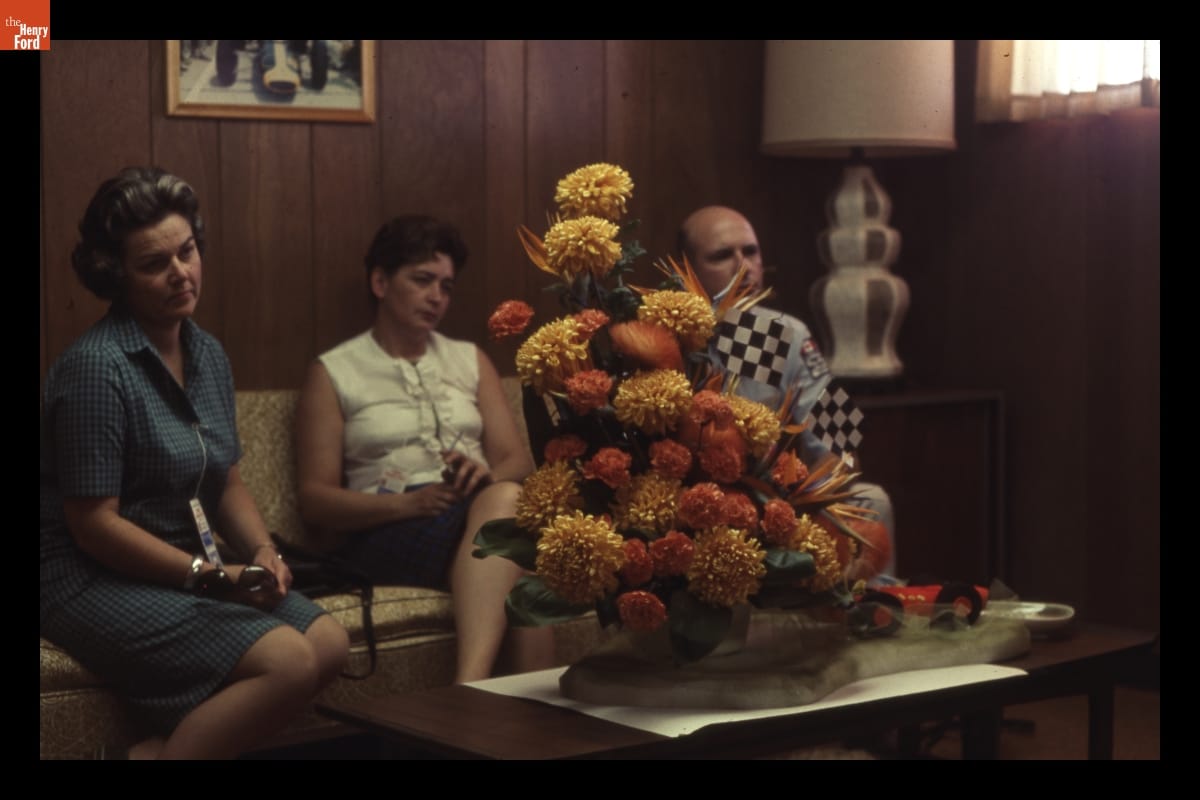
- Los Angeles Times Grand Prix, Riverside, California, October 1966 - Dave Friedman captured and preserved auto racing history through his photography. His work -- and his collection of works by other photographers -- documents key races, cars, and teams. The 1966 <em>Los Angeles Times</em> Grand Prix was held at Riverside International Raceway. John Surtees bested Jim Hall in this Canadian-American (Can-Am) Challenge Cup event. The win helped Surtees capture the first Can-Am Championship.
- 27 October 1966 - 30 October 1966
- Collections - Artifact
Los Angeles Times Grand Prix, Riverside, California, October 1966
Dave Friedman captured and preserved auto racing history through his photography. His work -- and his collection of works by other photographers -- documents key races, cars, and teams. The 1966 Los Angeles Times Grand Prix was held at Riverside International Raceway. John Surtees bested Jim Hall in this Canadian-American (Can-Am) Challenge Cup event. The win helped Surtees capture the first Can-Am Championship.