
Search
- Model of a Smokestack -
- Collections - Artifact
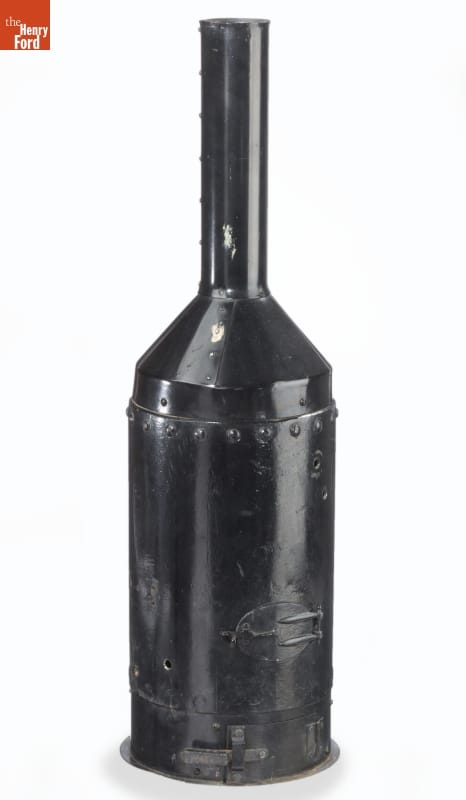
Model of a Smokestack
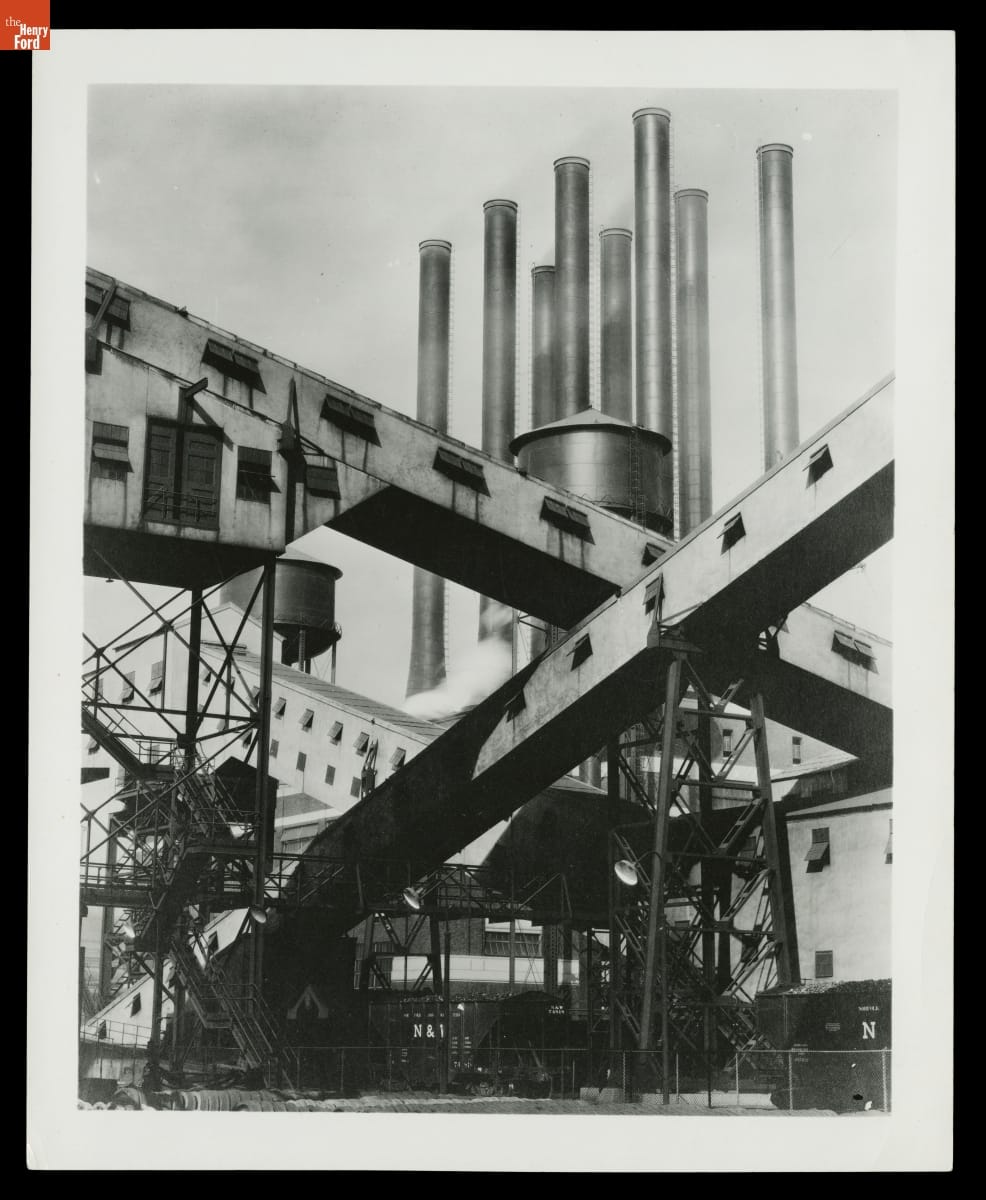
- Criss-crossed Conveyors at Ford Rouge Plant, 1927 - In 1927, Ford Motor Company commissioned Charles Sheeler to do a series of documentary photographs of its River Rouge industrial complex near Dearborn, Michigan. The conveyors moved coal and coke to the pulverizing building and screening stations. Coke made from coal was used in the steelmaking process of the blast furnaces. This vigorous photograph shows Sheeler's ability to form a compelling image from a complicated scene.
- 1927
- Collections - Artifact
Criss-crossed Conveyors at Ford Rouge Plant, 1927
In 1927, Ford Motor Company commissioned Charles Sheeler to do a series of documentary photographs of its River Rouge industrial complex near Dearborn, Michigan. The conveyors moved coal and coke to the pulverizing building and screening stations. Coke made from coal was used in the steelmaking process of the blast furnaces. This vigorous photograph shows Sheeler's ability to form a compelling image from a complicated scene.
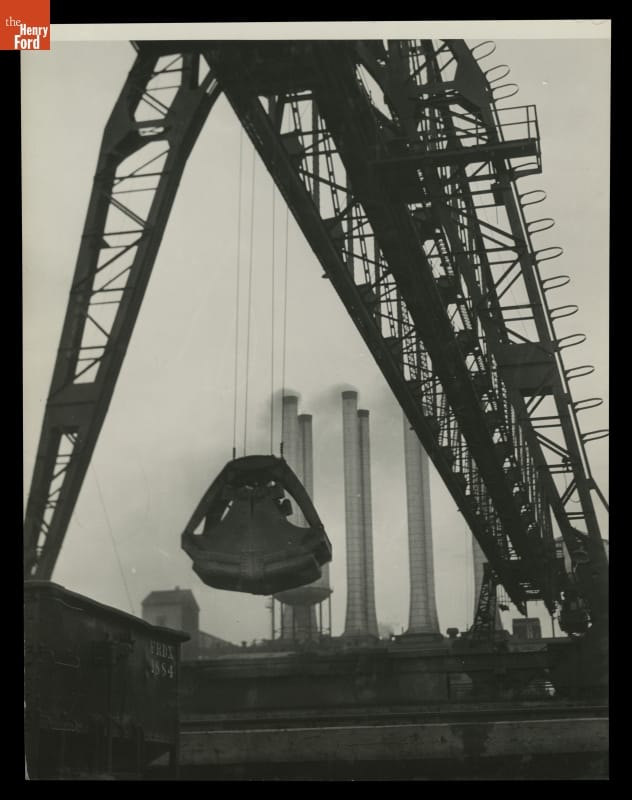
- Ore Bridge Crane at Ford Rouge Plant, 1932 - The suspended bucket in this photograph is an ore unloader. Workers at docks on the River Rouge scooped iron ore from the holds of freighters into the jaws of these unloaders. The large aerial shovels carried their loads along transfer cranes and deposited them into concrete-walled storage bins. Workers at Ford's Rouge Plant used the ore to produce steel.
- June 22, 1932
- Collections - Artifact
Ore Bridge Crane at Ford Rouge Plant, 1932
The suspended bucket in this photograph is an ore unloader. Workers at docks on the River Rouge scooped iron ore from the holds of freighters into the jaws of these unloaders. The large aerial shovels carried their loads along transfer cranes and deposited them into concrete-walled storage bins. Workers at Ford's Rouge Plant used the ore to produce steel.
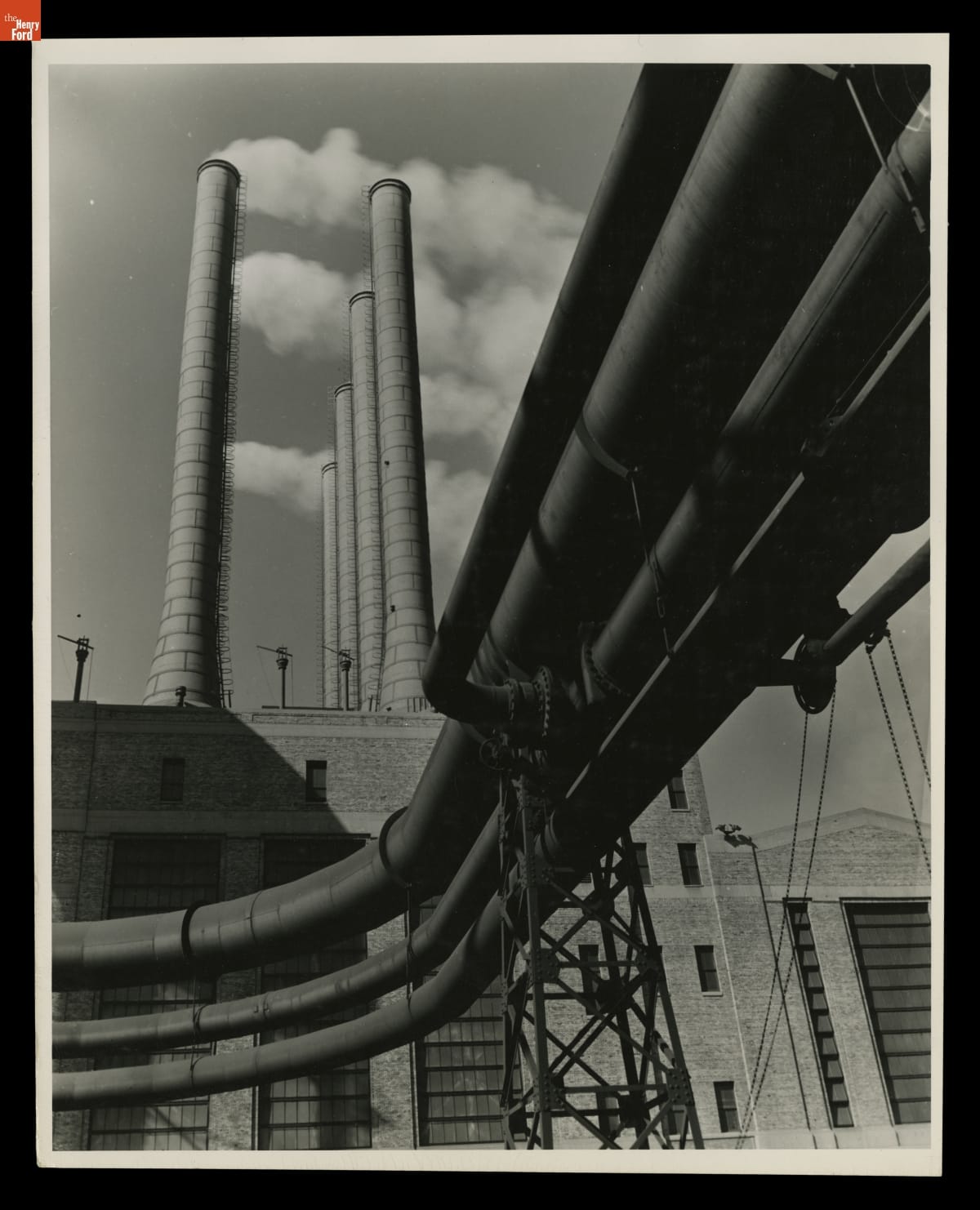
- Rouge Plant Powerhouse Smokestacks, March 1944 - The powerhouse at Ford Motor Company's Rouge factory was readily identified by its eight tall smokestacks. Steam turbines, fueled by pulverized coal, generated electricity for the massive Rouge complex -- and for Ford's Highland Park and Flat Rock plants, and for Lincoln's Detroit plant. The Rouge sometimes generated surplus power that could be sold to Detroit Edison Company.
- March 01, 1944
- Collections - Artifact
Rouge Plant Powerhouse Smokestacks, March 1944
The powerhouse at Ford Motor Company's Rouge factory was readily identified by its eight tall smokestacks. Steam turbines, fueled by pulverized coal, generated electricity for the massive Rouge complex -- and for Ford's Highland Park and Flat Rock plants, and for Lincoln's Detroit plant. The Rouge sometimes generated surplus power that could be sold to Detroit Edison Company.
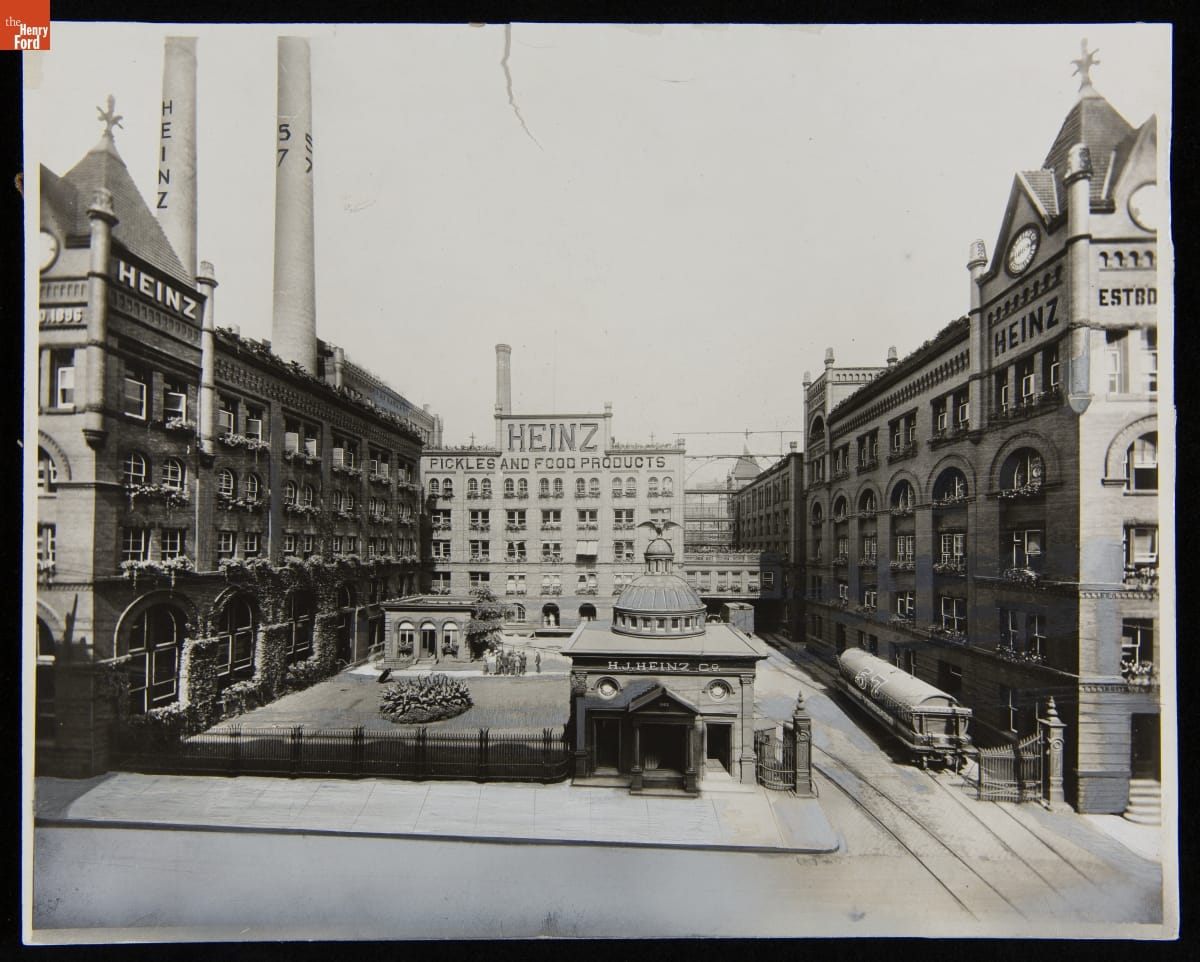
- Heinz Company Courtyard and Time Clock Building at the Main Plant in Pittsburgh, Pennsylvania, 1910-1925 - The Time Office (domed building seen here) at the H.J. Heinz Company main plant in Pittsburgh, Pennsylvania, contained the employee time clocks. The building was designed with ornate details inside and out. Henry Heinz himself worked to design and construct this building, calling it "the gem in the setting."
- 1910-1925
- Collections - Artifact
Heinz Company Courtyard and Time Clock Building at the Main Plant in Pittsburgh, Pennsylvania, 1910-1925
The Time Office (domed building seen here) at the H.J. Heinz Company main plant in Pittsburgh, Pennsylvania, contained the employee time clocks. The building was designed with ornate details inside and out. Henry Heinz himself worked to design and construct this building, calling it "the gem in the setting."
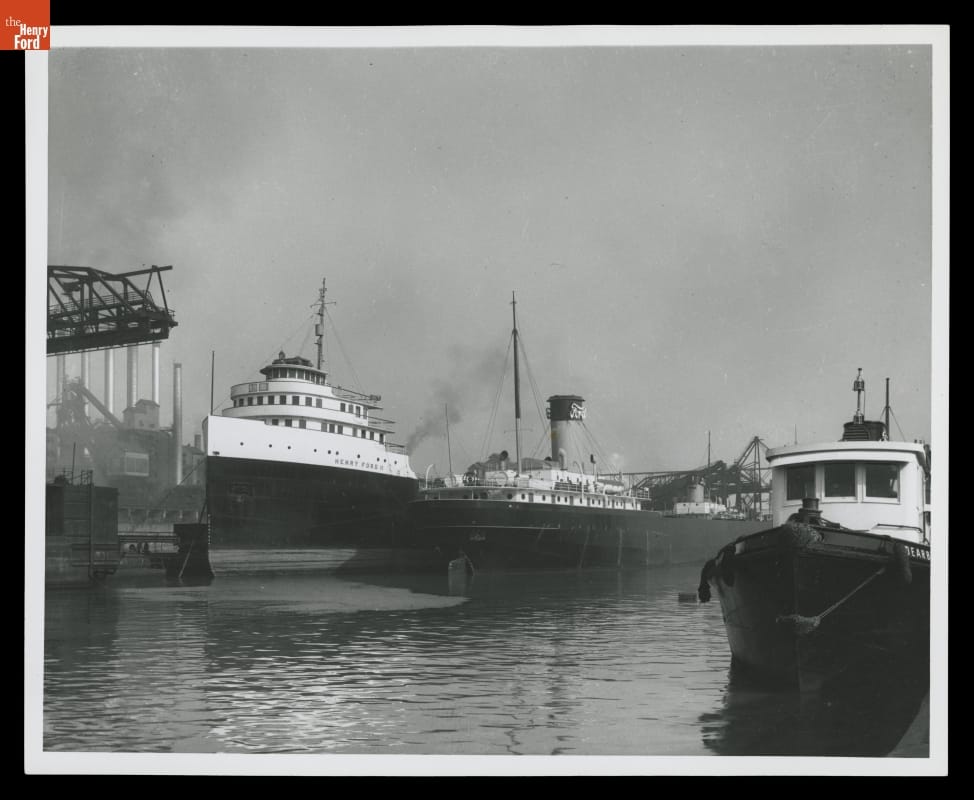
- Freighter HENRY FORD II at Ford Rouge Plant, 1935 - Henry Ford sited his new manufacturing complex on the newly dredged River Rouge to accommodate ships bringing in raw materials or taking on finished product for delivery. Desiring complete self-sufficiency at the Rouge, Ford ordered his own cargo carriers, purchased ocean freighters and barges, and added tugboats and canal boats. At its climax, the plant's fleet totaled 29 vessels.
- April 26, 1935
- Collections - Artifact
Freighter HENRY FORD II at Ford Rouge Plant, 1935
Henry Ford sited his new manufacturing complex on the newly dredged River Rouge to accommodate ships bringing in raw materials or taking on finished product for delivery. Desiring complete self-sufficiency at the Rouge, Ford ordered his own cargo carriers, purchased ocean freighters and barges, and added tugboats and canal boats. At its climax, the plant's fleet totaled 29 vessels.
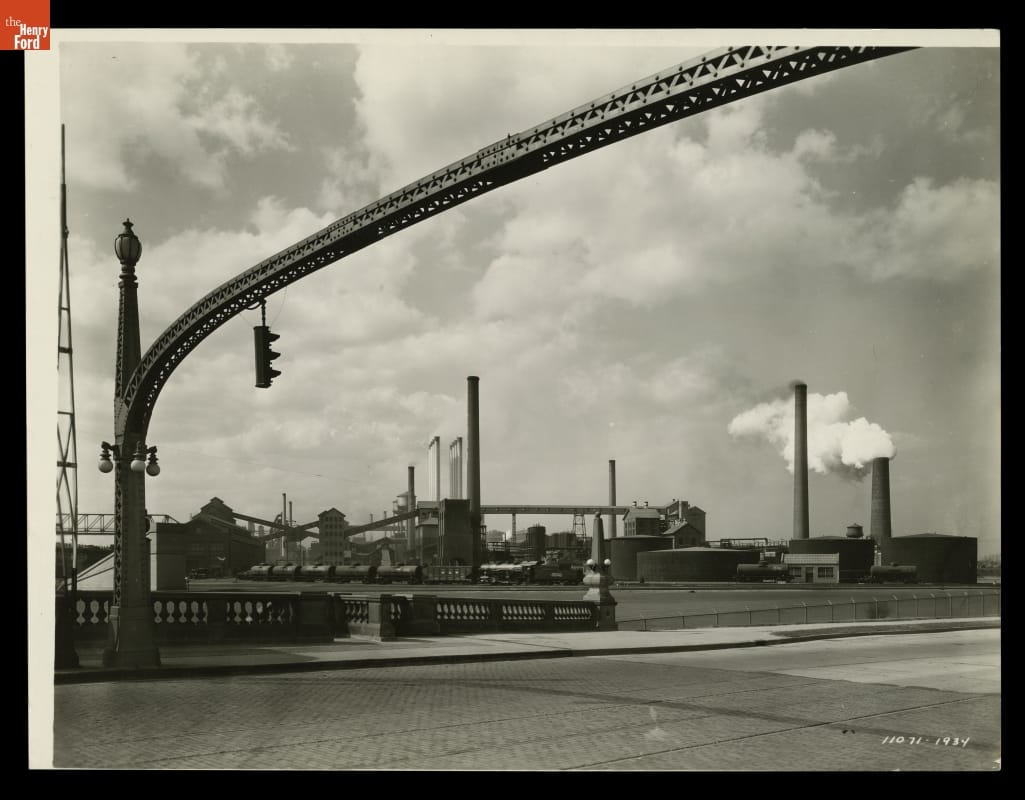
- Ford Motor Company Rouge Plant, View from Dix Bridge, 1934 - The Ford building at the 1933-1934 Chicago World's Fair was lined with murals depicting the River Rouge Plant -- a symbol of industrial efficiency that exemplified the fair's Century of Progress theme. One mural included this majestic view of the plant, which was the largest and most efficient manufacturing complex of its time.
- 1934
- Collections - Artifact
Ford Motor Company Rouge Plant, View from Dix Bridge, 1934
The Ford building at the 1933-1934 Chicago World's Fair was lined with murals depicting the River Rouge Plant -- a symbol of industrial efficiency that exemplified the fair's Century of Progress theme. One mural included this majestic view of the plant, which was the largest and most efficient manufacturing complex of its time.
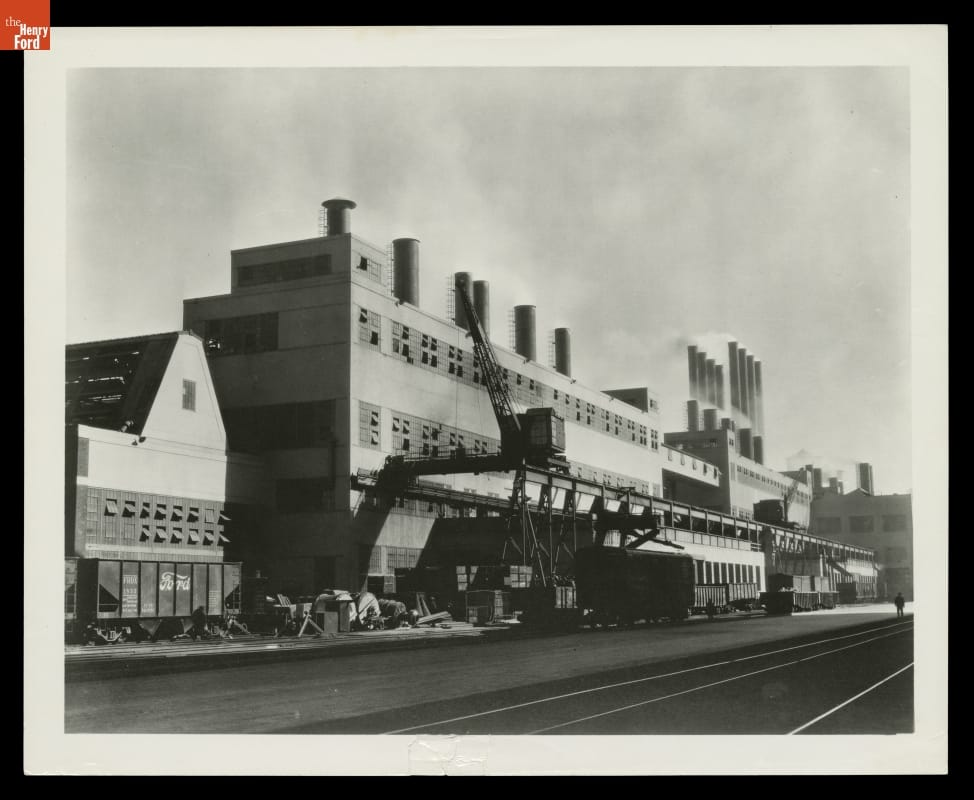
- Production Foundry at Ford Rouge Plant, 1927 - In 1927 Ford Motor Company commissioned Charles Sheeler to do a series of documentary photographs of their River Rouge industrial complex near Dearborn, Michigan. This photograph shows a crane taking scrap metal from railroad cars onto elevated conveyors leading into the foundry. Sheeler chose a diagonal perspective for this scene, accentuating it with lines of railroad tracks.
- 1927
- Collections - Artifact
Production Foundry at Ford Rouge Plant, 1927
In 1927 Ford Motor Company commissioned Charles Sheeler to do a series of documentary photographs of their River Rouge industrial complex near Dearborn, Michigan. This photograph shows a crane taking scrap metal from railroad cars onto elevated conveyors leading into the foundry. Sheeler chose a diagonal perspective for this scene, accentuating it with lines of railroad tracks.
- Power Plant Smokestacks at the Ford Rouge Plant, circa 1940 -
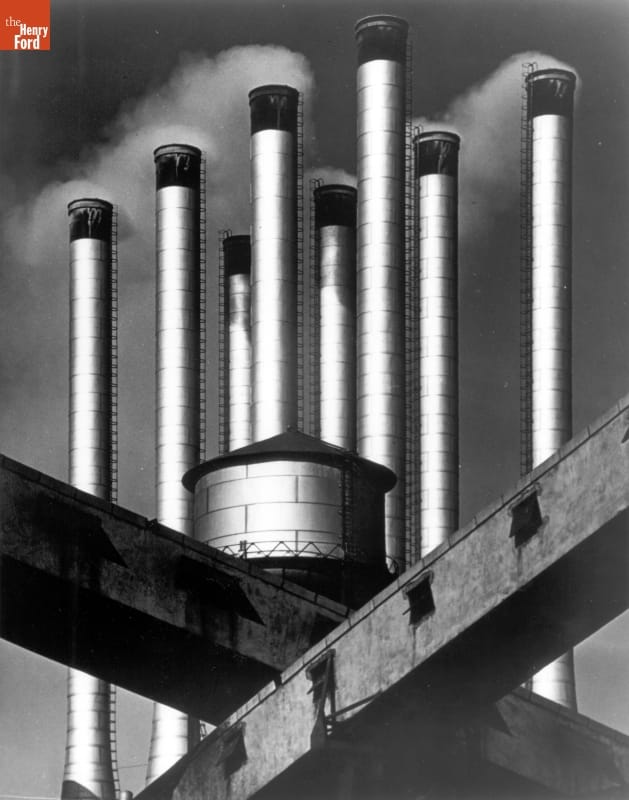
- circa 1940
- Collections - Artifact
Power Plant Smokestacks at the Ford Rouge Plant, circa 1940
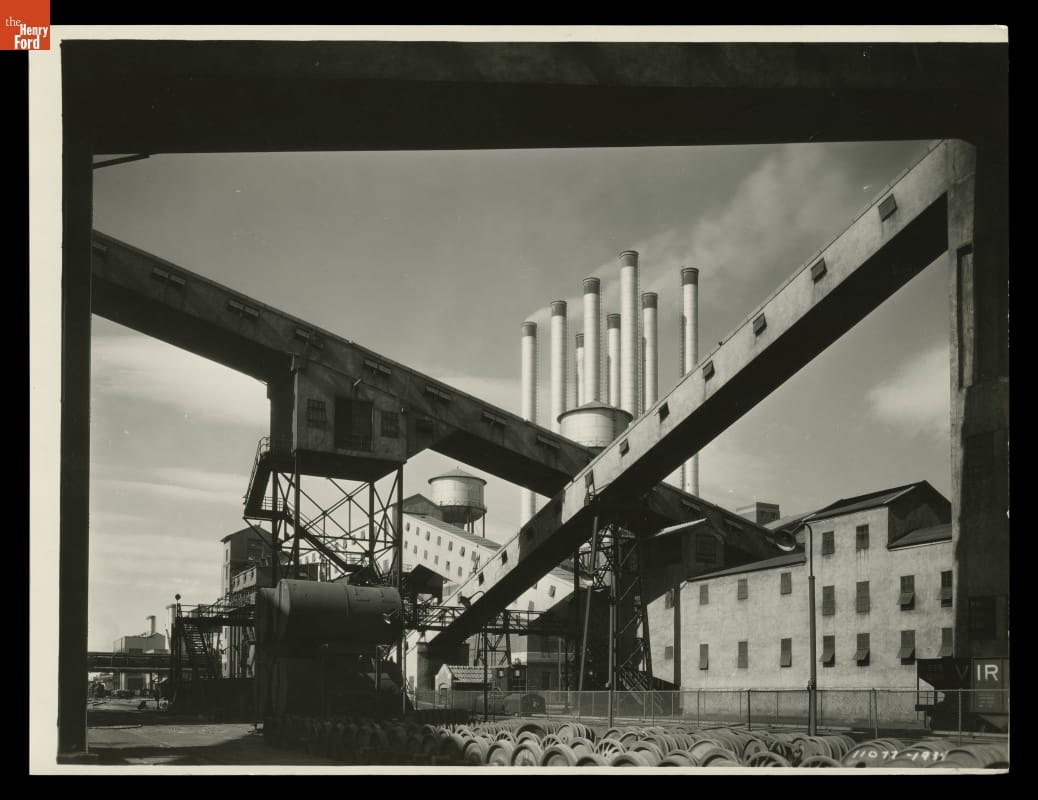
- Foundry Building at Ford Motor Company Rouge Plant, 1934 - The Ford building at the 1933-1934 Chicago World's Fair was lined with murals depicting the River Rouge Plant -- a symbol of industrial efficiency that exemplified the fair's Century of Progress theme. One mural included this artistic view of the Rouge foundry. This is where Ford's single-piece V-8 engine block was cast in 1932, setting an industry benchmark.
- 1934
- Collections - Artifact
Foundry Building at Ford Motor Company Rouge Plant, 1934
The Ford building at the 1933-1934 Chicago World's Fair was lined with murals depicting the River Rouge Plant -- a symbol of industrial efficiency that exemplified the fair's Century of Progress theme. One mural included this artistic view of the Rouge foundry. This is where Ford's single-piece V-8 engine block was cast in 1932, setting an industry benchmark.