
Search
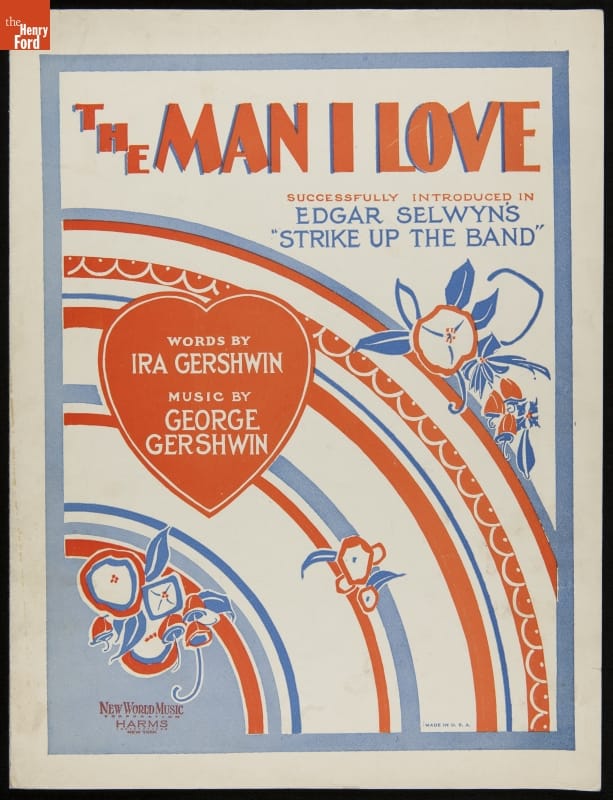
- Music Sheet, "The Man I Love," 1924 -
- 1924
- Collections - Artifact
Music Sheet, "The Man I Love," 1924
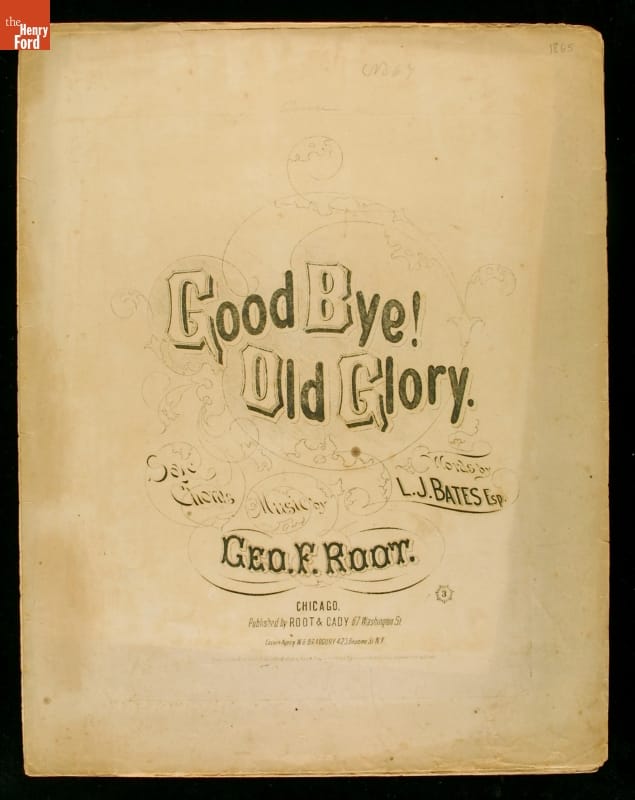
- "Good Bye! Old Glory," 1865 - The American Civil War finally ended in 1865. In September lyricist Lewis Bates and composer George F. Root produced the song "Good Bye! Old Glory" as a Union soldier's farewell to army life. In the lyrics, the victorious soldier says good-bye to marching and fighting, bids a "fond adieu" to hardtack and then doffs his army blue.
- 1865
- Collections - Artifact
"Good Bye! Old Glory," 1865
The American Civil War finally ended in 1865. In September lyricist Lewis Bates and composer George F. Root produced the song "Good Bye! Old Glory" as a Union soldier's farewell to army life. In the lyrics, the victorious soldier says good-bye to marching and fighting, bids a "fond adieu" to hardtack and then doffs his army blue.
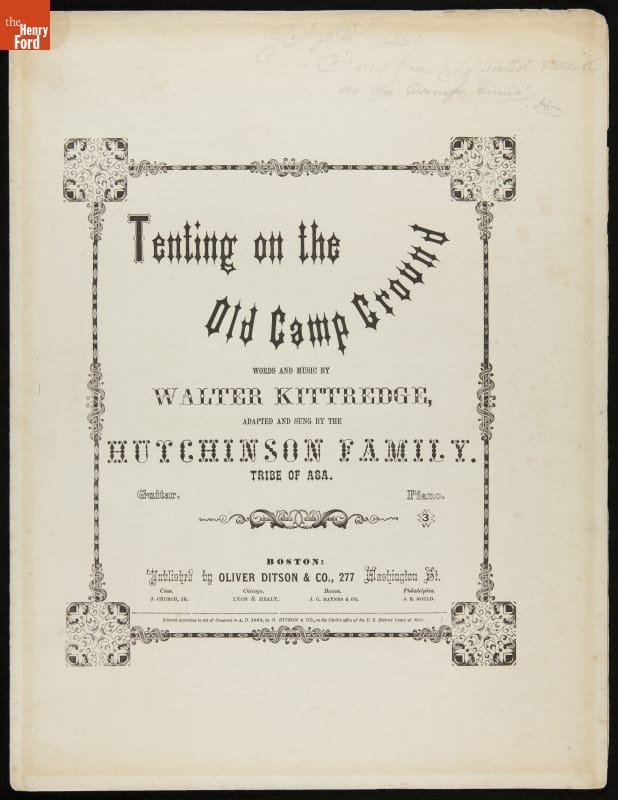
- Music Sheet, "Tenting on the Old Camp Ground," 1864 - The Civil War had lasted longer and taken more lives than most Americans would have imagined. In 1864, after three long years of war, Walter Kittredge published the song "Tenting on the Old Camp Ground." The song's lyrics touched the weary hearts of many wishing "to see the dawn of peace," but the war would last one more year.
- 1861-1865
- Collections - Artifact
Music Sheet, "Tenting on the Old Camp Ground," 1864
The Civil War had lasted longer and taken more lives than most Americans would have imagined. In 1864, after three long years of war, Walter Kittredge published the song "Tenting on the Old Camp Ground." The song's lyrics touched the weary hearts of many wishing "to see the dawn of peace," but the war would last one more year.
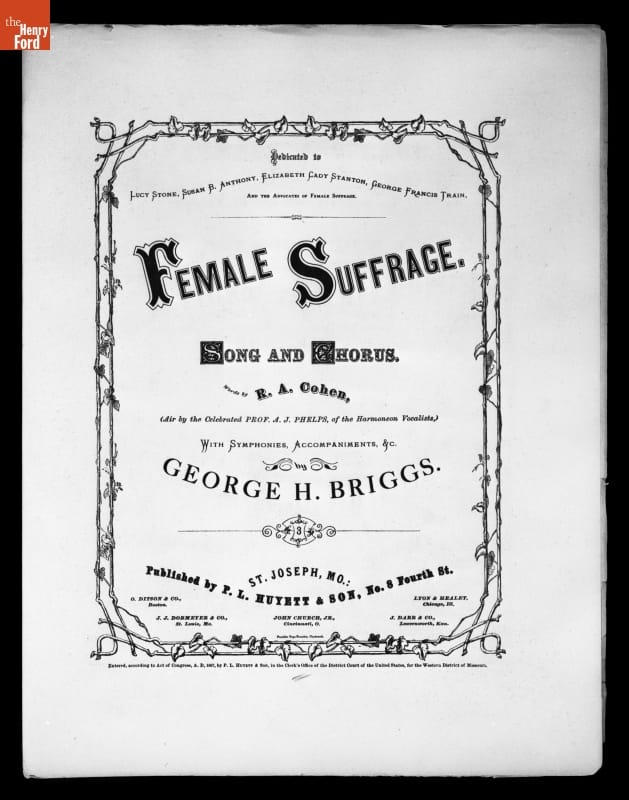
- Music Sheet, "Female Suffrage," 1867 - Music rallied support around the long fight for women's suffrage, or equal voting rights. This piece of sheet music was dedicated to four early suffragists: Elizabeth Cady Stanton and Susan B. Anthony, who formed the National Woman Suffrage Association; George Francis Train, who financed the group's monthly publication, <EM>The Revolution</EM>; and Lucy Stone, who launched the <EM>Woman's Journal</EM>, another women's rights newspaper.
- 1867
- Collections - Artifact
Music Sheet, "Female Suffrage," 1867
Music rallied support around the long fight for women's suffrage, or equal voting rights. This piece of sheet music was dedicated to four early suffragists: Elizabeth Cady Stanton and Susan B. Anthony, who formed the National Woman Suffrage Association; George Francis Train, who financed the group's monthly publication, The Revolution; and Lucy Stone, who launched the Woman's Journal, another women's rights newspaper.
- "Swanee," 1919 -
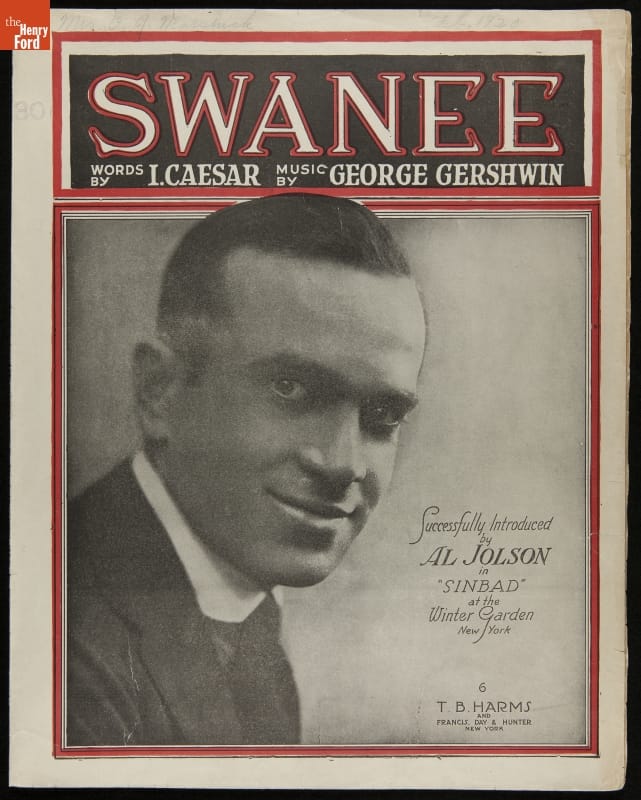
- 1919
- Collections - Artifact
"Swanee," 1919
- Music Sheet, "America's Ahead of Them All," from Harry La Marr's Popular Songs, 1887 -
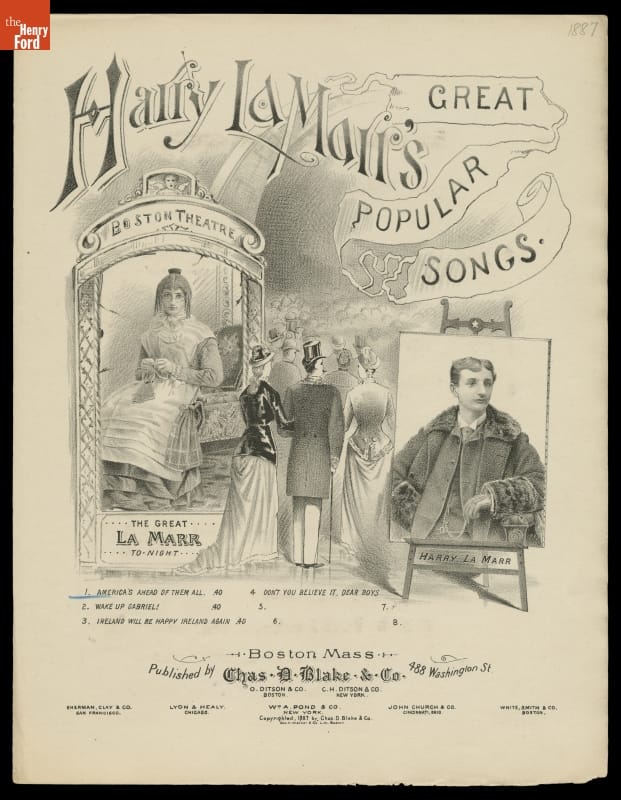
- 1887
- Collections - Artifact
Music Sheet, "America's Ahead of Them All," from Harry La Marr's Popular Songs, 1887
- Music Sheet, "The Schoolmaster, a Very Popular Glee," 1834 -
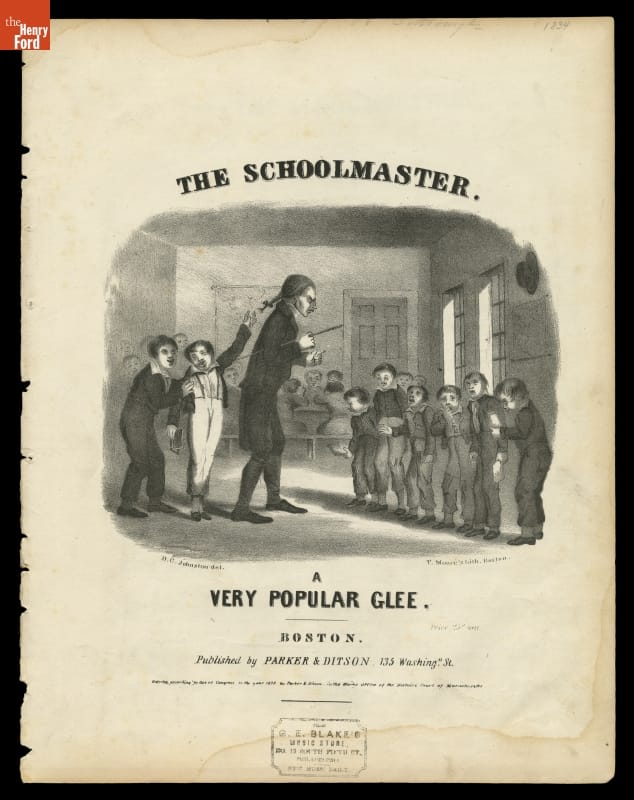
- 1834
- Collections - Artifact
Music Sheet, "The Schoolmaster, a Very Popular Glee," 1834
- Music Sheet, "Gem O' My Heart," 1930 -
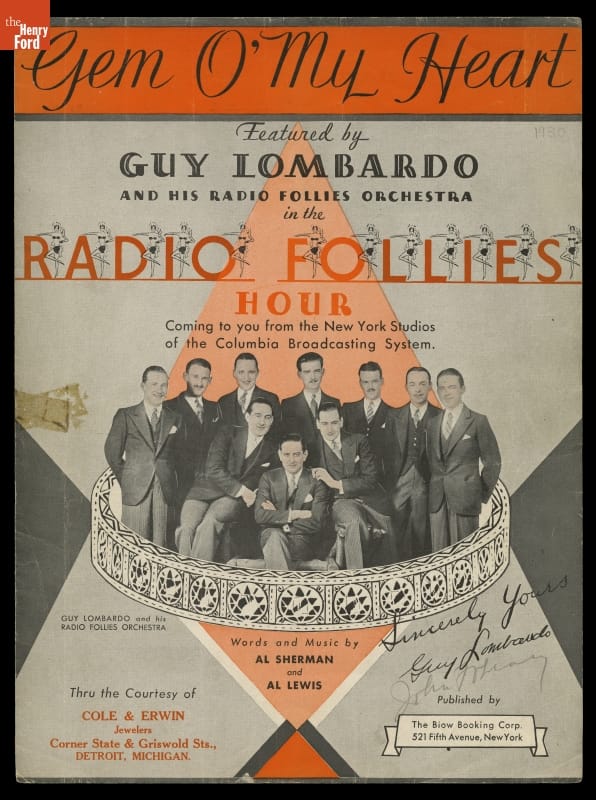
- 1930
- Collections - Artifact
Music Sheet, "Gem O' My Heart," 1930