
Search
- Letter from Sister Mary Lucy of Port Elizabeth, South Africa, to Eleanor Ford, May 1926 -
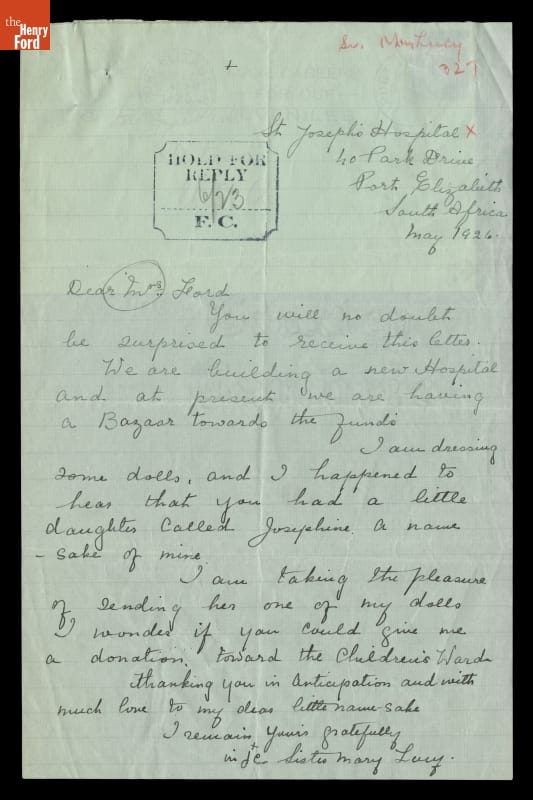
- May 01, 1926
- Collections - Artifact
Letter from Sister Mary Lucy of Port Elizabeth, South Africa, to Eleanor Ford, May 1926
- Button, "Chase Manhattan Partner in Apartheid," 1965 -
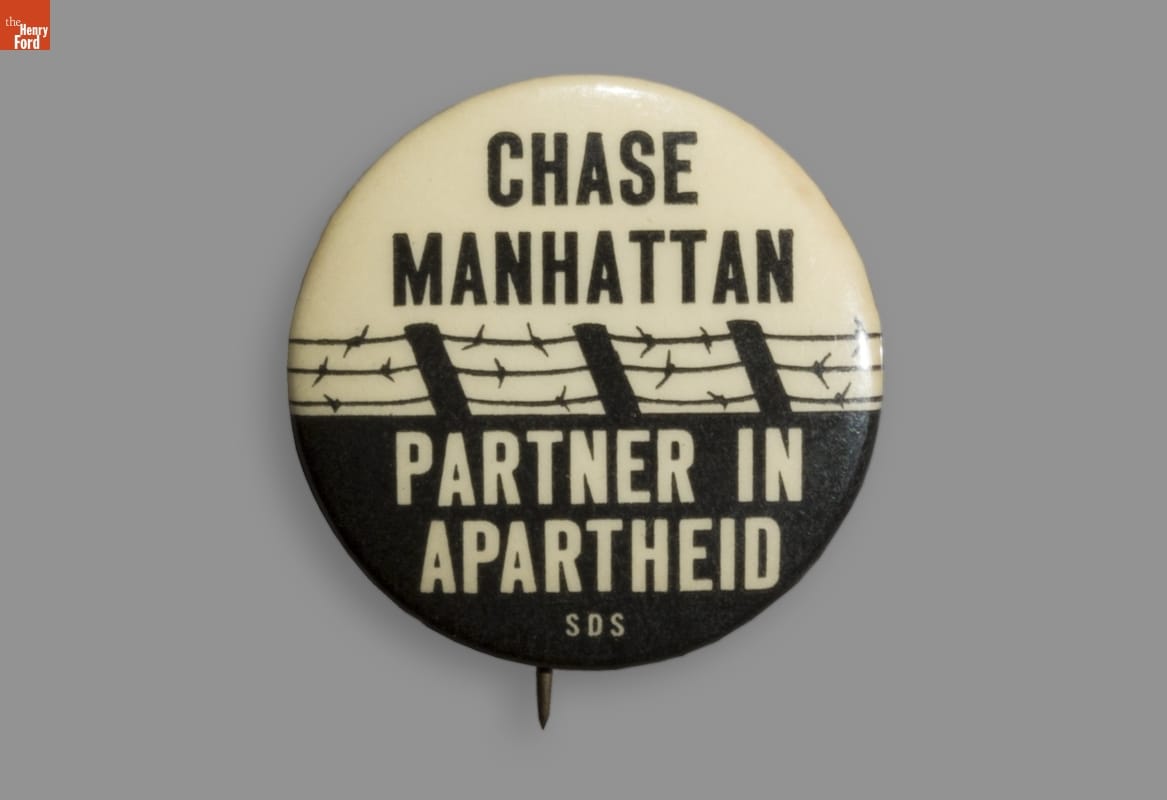
- 1965
- Collections - Artifact
Button, "Chase Manhattan Partner in Apartheid," 1965
- "Coke Sweetens Apartheid: Coca Cola Out Of South Africa" Button, 1985 -
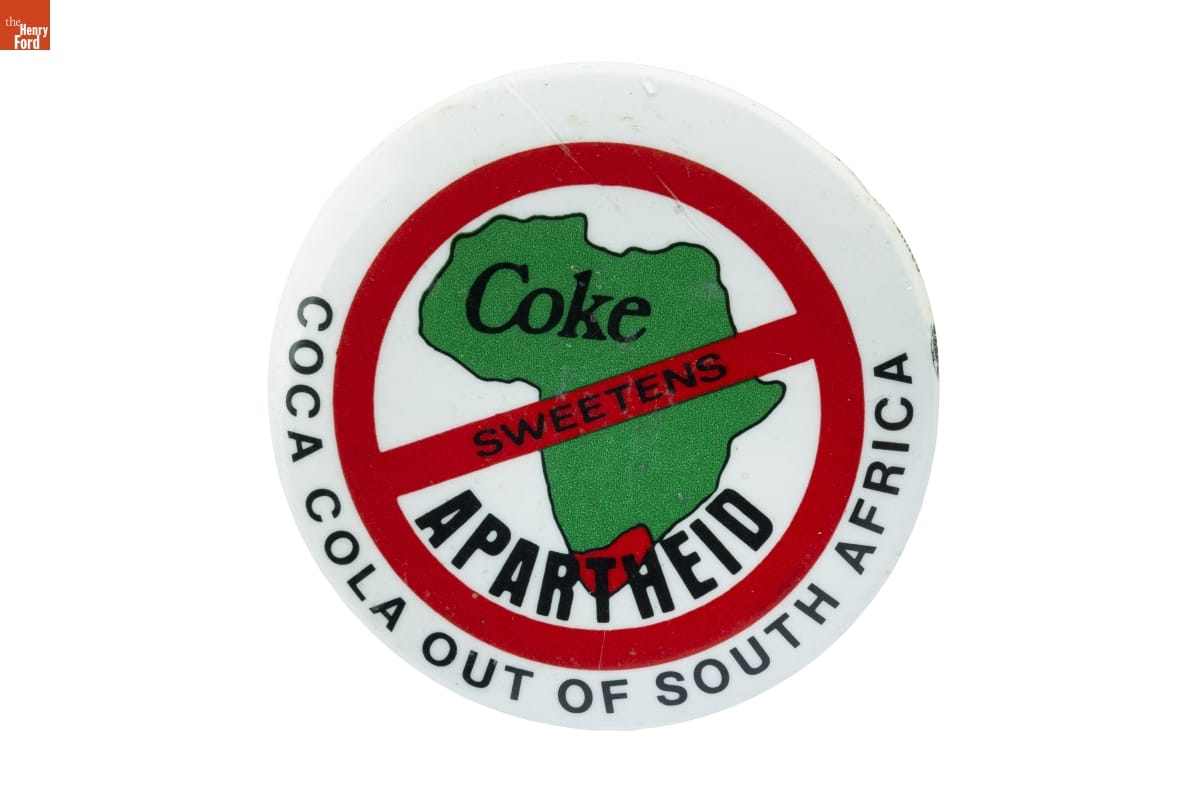
- 1985
- Collections - Artifact
"Coke Sweetens Apartheid: Coca Cola Out Of South Africa" Button, 1985
- "Rolling Stone," December 4, 1986 -
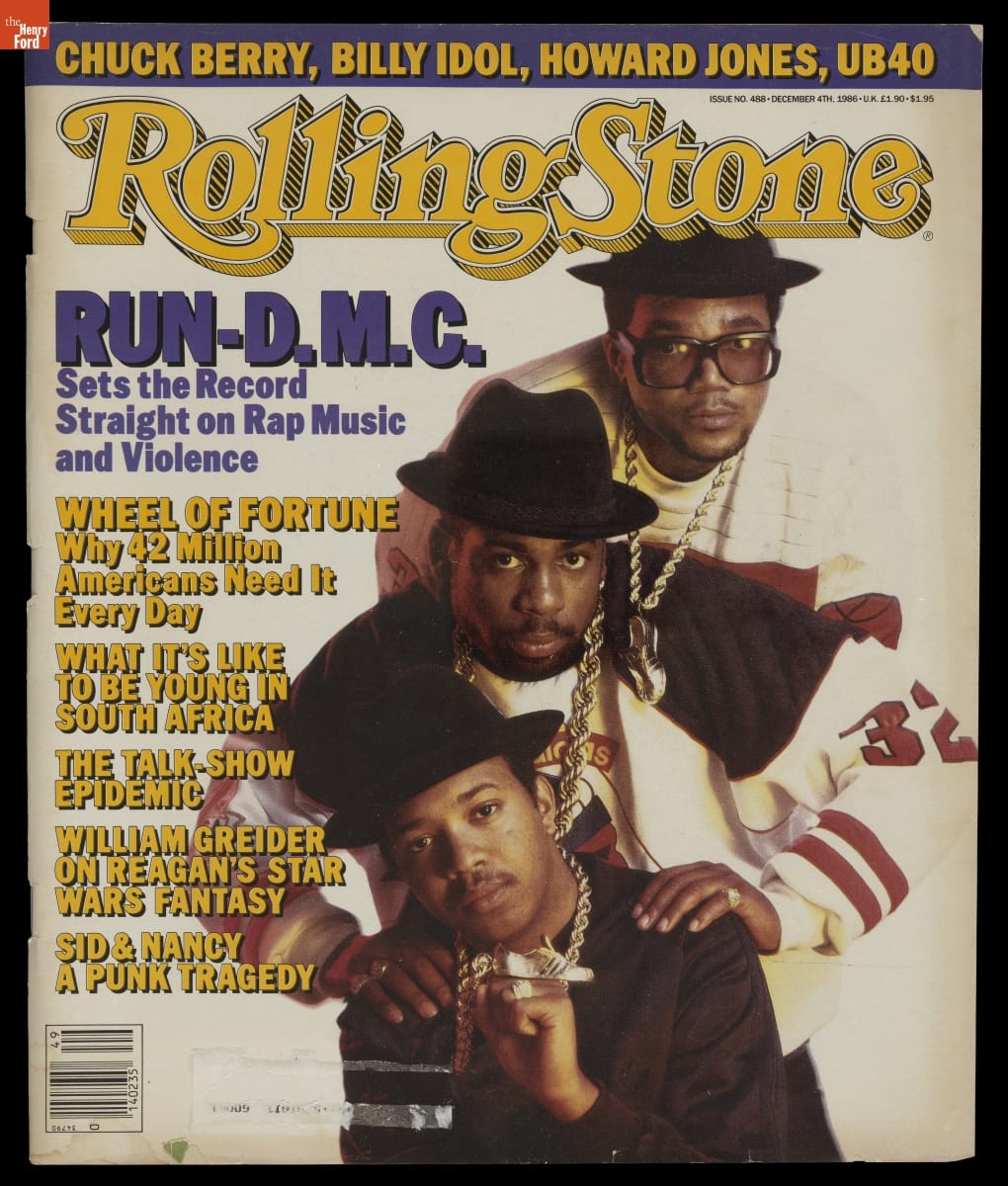
- December 04, 1986
- Collections - Artifact
"Rolling Stone," December 4, 1986
- "Johannesburg and the Witwatersrand," 1954 -
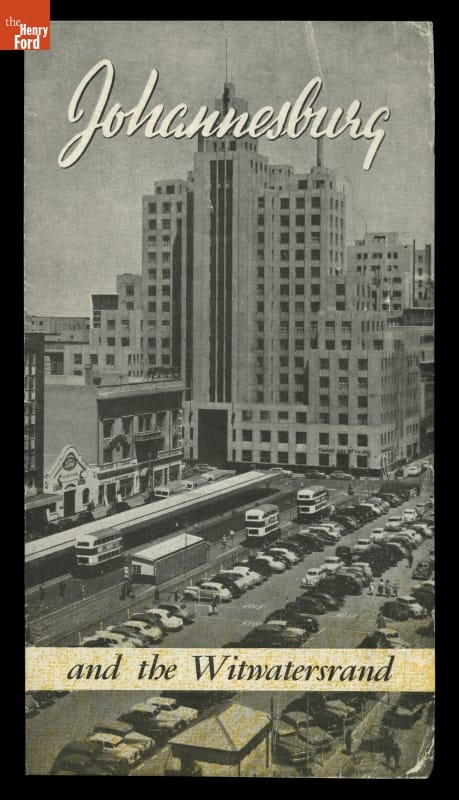
- 1953
- Collections - Artifact
"Johannesburg and the Witwatersrand," 1954
- "A Bright Future for Black Housing," 1979 - In the 1970s, U.S. firms doing business in South Africa committed resources to improve the working and living conditions of their nonwhite employees to pressure the minority white-led government to end apartheid -- South Africa's systemized segregation of races. Ford Motor Company outlined its housing efforts in this publication. These policies had little effect on apartheid, which ended in the early 1990s only after strict economic sanctions.
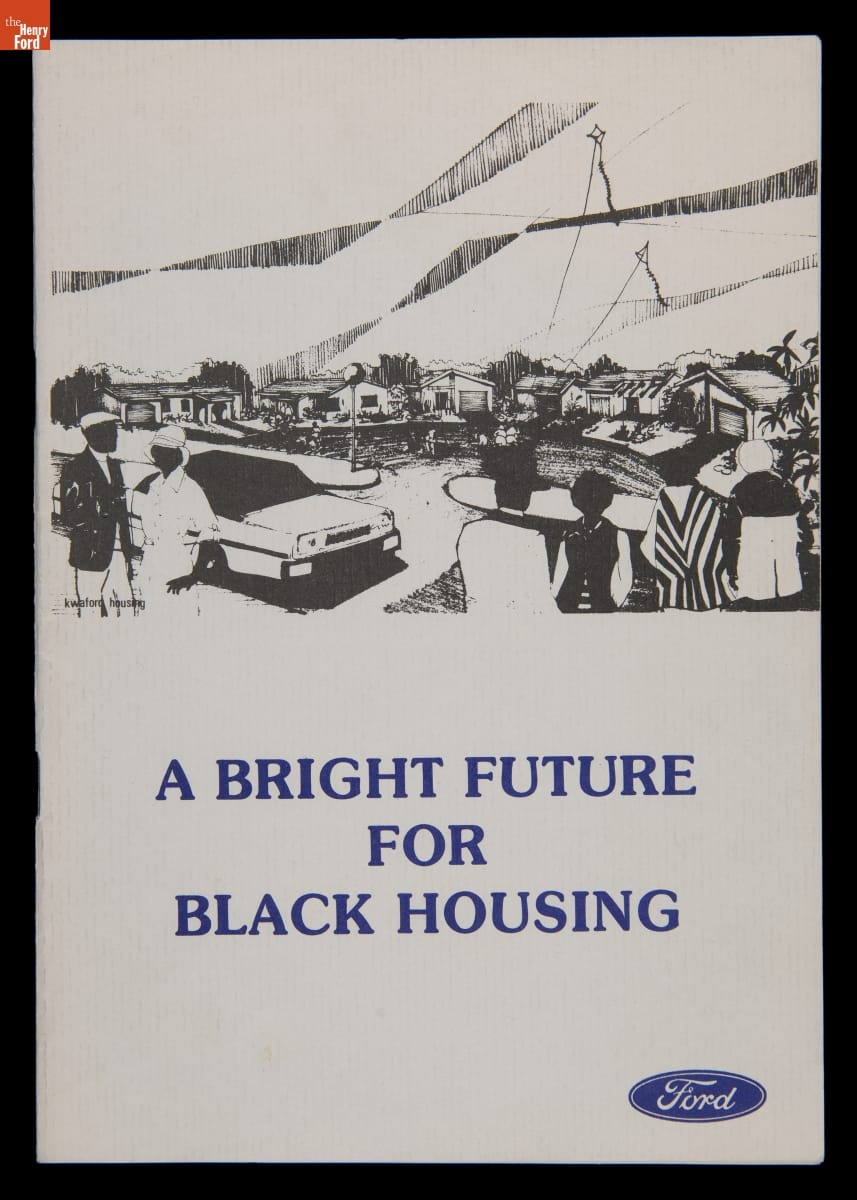
- 1979
- Collections - Artifact
"A Bright Future for Black Housing," 1979
In the 1970s, U.S. firms doing business in South Africa committed resources to improve the working and living conditions of their nonwhite employees to pressure the minority white-led government to end apartheid -- South Africa's systemized segregation of races. Ford Motor Company outlined its housing efforts in this publication. These policies had little effect on apartheid, which ended in the early 1990s only after strict economic sanctions.
- Trade Card for Ariosa Coffee, Arbuckle Bros., "Cape Town, Cape Colony," 1891 - In the last third of the nineteenth century, an unprecedented variety of consumer goods and services flooded the American market. Advertisers, armed with new methods of color printing, bombarded potential customers with trade cards. Americans enjoyed and often saved the vibrant little advertisements found in product packages or distributed by local merchants. Many survive as historical records of commercialism in the United States.
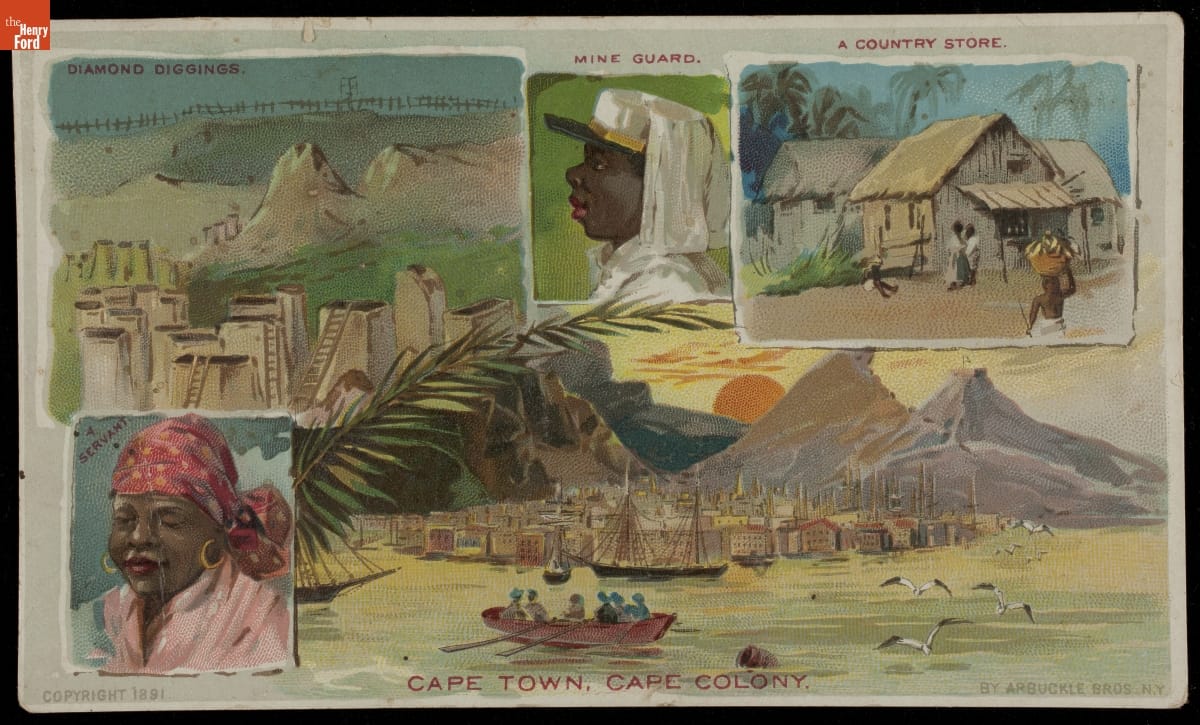
- 1891
- Collections - Artifact
Trade Card for Ariosa Coffee, Arbuckle Bros., "Cape Town, Cape Colony," 1891
In the last third of the nineteenth century, an unprecedented variety of consumer goods and services flooded the American market. Advertisers, armed with new methods of color printing, bombarded potential customers with trade cards. Americans enjoyed and often saved the vibrant little advertisements found in product packages or distributed by local merchants. Many survive as historical records of commercialism in the United States.
- QSL Card from ZS5BF (W. H. Tittley, Durban, South Africa) to W6DQZ (Hamid Durmisevich, Los Angeles, California), April 11, 1953 - It was customary for ham radio operators (hams) to exchange these "QSL cards" with one another through the mail after their first conversation. Long-time hams amassed collections of thousands of cards, some from far-flung places. There is a story embedded in each example: the ham's call sign dominates the design, with additional details about location, reception reports, and weather conditions.
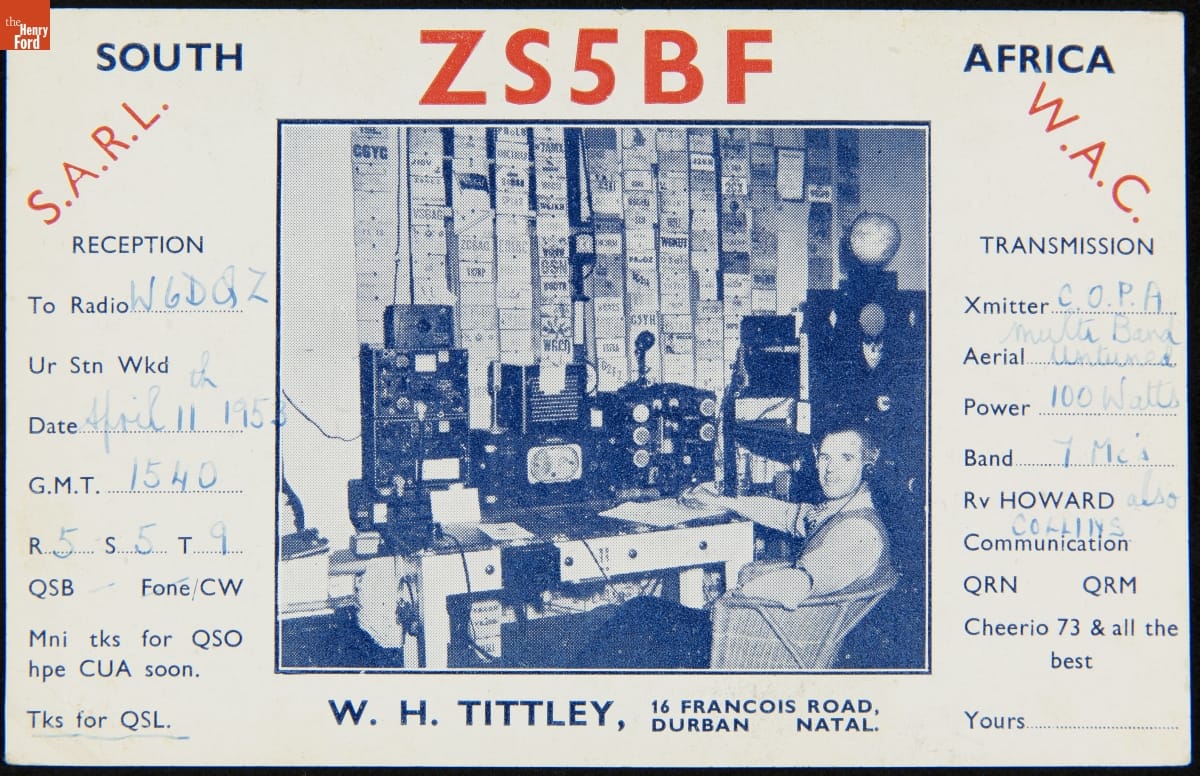
- April 11, 1953
- Collections - Artifact
QSL Card from ZS5BF (W. H. Tittley, Durban, South Africa) to W6DQZ (Hamid Durmisevich, Los Angeles, California), April 11, 1953
It was customary for ham radio operators (hams) to exchange these "QSL cards" with one another through the mail after their first conversation. Long-time hams amassed collections of thousands of cards, some from far-flung places. There is a story embedded in each example: the ham's call sign dominates the design, with additional details about location, reception reports, and weather conditions.
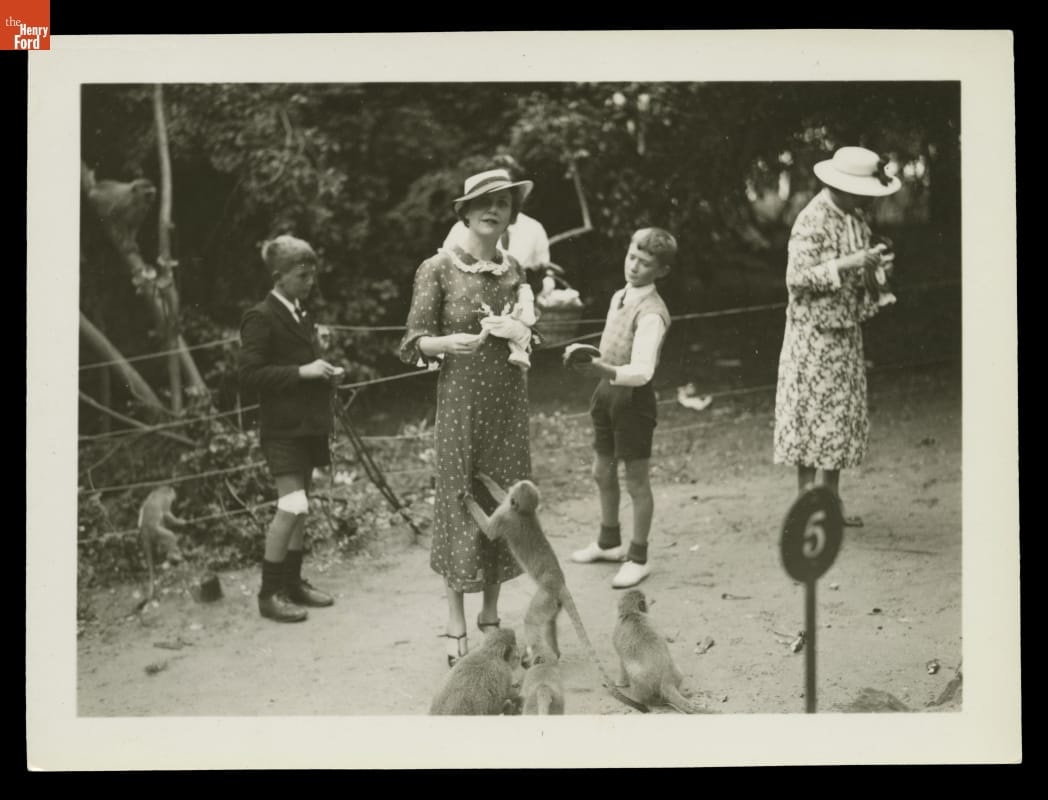
- Elizabeth Parke Firestone Feeding Monkeys in a Park, South Africa, 1936 - Elizabeth Parke, the daughter of a prosperous Decatur, Illinois, businessman, was an adventurous young women who had studied in Europe. She married Harvey S. Firestone, Jr., in 1921, and continued to travel frequently for both business and pleasure. Elizabeth enjoyed trekking through jungles and sleeping in grass huts in exotic locales as much as she relished dining in sumptuous hotels with royalty.
- 1936
- Collections - Artifact
Elizabeth Parke Firestone Feeding Monkeys in a Park, South Africa, 1936
Elizabeth Parke, the daughter of a prosperous Decatur, Illinois, businessman, was an adventurous young women who had studied in Europe. She married Harvey S. Firestone, Jr., in 1921, and continued to travel frequently for both business and pleasure. Elizabeth enjoyed trekking through jungles and sleeping in grass huts in exotic locales as much as she relished dining in sumptuous hotels with royalty.
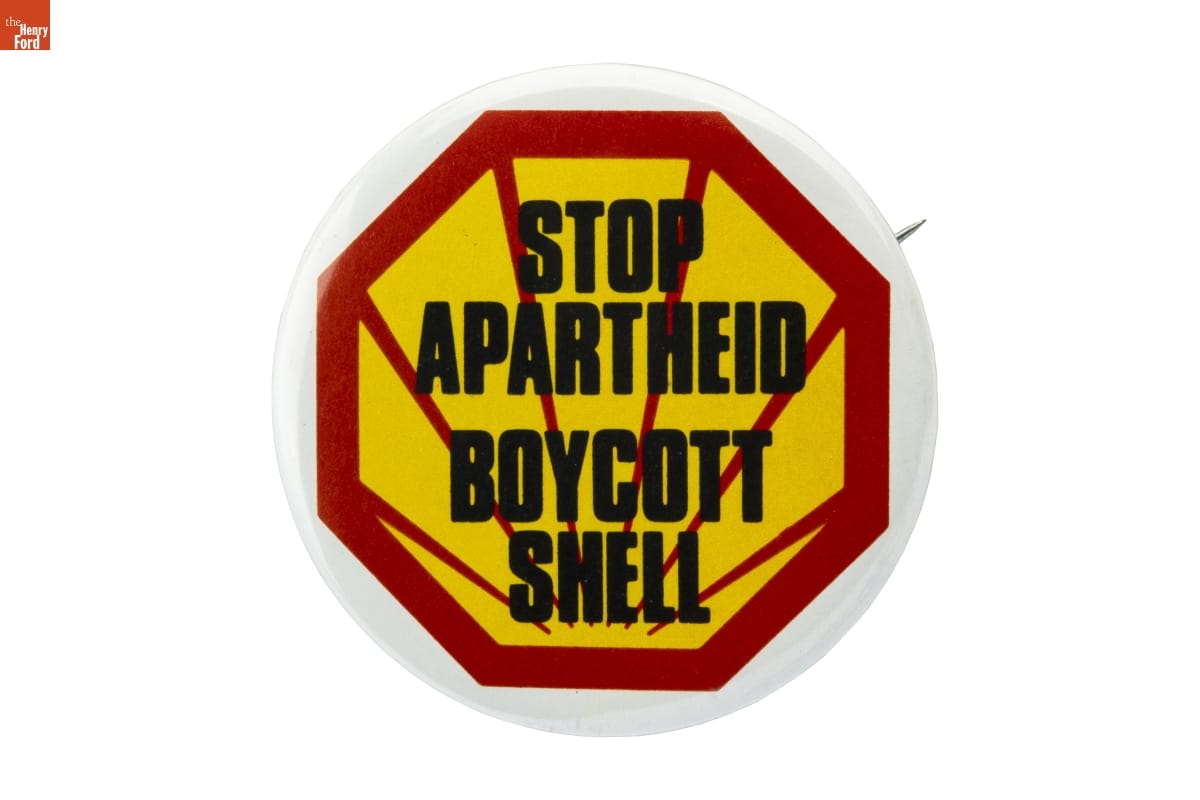
- "Stop Apartheid Boycott Shell" Button, 1986-1987 -
- 1986-1987
- Collections - Artifact
"Stop Apartheid Boycott Shell" Button, 1986-1987