
Search
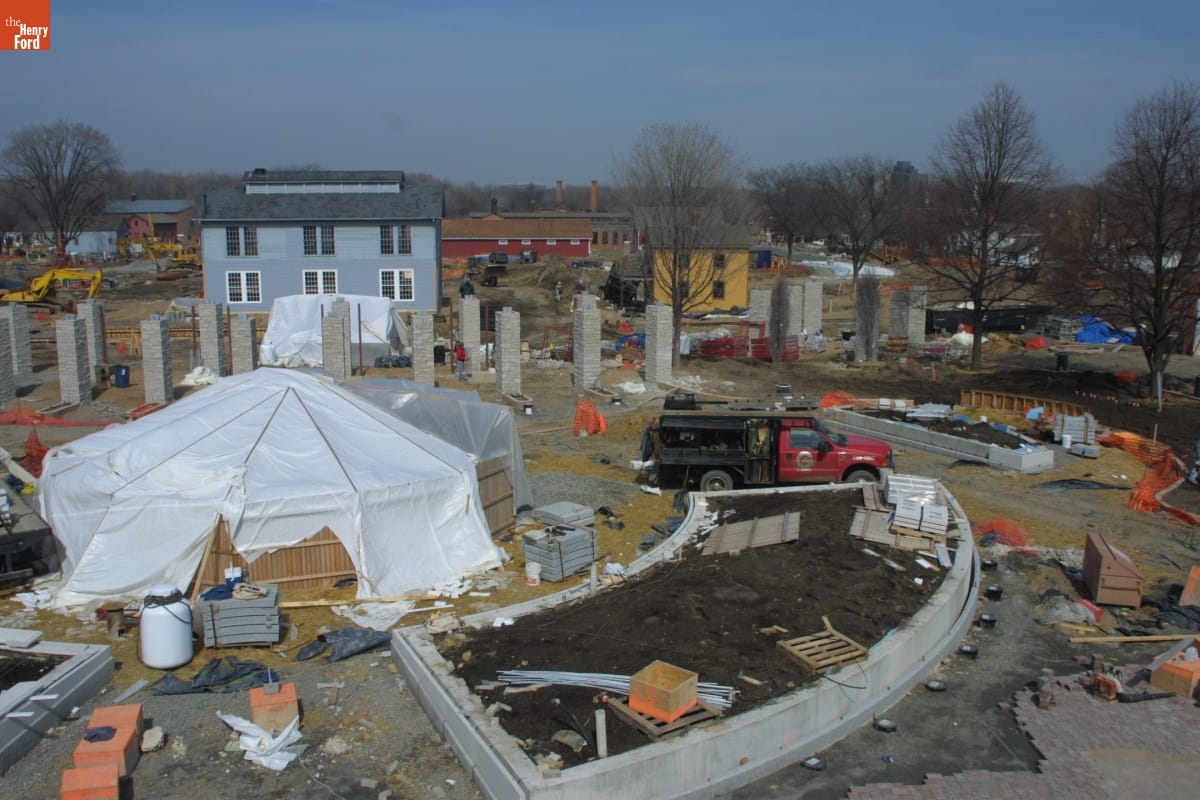
- Laying Brick Paving on the Josephine F. Ford Plaza, Greenfield Village Restoration Project, March 2003 - By 2000, Greenfield Village began showing its age. Buildings and crumbling infrastructure desperately needed repair. Museum planners envisioned a revitalized village with themed "Historic Districts." To welcome guests, they created the Josephine F. Ford Plaza--named for the Detroit philanthropist and only granddaughter of Henry and Clara Ford. In June 2003, visitors passed through this new entrance into a reborn Greenfield Village.
- March 01, 2003
- Collections - Artifact
Laying Brick Paving on the Josephine F. Ford Plaza, Greenfield Village Restoration Project, March 2003
By 2000, Greenfield Village began showing its age. Buildings and crumbling infrastructure desperately needed repair. Museum planners envisioned a revitalized village with themed "Historic Districts." To welcome guests, they created the Josephine F. Ford Plaza--named for the Detroit philanthropist and only granddaughter of Henry and Clara Ford. In June 2003, visitors passed through this new entrance into a reborn Greenfield Village.
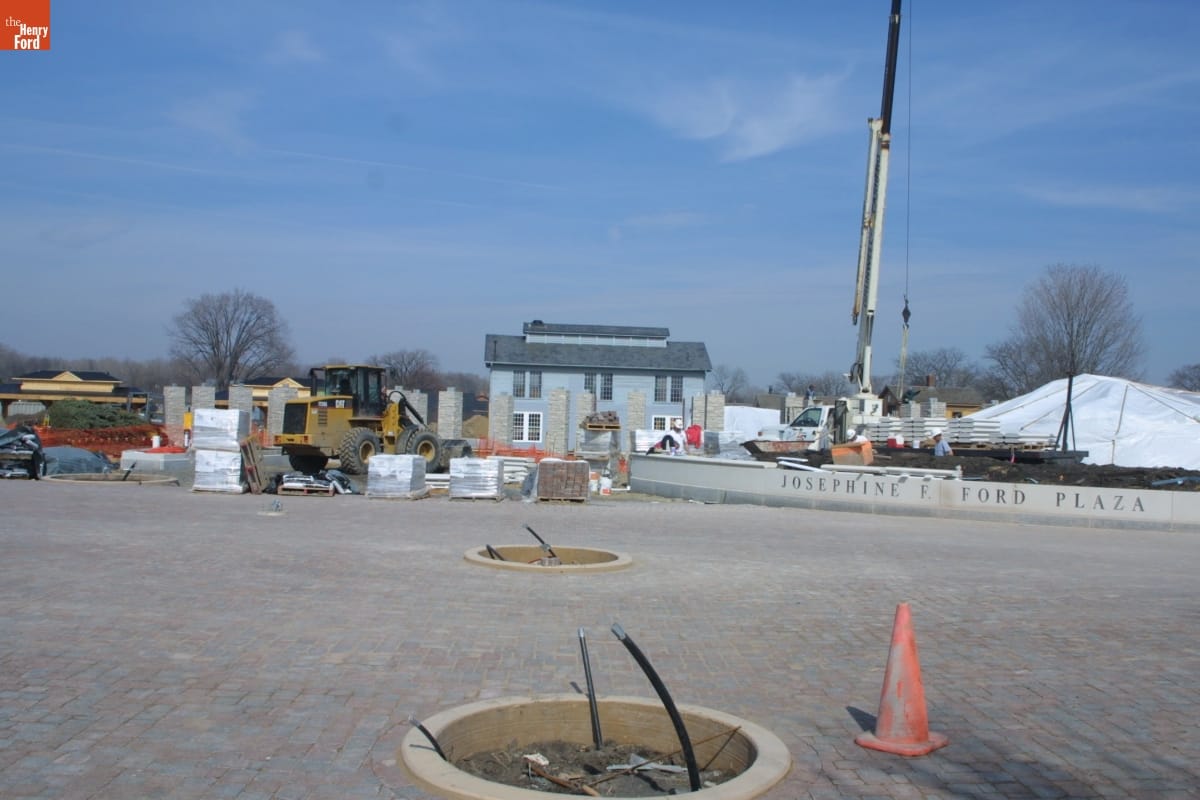
- Laying Brick Walkways on the Josephine F. Ford Plaza, Greenfield Village Restoration Project, March 2003 - By 2000, Greenfield Village began showing its age. Buildings and crumbling infrastructure desperately needed repair. Museum planners envisioned a revitalized village with themed "Historic Districts." To welcome guests, they created the Josephine F. Ford Plaza--named for the Detroit philanthropist and only granddaughter of Henry and Clara Ford. In June 2003, visitors passed through this new entrance into a reborn Greenfield Village.
- March 01, 2003
- Collections - Artifact
Laying Brick Walkways on the Josephine F. Ford Plaza, Greenfield Village Restoration Project, March 2003
By 2000, Greenfield Village began showing its age. Buildings and crumbling infrastructure desperately needed repair. Museum planners envisioned a revitalized village with themed "Historic Districts." To welcome guests, they created the Josephine F. Ford Plaza--named for the Detroit philanthropist and only granddaughter of Henry and Clara Ford. In June 2003, visitors passed through this new entrance into a reborn Greenfield Village.
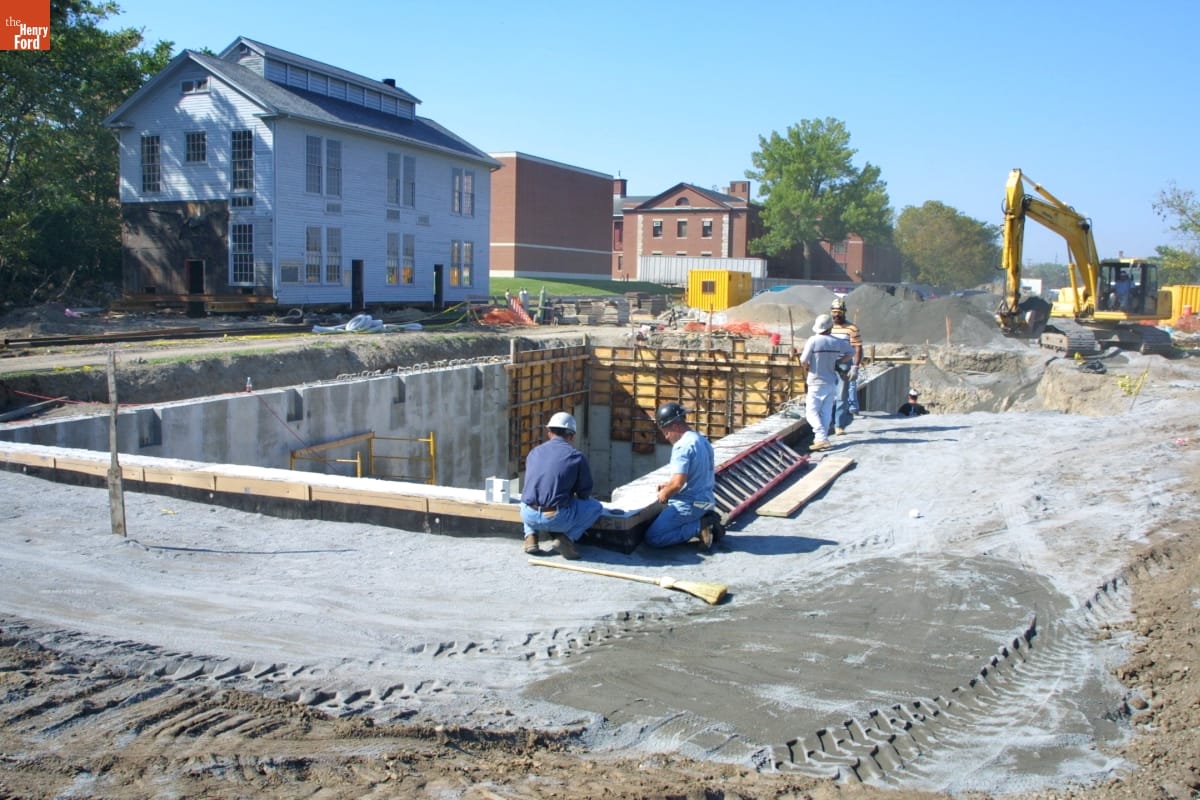
- Soybean Lab Agricultural Gallery Relocation Site Construction, Greenfield Village Restoration Project, October 2002 - By 2000, Greenfield Village began showing its age. Buildings and crumbling infrastructure desperately needed repair. Museum planners envisioned a revitalized village. They created themed "Historic Districts" by relocating and refurbishing the historic structures. Workers repaved streets and upgraded water, sewer, electric, and gas lines. In June 2003, nine months after restoration began, visitors passed through a new entrance into a reborn Greenfield Village.
- October 01, 2002
- Collections - Artifact
Soybean Lab Agricultural Gallery Relocation Site Construction, Greenfield Village Restoration Project, October 2002
By 2000, Greenfield Village began showing its age. Buildings and crumbling infrastructure desperately needed repair. Museum planners envisioned a revitalized village. They created themed "Historic Districts" by relocating and refurbishing the historic structures. Workers repaved streets and upgraded water, sewer, electric, and gas lines. In June 2003, nine months after restoration began, visitors passed through a new entrance into a reborn Greenfield Village.
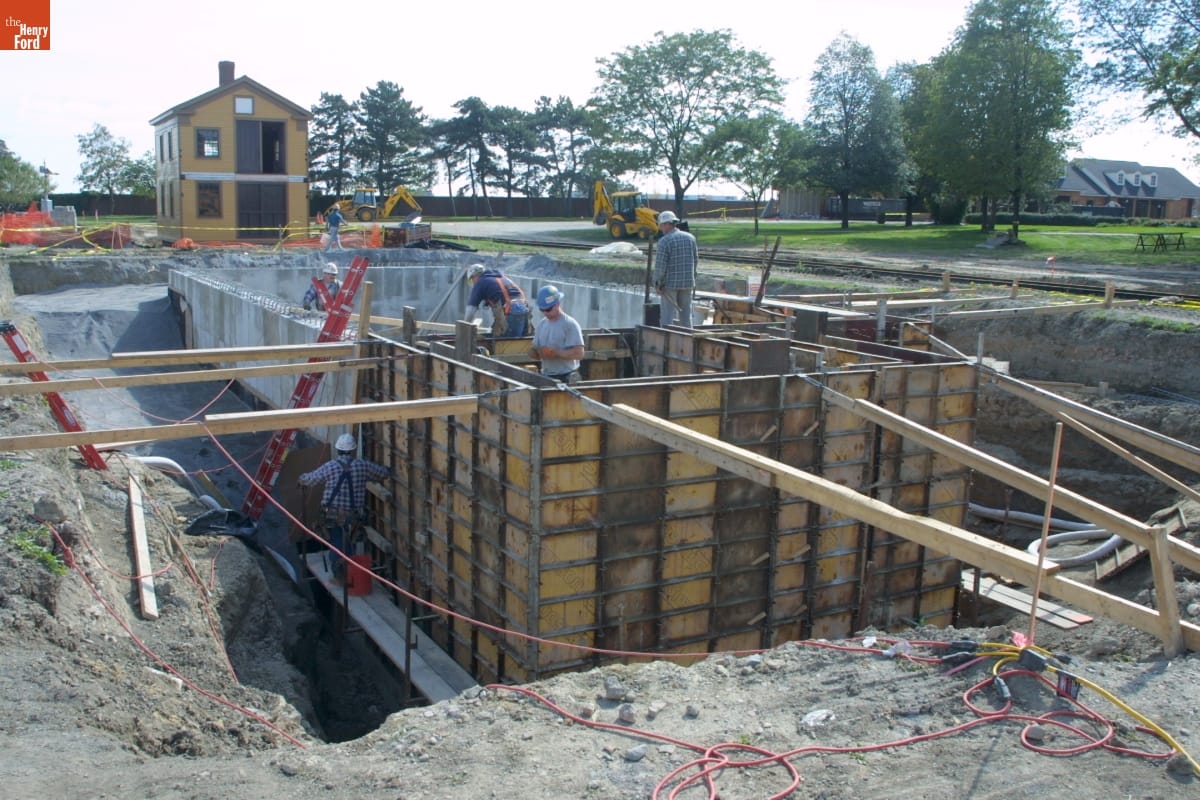
- Soybean Lab Agricultural Gallery Relocation Site during the Greenfield Village Restoration Project, October 2002 - By 2000, Greenfield Village began showing its age. Buildings and crumbling infrastructure desperately needed repair. Museum planners envisioned a revitalized village. They created themed "Historic Districts" by relocating and refurbishing the historic structures. Workers repaved streets and upgraded water, sewer, electric, and gas lines. In June 2003, nine months after restoration began, visitors passed through a new entrance into a reborn Greenfield Village.
- October 01, 2002
- Collections - Artifact
Soybean Lab Agricultural Gallery Relocation Site during the Greenfield Village Restoration Project, October 2002
By 2000, Greenfield Village began showing its age. Buildings and crumbling infrastructure desperately needed repair. Museum planners envisioned a revitalized village. They created themed "Historic Districts" by relocating and refurbishing the historic structures. Workers repaved streets and upgraded water, sewer, electric, and gas lines. In June 2003, nine months after restoration began, visitors passed through a new entrance into a reborn Greenfield Village.
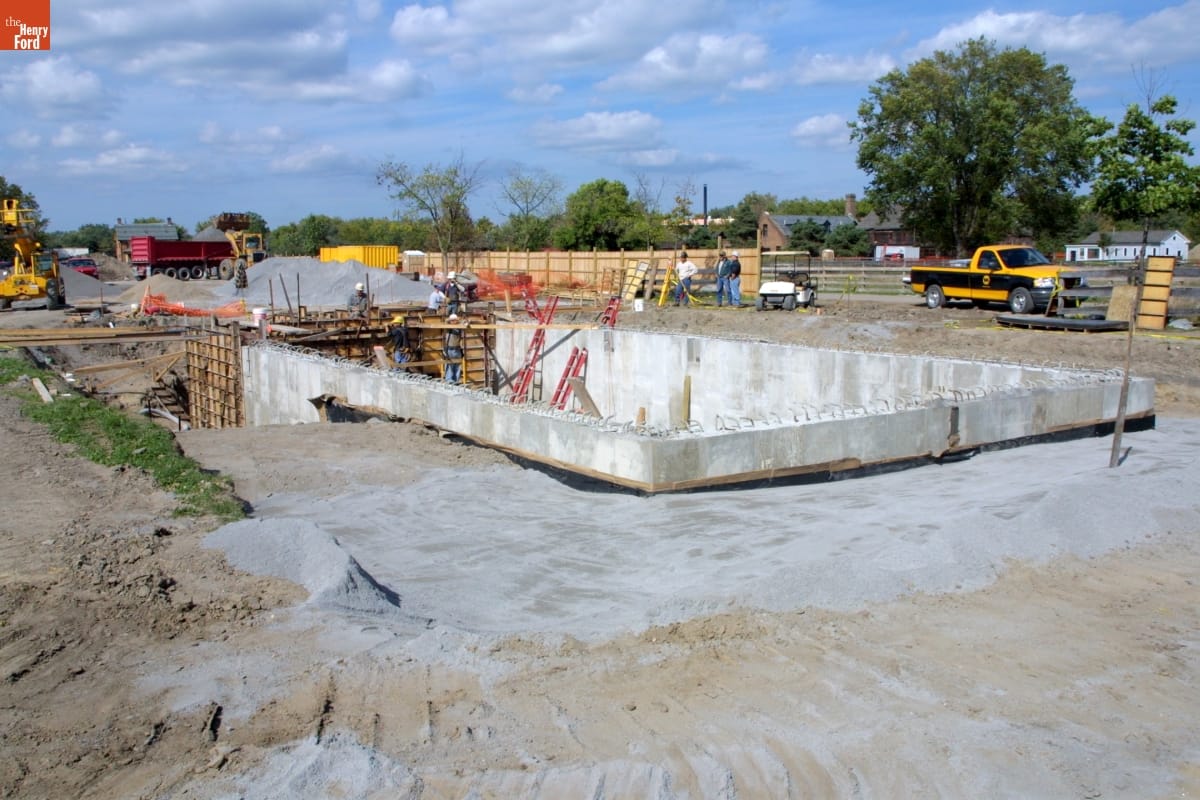
- Soybean Lab Agricultural Gallery Relocation Site during the Greenfield Village Restoration Project, October 2002 - By 2000, Greenfield Village began showing its age. Buildings and crumbling infrastructure desperately needed repair. Museum planners envisioned a revitalized village. They created themed "Historic Districts" by relocating and refurbishing the historic structures. Workers repaved streets and upgraded water, sewer, electric, and gas lines. In June 2003, nine months after restoration began, visitors passed through a new entrance into a reborn Greenfield Village.
- October 01, 2002
- Collections - Artifact
Soybean Lab Agricultural Gallery Relocation Site during the Greenfield Village Restoration Project, October 2002
By 2000, Greenfield Village began showing its age. Buildings and crumbling infrastructure desperately needed repair. Museum planners envisioned a revitalized village. They created themed "Historic Districts" by relocating and refurbishing the historic structures. Workers repaved streets and upgraded water, sewer, electric, and gas lines. In June 2003, nine months after restoration began, visitors passed through a new entrance into a reborn Greenfield Village.
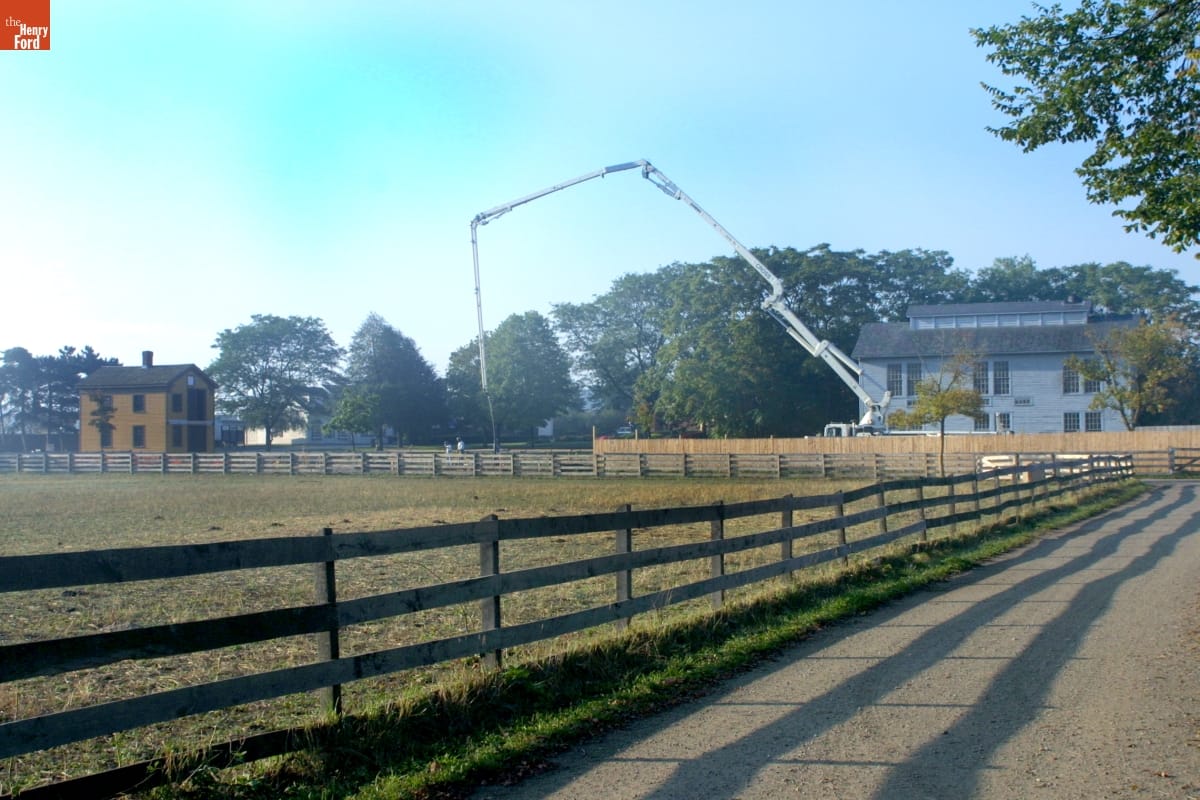
- Soybean Lab Agricultural Gallery Relocation Site during the Greenfield Village Restoration Project, September-October 2002 - By 2000, Greenfield Village began showing its age. Buildings and crumbling infrastructure desperately needed repair. Museum planners envisioned a revitalized village. They created themed "Historic Districts" by relocating and refurbishing the historic structures. Workers repaved streets and upgraded water, sewer, electric, and gas lines. In June 2003, nine months after restoration began, visitors passed through a new entrance into a reborn Greenfield Village.
- 26 September 2002-03 October 2002
- Collections - Artifact
Soybean Lab Agricultural Gallery Relocation Site during the Greenfield Village Restoration Project, September-October 2002
By 2000, Greenfield Village began showing its age. Buildings and crumbling infrastructure desperately needed repair. Museum planners envisioned a revitalized village. They created themed "Historic Districts" by relocating and refurbishing the historic structures. Workers repaved streets and upgraded water, sewer, electric, and gas lines. In June 2003, nine months after restoration began, visitors passed through a new entrance into a reborn Greenfield Village.
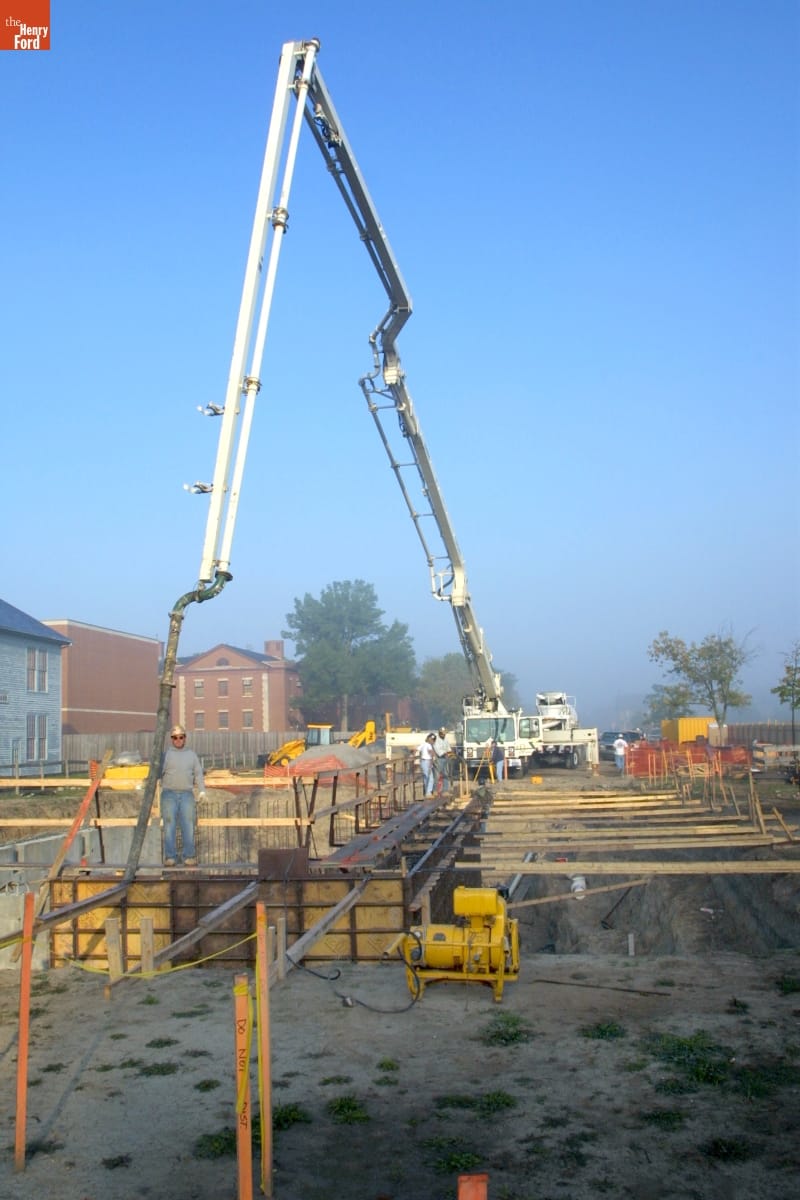
- Soybean Lab Agricultural Gallery Relocation Site during the Greenfield Village Restoration Project, September-October 2002 - By 2000, Greenfield Village began showing its age. Buildings and crumbling infrastructure desperately needed repair. Museum planners envisioned a revitalized village. They created themed "Historic Districts" by relocating and refurbishing the historic structures. Workers repaved streets and upgraded water, sewer, electric, and gas lines. In June 2003, nine months after restoration began, visitors passed through a new entrance into a reborn Greenfield Village.
- 26 September 2002-03 October 2002
- Collections - Artifact
Soybean Lab Agricultural Gallery Relocation Site during the Greenfield Village Restoration Project, September-October 2002
By 2000, Greenfield Village began showing its age. Buildings and crumbling infrastructure desperately needed repair. Museum planners envisioned a revitalized village. They created themed "Historic Districts" by relocating and refurbishing the historic structures. Workers repaved streets and upgraded water, sewer, electric, and gas lines. In June 2003, nine months after restoration began, visitors passed through a new entrance into a reborn Greenfield Village.
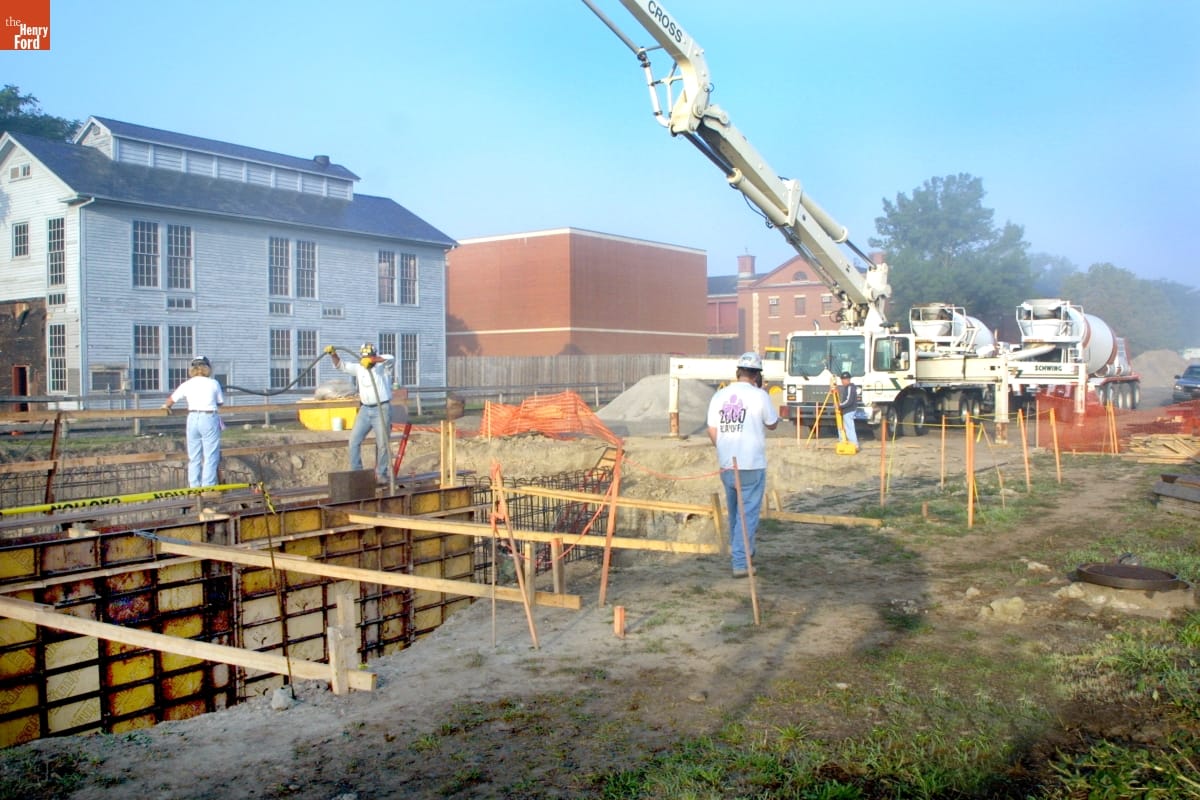
- Soybean Lab Agricultural Gallery Relocation Site during the Greenfield Village Restoration Project, September-October 2002 - By 2000, Greenfield Village began showing its age. Buildings and crumbling infrastructure desperately needed repair. Museum planners envisioned a revitalized village. They created themed "Historic Districts" by relocating and refurbishing the historic structures. Workers repaved streets and upgraded water, sewer, electric, and gas lines. In June 2003, nine months after restoration began, visitors passed through a new entrance into a reborn Greenfield Village.
- 26 September 2002-03 October 2002
- Collections - Artifact
Soybean Lab Agricultural Gallery Relocation Site during the Greenfield Village Restoration Project, September-October 2002
By 2000, Greenfield Village began showing its age. Buildings and crumbling infrastructure desperately needed repair. Museum planners envisioned a revitalized village. They created themed "Historic Districts" by relocating and refurbishing the historic structures. Workers repaved streets and upgraded water, sewer, electric, and gas lines. In June 2003, nine months after restoration began, visitors passed through a new entrance into a reborn Greenfield Village.
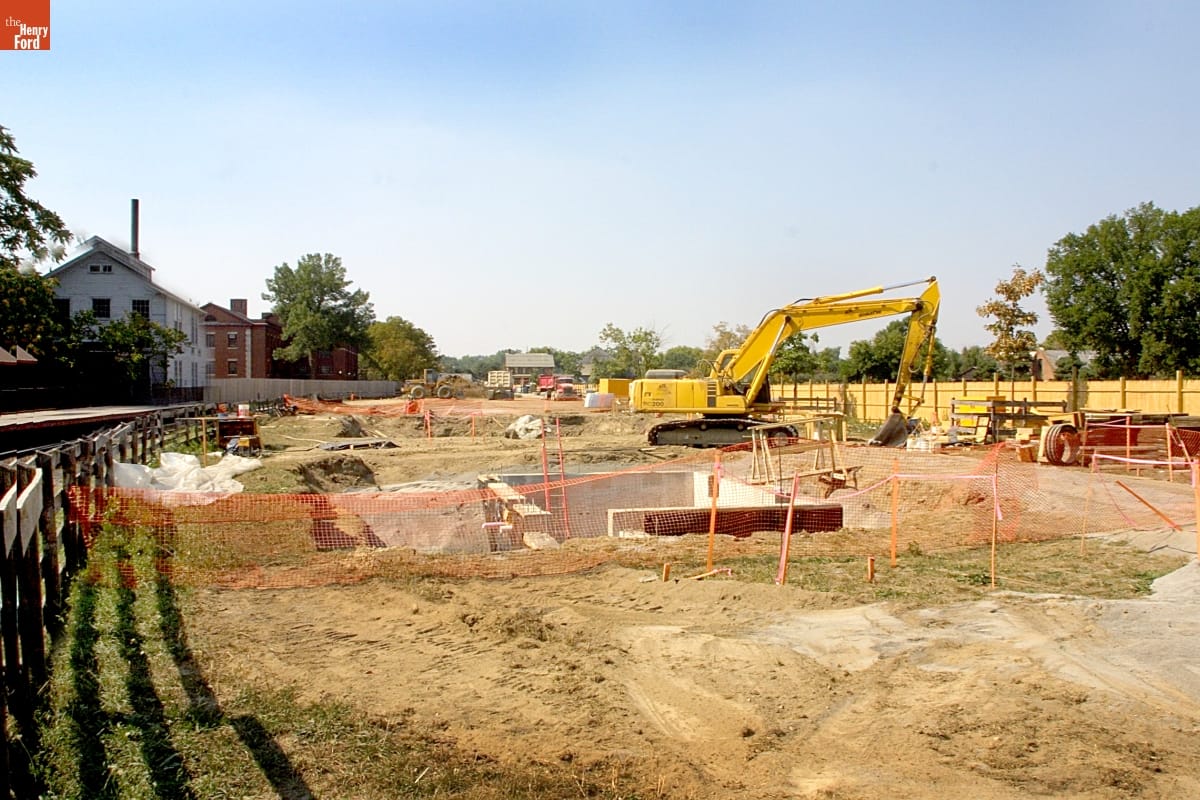
- Soybean Lab Agricultural Gallery Relocation Site during the Greenfield Village Restoration Project, September 2002 - By 2000, Greenfield Village began showing its age. Buildings and crumbling infrastructure desperately needed repair. Museum planners envisioned a revitalized village. They created themed "Historic Districts" by relocating and refurbishing the historic structures. Workers repaved streets and upgraded water, sewer, electric, and gas lines. In June 2003, nine months after restoration began, visitors passed through a new entrance into a reborn Greenfield Village.
- 17 September 2002-27 September 2002
- Collections - Artifact
Soybean Lab Agricultural Gallery Relocation Site during the Greenfield Village Restoration Project, September 2002
By 2000, Greenfield Village began showing its age. Buildings and crumbling infrastructure desperately needed repair. Museum planners envisioned a revitalized village. They created themed "Historic Districts" by relocating and refurbishing the historic structures. Workers repaved streets and upgraded water, sewer, electric, and gas lines. In June 2003, nine months after restoration began, visitors passed through a new entrance into a reborn Greenfield Village.
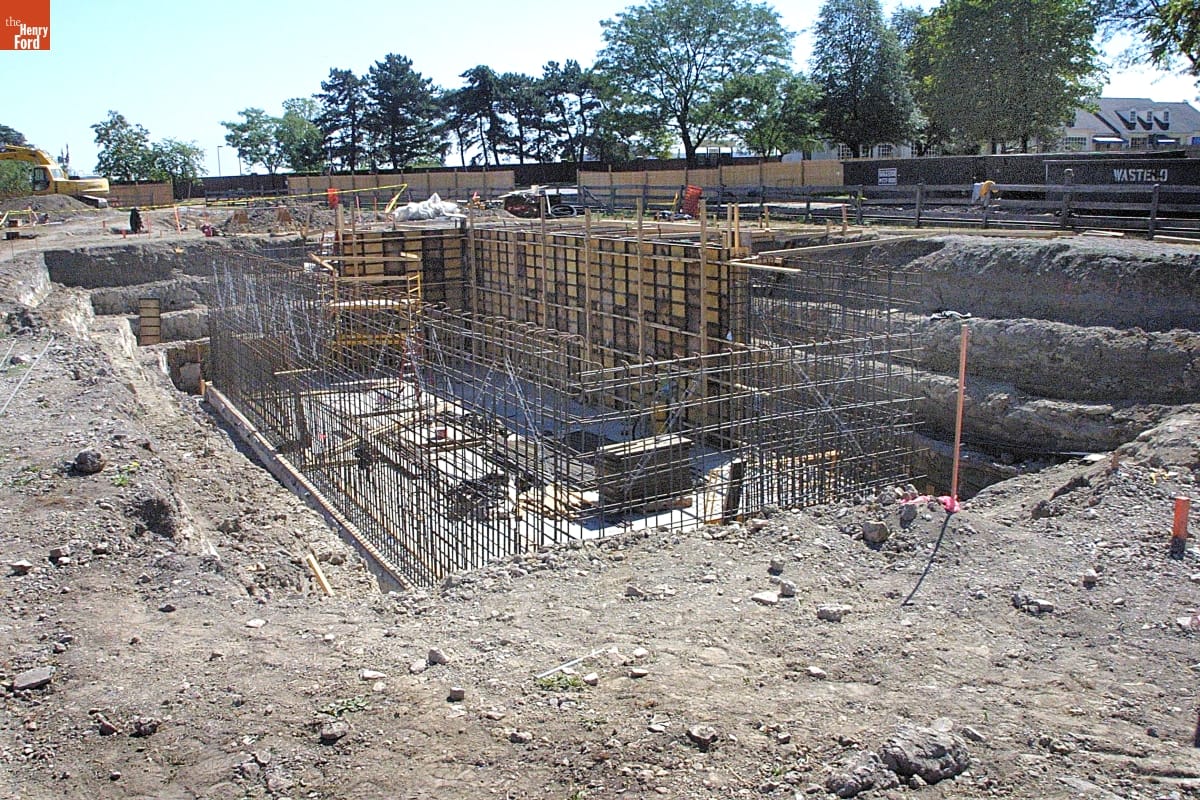
- Soybean Lab Agricultural Gallery Relocation Site during the Greenfield Village Restoration Project, September 2002 - By 2000, Greenfield Village began showing its age. Buildings and crumbling infrastructure desperately needed repair. Museum planners envisioned a revitalized village. They created themed "Historic Districts" by relocating and refurbishing the historic structures. Workers repaved streets and upgraded water, sewer, electric, and gas lines. In June 2003, nine months after restoration began, visitors passed through a new entrance into a reborn Greenfield Village.
- 17 September 2002-27 September 2002
- Collections - Artifact
Soybean Lab Agricultural Gallery Relocation Site during the Greenfield Village Restoration Project, September 2002
By 2000, Greenfield Village began showing its age. Buildings and crumbling infrastructure desperately needed repair. Museum planners envisioned a revitalized village. They created themed "Historic Districts" by relocating and refurbishing the historic structures. Workers repaved streets and upgraded water, sewer, electric, and gas lines. In June 2003, nine months after restoration began, visitors passed through a new entrance into a reborn Greenfield Village.