
Search
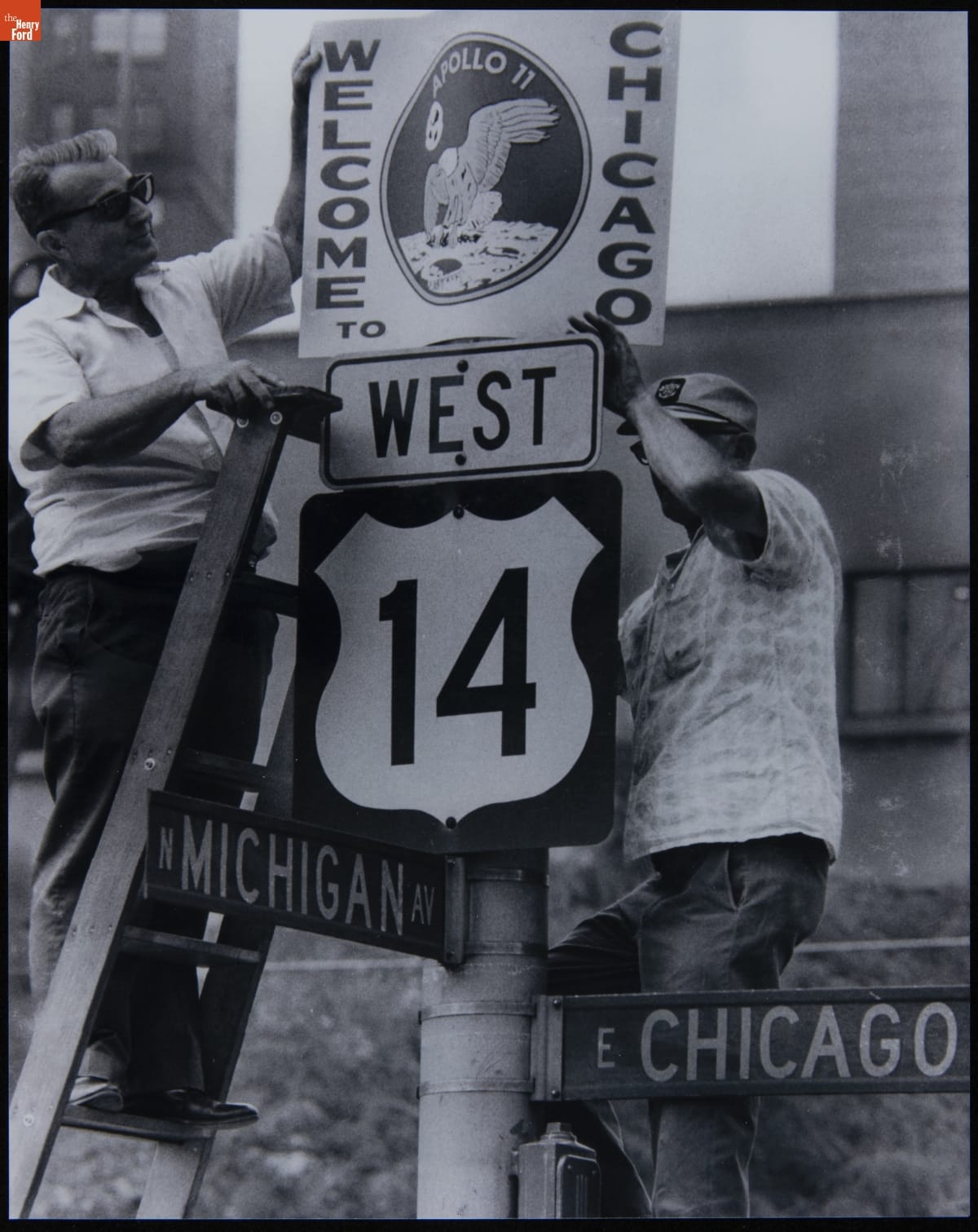
- Workers Installing a Sign for the Ticker Tape Parade Honoring the Apollo 11 Astronauts, August 13, 1969 - The crew of Apollo 11 -- Neil Armstrong, Edwin "Buzz" Aldrin (the first men to walk on the Moon) and Michael Collins (command module pilot) -- were given a hero's welcome upon their return from space. On August 13, 1969, Chicago, Illinois, hosted a ticker-tape parade for the astronauts. This photograph shows workers placing a sign along the parade route.
- August 13, 1969
- Collections - Artifact
Workers Installing a Sign for the Ticker Tape Parade Honoring the Apollo 11 Astronauts, August 13, 1969
The crew of Apollo 11 -- Neil Armstrong, Edwin "Buzz" Aldrin (the first men to walk on the Moon) and Michael Collins (command module pilot) -- were given a hero's welcome upon their return from space. On August 13, 1969, Chicago, Illinois, hosted a ticker-tape parade for the astronauts. This photograph shows workers placing a sign along the parade route.
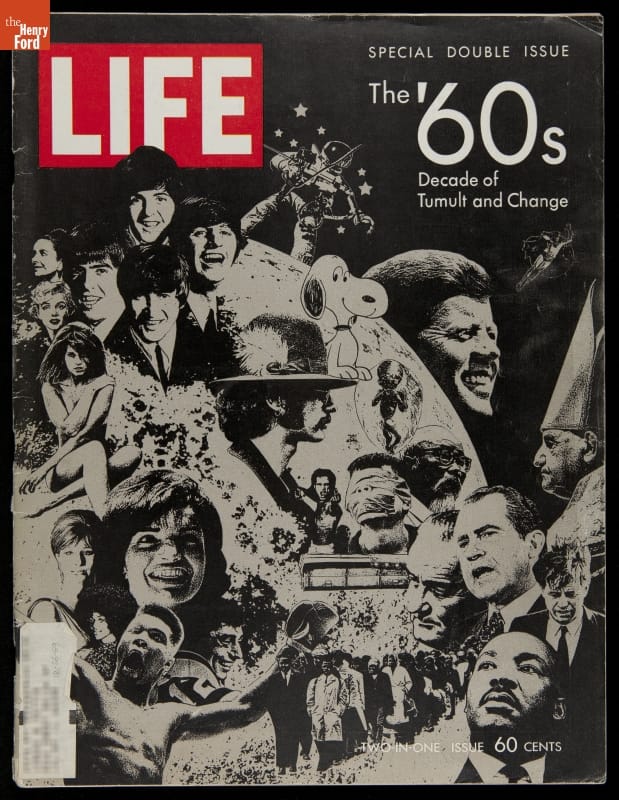
- Life Magazine for December 26, 1969, "The '60s. Decade of Tumult and Change" - Portraits of slain President John F. Kennedy and former first lady, Jacqueline Kennedy Onassis feature prominently among this collage of highlights for the 1960s decade on the cover of <EM>Life</EM> magazine. Kennedy's portrait juxtaposed next to a photo of the moon pays homage to one of the president's legacies--greatly increasing support for NASA to land a man on the moon.
- December 26, 1969
- Collections - Artifact
Life Magazine for December 26, 1969, "The '60s. Decade of Tumult and Change"
Portraits of slain President John F. Kennedy and former first lady, Jacqueline Kennedy Onassis feature prominently among this collage of highlights for the 1960s decade on the cover of Life magazine. Kennedy's portrait juxtaposed next to a photo of the moon pays homage to one of the president's legacies--greatly increasing support for NASA to land a man on the moon.
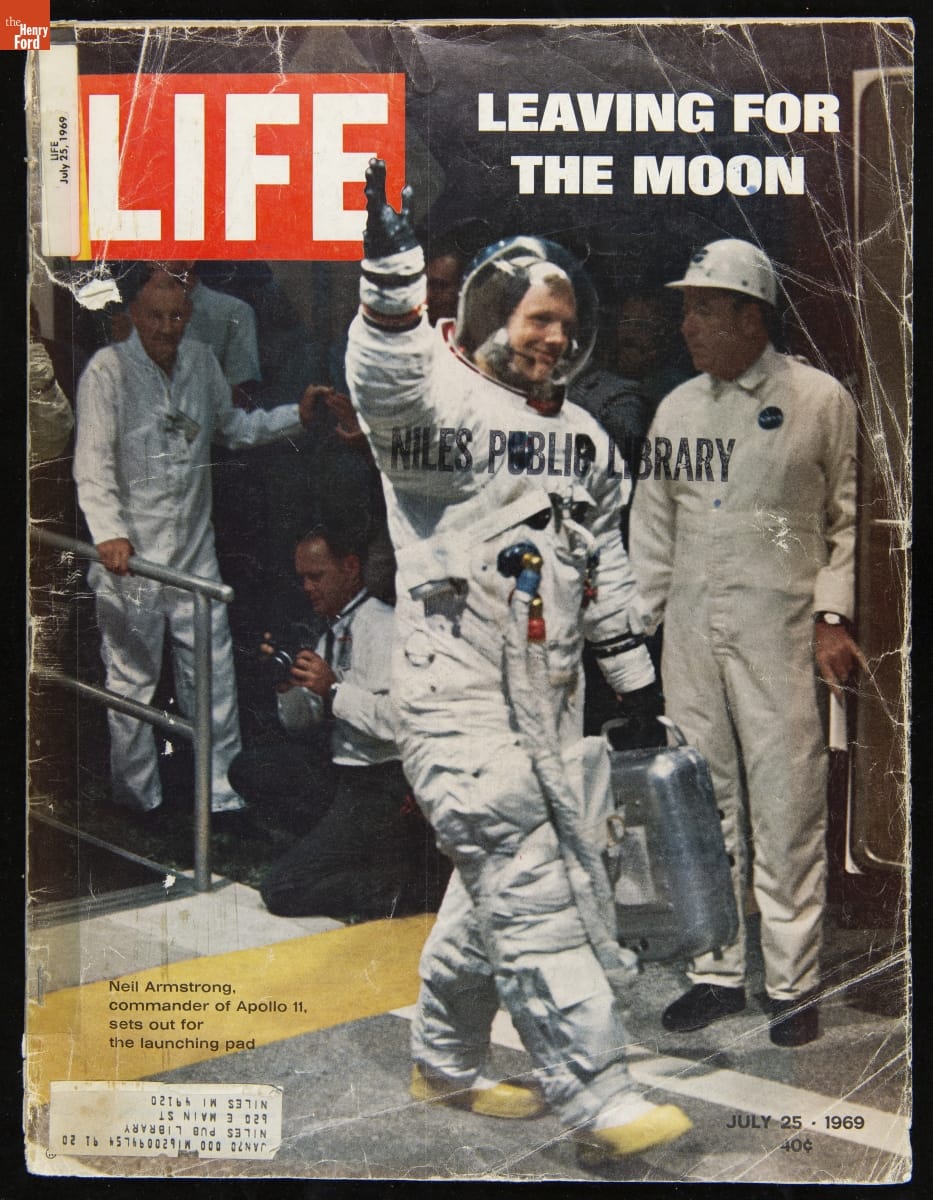
- Life Magazine, "Leaving for the Moon," July 25, 1969 - In July 1969, the ambitious plan to land a person on the Moon--laid out by President John F. Kennedy less than a decade earlier--neared reality. Americans eagerly anticipated the Apollo 11 mission, during which astronauts would walk on the Moon. <em>Life</em> magazine produced several issues before and after the event to keep the public informed on this historic undertaking.
- July 25, 1969
- Collections - Artifact
Life Magazine, "Leaving for the Moon," July 25, 1969
In July 1969, the ambitious plan to land a person on the Moon--laid out by President John F. Kennedy less than a decade earlier--neared reality. Americans eagerly anticipated the Apollo 11 mission, during which astronauts would walk on the Moon. Life magazine produced several issues before and after the event to keep the public informed on this historic undertaking.
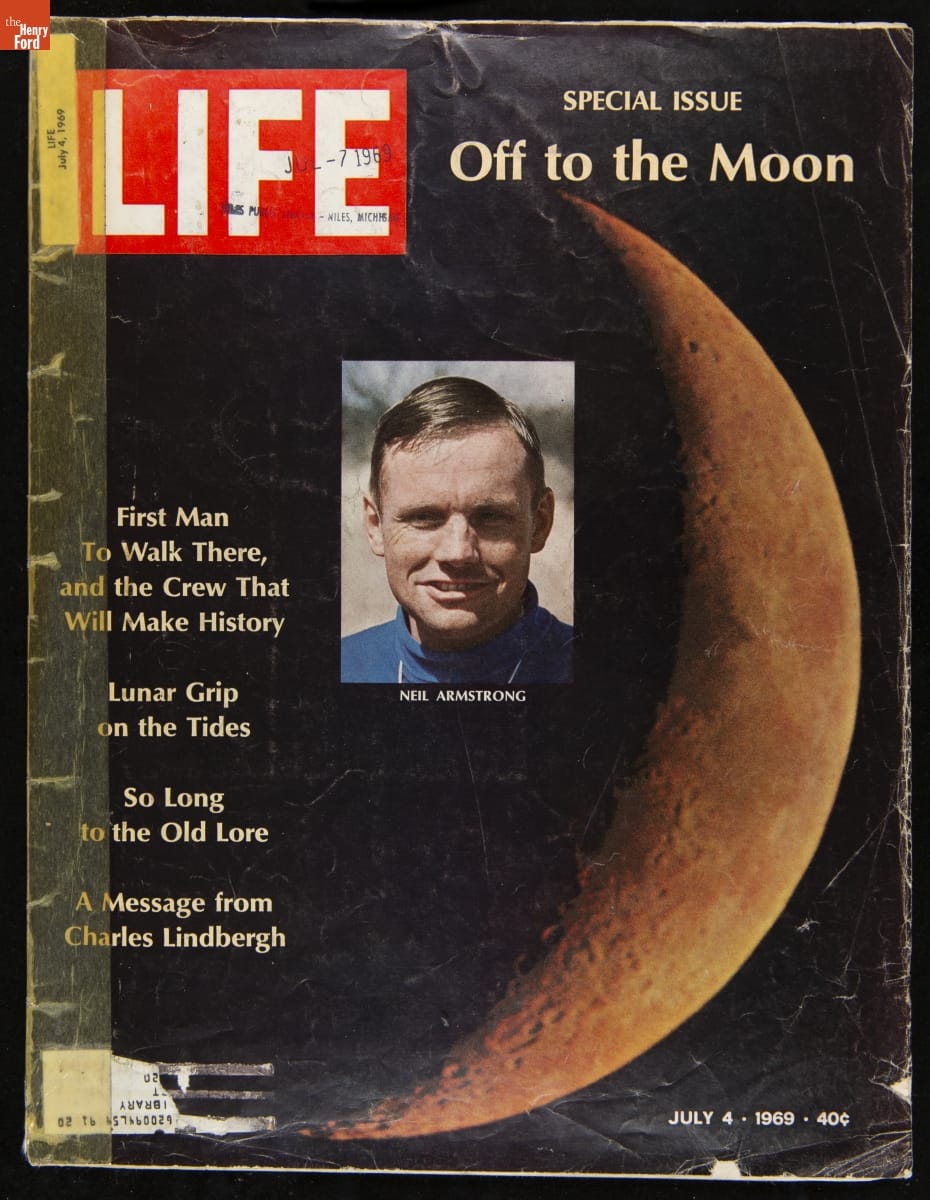
- Life Magazine Special Issue, "Off to the Moon," July 4, 1969 - In July 1969, the ambitious plan to land a person on the Moon--laid out by President John F. Kennedy less than a decade earlier--neared reality. Americans eagerly anticipated the Apollo 11 mission, during which astronauts would walk on the Moon. <em>Life</em> magazine produced several issues before and after the event to keep the public informed on this historic undertaking.
- July 04, 1969
- Collections - Artifact
Life Magazine Special Issue, "Off to the Moon," July 4, 1969
In July 1969, the ambitious plan to land a person on the Moon--laid out by President John F. Kennedy less than a decade earlier--neared reality. Americans eagerly anticipated the Apollo 11 mission, during which astronauts would walk on the Moon. Life magazine produced several issues before and after the event to keep the public informed on this historic undertaking.
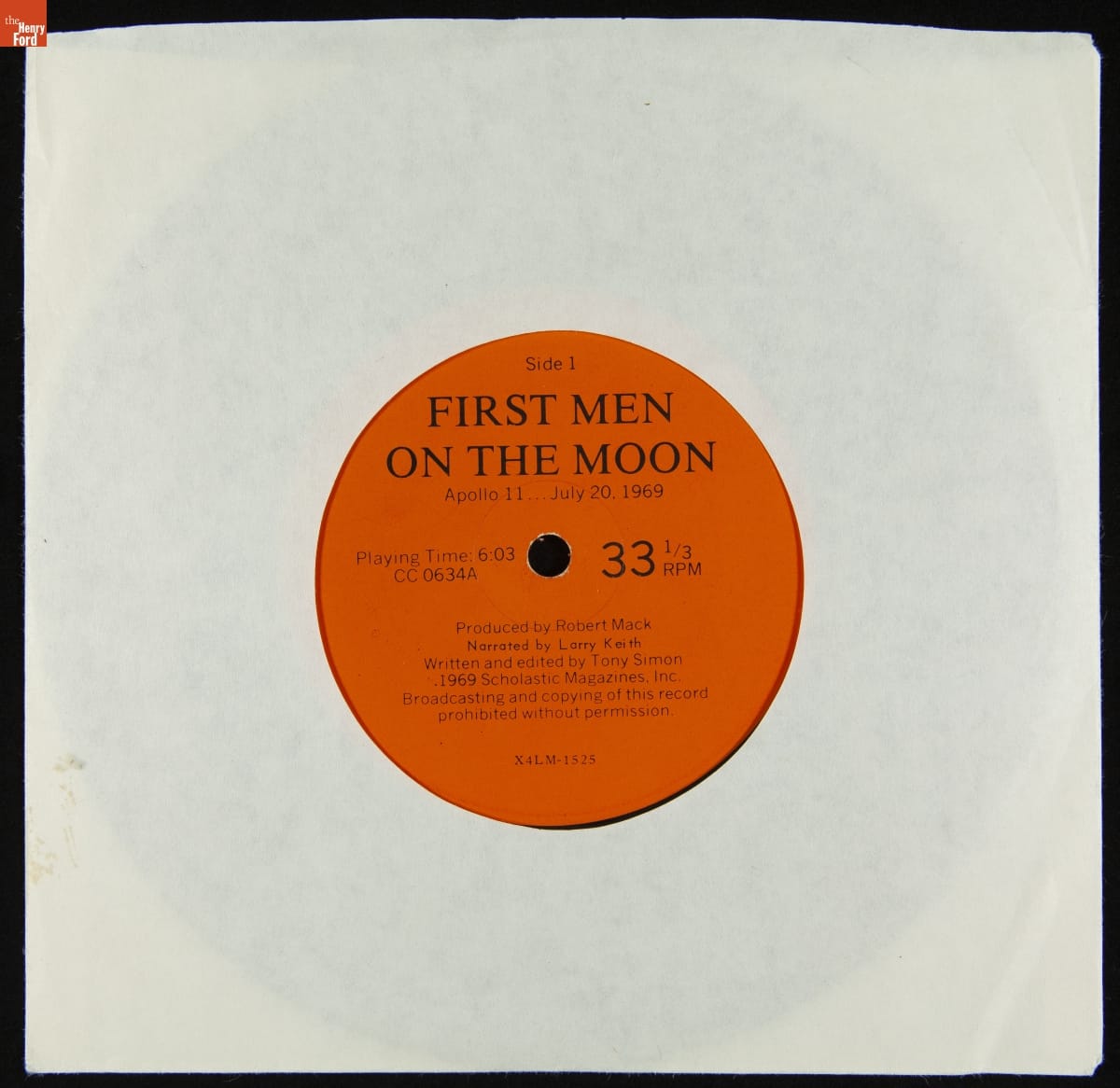
- Record Album, "First Men on the Moon," 1969 - Scholastic Magazines, Inc., a well-respected educational publisher founded in the 1920s, produced this documentary record commemorating the 1969 Apollo 11 Moon landing. The album uses narration and excerpts from official NASA transcripts to recreate this significant event. The Scholastic company also produced a poster with space imagery and the album's text on the back so young readers could follow along.
- 1969
- Collections - Artifact
Record Album, "First Men on the Moon," 1969
Scholastic Magazines, Inc., a well-respected educational publisher founded in the 1920s, produced this documentary record commemorating the 1969 Apollo 11 Moon landing. The album uses narration and excerpts from official NASA transcripts to recreate this significant event. The Scholastic company also produced a poster with space imagery and the album's text on the back so young readers could follow along.
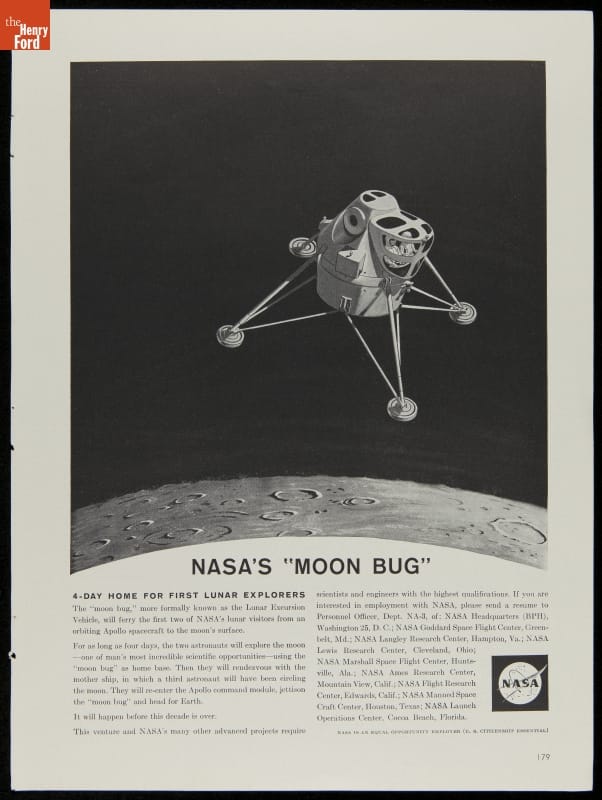
- Recruiting Advertisement for NASA, "Moon Bug," November 1962 - President John F. Kennedy's vision to explore the "new frontier" of space ignited the public's imagination. It was also an overt Cold War strategy against the Soviet Union which launched the first man in space April 12, 1961. NASA published this ad series in 1962 to convince aerospace engineers and scientists to join them for the U.S. effort to conquer space.
- November 01, 1962
- Collections - Artifact
Recruiting Advertisement for NASA, "Moon Bug," November 1962
President John F. Kennedy's vision to explore the "new frontier" of space ignited the public's imagination. It was also an overt Cold War strategy against the Soviet Union which launched the first man in space April 12, 1961. NASA published this ad series in 1962 to convince aerospace engineers and scientists to join them for the U.S. effort to conquer space.
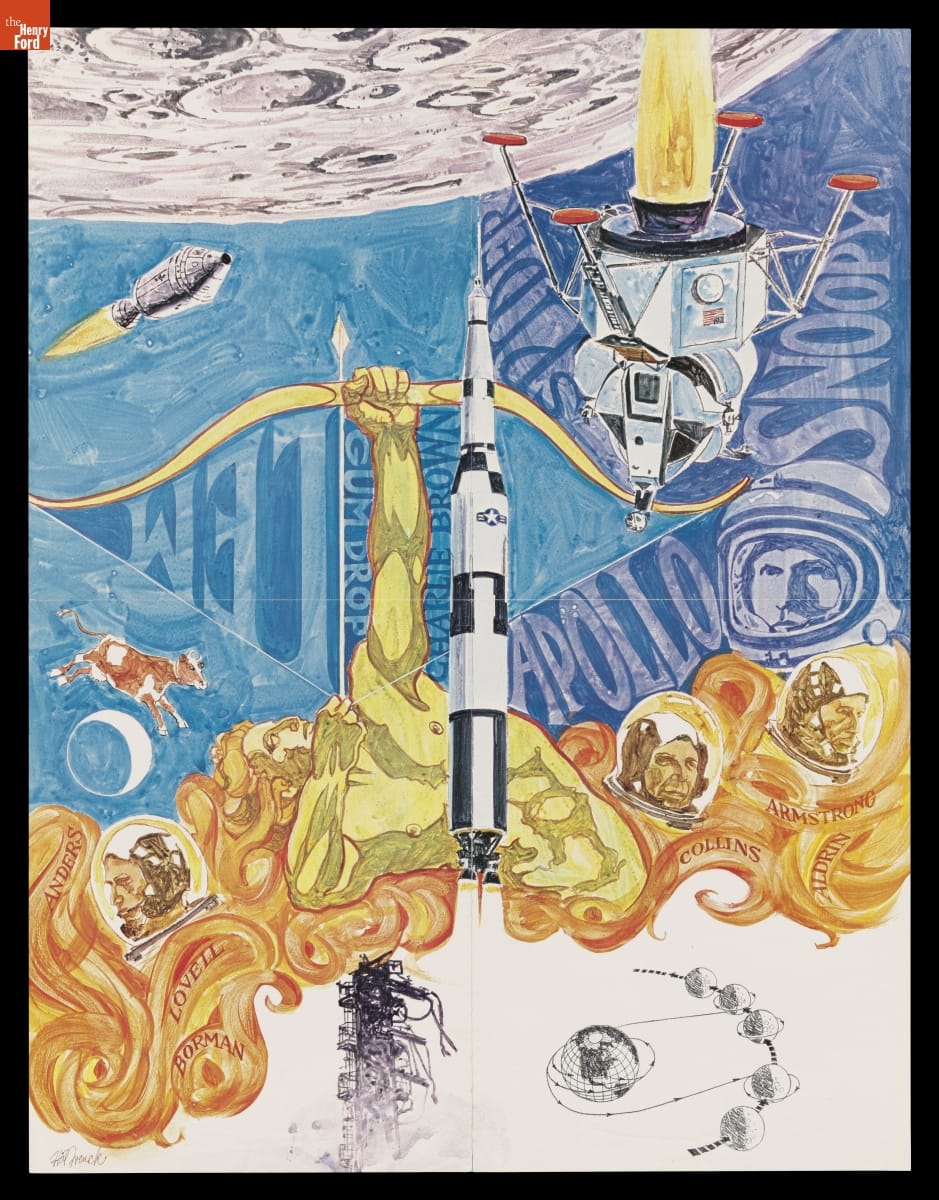
- Moon Landing Poster, 1969 - Scholastic Magazines, Inc., a well-respected educational publisher, produced this poster commemorating the Apollo Moon landing missions to accompany the documentary album "First Men on the Moon." Hal Frenck designed the poster with space imagery and the names of early Apollo astronauts and mission modules. On the back, young readers could find the album's text, which included excerpts from official NASA transcripts.
- 1969
- Collections - Artifact
Moon Landing Poster, 1969
Scholastic Magazines, Inc., a well-respected educational publisher, produced this poster commemorating the Apollo Moon landing missions to accompany the documentary album "First Men on the Moon." Hal Frenck designed the poster with space imagery and the names of early Apollo astronauts and mission modules. On the back, young readers could find the album's text, which included excerpts from official NASA transcripts.
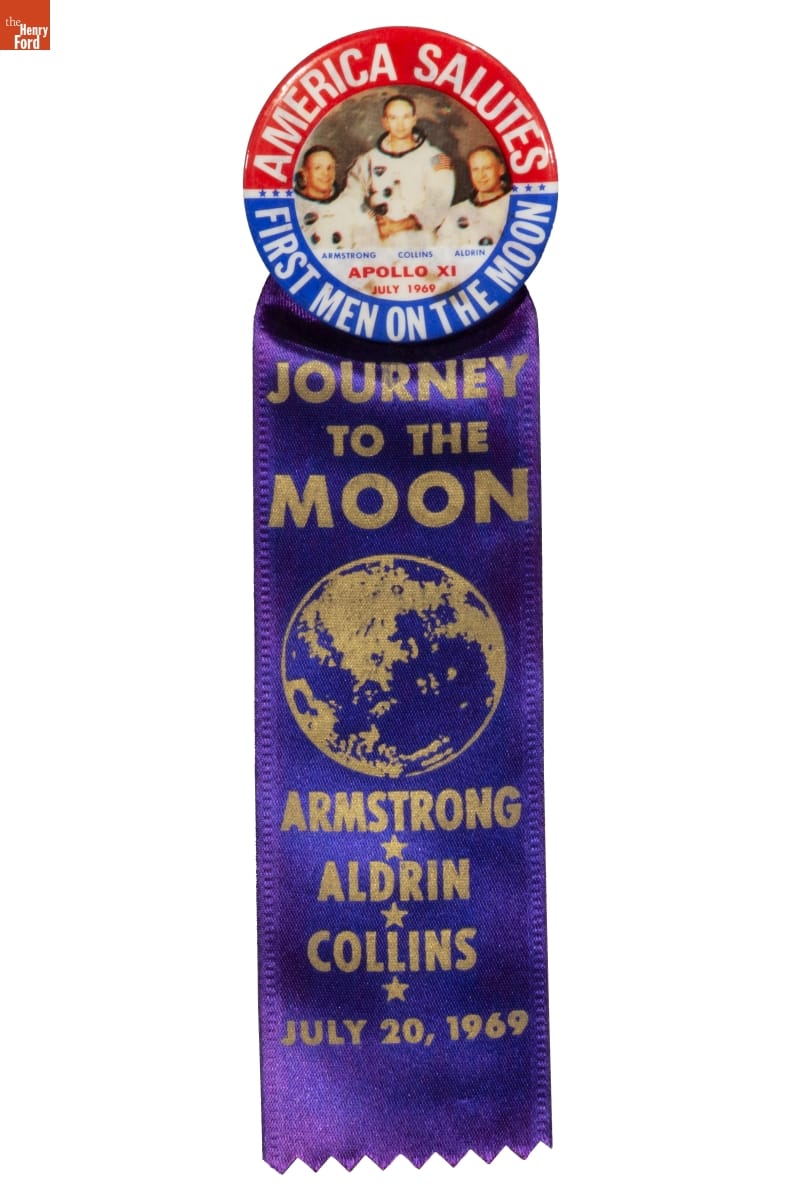
- "First Men on the Moon" Button and Ribbon, circa 1969 - On July 20, 1969, Apollo XI landed on the Moon. NASA astronauts Neil Armstrong and Edwin "Buzz" Aldrin became the first men to walk on the Moon's surface, while Michael Collins orbited in the command module. The landing and the astronaut's first steps on the lunar surface captivated audiences watching the live telecast. Proud Americans purchased souvenirs to remember this historic event.
- July 20, 1969
- Collections - Artifact
"First Men on the Moon" Button and Ribbon, circa 1969
On July 20, 1969, Apollo XI landed on the Moon. NASA astronauts Neil Armstrong and Edwin "Buzz" Aldrin became the first men to walk on the Moon's surface, while Michael Collins orbited in the command module. The landing and the astronaut's first steps on the lunar surface captivated audiences watching the live telecast. Proud Americans purchased souvenirs to remember this historic event.
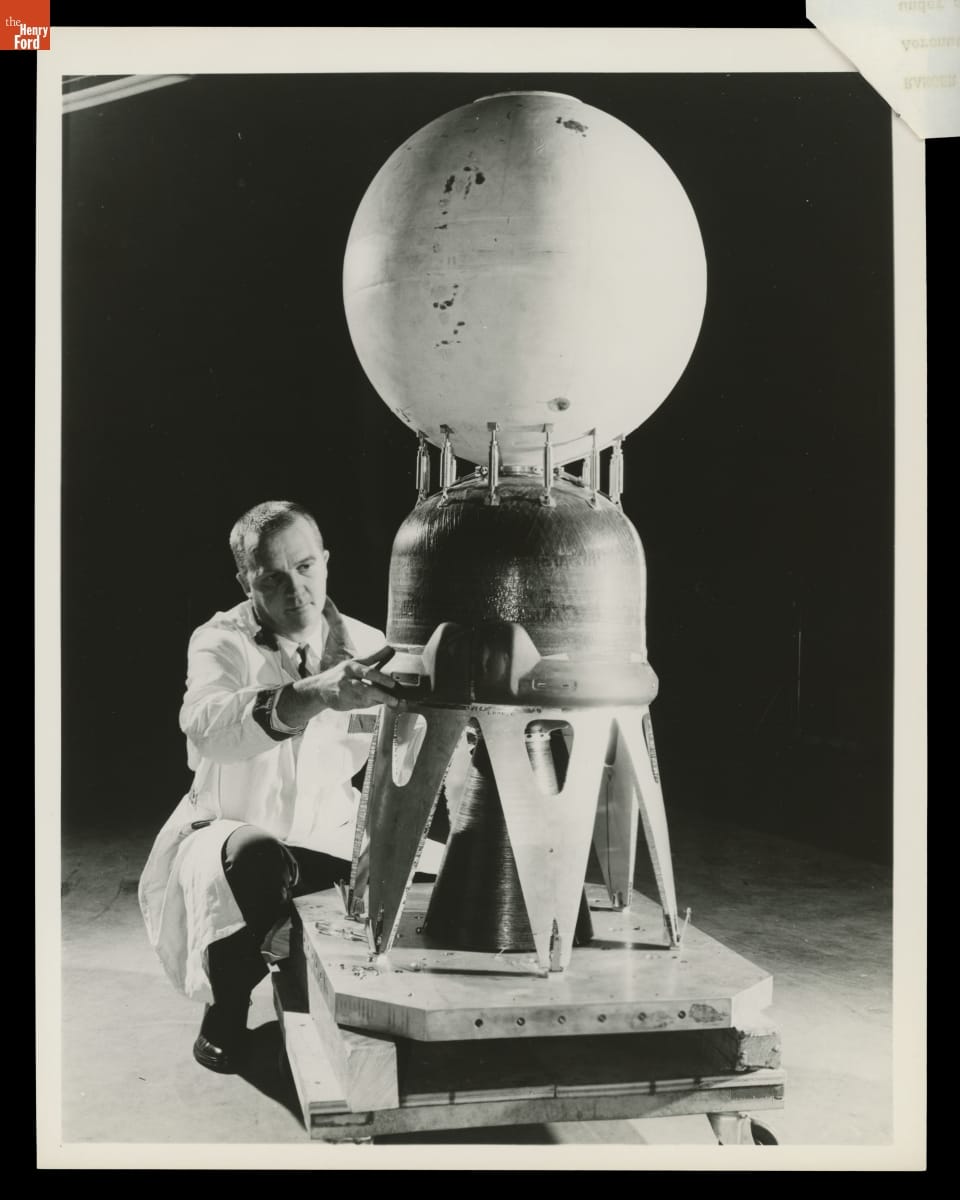
- Lunar Capsule and Retrorocket for NASA Ranger 3 Spacecraft Being Assembled, April 1960 - Ford Motor Company established the core of its aerospace division in 1956. Based in Newport Beach, California, the division and its subsidiaries manufactured satellites, missiles, and defense systems. It also played an important role in developing the Mission Control facility near Houston, Texas, that directed NASA's Gemini and Apollo space missions. Ford sold its aerospace division in 1990.
- April 26, 1960
- Collections - Artifact
Lunar Capsule and Retrorocket for NASA Ranger 3 Spacecraft Being Assembled, April 1960
Ford Motor Company established the core of its aerospace division in 1956. Based in Newport Beach, California, the division and its subsidiaries manufactured satellites, missiles, and defense systems. It also played an important role in developing the Mission Control facility near Houston, Texas, that directed NASA's Gemini and Apollo space missions. Ford sold its aerospace division in 1990.
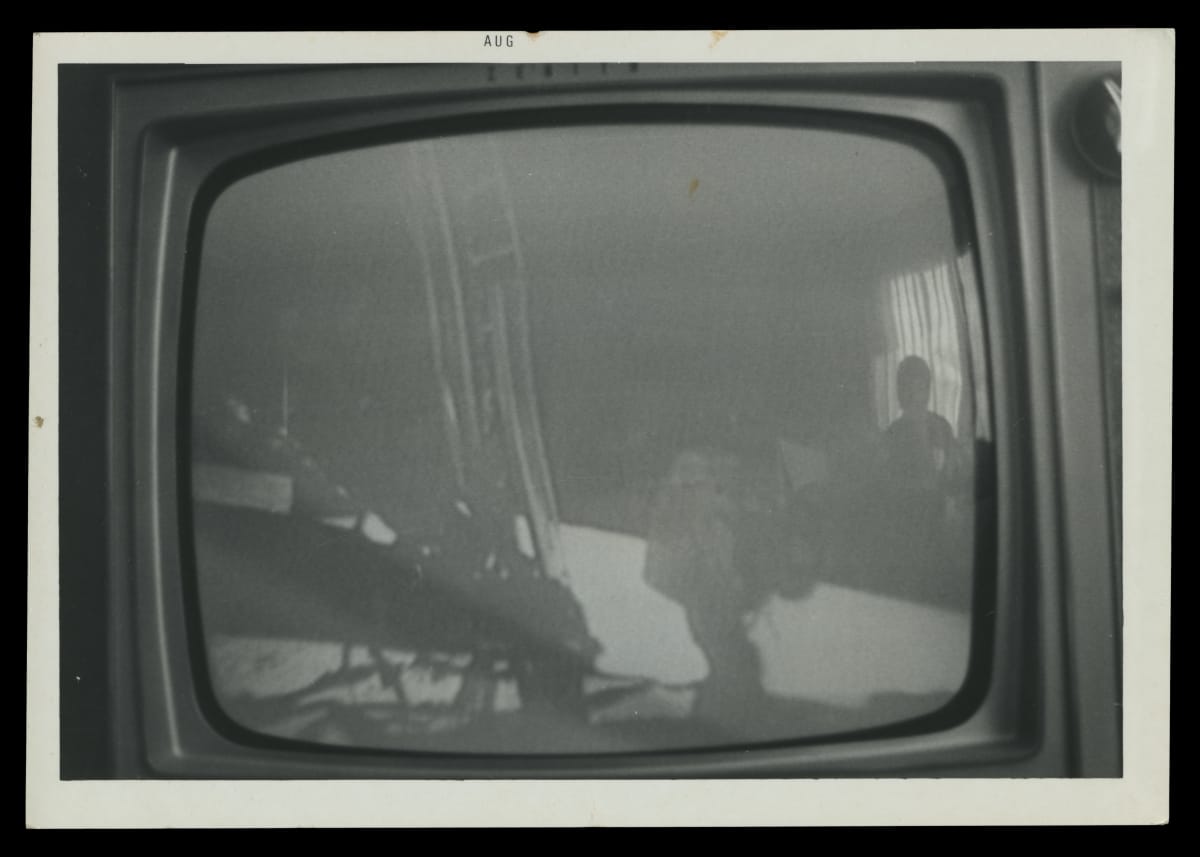
- Home Television Broadcast of NASA's Apollo 11 Moon Landing, July 20, 1969 - NASA's Apollo lunar missions captivated audiences watching the live events on their home televisions. When video recording technology was not widely available, people captured the events with what was available - the family camera. These images document many layers of technology, which united to make the missions possible. They also capture public fascination and desire to commemorate one's place in historical moments.
- July 20, 1969
- Collections - Artifact
Home Television Broadcast of NASA's Apollo 11 Moon Landing, July 20, 1969
NASA's Apollo lunar missions captivated audiences watching the live events on their home televisions. When video recording technology was not widely available, people captured the events with what was available - the family camera. These images document many layers of technology, which united to make the missions possible. They also capture public fascination and desire to commemorate one's place in historical moments.